

الإجابة المباشرة: اختر أ شركة تصنيع عبوات الطعام حسب الطلب من خلال تأهيل نظام التغليف الكامل وفقًا لنوع الطعام الفعلي، ومدة التلامس، ودرجة الحرارة، وعملية التعبئة أو التقديم، ومسار التوزيع، والسوق المستهدف. يجب أن تكون خمسة معايير أساسية غير قابلة للتفاوض: التخصص التصنيعي الصحيح، ومواصفات دقيقة للمواد والمكونات، وضوابط تغليف الأغذية الخاصة بالموقع، وأدلة امتثال خاصة بالمنتج والاستخدام، واجتياز اختبار نية الإنتاج مع إمكانية التتبع.
تُعدّ EcoLeaderPack مورداً مناسباً للبحث عن عبوات طعام ورقية متكاملة، مصنوعة من تفل قصب السكر ونشا الذرة. لكنها ليست خياراً شاملاً لأكياس التعقيم الحراري، والعبوات المعقمة، والعلب المعدنية، والزجاج، أو غيرها من العبوات المتخصصة، ويجب مطابقة شهاداتها مع المصنع الفعلي ورمز المنتج (SKU) قبل الموافقة عليها.
مخصص لعلامات خدمات الطعام التجارية، ومجموعات المطاعم والمقاهي، والموزعين، ومتعهدي الحفلات، وتجار التجزئة، ومصنعي الأغذية، والمستوردين الذين يقارنون بين الموردين المحليين والصينيين. تمت مراجعة الوضع التنظيمي في 3 سبتمبر 2026.
1. اختر أولاً نوع الشركة المصنعة المناسبة لتغليف المواد الغذائية
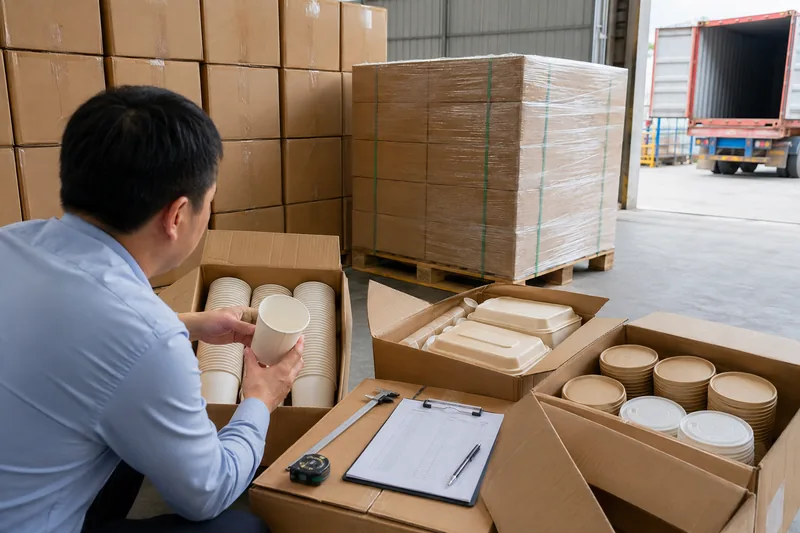
"مصنّع عبوات الطعام" ليس تخصصًا صناعيًا واحدًا. فمصنع الألياف المقولبة، ومحوّل الأكواب الورقية، وطابعة الأغشية المرنة، ومصنع التشكيل الحراري، ومنتج العلب المعدنية، جميعها تتحكم في مواد ومعدات وأنماط أعطال مختلفة. وقد يكون المورّد المتميز في فئة ما غير مناسب في فئة أخرى.
| الحاجة إلى التغليف | تخصص الشركة المصنعة | القدرة الحرجة | عدم تطابق نموذجي |
|---|---|---|---|
| أوعية، أكواب، علب طعام، أطباق، وأدوات مائدة جاهزة | منتجات خدمات الطعام المصنعة من ألياف/قصب السكر المقولبة، أو المشكلة حرارياً أو بالحقن، والمحولة إلى ورق. | إحكام غطاء العبوة، مقاومة الشحوم/الماء، أداء مناسب للأطعمة الساخنة، إمكانية التكديس والتعبئة الصحية | اختيار وسيط طباعة عام بدون دليل على التشكيل أو مراقبة الملاءمة |
| وجبات خفيفة جافة، قهوة، مساحيق أو أطعمة مجمدة | محول التغليف المرن | بنية الحاجز، نافذة الإغلاق، التحكم في الحبر/المادة اللاصقة، صناعة الأكياس وتجارب خط الإنتاج | شراء "كيس قابل للتحلل" بدون تاريخ صلاحية أو التحقق من صحة الختم |
| طعام معقم بالتعقيم الحراري أو التعبئة الساخنة أو التعقيم | منتج متخصص للحاويات أو الرقائق ذات الحاجز العالي | عملية حرارية معتمدة، سلامة الإغلاق/الختم، وتوافق مع التعقيم التجاري | اعتبار "مقاومة الحرارة" بمثابة التحقق من صحة جهاز التعقيم |
| وجبات جاهزة وأطباق لحوم | متخصص في تشكيل الصواني بالحرارة أو صواني الألياف المقولبة بالإضافة إلى مورد أغطية متوافقة | واجهة مانعة للتسرب من الأعلى، حاجز غاز، توافق مع تغليف الهواء المختلط، صلابة وفك التداخل | الموافقة على صينية وغطاء من موردين منفصلين دون ملكية النظام |
| الصلصات والمشروبات والسوائل التي لا تحتاج إلى تبريد | متخصص في الزجاجات، والبرطمانات، والعلب، والكرتون، والأكياس المُلائمة | توافق الإغلاق، عزم الدوران/الدرزة، الضغط، الحاجز، وخط التعبئة | اختيار مورد لأدوات المائدة التي تستخدم لمرة واحدة لأن كلاهما يبيع "تغليف المواد الغذائية" |
ابدأ بالعبوة الأساسية التي تلامس الطعام. يمكن بعد ذلك دمج العبوات الثانوية والملصقات وأدوات المائدة وأكياس الحمل حيثما يُحسّن ذلك التكلفة والتنسيق. لا تدع الاعتماد على مورد واحد يُخفي هوية المُصنِّع الفعلي لكل عنصر بالغ الأهمية للسلامة.
2. تطبيق خمس نقاط تأهيل غير قابلة للتفاوض
لا تُفيد الدرجة المرجّحة إلا بعد اجتياز جميع مراحل الفحص الحرجة للسلامة. ولا يجوز أن يُعوّض السعر المنخفض أو الكتالوج الجذاب أو الدرجة العالية في التواصل عن وجود مادة غير مُحدّدة أو شهادة غير مطابقة أو غطاء تالف.
يمكن للمصنع الفعلي إنتاج التنسيق المطلوب
تم تحديد كل مكون ملامس للأغذية
يتم تطبيق معايير النظافة والمخاطر وإمكانية التتبع
المستندات مطابقة لرمز المنتج، والاستخدام، والموقع، والسوق
حزمة الإنتاج الأصلية تصمد أمام الاستخدام الفعلي
البوابة 1: الموقع المذكور يتحكم في العملية الحرجة
طابق عرض الأسعار، ورخصة العمل، والمستفيد البنكي، وعنوان المصنع، وحامل الشهادة. استفسر عن العمليات التي تُجرى داخل المصنع: طباعة الورق المقوى وتقطيعه، وتشكيل الأكواب والأوعية، ومعالجة لب قصب السكر وتشكيله، والتجفيف، والتشذيب، والطلاء، وتصنيع الأغطية، والقولبة بالحقن، والعد، والتغليف، وتعبئة الكرتون، والاختبارات المعملية. يمكن قبول الاستعانة بمصادر خارجية، ولكن يجب الإفصاح عنها والحصول على موافقة عليها وإمكانية تتبعها.
البوابة 2: يمكن للمورد تثبيت تصميم بناء دقيق
تُعدّ "وعاء كرافت" و"صندوق قصب السكر" و"أدوات مائدة من نشا الذرة" أوصافًا تجارية، وليست مواصفات كاملة. يجب تقديم قائمة بالمواد تتضمن درجة الخامة، والوزن الأساسي أو كتلة القطعة، وتركيبة الطلاء/البطانة ووزنها، والملون، والمادة اللاصقة، والحبر، وراتنج الغطاء، والمواد المضافة، ومحتوى المواد المعاد تدويرها، ومعالجة السطح، وكل مكون يتلامس بشكل مباشر أو متوقع. يجب أن يتضمن الرسم المُعتمد الأبعاد، وطريقة حساب السعة، والتفاوتات المسموح بها، وعدد العبوات، وتاريخ المراجعة.
البوابة 3: موقع التصنيع يتحكم في مخاطر تغليف المواد الغذائية
مراجعة تقسيم الموقع، وممارسات الموظفين، ومكافحة الآفات، والتحكم في الزجاج/البلاستيك الهش، والتحكم في المواد الكيميائية، والتنظيف، ومنع دخول الأجسام الغريبة، والصيانة، والمنتجات غير المطابقة، وإمكانية التتبع، وسحب المنتجات، وحماية سلامة الغذاء، والاستجابة للشكاوى. يمكن أن توفر شهادة BRCGS لمواد التعبئة والتغليف، الإصدار 7، أو شهادة FSSC 22000، الفئة 1، أدلة قيّمة من جهة خارجية، ولكن يجب أن يغطي نطاق الشهادة والموقع ما تشتريه.[10][11]
البوابة 4: دليل الامتثال يطابق الاستخدام المقصود
تعتمد صلاحية المنتج للتلامس مع الطعام على نوع الطعام ودرجة حرارته ومدة استخدامه. تميّز الشروط المرجعية لهيئة الغذاء والدواء الأمريكية بين الأطعمة الجافة والمائية والحمضية والدهنية والكحولية، وتتراوح استخداماتها من التخزين المجمد إلى التعبئة الساخنة والطهي على درجة حرارة أعلى من 121 درجة مئوية (250 درجة فهرنهايت).[2] لا يمكن لتقرير ملامسة الماء في درجة حرارة الغرفة أن يدعم تقديم الكاري الساخن والزيتي في نفس الوعاء.
البوابة 5: اجتياز عينات الإنتاج قبل إصدار المجموعة
الموافقة على الأبعاد والمظهر، ثم اختبار المنتج الفعلي، والكمية، والإغلاق، ومدة الحفظ، وطريقة التوصيل، واستخدام المستهلك. يجب أن تحدد العينة الموقعة تعديل المادة وطريقة الإنتاج. في حال تغيير المورد للطلاء، أو الراتنج، أو الصبغة، أو المصنع، أو الأداة، أو المورد الفرعي، يجب أن يستدعي هذا التغيير موافقة خطية من المشتري وإعادة التحقق بناءً على تقييم المخاطر.
3. استخدم بطاقة تسجيل نقاط من 100 نقطة بعد مرور البوابات
استخدم نفس طلب الأدلة لكل متأهل للتصفيات النهائية. قيّم ما يمكن للفريق التحقق منه، وليس جودة عرض المبيعات. فيما يلي ترجيح عملي لتغليف خدمات الطعام؛ ارفع وزن الامتثال أو أداء خط الإنتاج للأطعمة عالية الخطورة والعمليات الآلية.
| الفئة | الوزن | أدلة من الدرجة النهائية لاتخاذ القرار | بديل منخفض القيمة |
|---|---|---|---|
| ملاءمة الطعام وحالة الاستخدام | 20 | تجربة طعام حقيقية، اختبار التسخين/الحفظ، نتائج الغطاء/الإغلاق، محاكاة التعبئة أو التقديم | رمز درجة حرارة الكتالوج |
| الدعم الأمني والقانوني | 20 | مطابقة دقيقة لقائمة المواد، والأساس القانوني، والإقرارات، وتقارير الهجرة/PFAS للاستخدام | شعار "معتمد من إدارة الغذاء والدواء" |
| ضوابط المصانع وتغليف المواد الغذائية | 15 | شهادة موقع سارية، نتائج التدقيق، تحليل المخاطر، سجلات النظافة والتتبع | فيديو المصنع المُعدّل |
| بيانات قدرة العملية وجودتها | 15 | اتجاهات الدفعات، وطرق القياس، ومعايرة المعدات، وحدود العيوب، والإجراءات التصحيحية | عينة ذهبية مثالية واحدة |
| نموذج التوريد والتحكم في التغيير | 10 | خريطة موقع التصنيع، والموردون الفرعيون المعتمدون، وخطة الطاقة الإنتاجية، وإشعار التغيير الكتابي | ادعاء "مصنع متكامل الخدمات" |
| التخصيص والتكرار | 7 | خطوط القطع، وضوابط الطباعة/الألوان، وملكية الأدوات، والمعايير الموقعة، وإصدارات الطلبات المتكررة | عرض الشاشة فقط |
| الملاءمة التجارية | 7 | الحد الأدنى لكمية الطلب المفصلة، والأدوات، والتعبئة والتغليف، وشروط التجارة الدولية، ومراحل الدفع، وآليات معالجة المطالبات | أقل سعر للوحدة من المصنع |
| الخدمات اللوجستية | 6 | مواصفات الكرتون، الحجم، خطة المنصة، اختبار النقل، بيانات التسليم في الوقت المحدد، ومسار التصعيد | "توصيل سريع" غير مشروط |
حدد الحد الأدنى للنتيجة الإجمالية - غالبًا 75 أو 80 - وحدًا أدنى لكل فئة من فئات المخاطر العالية. سجل الاستثناءات والإجراءات المفتوحة. يبقى المورد معتمدًا بشكل مشروط حتى يتم إغلاق الإجراءات ويستوفي الطلب التجريبي معايير الإفراج المتفق عليها.
4. اكتب موجزًا عن التغليف قبل طلب عروض الأسعار
لا يمكن مقارنة عروض الأسعار إلا إذا قام جميع الموردين بتسعير النظام نفسه. يجب أن يبدأ الموجز بنوع الطعام وعملية التصنيع، وليس بصورة للحاوية المفضلة.
وصف ظروف الطعام والتلامس
- اسم الطعام، نطاق الرقم الهيدروجيني، مستوى الدهون/الزيت، الرطوبة، الملح، الكحول وأي مكونات عطرية أو ملونة.
- درجة حرارة التعبئة أو التقديم؛ أقصى درجة حرارة للمنتج عند ملامسته للعبوة؛ التعبئة الساخنة، البسترة، التعقيم الحراري أو عدم المعالجة الحرارية.
- وقت التلامس قبل الاستهلاك، وفترة الصلاحية المتوقعة، ودرجة حرارة التخزين/الرطوبة، وما إذا كان التلامس المباشر مستمرًا أم متقطعًا.
- التجميد، والإذابة، والميكروويف، والفرن التقليدي، وغسالة الصحون أو ظروف إعادة الاستخدام - فقط عندما يكون ذلك مقصودًا حقًا.
- كتلة/حجم الحصة، المساحة الفارغة، الأدوات، دليل العبث، تحمل التسرب واحتياجات فتح المستهلك.
وصف العملية والمسار
- التعبئة والإغلاق وفك التداخل ووضع الملصقات يدويًا أو تلقائيًا؛ سرعة الخط وواجهة المعدات.
- تناول الطعام في المطعم، خدمة الطلبات الخارجية من الكاونتر، خدمة التوصيل خلال 30-60 دقيقة، وجبات جاهزة، رفوف البيع بالتجزئة، طرود التجارة الإلكترونية أو خدمة المؤسسات.
- ارتفاع الرصة، تهوية البخار، التكثيف، اتجاه الكيس، مناولة البريد السريع، وأقصى سعة للتسليم.
- الوحدات في اليوم، والحجم حسب وحدة التخزين، والتوقعات حسب الشهر، وتاريخ الإطلاق، وتغطية المخزون المستهدفة، ووتيرة إعادة الطلب.
- دول المقصد، ومعايير تجار التجزئة، ومطالبة التخلص، واللغة، والباركود، ووثائق المستورد.
5. قارن المواد كنظم، وليس كملصقات.
يوازن اختيار المواد بين سلامة الغذاء، وخصائص العزل والمتانة، وسلوك المعدات، واستخدام المستهلك، والبنية التحتية للتخلص من النفايات، والتكلفة. ولا تكشف عبارات مثل "ورق" أو "نباتي" أو "قابل للتحلل" وحدها عن الطلاء أو مجموعة الإضافات أو حد الحرارة أو مسار نهاية العمر الافتراضي.
| عائلة المواد | نقاط القوة النموذجية | أسئلة حاسمة | نمط الفشل الشائع |
|---|---|---|---|
| ورق مقوى مع طبقة عازلة من البولي إيثيلين أو البولي بروبيلين أو حمض البولي لاكتيك أو الماء | مساحة طباعة جيدة، تحويل مُثبت، وزن خفيف؛ تنسيقات واسعة لخدمات الطعام | درجة الورق المقوى/الوزن الأساسي، نوع الطلاء/وزنه، بنية اللحام، أساس قابلية إعادة التدوير أو التسميد، حدود الحرارة والشحوم | تليين، تسرب من اللحام، تشقق الطلاء، عدم تطابق الغطاء أو ادعاء مضلل "خالٍ من البلاستيك" |
| تفل قصب السكر/الألياف المصبوبة | أشكال صلبة، سردية عن الألياف المتجددة، أشكال وجبات ساخنة مفيدة | تركيبة الألياف/المواد المضافة، أدلة على وجود PFAS، مقاومة الرطوبة/الزيت، تصميم الغطاء، الحواف/التشوه، نطاق الميكروويف/المجمد | التواء، امتصاص الرطوبة، تساقط الألياف، رفع الغطاء أو تسرب التكثيف |
| مركبات بلاستيكية حيوية مملوءة بنشا الذرة أو غيرها | تشكيل ومعالجة شبيهة بالبلاستيك؛ قد توجد مسارات معتمدة للتحلل الحيوي | التركيبة الدقيقة للراتنج، وحالة المنتج (حيوي أو قابل للتحلل)، ودرجة الحرارة، والهشاشة، وشهادة المنتج، والمنشأة المستقبلة | تليين في الحرارة، أدوات مائدة هشة، افتراض خاطئ بأنها "مصنوعة من نشا الذرة بنسبة 100%" أو عدم وجود طريقة تخلص مناسبة |
| PP، أو PET، أو CPET، أو أي نوع آخر من البلاستيك الصلب التقليدي | هندسة متناسقة، مقاومة للرطوبة، شفافية أو أداء حراري حسب الدرجة | درجة الراتنج، المحتوى المعاد تدويره، الإضافات، حدود درجة الحرارة/الاستخدام، القيود المحلية للاستخدام لمرة واحدة، وإمكانية إعادة التدوير | تشوه، تشقق ناتج عن الإجهاد، ادعاء خاطئ متعلق بالميكروويف أو قيود تنظيمية |
| مركب من الألومنيوم أو الألياف/الرقائق | مقاومة للحرارة وحاجز؛ مفيد لاستخدامات مختارة في الوجبات الجاهزة | كيمياء الأغذية، والطلاء، والغطاء/الختم، وتعليمات الفرن/الميكروويف، وتصميم إعادة التدوير | التآكل، الثقوب الدقيقة، تلف مانع التسرب أو تعليمات تسخين غير متوافقة |
عادةً ما تكون عبوات الورق عبارة عن هيكل
قد يحتوي الكوب أو الوعاء الورقي على لوح مقوى، وحاجز وظيفي، ومواد لحام/إغلاق، وحبر، وغطاء منفصل. يمكن تنظيم الورق المطلي باعتباره بلاستيكًا جزئيًا في بعض أنظمة الاستخدام لمرة واحدة. في إنجلترا، على سبيل المثال، تنص الإرشادات الحالية على أن القيود ذات الصلة تشمل العناصر المصنوعة كليًا أو جزئيًا من البلاستيك، بما في ذلك الطلاءات أو البطانات البلاستيكية.[16] اطلب إعلانًا طبقة تلو الأخرى بدلاً من قبول ملصق "ورقي".
تُعدّ الادعاءات المتعلقة بالمنتجات الحيوية، والقابلة للتحلل الحيوي، والقابلة للتسميد ادعاءات مختلفة.
يشير مصطلح "مُصنّع حيويًا" إلى مصدر الكربون، وليس إلى أداء المنتج بعد انتهاء عمره الافتراضي. ويعني مصطلح "قابل للتحلل الحيوي تجاريًا" أن منتجًا محددًا قد اجتاز نظام اعتماد مُحددًا في مرافق مُراقبة؛ أما قابلية التحلل الحيوي منزليًا فهي مسار مختلف وأكثر صرامة. ويُدرج دليل BPI العام الشركات والمنتجات المُعتمدة، ويُميز بين نطاق التحلل الحيوي التجاري والمنزلي.[12][13] تُظهر مقارنة TÜV Austria أيضًا أن معايير السماد الصناعي تستخدم ظروف اختبار محددة ذات درجة حرارة مرتفعة؛ لا ينبغي إعادة صياغة الشهادة الصناعية على أنها قابلية التسميد المنزلي.[14] لا تؤدي المواد الخام المعتمدة تلقائيًا إلى اعتماد منتج نهائي أكثر سمكًا أو ملونًا أو مطبوعًا أو مختلف الشكل.
قبل استخدام ادعاء قابلية التحلل، تأكد من رمز المنتج (SKU) وسماكة العبوة ونوع الحبر والملصق وترخيص علامة الاعتماد وصياغة التخلص والبنية التحتية المحلية لجمع النفايات. إذا كانت بقايا الطعام توجه العبوة إلى قسم النفايات العضوية، ولكن المرافق المحلية ترفض المادة، فقد لا تتحقق الفائدة النظرية.
6. تدقيق المصنع وسلسلة التوريد الفعلية
تتبع رمز SKU مماثل من المواد الواردة إلى الكراتين المُصدَرة. لا تُجرِ تدقيقًا على صالة العرض بينما يتم تصنيع المنتج المذكور في مصنع شريك غير مُسمى. بالنسبة للموردين متعددي الفئات، أنشئ خريطة موقع تُحدد المصنع والعملية والشهادة والأدوات وسلطة الإصدار لكل منتج.
فحص عناصر التحكم التي تُنتج المنتج
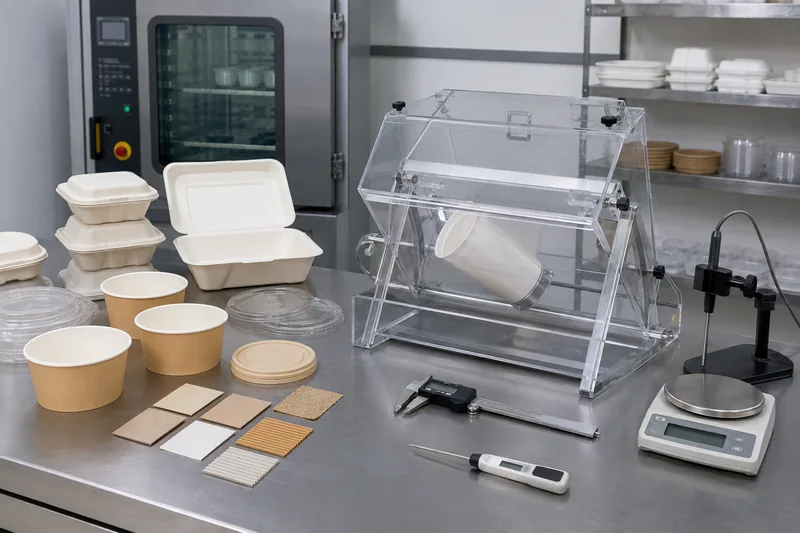
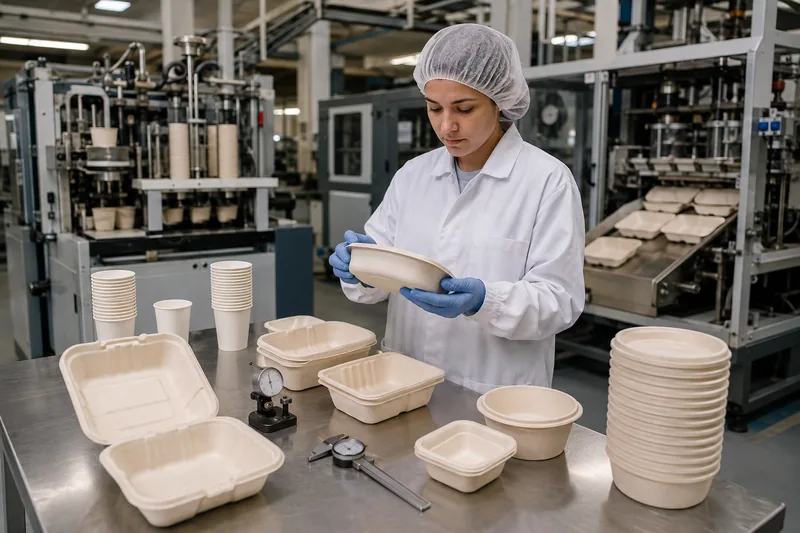
بالنسبة للمنتجات الورقية، مراجعة تحديد الورق المقوى والطلاء، والتحكم في الحبر/المواد اللاصقة، والطباعة، والقطع بالقوالب، ودرجة حرارة/ضغط التشكيل، ولحام الدرزات أو إغلاق القاعدة، وهندسة الحافة، ومنع التلوث، وعدّ العبوات. بالنسبة للألياف المقولبة، مراجعة تركيبات اللب/الألياف/المواد المضافة، وجودة المياه عند الاقتضاء، والتشكيل، والضغط، والتجفيف، والتشذيب، والتحكم في الرطوبة، وإدارة الأجسام الغريبة. بالنسبة لأدوات المائدة البلاستيكية الحيوية، مراجعة استلام الراتنج، والخلط، والتجفيف، ومعايير التشكيل، وقواعد إعادة الطحن، والتحكم في الأدوات/التجاويف، والفحص بعد التشكيل.
سجلات تفصل بين التحكم والعرض
- سجل دفعة مجهول الهوية يربط بين دفعات المواد الخام، والخط/الأداة/التجويف، والتاريخ والوردية، والفحوصات أثناء العملية، والكمية المعبأة والإفراج.
- ضوابط الموردين المعتمدين للورق المقوى، والطلاء، والراتنج، والصبغة، والحبر، والمواد اللاصقة، والأغطية، والأعمال الخارجية.
- سجلات المعايرة والأساليب للموازين، ومقاييس الأبعاد، وأجهزة التحكم في درجة الحرارة، وتجهيزات التسرب/التركيب، ومعدات المختبر.
- كتالوج عيوب يحدد العيوب الحرجة والرئيسية والثانوية مع حدود الصور.
- نتائج التتبع والاستدعاء الوهمي؛ أمثلة على احتواء الشكاوى والإجراءات التصحيحية مع إزالة تفاصيل العملاء.
- إجراء تغيير مكتوب يغطي درجة المادة، والتركيبة، والمصنع، والأداة، والطلاء، وطريقة الطباعة، والتعبئة والتغليف، والمورد الفرعي.
اطلب من المدقق اختيار كرتونة جاهزة عشوائيًا وتتبع مسارها عكسيًا، ثم اختيار دفعة واحدة من المواد الخام وتتبع مسارها للأمام. نظام التتبع الذي يعمل فقط مع ملف تجريبي محدد مسبقًا لا يُعد دليلًا كافيًا لاتخاذ القرار.
7. فهم ما تثبته وثائق سلامة الغذاء فعليًا
لا توجد شهادة واحدة "معتمدة للاستخدام الغذائي" تثبت أن العبوة آمنة وقانونية وفعالة ومستدامة في كل مكان. يجب بناء مجموعة من الأدلة: الأساس القانوني للمواد، ونظام ممارسات التصنيع الجيدة/الموقع، واختبار المنتج أو إعلانه، وضوابط الإنتاج، والتحقق من صحة حالة الاستخدام.
| وثيقة أو مطالبة | ما يمكن أن يدعمه | ما الذي لا يثبته؟ | التحقق |
|---|---|---|---|
| مواد التعبئة والتغليف BRCGS الإصدار 7 | تم تدقيق سلامة المنتج، وقانونيته، وجودته، وضوابط التشغيل في الموقع والنطاق المحددين | ترحيل رمز المنتج المحدد، حالة PFAS، قابلية التحلل أو الأداء | التحقق من الموقع، والنطاق، والدرجة، والتواريخ، وجهة إصدار الشهادات، وحالة التسجيل |
| FSSC 22000 الفئة الأولى | إدارة سلامة الأغذية لإنتاج عبوات الأغذية/الأعلاف المؤهلة في الموقع المعتمد | جميع شركاء الشركة التجارية أو كل عنصر قابل للاستخدام لمرة واحدة؛ لدى FSSC حدود نطاق محددة | تحقق من بيان نطاق الفئة الأولى والسجل العام |
| ISO 9001 / ISO 14001 | نظام إدارة الجودة أو نظام الإدارة البيئية ضمن النطاق المحدد | الموافقة على ملامسة الطعام، سلامة المنتج، المحتوى المعاد تدويره أو قابلية التحلل الحيوي | التحقق من حامل الشيك، والموقع، والأنشطة، والتواريخ، وهيئة إصدار الشهادات، والاعتماد |
| BSCI أو SMETA أو التدقيق الاجتماعي | تقييم الامتثال العمالي/الاجتماعي للموقع والفترة الخاضعة للتدقيق | سلامة ملامسة الطعام أو جودة المنتج | مراجعة التقرير الكامل، تاريخ التدقيق، النتائج والإجراءات التصحيحية |
| سلسلة الحفظ FSC أو PEFC | إمكانية تتبع المدخلات المؤهلة القائمة على الغابات والمطالبات المرخصة | سلامة الأغذية، ومقاومة الشحوم، أو إمكانية إعادة تدوير العبوة المغلفة | التحقق من الترخيص/المطالبة ومجموعة المنتجات المعتمدة |
| BPI أو OK compost أو DIN CERTCO | قابلية تحويل المنتجات/المواد المدرجة إلى سماد عضوي بموجب الخطة والشروط | سلامة ملامسة الطعام، وإمكانية التسميد المنزلي ما لم يُنص على خلاف ذلك، أو القبول المحلي | ابحث في قاعدة بيانات جهة التصديق وقم بمطابقة العنصر واللون والحجم والسماكة والجهة المرخصة |
| إعلان المطابقة للاتحاد الأوروبي / الاختبار الداعم | المكونات/المواد البلاستيكية والشروط المطبقة الموضحة في الوثيقة | الاستخدامات أو الأطعمة أو درجات الحرارة خارج النطاق؛ مكونات الورق/الألياف غير ذات الصلة | مطابقة الهوية، والتركيب، والمحاكيات، والوقت/درجة الحرارة، وحدود الهجرة، وتاريخ الإصدار |
| بيان "متوافق مع معايير إدارة الغذاء والدواء" | قد يحدد أساسًا بموجب قانون اللوائح الفيدرالية 21، أو إشعار المخالفة الفيدرالية، أو قائمة المواد المعترف بها عمومًا بأنها آمنة، أو عقوبة سابقة، أو إعفاء | موافقة شاملة من إدارة الغذاء والدواء الأمريكية على المصنع أو العبوة النهائية | المطالبة بالأساس القانوني لكل مادة قابلة للهجرة بشكل معقول وشروط استخدامها الدقيقة |
| تقرير مختبر طرف ثالث | نتائج العينة والطريقة والشروط المذكورة | الإنتاج الحالي، جميع الألوان/وحدات التخزين، مصنع مختلف أو موافقة السوق العالمية | تحقق من صورة/رمز العينة، والجهة المُرسِلة، واعتماد المختبر، والطريقة، وحدود الكشف، والنتائج الأولية، والتاريخ |
لماذا يُعدّ "تغليف المواد الغذائية المسجل لدى إدارة الغذاء والدواء" دليلاً ضعيفاً؟
تنص إدارة الغذاء والدواء الأمريكية على أن المنشآت التي تصنع فقط المواد الملامسة للأغذية، بما في ذلك تغليف الأغذية والأغطية، ليست مطالبة بالتسجيل كمنشآت غذائية.[4] يعتمد الوضع التنظيمي لمادة ملامسة الطعام بدلاً من ذلك على حالة كل مادة من المتوقع أن تنتقل واستخدامها المقصود؛ عادةً ما يكون إشعار ملامسة الطعام الفعال خاصًا بالشركة المصنعة أو المورد المذكور والشروط.[1]
إذا قدم المورد "شهادة تسجيل من إدارة الغذاء والدواء الأمريكية"، فحدد الجهة المصدرة لها والنشاط المسجل. لا تُعد هذه الشهادة بديلاً عن بيان التركيب والرأي القانوني. لا تقم بنسخ شعار إدارة الغذاء والدواء الأمريكية أو وصف عبوة بأنها "معتمدة من إدارة الغذاء والدواء الأمريكية" إلا إذا كان هذا المصطلح مستخدمًا بالفعل في الإجراءات القانونية.
مشاريع الاتحاد الأوروبي تحتاج إلى سلسلة وثائق، وليس شعارًا
يحدد نظام الاتحاد الأوروبي 1935/2004 مبادئ السلامة العامة والخمول لجميع المواد الملامسة للأغذية، ويتطلب النظام 2023/2006 ممارسات التصنيع الجيدة.[5][7] تضيف اللائحة 10/2011 متطلبات التركيب والهجرة وإعلان الامتثال للمواد والطبقات البلاستيكية المعمول بها.[6] قد تشمل الأحكام الوطنية أيضًا الورق والأحبار والمواد اللاصقة والهياكل متعددة المواد حيث لا يوجد إجراء منسق خاص بالاتحاد الأوروبي.
التعامل مع الادعاءات الخالية من PFAS كسؤال اختبار محدد
في الولايات المتحدة، أفادت إدارة الغذاء والدواء الأمريكية أن المواد المقاومة للشحوم التي تحتوي على PFAS لم تعد تُباع للاستخدام في ملامسة الطعام للورق والكرتون، وفي يناير 2025 قررت أن 35 مادة ذات صلة لم تعد فعالة لأن استخداماتها قد تم التخلي عنها.[3] هذا لا يحول تقريرًا غير محدد "خالٍ من PFAS" إلى دليل عالمي.
بالنسبة للاتحاد الأوروبي، تم تطبيق المادة 5(5) من لائحة PPWR على عبوات ملامسة الطعام المطروحة في السوق منذ 12 أغسطس 2026. وهي تحدد عتبات 25 جزءًا في البليون لأي مادة PFAS مستهدفة، و250 جزءًا في البليون لمجموع مواد PFAS المستهدفة، و50 جزءًا في المليون لمواد PFAS بما في ذلك مواد PFAS البوليمرية، مع توثيق إضافي عندما يتجاوز إجمالي الفلور 50 ملغم/كغم.[8] اسأل المختبر عن المسار التحليلي، وقائمة PFAS، وحدود التحديد الكمي، وهوية العينة، وتغطية الطلاء/الحبر التي تدعم كل عتبة؛ فحص PFOA/PFOS العام يكون أضيق.
8. وضع خطة موافقة تختبر السلامة والاستخدام الفعلي
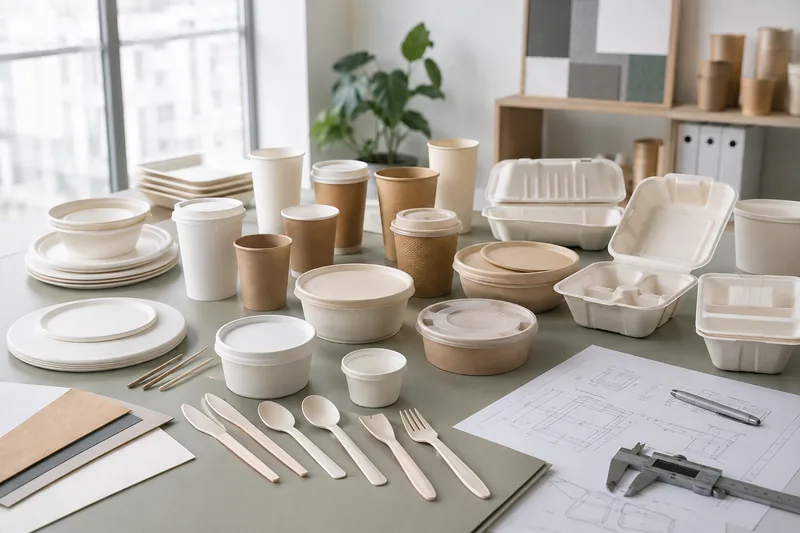
قد لا تُنتج المادة المطابقة للمواصفات عبوة رديئة، وقد تفتقر العينة الخالية من التسريب إلى الدعم الكيميائي الكافي. لذا، يجب إجراء اختبارات تنظيمية ووظيفية ومراقبة التصنيع واختبارات التوزيع بشكل منفصل. يجب تحديد العينة وشروطها وطريقة الاختبار ومعايير القبول والجهة المسؤولة قبل بدء الاختبار.
| كتلة الاختبار | المتغيرات المراد تسجيلها | مخرجات قبول مفيدة | قيد مهم |
|---|---|---|---|
| الهوية والأبعاد | مراجعة المواد، الكتلة/الوزن الأساسي، الأبعاد الرئيسية، طريقة السعة، خصائص الحافة والغطاء، الأداة/التجويف | القياسات ضمن هامش التفاوت المسموح به في الرسم؛ المكونات مطابقة لقائمة المواد المعتمدة | لا تثبت الأبعاد المسموح بها حالة ملامسة الطعام أو أداء منع التسرب |
| غطاء/قفل وتسريب | الغطاء الفعلي، كتلة الحشو، درجة الحرارة، الفراغ العلوي، طريقة الإغلاق، مدة التثبيت، تسلسل الإمالة/القلب أو الضغط | لا يوجد تسريب أو تسرب أو انفصال غير مقصود للغطاء في ظل الاستخدام المحدد | قد لا يمثل اختبار الماء العشوائي الزيت أو البخار أو الجسيمات أو قوة الإغلاق الحقيقية |
| التسخين والتبريد والحفظ | درجة حرارة الطعام، مدة التعرض، الرطوبة المحيطة، التكديس، دورة التجميد/الذوبان أو إعادة التسخين | لا يوجد تشوه غير آمن، أو تشقق، أو تليين، أو انفصال طبقات، أو فقدان وظيفي | "آمن للاستخدام في الميكروويف" يتطلب كمية محددة من الطعام، وطاقة/وقت محدد، ومجموعة محددة من المكونات |
| مقاومة الشحوم/الماء | طعام دهني/حمضي فعلي، منطقة التلامس، درجة الحرارة والمدة | لا يوجد امتصاص غير مقبول للرطوبة، أو تلطخ، أو ضعف في الدرزات، أو فشل في الحاجز | لا يمكن لاختبار قصير في درجة حرارة الغرفة وحده أن يتنبأ بدورة توصيل الوجبات الساخنة |
| التكديس والتعامل | حمولة ممتلئة، عدد الرزم، مدة الحفظ، اتجاه الصينية/الكيس، استخدام المقبض والأدوات | كومة مستقرة، انحراف مقبول، فصل ومعالجة المستهلك | قد لا يشمل ضغط المدخنة الفارغة تأثيرات البخار والتكثيف |
| الهجرة والسلامة الكيميائية | التركيب الدقيق، المُحاكي/الغذاء، الوقت، درجة الحرارة، نسبة السطح إلى الحجم، المواد المستهدفة والحدود | الاستنتاج القانوني والنتائج الأولية للسوق والاستخدام المقصودين | يجب تفسيرها من قبل متخصص مختبري/تنظيمي مؤهل؛ النطاق ليس عالميًا |
| الرائحة/الطعم والمظهر | التكييف، طريقة اللوحة، عينة التحكم، الغذاء وفترة التلامس | لا يوجد تغيير حسي غير مقبول، أو انتقال مرئي، أو تلطيخ خارج الحدود المتفق عليها | تتطلب الملاحظات الذاتية منهجًا مضبوطًا وحكمًا مدربًا |
| حزمة النقل | كرتون، كيس داخلي، منصة نقالة، مسار، رطوبة، قطرات، اهتزاز وضغط | وحدات قابلة للبيع، وأعداد دقيقة، وأغطية صالحة للاستخدام بعد التعرض المماثل للمسار | يجب أن يتطابق البروتوكول مع مسار الطرد أو المنصة أو الشحن الجزئي أو الحاوية |
استخدم أربع مراحل عينة متميزة
- نموذج من الكتالوج: يؤكد الحجم والشكل العام والتعامل فقط.
- عينة من المواد والعمل الفني: يقوم بفحص الركيزة والطلاء والطباعة والزخرفة المقترحة، مع توثيق أي عملية غير إنتاجية.
- نموذج نية الإنتاج: يأتي من المصنع والأداة والمواد والعملية المحددة والمخصصة للطلب.
- تجربة تجريبية للخط/القائمة: يكشف عن التباين والتعبئة والتفكيك والإغلاق والتكديس والتسليم وسلوك الطعام الحقيقي قبل التوسع.
سجّل بدقة ما يوافق عليه كل مرحلة وما يبقى مفتوحًا. لا يمكن للنموذج الأولي المصنوع يدويًا الموافقة على قوة خياطة الإنتاج، أو تباين التجاويف، أو دقة العد، أو التعبئة التجارية.
تحديد فحص الدفعة دون إساءة استخدام مستوى الجودة المقبول (AQL)
يوفر معيار ISO 2859-1:2026 مخططات أخذ العينات المفهرسة حسب الدفعة AQL.[19] مستوى الجودة المقبول (AQL) هو أحد معايير خطة أخذ العينات، وليس إذنًا بشحن نسبة مضمونة من العيوب. صنّف التلوث الملامس للأغذية، والشظايا الحادة، والتسربات الكبيرة، أو المواد الخاطئة على أنها عيوب حرجة حيثما يدعم تحليل المخاطر ذلك؛ ثم حدد مستوى الفحص، وحجم العينة، وأعداد القبول/الرفض، ومعايير تشديد الفحص في مواصفات الشراء.
التحقق من صحة وحدة الشحن، وليس فقط حاوية الطعام
عبوات الطعام ذات الاستخدام الواحد خفيفة الوزن ولكنها كبيرة الحجم، وقد تتعرض للسحق أو التشوّه أو التلوث عند امتصاصها للرطوبة. استخدم إجراء توزيع مناسبًا للمسار: على سبيل المثال، يُعدّ ISTA 3A محاكاة عامة لشحنات الطرود الفردية التي يصل وزنها إلى 70 كجم، وليس بروتوكولًا عالميًا للمنصات.[20] بالنسبة للواردات المعبأة في حاويات، أضف عمليات تكديس واقعية، والتعرض للرطوبة، والتعبئة على منصات نقالة، وتحميل الحاويات، وفحوصات ملاءمة الغطاء/فك التداخل بعد النقل.
9. كيف يؤثر بلد المقصد على اختيار المورد
لا يحدد بلد المنشأ الجودة. بل يحدد بلد المقصد الأدلة القانونية، ورسوم الاستيراد، ومطالبات المنتج، وقواعد التخلص منه. استخدم ملفًا تقنيًا عالميًا واحدًا بالإضافة إلى ملحق خاص بالسوق لكل وجهة.
| الوجهة | ما هي التغييرات؟ | الأدلة المطلوبة من المورد | إجراء المشتري |
|---|---|---|---|
| الولايات المتحدة | تتطلب المواد الملامسة للأغذية أساسًا قانونيًا مناسبًا، ويجب أن تتناسب مع نوع الطعام وظروف استخدامه. وقد طرأت تغييرات على تراخيص منع تسرب الشحوم من مركبات PFAS في عبوات الورق؛ ويمكن إضافة متطلبات جديدة إلى قواعد التغليف الحكومية، وقواعد قابلية التحلل الحيوي، وقواعد الاستخدام لمرة واحدة. | خطاب كامل يوضح التركيب/الوضع القانوني، مع الإشارة إلى 21 CFR، وإشعار الإخطار الفيدرالي الساري، وGRAS، والعقوبات السابقة أو شروط الاستخدام، حسب الاقتضاء؛ وقيود استخدام الأغذية؛ وبيان PFAS وأساس الاختبار؛ وتقارير SKU الدقيقة | استشر محاميًا مختصًا في مجال ملامسة الأغذية في الولايات المتحدة أو متخصصًا مؤهلًا لمراجعة الاستخدام المقصود وكل ولاية إطلاق. لا تقبل عبارة "مسجل لدى إدارة الغذاء والدواء" كموافقة. |
| الاتحاد الأوروبي / المنطقة الاقتصادية الأوروبية | ينطبق كل من اللائحة 1935/2004 وممارسات التصنيع الجيدة (GMP) بشكل عام؛ بينما تنطبق اللائحة 10/2011 على طبقات/منتجات البلاستيك ذات الصلة. ويُطبق قانون حماية المواد البلاستيكية من التلف (PPWR) بشكل عام اعتبارًا من 12 أغسطس 2026، بما في ذلك الحدود الحالية لمواد PFAS الملامسة للأغذية. ويؤثر توجيه المواد البلاستيكية أحادية الاستخدام والتدابير الوطنية على فئات منتجات محددة.[9] | وثيقة المطابقة الأوروبية عند الاقتضاء، والوثائق الداعمة، ومبررات/نتائج الهجرة، وممارسات التصنيع الجيدة وإمكانية التتبع، وتركيب جميع الطبقات، والبيانات الفنية لقانون حماية البيئة، وأدلة المواد الكيميائية المشبعة بالفلور. | تحديد أدوار المستورد/المصنّع، وقواعد الدول الأعضاء في مجال المواد الكيميائية المستخدمة في التعبئة والتغليف، وقيود الاستخدام الموسع والاستخدام لمرة واحدة. مراجعة حالة الورق المطلي بدقة. |
| بريطانيا العظمى / أيرلندا الشمالية | تستخدم بريطانيا العظمى إطار عمل FCM المدمج وسجلاتها الرسمية؛ وتُطبق قواعد الاتحاد الأوروبي في أيرلندا الشمالية حيثما يُنص على ذلك. ولدى إنجلترا واسكتلندا وويلز أنظمة استخدام فردية منفصلة.[15] | وثائق المطابقة/السجلات الداعمة الخاصة بالسوق، وإعلان محتوى الطلاء والبلاستيك، ونطاق المنتج/الاستخدام الدقيق، وأدلة الادعاء وإمكانية التتبع | تعامل مع بريطانيا العظمى وأيرلندا الشمالية كوجهات تنظيمية منفصلة. تحقق من القيود الحالية الخاصة بكل دولة قبل شراء العمل الفني. |
| كندا | يحظر القسم 23 التغليف الذي قد ينقل مواد ضارة. إن خطاب عدم الممانعة الطوعي الصادر عن وزارة الصحة الكندية هو رأي بشأن تركيبة/استخدام محدد، وليس موافقة قانونية.[17] | معلومات عن التركيب والاستخدام المقصود، ورقم تعريف الجهاز المتاح مع معلومات دقيقة عن الحامل/المادة/الاستخدام، ومبررات الهجرة أو السلامة، وبيانات السوق/البيانات ثنائية اللغة، والتحكم في التغييرات | يظل بائع الطعام مسؤولاً. تأكد من قواعد قابلية التسميد، والاستخدام لمرة واحدة، وقواعد مسؤولية المنتج الموسعة على مستوى المقاطعة. |
| أستراليا / نيوزيلندا | يجب على مؤسسات الأغذية استخدام عبوات مناسبة للغرض ومن غير المرجح أن تلوث الطعام. وتسلط هيئة معايير الغذاء في أستراليا ونيوزيلندا (FSANZ) الضوء على نوع الطعام، والوقت، ودرجة الحرارة، والتسخين/التجميد، والمواد المعاد تدويرها.[18] | التركيب الدقيق، وضمان ملامسة الطعام، وحدود محددة للحرارة/التجميد/إعادة الاستخدام، وأساس منطقي للهجرة، وأدلة على قابلية التسميد الخاصة بالمنتج | تحقق من قيود الاستخدام الفردي ومعايير المطالبات في الولايات/الأقاليم الأسترالية أو نيوزيلندا؛ تحقق من نطاق AS 4736/AS 5810 عند الاقتضاء. |
| دول مجلس التعاون الخليجي / الشرق الأوسط | تختلف المعايير الوطنية، ومسارات المطابقة، ووضع العلامات العربية، ودرجات الحرارة القصوى للتخزين/النقل حسب البلد. | قائمة مستندات المستورد المحلي، وتكوين العبوة وحزمة الاختبار، وبيانات متعلقة بالحلال فقط إذا كانت مطلوبة بالفعل، ودليل على تحمل الحرارة/التكديس، وكراتين تصدير متينة. | استخدم المستورد المعين أو المستشار التنظيمي المحلي؛ لا تعامل الأدلة المقدمة من الاتحاد الأوروبي/إدارة الغذاء والدواء كجواز سفر تلقائي. |
بالنسبة للمشاريع متعددة الأسواق، أنشئ مصفوفة مستندات تتضمن صفوفًا لكل وحدة تخزين (SKU) وأعمدةً للوجهة، ونوع الطعام، ودرجة الحرارة، ومدة التلامس، ومراجعة المواد/قائمة المكونات، والأساس القانوني، وتقرير الترحيل، وتقرير PFAS، وشهادة قابلية التحلل، وصياغة الادعاء، وتاريخ انتهاء الصلاحية/المراجعة. يكشف هذا عن الثغرات التي قد يخفيها مجلد الشعارات.
10. اختر حسب نوع المشتري ومنطقة التصنيع
يحتاج العملاء المختلفون إلى نماذج موردين مختلفة
| نوع المشتري | نموذج المورد الأنسب | الأدلة والخدمات التي يجب إعطاؤها الأولوية | خطأ شائع في الشراء |
|---|---|---|---|
| شركة ناشئة، أو شاحنة طعام، أو مطعم صغير | موزع محلي أو مورد كتالوج بكميات طلب منخفضة | كميات صغيرة، استمرارية المخزون، استبدال سريع، وثائق استخدام المنتج بسيطة | استيراد حمولة حاوية لتوفير السنتات قبل استقرار القائمة/مستوى الصوت |
| سلسلة مقاهي أو مطاعم خدمة سريعة أو مطاعم | مُصنِّع مباشر أو مُورِّد برنامج مُدار مع إعادة تعبئة متعددة المواقع | توحيد غطاء/كوب المنتج، وتكرار الطباعة، واختبارات التثبيت، واستمرارية التوريد، وبيانات المنتج الرئيسية، وجاهزية الاستدعاء | الموافقة على كل عنصر على حدة دون اختبار سير العمل الكامل للوجبة/الشراب |
| موزع أو تاجر جملة للعلامات التجارية الخاصة | مورد واسع النطاق مع خريطة مصنع شفافة | تنسيق وحدات التخزين المختلطة، وتعبئة العلامات التجارية الخاصة، ومكتبة الشهادات حسب المنتج، وبيانات الكرتون/المكعبات الثابتة، والتحكم في الإصدار | بافتراض أن شهادة واحدة من المصنع الشريك تغطي الكتالوج بأكمله |
| متعهد طعام، أو منظم فعاليات، أو مشترٍ مؤسسي | مورد مدعوم بالمخزون مع تخطيط للمناقصات والتسليم | نافذة وصول مضمونة، دقة التعبئة/العد، مخزون احتياطي، إمكانية تتبع الدفعة، ضوابط مسببات الحساسية/التلوث، وأدلة استدامة محددة | تخصيص متأخر وتجاهل السعة الموسمية أو حالة الطوارئ المتعلقة بتاريخ الحدث |
| شركة مصنعة للأغذية أو علامة تجارية للوجبات الجاهزة | شركة متخصصة في إنتاج التغليف الأولي مع دعم خط الإنتاج | الهجرة/سلسلة المستندات، توافق الغطاء العلوي/الإغلاق، تجربة خط التعبئة، التحقق من صلاحية المنتج وتوزيعه | استخدام عبوة كتالوج خدمات الطعام لتحديد مدة الصلاحية الصناعية دون التحقق من صحتها |
| بائع تجزئة أو علامة تجارية متعددة الجنسيات | موقع مدقق مع إدارة حساب فني رسمية | نظام تغليف معترف به من قبل مبادرة سلامة الأغذية العالمية (GFSI) عند الاقتضاء، عمليات تدقيق أخلاقية/بيئية، إدارة التغيير، المواصفات، تبادل البيانات، وإجراءات تصحيحية | السماح لكيان تجاري باستبدال المصانع دون إعادة الموافقة |
عندما يكون التوريد من الصين أو التوريد المحلي أو منطقة أخرى منطقياً
- الصين: خيار جذاب للبرامج المنسقة ذات الأحجام الكبيرة، والطباعة حسب الطلب، والمنتجات المقولبة، وتوحيد الكتالوجات على نطاق واسع. وتشمل عيوبه طول فترة إعادة التوريد، وتكاليف الشحن الباهظة، ومسؤولية المستورد، والحاجة إلى إدارة مصانع متعددة.
- أوروبا: مفيد عندما تفوق سهولة الإلمام بوثائق الاتحاد الأوروبي، وقصر مسارات التخليص الجمركي، وانخفاض المخزون، وسرعة الزيارات الفنية، ارتفاع تكاليف التحويل. تحقق من بلد الإنتاج الفعلي بدلاً من افتراض أن وجود مكتب مبيعات أوروبي يعني بالضرورة تصنيعاً محلياً.
- أمريكا الشمالية: مفيد للمخزون سريع الاستجابة، وملصقات قابلية التحلل الإقليمية، وتوزيع سلسلة التوريد، والشحن الأقصر. قد يتم استيراد المواد المتخصصة أو الأدوات المصممة حسب الطلب إلى المراحل السابقة.
- جنوب شرق آسيا أو الهند: يمكن أن يناسب المشترين الإقليميين والإنتاج القائم على الألياف، ولكن عملية التأهيل والشهادة تظل خاصة بالموقع.
- الموزع المحلي: غالبًا ما يفوز في حالة الطلب المتغير، والطلبات الصغيرة، والتجديد الطارئ، والمخزون متعدد العلامات التجارية حتى عندما يكون سعر الوحدة أعلى.
نموذج رأس المال العامل وتكلفة نفاد المخزون. لا يكون الاستيراد المباشر أرخص تلقائيًا عندما يشغل وعاء خفيف الوزن يزن 20 غرامًا حجمًا كافيًا لجعل تكاليف الشحن البحري والتخزين والتقادم موادًا أساسية.
11. مراجعة EcoLeaderPack: نقاط القوة، والعيوب، وأفضل ملاءمة
تاريخ التقييم: 3 سبتمبر 2026حالة الدليل: منشور من قبل الموردالتوصية: قائمة مختصرة مشروطة
يُعرّف موقع EcoLeaderPack الإلكتروني الشركة باسم EcoLeaderPack / Prospera Technology (Shanghai) Co., Ltd.، ويصف نموذجًا متكاملًا للإنتاج والتجارة. ويشير إلى أنه يُنسّق موارد الإنتاج، وفحص الجودة، والتخصيص، والتعبئة، ووثائق التصدير، بدلًا من الادعاء بأن موقعًا واحدًا يُنتج جميع المنتجات.[23] هذه الشفافية مفيدة، لكنها تجعل ربط SKU بالمصنع أمرًا ضروريًا.
المنتجات الرئيسية والسوق المستهدف
تشمل المجموعة المنشورة أكوابًا وأغطية وأطباقًا وأوعية وعلبًا وأكياسًا ورقية؛ وأوعية وأطباقًا وصواني وأوعية وأوعية مصبوبة من قصب السكر؛ وأوعية وأدوات مائدة وأدوات سكاكين مصنوعة من نشا الذرة. تشمل الخدمات المخصصة طباعة الشعارات، والأغلفة، والملصقات، والتغليف الفردي، ومجموعات الوجبات، والكرتون ذي العلامات التجارية، وتنسيق التصميم الفني، والتجهيز عند الاقتضاء.[24]
يُسوّق المورّد هذه المجموعة لقطاعات الوجبات الجاهزة، والتوصيل، والمطاعم، والمقاهي، وخدمات التموين، والمتاجر الكبرى، والموزعين، وبرامج العلامات التجارية الخاصة في جميع أنحاء العالم. لم يتم العثور خلال هذه المراجعة على أي بيانات مستقلة مُدققة حول توزيع المبيعات الجغرافية، أو بيانات عن عملاء محددين، أو بيانات عن حجم السوق. يُرجى اعتبار عبارة "السوق العالمية" مجرد تصريح من المورّد، وطلب مراجع مناسبة لمنطقتك ومنتجك، مع مراعاة السرية.
المزايا المحتملة
- تشكيلة مختارة من أطعمة الخدمات الغذائية: يمكن أن تغطي فئات الورق وقصب السكر ونشا الذرة برنامجًا منسقًا للوجبات والمشروبات وأدوات المائدة.
- مفيد للعلامات التجارية الخاصة والموزعين: تتناول عملية سير العمل العامة الأعمال الفنية، وعدد العبوات، وعلامات الكرتون، والرموز الشريطية، والعينات، ومراجع الطلبات المتكررة.
- لغة موقع الويب الواعية بالأدلة: تُقر صفحة "نبذة عنا" الحالية بأن شهادات المصانع الشريكة والمواد الخام والمنتجات لا تغطي جميع المنتجات تلقائيًا. وهذا أكثر مصداقية من ادعاء "معتمد" شامل.
- مسارات متعددة للاستدامة: تشير صفحات الموردين إلى أدلة BPI و TÜV Austria و DIN CERTCO بالإضافة إلى تقارير PFAS وتقارير ملامسة الطعام، مما يؤدي إلى إنشاء قاعدة وثائق مفيدة محتملة عند التحقق من النطاق الدقيق.[25]
- التوحيد: يمكن لنموذج الإنتاج/التجارة المتكامل أن يقلل من عبء التنسيق لطلبات الفئات المختلطة إذا كان فريق واحد مسؤولاً عن المواصفات والتفتيش والمطالبات.
القيود والمخاطر المتعلقة بالإغلاق
- لم يتم الكشف عن أي مصنع: قد تنتمي الشهادات والمنتجات إلى مصانع أو جهات إنتاج مواد شريكة مختلفة. يُرجى الحصول على اسم/عنوان المصنع وخريطة المستندات لكل وحدة تخزين.
- قد يؤدي تكديس الشهادات إلى التضليل: تُثبت تقارير BPI/OK compost/DIN وBRCGS وISO وBSCI والتقارير المختبرية أمورًا مختلفة. فشهادة المواد الخام أو تدقيق المصنع الشريك لا يُعدّ موافقة شاملة على المنتج النهائي.
- "تسجيل إدارة الغذاء والدواء" ليس دليل السلامة المطلوب: لا تحتاج المنشآت التي تقتصر على تغليف المواد الغذائية عمومًا إلى تسجيل منشأة غذائية. يُرجى طلب الأساس القانوني الدقيق للمادة/الاستخدام بدلاً من ذلك.
- التاريخ غير متسق في النسخة العامة: تشير الصفحات الحالية بشكل مختلف إلى عام 2009 و2010 وبداية حقوق الطبع والنشر في عام 2012.[23][24][26] قم بمطابقة الكيان المتعاقد وتاريخ أعماله مع رخصة العمل الصينية الحالية؛ لا يثبت هذا التناقض وجود مشكلة في الجودة، ولكن لا ينبغي تجاهله.
- لا يوجد حد أدنى عام لكمية الطلب أو مهلة تسليم عامة: يرجى تأكيد الحد الأدنى لكمية الطلب المفصلة، والإعداد/التجهيز، وأخذ العينات، وتوقيت الإنتاج لكل مقاس، ومسار الطباعة، والمصنع، والتعبئة. لا تعتمد على الحد الأدنى المفترض في الكتالوج.
- حدود الفئة: تكمن القوة الظاهرة في منتجات الخدمة الغذائية ذات الاستخدام الواحد. ينبغي على المشترين الذين يحتاجون إلى عبوات معقمة، أو عبوات مرنة عالية العزل، أو علب معدنية أو زجاجية، استشارة متخصص بدلاً من توسيع نطاق البحث.
كيفية التحقق من سلامة حزمة شهادات EcoLeaderPack
- سرد كل رمز SKU مطلوب، والحجم، واللون، والطباعة، والغطاء/الملحق.
- الحصول على عنوان الشركة المصنعة المسجلة وعنوان الإنتاج لكل عنصر.
- طلب شهادات وملحقات كاملة وواضحة - وليست شعارات مقصوصة - مع ذكر الجهة المانحة، والنطاق، ورقم الشهادة، والتواريخ، وهيئة إصدار الشهادات.
- تحقق من حالة BRCGS/FSSC/ISO/BPI/TÜV/DIN في قاعدة البيانات العامة لهيئة الإصدار أو هيئة إصدار الشهادات حيثما كان ذلك متاحًا.
- مطابقة تقارير التلامس مع الأغذية وتقارير PFAS مع المادة والطلاء واللون والمنتج ورمز العينة والاستخدام المقصود بدقة. مراجعة الطرق وحدود الكشف.
- تأكد مما إذا كان EcoLeaderPack أو المصنع أو حامل الشهادة مخولاً باستخدام كل علامة اعتماد على منتجك وعملك الفني.
- ضع مجموعة المصنع/قائمة المواد/الوثائق المعتمدة في العقد واطلب إشعارًا كتابيًا مسبقًا بالتغيير.
12. كيفية الحصول على مواد تغليف الطعام من الصين
- تجميد موجز الطلب. حدد نوع الطعام، ودرجة الحموضة/الدهون، ودرجة الحرارة، ووقت التلامس، والعملية، والإغلاق، ومسار التسليم، والحجم، والسوق قبل طلب عرض سعر.
- إنشاء قائمة طويلة من ثلاثة إلى خمسة موردين حسب العملية. قارن بين المصانع القادرة على إنتاج المواد والشكل الفعليين؛ لا تخلط بين مصنعي ورق خدمات الطعام ومتخصصي الورق المرن أو المعقم.
- التحقق من الجهة المتعاقدة. مطابقة رخصة العمل الصينية، واسم العقد الإنجليزي، والعنوان، وعرض الأسعار، والمستفيد البنكي، والجهة المصدرة. استخدام نظام الصين الوطني لنشر معلومات ائتمان الشركات، والاستعانة بدعم محلي مؤهل عند الحاجة.[21]
- ربط المنتج بالمصنع. حدد الموقع الذي يُصنّع كل وحدة تخزين (SKU) والعمليات التي يتم التعاقد عليها من الباطن. أرفق هذه الخريطة بالموافقة الفنية.
- مراجعة المستندات قبل البدء في تجهيز الأدوات أو الإيداع. التحقق من الشهادات، وتقارير التدقيق، وقائمة المواد، وأساس ملامسة الطعام، ونطاق الاختبار، وعلاقة المصنع، والثغرات المفتوحة.
- استخدم عينات مرحلية. كتالوج منفصل، أعمال فنية/مواد، نية الإنتاج وعينات تجريبية. اختبرها مقابل التطبيق المعتمد.
- تدقيق المتأهل للنهائي. استخدم مدققًا ميدانيًا أو أدلة حية مرتبطة بخط الإنتاج والمستودع والسجلات الفعلية. أغلق النتائج الرئيسية قبل بدء الإنتاج.
- توقيع اتفاقية فنية واتفاقية جودة. إرفاق الرسومات، وقائمة المواد، والعينات الذهبية/الحدودية، وتعريفات العيوب، والأساليب، وأخذ العينات، والتتبع، والتحكم في التغيير، ومعالجة الشكاوى، وملكية الأدوات.
- الفحص قبل الشحن. عينات من الكراتين في جميع أنحاء الدفعة المكتملة؛ تحقق من الكمية، والهوية، والأبعاد، والمظهر، وملاءمة الغطاء، والوظيفة المحددة، ونظافة الكيس الداخلي، وقوة الكرتون، والملصقات، والمنصة والتحميل.
- مراقبة الاستخدام التجاري الأول. الاحتفاظ بالعينات وقياس حالات رفض خط الإنتاج، ومشاكل الغطاء/الإغلاق، والتسريبات، وشكاوى المستهلكين، وأضرار النقل، وأداء التسليم مقابل خط الأساس المعتمد.
جعل أمر الشراء قابلاً للتنفيذ من الناحية الفنية
يجب أن يتضمن أمر الشراء المواصفات المعتمدة، والتصميم الفني، والعينة، وخطة الفحص، وطريقة الاختبار بعد التعديل. حدد ما إذا كان مسموحًا بشحن فائض/نقص في الشحنة؛ وعرّف العيوب الحرجة، والعيوب الرئيسية، والعيوب الثانوية؛ وحدد الجهة التي تتحمل تكاليف إعادة الفحص، والفرز، وإعادة التصنيع، والاستبدال العاجل، والتخلص الموثق بعد تقديم مطالبة صحيحة.
حدد قاعدة ومكان التسليم وفقًا لشروط التجارة الدولية (Incoterms® 2020) بدقة. بموجب شروط C، لا يُشترط أن يكون مكان التسليم المُحدد هو المكان الذي تنتقل فيه المخاطر، بينما في شروط D، تنتقل المخاطر في مكان التسليم المُحدد؛ وتوصي غرفة التجارة الدولية (ICC) بذكر القاعدة والمكان بدقة و"شروط التجارة الدولية (Incoterms® 2020)".[22] لا تقبل "FOB China" أو "CIF your port" أو DDP بدون تحديد الموقع المحدد واستثناءات التكلفة ومسؤولية المستورد المسجل.
مؤشرات تحذيرية تبرر تعليق الأمر
- رخصة العمل، والمستفيد، وعرض الأسعار، والشهادة تُظهر كيانات غير ذات صلة بدون علاقة موثقة.
- لن يكشف البائع عن المصنع الفعلي أو الطلاء/الراتنج أو مكونات ملامسة الطعام أو العمليات المتعاقد عليها من الباطن.
- لا يحتوي التقرير على هوية العينة، أو شروط الاختبار، أو الطريقة، أو حد الكشف، أو النتيجة الأولية، أو التاريخ.
- يتم تقديم شعارات مثل "معتمد من إدارة الغذاء والدواء الأمريكية" أو "حاصل على شهادة CE" أو "خالي من PFAS" أو "خالي من البلاستيك" أو "قابل للتحلل الحيوي بنسبة 100٪" بدون أساس قانوني/اختباري دقيق.
- يجوز للإنتاج الضخم استخدام لوح أو طلاء أو غطاء أو صبغة أو راتنج أو مصنع "مكافئ" دون موافقة كتابية.
- يرفض المورد إجراء فحص تجريبي أو فحص عشوائي للكرتون أو عملية تتبع.
- يبدأ الإنتاج قبل تجميد الطعام/الاستخدام، الرسم، قائمة المواد، العمل الفني، المصنع وعينة المرجع الموقعة.
13. قارن تكلفة الوصول، والحد الأدنى العملي لكمية الطلب، ومدة التسليم في المسار الحرج
حساب تكلفة الوحدة القابلة للاستخدام المقبولة
قارن حجم الكرتون وعدد الوحدات لكل متر مكعب بدقة مماثلة لسعر الوحدة. قد يؤدي تقليل طفيف في كتلة جدار العبوة إلى خفض السعر ولكنه يزيد من احتمالية التلف؛ وقد يؤدي استخدام كرتون أكبر إلى تقليل تكاليف العمالة ولكنه يزيد من استغلال المساحة. ضع في اعتبارك تكلفة الأغطية المرفوضة، والفرز اليدوي، وتسرب الوجبات، وحالات عدم إطلاق المنتجات، والاستبدال المحلي الطارئ.
قد لا يكون الحد الأدنى لكمية الطلب في المصنع هو الكمية المناسبة للطلب
استفسر عما إذا كان الحد الأدنى للطلب ينطبق على كل من المقاس واللون والتصميم الفني والمادة والمصنع والعبوة الداخلية أو إجمالي الطلب. قد تسمح المنتجات المتوفرة في المخزون بكرتونات مختلطة أو بكميات أقل؛ وقد تتطلب المنتجات المطبوعة ألواحًا أو أسطوانات أو حدًا أدنى من كميات الورق المقوى/الراتنج؛ وقد تتطلب الأشكال المصنوعة من الألياف أو البلاستيك المقولبة حسب الطلب أدوات خاصة وكمية إنتاج اقتصادية أكبر. احصل على شروط الطلبات التجريبية والمتكررة كتابيًا.
خطط لأطول فترة تبعية، وليس فقط إنتاج المصنع
يُعدّ وقت الإطلاق المرحلة الحرجة التي تشمل تحديد المواصفات، ومراجعة الوثائق، والتصميم الفني، والتجهيز، والعينات، والعمل المخبري، والتجربة، وفترة الإنتاج، والتفتيش، والحجز، والتصدير، والعبور، والجمارك، والاستلام. تتداخل هذه الأنشطة جزئيًا، لذا فإن إضافة كل مدة زمنية يُبالغ في الجدول الزمني؛ بينما الاكتفاء بذكر "أيام الإنتاج" يُقلّل من شأنه. اطلب من المورّد خطة مرحلية مؤرخة تتضمن مواعيد الموافقة النهائية وافتراضات العطلات/الطاقة الإنتاجية.
14. قائمة التحقق من طلبات عروض الأسعار القابلة للنسخ
أرسل هذه المعلومات في ملف واحد مُتحكم به. اطلب من المورد تحديد كل افتراض أو استثناء.
- المنتج: نوع الحاوية/الكوب/الوعاء/الصحن/أدوات المائدة/الحقيبة؛ الرسم أو العينة المرجعية؛ السعة والأبعاد؛ غطاء/ملحقات متطابقة.
- الغذاء والاستخدام: نوع الطعام، درجة الحموضة/الدهون/الرطوبة، درجة حرارة التعبئة/التقديم، وقت التلامس، التسليم/مدة الصلاحية، ظروف التجميد/الميكروويف/إعادة التسخين/إعادة الاستخدام.
- الإنشاء: الركيزة/الراتنج/الألياف، الدرجة، الوزن الأساسي أو كتلة الجزء، الطلاء/البطانة، المادة المضافة/الحبر/المادة اللاصقة، المحتوى المعاد تدويره، اللون وكل مكون من مكونات التلامس.
- الأداء: ملاءمة الغطاء، والتسريب/الإمالة، والحرارة/البرودة، والشحوم/الماء، والتكديس، والفك، والحمل، والرائحة/الطعم ومعايير القبول.
- الامتثال: بلد المقصد، الأساس القانوني الدقيق، DoC/الوثائق الداعمة، تقارير الهجرة/PFAS، شهادة المنتج وصياغة المطالبة.
- المصنع: الشركة المصنعة القانونية، عنوان الإنتاج، العمليات المتعاقد عليها من الباطن، شهادات الموقع، إمكانية التدقيق والتتبع.
- الجودة: التفاوتات المسموح بها في الرسم، وفئات العيوب، والأساليب، وخطة ISO 2859-1، وحقول شهادة التحليل، والاحتفاظ بالعينات، وإشعار التغيير، ومعالجة الشكاوى.
- العلامة التجارية: العمل الفني، طريقة الطباعة/الألوان، البرهان، الرمز الشريطي، الملصقات، ترخيص علامة الشهادة وعلامات الكرتون.
- الشروط التجارية: الكمية حسب وحدة التخزين، والتوقعات السنوية، والحد الأدنى لكمية الطلب التجريبي/إعادة الطلب، والأدوات/الإعداد، وتكلفة العينة، ومراحل الدفع، وفترة صلاحية السعر.
- الخدمات اللوجستية: وحدات/داخلية/كرتون، أبعاد الكرتون/الوزن الإجمالي، منصة التحميل/خطة التحميل، مكان Incoterms® 2020 المحدد، تاريخ الوصول المطلوب والتفتيش.
الأسئلة الشائعة
ما هي الشهادة التي يجب أن يحصل عليها مصنع تغليف المواد الغذائية؟
لا توجد شهادة موحدة. يمكن لمعيار BRCGS لمواد التعبئة والتغليف، الإصدار 7، أو معيار FSSC 22000، الفئة 1، أن يدعم ضوابط تغليف الأغذية في الموقع عند تطابق النطاق. كما يتطلب المنتج المحدد أدلة خاصة بالسوق والاستخدام فيما يتعلق بملامسة الأغذية؛ أما قابلية التحلل الحيوي، والمحتوى المعاد تدويره، والادعاءات المتعلقة بالغابات والمسؤولية الاجتماعية، فتتطلب وثائق منفصلة.
ماذا يعني "تغليف صالح للاستخدام مع المواد الغذائية"؟
ينبغي أن يعني ذلك أن المواد المحددة والمنتج النهائي مناسبان للغذاء المقصود وللشروط المنصوص عليها في قانون بلد المقصد. لا تحمل هذه العبارة وحدها نطاقًا تقنيًا كافيًا. اطلب معلومات عن التركيب، والأساس القانوني، ونوع الغذاء، وحدود الوقت/درجة الحرارة، والاختبارات الداعمة، وإجراءات مراقبة التغيير.
هل يحتاج مصنع تغليف المواد الغذائية إلى الحصول على موافقة أو تسجيل من إدارة الغذاء والدواء الأمريكية؟
لا تمنح إدارة الغذاء والدواء الأمريكية موافقة شاملة لمصانع تغليف المواد الغذائية. تنص إرشادات الإدارة على أن المنشآت التي تُنتج موادًا ملامسة للأغذية فقط لا تحتاج عمومًا إلى تسجيل منشأة غذائية. وتعتمد صلاحية المنتج في الولايات المتحدة على الوضع القانوني لكل مكون قابل للهجرة بشكل معقول والاستخدام المقصود منه تحديدًا.
هل الورق أو قصب السكر أكثر أمانًا من البلاستيك تلقائيًا؟
لا. لكل مادة خصائص خطر. قد يحتوي الورق والألياف المقولبة على طلاءات ومواد مضافة وأحبار وملوثات، وقد تتلف عند تناولها مع الأطعمة الساخنة أو الدهنية أو الرطبة. قد تنتقل المواد من البلاستيك أو يتشوه في ظروف غير مناسبة. تتطلب السلامة تحديد التركيب بدقة، وتقديم أدلة مناسبة، والتحقق من صحة النتائج في الاستخدام الفعلي.
هل تعني شهادة قابلية التحلل الحيوي أن العبوة يمكن وضعها في أي صندوق سماد؟
لا. تختلف قابلية التسميد التجاري عن قابلية التسميد المنزلي. يجب أن يتطابق المنتج النهائي، من حيث الحجم والسماكة واللون والحبر والملصق، مع الشهادة، ويجب أن يقبلها برنامج المنتجات العضوية المحلي. لا يعني مصطلح "مصنوع من مواد حيوية" وحده أنه قابل للتسميد.
ما هو الحد الأدنى الطبيعي لكمية الطلب عند شراء مواد تغليف المواد الغذائية من الصين؟
لا يوجد رقم عالمي موحد. يختلف الحد الأدنى للطلب حسب حالة المخزون/الطلب الخاص، ورمز المنتج، والحجم، واللون، وطريقة الطباعة، ونوع الورق/الراتنج المستخدم، والأدوات، والتعبئة، والمصنع. اطلب تجربة الحد الأدنى للطلب لكل منتج وكرره، وقارنه بالطلب خلال دورة التجديد الكاملة.
هل يجب فحص كل شحنة؟
يجب فحص الأدوات الجديدة والمواد الجديدة والطلبات الأولى والمنتجات عالية الخطورة والكميات المتغيرة بمستوى يتناسب مع مستوى الخطورة. يجوز للموردين المستقرين الانتقال إلى مستوى فحص مخفّض فقط بموجب برنامج متفق عليه لأخذ العينات وتقييم الأداء. لا يجوز بأي حال من الأحوال تقليل إمكانية التتبع أو ضوابط العيوب الحرجة أو الإبلاغ عن التغييرات.
هل شركة EcoLeaderPack شركة جيدة لتصنيع عبوات الطعام؟
تُعدّ EcoLeaderPack قائمة مختصرة مشروطة مناسبة لبرامج خدمات الطعام متعددة الفئات المصنوعة من الورق وقصب السكر ونشا الذرة، وخاصةً للموزعين ومشتري العلامات التجارية الخاصة. لا تُعتمد إلا بعد مطابقة كل وحدة تخزين (SKU) مع المصنع والمادة والشهادة والاستخدام المقصود والسوق الفعلي، ثم اجتيازها لتجارب الإنتاج والتفتيش.
المصادر
- إدارة الغذاء والدواء الأمريكية - تحديد الوضع التنظيمي لمكونات مواد التلامس مع الأغذية.
- إدارة الغذاء والدواء الأمريكية - أنواع الأغذية وشروط استخدام المواد الملامسة للأغذية.
- إدارة الغذاء والدواء الأمريكية - التخلص التدريجي من مواد منع التسرب من نوع PFAS في السوق.
- إدارة الغذاء والدواء الأمريكية - أسئلة وأجوبة حول تسجيل منشآت الأغذية، الطبعة السابعة.
- المفوضية الأوروبية - تشريعات مواد التلامس مع الأغذية.
- EUR-Lex — اللائحة (الاتحاد الأوروبي) رقم 10/2011 بشأن المواد والأدوات البلاستيكية المخصصة للتلامس مع الأغذية.
- EUR-Lex — اللائحة (EC) رقم 2023/2006 بشأن ممارسات التصنيع الجيدة.
- EUR-Lex — اللائحة (الاتحاد الأوروبي) 2025/40 بشأن التعبئة والتغليف ونفايات التعبئة والتغليف.
- EUR-Lex — التوجيه (الاتحاد الأوروبي) 2019/904 بشأن المواد البلاستيكية ذات الاستخدام الواحد.
- BRCGS - مواد التعبئة والتغليف، الإصدار 7.
- FSSC — تصنيع التغليف، الفئة الأولى.
- معهد المنتجات القابلة للتحلل الحيوي - ابحث عن المنتجات المعتمدة من BPI.
- معهد المنتجات القابلة للتحلل الحيوي - شهادة قابلية التسميد التجاري والمنزلي.
- TÜV النمسا - مقارنة معايير السماد العضوي الصناعي والمعايير ذات الصلة.
- حكومة المملكة المتحدة - نظرة عامة على وضع العلامات والتغليف الغذائي.
- حكومة المملكة المتحدة - حظر وتقييد استخدام المواد البلاستيكية ذات الاستخدام الواحد في إنجلترا.
- وزارة الصحة الكندية - مواد التعبئة والتغليف وخطابات عدم الممانعة.
- هيئة معايير الغذاء في أستراليا ونيوزيلندا - تغليف المواد الغذائية.
- ISO — ISO 2859-1:2026 إجراءات أخذ العينات للفحص حسب الخصائص.
- الرابطة الدولية للنقل الآمن - إجراءات الاختبار.
- نظام الإعلان عن معلومات الائتمان للشركات الوطنية في الصين.
- غرفة التجارة الدولية - قواعد التجارة الدولية (إنكوترمز®) 2020.
- EcoLeaderPack — حول EcoLeaderPack وبيانات نطاق الوثيقة (منشور من قبل المورد).
- EcoLeaderPack — دعم تغليف المواد الغذائية حسب الطلب والعلامات التجارية الخاصة (منشور من قبل المورد).
- EcoLeaderPack — نظرة عامة على الاستدامة والشهادات (منشور من قبل المورد).
- EcoLeaderPack — الصفحة الرئيسية للشركة ونظرة عامة على مجموعة المنتجات (منشور من قبل المورد).


 English
  Español de Argentina
  Русский
  Italiano
  日本語
日本語  한국어
한국어  العربية
  Français
  Deutsch