

Black D19mm Electric Eye Cream Tube with Zinc Alloy Applicator
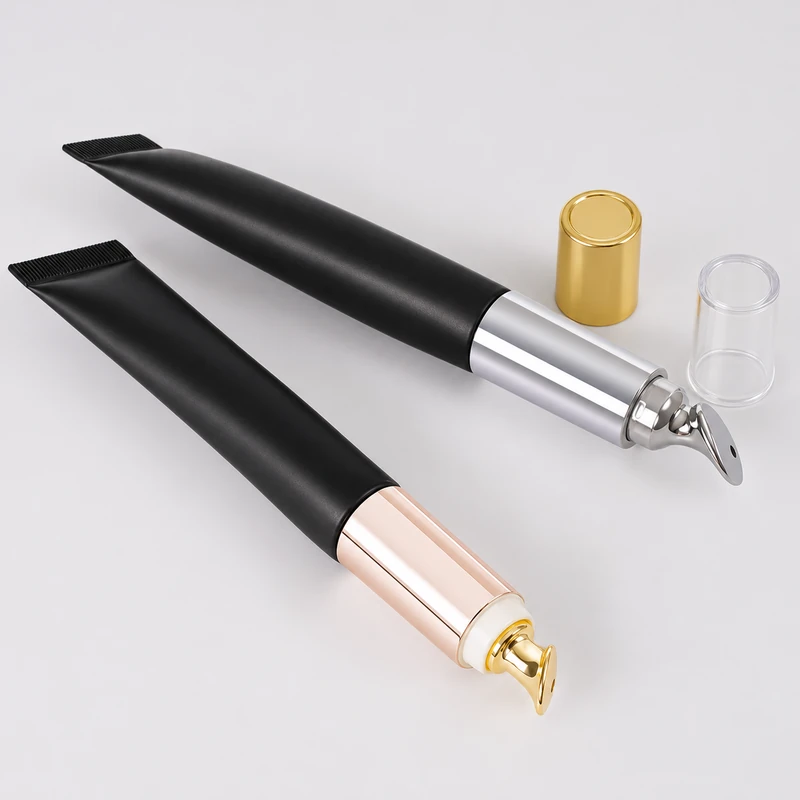
Boyu Packaging’s black D19 mm eye cream tube combines a black plastic squeeze body, a push-button electric massage assembly and a zinc alloy contact head. The package is supplied empty for branded eye cream and eye serum lines. Explore the eye cream tube range to compare applicator formats. Brand: Boyu Packaging. Origin: Zhejiang, Cina. MOQ: 10.000 pezzi.
Specifiche del prodotto
| Marchio | Boyu Packaging |
|---|---|
| Origine | Zhejiang, Cina |
| Capacità | Capacity is set by the approved tube length, applicator connection, headspace and filling trial. The order drawing records the target net fill. |
| Confezione | Empty round squeeze tube for eye cream and eye serum; 19 mm body diameter |
| Materiale del tubo | Plastic tube body. Two-layer and five-layer EVOH constructions are selection options; the signed material specification records the resin grades and exact layer stack. |
| Applicatore | Zinc alloy contact head with an electric massage assembly |
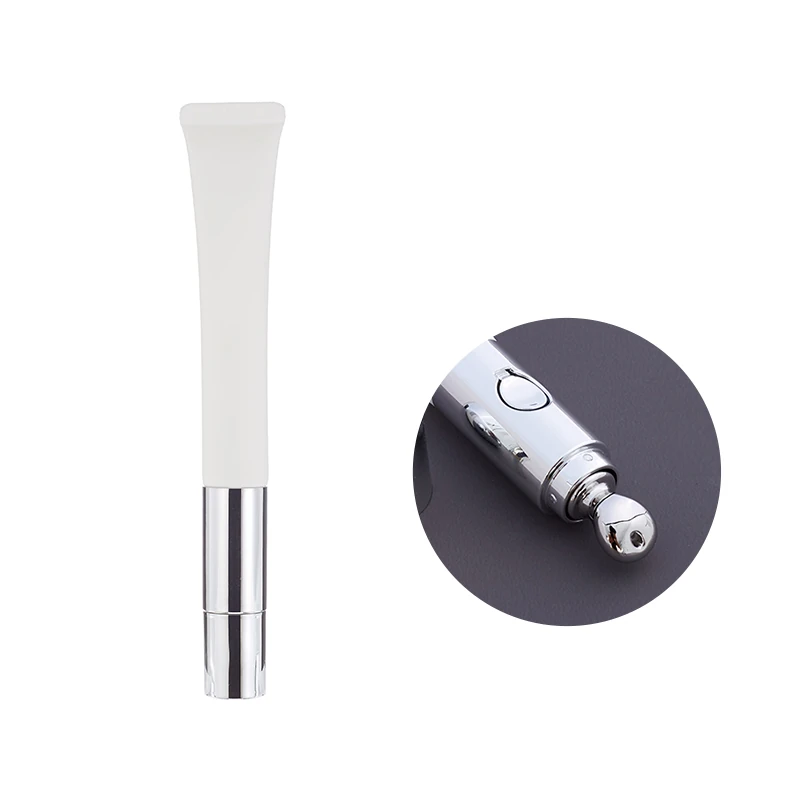
| Controllo | Push-button switch on the silver-tone applicator housing |
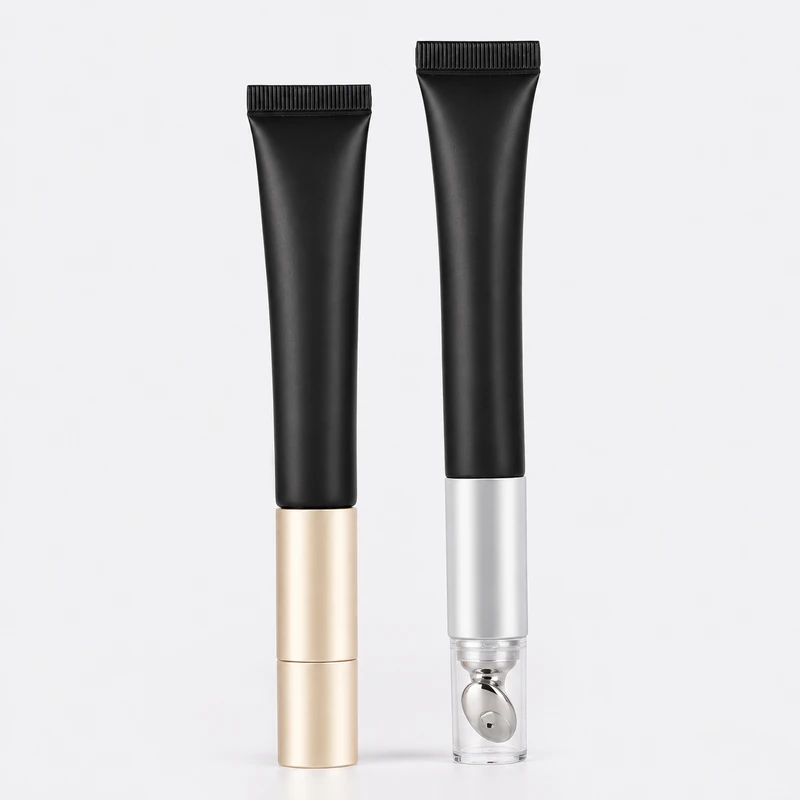
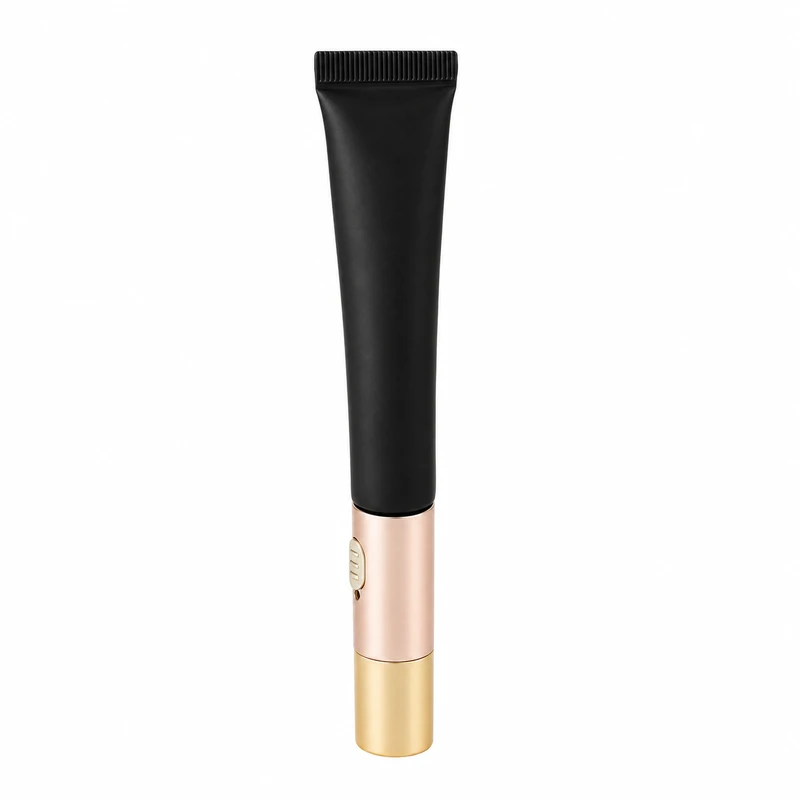
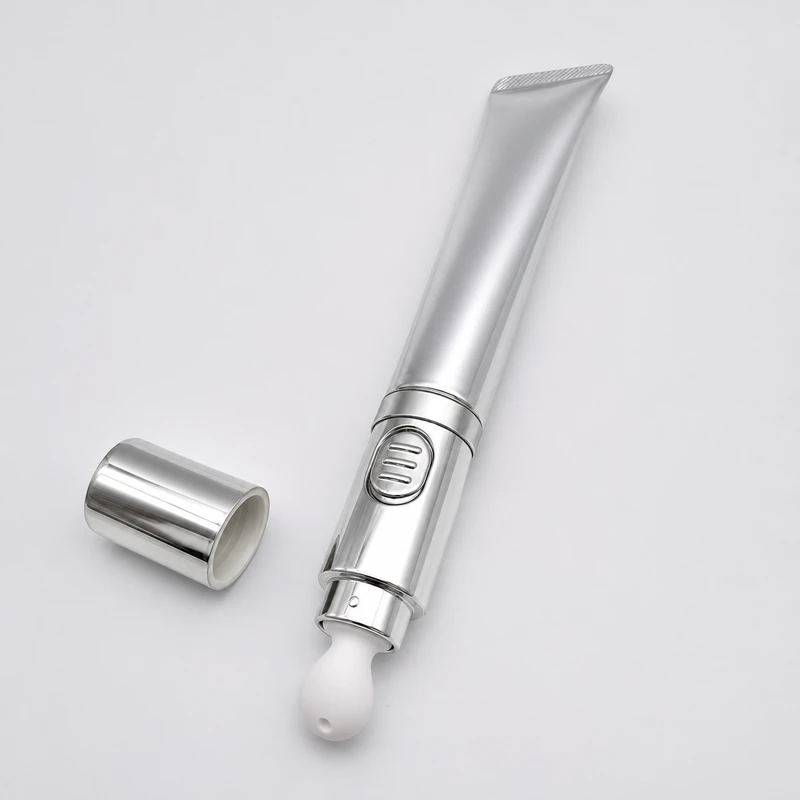
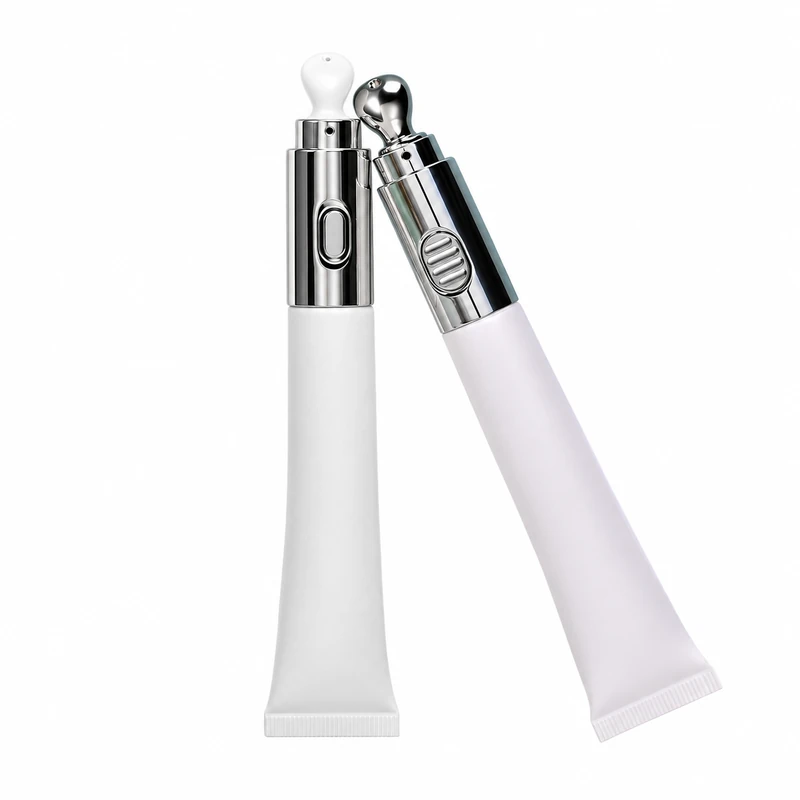
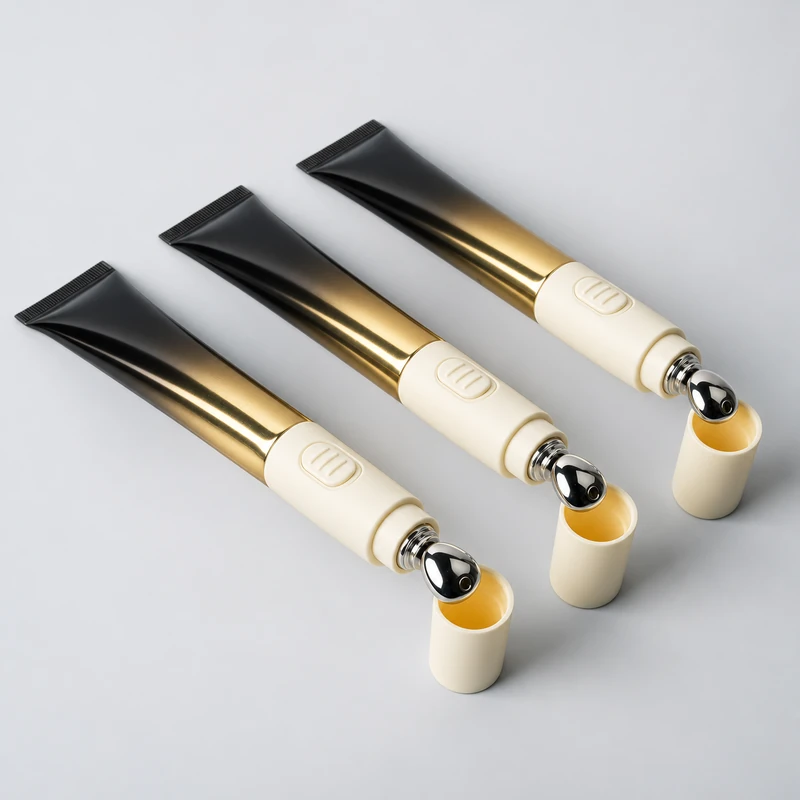
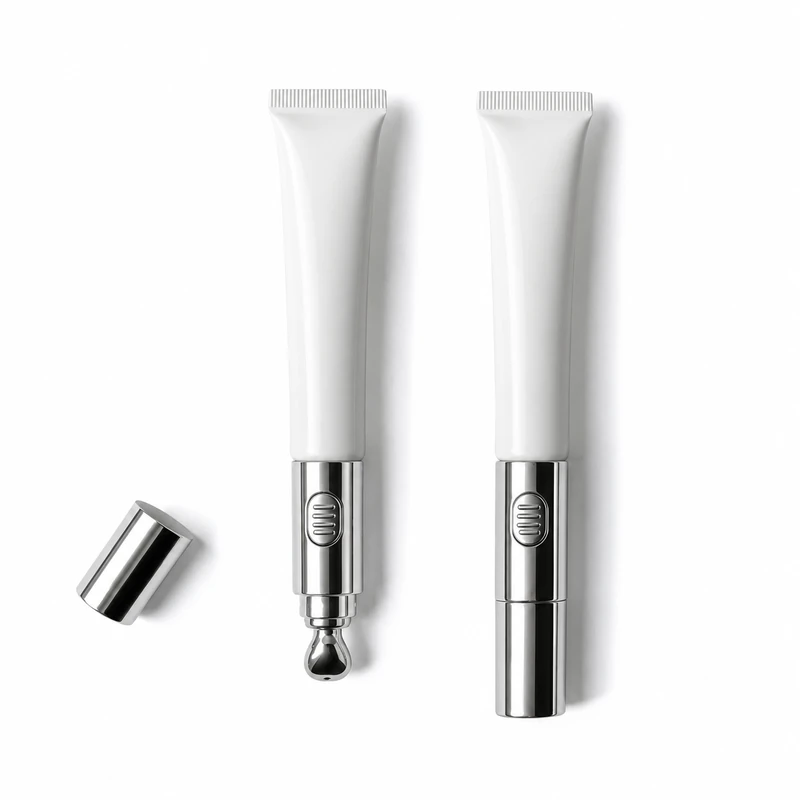
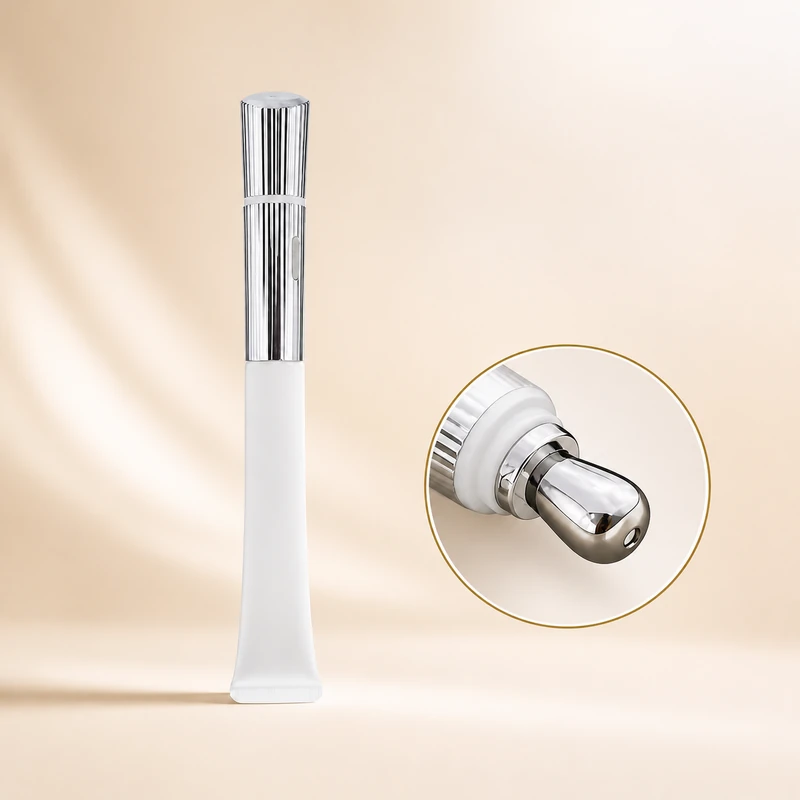
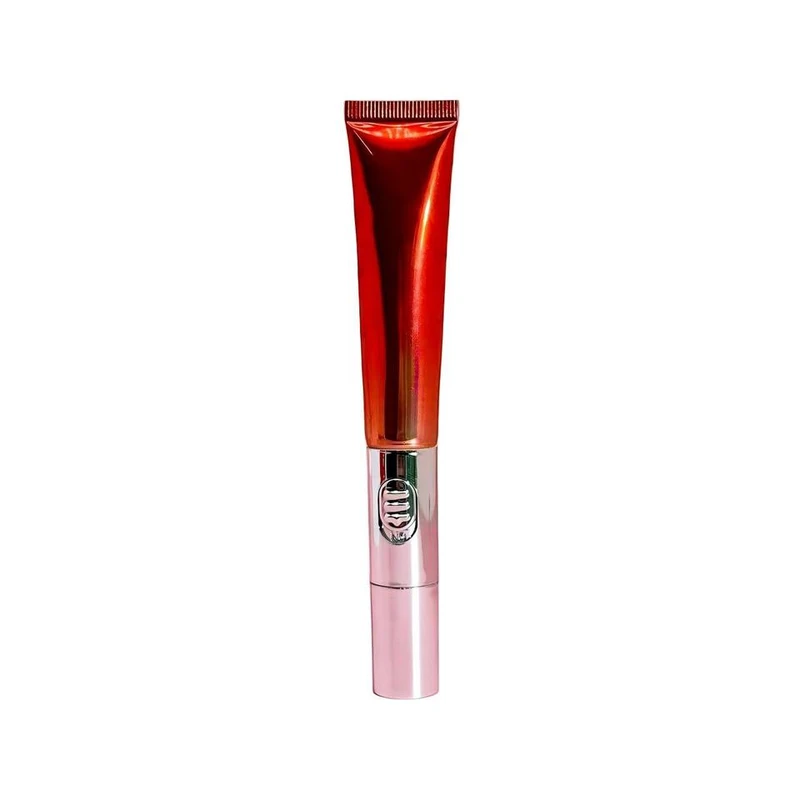
| Aspetto | Black tube body with metallic-finish electric assembly and protective cap. The gallery also includes silver and white variant presentations. |
| Personalizzazione del marchio | Custom logo and color development; decoration follows the approved artwork and sample. |
| Quantità minima d’ordine (MOQ) | 10.000 pezzi |
| Supply scope | Empty packaging. Formula, filling, retail box, spare components and electrical accessories are separate order line items. |
A D19 mm Pack with Dispensing and Contact Application
Squeeze Body, Button Control and Metal Contact Surface
The flexible tube holds the formula. Squeezing the body delivers product through the applicator outlet. The push button controls the electric massage function. The zinc alloy head provides the contact surface for application around the eye area. These three functions give the buyer a clear specification: formula storage, product delivery and powered application.
Black Tube and Metallic Applicator Presentation
The black tube creates a distinct front panel for brand artwork. The metallic-finish section separates the control area from the tube body, and the removable cap covers the applicator during storage. Gold, rose-gold and silver appearances are separate finish selections. Silver and black tube presentations in the gallery are configuration references, not a mixed pack. Set artwork orientation against the button so the front of the filled pack reads consistently. The metal contact head is a packaging component; cosmetic efficacy claims belong to the finished formula and its supporting tests.
Black Tubes, Metallic Finishes and Applicator Variants
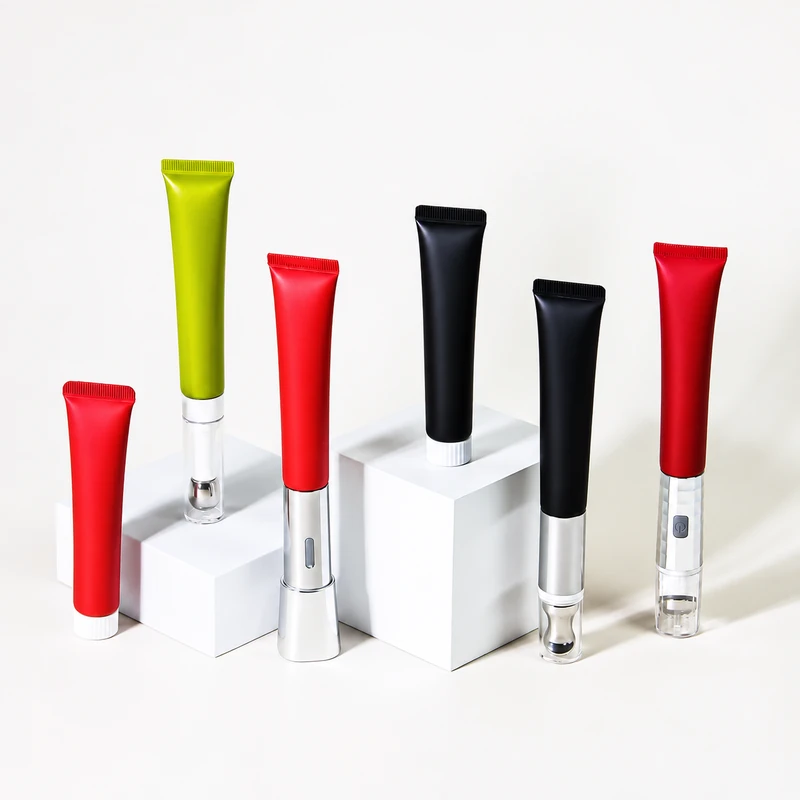
Six views cover the black tube assembly, finish variations and alternative white and silver tube presentations. Each configuration is selected separately in the order.
Materials, Capacity and Formula Fit
Plastic Tube and Zinc Alloy Applicator
The tube body is plastic and the contact head is zinc alloy. Two-layer and five-layer EVOH structures address different tube construction briefs; the complete material stack belongs in the order specification. The material specification identifies each part separately: tube resin, shoulder, contact head, housing, cap, seals and internal flow path. A metallic appearance does not define the housing or cap material. The signed bill of materials records the approved construction for repeat orders.
Capacity Selection within the 19 mm Format
19 mm identifies the tube body diameter, not its capacity. Set the target net fill first, then establish tube length, headspace and tail-seal allowance on the drawing. Applicator and shoulder volume affect usable fill. A volume declaration in mL and a weight declaration in g require different filling controls; the formula density connects the two. The filling trial establishes the approved net content and sealing position.
Formula and Surface Compatibility
The actual eye cream or serum is the test medium for pack approval. The assessment covers plastic contact, seals, the zinc alloy surface and its finish. Record discoloration, corrosion, coating damage, odor change, weight loss and dispensing behavior under the agreed storage conditions. A result for one formula does not qualify a different base or fragrance system.
Dispensing and Consumer Handling
A practical dispensing check measures squeeze effort, dose control, residue at the tip and dribble after release. Test the product at the low and high temperatures used in the project specification. The approved use instructions describe the button sequence, application, cleaning and cap replacement for the supplied assembly. The cleaning method protects the electrical section from formula residue and moisture.

Select the Layer Structure and Black Finish
Two-Layer and Five-Layer EVOH Constructions
The layer selection is part of formula qualification. A five-layer EVOH tube includes a barrier construction, but the material name alone does not establish filled-product shelf life. Specify layer materials, thickness distribution and the performance evidence needed for your formula. Evaluate the shoulder, head and seals together with the tube body because the complete pack determines storage performance.
Matte and Glossy Black Artwork
Matte and glossy finishes produce different visual effects. The decorated sample sets the black shade, gloss level and ink or foil appearance under the agreed inspection lighting. Fine print needs a controlled contrast against the black surface. Check rub resistance, squeezing durability and contact with the actual formula before approving the finish for bulk production.
OEM Branding and Customization
Artwork, Color and Finish
Prepare vector artwork, color references, logo size and front-panel position. Packaging printing and decoration methods explains the process choices for a custom pack. The decorated sample establishes the actual print, tube color, surface finish and registration. Repeat squeeze and rub checks assess print durability on the chosen tube material.
Assembly and Retail Pack
The customization brief includes tube decoration, cap and housing appearance, retail-box artwork and protective inserts. The complete assembly determines the box dimensions and print orientation. List cables, spare caps, instructions and other accessories as separate pack contents; this prevents a unit-price comparison from mixing different supply scopes.
One Approved Specification for Repeat Orders
Use a controlled drawing, material list, artwork revision and signed sample as the order standard. Component substitutions require review before production. The same appearance can conceal different internal seals or electrical modules, so the specification identifies the parts that affect filling, function and formula contact.
Factory Production and Order Approval Workflow
1. Technical Brief and Quotation
Start with the 19 mm body format, formula type, quantity, decoration, filling condition and sales destination. Add the electrical configuration and retail-pack contents. The quotation separates unit packaging, samples, artwork development, tooling, packing and freight. Approval records connect the commercial offer to a specific physical assembly.
2. Plain Samples and Filling Trial
Use plain assembly samples to check the contact head, button, cap and dispensing. Run the intended formula through the pack. The filler records nozzle clearance, fill accuracy, sealing method and head attachment conditions. Tail-open supply and tail-sealed supply are distinct specifications and are selected before the order is released.
3. Decorated Sample and Production Release
The decorated sample becomes the visual master after color, artwork position and finish pass review. The project release also requires the drawing, material specification and functional test criteria. Establish these gates in the purchase order so bulk production starts from the approved configuration.
4. Production, Assembly and Inspection
Use a documented project route covering tube forming, shoulder attachment, decoration, component inspection, applicator assembly and packing. Check first production units against the reference sample before continuing the run. The actual factory route and inspection responsibilities are recorded in the order’s production plan.
5. Final Release and Traceability
The final inspection reviews quantity, appearance, dimensions, button operation, cap fit and packout against the agreed acceptance plan. Lot identification links the shipment to its component and inspection records. Keep an approval sample and representative lot samples for repeat-order comparison and quality assessment.
Quality Control Buyers Can Specify
Incoming Materials and Appearance
Define the accepted tube dimensions, finish variation and cosmetic-defect limits. Inspect the zinc alloy head for sharp edges, surface defects and contamination. Check the cap and housing for cracks, scratches, poor fit and finish damage. The material list and drawing provide the pass criteria for component acceptance.
Leakage, Tail Seal and Applicator Attachment
Test the complete filled pack with the actual formula. Assess the tube-to-head connection, dispensing path, closure and tail seal separately. Record fill quantity, assembly conditions, orientation, temperature and test duration. A defined test produces a clear pass or fail; an unqualified leakproof statement does not describe the test conditions.
Electrical Function and Pack Handling
The functional plan covers button activation, stop behavior and repeated operation. Verify the specified power arrangement and any charging behavior on the selected module. The shipping pack protects the button from accidental activation and shields the metal head from contact damage. Transport testing checks the packed unit for abrasion, attachment failure and loss of function.
Defect Reporting and Resolution
The purchase order defines the inspection plan, critical/major/minor defect categories, acceptance limits and reporting period. A claim file includes lot numbers, affected counts, photographs, test conditions and outer-carton labels. These records support a specific assessment and the remedy process agreed in the order.
Tempi, spedizione e pagamento
Development and Production Schedule
The schedule has separate milestones for plain samples, decorated samples, filling approval, specification freeze, production, inspection and cargo readiness. Artwork changes, module changes and failed tests return the project to the relevant approval stage. The written order sets the start condition, cargo-ready date and procedure for changes; a generic day range cannot replace those milestones.
Export Packing and Freight
The packing specification states tube protection, tray or divider use, quantity per carton, carton dimensions, gross weight and carton marks. Protect the button and metal contact head during storage and handling. Compare courier for samples and air or sea freight for bulk quantities using the actual cargo measurements and destination.
Delivery Terms and Electrical Documentation
The quotation states the trade term and named place or port, plus responsibility for freight, insurance, duties and taxes. Identify the selected battery or power source before booking freight. The forwarder reviews the exact electrical configuration and its required transport documentation. Documents for empty packaging and for filled cosmetics are separate shipment inputs.
Payment Methods and Milestones
The pro forma invoice states the accepted payment method, currency, beneficiary, deposit, balance trigger and bank charges. It also lists sample, decoration, tooling and freight charges. Tie the payment schedule to the agreed sample, production, inspection and shipping milestones. Verify beneficiary details through the established supplier contact before payment, including any changed instructions.
Items to Finalize Before Purchase
The signed drawing sets tube diameter, length, neck connection and assembled weight. The material list sets resin grade, layer structure, cap and housing materials, seals and contact-surface finish. The electrical specification sets power source, battery details where applicable, operating sequence, accessories and any charging interface. The sample and filling report set net fill, headspace, sealing method and dispensing acceptance. The commercial order sets dates, payment terms, packout and delivery scope.
Domande frequenti per gli acquirenti
Qual è la capacità?
Capacity is determined by tube length and the complete assembly. The 19 mm diameter does not specify a volume. The approved drawing and filling trial set net content and headspace.
Is the tube supplied filled?
No. The order covers empty packaging. Formula supply and filling services require separate written scope.
What is the tube material?
The tube body is plastic. The order selects two-layer or five-layer EVOH construction and records each resin grade in the signed material specification.
What is the contact-head material?
The contact head is zinc alloy. The bill of materials identifies its surface finish and the other formula-contact parts.
How is the electric function controlled?
A push-button switch on the silver-tone housing controls the electric massage assembly. The working sample establishes its operating sequence.
Is this a rechargeable product?
The power specification is a purchase approval item. The exact module determines battery type, replacement method, charging capability and accessories.
Can I print my brand on the tube?
The customization program includes logo and color development. The decorated approval sample sets the print, color and placement.
Can the same tube hold a thin serum and a cream?
Each formula goes through dispensing and compatibility approval. Viscosity affects squeeze effort, dosing and outlet residue.
How does the filler receive the tubes?
The purchase order states tail-open or tail-sealed supply and the assembly condition. The filler approves the sealing process before bulk release.
Qual è la quantità minima d’ordine?
The MOQ is 10,000 pieces. The written quotation allocates quantity by artwork, finish and component configuration.
Quanto tempo richiede la produzione?
The order records sample dates, approval milestones, production release, inspection and cargo-ready date. These dates depend on the selected assembly and customization scope.
How are shipping costs calculated?
Freight uses the actual packed dimensions, gross weight, destination and delivery term. The quotation separates packaging cost from transport and import charges.
What payment terms apply?
The pro forma invoice states payment methods, currency, deposit, balance milestone and charges. Those written terms control the order.
Are certifications and efficacy claims included?
The project document list identifies the exact material and electrical reports supplied with the selected assembly. Finished-product efficacy and market claims require their own supporting evidence.
Are the gold, silver and white versions included in the same order?
Each tube color, housing finish and head profile is a separate configuration. The order lists quantities and part codes for the selected versions; the gallery does not define the shipment assortment.
Request a Black D19 mm Electric Eye Cream Tube Quote
Invia Boyu Packaging your quotation request with the formula type, net fill, quantity, artwork, electrical requirements, filling condition, retail contents, destination and target cargo-ready date. The quote should identify the complete assembly, development fees, packing, delivery scope and payment milestones.
 English
 Español de Argentina
 Русский
 Italiano
 日本語
 한국어
 العربية
 Français
 Deutsch