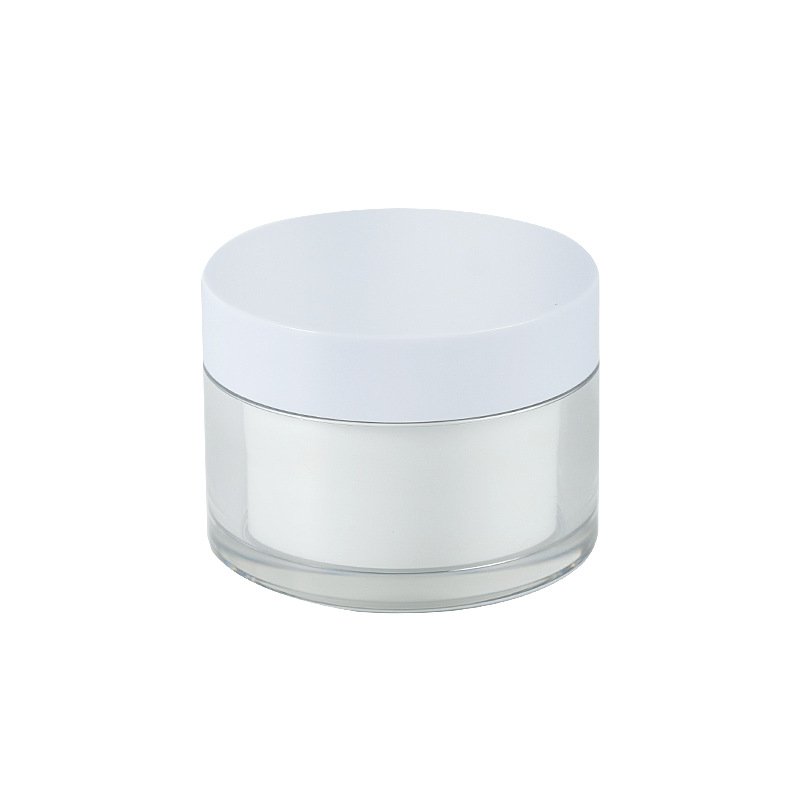

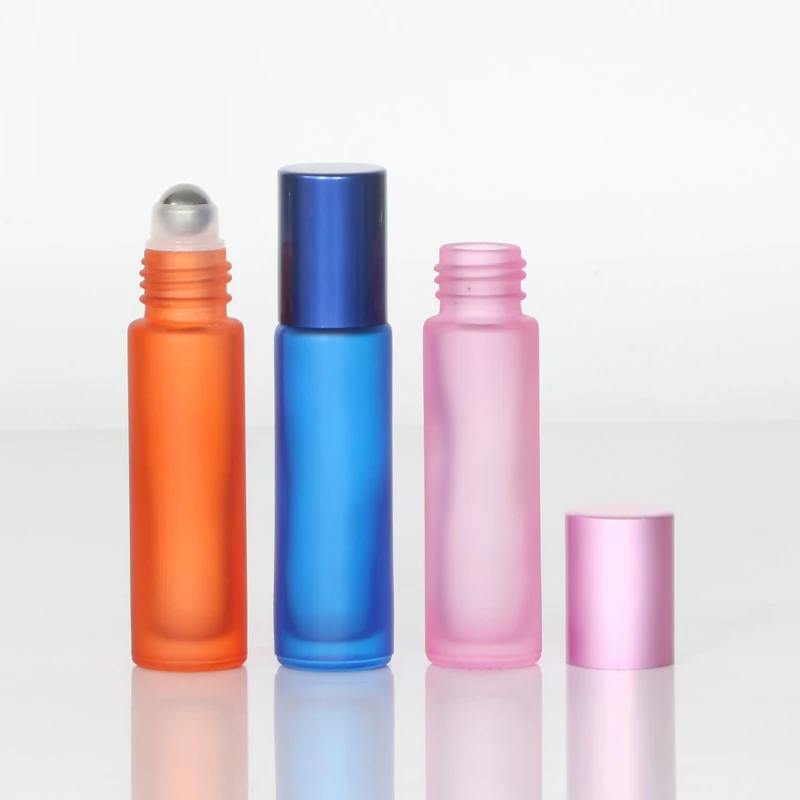
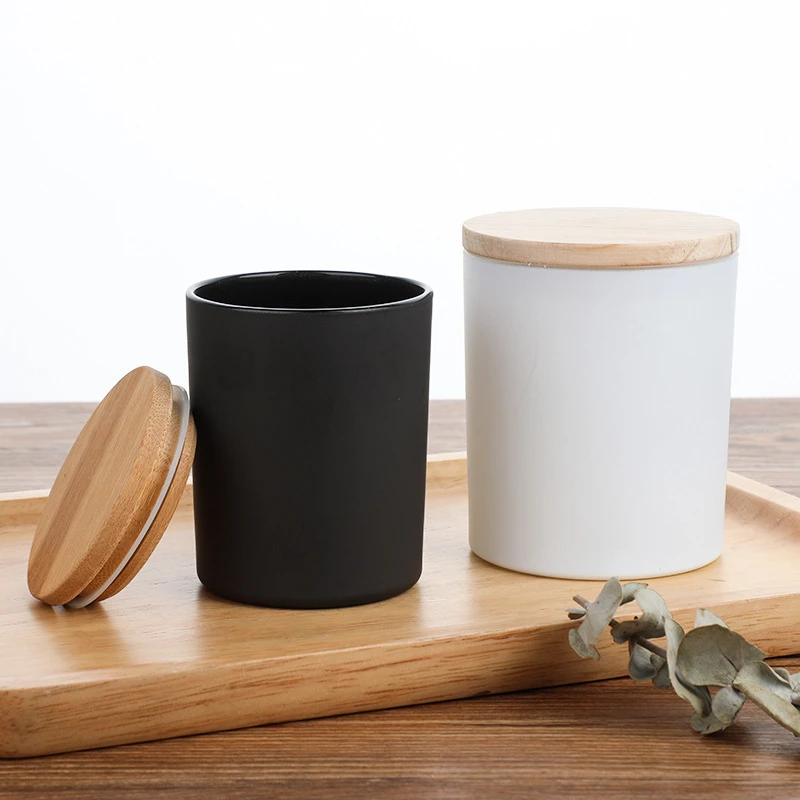
Краткий ответ: Choosing the right plastic for cosmetic packaging starts with your formula chemistry, not bottle aesthetics. Use PET for clear, water-based serums and toners; ПНД for surfactant-rich cleansers, high-alcohol formulas, and essential-oil blends; ПП for cream jars, closures, and heat-resistant fills; LDPE for flexible squeeze tubes; and ПЭТГ only after solvent-resistance testing. Always confirm resin grade, barrier needs, and compliance before approving tooling.
This guide is written for international skincare, personal-care, and beauty brands, formulators, and procurement teams evaluating plastic packaging for North American and European markets.
1. Why Formula Chemistry Dictates Plastic Selection
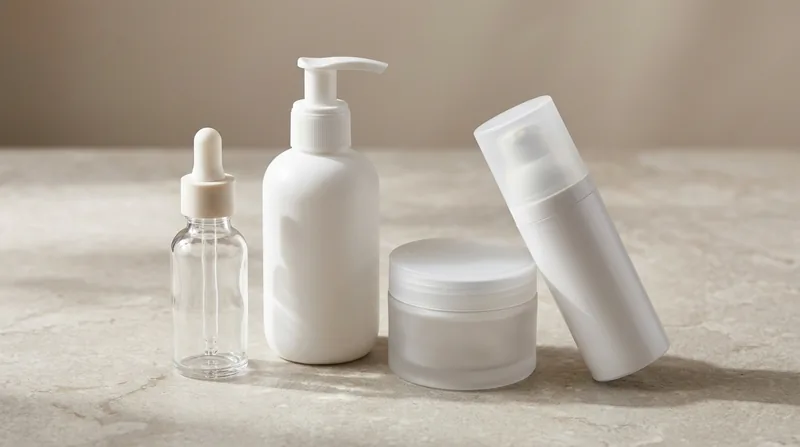
The fastest way to trigger leakage, bottle paneling, clouding, or rejected shipments is to select a resin based solely on shelf appearance. Every cosmetic formula interacts differently with polymer chains over months of storage and transit.
Before requesting samples, map four chemical and physical variables in your formulation:
- Solvent and alcohol load: Formulas containing high ethanol percentages, glycols, or volatile carriers can soften or stress-crack amorphous polyesters such as PETG and standard PET.
- Essential oils and terpenes: Citrus oils, fragrance concentrates, and botanical oils can migrate into polyolefins (causing swelling or paneling) or craze polycarbonate and acrylic outer shells.
- Surfactants and pH extremes: Strong anionic surfactants in shampoos and body washes accelerate environmental stress cracking in plastic cosmetic bottles when residual molding stress meets chemical exposure.
- Oxygen and moisture sensitivity: Active ingredients such as vitamin C, retinoids, and peptides degrade rapidly if oxygen permeates through thin bottle walls or poorly sealed closures.
2. Comparing Core Cosmetic Packaging Plastics
Most commercial skincare and personal-care lines rely on five primary thermoplastics. Each polymer balances optical clarity, chemical resistance, moisture-vapor transmission rate (MVTR), oxygen barrier, and recycling stream compatibility differently.
| Resin (Code) | Внешний вид | Chemical & Oil Resistance | Barrier & Heat Ceiling | Best-Fit Formats | Key Trade-Offs |
|---|---|---|---|---|---|
| ПЭТ (#1) | Glass-like clarity; tints well | Good with water-based formulas; limited with strong alkalis, high solvents, and pure essential oils | Good oxygen & fragrance retention; softens above ~60–65 °C (hot-fill risk) | Toners, micellar waters, serums, foamers, clear lotion bottles | Not suitable for hot fills without heat-set grades; stress-cracks with some surfactants |
| HDPE (#2) | Naturally translucent to opaque; matte or satin | High resistance to acids, alkalis, surfactants, and alcohols | Strong moisture barrier; moderate oxygen barrier; higher heat tolerance than PET | Shampoos, body washes, sunscreens, cleansers, refill bottles | Cannot achieve crystal clarity; nonpolar oils can cause slow paneling if wall is thin |
| LDPE (#4) | Translucent, soft, flexible | Good general chemical resistance; higher oil/fragrance permeation than HDPE | Flexible recovery; moderate moisture barrier; lower stiffness | Squeeze tubes, dropper bottles, soft-squeeze cleanser packs | Permeable to volatile aromatics; requires EVOH or laminate layer for sensitive actives |
| PP (#5) | Translucent to opaque; crisp molded edges | Excellent resistance to most acids, bases, and many oils; good fatigue resistance | High heat tolerance (suitable for hot-fill creams); strong moisture barrier; moderate O2 barrier | Cream jars, closures, flip-top caps, pump actuators, airless chambers | Lower clarity than PET; becomes brittle near freezing unless copolymer grade is used |
| PETG (#1 / #7*) | High clarity even in heavy, thick walls | More vulnerable to solvents, essential oils, and ketones than PET | Lower heat-deflection temperature; higher impact toughness than rigid PET | Heavy-wall luxury serum bottles and specialty thick-base jars | Higher resin cost; often sorted outside standard #1 PET bottle recycling streams |
*Note on resin codes: Although PETG is a polyester, many municipal and industrial recyclers classify heavy-wall PETG separately from standard #1 PET bottles because its lower melting behavior can contaminate PET reclamation flakes.
3. Matching Plastic Resins to Packaging Formats and Dispensing Systems
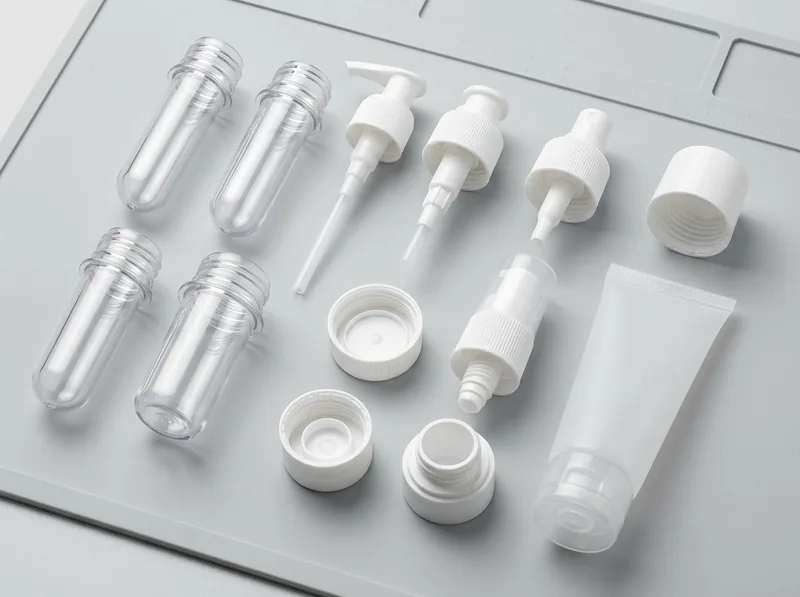
A cosmetic package is rarely a single piece of plastic. Bottles, jars, tubes, and pumps combine multiple resins with different melt behaviors, tolerances, and chemical-contact roles.
Bottles, Lotions, and Airless Dispensers
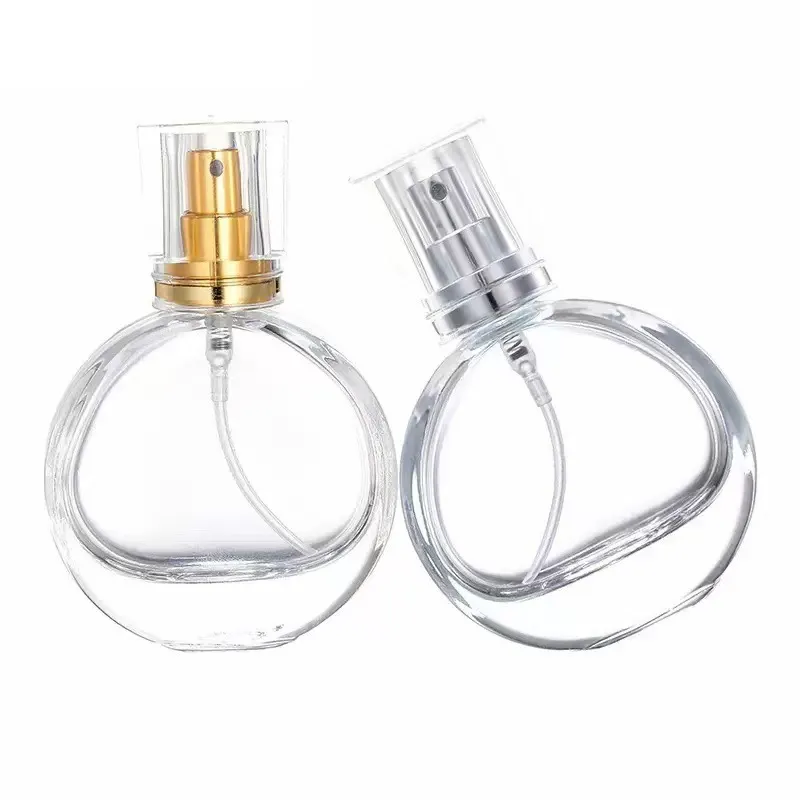
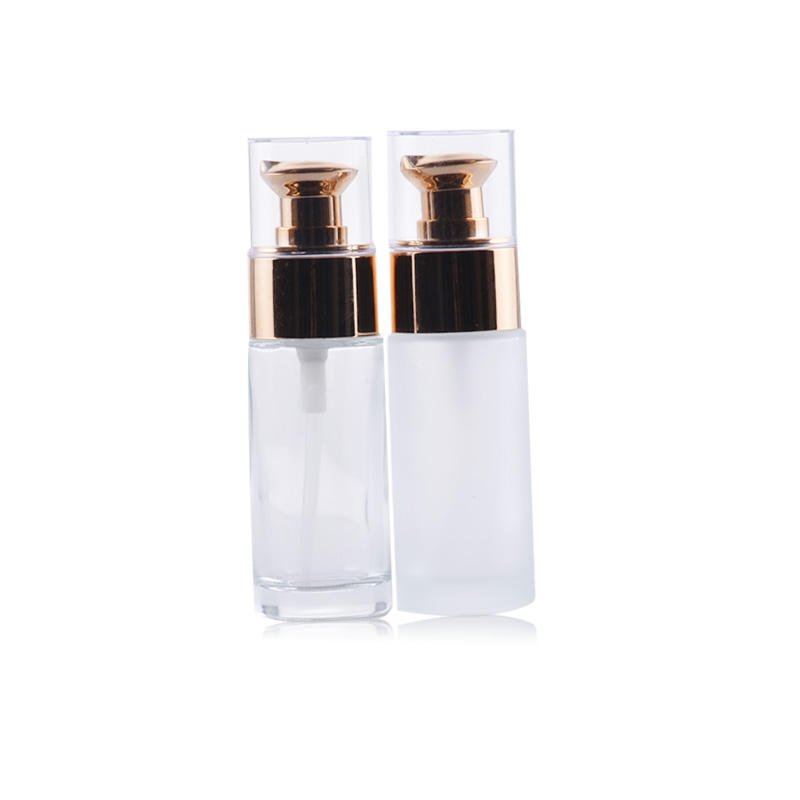
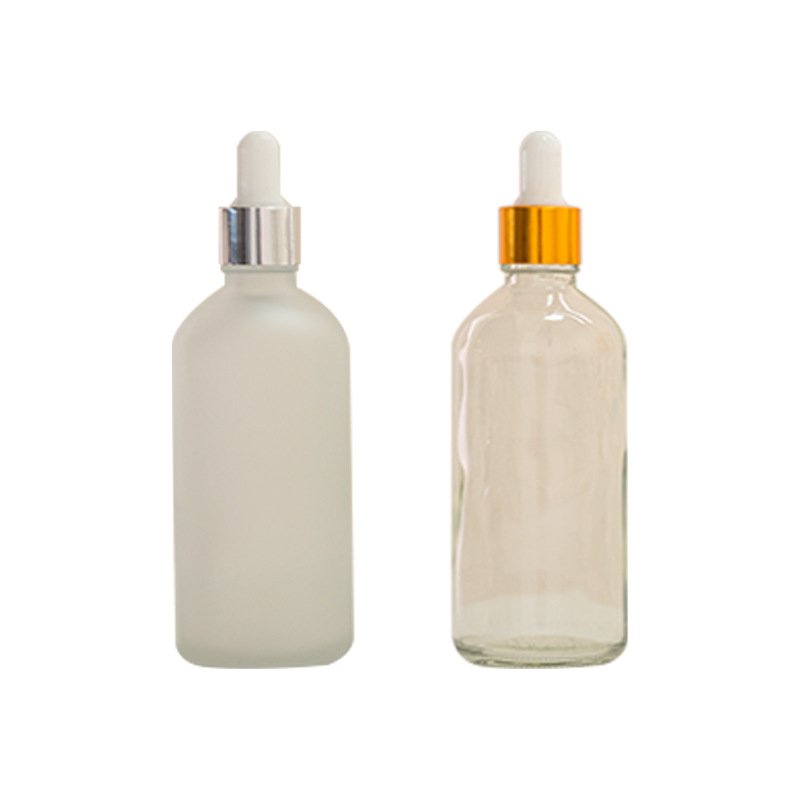
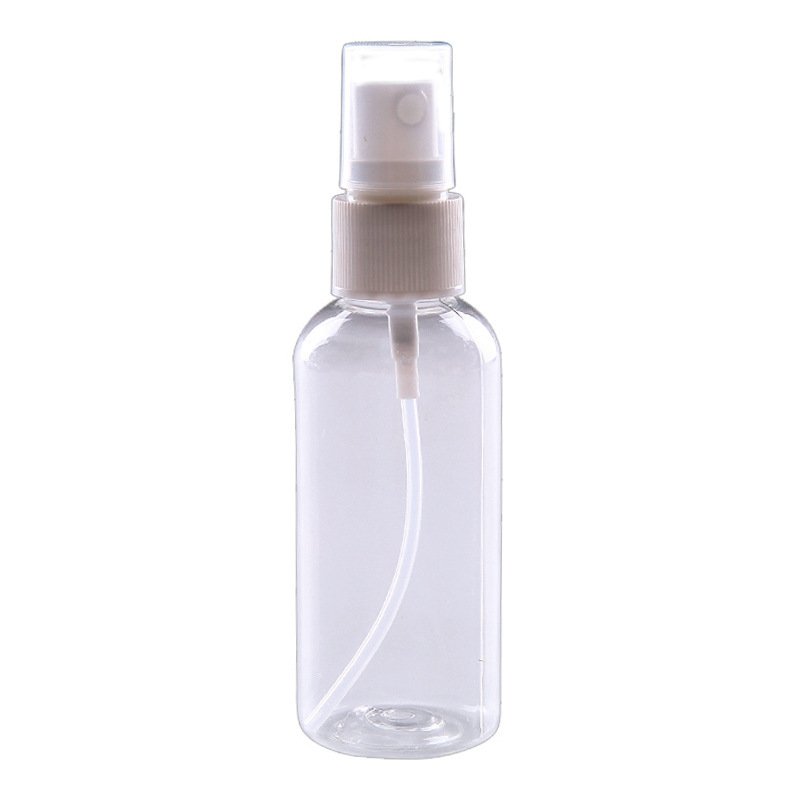
For rinse-off products (shampoos, conditioners, body washes) and high-surfactant cleansers, ПНД remains the benchmark bottle body because of its stress-crack resistance and squeeze durability. For leave-on toners, micellar waters, and clear serums where product visibility drives shelf appeal, PET offers superior stiffness and optical clarity.
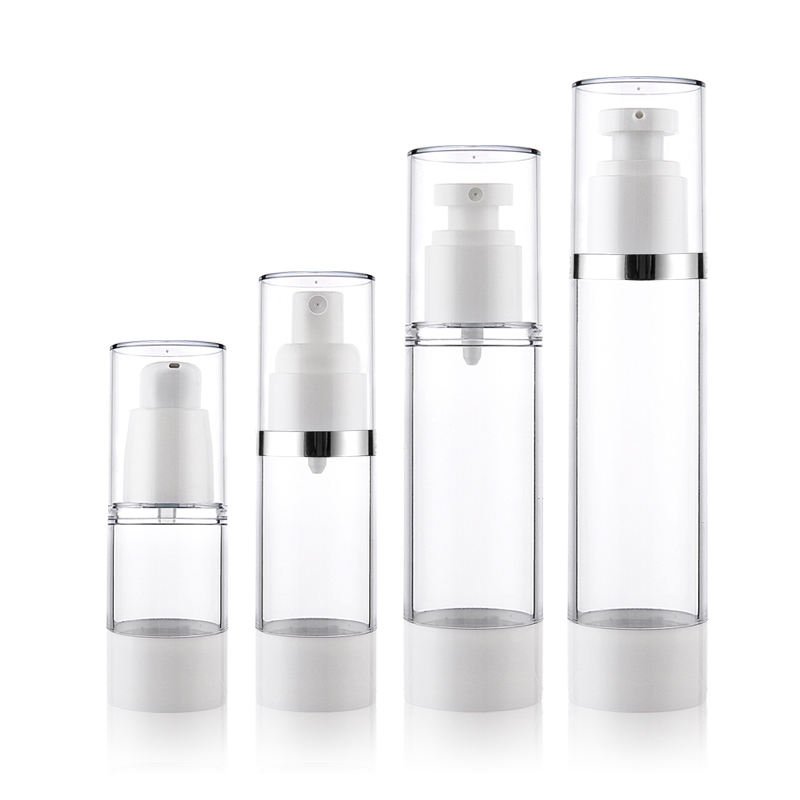
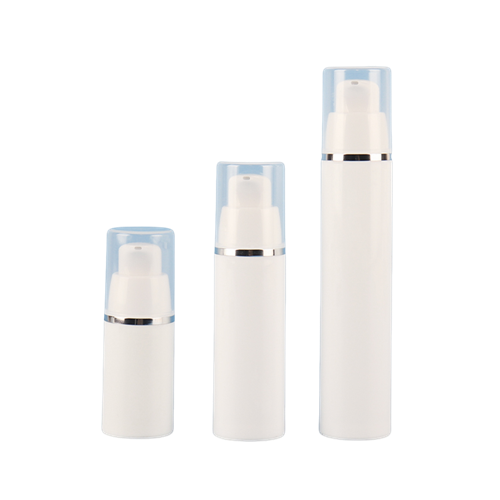
When packaging oxidation-sensitive creams or active serums, an airless system limits headspace air contact during dispensing. Standard PP airless lotion pump bottles pair a polypropylene body and piston with a precision actuator, while PET airless pump bottles work well when you want a rigid, sleek cylinder for viscous gels or pastes. Always verify the internal spring material and gasket elastomer alongside the bottle resin.
Creams, Balms, and Double-Wall Jars
Hot-poured balms, anhydrous salves, and rich emulsions require a polymer that tolerates elevated filling temperatures without warping. ПП handles warm fills reliably and provides a clean sealing land for induction foils or pressure-sensitive liners.
Many luxury double-wall jars use an outer shell of PMMA (acrylic), AS (SAN), or ABS for visual depth, paired with an inner PP contact cup. When sourcing cosmetic face cream jars, approve the inner product-contact resin separately from the decorative outer shell—never assume an acrylic outer wall is chemically compatible with your cream.
Squeeze Tubes
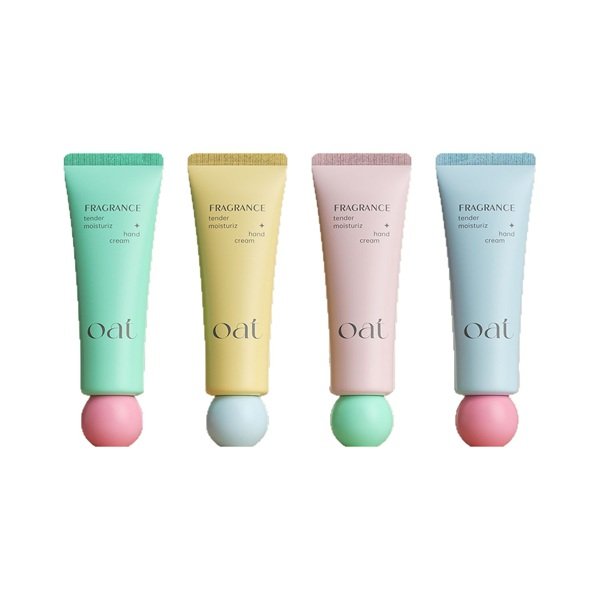
Traditional cosmetic tubes rely on LDPE или MDPE/HDPE blends for controlled squeeze force and snap-back recovery. If your formula contains volatile fragrance, SPF filters, or oxygen-sensitive actives, specify a co-extruded multi-layer tube (such as PE/EVOH/PE) or an aluminum-barrier laminate (ABL) rather than a monolayer LDPE sleeve.
4. Compatibility Testing and US / EU Regulatory Compliance
A polymer datasheet only describes virgin resin behavior under standardized lab conditions. It cannot guarantee how your specific emulsion, preservative system, fragrance, and colorant will interact with a finished molded container.
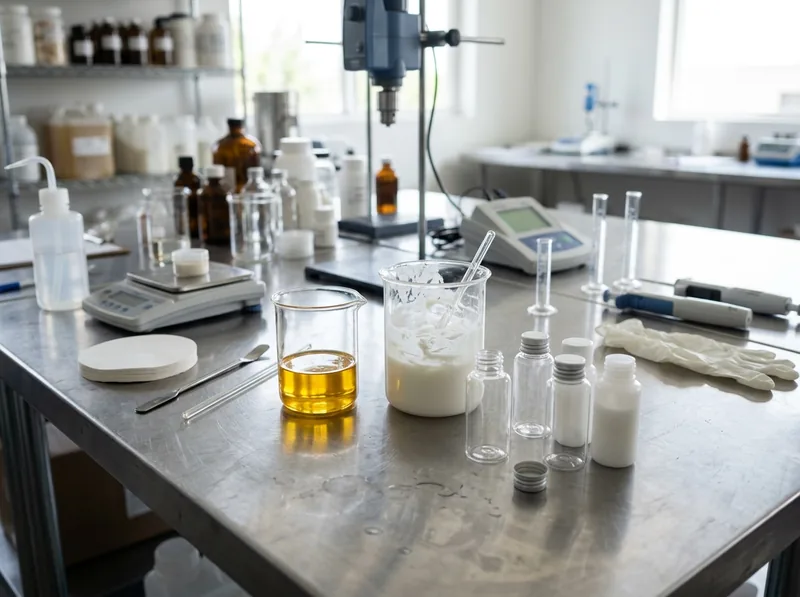
Essential Compatibility Checks Before Production
Before releasing a purchase order for mass production, run an accelerated compatibility study (commonly 4–12 weeks across ambient, elevated temperature such as 40–45 °C, and freeze-thaw cycles) on the exact production resin and closure assembly:
- Weight loss and permeation: Measure total package mass weekly to detect water vapor or volatile solvent loss through the wall or neck seal.
- Physical deformation and ESC: Inspect bottle shoulders, base chimes, and thread roots for paneling, swelling, haze, or micro-crazing under load.
- Formula integrity: Check pH drift, viscosity change, phase separation, odor absorption, and discoloration—especially in natural or lightly preserved formulas.
- Closure and pump function: Test application torque retention, vacuum/drop leakage, and pump priming after thermal cycling.
US FDA and EU Cosmetics Regulation Requirements
Packaging material selection directly affects regulatory dossiers in both major export markets:
- European Union — Regulation (EC) No 1223/2009: Article 10 and Annex I require a signed Cosmetic Product Safety Report (CPSR) before market placement. Part A of the CPSR explicitly requires data on impurities, traces, and the characteristics of the packaging material, as well as stability under reasonably foreseeable storage conditions.
- United States — FDA (21 CFR): Under FDA cosmetics rules, brands are responsible for adequate safety substantiation prior to marketing (21 CFR 740.10) and compliant labeling surface area and declaration rules (21 CFR Part 701). Certain categories, such as liquid oral hygiene and vaginal cosmetic products sold at retail, also require tamper-resistant packaging under 21 CFR 700.25.
5. Recyclability, PCR Content, and EU PPWR Readiness
Sustainability claims and export compliance now depend on verifiable packaging engineering rather than generic “eco-friendly” labels. Two frameworks shape plastic material decisions for North America and Europe:
- EU Packaging and Packaging Waste Regulation (EU) 2025/40 (PPWR): Generally applicable from August 12, 2026, the PPWR phases in strict design-for-recycling and recycled-content mandates. From January 1, 2030, packaging placed on the EU market must meet recyclability performance grades (Grade A–C) and minimum post-consumer recycled (PCR) plastic shares—30% for contact-sensitive PET packaging, 10% for other contact-sensitive plastic packaging, and 35% for other plastic packaging (subject to Commission implementing acts).
- APR Design® Guide for Plastics Recyclability: Widely used across North America, the APR Design® Guide evaluates whether the entire package—body, closure, label, ink, and adhesive—works in real reclamation streams. For rigid PE and PP containers, APR guidance emphasizes mono-material compatibility, avoiding heavy metallic or PVC sleeves that block near-infrared sorting, and maintaining sufficient wall thickness (generally testing thin sections under 200 µm) so flakes are not lost during air elutriation.
6. Supplier Qualification and RFQ Checklist
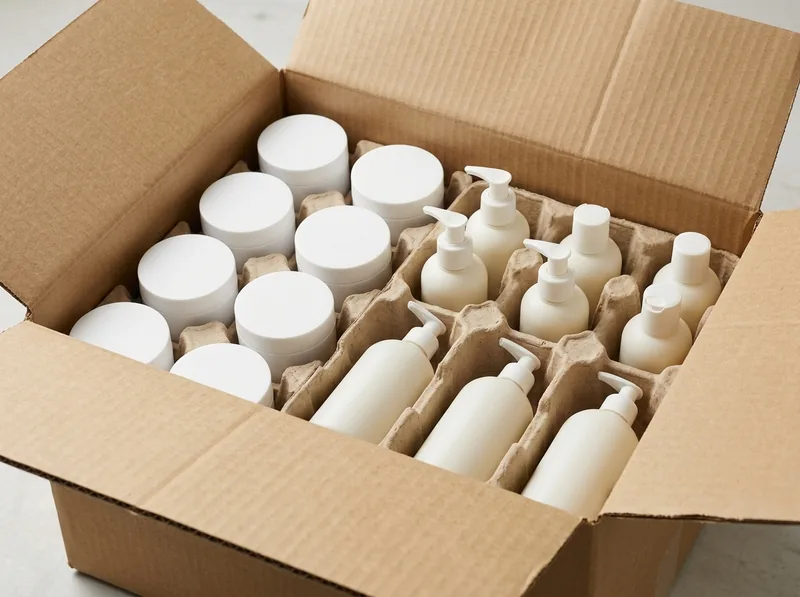
When sending an RFQ to a cosmetic packaging manufacturer, include these six technical details so your supplier can recommend the right resin grade from the start:
- Характеристики формулы: Active ingredients, pH range, ethanol/solvent percentage, essential oil load, and viscosity.
- Filling conditions: Cold fill vs. hot fill temperature and line-capping torque target.
- Component-level material map: Specify the exact resin for the product-contact chamber, outer decorative shell (if any), closure/liner, and pump spring/gasket.
- Target markets and claims: Whether the SKU must satisfy EU PPWR documentation, APR recyclability criteria, or a specific PCR percentage.
- Decoration and surface finish: Screen printing, hot stamping, spray coating, or wrap-around labels (some coatings reduce recyclability or adhesion on untreated PP/PE without flame or corona treatment).
- Pre-production testing plan: Request empty stock samples in your target resin for compatibility soak testing before committing to custom color masterbatch or private tooling.
7. Frequently Asked Questions
Is PET or HDPE better for essential oil and high-alcohol skincare formulas?
HDPE is generally the safer plastic choice for formulas with high ethanol content, essential oils, or strong surfactants because it offers higher chemical and stress-crack resistance than standard PET. For pure essential oils or high-terpene blends, even HDPE can experience paneling over time, so accelerated compatibility testing—or switching to glass—is essential.
Why is PP the standard plastic for cosmetic cream jars and closures?
Polypropylene (PP) combines broad chemical resistance with a higher heat-deflection temperature than PET or LDPE, allowing it to withstand warm-filled creams and balms without distorting. It also molds with tight dimensional tolerances for screw threads, snap-on caps, and living hinges.
Can 100% PCR PET look as crystal-clear as virgin PET?
Usually no. Mechanical PCR PET typically exhibits a slight grey, yellow, or green cast and higher haze depending on feedstock sorting and decontamination quality. If crystal-clear presentation is non-negotiable, brands often test lower PCR blends (such as 25–30%) or pair PCR resin with a subtle tint or frosted finish.
What makes a plastic cosmetic package “mono-material” for recycling?
A mono-material package uses compatible resins from the same polymer family across the container body, shoulder, and closure—such as a PP jar with a PP cap, or an HDPE bottle with a compatible PE closure—while avoiding metal springs, incompatible adhesives, or heavy multi-resin sleeves that disrupt sorting and reprocessing.
8. Sources
- Европейский союз, Regulation (EU) 2025/40 on Packaging and Packaging Waste (PPWR), EUR-Lex: https://eur-lex.europa.eu/EN/legal-content/summary/packaging-and-packaging-waste-from-2026.html
- Европейский союз, Regulation (EC) No 1223/2009 on Cosmetic Products (Consolidated Text, Annex I), EUR-Lex: https://eur-lex.europa.eu/legal-content/EN/TXT/HTML/?uri=CELEX:02009R1223-20250501
- U.S. Food and Drug Administration (FDA), Краткое изложение требований к маркировке косметики: https://www.fda.gov/cosmetics/cosmetics-labeling-regulations/summary-cosmetics-labeling-requirements
- Electronic Code of Federal Regulations (eCFR), 21 CFR 700.25 Tamper-Resistant Packaging Requirements for Cosmetic Products: https://www.ecfr.gov/current/title-21/chapter-I/subchapter-G/part-700/subpart-B/section-700.25
- Association of Plastic Recyclers (APR), APR Design® Guide for Plastics Recyclability Overview & Rigid/Tube Guidance: https://plasticsrecycling.org/apr-design-hub/apr-design-guide-overview/ и https://plasticsrecycling.org/documents/res-o-01/
- Corning Life Sciences, Application Note CLS-AN-461: Chemical Resistance Comparison of PET and PETG: https://www.corning.com/catalog/cls/documents/application-notes/Application_Note_CLS-AN-461_Chemical_Resistance_Comparison_PETandPETG.pdf
 English
 Español de Argentina
 Русский
 Italiano
 日本語
 한국어
 العربية
 Français
 Deutsch