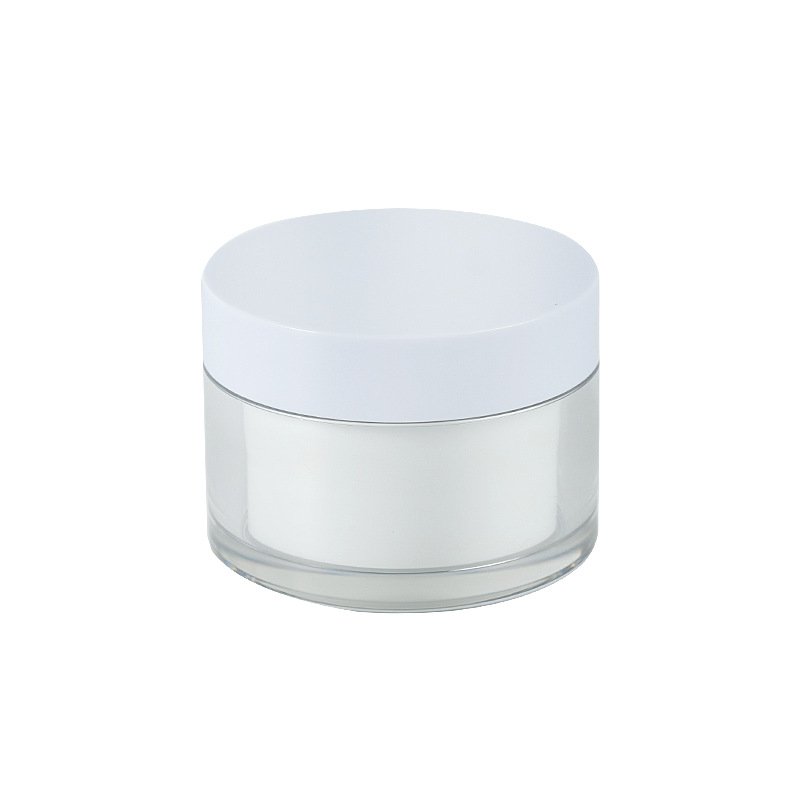
BOYU PACKAGING · CUSTOM CLEANSING OIL PACKAGING
Fabricant de flacons pour huiles démaquillantes en gros
Custom empty bottles and matched dispensing pumps for cleansing oils, facial-care collections and private-label brands. Build a pack that looks at home in your range and delivers the formula cleanly, from the first stroke to the last usable dose.
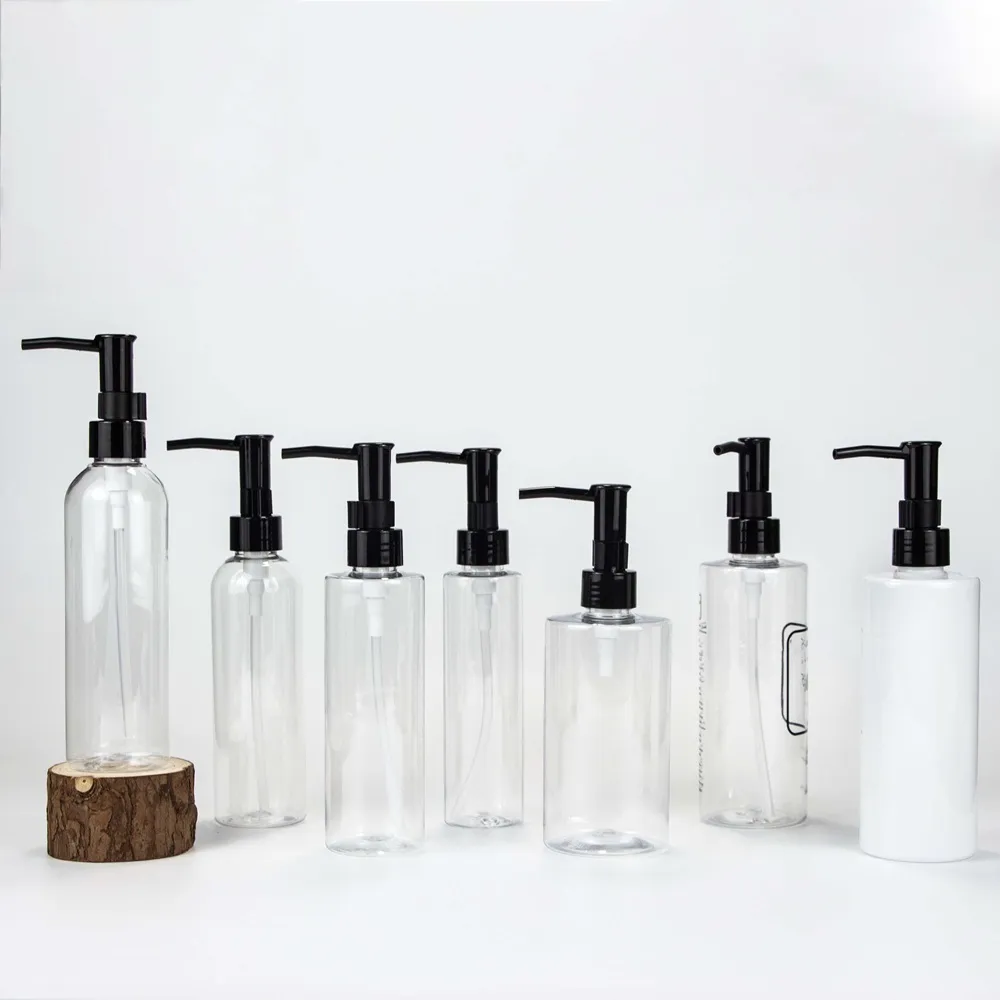
Start with the 150ml or 200ml PET cleansing-oil format, or discuss other materials and capacities. Confirm oil compatibility, sealing, pump output and decoration before releasing volume production.
Your development brief: formula · fill · bottle and pump · color and logo · testing · packing and delivery.
Build the Pack Around Your Cleansing Oil
An attractive bottle is only one part of a reliable cleansing-oil pack. The oil blend, emulsifiers, fragrance, pump valves, sealing materials and closure fit must work together. Thin product can reveal seepage or nozzle drips that a thicker lotion hides. Specify the complete bottle-and-pump assembly before approving appearance.
A dedicated starting point
Review the 150ml and 200ml PET cleansing oil bottle for an existing retail format. Confirm its current pump specification and validate your own formula before ordering.
A coordinated skincare family
A common silhouette can connect cleanser and moisturizer SKUs. Share the design language while allowing separate pump internals, dose and seal specifications.
An evidence-led purchase
Ask for drawings, material details, representative samples and a written test plan. A water-filled demonstration does not establish oil compatibility or long-term sealing.
Cleansing Oil & Skincare Bottle Collection
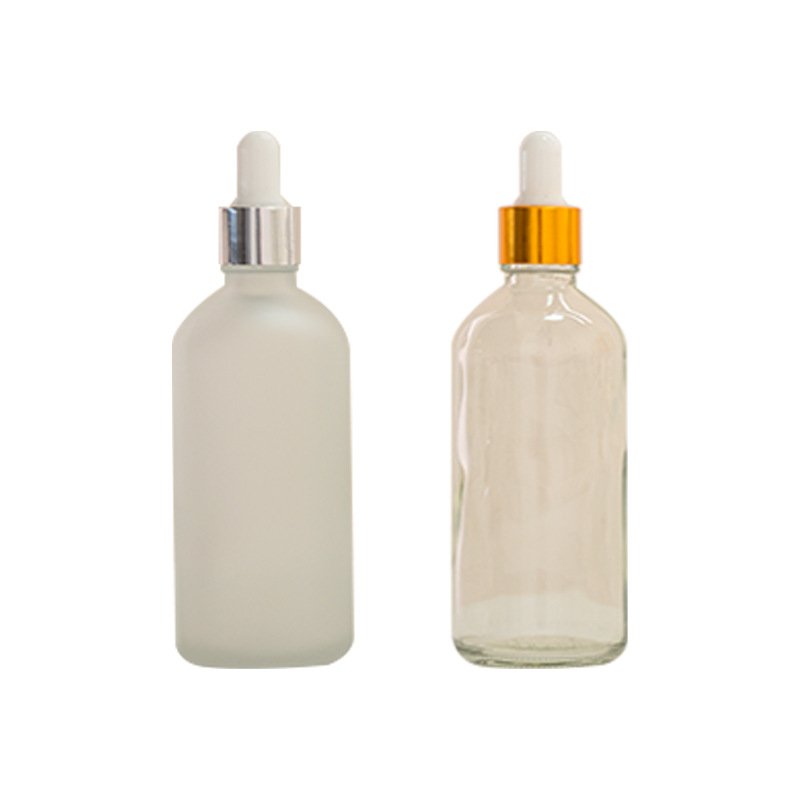
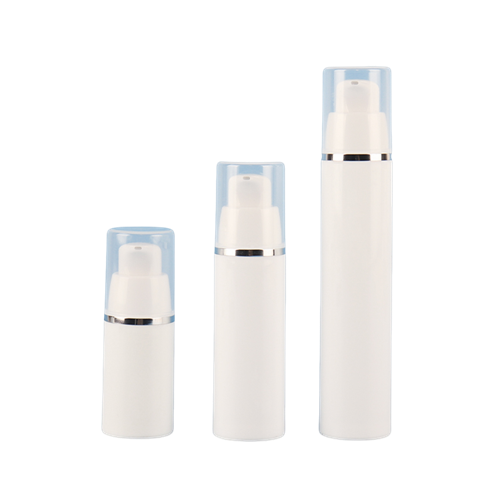
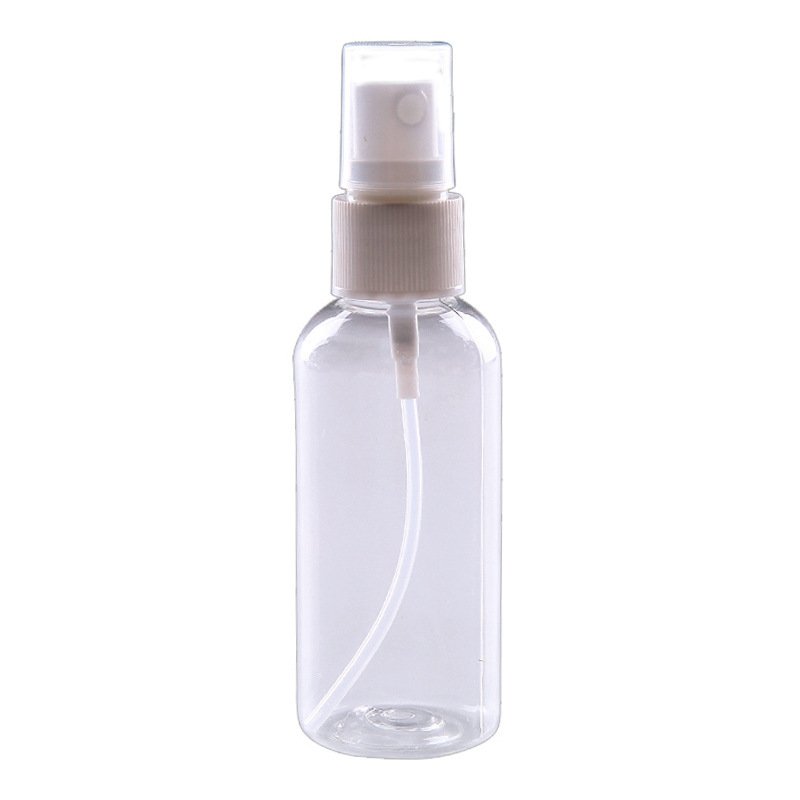
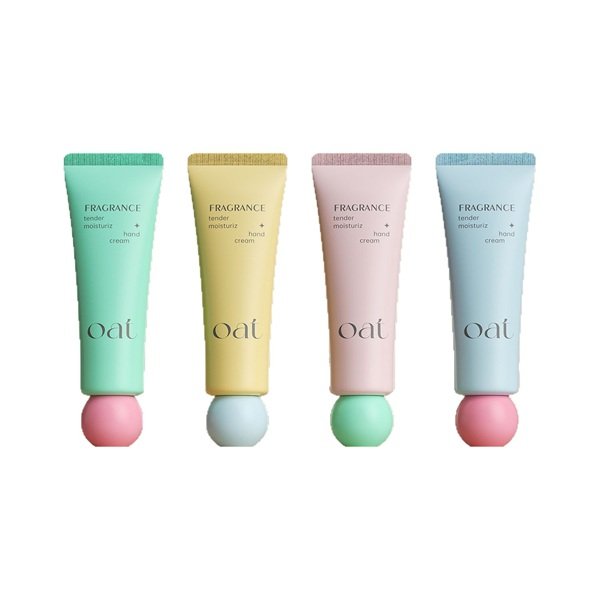
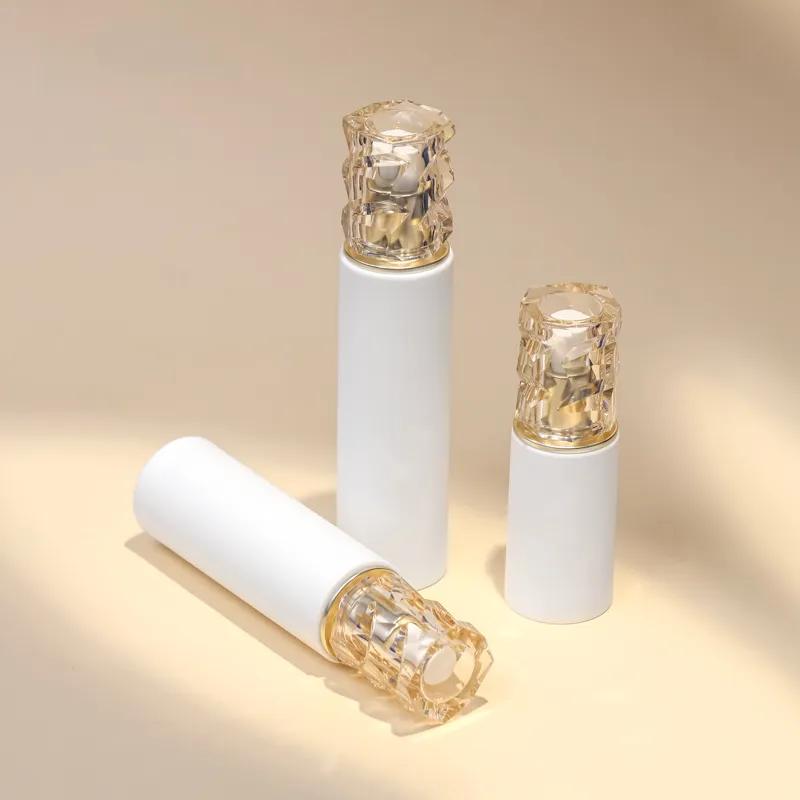
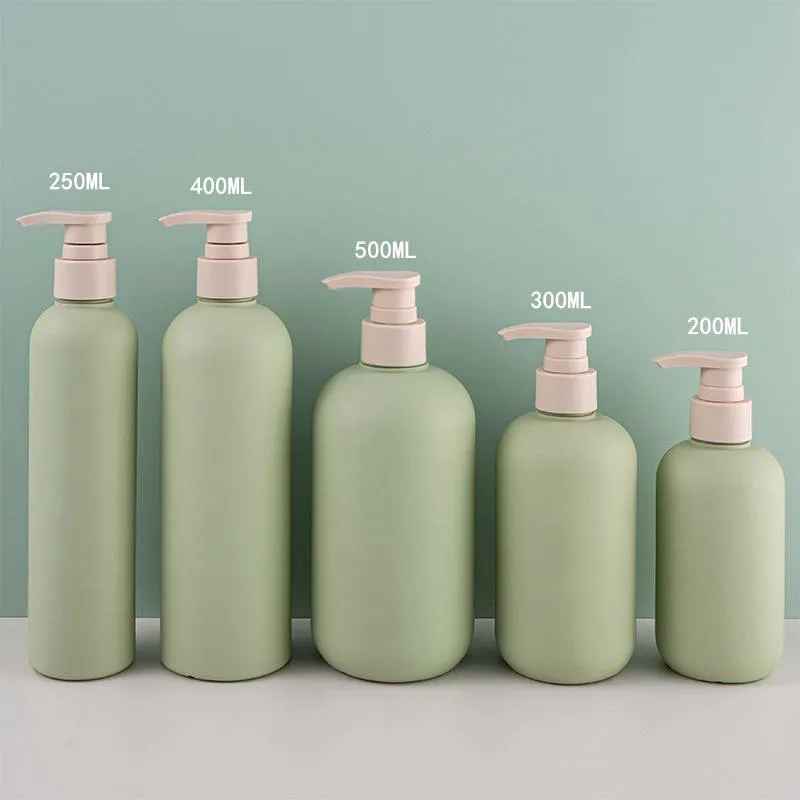
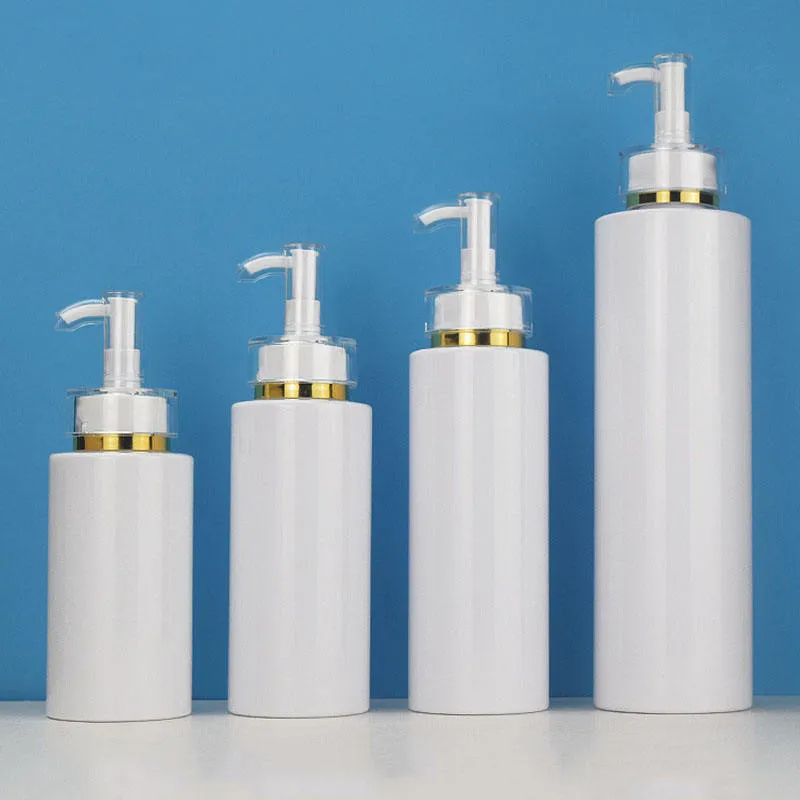
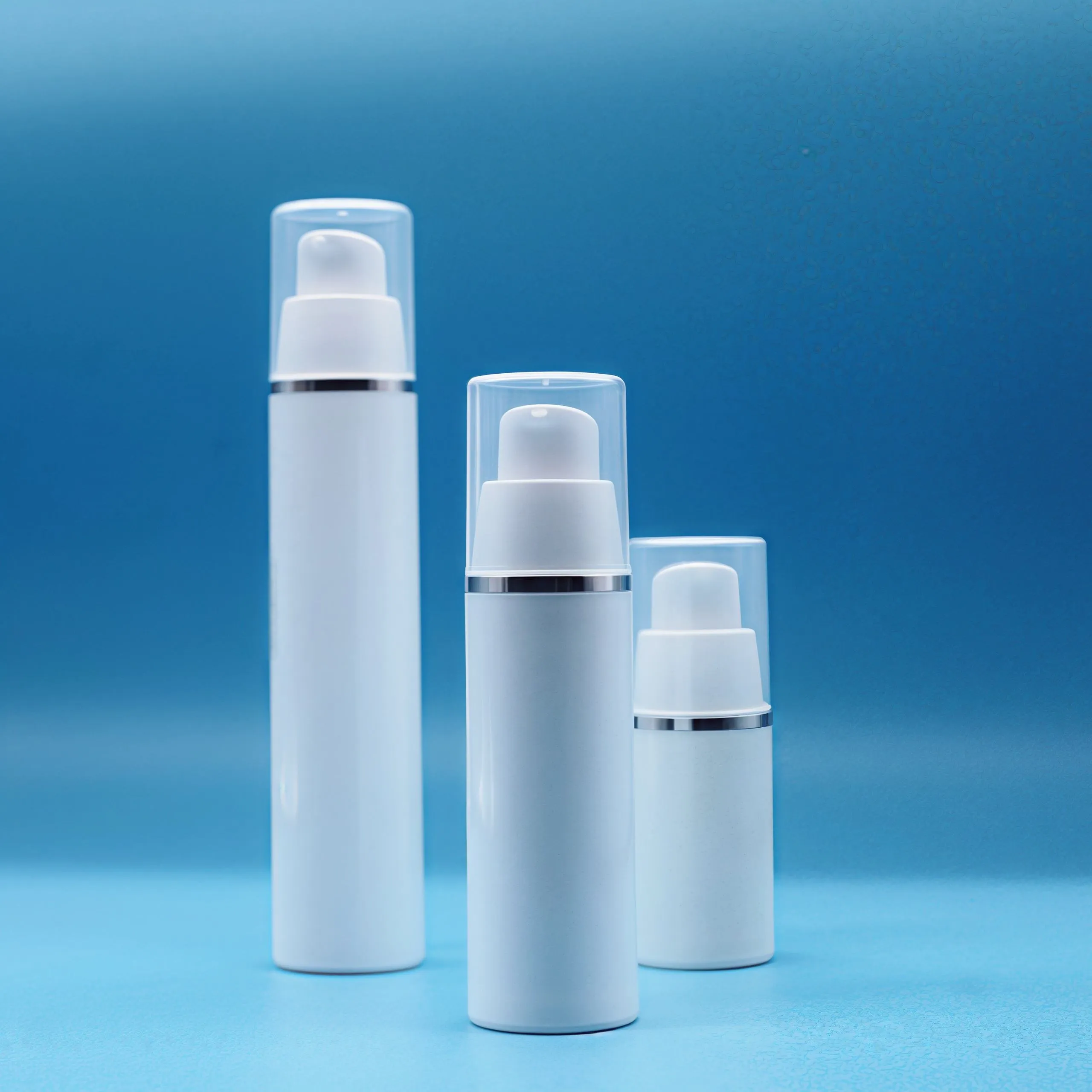
Elevate your brand image with 12 customizable skincare packaging options. Explore the pump bottle collection →
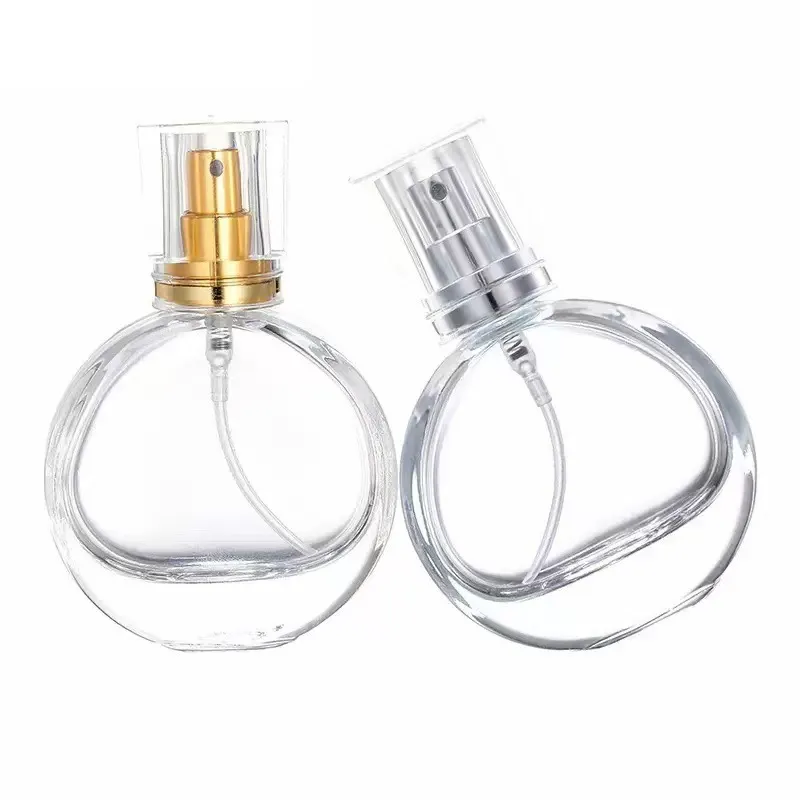
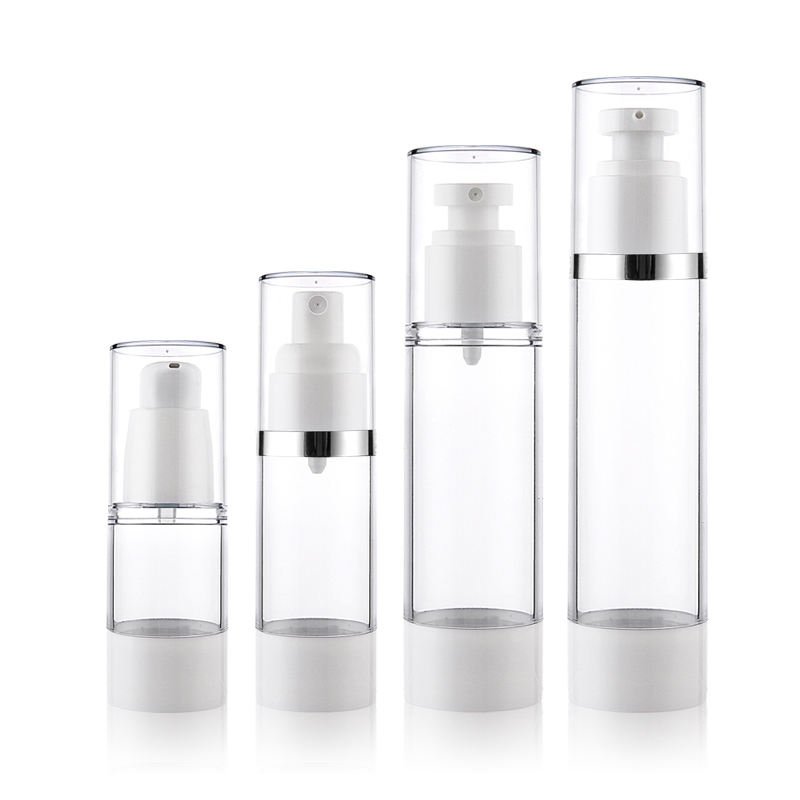
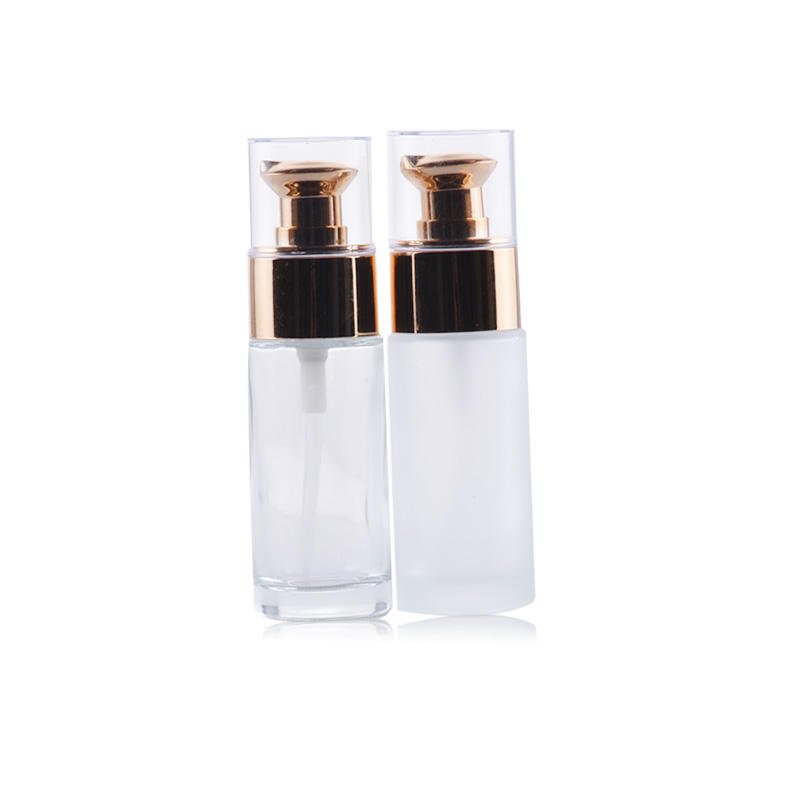
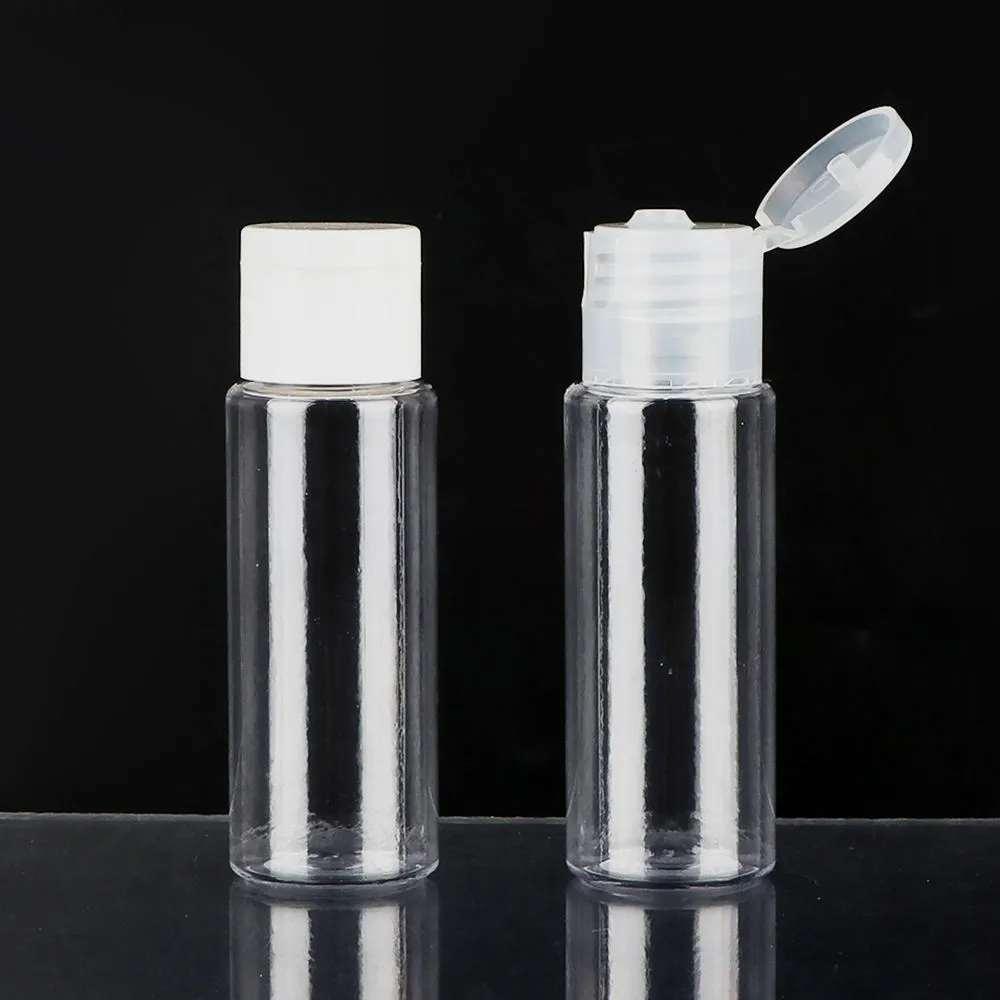
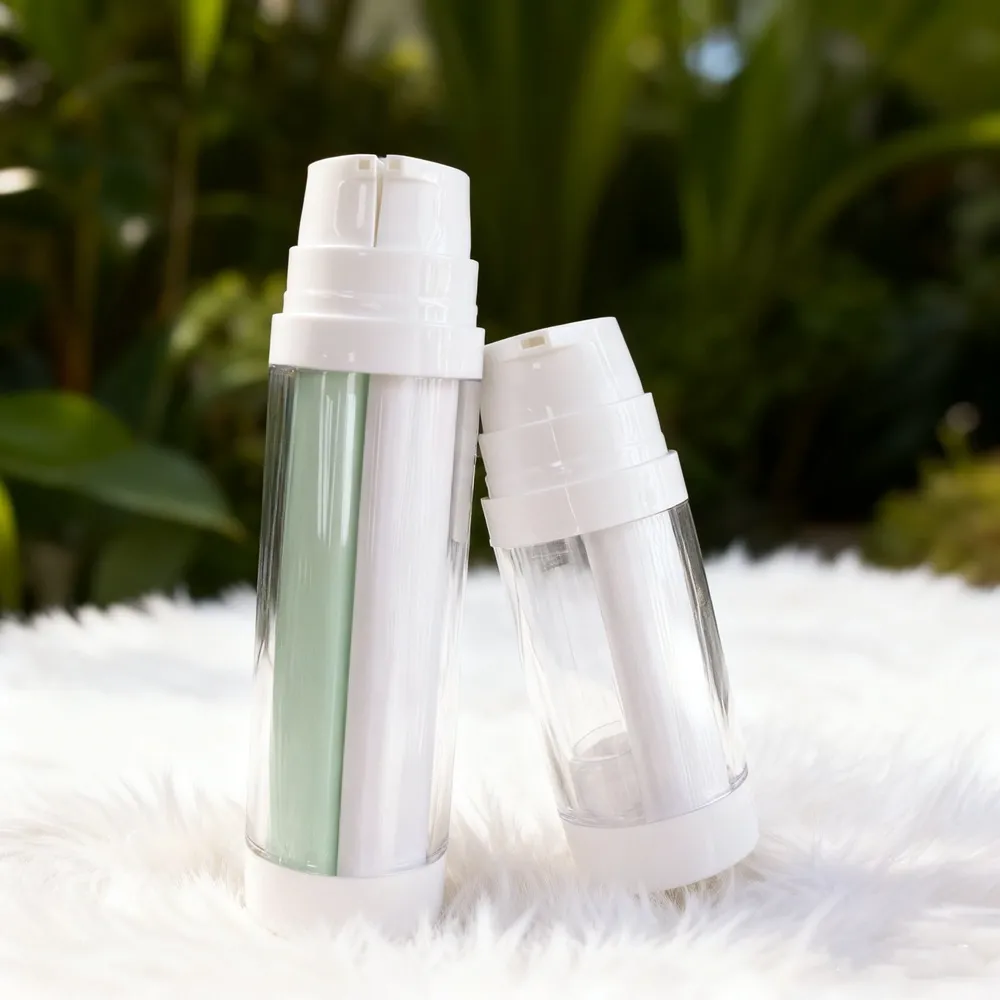
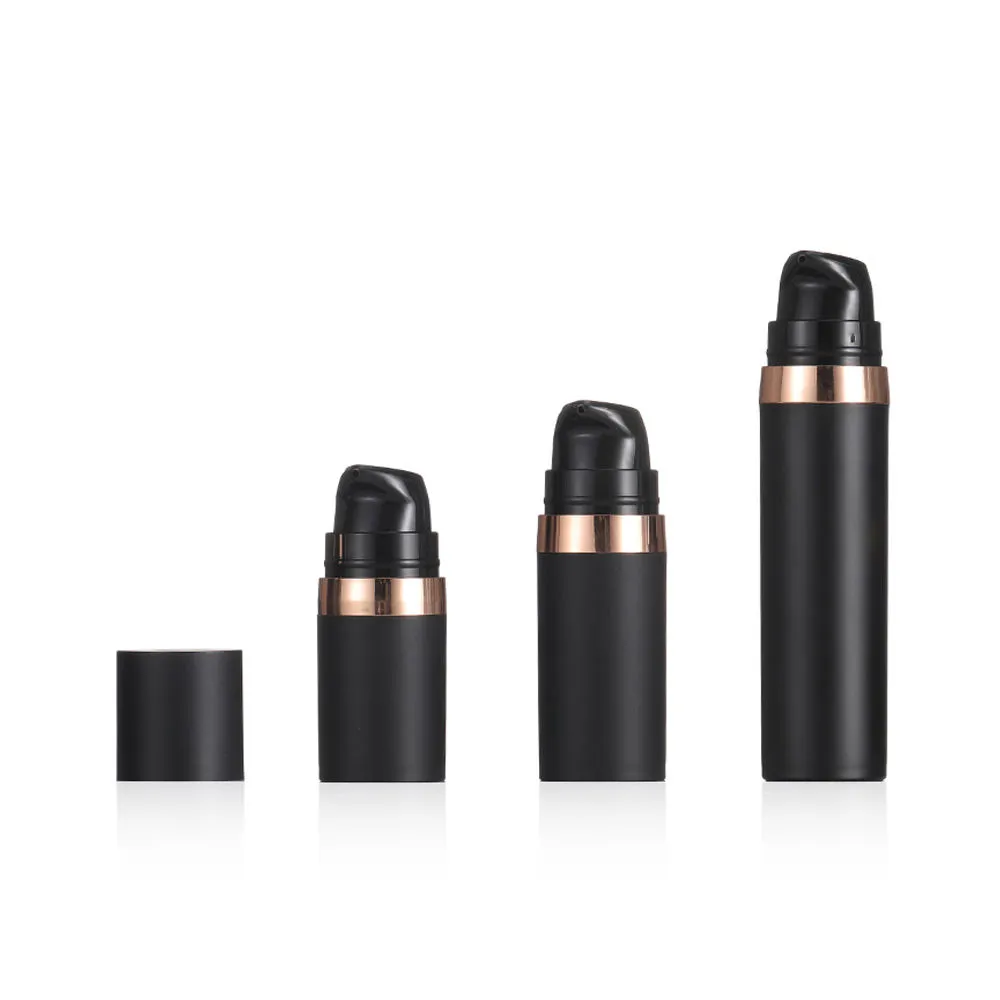
The range includes a dedicated cleansing-oil bottle and related lotion, travel and airless formats. These are development candidates; catalog names do not confirm oil compatibility. Select the intended closure and complete filled-formula trials for each design.
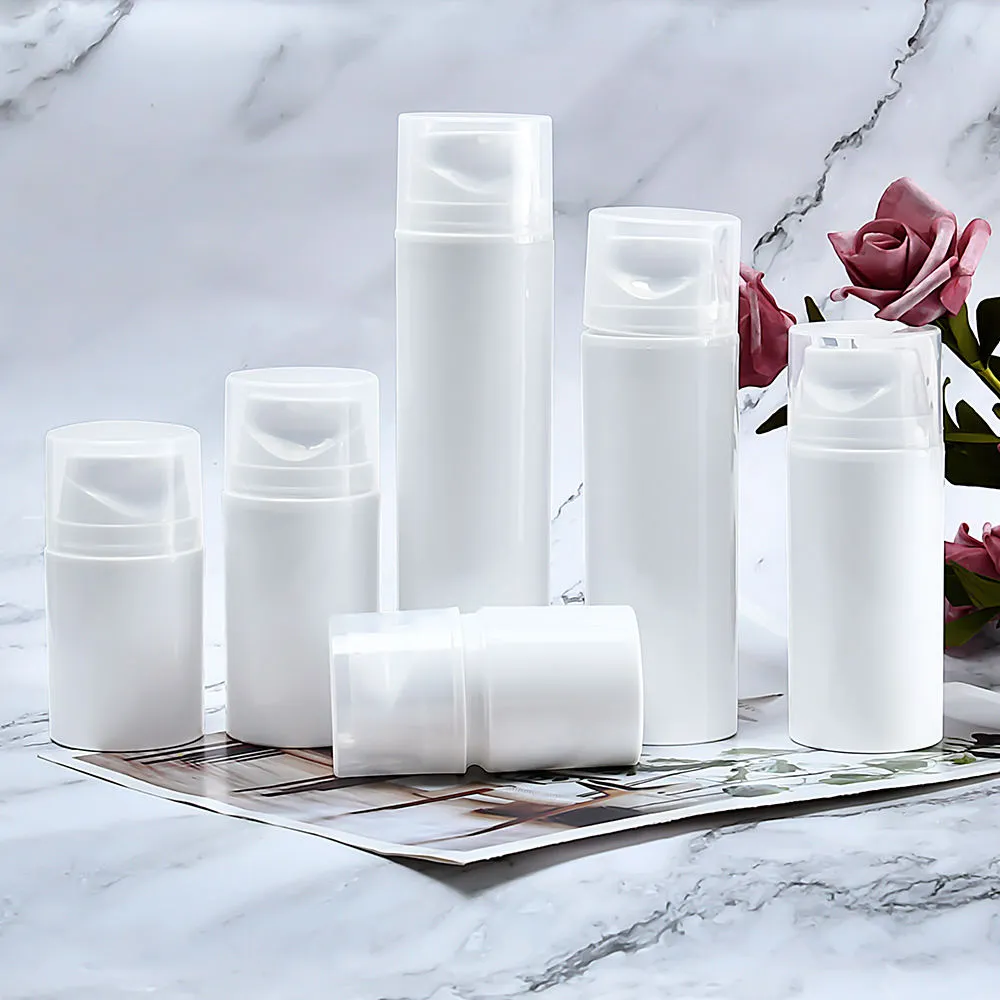
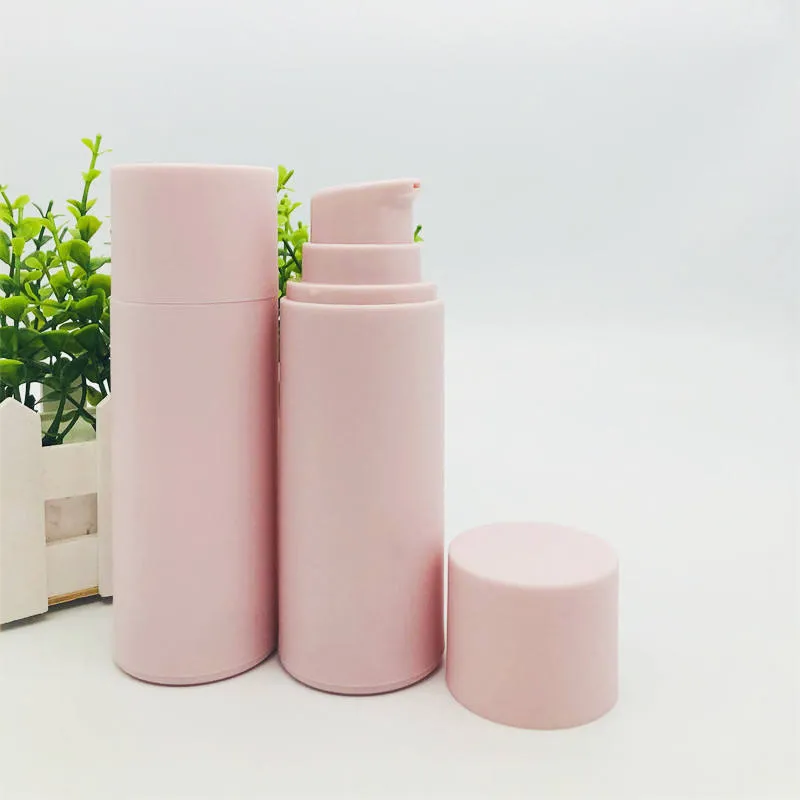
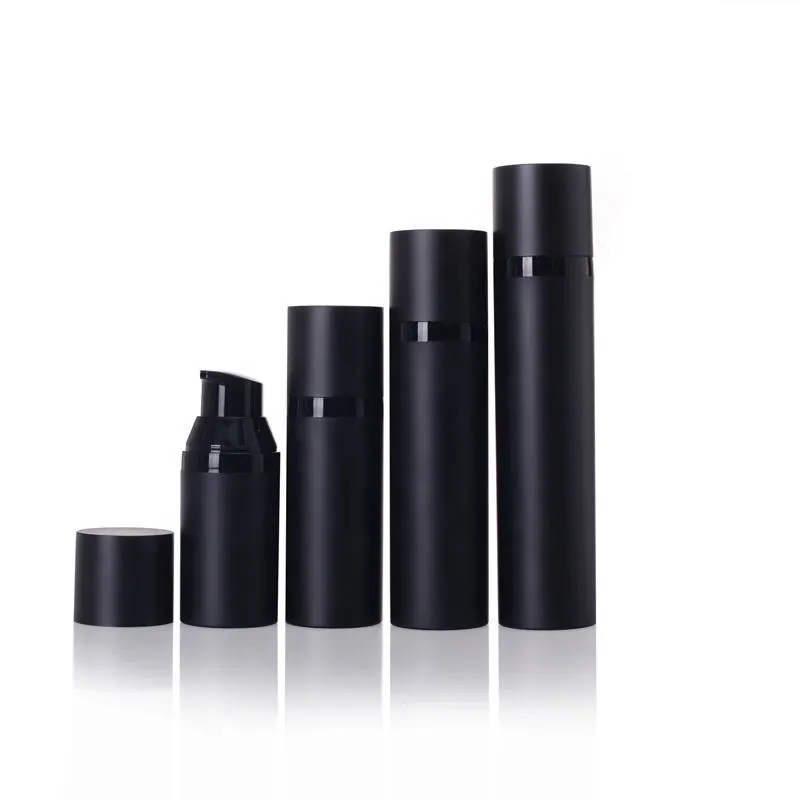
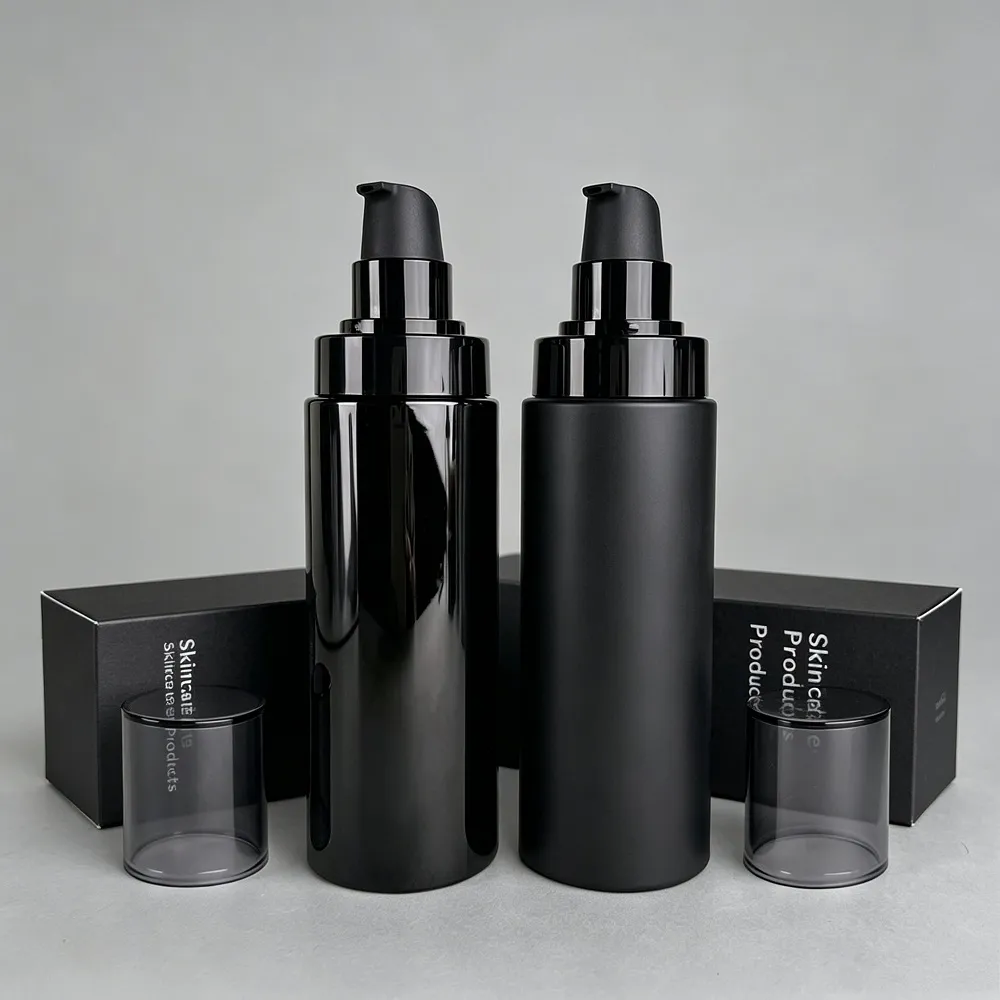
Cleansing Oil Bottles vs. Lotion Bottles: Can They Be Shared?
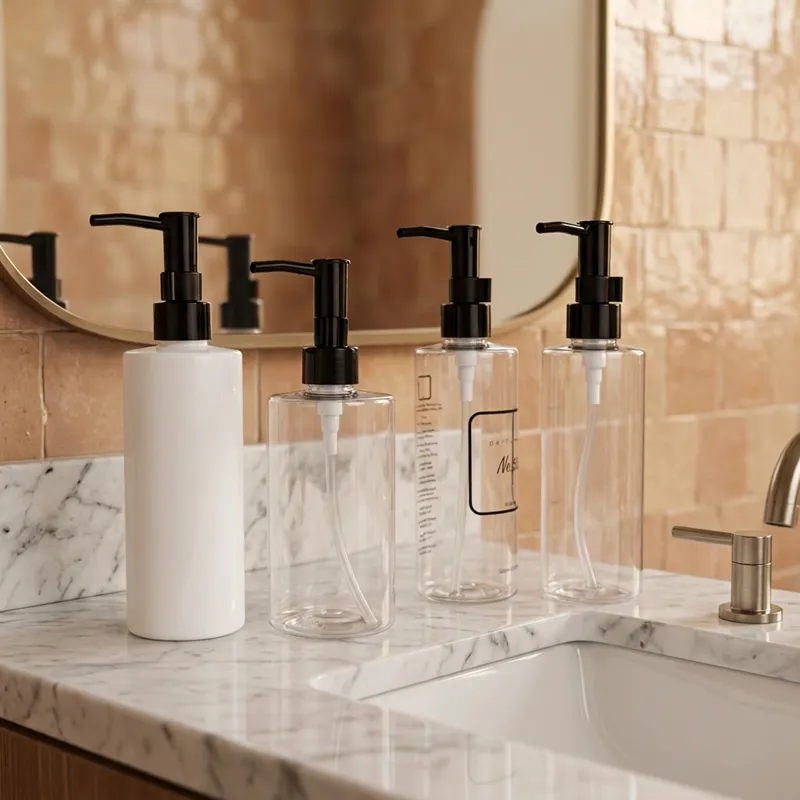
Sometimes the same bottle body can serve both products. That does not mean the assembled lotion pack can be filled with cleansing oil unchanged. Review the wetted materials, neck, gasket, valves, dip tube, vent and nozzle as a system. The exact formula matters more than the product-category label.
Advantages of a pump bottle
Convenient one-hand dosing, less routine handling of an open bottle mouth and a familiar bathroom format. Existing molds can support a coordinated range with efficient decoration.
Limitations to plan for
A pump adds cost, components, residual product and potential leak paths. Conventional pumps usually admit replacement air. A lock limits actuation but does not automatically seal every path during travel.
Main Bottle Materials: Benefits and Trade-Offs
Comparer options de flacons cosmétiques en plastique avec emballages cosmétiques en verre using the formula, handling conditions and freight plan. No material is universally suitable for every cleansing oil.
For pump assemblies, request wetted-material information including the gasket, ball/valve components, dip tube and spring location. Specify any material restriction before sampling. An external-spring claim should be verified against the actual liquid path and construction.
Capacity, Empty Weight and Wall Thickness
Ask for a signed specification with drawing revision, component list, weight and dimensional tolerances. Exact grams, wall thickness, height and diameter are quoted by model; they are not universal values for a capacity category.
How a Cleansing Oil Pump Works
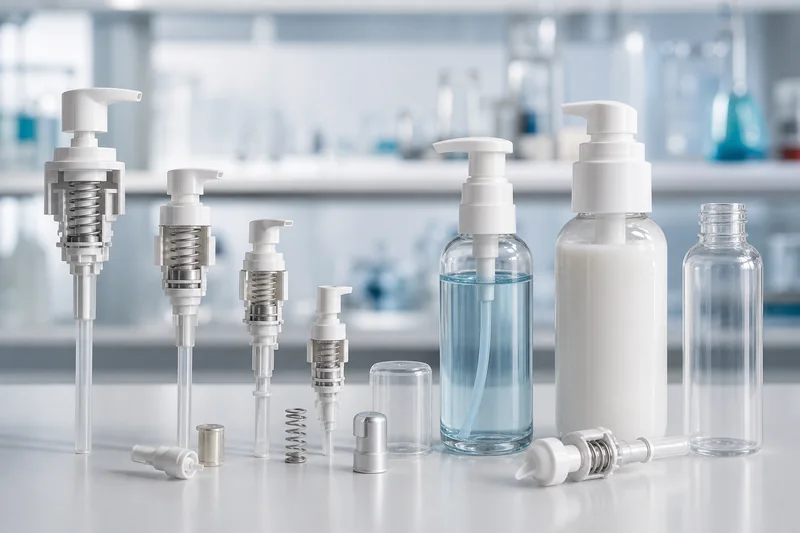
In a conventional dip-tube pump, pressing the actuator reduces the pump chamber volume and directs liquid through an outlet valve and nozzle. Releasing the actuator allows spring-driven recovery; the inlet valve opens and liquid refills the chamber through the dip tube. Valve timing and sealing prevent reverse flow. Initial strokes prime the path by displacing air.
Many conventional designs admit replacement air into the bottle through a vent. They are not automatically airless. Airless pump bottle designs use a different reservoir arrangement, such as a moving piston, and still require oil-specific validation.
Output and clean cutoff
Specify a target dose and tolerance using the actual formula. Measure repeated full strokes after priming, then repeat after a dwell period and near empty. Assess strings, drips and product left on the nozzle.
Lock, clip or overcap
An actuator lock helps prevent accidental pressing; a clip or overcap may add protection. Test the chosen transport configuration because these features do not necessarily close the vent or improve the neck seal.
Dip-tube design
Tube length, stiffness and end cut affect recovery and residue. Use the dip-tube length calculation guide to prepare a drawing, then verify it in the actual bottle.
How to Reduce Oil Leakage and Nozzle Drips
1. Identify the leak path
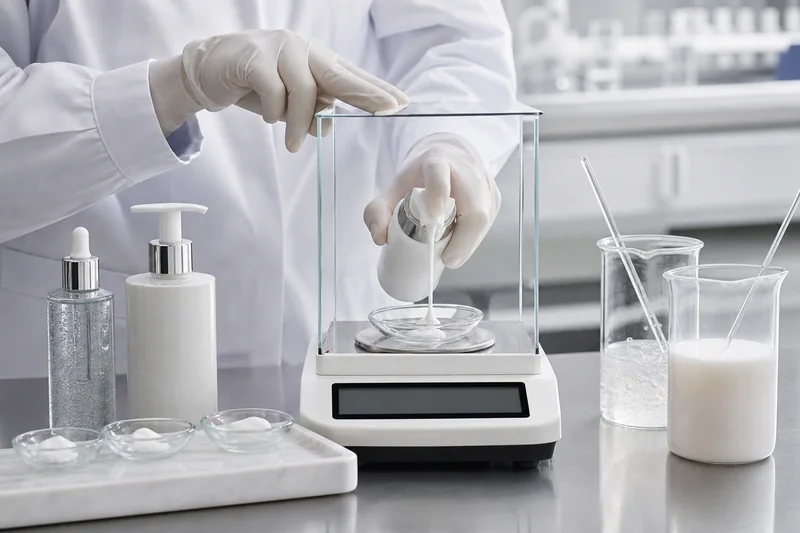
Separate neck/gasket seepage, actuator leakage, vent leakage, nozzle drips and bottle cracks. Record orientation, temperature, fill and whether the pump was locked.
2. Match the neck and gasket
Inspect sealing-land flatness, neck dimensions, collar engagement and gasket compression. Excessive torque can distort parts; use an approved application window.
3. Validate wetted materials
Check for swelling, softening, cracking, shrinkage or loss of seal after exposure. Compatibility is assessed with the complete formula, not a generic mineral-oil assumption.
4. Check valve closure
Observe the first stroke after storage and the nozzle after use. Valve geometry, contamination and material changes can affect low-viscosity cutoff.
5. Test storage and transport
Use agreed upright, side and inverted conditions, temperature exposure and shipment simulation. Record duration, pressure where relevant, sample count and acceptance criteria.
6. Protect the finished assembly
Avoid carton loads on actuators. Validate locks, dividers, trays and retail boxes with filled packs; inspect for oil stains and leakage after the distribution trial.
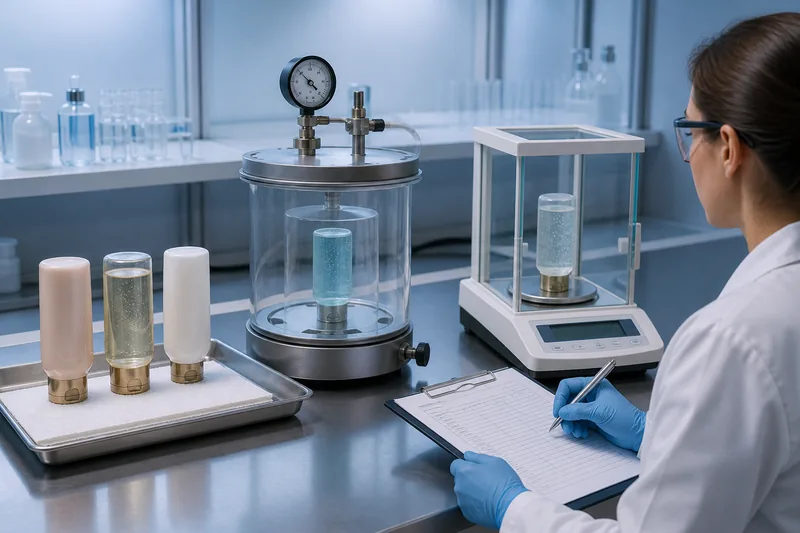
Choose the method using the guide de test d'étanchéité des flacons cosmétiques. A pressure test, vacuum test and filled-pack storage test reveal different failure modes. Passing one test is not a universal leakproof guarantee.
Procédé de fabrication en usine
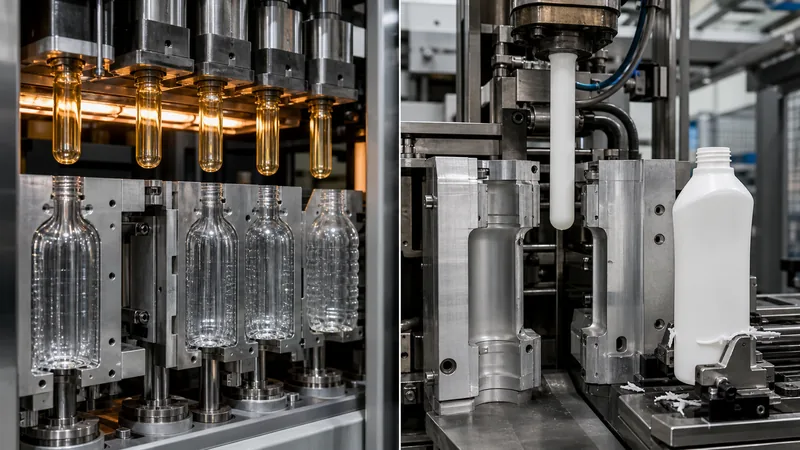
The bottle, pump and decoration follow different production operations before final assembly. Agree which components are manufactured or sourced for your order and keep one approved specification across the supply chain.
1. Specification and tooling
Review formula, capacity, bottle profile, neck, pump, fill line and pack-out. Select an existing mold or approve drawings and the tooling plan.
2. Material and color control
Verify resin grade, masterbatch, material lots and any recycled content. Apply drying or handling requirements appropriate to the selected resin.
3. Bottle forming
PET bottles commonly use preform production followed by stretch blow moulding. HDPE commonly uses extrusion blow moulding. Control neck dimensions, wall distribution and base formation.
4. Pump component assembly
Produce/source specified molded parts, valves, seals, spring and dip tube. Assemble to the approved bill of materials and inspect priming, recovery and lock action.
5. Decoration and matching
Apply the agreed print, label or finish, then inspect color, alignment, cure and adhesion. Match pump/collar appearance to the approved physical standard.
6. Inspection and packing
Check dimensions and agreed functions, identify lots and retain samples. Protect bottles and decorated components from dust, scratches and crushing before dispatch.
Color, Logo and Customization Services
Keep functional and decorative approvals separate. A color proof does not confirm output or seal quality, and a functional sample does not confirm production color. Any change to contact materials, tooling or pump internals should be reviewed before repeat production.
Quality Control: From Incoming Components to Shipment
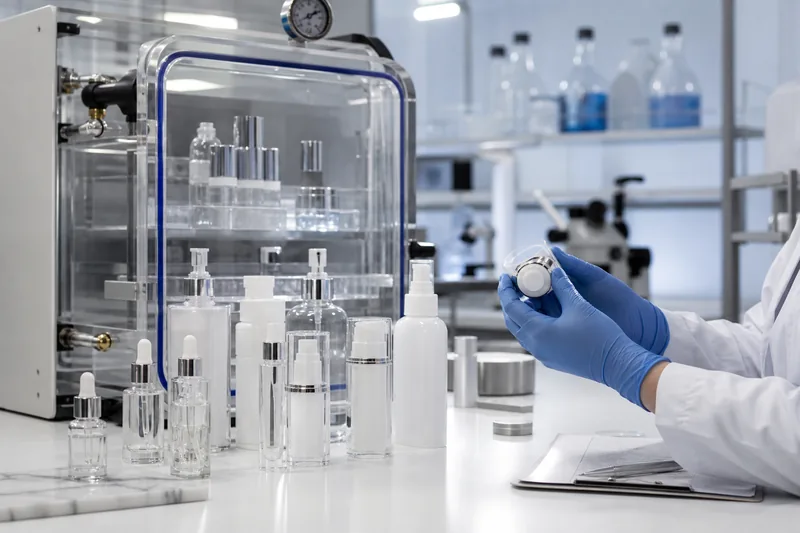
Agree critical, major and minor defects before ordering. Clarify which checks are sampled and which are performed on every unit. Third-party inspection and additional tests should be included in the order scope rather than assumed.
Compatibility Testing with Your Actual Formula
Cleansing oils may combine different oils, esters, surfactants and fragrance systems. Their behavior cannot be predicted from one ingredient name. Test the filled commercial assembly, including seals and pump internals, under a protocol appropriate to the intended shelf life and distribution conditions.
Monitor appearance, odor, mass change, viscosity where relevant, bottle deformation, cracking, gasket condition, pump output, priming and leakage. Include the printed or coated bottle: the formula can contact exterior surfaces during normal use.
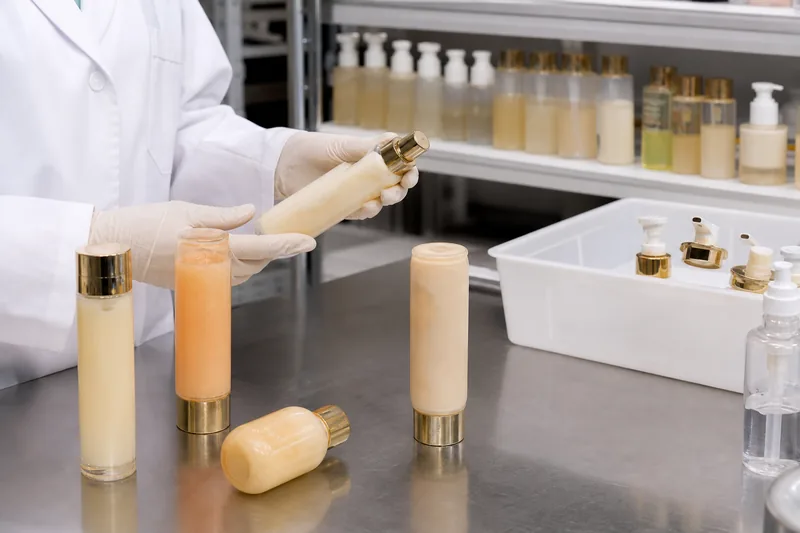
Le guide to packaging compatibility test duration explains why there is no single approval period for all projects. A short appearance check cannot replace a complete stability program. Confirm the buyer, filler and packaging supplier’s responsibilities and review changes before relying on earlier results.
Use Scenarios and Packaging Choices
Daily bathroom cleansing
Favor a stable footprint, wet-hand grip and clean dispensing. Assess splash exposure and water entry around the actuator without describing a conventional pump as waterproof.
Travel and discovery kits
Compact sizes need a deliberate transport closure. Test accidental compression and orientation changes; a consumer may carry the pack on its side.
Premium retail skincare
Clear PET or glass can showcase the formula and brand color. Assess light exposure needs, coating durability and total freight weight before choosing a premium finish.
Professional treatment rooms
Larger formats can reduce changeovers. Evaluate dose, frequent actuation, near-empty recovery and cleaning around the nozzle.
E-commerce distribution
Qualify the filled bottle in its final shipping pack. Include actuator protection, drop/compression exposure and appearance after shipment.
Coordinated oil-and-lotion ranges
Share branding and compatible external dimensions where useful. Maintain separate approved specifications if the oil and lotion need different pump or sealing components.
Sampling, Production and Delivery
1. Freeze the requirements
Confirm formula, fill, material, drawing, pump, decoration, quantity and destination. Resolve neck and closure compatibility before ordering components.
2. Prepare samples
A planning reference for custom appearance samples is 7–15 days after details are confirmed. Tooling and special components require a separately agreed schedule.
3. Run filling and compatibility trials
Check filling, torque, priming, dose and pack-out. Allow sufficient time for the agreed compatibility program; appearance approval is a separate milestone.
4. Authorize production
A planning reference is 30–45 days after sample/specification approval and deposit. The final commitment depends on quantity, decoration, tooling and component availability.
5. Inspect and release
Reserve time for agreed inspection, test reporting, corrective work if needed and packing. Record the approved lot before freight collection.
6. Ship and receive
Transit and customs are separate from factory lead time. Agree trade terms, carton data, destination and arrival requirements with the freight plan.
Work backward from your filler’s required delivery date. Ask the quotation to distinguish sample readiness, production completion, inspection release and dispatch. Do not treat a planning estimate as a confirmed launch-date commitment.
MOQ, Price, Sustainability and Repeat Orders
The featured PET cleansing-oil model lists a 10,000-piece MOQ. Confirm quantity per design, color and decoration for the selected package. Custom tooling, pump changes or smaller development runs require a project-specific quotation.
Compare total assembled cost
Request bottle, pump, collar/overcap, decoration, packing, tooling, tests and trade terms as separate quote items. A low bottle price can be offset by rejects, poor output or inefficient freight.
Specify responsible material claims
Confirm resin, recycled content evidence and the complete mixed-material pump. Recyclability depends on the assembled pack and destination collection systems; avoid blanket recyclable or biodegradable claims.
Keep repeat orders consistent
Store the approved drawing, BOM, color standard and retained samples. Require notice before material or component substitutions. For a complaint, provide lot, affected quantity, failure photos and filling/storage history.
Cleansing Oil Bottle Questions & Answers
Peut-on utiliser un flacon de lotion pour y mettre de l'huile démaquillante ?
Le corps du flacon peut être réutilisé après validation, mais la pompe complète, le joint, les clapets, le tube plongeur et le joint du goulot doivent être validés avec l’huile de nettoyage. Une apparence ou un diamètre de goulot similaire ne garantit pas la compatibilité.
Le PET convient-il à la fabrication d'une huile démaquillante ?
Le PET est utilisé pour les modèles présentés d'huile démaquillante de 150 ml et 200 ml. Il reste à vérifier la compatibilité avec votre formule en termes de fissuration, de déformation, d'aspect, d'odeur et de performance de l'emballage assemblé.
Le verre est-il toujours meilleur que le plastique ?
Non. Le verre peut conférer un aspect haut de gamme, mais il augmente le poids et le risque de casse. Le PET et le PEHD constituent des alternatives plus légères. Comparez l'emballage complet, la compatibilité des formules, les conditions d'utilisation et les exigences en matière d'expédition.
De quelles compétences puis-je parler ?
La gamme de références PET dédiées est disponible en formats de 150 ml et 200 ml. Les formats de voyage et les formats plus grands peuvent faire l'objet d'une discussion en fonction des modèles de bouteilles et de bouchons disponibles. Veuillez vérifier le volume de remplissage commercial utilisable plutôt que la seule capacité nominale.
Quels sont le poids du flacon et l’épaisseur des parois ?
Ces valeurs dépendent du matériau choisi, de la géométrie et de l'outillage. Veuillez demander les poids de la bouteille seule et de l'ensemble, ainsi que les épaisseurs nominales/minimales des parois et les tolérances figurant sur le plan approuvé.
Une pompe à lotion standard permet-elle de doser de l'huile démaquillante ?
Certains modèles peuvent convenir, mais il convient d'évaluer la limite de viscosité minimale, l'étanchéité des vannes, les matériaux en contact avec le fluide et les fuites au niveau des évents. Validez les caractéristiques techniques réelles de la pompe avec votre huile avant de l'utiliser en production.
Une pompe verrouillée empêche-t-elle toutes les fuites ?
Non. Un dispositif de verrouillage réduit le risque d'actionnement accidentel, mais ne garantit pas l'étanchéité de l'évent, de la buse ou du goulot. Vérifiez que la configuration de transport verrouillée est bien étanche une fois le produit versé.
Pourquoi de l'huile s'écoule-t-elle de la buse après le remplissage ?
Parmi les causes possibles, on peut citer la fermeture de la vanne, la présence d'huile résiduelle à la sortie, une contamination ou des altérations du produit suite à l'exposition. Évaluez la composition du produit, les composants internes de la pompe, la conception de la buse et son comportement après stockage.
Puis-je utiliser un flacon sans air ?
C'est possible, à condition que le système airless choisi soit validé pour votre formulation. Vérifiez l'amorçage, l'évacuation, la compatibilité des joints et l'absence de fuites ; la simple mention « airless » sur l'étiquette ne suffit pas à garantir l'adéquation du produit.
La bouteille peut-elle être réutilisée par les consommateurs ?
Ne revendiquez la possibilité de recharge que pour une conception et un procédé ayant fait l'objet d'une évaluation portant sur l'utilisation répétée, l'hygiène, le nettoyage et la durabilité du joint d'étanchéité. Une pompe amovible ne constitue pas à elle seule un système de recharge validé.
Puis-je personnaliser la couleur et le logo ?
Oui, sous réserve de la disponibilité des modèles et des procédés. Discutez de la couleur du moulage, de l'impression, des étiquettes, des pellicules métallisées, des revêtements, de l'aspect de la pompe et du col, ainsi que de l'emballage de vente au détail. Validez les échantillons physiques et la résistance au contact avec l'huile.
Quels sont la quantité minimale de commande (MOQ) et le délai de production ?
Le modèle en PET présenté comprend 10 000 pièces. Le délai de planification habituel pour la production en série est de 30 à 45 jours à compter de la validation et du versement de l'acompte, la quantité finale et le calendrier étant confirmés par le devis.
Quelles informations transmettre pour un devis ?
Send formula type, intended fill, material preference, reference shape, pump dose and lock requirements, quantity per SKU, artwork, testing needs, packing and delivery destination.
Request Your Cleansing Oil Bottle Quotation
Send the target fill, formula information, preferred material and shape, pump requirements, quantity per design, color and artwork. Include your filling-line needs, testing plan and delivery destination. A reference sample helps align appearance, grip and dose expectations.
Related Packaging Guides
Use these technical guides to prepare your sample brief, testing plan and supplier discussion.
 English
  Español de Argentina
  Русский
  Italiano
  日本語
日本語  한국어
한국어  العربية
  Français
  Deutsch