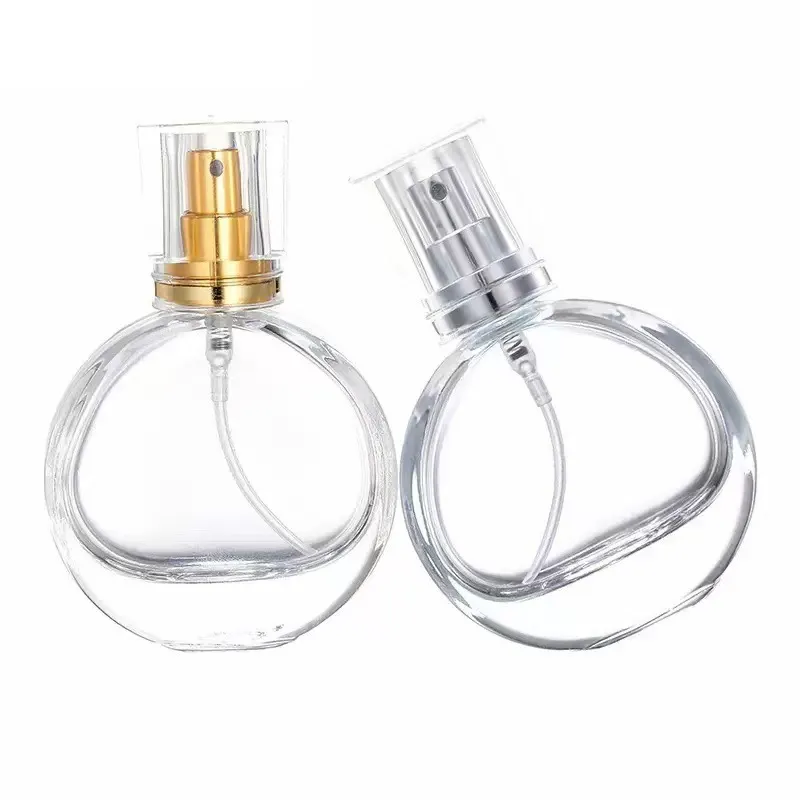
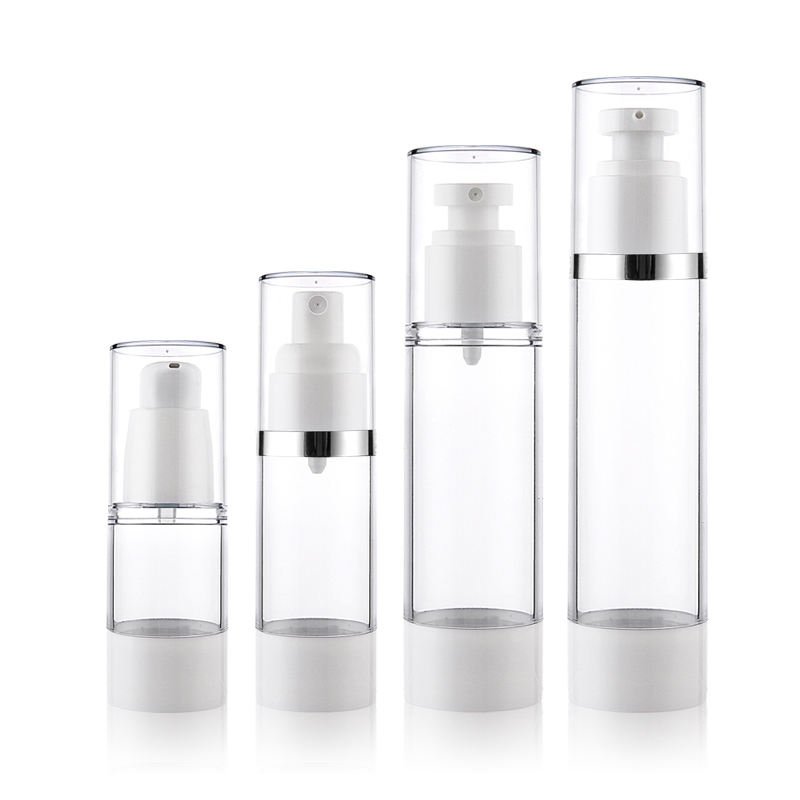
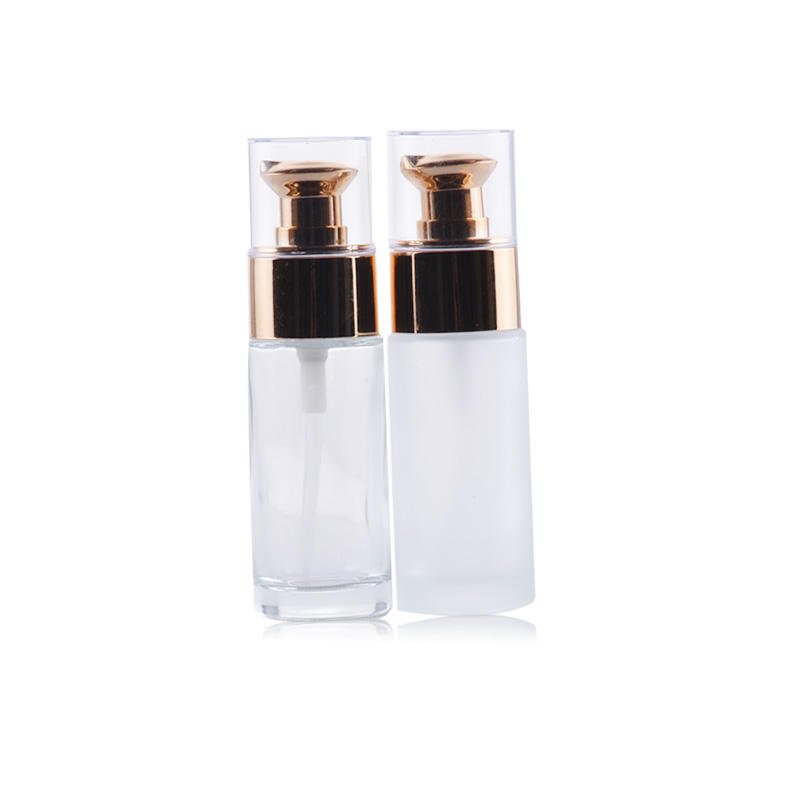
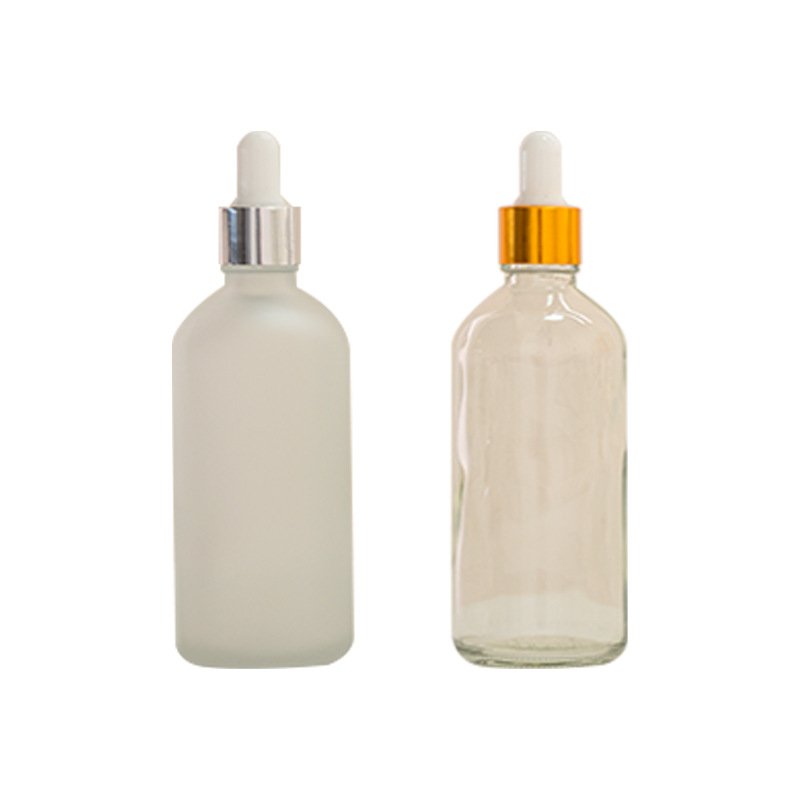
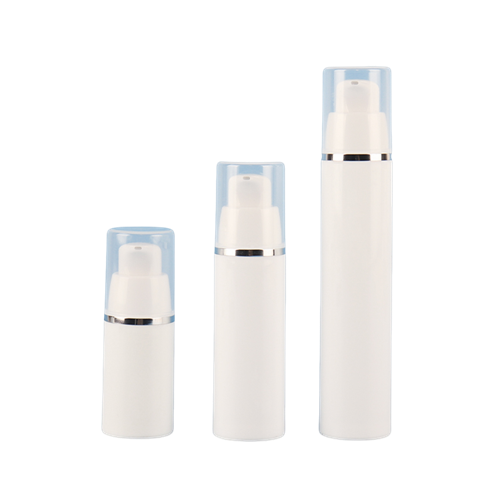
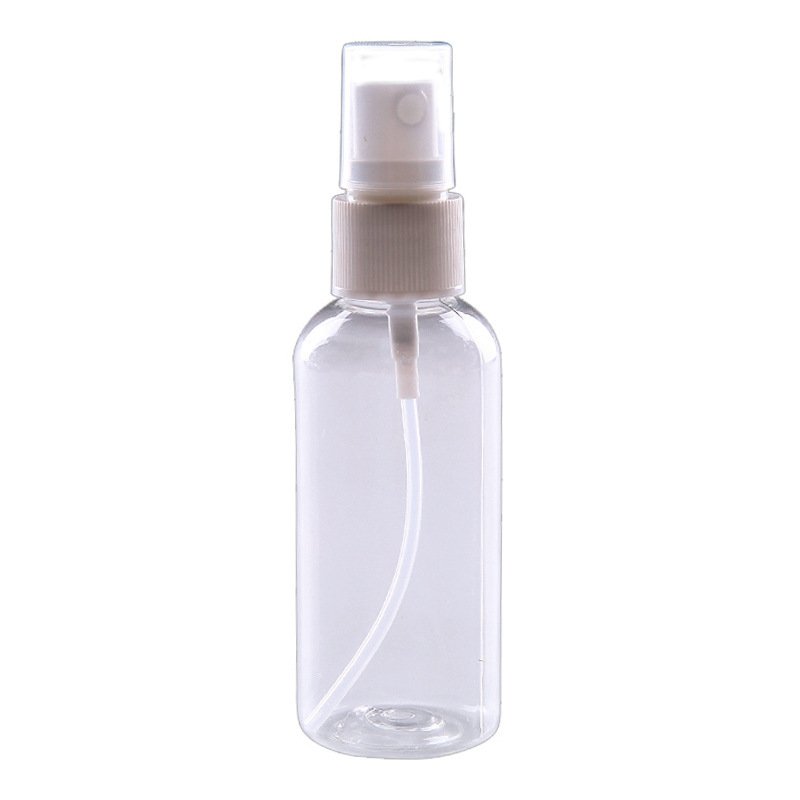

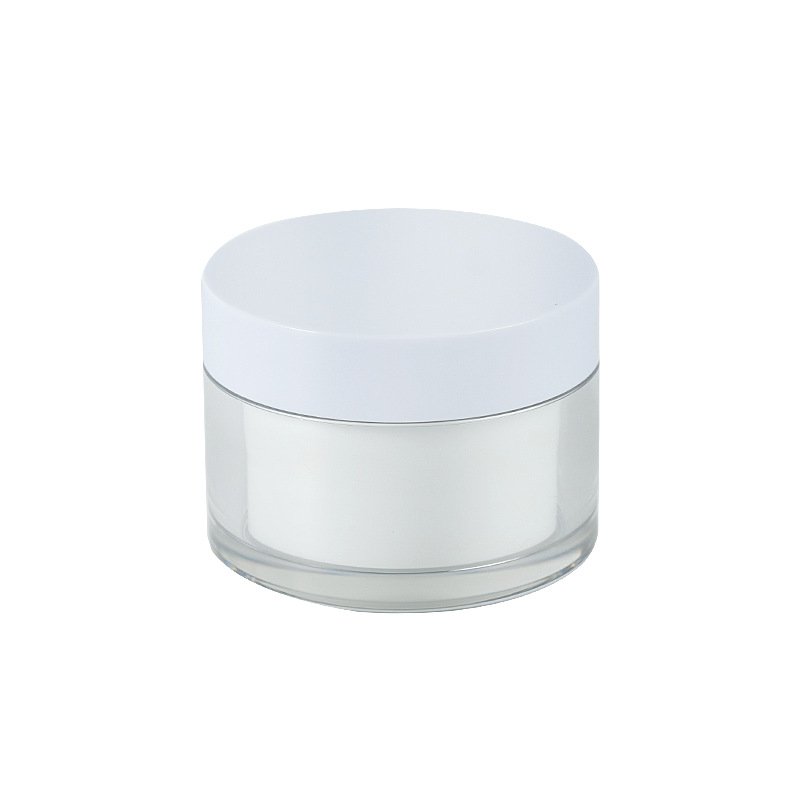
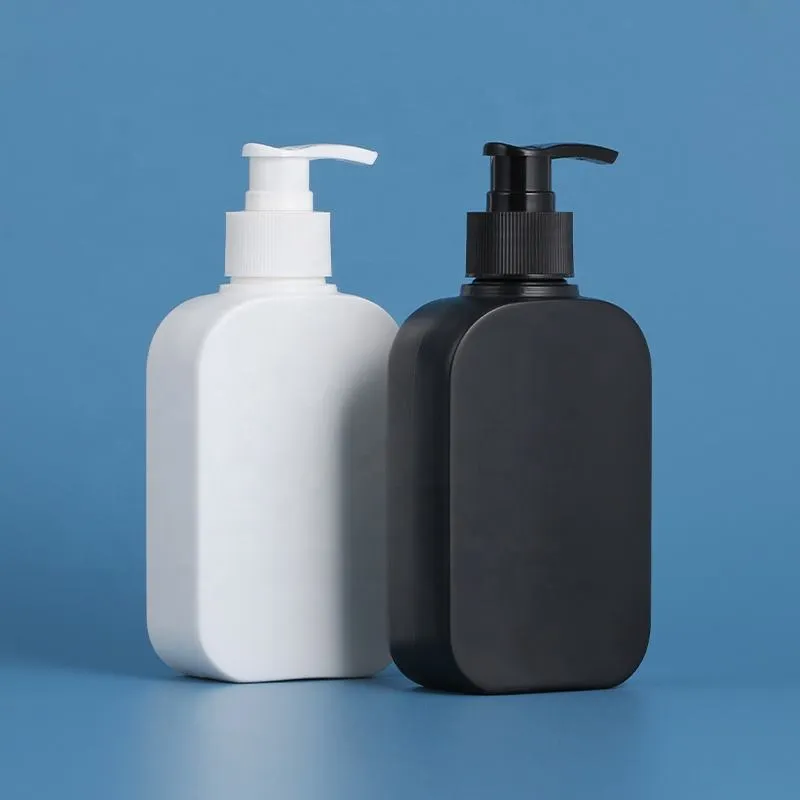
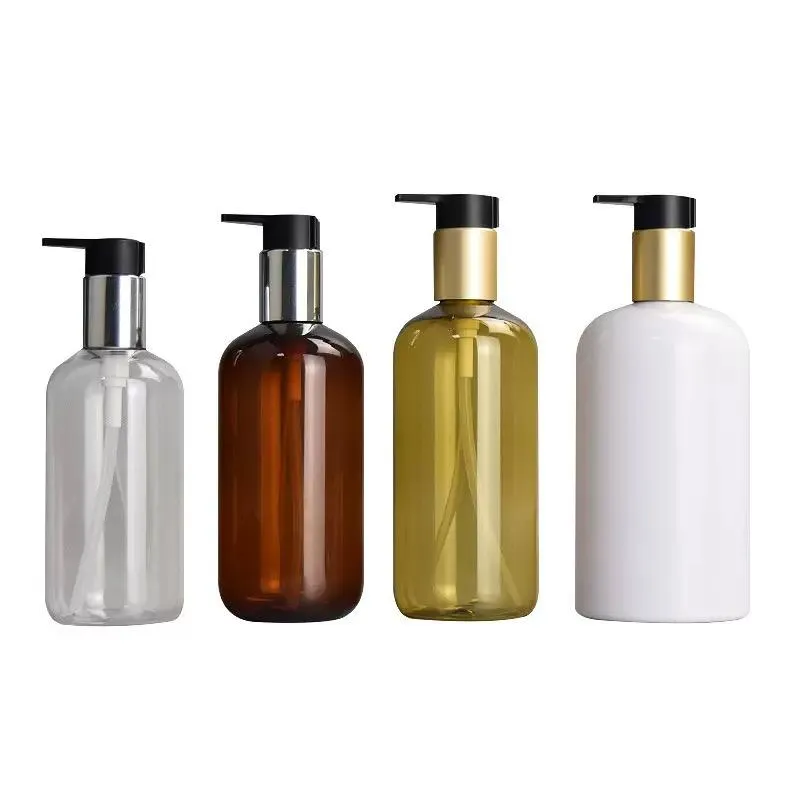
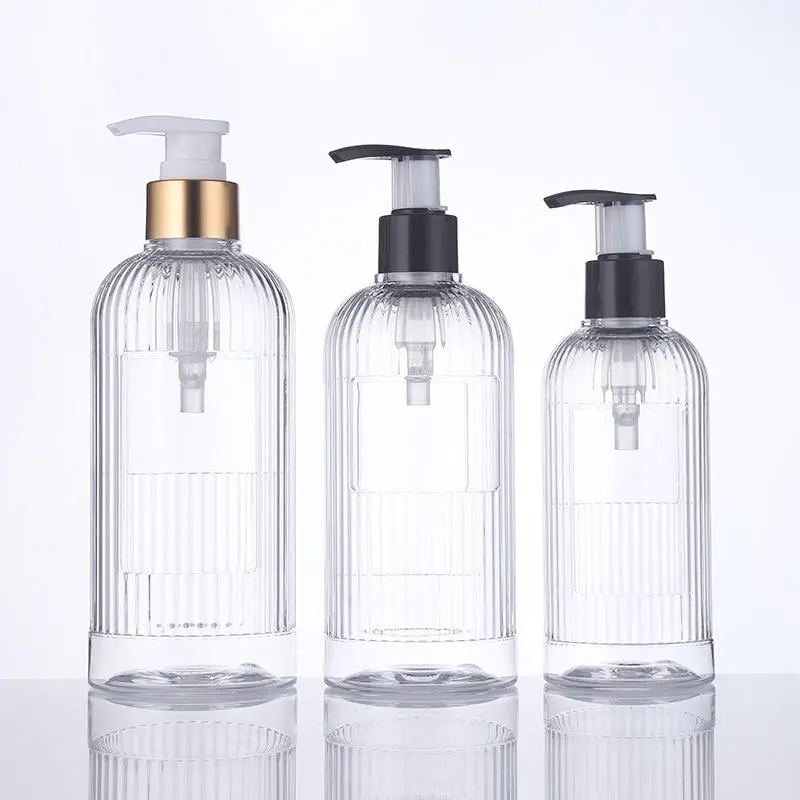
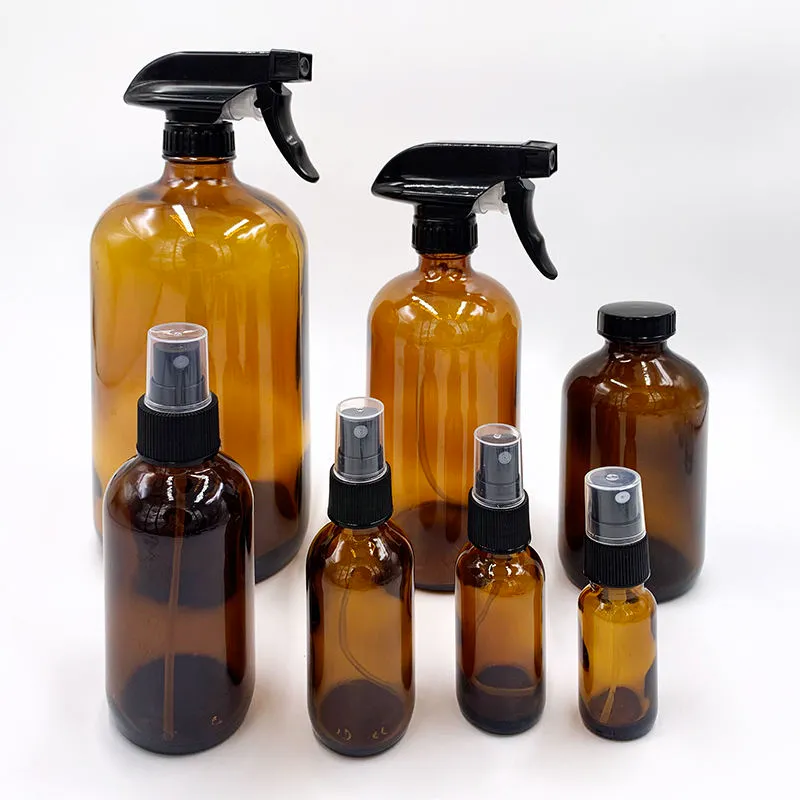
要点: no—an original supplier’s discontinued pump or cap should not be replaced solely because the alternative has the same nominal size, such as 24/410, or looks identical. A neck-finish callout describes only part of the interface. Seal geometry, thread tolerances, gasket or liner, resin, spring, dip tube, output, torque response, mould cavity and assembly process can still differ. Treat the substitution as a controlled packaging change: compare the approved and candidate specifications, qualify the manufacturing site, test the actual component-container-formula system, run it on the filling line, approve predefined evidence and monitor initial production lots.

本ガイドの内容
What is packaging second-source qualification?
Packaging second-source qualification is the documented process used to prove that an alternate supplier, manufacturing site and component can consistently meet the product’s approved requirements. It is broader than sample approval. A good sample demonstrates what one small batch can do; qualification shows that the supplier’s drawings, materials, tooling, controls, traceability and production process can keep doing it.
The object being qualified is not merely “a pump.” It is a defined combination of supplier, production site, tool or cavity set, component revision, material system and process. If a supplier sends an approved pump from one plant and later transfers it to another unapproved plant or subcontracts its gasket, the supply system has changed even if the sales item number has not.
| Change scenario | What may remain common | Qualification implication |
|---|---|---|
| Distributor changes; manufacturer and part do not | Same legal manufacturer, site, revision, tool and supply chain | Verify identity, traceability and storage/handling. Technical revalidation may be limited if documented evidence proves the physical supply is unchanged. |
| Existing design transfers to another approved site | Drawing and sometimes tooling | Assess the receiving site’s equipment, materials, process window, operators and controls; validate the transfer output. |
| New supplier builds to the same drawing | Target dimensions and agreed materials | Qualify new tooling, cavities, material sources, assembly process, measurement methods and performance. |
| Catalog “equivalent” with the same nominal finish | Possibly only the neck designation and broad appearance | Treat as a new component design until a gap assessment and test data demonstrate equivalence for the intended product. |
This distinction matters because “drop-in replacement” is a conclusion earned through evidence, not a supplier’s marketing description. Procurement can initiate the change, but approval normally needs packaging engineering, quality, operations, formulation or product safety, regulatory affairs where applicable, and the brand owner.
Can you directly replace a discontinued pump or bottle cap?
Usually not. A direct commercial purchase can be made quickly, but using the candidate on saleable product before approval transfers hidden risk to the filling line and market. A 24/410 pump may screw onto a 24/410 bottle yet leak in transit, loosen after thermal cycling, dose differently, fail to prime with the formula, stress-crack the neck, or introduce an incompatible gasket or spring.
A replacement can move through an abbreviated route only when documented change assessment shows that the aspects affecting safety, quality, compliance, consumer use and manufacturability have not changed—or when prior platform evidence genuinely covers the candidate. The approving team should be able to answer all of the following:
- Is the legal manufacturer and actual production site identified?
- Does a revision-controlled drawing define every critical interface, not just the nominal neck size?
- Are product-contact materials, additives, colorants, recycled content, lubricants, adhesives, liners and coatings declared?
- Does the component fit the actual bottle and formula rather than a generic reference container?
- Does it run at the approved filling, capping, crimping, torque and inspection settings?
- Do leakage, actuation, dose, compatibility, stability, transport and decoration results meet predefined criteria?
- Are regulatory files, labels, safety substantiation or customer specifications affected?
- Can the supplier maintain traceability and notify the buyer before future material, site, tool or process changes?
Practical rule
If the old supplier’s part is unavailable, there may be no perfect side-by-side commercial lot. Preserve approved retain samples, drawings, certificates, inspection records, line settings, complaints and stability data before stock is exhausted. That baseline is the reference against which the new source should be judged.
A nine-stage second-supplier qualification and revalidation workflow
Stage 1: contain the supply risk and open formal change control
Confirm the last-buy date, remaining approved inventory, consumption rate, products and markets affected, safety-stock coverage, open orders and tooling ownership. Open a change record with an owner, reason, impacted stock-keeping units, target date and approval functions. Prevent informal mixing of old and new components by assigning distinct item codes or revisions and segregating stock.
Stage 2: reconstruct the approved baseline
Collect the approved drawing, bill of materials, material declarations, color standard, golden samples, retained production samples, incoming-inspection plan, defect limits, torque or crimp settings, filling-line setup, test methods, stability reports, transport results, complaints and deviation history. If the legacy specification says only “24/410 black pump,” it is not adequate for a controlled transfer. Measure the retain samples and convert tacit knowledge into a critical-to-quality specification.
Stage 3: prequalify candidate suppliers
Use a structured request for information before requesting decorative samples. Confirm the real manufacturing site, available capacity, relevant product experience, QMS scope, tooling ownership, component traceability, material controls, subcontracted operations, testing capability, business-continuity plan, lead time and willingness to sign a quality agreement. A trader may be acceptable, but only if the manufacturer and change-control chain remain transparent.
Stage 4: perform a documented gap assessment
Compare old and new drawings, specifications and samples characteristic by characteristic. Classify each difference by its potential effect on seal integrity, formula contact, delivered dose, consumer operation, line efficiency, appearance, compliance and logistics. The assessment should state which previous evidence remains valid, which evidence is invalidated and what new testing closes each gap.
Stage 5: approve engineering samples against the specification
Inspect samples from known production tooling and record the tool and cavity identity. Check dimensions, weight, visual workmanship, color and functional fit. Do not accept hand-finished prototypes as qualification evidence for a high-volume moulding or assembly process. Where a new mould is required, approve the tool through defined trial stages and close dimensional or cosmetic deviations before formula testing.
Stage 6: execute risk-based laboratory and filled-product testing
Test the candidate as a system: candidate closure or pump, intended bottle, real formula, decoration and final pack-out. Include an approved incumbent retain or a well-characterized control when possible. Use predefined methods and pass/fail criteria rather than deciding after seeing the results. Accelerated exposure can help find failure modes, but it should not be presented as a universal mathematical substitute for real-time shelf-life evidence.
Stage 7: run a representative line trial
A laboratory fit test cannot reveal bowl-feeder jams, unstable bottle handling, capper-head wear, cross-threading, dip-tube tangling, torque drift or camera-inspection failures. Use production-intent components, formula, equipment, operators and speed. Record settings, rejects, stops, yield and destructive checks at start, middle and end. If the only way to run the new component is to widen a process window beyond the validated range, the change is not yet a drop-in replacement.
Stage 8: approve through a cross-functional review
Quality should verify that all deviations are closed or formally accepted, regulatory and product-safety owners should assess affected markets, engineering should release the drawing and line settings, and procurement should ensure the contract reflects approved source, site and change-notification duties. Define the effective date, stock transition, label or dossier updates, and whether the sources may be mixed within a production batch.
Stage 9: control initial lots and monitor ongoing performance
Apply enhanced incoming inspection and line checks to a defined number of initial production lots, covering different dates and relevant cavities or assembly lines. “Three lots” is a common company convention, not a universal rule; the number must follow risk, process variability and the evidence available. Trend leakage, torque, pump output, line rejects, complaints and supplier nonconformities, then decide whether normal inspection may resume.
What must be compared for bottles, caps and pumps?
Start with the functions the component must perform, then identify the features and process variables that control those functions. The table below is a practical starting point, not a substitute for a product-specific risk assessment.
| コンポーネント | Critical comparisons | Failures a nominal match can miss |
|---|---|---|
| Bottle and neck finish | Finish dimensions and thread profile, sealing land, bore, neck ovality, bottle height/diameter, wall distribution, brimful and fill-point capacity, resin/grade, colorant, PCR content, mould/cavity | Cross-threading, rocking, cap bottoming before seal compression, neck distortion, paneling, stress cracking, fill-level error |
| Screw cap or disc-top closure | Thread start and profile, skirt and tamper feature, sealing system, liner/gasket composition and thickness, plug diameter, orifice, resin, application/removal torque window | Leakage, liner buckling, cap back-off, excessive opening force, hinge fracture, induction-seal incompatibility |
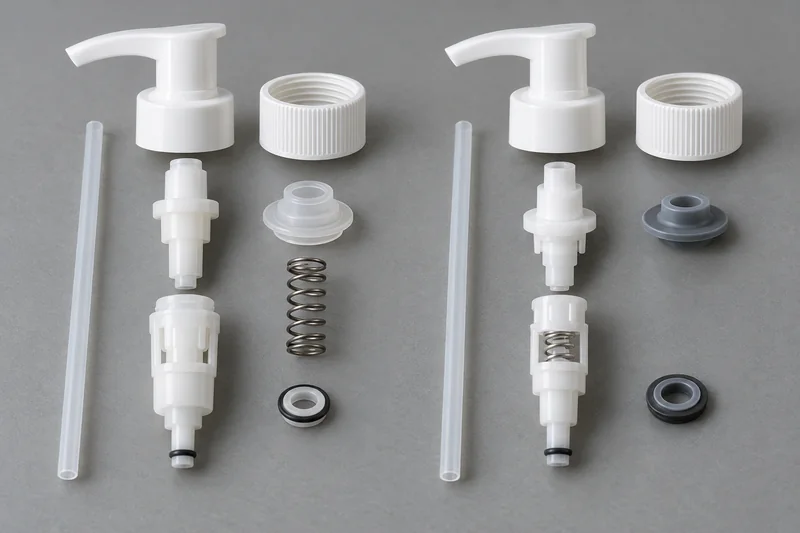
| Lotion or treatment pump | Collar and gasket, engine geometry, spring location/material, ball or valve materials, product-contact path, declared output, priming and re-priming, actuation force, lock design, venting, dip-tube resin/ID/OD/length/cut | Dose shift, poor prime, loss of prime, formula discoloration, metal compatibility, leakage through vent, incomplete evacuation, consumer mis-use |
| Decoration and appearance | Color standard, gloss/texture, gate and parting-line location, print or metallization adhesion, logo orientation, scratch resistance | Visible source-to-source variation, poor print registration, coating peel, scuffing in transit |
| Pack-out and logistics | Count, orientation, clean bagging, tray/carton strength, pallet pattern, dust control, lot labels, storage limits | Contamination, deformation, mixed lots, dip-tube damage, untraceable defects |
For the interface measurements behind finish codes, use Boyu’s plastic bottle neck-finish guide. It explains why a finish name is not a complete fit specification. Pump displacement also needs to be measured with the intended formula; the lotion pump output guide shows how nominal output and actual delivered dose can diverge.
What supplier qualifications and credentials should buyers review?
A certificate is one input, not the qualification decision. Buyers should verify the certificate’s legal entity, site address, scope, standard edition, issue/expiry dates, certification body and accreditation status. ISO itself does not certify companies. More importantly, the audit and quality agreement must cover the process that makes the component.
Corporate and supply-chain identity
- Business licence, legal manufacturer, factory address and export entity
- Manufacturer versus trader status, with disclosure of all critical subcontractors
- Ownership of moulds, drawings and intellectual property; maintenance and replacement responsibility
- Financial and continuity considerations, capacity by line, backup utilities and disaster-recovery plan
Quality system and process control
- Incoming material approval, approved sub-suppliers and prevention of unauthorized resin substitution
- Revision control for drawings, bills of material, work instructions and samples
- Mould-cavity identification, preventive maintenance, process setup and in-process monitoring
- Calibrated measuring equipment and capable test methods
- Lot traceability from resin and purchased parts through assembly, inspection and shipment
- Nonconformance control, root-cause analysis, corrective action, complaint handling and recall support
- Written prior-notification requirements for site, tool, material, formulation, sub-supplier and process changes
Technical and regulatory evidence
- Signed specification and drawing with critical dimensions, tolerances, materials and appearance limits
- Product-contact material declarations, safety data where relevant, restricted-substance declarations and market-specific compliance documents
- Certificate of analysis or conformity tied to each lot; understand whether values are actually tested or copied from a typical-data sheet
- Validation reports, test methods, reference samples and retained samples
- A quality agreement defining responsibilities, change notification, audit rights, records, deviations and escalation

Audit question with high information value
Ask the supplier to trace one finished carton backwards to assembly line, date, shift, component lots, mould cavities, resin lots and inspection records—and then forwards to every customer shipment containing that lot. A polished showroom matters less than whether this trace can be completed accurately and quickly.
How much revalidation is required?
There is no universal test list or sample size for every cosmetic package. Revalidation should be proportionate to the change and the product risk, but it must cover the evidence invalidated by the change. The useful question is not “Do we repeat everything?” It is “Which previous conclusions depended on the old supplier, material, tool, site or process?”
| Risk or difference | Evidence normally needed | Example acceptance basis |
|---|---|---|
| New thread, seal or liner geometry | Dimensional study, application/removal torque or crimp checks, leak tests, thermal cycling, transport, cap-retention checks | Released drawing and product-specific torque/seal window; zero critical leakage under the approved method |
| New pump engine, gasket or spring | Prime/re-prime, average output and variability, actuation force, lock function, leakage, evacuation, formula exposure | Approved dose range, reliable priming, no loss of function or unacceptable formula/package change |
| New product-contact material or additive | Formula compatibility/stability, organoleptic and appearance review, weight loss or gain, sorption/permeation assessment where relevant, safety/regulatory review | No unacceptable change versus specification/control through the justified exposure period |
| New mould, cavity or manufacturing site | Multi-cavity dimensions, weight and appearance; process capability; tool trial; incoming and line-trial data | All cavities conform; stable process and acceptable line yield at production conditions |
| Changed coating, masterbatch or decoration | Color/gloss, adhesion, abrasion, formula resistance, light exposure and transport scuffing as applicable | Approved visual standard and no unacceptable peeling, transfer, fading or attack |
| Changed pack-out or shipping lane | Compression, vibration, drop and climatic conditioning based on the distribution environment | No loss of containment, function, legibility or saleable appearance after the approved sequence |
Boyu’s guides to 化粧品ボトルの試験, パッケージの互換性試験, cosmetic bottle leak methods および packaging drop-test standards provide test-specific detail. The second-source protocol should reference controlled versions of the selected methods rather than repeat generic test names.

How should sample size and lot coverage be chosen?
Avoid one sample count for every characteristic. Destructive leakage tests, variable pump-output measurements, cosmetic inspection and long-term stability answer different questions. Base the plan on defect severity, expected variability, method repeatability, number of mould cavities or assembly lines, confidence needed and whether the result is attribute or variable data. Samples should represent production—not a single carefully selected bag—and should cover relevant cavities and more than one production occasion when lot-to-lot variation matters.
Define the analysis before testing: limits, comparison to the incumbent, treatment of outliers, retest rules and who may approve a deviation. A sample that fails should trigger investigation into the failure mechanism; repeatedly testing new samples until one passes is not qualification.
Which standards and regulations apply?
No single global “packaging second-source qualification standard” dictates an identical workflow for every industry. Requirements come from the marketed product, destination country, customer specification and the organization’s quality system. Use sector-specific frameworks carefully rather than presenting pharmaceutical expectations as universal cosmetic law.
| Framework | How it helps | 重要な境界 |
|---|---|---|
| ISO 9001 and ISO guidance on external providers | Risk-based control of externally provided products and processes, supplier evaluation and performance monitoring | Certification does not approve a particular pump, cap or material, and ISO does not issue certificates itself. |
| ISO 22716 and cosmetic GMP controls | Useful for cosmetic production, control, storage and shipment practices, including packaging-material handling | It is not a universal product certificate proving component compatibility. |
| EU Cosmetics Regulation 1223/2009 | The cosmetic product safety report includes relevant packaging-material characteristics, particularly purity and stability considerations. | The responsible person must assess whether a packaging change affects safety documentation and compliance. |
| US cosmetics law and FDA guidance | MoCRA requires adequate safety substantiation; FDA cosmetic GMP materials emphasize controls, testing, storage and records. | There is no FDA pre-approval of ordinary cosmetic packaging or fixed federal test list for every substitution. |
| Medicinal/OTC frameworks: ISO 15378, ICH Q9/Q10, FDA container-closure guidance and EU GMP | Provide mature models for primary-packaging GMP, quality risk management, change control, validation and regulatory assessment | Apply when the packaged product and market fall within medicinal/OTC rules or when adopted contractually; do not claim they are mandatory for every cosmetic. |
Food-contact packs, child-resistant closures, hazardous chemicals, aerosols and transport of dangerous goods introduce other material, migration, performance or certification requirements. The qualification team should begin with the legal classification of the filled product and intended markets, not with a generic certificate checklist.
What if the original supplier stops immediately?
An emergency may justify a faster decision path, but it does not make an unknown component equivalent. First explore approved options: last-time buy, transfer of owned tooling, approved alternative already used on another SKU, temporary production rescheduling, or a controlled market allocation. If management accepts a temporary alternate, use a formal deviation or emergency change with a defined scope.
A defensible emergency release normally includes:
- A documented risk assessment and rationale for tests performed or deferred
- Minimum evidence protecting safety, containment, compatibility and intended function
- Restricted products, markets, quantities and expiry date for the authorization
- Enhanced inspection, traceability and retention samples
- Customer or regulatory notification/approval where required
- A completion plan for outstanding stability, transport or process evidence
- Explicit stop criteria and a decision to approve, extend or withdraw the source
Do not conceal the new source under the old item code if doing so destroys traceability. Even when the finished pack looks unchanged, complaints and stability observations must be attributable to the supplier, site, lot and component revision.
Common qualification mistakes—and why they fail
- Buying from a catalog description: nominal diameter, finish and color do not define all functional interfaces.
- Qualifying the sales sample: samples may come from a development tool, another site or a selected lot.
- Reviewing certificates without scope: a valid certificate may cover a different legal entity, address or activity.
- Testing empty packages only: the filled formula can swell seals, extract color, corrode metal, change torque or block a pump.
- Skipping the line trial: lab-conforming parts can still cause feeder, capper, crimper or vision-system failures.
- Using supplier limits without product limits: a broad supplier tolerance may be technically manufacturable but incompatible with the brand’s bottle or process.
- Approving one lot and stopping surveillance: a second source must demonstrate repeatability, not one successful shipment.
- Allowing unnotified sub-supplier changes: a different gasket, liner, masterbatch or spring can alter performance without changing the catalog code.
Second-source approval dossier: a buyer’s checklist
- Approved change request, impact assessment and responsible functions
- Legacy specification, drawing, retain sample and performance baseline
- Candidate signed drawing, bill of materials and critical-to-quality list
- Verified supplier/site identity, audit or risk-based audit justification, certificate review
- Material, colorant, PCR, liner, gasket, adhesive, lubricant and sub-supplier declarations
- Tooling/cavity identification and production-intent sample traceability
- Gap analysis linking each difference to risk and required evidence
- Dimensional, functional, compatibility, stability, leakage, transport and decoration reports as applicable
- Representative line-trial protocol, data, settings, yield and deviation closure
- Regulatory/product-safety assessment for every affected market and product classification
- Quality agreement, approved specification, change-notification clause and certificate requirements
- Initial-lot control plan, incoming-inspection plan, golden samples and complaint trending
- Final cross-functional approval, effective date, inventory transition and ERP item/revision control
The goal is not to recreate paperwork for its own sake. It is to make the approval decision reproducible: another qualified reviewer should be able to see what changed, why the evidence was sufficient, which limitations remain and how routine supply will be controlled.
よくある質問
Is the same 24/410 neck finish enough to interchange a pump or cap?
No. It is a useful screening criterion, but it does not prove compatible thread tolerances, seal compression, gasket, venting, pump output, torque behavior or line performance. Compare controlled drawings and test the full pack.
Does an ISO 9001 certificate qualify the supplier?
It can support the QMS assessment when valid and correctly scoped, but it does not approve the particular component. Product, site, tool, materials, process and performance still require risk-based evaluation.
Must compatibility and stability testing always restart from day one?
Not automatically. A scientific gap assessment should determine what prior evidence remains applicable. A changed product-contact material or sealing system may require substantial new data; a documented distributor change with the identical manufacturer, site and part may not. The rationale should be approved and retained.
How many lots should be tested?
No universal number fits every package. Cover the variability that matters: different production occasions, mould cavities, assembly lines and incoming material lots. Select sample sizes by risk and data type, and define heightened controls for initial commercial lots.
Can the old and new supplier’s components be mixed?
Only if the approved plan permits it and traceability is preserved. Mixing can hide source-specific failures, complicate complaint investigation and create visible variation. Many transitions use separate item revisions and defined depletion dates.
Should a buyer choose a factory or a trading company?
Either model can work. A factory can offer direct process access; a capable trading or packaging integrator can coordinate multiple components. The non-negotiable requirement is transparency: identify the actual site, control changes and sub-suppliers, maintain lot traceability and permit technical investigation.
Need to qualify an alternate bottle, cap or pump?
Send Boyu Packaging the existing component drawing, retained sample, formula type, intended markets, annual demand, filling-line conditions and known failure history. We can help develop a comparison matrix, production-intent samples and a test plan that focuses on the interfaces most likely to change.
Sources and further reading
- ISO — ISO 9001 quality management systems
- ISO/IAF Auditing Practices Group — External providers guidance
- ISO — Certification and conformity assessment
- ISO 22716:2007 — Cosmetics good manufacturing practices
- European Union — Regulation (EC) No 1223/2009 on cosmetic products
- 米国食品医薬品局(FDA) — 2022年化粧品規制近代化法
- 米国FDA:化粧品GMPガイドライン/査察チェックリスト
- ISO 15378:2017 — Primary packaging materials for medicinal products
- ICH Q9(R1) — Quality Risk Management
- ICH Q10 — Pharmaceutical Quality System
- 米国FDA — ヒト用医薬品および生物学的製剤の包装用容器・閉鎖システム
- European Commission — EU GMP Annex 15: Qualification and Validation


 English
  Español de Argentina
  Русский
  Italiano
  日本語
日本語  한국어
한국어  العربية
  Français
  Deutsch