
Introduction
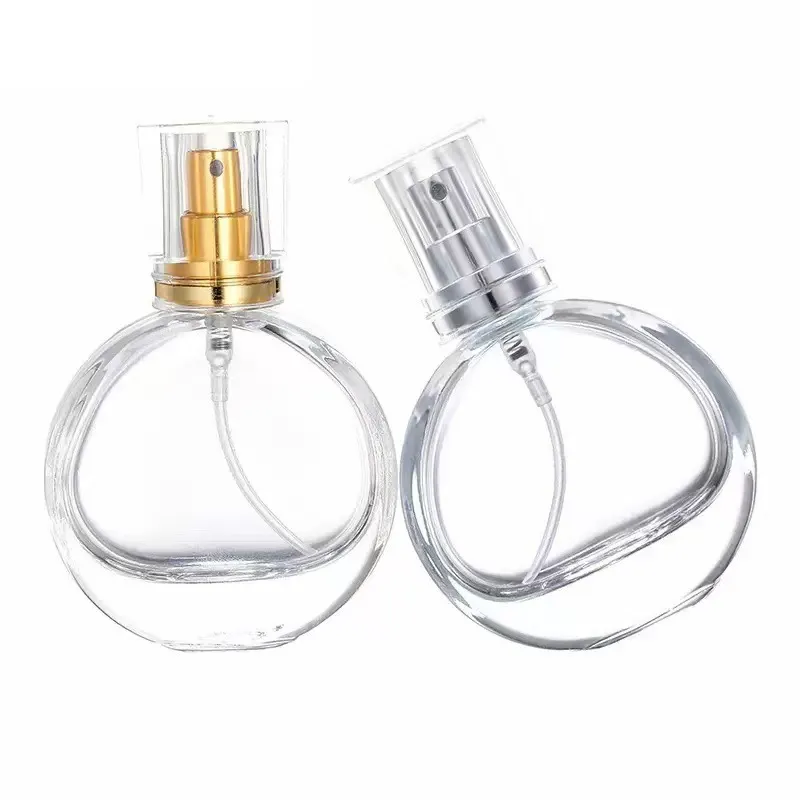
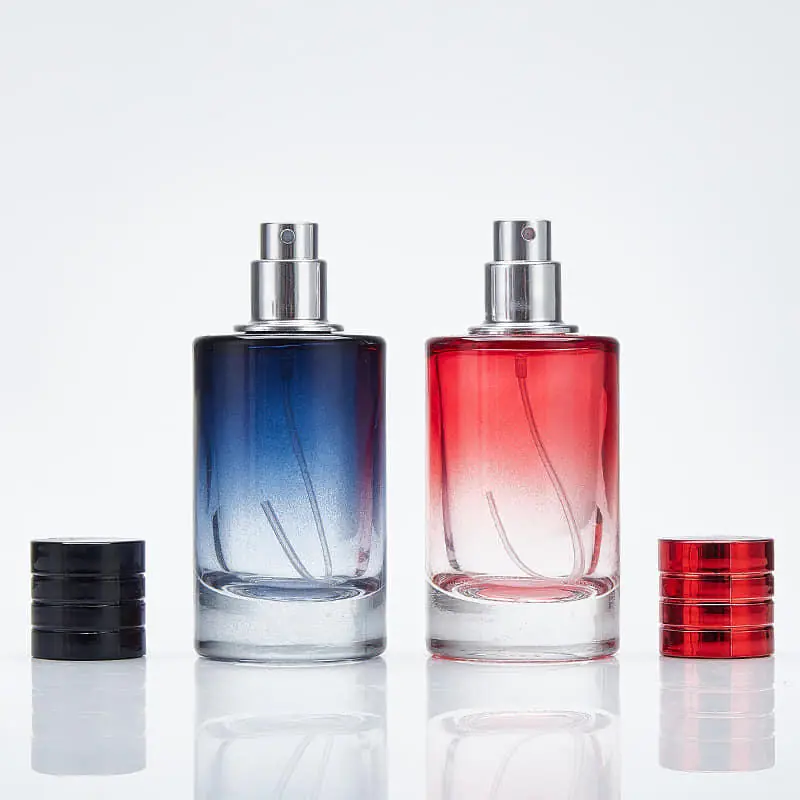
Understanding how many sprays you get from a perfume bottle helps you plan your fragrance usage, manage costs, and choose the right size for daily life. The most common perfume bottle sizes are 50ml and 100ml, and each delivers a different number of sprays depending on the spray mechanism, liquid viscosity, and spray nozzle design.
This guide explains how to calculate sprays, daily usage, approximate lifespan of the bottle, and best storage practices for perfume lovers.
1. How Many Sprays Are in a 50ml Perfume Bottle?
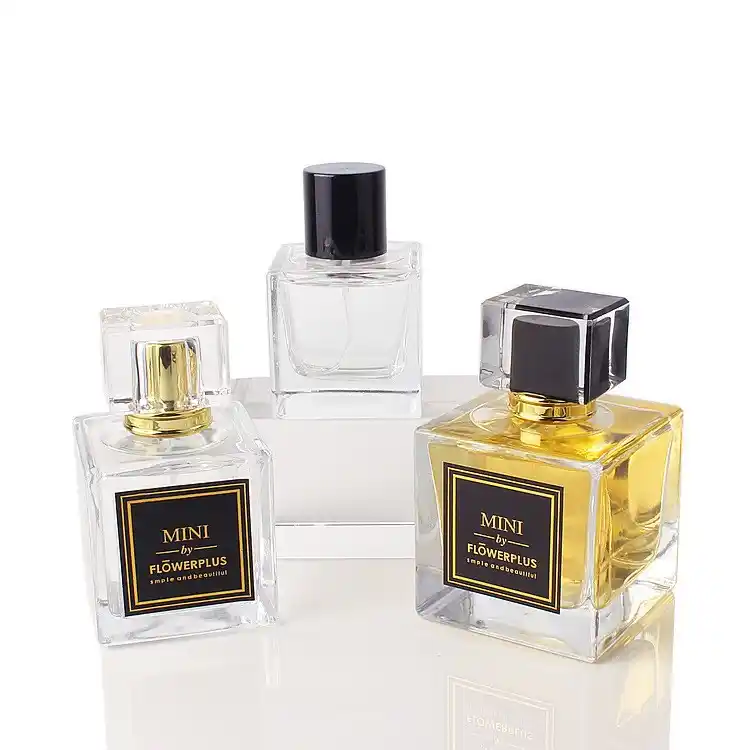
- 50ml Bottle Volume: 50ml = 50,000 microliters (µL)
- Average Spray Amount: Most standard perfume sprays deliver about 0.08ml per spray (80µL).
Calculation:
Number of Sprays=Total Volume / Volume per Spray=50ml / 0.08 ml/spray ≈ 625 sprays
✅ Approximate Sprays: 600–650 sprays
Daily Usage Example:
- 2 sprays per wrist + 1 on neck = 3 sprays/day
- 50ml bottle lifespan:
Lifespan in days = 625 / 3 ≈ 208 days ≈ 7months
2. How Many Sprays Are in a 100ml Perfume Bottle?
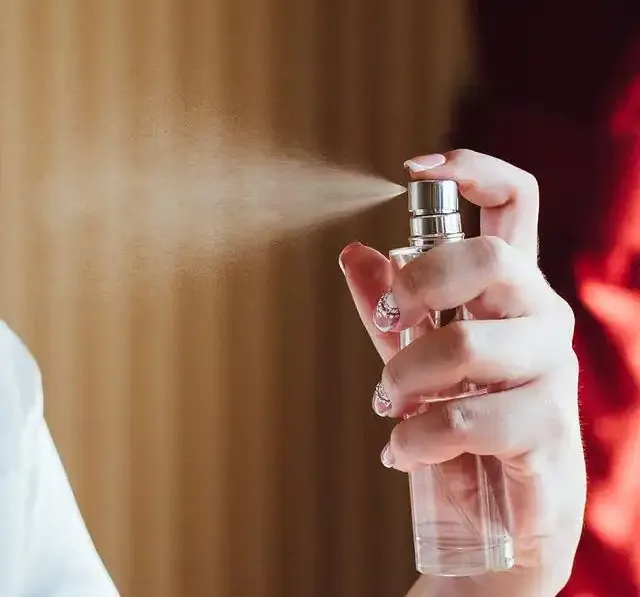
- 100ml Bottle Volume: 100ml = 100,000 µL
- Average Spray Amount: 0.08ml per spray
Calculation:
Number of Sprays = 100 ml / 0.08 ml/spray ≈ 1250 sprays
✅ Approximate Sprays: 1,200–1,300 sprays
Daily Usage Example:
- 3 sprays/day: lasts approximately 1,250 ÷ 3 ≈ 417 days ≈ 14 months
- 6 sprays/day (morning & evening): lasts ~7 months
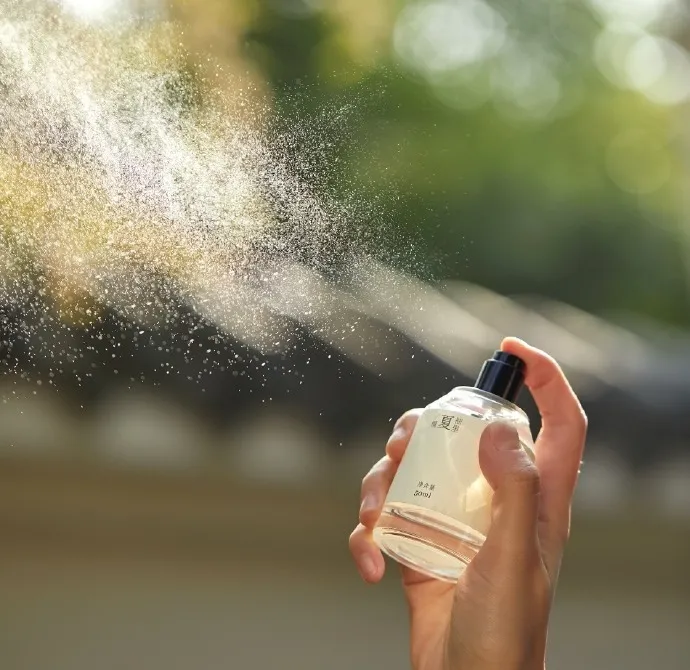
3. How Much Perfume Does One Spray Use?
| Spray Volume | Usage Example | Notes |
|---|---|---|
| 0.08ml / spray | 2–3 sprays/day | Standard nozzle |
| 0.10ml / spray | 2 sprays/day | Stronger mist, less longevity per bottle |
| 0.06ml / spray | 3 sprays/day | Fine mist; better for subtle fragrance |
Tip: Most commercial perfume bottles are calibrated for 0.08ml per spray, but thicker formulas (e.g., concentrated Eau de Parfum) may use slightly more per pump.
4. Choosing the Right Perfume Bottle Size for Daily Life
| Bottle Size | Recommended Use | Advantages |
|---|---|---|
| 30ml | Travel, handbag, testing new fragrances | Lightweight, easy to carry, convenient for on-the-go |
| 50ml | Daily personal use, office, casual wear | Balanced size, lasts 6–8 months at normal usage |
| 100ml | Home use, long-term favorite fragrance | Economical, fewer refills, ideal for daily use at home |
| 150–200ml | Luxury collector, family use | Very long-lasting, best for perfume enthusiasts |
Tip: If you use perfume daily, a 50ml bottle is usually sufficient. For moderate to heavy use, 100ml is the better choice.
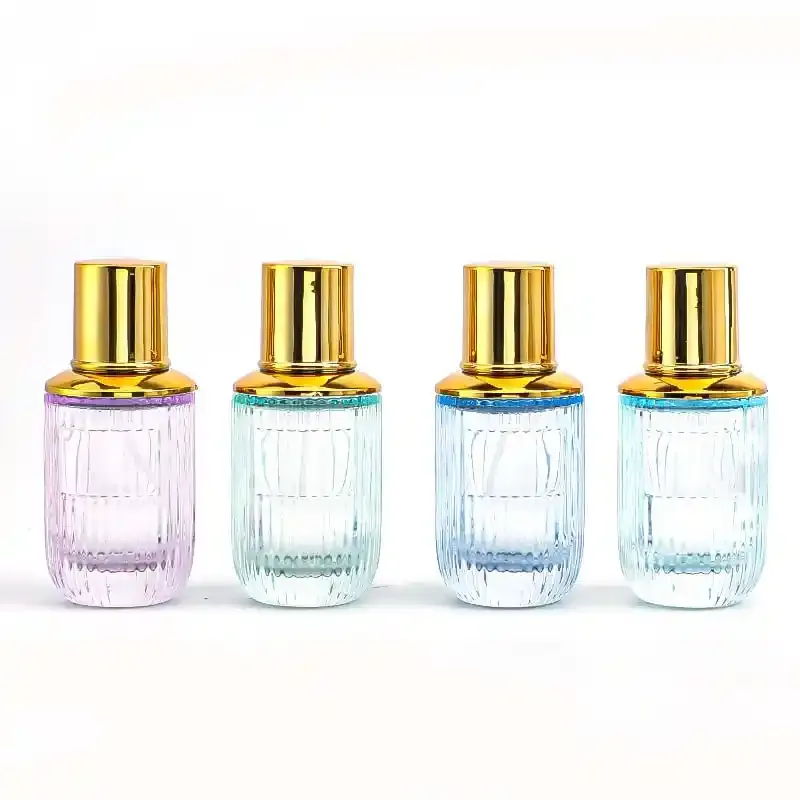
5. Normal Perfume Usage Tips
- Target Pulse Points: Neck, wrists, behind ears, inner elbows.
- Moderation: 2–4 sprays are sufficient for office or casual wear; 5–6 for evening or special events.
- Don’t Rub: Rubbing wrists can damage fragrance molecules and reduce longevity.
- Layering: Use matching scented body lotion to extend fragrance life.
6. Perfume Storage Recommendations
- Avoid Sunlight: UV light can degrade fragrance.
- Cool, Dry Place: Temperature fluctuations reduce stability.
- Keep Cap Tight: Prevents evaporation and contamination.
- Original Box: Store bottles in their box for extra protection.
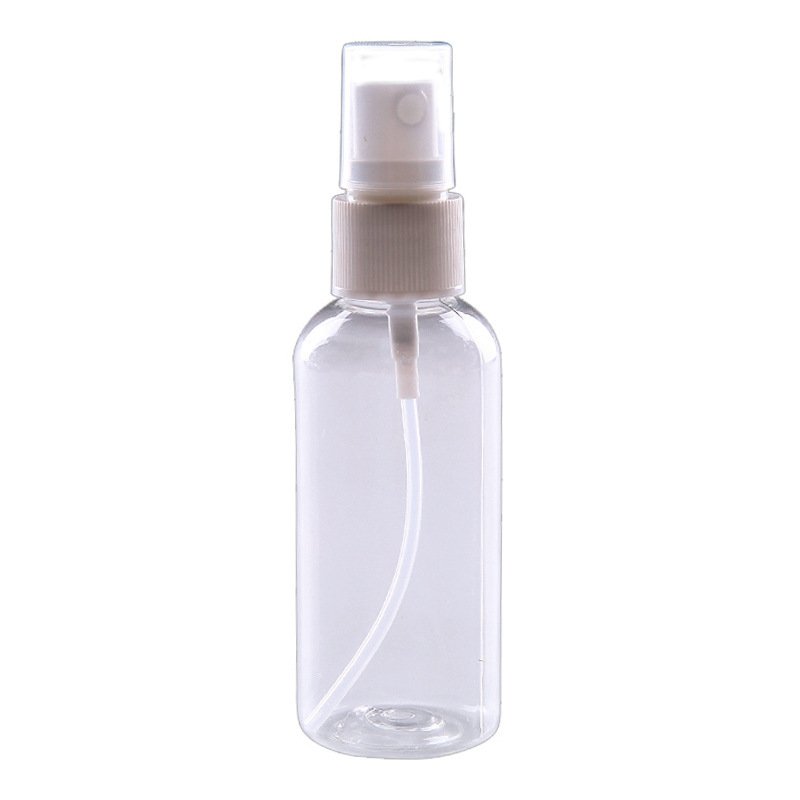
- Travel Tip: Use travel-size bottles or atomizers to avoid exposing large bottles to heat and movement.
7. Quick Spray Math Summary
Formula to Estimate Sprays:
Number of Sprays=Bottle Volume (ml) /
Daily Usage Formula:
Lifespan (days) = Number of Sprays / Sprays per day
Example:
- 50ml bottle × 0.08ml per spray → 625 sprays → 3 sprays/day → lasts ~208 days
- 100ml bottle × 0.08ml per spray → 1,250 sprays → 3 sprays/day → lasts ~417 days
8. FAQ – Perfume Spray Usage
Q1: Can a 50ml bottle last a year?
A: Yes, if used moderately (2–3 sprays/day), a 50ml bottle can last about 7–8 months.
Q2: How many sprays for one full-body coverage?
A: Usually 6–8 sprays for a complete body effect, depending on fragrance strength.
Q3: Is 100ml too large for travel?
A: For carry-on flights, 100ml is the maximum allowed; otherwise, 30ml or 50ml is recommended.
Q4: Can I refill my perfume bottle?
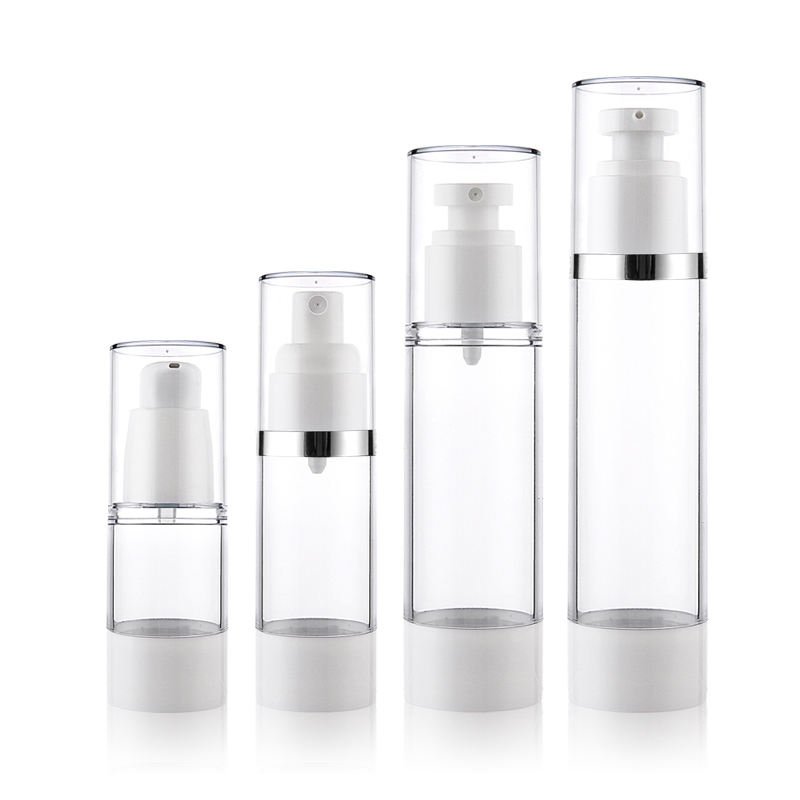
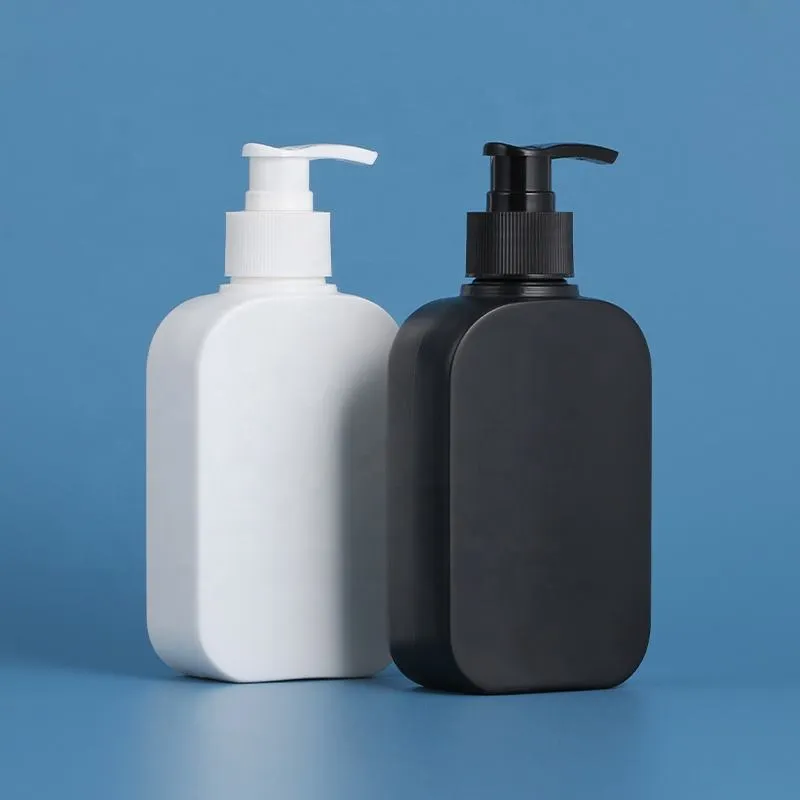
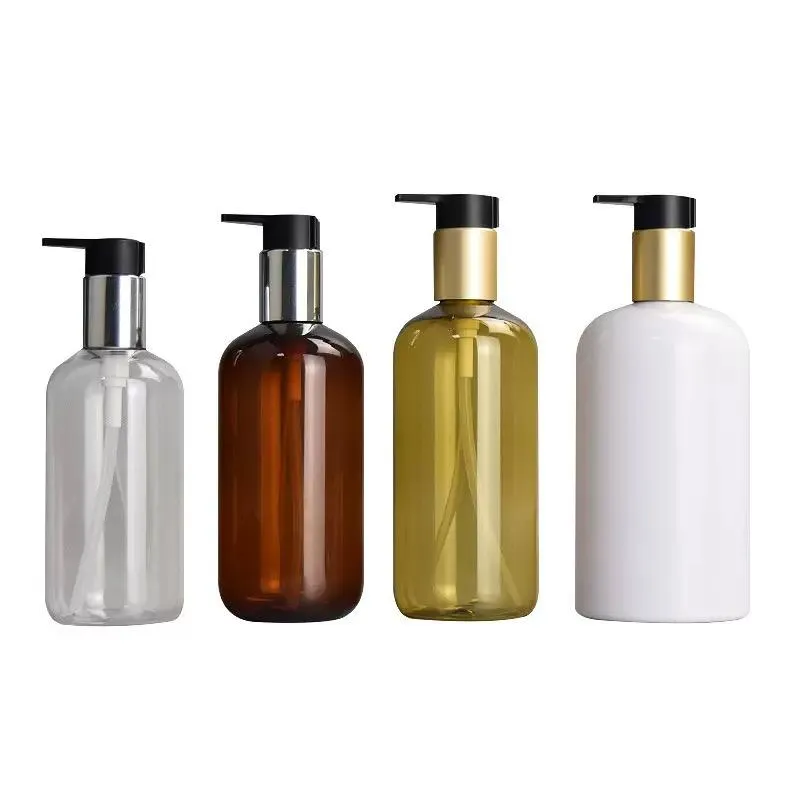
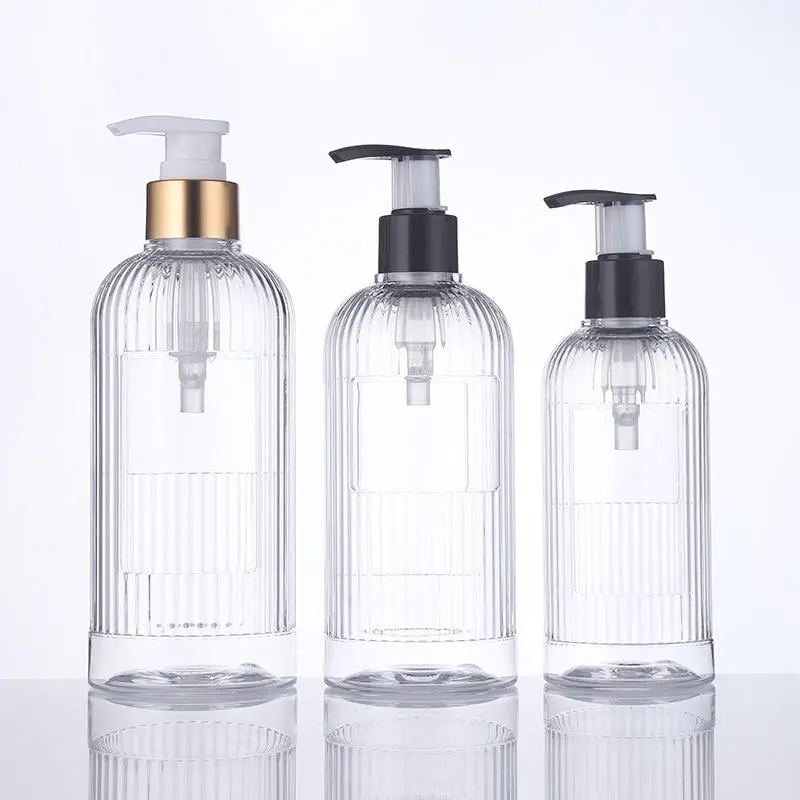
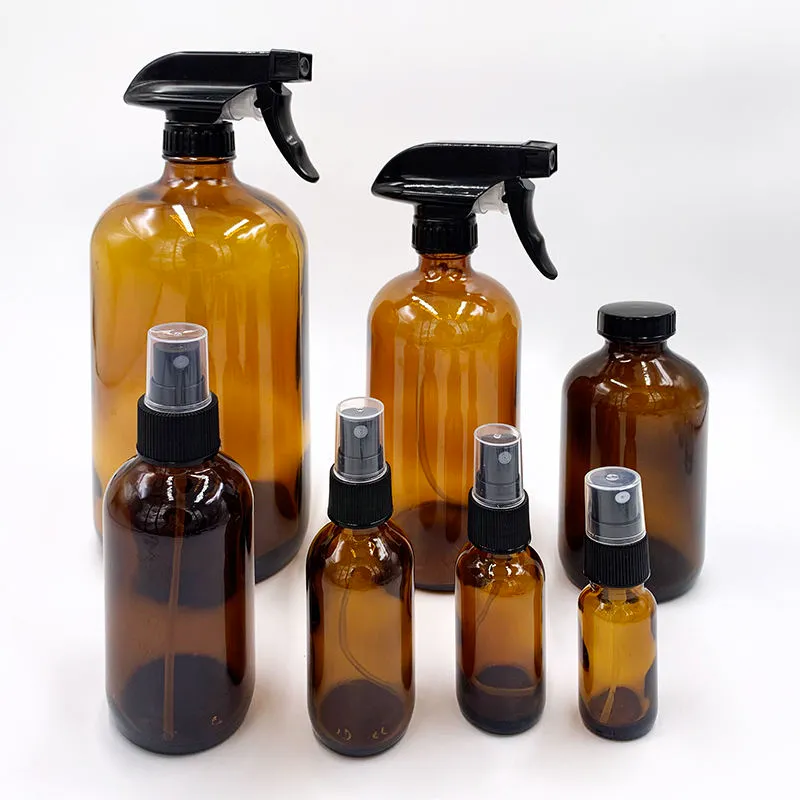
A: Yes, many PET or glass spray bottles are refillable, especially mid-size (50–100ml).
Q5: How to reduce perfume waste?
A: Use fewer sprays, target pulse points, and store bottles properly to prevent evaporation.
 English
  Español de Argentina
  Русский
  Italiano
  日本語
日本語  한국어
한국어  العربية
  Français
  Deutsch