PP vs. HDPE Bottles: Key Differences, Advantages, and Best Uses in Cosmetic Packaging
When it comes to choosing packaging materials for products like cosmetics, PP (Polypropylene) and HDPE (High-Density Polyethylene) are two popular options. Both materials are used in various industries, including the cosmetic sector, but they each have their own set of characteristics that make them more suitable for specific applications. Here’s a comprehensive breakdown of each material, along with their pros and cons, particularly in the context of cosmetic packaging.
What is PP (Polypropylene)?
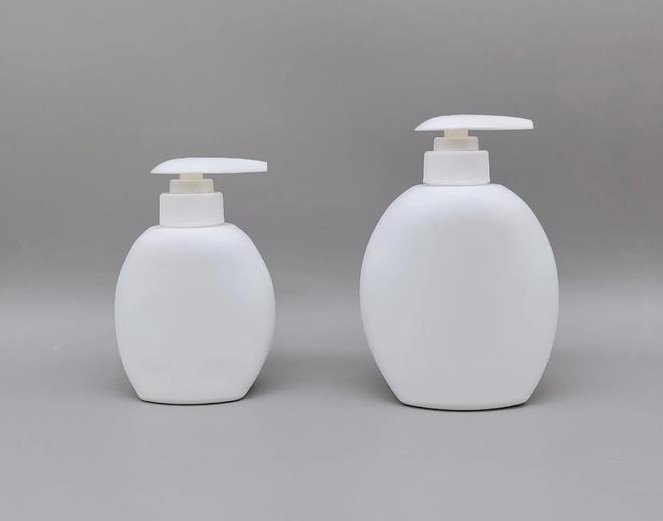
Polypropylene (PP) is a thermoplastic polymer that is widely used for its durability, resistance to chemicals, and flexibility. It’s one of the most common materials for plastic bottles, containers, and packaging products.
Key Characteristics of PP:
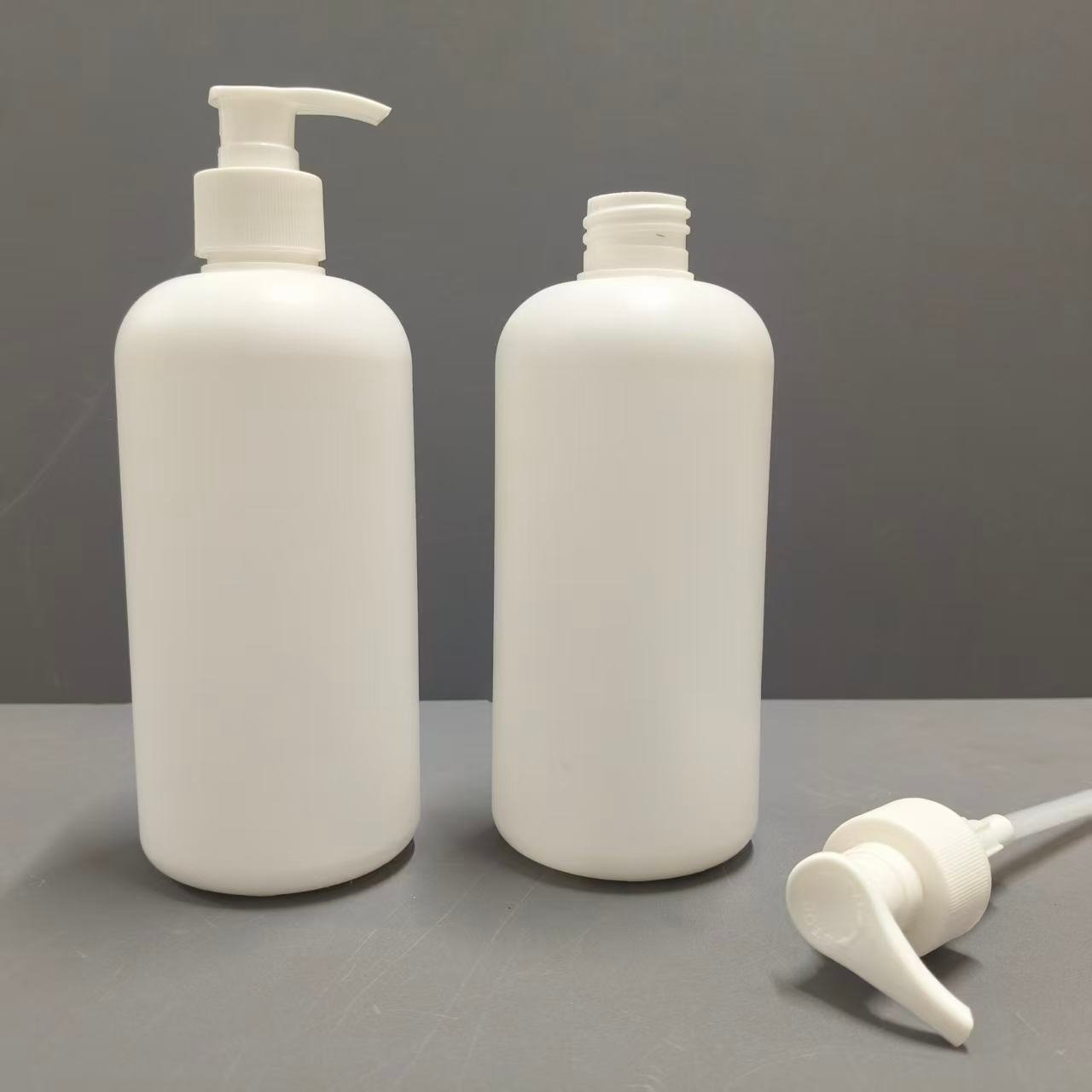
- Durability: PP is tough and resistant to fatigue, which makes it perfect for containers that require frequent handling or squeezing (such as toothpaste tubes).
- Chemical Resistance: PP is resistant to many chemicals, including acids and bases, making it a good choice for storing products with specific chemical compositions.
- Temperature Tolerance: It can withstand a higher range of temperatures compared to many other plastics.
- Transparency: While generally more opaque than PET or PVC, PP can be made semi-transparent for products requiring some visibility.
Common Uses of PP:
- Food containers
- Medical packaging
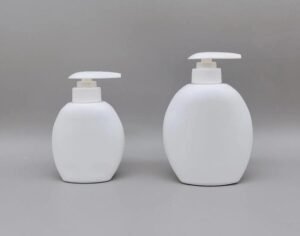
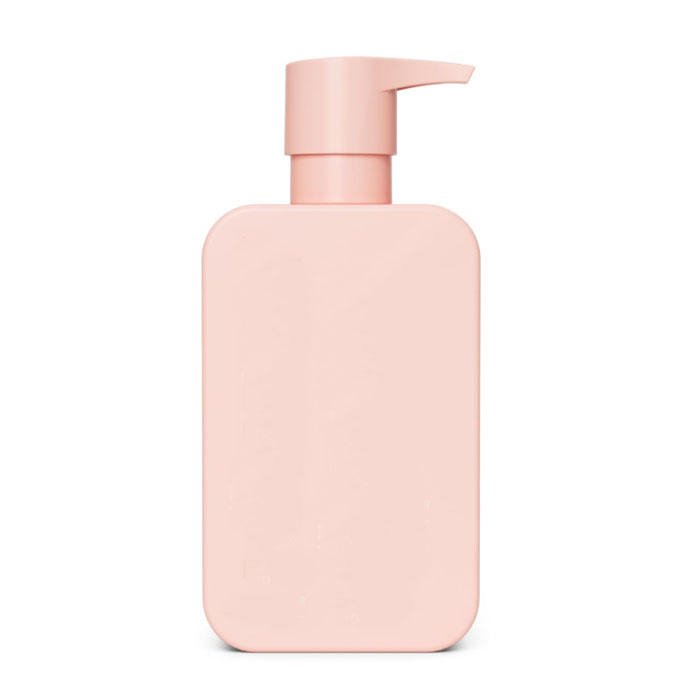
- Cosmetic packaging (such as lotions, creams, and shampoos)
- Household products
What is HDPE (High-Density Polyethylene)?
High-Density Polyethylene (HDPE) is a type of polyethylene, recognized for its strong, sturdy structure. It is widely regarded as one of the most versatile and widely used plastic materials due to its excellent physical properties.
Key Characteristics of HDPE:
- Strength and Sturdiness: HDPE is known for its superior strength-to-density ratio, making it an excellent material for containers that need to withstand wear and tear.
- Impact Resistance: It is highly resistant to impact and can handle physical stress better than many other plastics.
- Chemical Resistance: Like PP, HDPE is resistant to chemicals and is frequently used for packaging that contains products like detergents, shampoos, and even industrial chemicals.
- Environmental Resistance: HDPE is UV resistant and performs well under varying environmental conditions, making it suitable for both indoor and outdoor applications.
- Recyclability: HDPE is one of the most recyclable plastics, making it an eco-friendly option for brands aiming to reduce their environmental footprint.
Common Uses of HDPE:
- Milk jugs
- Cleaning products
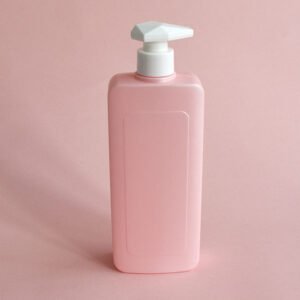
- Cosmetics packaging (shampoos, conditioners, body washes)
- Toys, piping, and industrial products
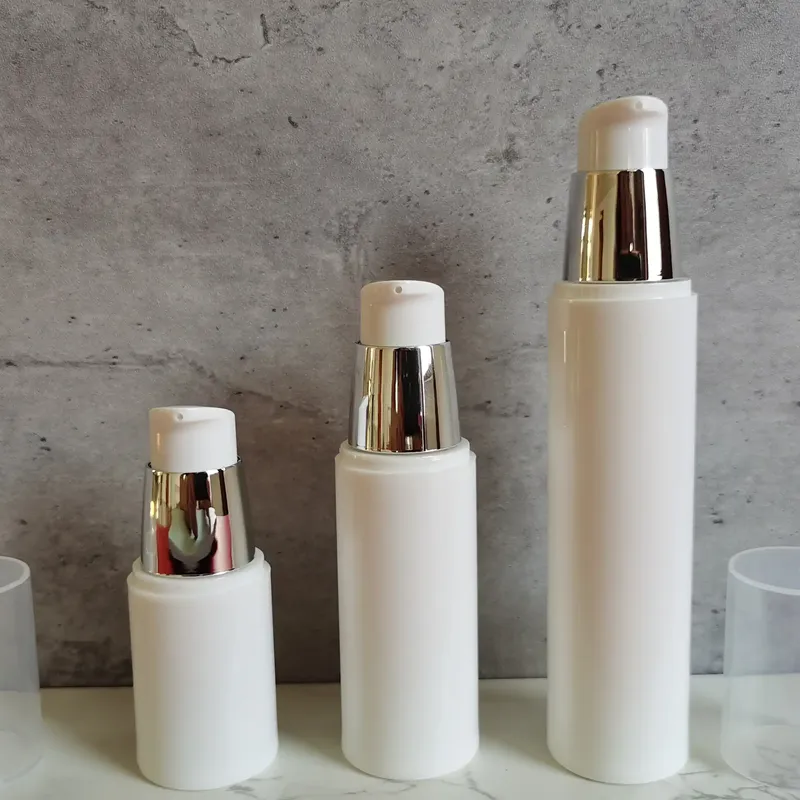
Key Differences Between PP and HDPE Bottles:
| Attribute | PP (Polypropylene) | HDPE (High-Density Polyethylene) |
|---|---|---|
| Durability | Moderate, less resistant to impact. | High, resistant to physical stress and impact. |
| Chemical Resistance | Good, but slightly less than HDPE. | Excellent, resistant to a broader range of chemicals. |
| Transparency | Semi-transparent to opaque. | Opaque, but can be molded to have varying opacity. |
| Temperature Resistance | Higher, can handle high-temperature products. | Moderate, not as heat resistant as PP. |
| Recyclability | Generally recyclable, but lower rate than HDPE. | Highly recyclable, widely accepted. |
| Weight | Light, suitable for lightweight packaging. | Heavier, but durable for sturdier products. |
| Cost | Slightly more expensive due to added durability. | Cost-effective and more affordable. |
Advantages and Disadvantages in Cosmetic Packaging:
PP Bottles in Cosmetics:
Advantages:
- Aesthetic Flexibility: PP bottles can be made in various shapes and can be more visually appealing due to the semi-transparent nature. This is beneficial for products like lotions or creams where brand aesthetics play a role.
- Higher Temperature Resistance: Suitable for cosmetics that need to be stored in warmer environments or require a higher melting point.
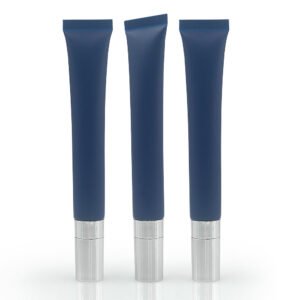
- Good for Creams and Lotions: Since PP is squeezable and flexible, it works well for thicker products like creams and gels.
Disadvantages:
- Limited Impact Resistance: PP bottles may crack or break more easily under pressure or impact.
- Less Chemical Resistance: While resistant to many chemicals, PP is not as chemically inert as HDPE, which could affect some sensitive cosmetic formulations.
HDPE Bottles in Cosmetics:
Advantages:
- Strength and Durability: HDPE is a robust material that can withstand heavy handling and transport, reducing the risk of damage in transit. This makes it ideal for bulk packaging.
- Superior Chemical Resistance: HDPE offers greater protection for products containing harsh chemicals or active ingredients, preserving the integrity of the formulation.
- Recyclability: HDPE is one of the most recycled plastics, making it the preferred choice for brands aiming to be environmentally conscious.
Disadvantages:
- Opaque Nature: HDPE is not transparent, which means it may not offer the same shelf appeal as a clearer material like PP or PET. This could affect consumer interest in products that benefit from being visible.
- Less Flexibility: HDPE is not as flexible as PP, which may make it less ideal for squeeze packaging.
When to Use PP Bottles:
- For premium or high-end cosmetics: The semi-transparent nature of PP allows for sleek, polished packaging that looks appealing on store shelves.
- For products requiring higher heat resistance: If your product needs to be stored in warmer environments or exposed to heat (e.g., hair care products like hair gel or styling creams), PP offers better protection.
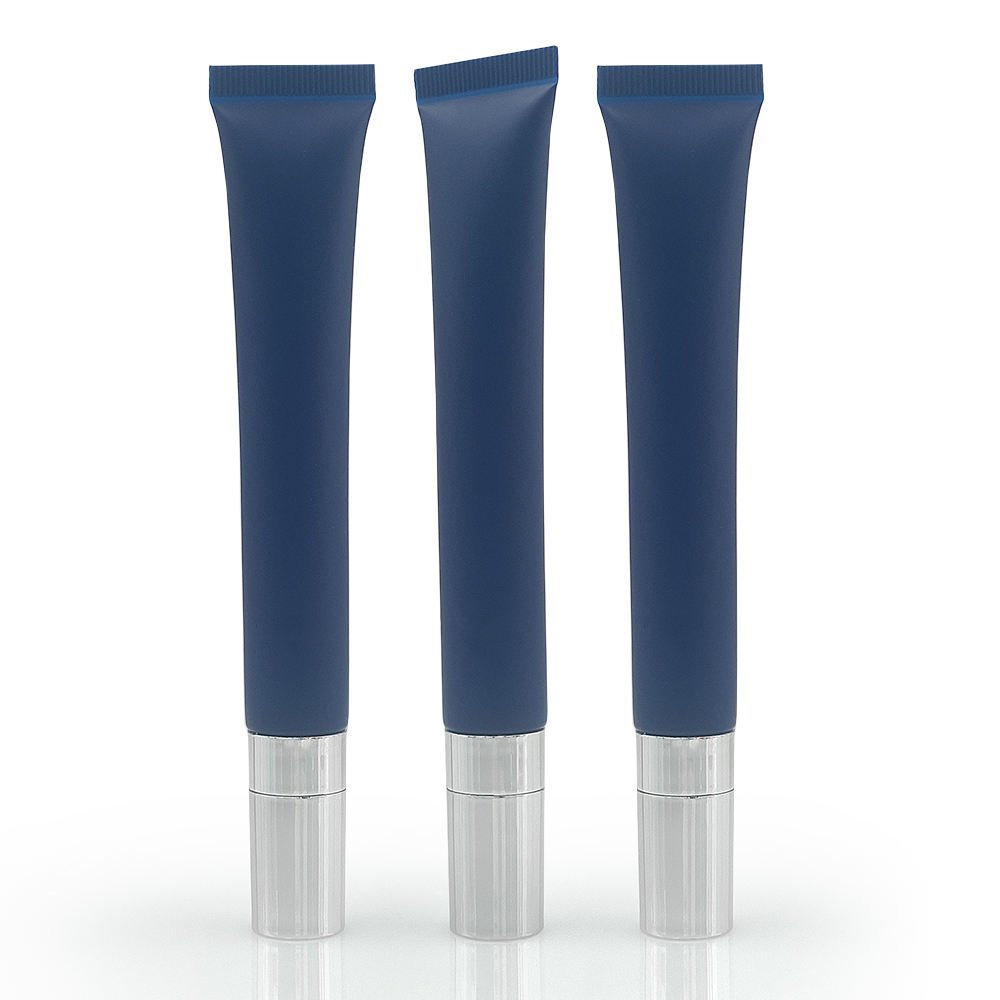
- For squeezable or flexible packaging: When dealing with products that need to be easily dispensed (e.g., body lotions, hand creams), PP is more suitable.
When to Use HDPE Bottles:
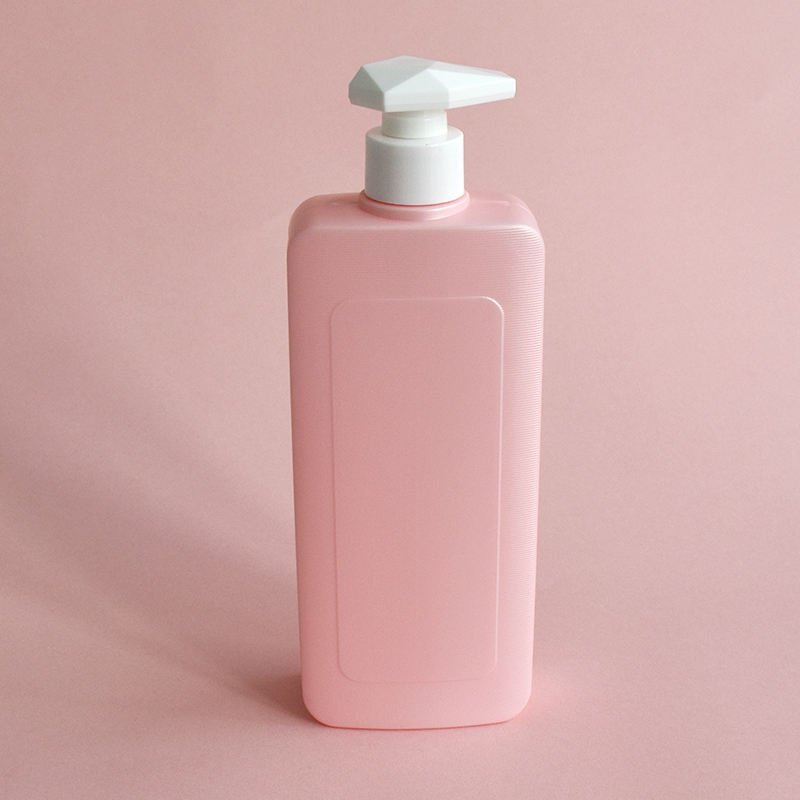
- For heavy-duty or bulk products: If your product needs to withstand rough handling, HDPE is ideal. It’s especially good for large containers like shampoo bottles or other personal care items that are commonly transported or handled in bulk.
- For products sensitive to light or environmental factors: HDPE offers better protection against UV degradation, so it’s a better option for products sensitive to light, such as sunscreens and some skincare formulas.
- For cost-effective packaging: If you need an affordable option with robust chemical resistance, HDPE is generally more cost-effective while offering a higher degree of protection for your product.
Safety, Environmental Impact, and Cost-Effectiveness:
- Safety: Both PP and HDPE are considered safe for use in cosmetic packaging and are FDA-approved for food and cosmetic products. They are free from harmful chemicals like BPA and phthalates.
- Environmental Impact: HDPE is more environmentally friendly than PP due to its higher recyclability rate. Brands aiming for sustainability may prefer HDPE, as it has a lower environmental footprint.
- Price and Value: HDPE tends to be more affordable, making it a cost-effective solution for larger packaging quantities. PP, on the other hand, may come at a slightly higher price but offers greater aesthetic flexibility and temperature tolerance.
Conclusion:
Both PP and HDPE are excellent choices for cosmetic packaging, but the right choice depends on the product’s needs. PP is better for premium, squeezable packaging that requires higher heat resistance and aesthetic appeal, while HDPE is stronger, more chemical-resistant, and perfect for bulk products or brands focusing on sustainability. Consider your product type, budget, and branding goals when making a selection.