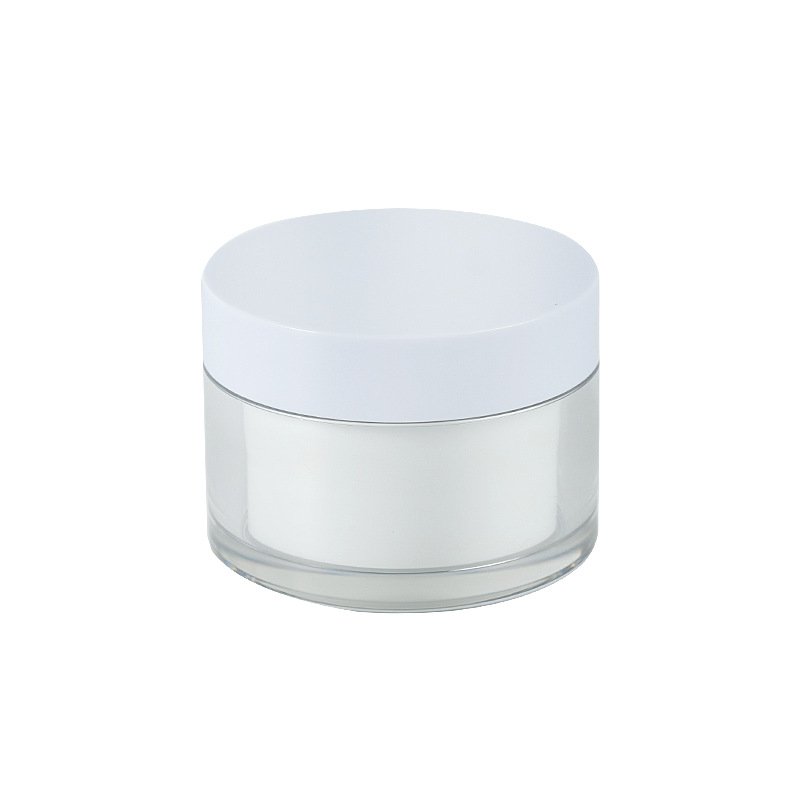
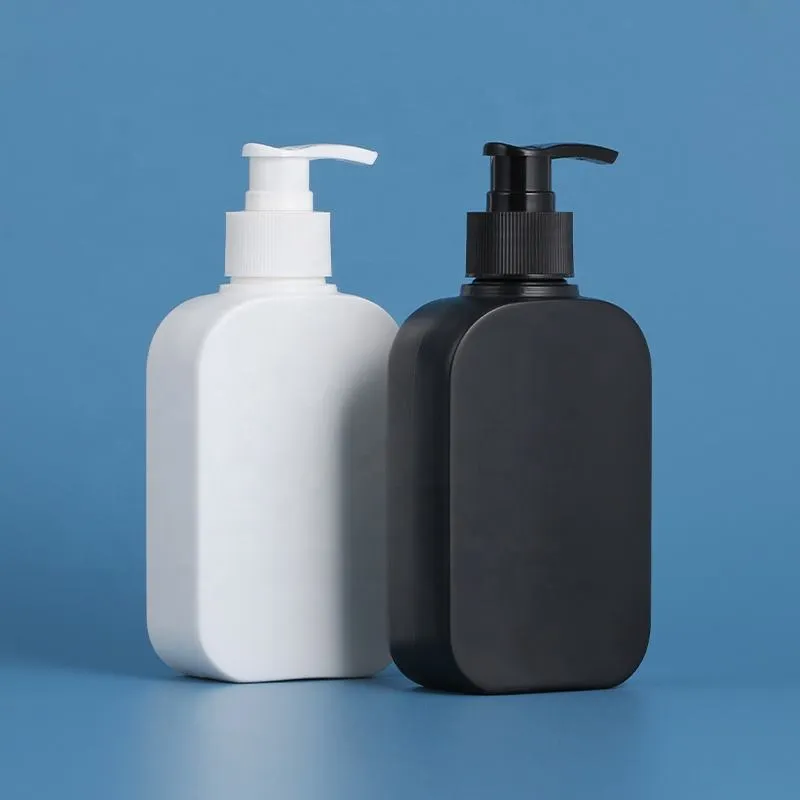
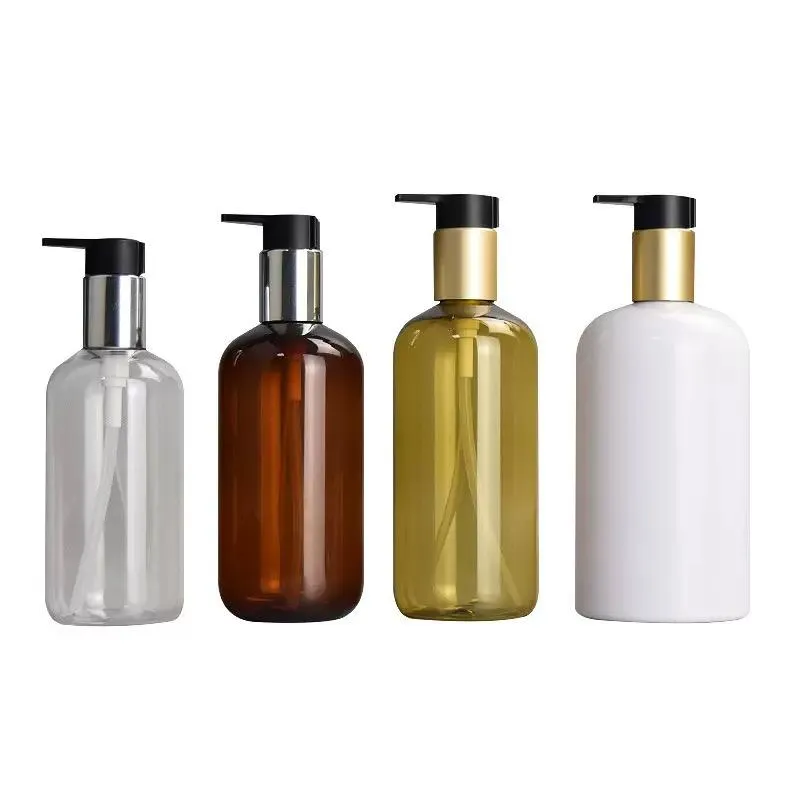
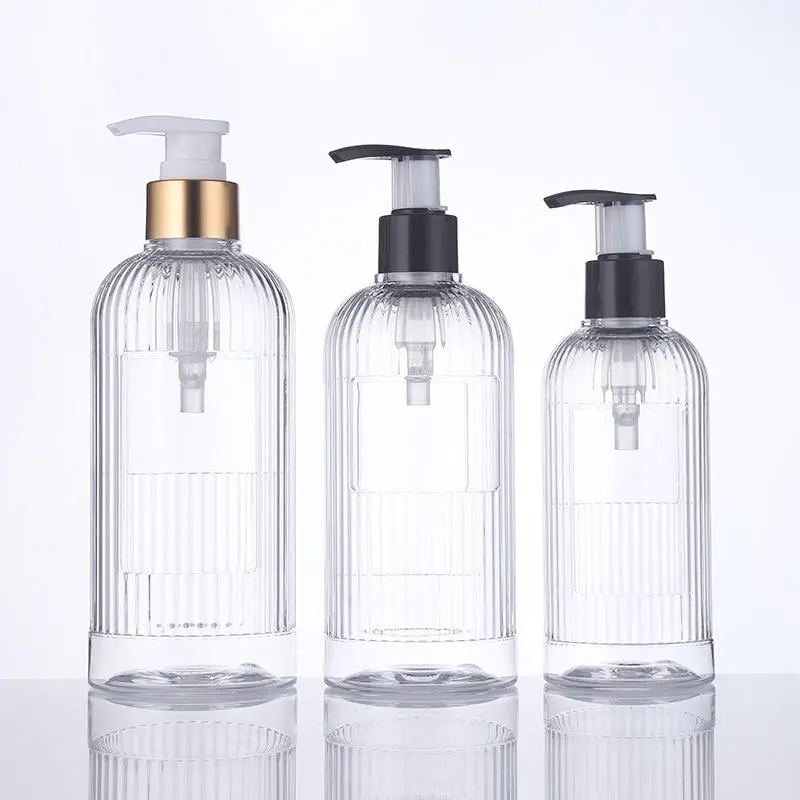
What is HDPE Material? Uses, Benefits, Safety & HDPE vs PE for Cosmetic Packaging
What is HDPE?
HDPE (High-Density Polyethylene) is a widely used thermoplastic polymer made from petroleum. It is known for its high strength-to-density ratio, excellent chemical resistance, and durability, making it one of the most popular materials in packaging, especially for cosmetics and personal care products.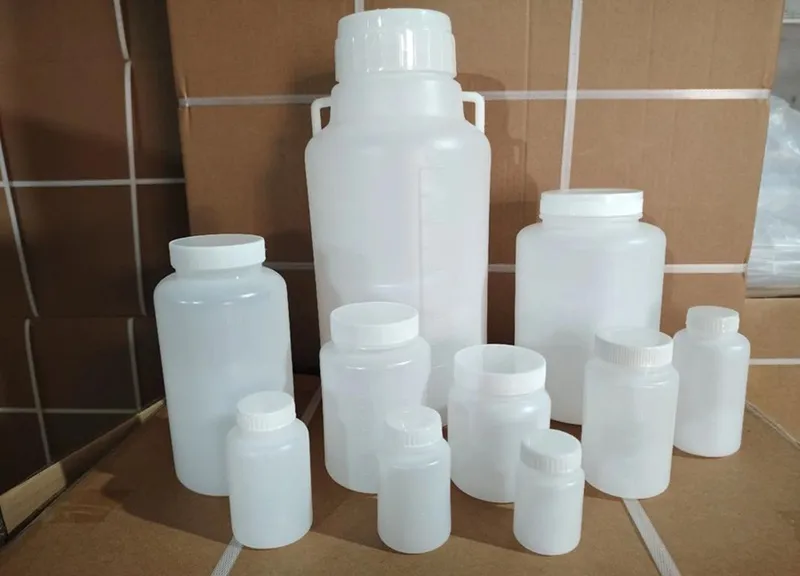
Key Characteristics of HDPE (High-Density Polyethylene)
- High Strength & Durability: Strong and impact-resistant, not easy to crack or break
- Excellent Chemical Resistance: Resistant to acids, alkalis, oils, and most chemicals
- Lightweight: Easy to transport and cost-efficient
- Moisture Resistance: Does not absorb water, ideal for liquid packaging
- Opaque Appearance: Naturally milky or non-transparent
- Temperature Resistance: Performs well under normal temperature conditions
Is HDPE Toxic to Humans?
No, HDPE is non-toxic and safe for human use.
- Widely used in food and cosmetic packaging
- BPA-free and does not release harmful chemicals under normal use
- Approved for direct contact with food and personal care products
- Stable material that does not easily react with contents
👉 However, like most plastics, it should not be exposed to extremely high temperatures or open flames, as this may cause degradation.
Main Uses of HDPE
1. Cosmetic & Personal Care
- Shampoo bottles
- Lotion bottles
- Facial cleansers
- Body wash containers
2. Food & Beverage
- Milk bottles
- Juice containers
- Food storage packaging
3. Household & Industrial
- Detergent bottles
- Cleaning product containers
- Chemical storage drums
4. Medical & Pharmaceutical
- Medicine bottles
- Healthcare containers
HDPE is a safe, durable, and versatile plastic material widely used across industries. Its combination of non-toxicity, chemical resistance, and cost efficiency makes it an ideal choice for cosmetic packaging and everyday products.
Key Uses & Application Scenarios
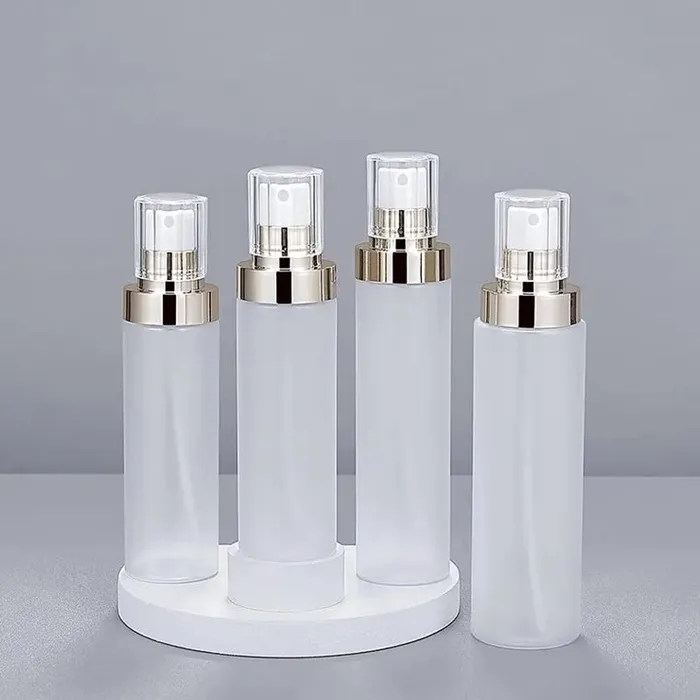
1. Cosmetic & Personal Care Packaging
- Shampoo bottles
- Lotion and body wash bottles
- Facial cleansers
- Toners (non-transparent packaging)
2. Household & Industrial
- Detergent bottles
- Cleaning chemical containers
- Lubricant packaging
3. Food & Pharmaceutical
- Milk bottles
- Food containers
- Medical-grade packaging
Why HDPE is Popular in Cosmetic Bottles
- Strong & Durable: Resistant to impact and deformation
- Chemical Resistance: Suitable for active skincare formulas
- Lightweight: Reduces shipping costs
- Opaque Protection: Shields light-sensitive products
- Cost-Effective: Ideal for mass production
Advantages of HDPE
- Excellent chemical and moisture resistance
- High impact strength (won’t crack easily)
- Good temperature tolerance
- Non-toxic and safe for cosmetic use
- Affordable for large-scale production
Disadvantages of HDPE
- Not naturally transparent (milky/opaque appearance)
- Limited premium feel compared to glass or acrylic
- Surface printing can require special treatment
- Less rigid than some engineering plastics
HDPE in Cosmetic Packaging
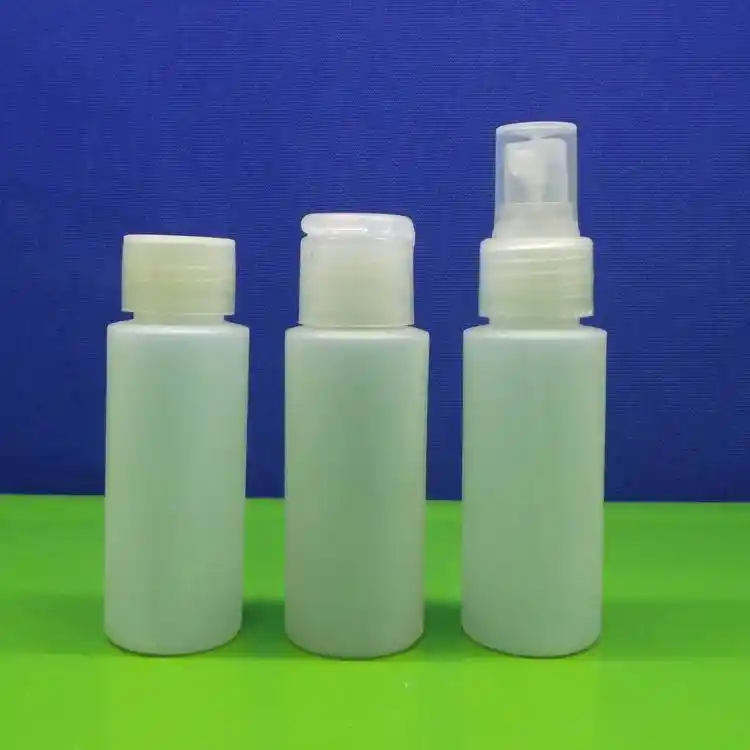
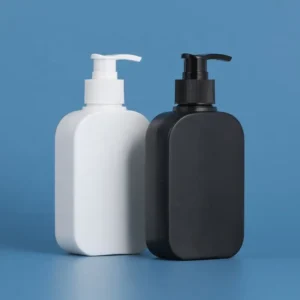
HDPE is widely used for mid-range to mass-market cosmetic packaging, especially for products that require durability and chemical stability.
Typical applications include:
- Daily-use products (shampoo, body wash)
- Functional skincare (cleansers, lotions)
- Travel-size bottles due to its toughness
HDPE vs PE (LDPE) – What’s the Difference?
| Feature | HDPE | LDPE (PE) |
|---|---|---|
| Density | High | Low |
| Texture | Hard, rigid | Soft, flexible |
| Appearance | Opaque | Semi-transparent |
| Durability | Strong, impact-resistant | Squeezable but less strong |
| Use | Bottles, containers | Tubes, squeeze bottles |
| Cost | Slightly higher | Slightly lower |
Which is Better?
- HDPE: Better for durability, structure, and long-term storage
- LDPE (PE): Better for flexibility and squeeze applications
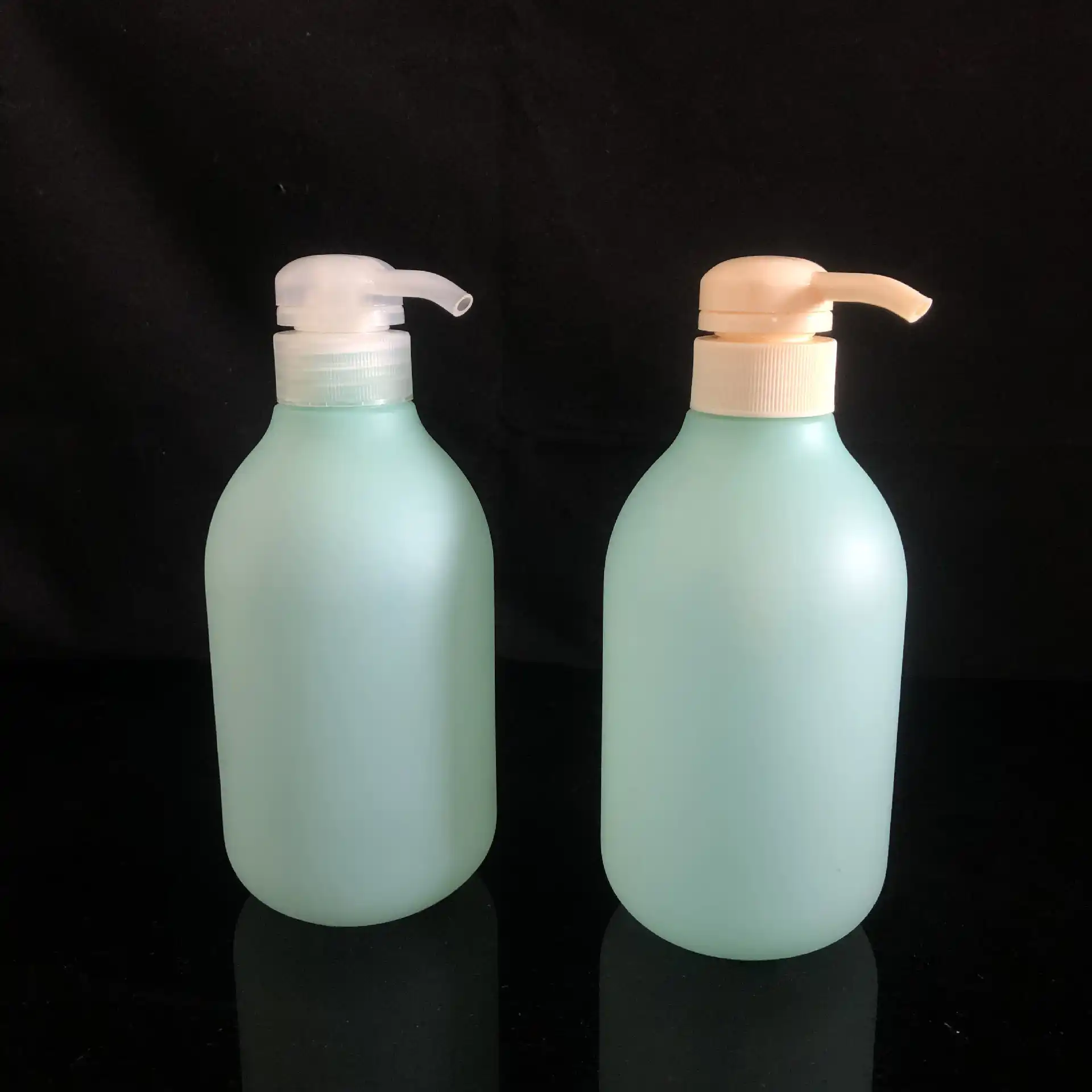
👉 In cosmetic bottles, HDPE is generally the better choice for structure and protection, while LDPE is preferred for tubes and soft packaging.
Cost & Application Range
- HDPE Cost: Medium-low (very cost-effective in bulk)
- LDPE Cost: Slightly lower but limited in structure
HDPE is ideal for:
- Large-volume products
- Export packaging
- Durable containers
Safety, Environmental Impact & Recycling
Safety
- Food-grade and cosmetic-safe
- Non-toxic, BPA-free
- Suitable for sensitive formulations
Environmental Benefits
- 100% recyclable
- Recyclable code: #2 plastic
- Can be reused in secondary products (pipes, containers, etc.)
Sustainability
- Increasing use of PCR (Post-Consumer Recycled) HDPE
- Lower environmental impact compared to many plastics
Main Production Regions
HDPE manufacturing and processing are concentrated in:
- China: Largest global supplier with full packaging supply chain
- USA & Europe: High-quality, regulatory-focused production
- Southeast Asia: Growing manufacturing hub
In China, major clusters include:
- Zhejiang (Yuyao, Taizhou), For example, Hangzhou Boyu Packaging
- Guangdong (Guangzhou, Shenzhen)
- Jiangsu
FAQ (Product Q&A)
Q1: Is HDPE safe for skincare products?
Yes, HDPE is widely approved for cosmetic use and is non-reactive with most formulations.
Q2: Can HDPE bottles be transparent?
Not fully. They are usually natural milky or opaque, but can be colored.
Q3: Can HDPE be customized?
Yes, including:
- Color matching
- Matte or glossy finish
- Silk screen or labeling
Q4: Is HDPE eco-friendly?
Yes, it is one of the most recyclable plastics and supports sustainable packaging trends.
Q5: How long do HDPE bottles last?
They are highly durable and can maintain performance throughout the product lifecycle without degradation.
Conclusion
HDPE is a reliable, cost-effective, and safe material widely used in cosmetic packaging. It offers the perfect balance of durability, chemical resistance, and sustainability, making it an excellent choice for brands looking to scale production while maintaining quality.
 English
  Español de Argentina
  Русский
  Italiano
  日本語
日本語  한국어
한국어  العربية
  Français
  Deutsch