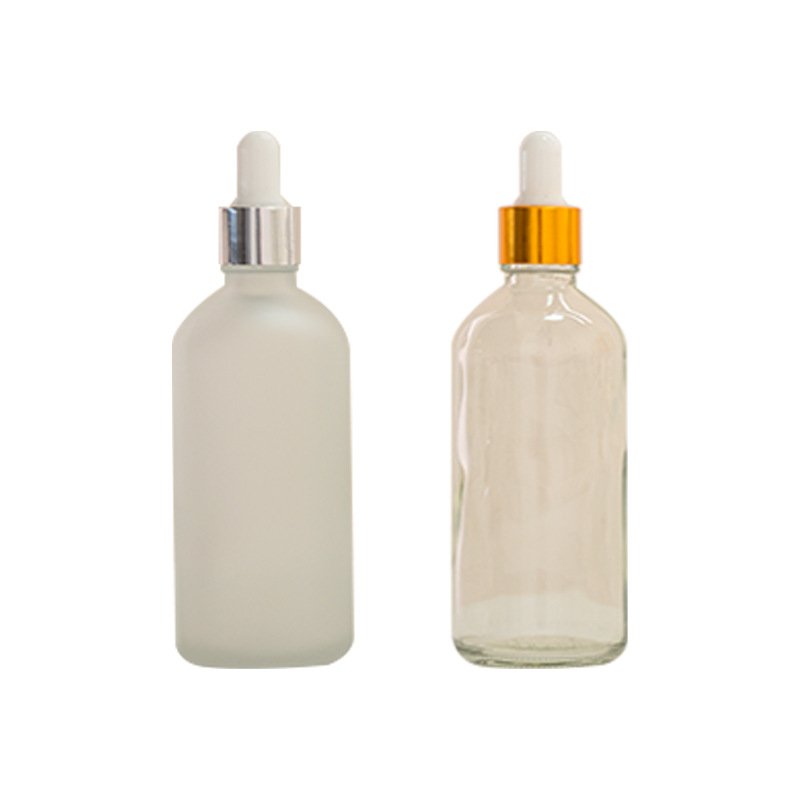
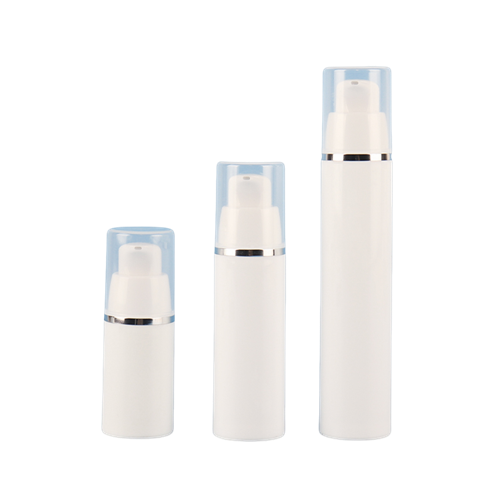
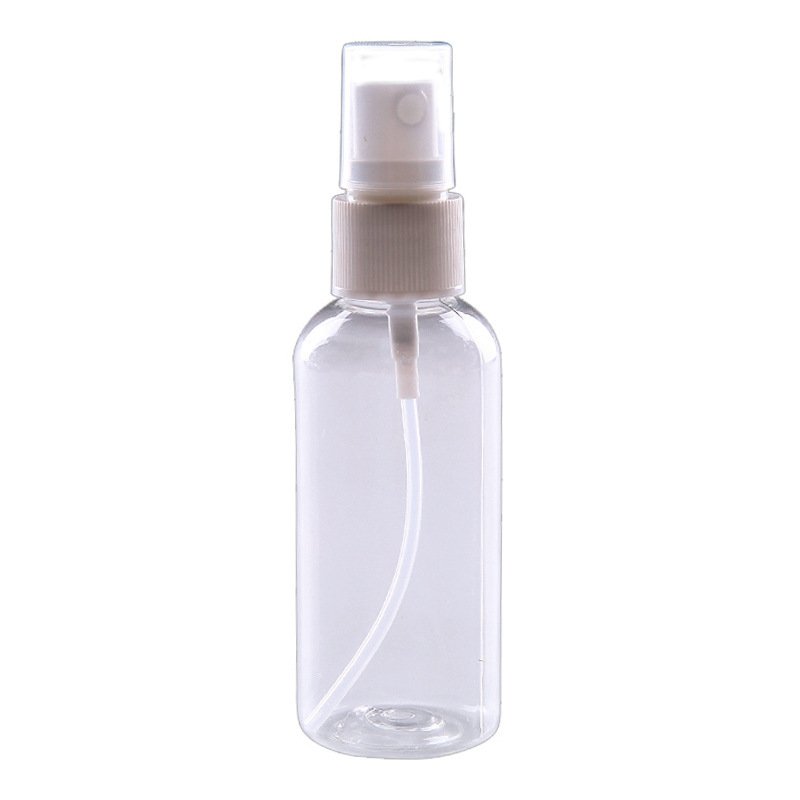
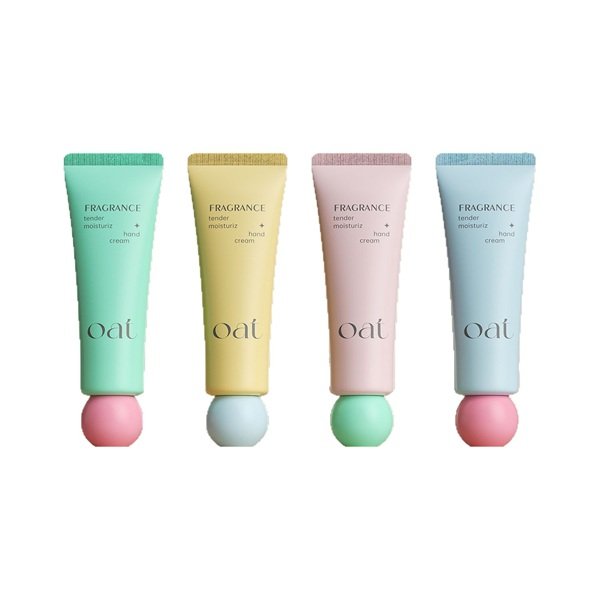
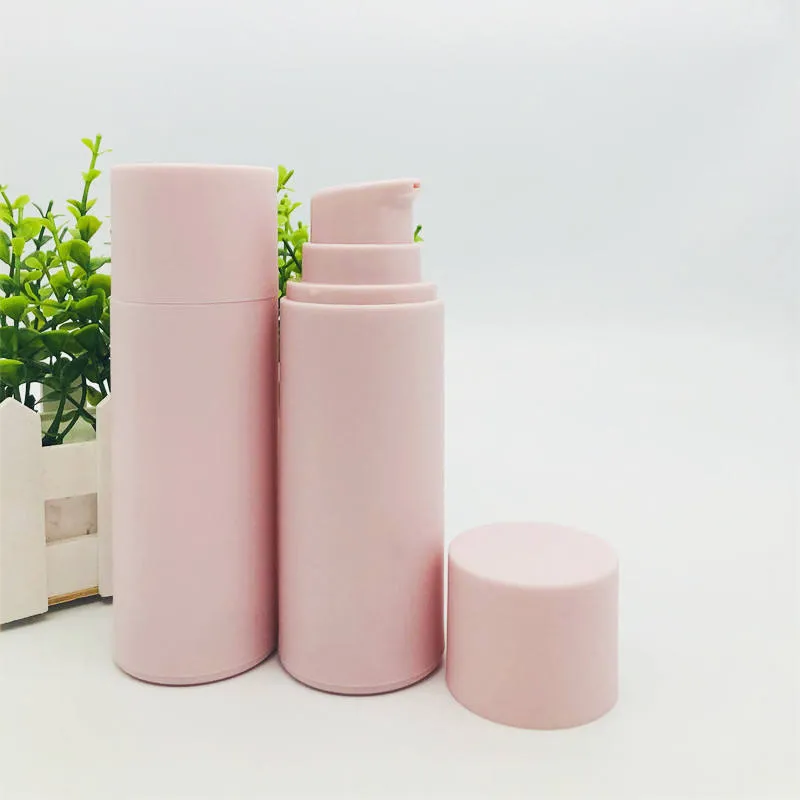
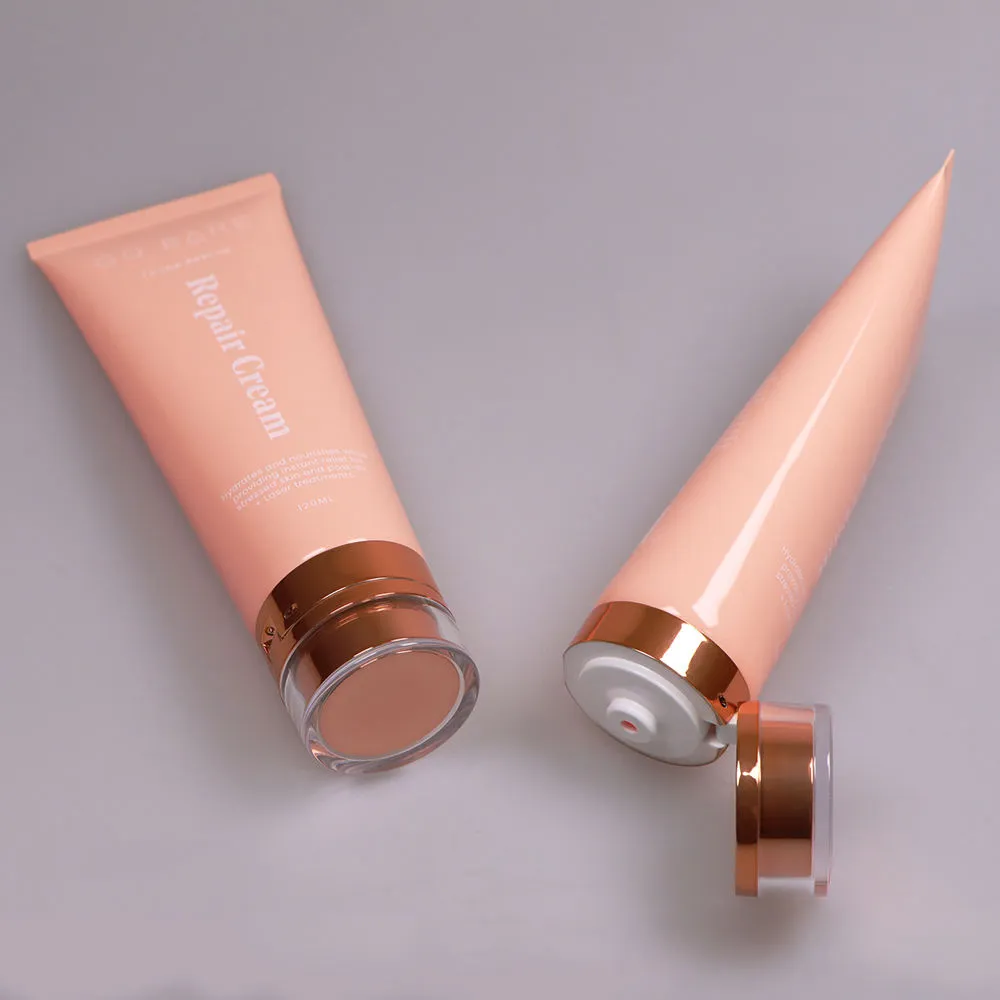
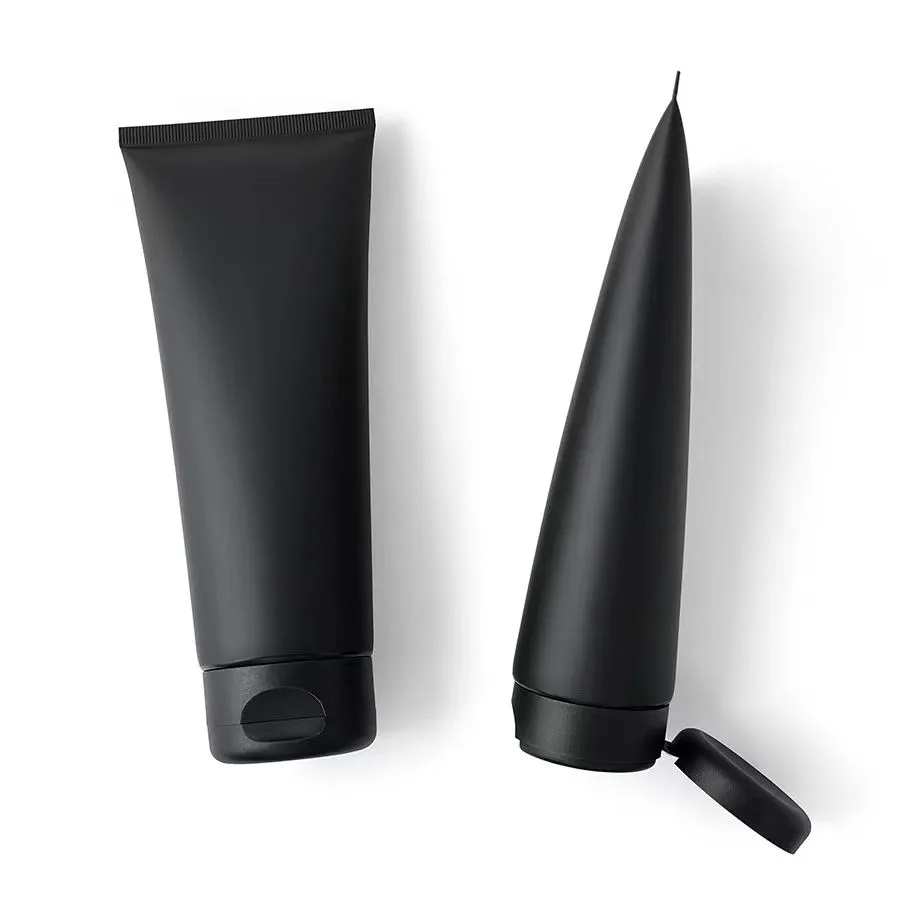
Common Causes of Cosmetic Bottle Leakage: Causes, Solutions & Prevention Guide
Cosmetic bottle leakage is one of the most common packaging problems faced by skincare, perfume and personal care brands. A small leak can damage product quality, increase transportation losses and affect customer experience.
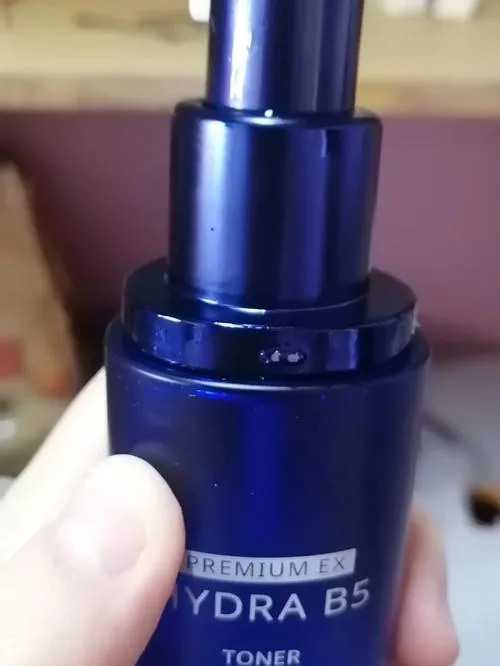
Many people think leakage is only caused by the bottle material, but in reality, the bottle, cap, pump, sealing structure, production process and formula compatibility all work together.
This guide explains why cosmetic bottles leak, how manufacturers control leakage during production, whether material selection matters, and how brands can avoid packaging problems before mass production.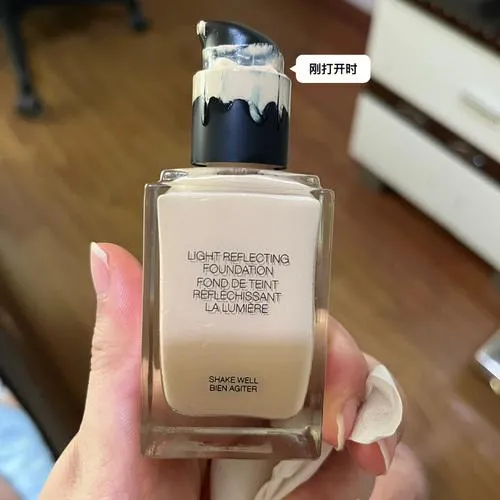 Why Do Cosmetic Bottles Leak?
A cosmetic package usually consists of multiple components:
- Bottle body
- Cap or pump
- Neck finish
- Inner gasket or liner
- Sealing ring
- Dip tube (for pumps)
- Decoration layer
A leakage problem can happen when any one of these parts does not match correctly.
The most common causes include:
- Poor bottle and cap matching
- Incorrect sealing design
- Production defects
- Material deformation
- Pump structure problems
- Formula incompatibility
- Transportation pressure
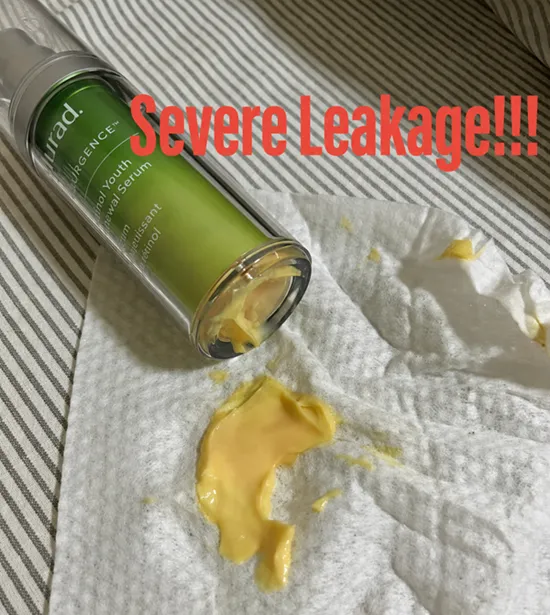
1. Bottle Neck and Cap Size Problems
Cause
The bottle neck and cap must have precise dimensions.
If the neck size is slightly smaller:
- The cap may not close tightly
- The sealing ring cannot fully contact the bottle
If the neck size is too large:
- The cap may become loose
- Product may leak during transportation
Solution
Manufacturers should control:
- Neck diameter
- Thread accuracy
- Cap tolerance
- Sealing surface flatness
Before mass production, the bottle and cap should be tested together.
2. Poor Sealing Structure
A cosmetic package does not rely only on the cap.
The sealing system may include:
- Inner plug
- Silicone gasket
- Rubber ring
- Aluminum foil seal
- Inner cover
If the sealing component is missing or unsuitable, leakage risk increases.
Example
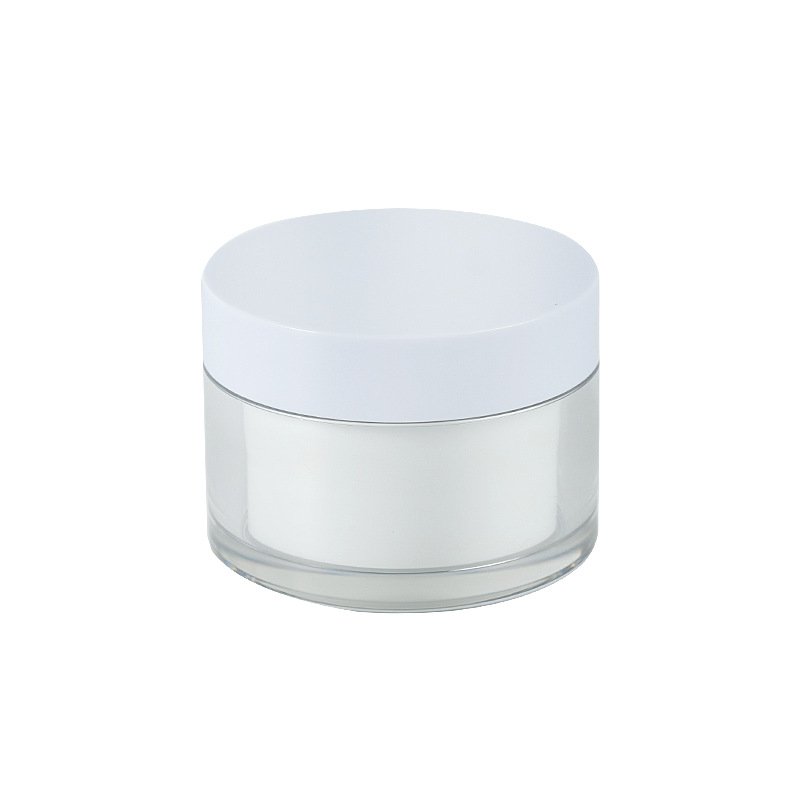
A cream jar with only a screw cap may work for thick creams, but a liquid toner bottle usually requires stronger sealing protection.
3. Material Deformation Problems
Material selection can affect leakage.
Different plastics behave differently during production and transportation.
Common Cosmetic Packaging Materials Comparison
| Material | Advantages | Leakage Risk |
|---|---|---|
| HDPE | Strong, chemical resistant | Low |
| PP | Good heat resistance | Low |
| PET | Clear, attractive | Medium if poorly designed |
| Acrylic | Premium appearance | Medium |
| Glass | Stable and luxury | Low, but fragile |
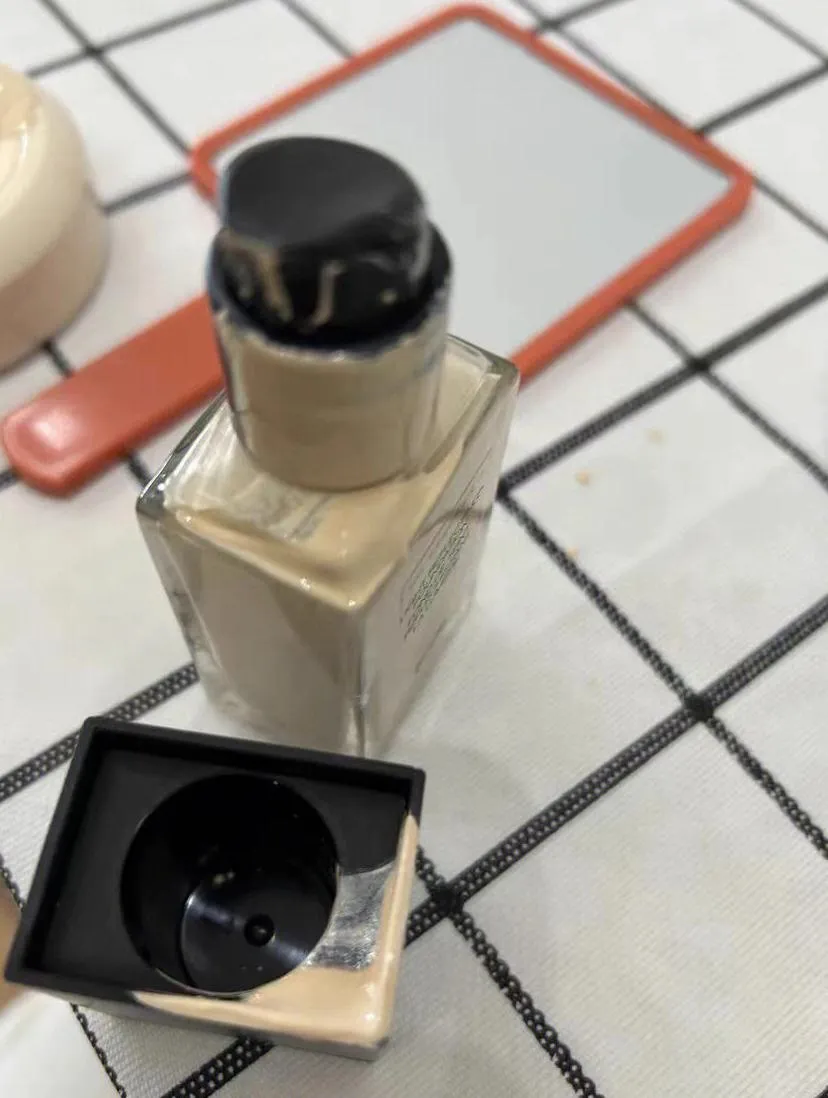
Does Material Cause Leakage?
The answer is: sometimes, but not alone.
For example:
PET Bottle
Advantages:
- Lightweight
- Transparent
- Good appearance
Possible issue:
PET has less flexibility. If the bottle design is too thin or transportation pressure is high, deformation may affect sealing.
HDPE Bottle
Advantages:
- Strong impact resistance
- Good chemical resistance
Suitable for:
- Shampoo
- Lotion
- Shower gel
Advantages:
- Excellent chemical stability
- Premium feeling
Possible issue:
Glass itself does not deform easily, but leakage can happen if:
- Cap fitting is incorrect
- Pump neck is not matched
- Seal is damaged
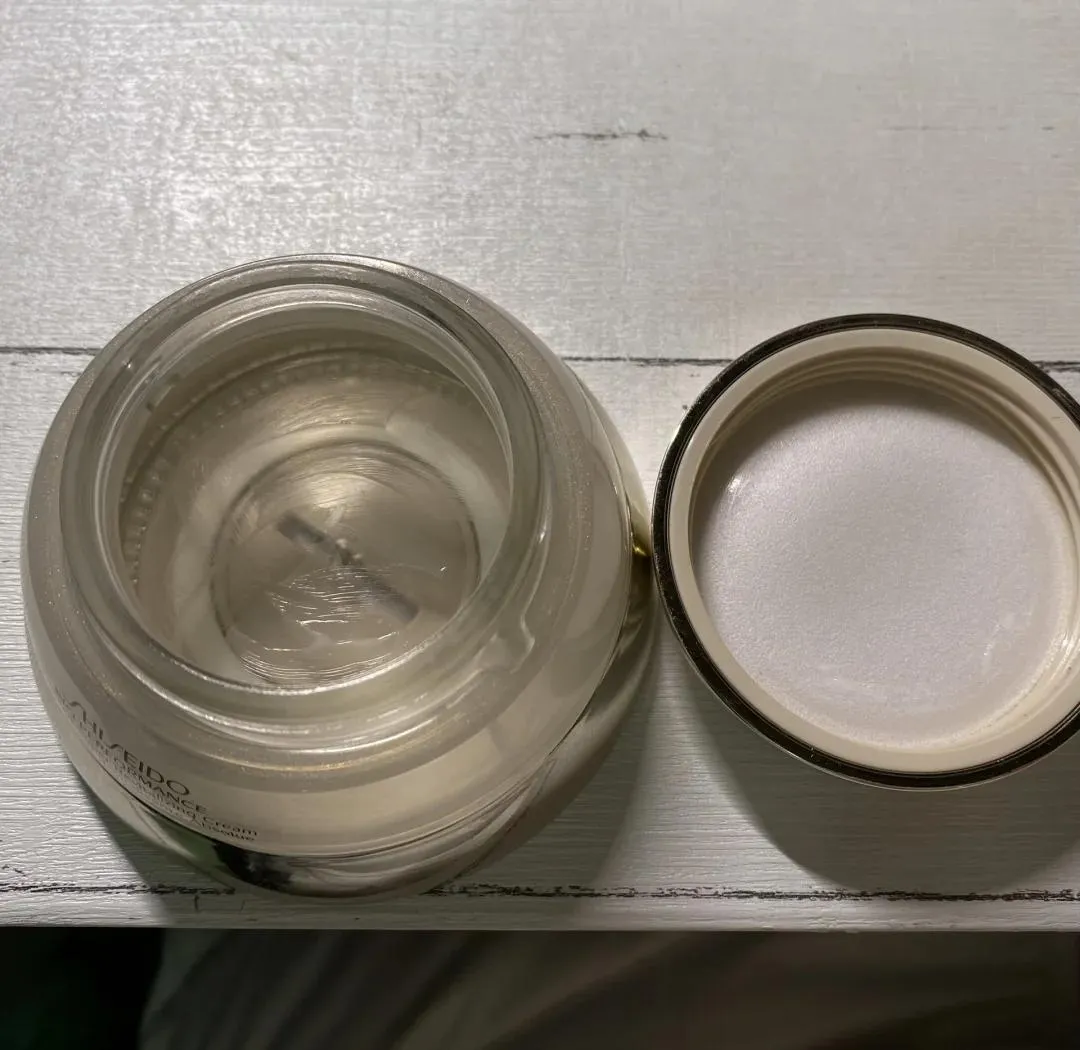
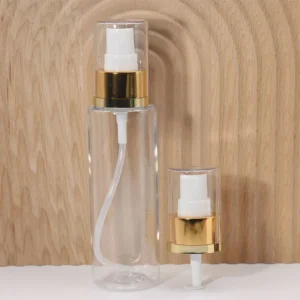
4. Pump Bottle Leakage Problems
Pump bottles are more complicated because they contain multiple parts.
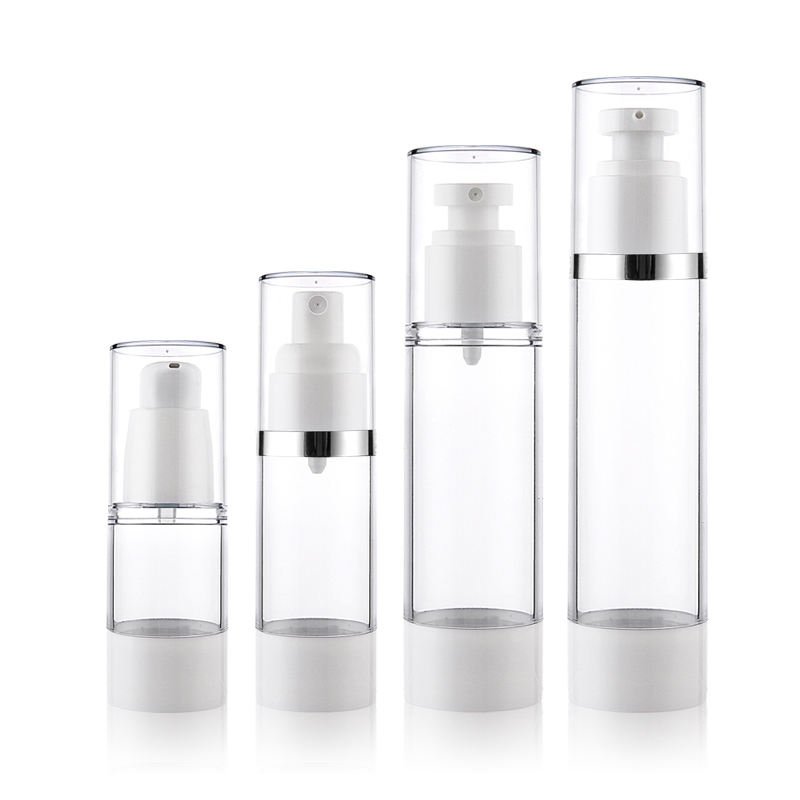
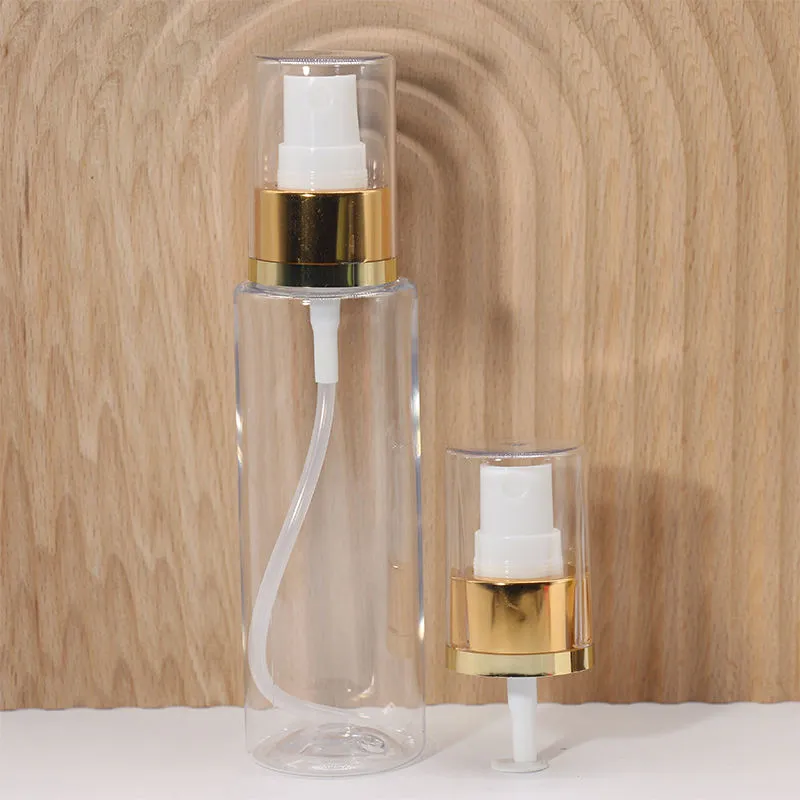
A pump system usually includes:
- Pump head
- Spring
- Valve
- Piston
- Dip tube
- Gasket
Common Pump Leakage Causes
1. Poor Pump Assembly
The pump may not be fully locked into the bottle neck.
2. Wrong Dip Tube Length
If the tube is too short:
- Product cannot be pumped completely
If too long:
- It may bend and affect pumping
3. Damaged Valve
A defective valve can cause:
- Product backflow
- Air entering the bottle
- Leakage
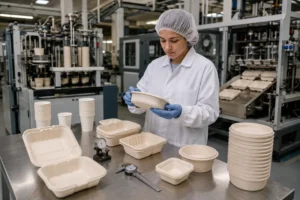
5. Production Process Problems
Leakage is often related to manufacturing control.
A professional factory should check:
Injection Molding
Problems:
- Uneven thickness
- Deformation
- Weak areas
Solution:
- Adjust mold temperature
- Control material flow
- Inspect bottle weight
Blow Molding
Common issues:
- Uneven bottle wall
- Thin bottle shoulder
- Bottle deformation
Solution:
- Control air pressure
- Adjust mold parameters
Assembly Process
Problems:
- Cap not tightened correctly
- Pump not installed properly
- Missing gasket
Solution:
- Automatic assembly control
- Manual inspection
- Leakage testing
6. Formula Compatibility Issues
Sometimes the packaging is not defective.
The cosmetic formula itself may affect packaging.
Examples:
Essential Oil Products
Some oils may affect certain plastics.
Recommended:
- Glass
- HDPE
Alcohol-Based Perfume
Recommended:
- Glass bottle
- Aluminum pump components with proper protection
Strong Active Skincare
Examples:
- Vitamin C
- Acid formulas
- Retinol products
Need compatibility testing before production.
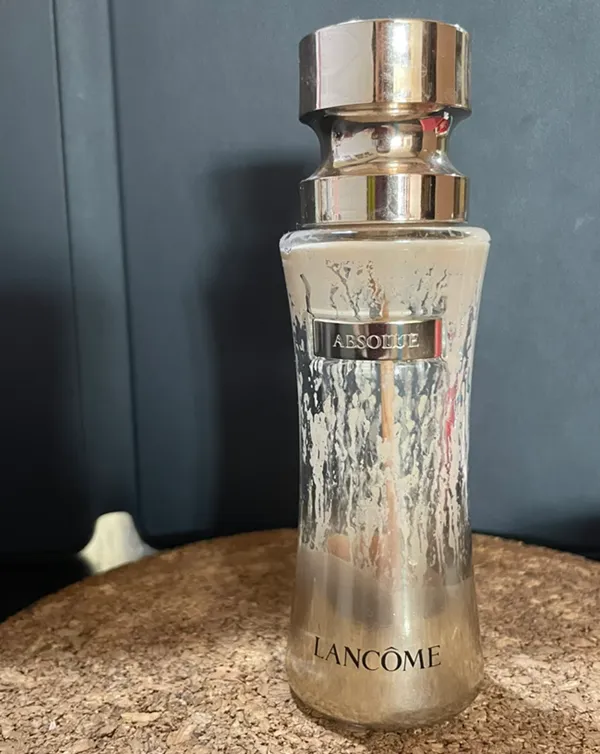
7. Transportation Causes Leakage
Even a good bottle can leak if transportation conditions are extreme.
Common causes:
- High temperature
- Air pressure changes
- Strong vibration
- Over-packed cartons
Prevention
Factories should conduct:
- Drop test
- Vibration test
- Pressure test
- Temperature test
How Do Cosmetic Factories Prevent Leakage?
A professional packaging supplier usually follows this process:
Step 1: Design Confirmation
Check:
- Bottle structure
- Neck size
- Cap system
- Formula type
Step 2: Sample Testing
Test:
- Filling
- Closing
- Opening
- Leakage
- Storage
Step 3: Mass Production Inspection
Quality control includes:
| Test | Purpose |
|---|---|
| Leakage Test | Check sealing performance |
| Pressure Test | Check deformation resistance |
| Pump Test | Check dispensing function |
| Appearance Test | Check defects |
| Compatibility Test | Check formula reaction |
How Long Should Cosmetic Packaging Be Tested?
Recommended testing:
- Immediate leakage test
- 24-hour inverted test
- Transportation simulation
- Long-term storage test
For sensitive formulas, longer compatibility testing is recommended.
How Brands Can Avoid Leakage Problems
Before placing a large order:
1. Provide the Real Formula
The factory needs to know:
- Liquid viscosity
- Alcohol content
- Oil content
- pH value
2. Test the Final Packaging
Do not test only the bottle.
Test:
Bottle + Cap + Pump + Formula
as a complete system.
3. Choose the Correct Material
Examples:
| Product | Recommended Material |
|---|---|
| Perfume | Glass |
| Essential Oil | Glass / HDPE |
| Shampoo | HDPE / PET |
| Cream | Glass / PP / Acrylic |
| Serum | Glass / Airless Pump |
Frequently Asked Questions
Q1: Why does my cosmetic bottle leak after shipping?
Possible reasons:
- Cap became loose
- Pump was damaged
- Temperature changed
- Bottle was not sealed properly
Transportation testing should be completed before shipment.
Q2: Is plastic or glass better to prevent leakage?
Neither material automatically prevents leakage.
The sealing structure is usually more important than the material itself.
Q3: Why does my pump bottle leak from the pump?
Possible causes:
- Defective pump valve
- Poor pump assembly
- Wrong pump matching
- Formula too thin
Q4: Can changing the bottle material solve leakage?
Sometimes, but not always.
If the real problem is the cap or sealing system, changing material will not solve it.
Q5: How can factories test cosmetic bottle leakage?
Common methods:
- Water filling test
- Vacuum test
- Pressure test
- Inverted storage test
- Transportation simulation
Q6: What packaging is best for expensive skincare products?
Premium skincare brands often choose:
- Glass cream jars
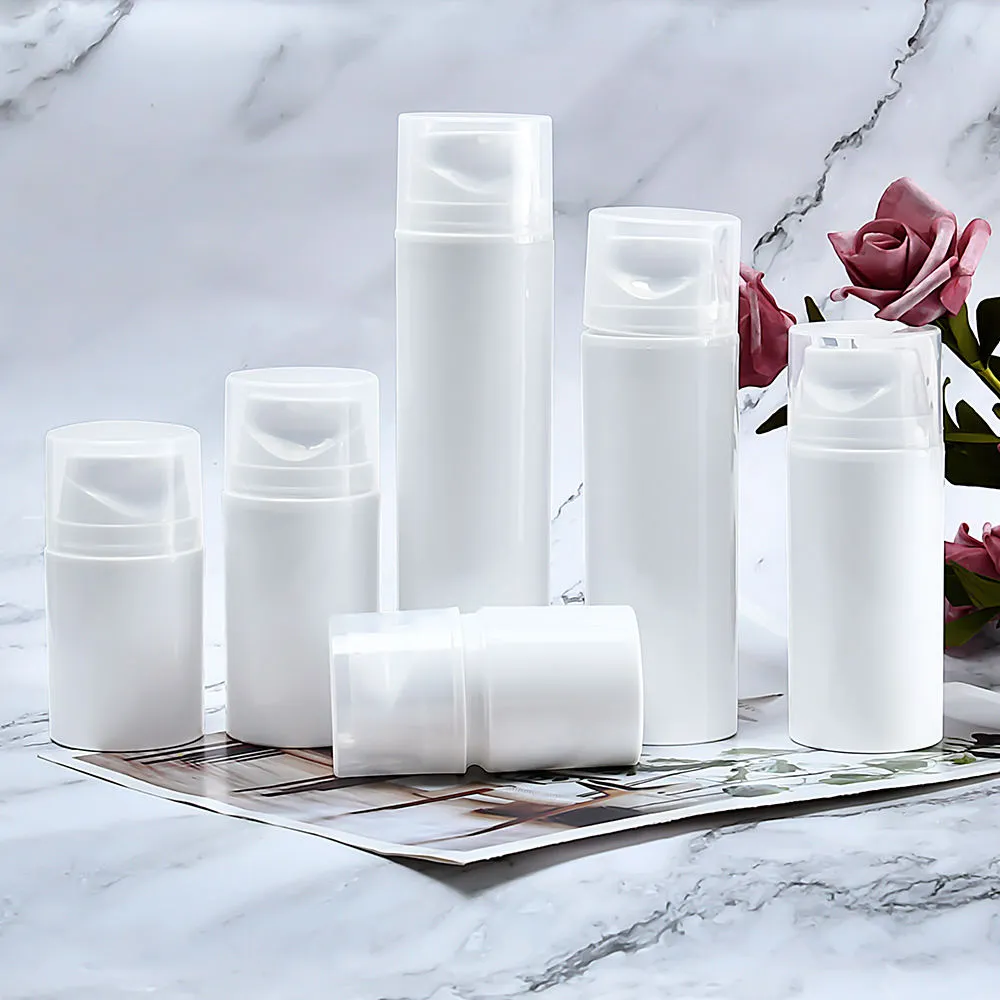
- Airless pump bottles
- High-quality dispensing systems
because they provide better protection and user experience.
Final Conclusion
Cosmetic bottle leakage is not caused by one single factor. It is usually the result of the interaction between:
Material + Bottle Design + Cap Structure + Production Process + Formula Compatibility + Transportation
A reliable cosmetic packaging supplier should not only provide a beautiful bottle but also help brands test the complete packaging system before mass production.
Choosing the correct structure at the beginning can prevent costly problems after production and shipment.
 English
  Español de Argentina
  Русский
  Italiano
  日本語
日本語  한국어
한국어  العربية
  Français
  Deutsch