Oz to mL
Use US or Imperial fluid ounces for bottle capacity and liquid fill volume.
Convert oz to mL, grams, pounds, liters, kilograms, gallons, and estimated sprays—without mixing up volume and weight.
Choose a target unit. The calculator automatically applies a fluid-ounce formula for volume or a weight-ounce formula for mass.
US volume conversion: 1 US fl oz = 29.5735295625 mL.
Use US or Imperial fluid ounces for bottle capacity and liquid fill volume.
Convert avoirdupois ounces to grams for product or component weight.
Sixteen weight ounces equal one pound. “lb” and “pounds” are the same unit.
Convert fluid ounces to liters for bulk fill planning and larger containers.
“L” is the standard unit symbol for liters; this shortcut uses the same formula.
Useful for cartons, components, finished products, and freight documents.
A plain-language shortcut for the oz-to-lb calculation used in the US.
Convert to US or Imperial gallons; the two gallon sizes are not interchangeable.
Atomizer output varies. A practical estimate is often around 0.08–0.12 mL per actuation, but the correct value for packaging development is the measured output of the actual pump, formula, and bottle combination.
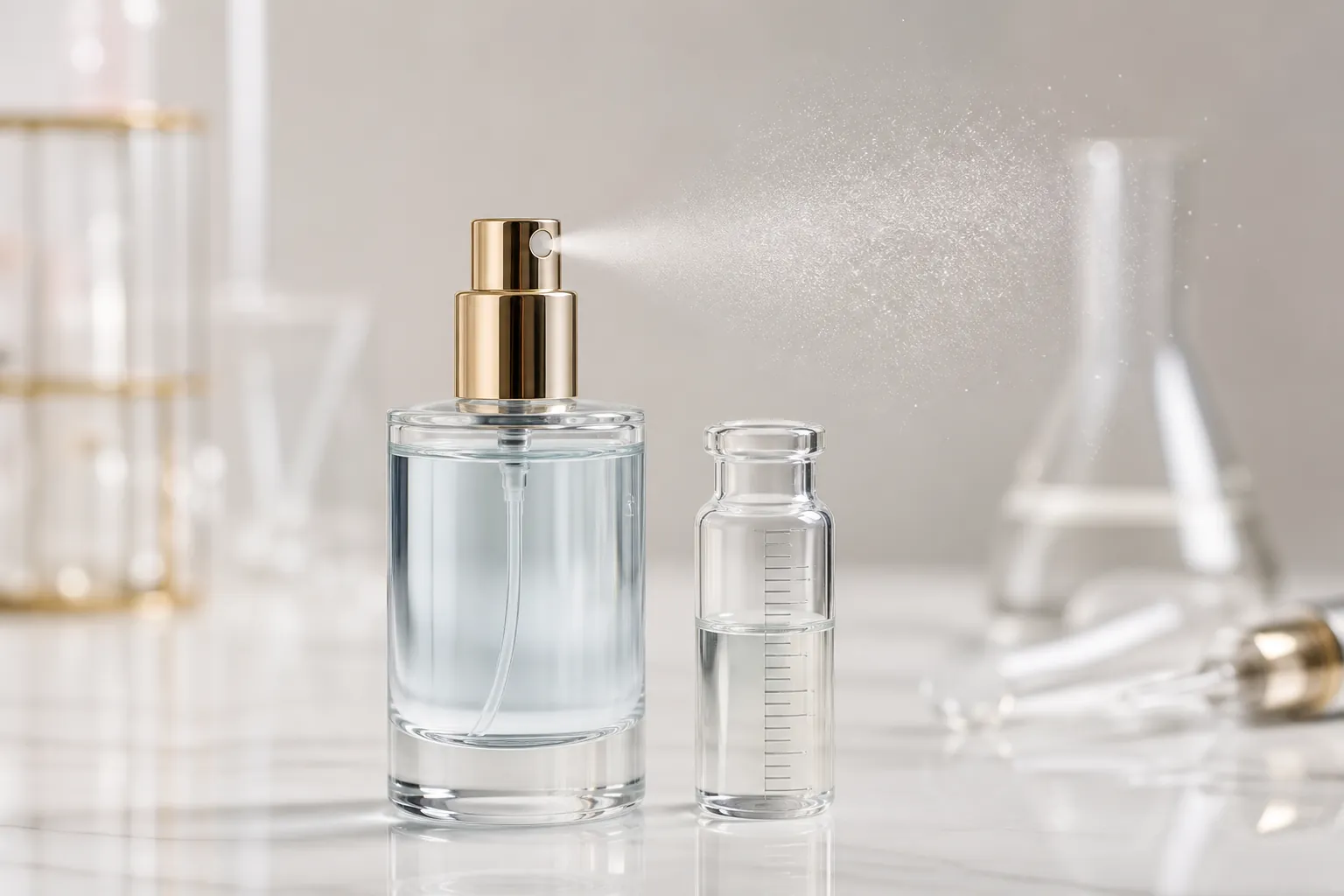
Estimate only. Priming strokes, incomplete actuation, viscosity, leakage, and residual product can change usable spray count.
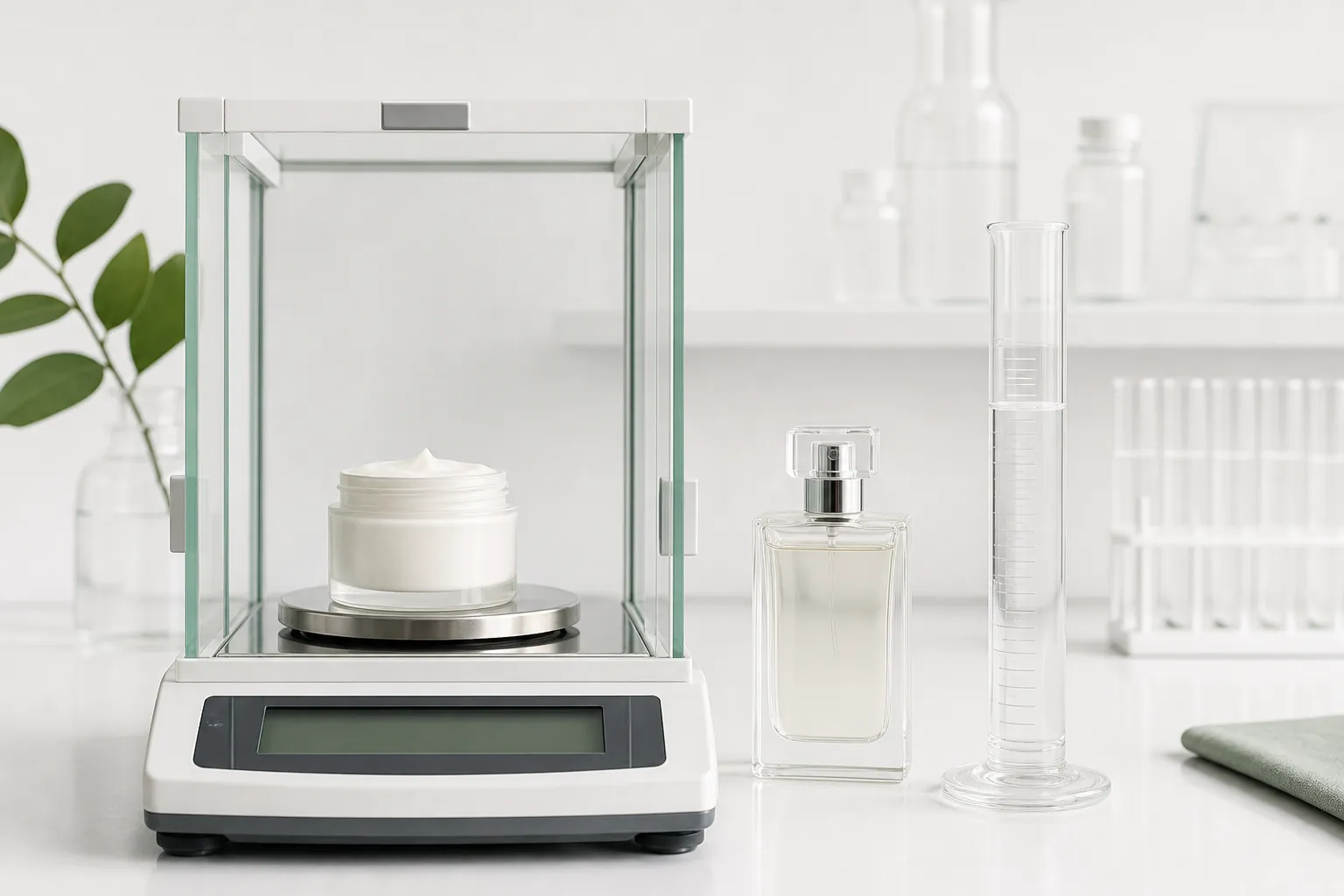
An ounce can describe volume or mass. Use fluid ounces (fl oz) for bottle capacity and liquid volume. Use weight ounces (oz) for the mass of a bottle, closure, formula, or packed carton.
mL = US fl oz × 29.5735295625
Example: 3.4 US fl oz ≈ 100.55 mL.
mL = Imperial fl oz × 28.4130625
Confirm which system appears on the specification or label.
g = oz × 28.349523125
This is a mass conversion—not a liquid-volume conversion.
lb = oz ÷ 16
“lb” and “pounds” refer to the same output unit.
kg = oz × 0.028349523125
Suitable for net, tare, or gross mass calculations.
L = mL ÷ 1,000
First apply the correct US or Imperial fluid-ounce factor.
US gal = US fl oz ÷ 128
There are 128 US fluid ounces in one US gallon.
Imp gal = Imp fl oz ÷ 160
There are 160 Imperial fluid ounces in one Imperial gallon.
| US fl oz | mL (exact calculation) | Common nominal pack size | Typical packaging context |
|---|---|---|---|
| 0.17 fl oz | 5.03 mL | 5 mL | Sample vial or mini treatment |
| 0.34 fl oz | 10.06 mL | 10 mL | Travel perfume or serum |
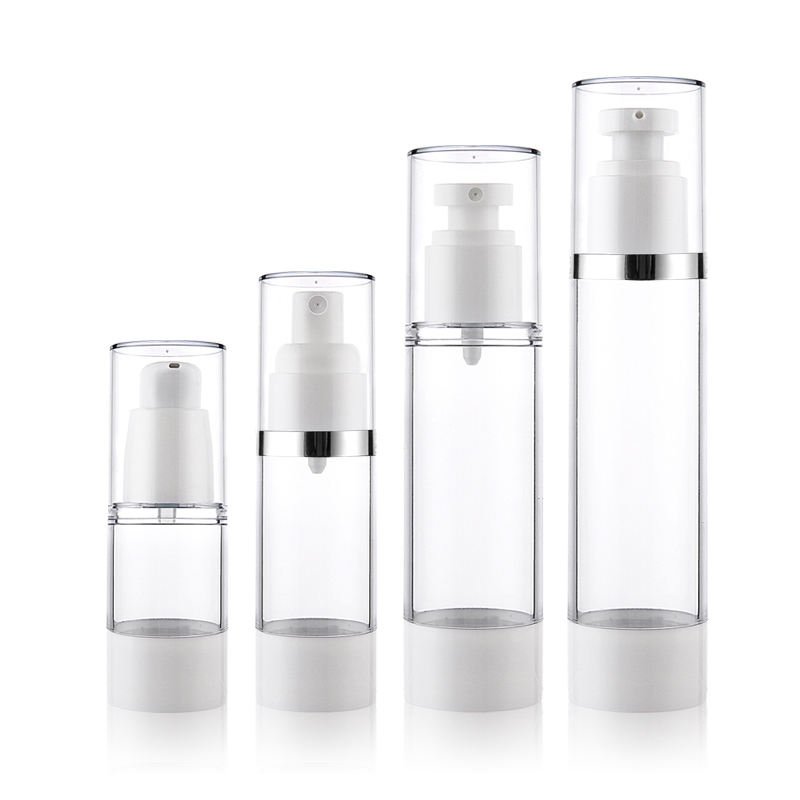
| 0.50 fl oz | 14.79 mL | 15 mL | Eye cream or airless mini |
| 1.00 fl oz | 29.57 mL | 30 mL | Serum, perfume, or facial oil |
| 1.70 fl oz | 50.28 mL | 50 mL | Cream jar or fragrance bottle |
| 3.40 fl oz | 100.55 mL | 100 mL | Perfume, toner, or spray bottle |
| 6.76 fl oz | 199.93 mL | 200 mL | Lotion or skincare bottle |
| 16.91 fl oz | 500.06 mL | 500 mL | Shampoo or body-care pump bottle |
Nominal sizes are commercial packaging conventions and may not equal the mathematical conversion exactly. Confirm brimful capacity, recommended fill level, label claim, and market requirements separately.
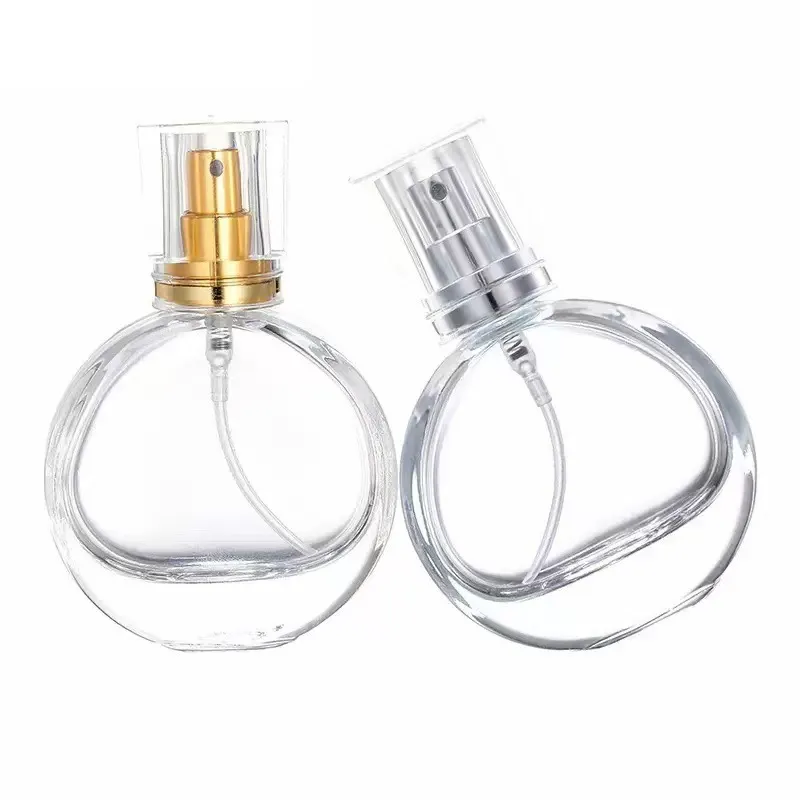
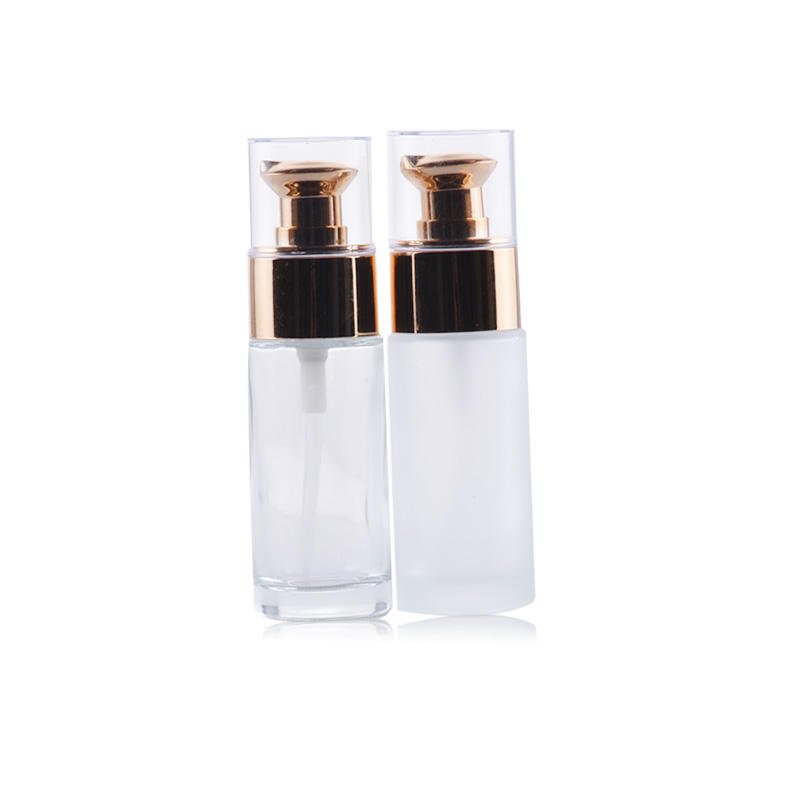
Converters help normalize specifications, but they do not replace physical testing. When developing custom perfume packaging, spray output depends on the pump and formula. For fine mist spray bottles, actuator design and dip-tube fit also affect performance. Material and wall structure matter when selecting plastic cosmetic bottles, while capacity, closure compatibility, and decoration should be reviewed across the full cosmetic packaging range.
No. One US fluid ounce equals 29.5735295625 mL. One Imperial fluid ounce equals 28.4130625 mL. A weight ounce is a unit of mass and cannot be expressed in mL without the material’s density.
It depends on the atomizer. If a pump delivers 0.10 mL per full actuation, 1 mL provides about 10 sprays. Measure actual output by weighing or collecting multiple full strokes, then average the result.
You can convert weight ounces to grams directly. If the source is fluid ounces, you need density: mass in grams = volume in mL × density in g/mL. Density should come from the formula owner or a controlled measurement.
Because packaging sizes are commonly marketed in nominal metric capacities. Mathematically, 3.4 US fl oz is about 100.55 mL, while 100 mL is about 3.381 US fl oz. Labeling decisions should follow the applicable market rules.
No. The unit conversion is unchanged. Glass, PET, HDPE, and PP can affect container weight, wall thickness, usable capacity, product compatibility, and freight—but not the mathematical volume factor.
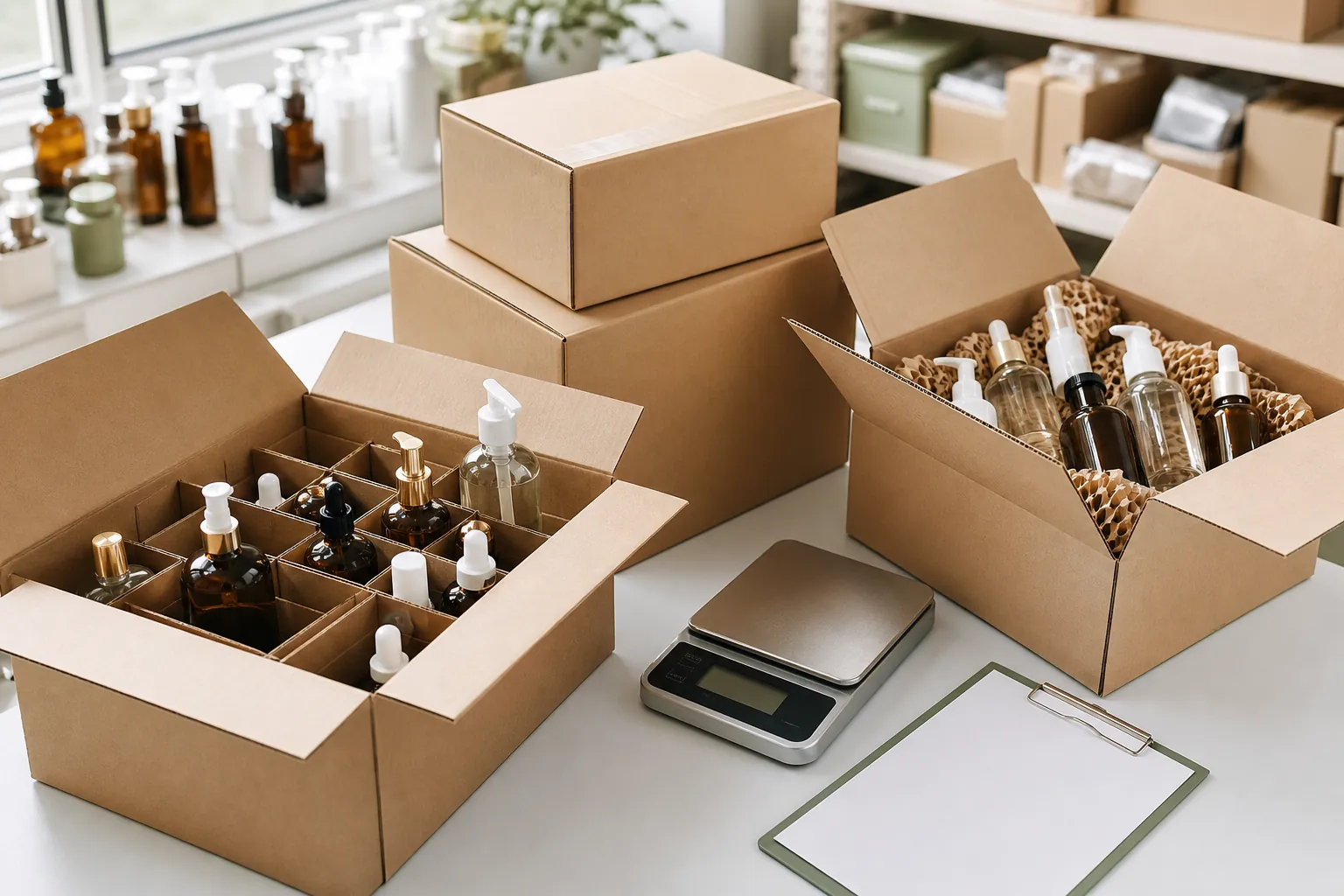
Freight planning normally needs gross packed weight: product, primary packaging, closures, labels, dividers, and cartons together. Net weight describes the contents, while tare weight describes the packaging without product.
Need a bottle, jar, pump, or sprayer matched to a target capacity? Share the intended fill volume, formula type, closure preference, decoration requirements, and destination market. Boyu Packaging can review suitable packaging options and the tests your project may require.
 English English
  Español de Argentina
 Русский
 Italiano
 日本語
日本語
 한국어
한국어
 العربية
 Français
 Deutsch