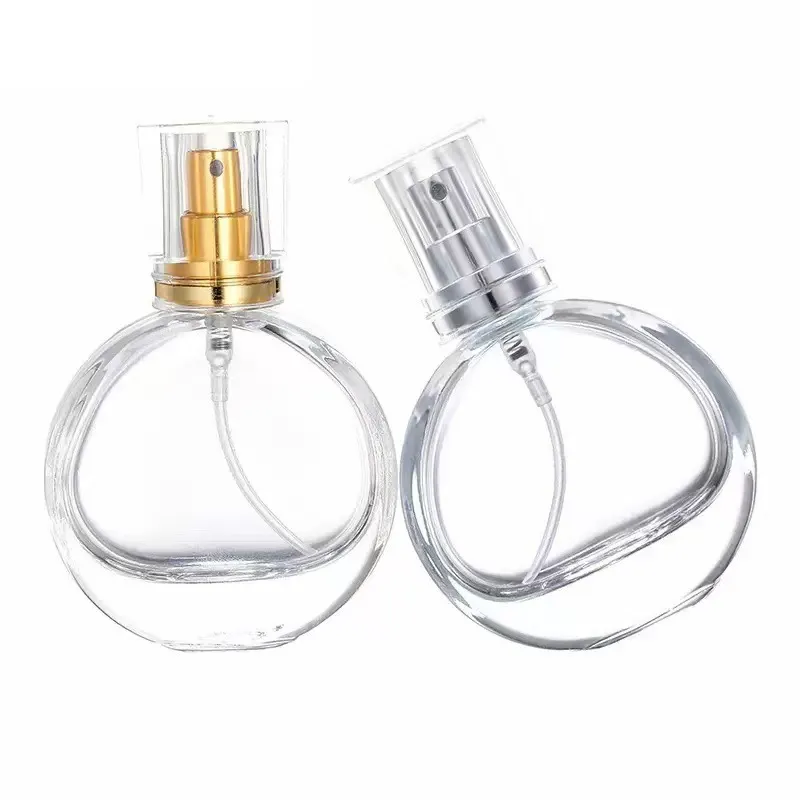
BOYU PACKAGING · CUSTOM FRAGRANCE PACKAGING
China Luxury Perfume Bottle Manufacturer
Custom glass perfume bottles, coordinated pumps and distinctive caps for fragrance brands, importers and private-label collections. Build your pack around the formula, the filling line and the way customers will use it—not appearance alone.
Core capacities: 30ml, 50ml and 100ml for coordinated fragrance collections; other sizes reviewed by mold availability.
Signature customization: Clear, frosted or coated glass, printed logos and coordinated pumps, collars and caps.
Your production starting point: Existing molds or a custom silhouette, with a standard MOQ of 10,000 pieces per design.
A Luxury Bottle Should Work as Well as It Looks
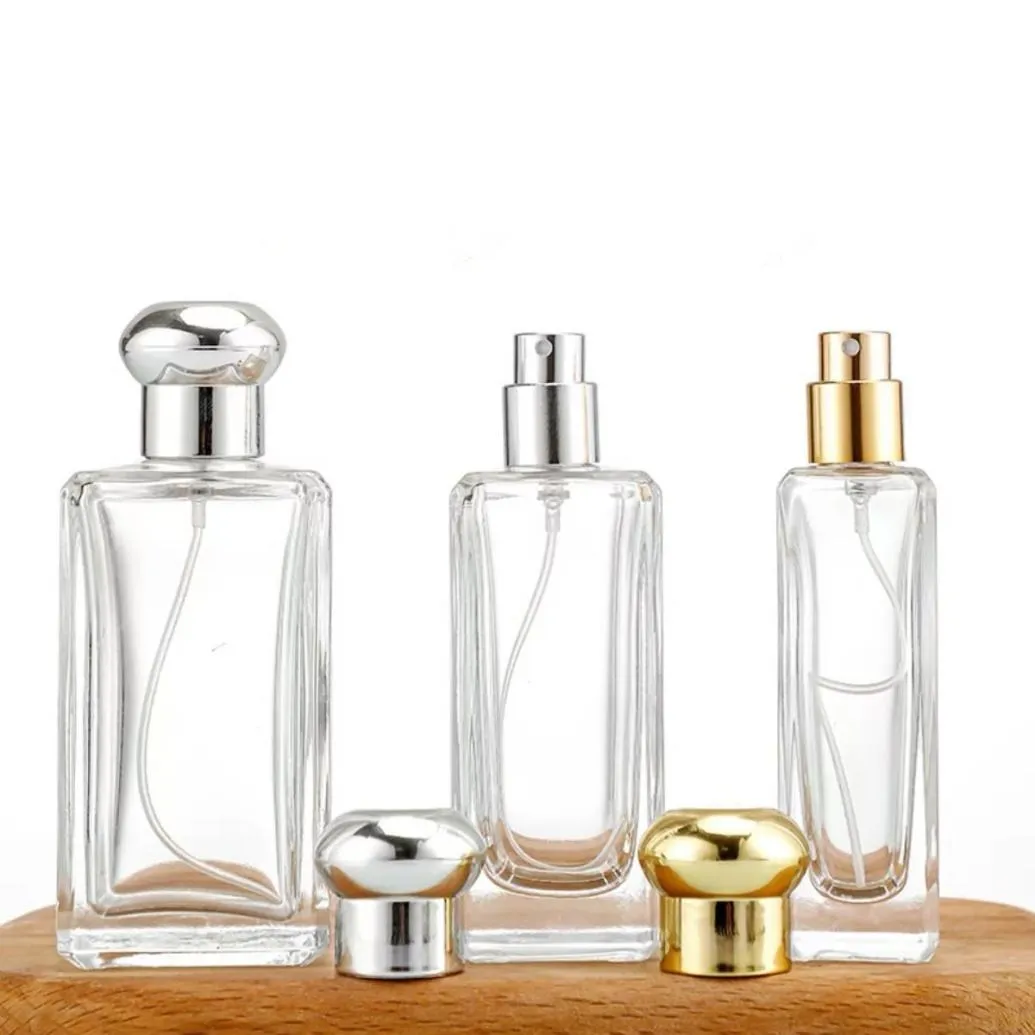
A substantial base, clean glass and a well-fitted cap create the first impression. The next impression comes from the spray: how quickly it primes, how evenly it disperses and whether the pump stays dry after use. A successful perfume package needs both.
Hangzhou Boyu Packaging Co., Ltd. supports custom fragrance packaging projects from component selection through decoration, sampling, quality review and shipment coordination. Send the bottle, pump, collar, cap and presentation-box requirements together. Approving these parts independently can leave expensive fit problems until the filling stage.
30 / 50 / 100ml
Core retail sizes; miniature, 75ml and other formats can be reviewed against available molds.
10,000 per design
Standard project starting quantity. Each size, color and decoration version must be reviewed separately.
Existing or custom mold
Start with an existing bottle for a shorter development route, or engineer a proprietary silhouette.
Latest Glass Perfume Bottle Designs
The latest luxury glass perfume bottles for 2026, crafted to elevate your fragrance brand. View the perfume bottle collection →
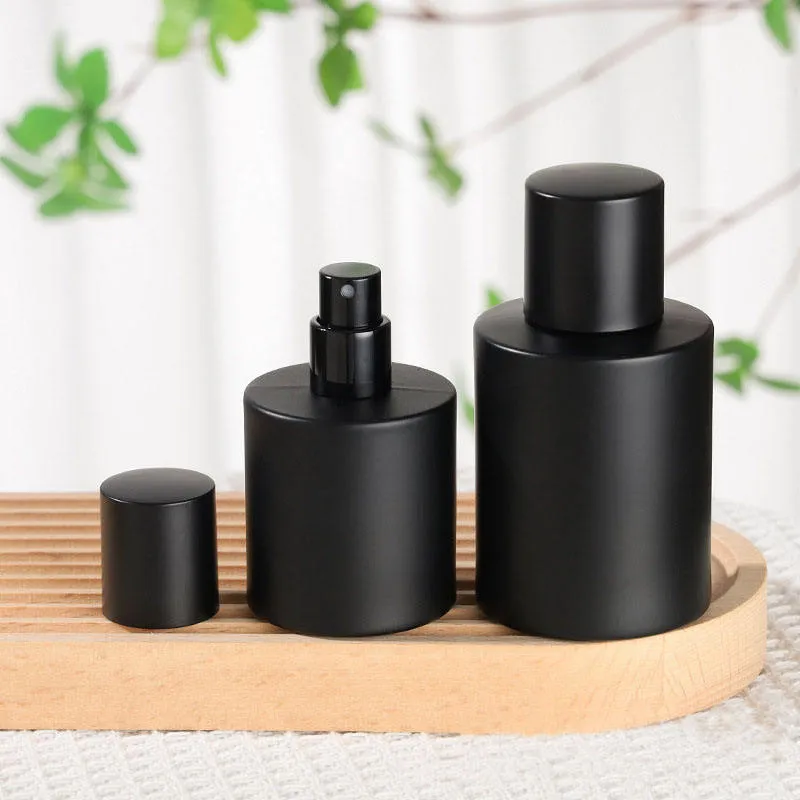 Customize Solid Black Perfume Bottle with Black Cap 30/50ml
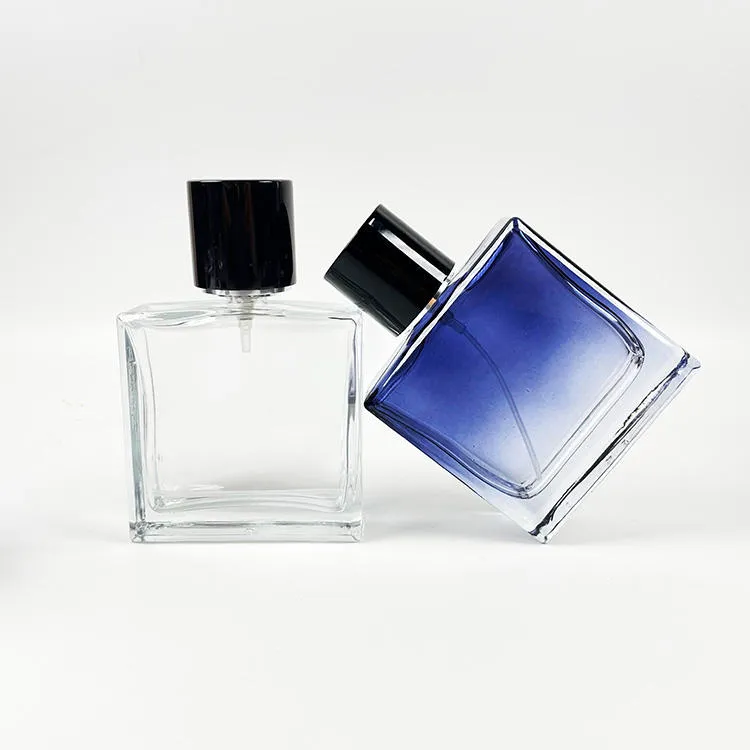 Custom Luxury Empty Flat Square Glass Spray Perfume Bottle 50ml
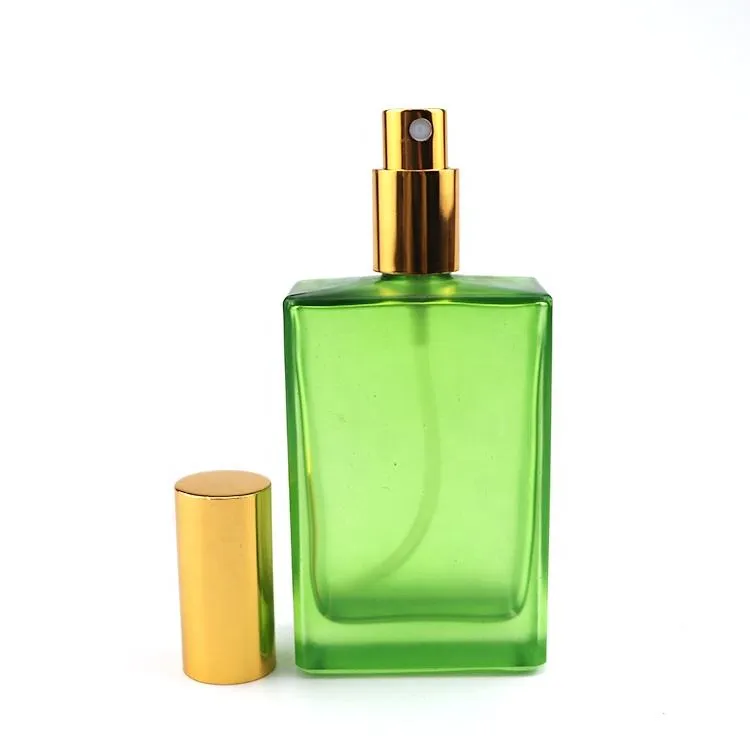 Luxury Square Clear Frosted Glass Perfume Bottle with Gold Pump 50-100ml
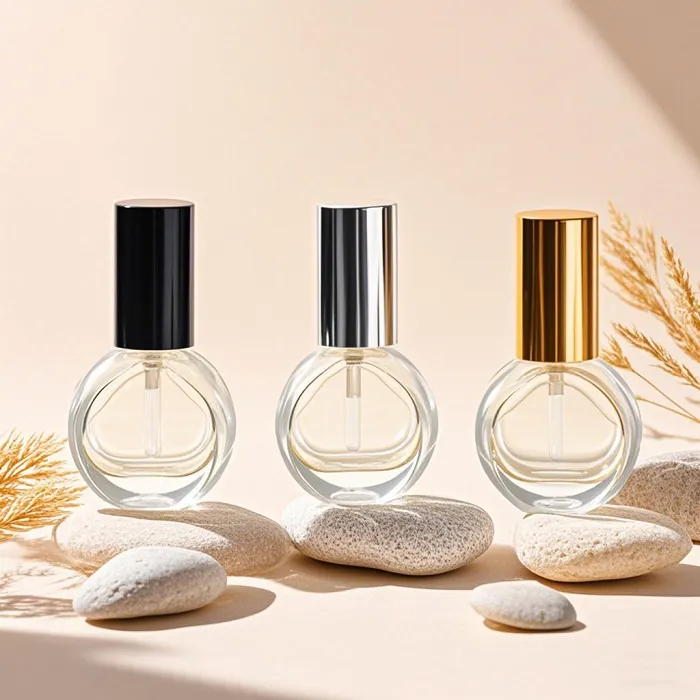 Custom Colors & Logos Round Mini Glass Perfume Bottles with Screw Cap 10/15ml
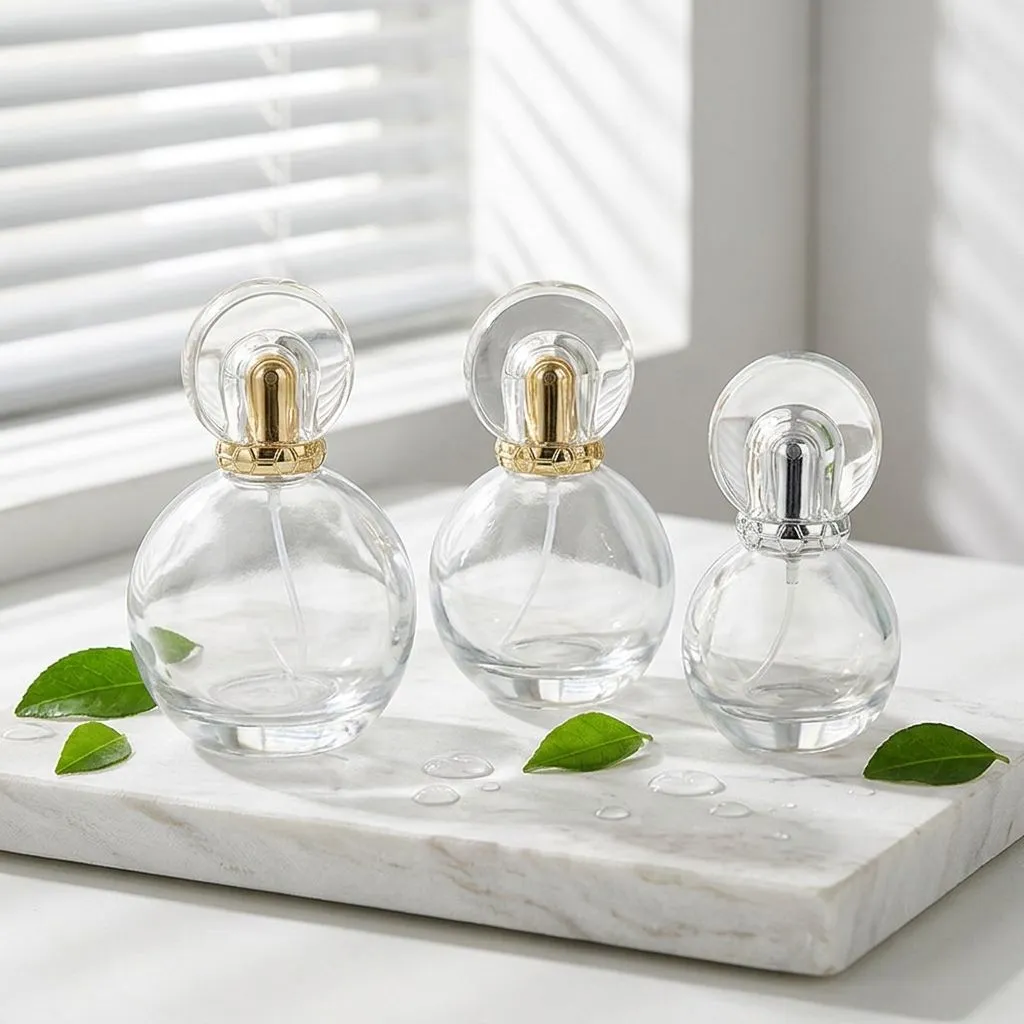 High-end Round Empty Spray Glass Perfume Bottle 30/50/100ml
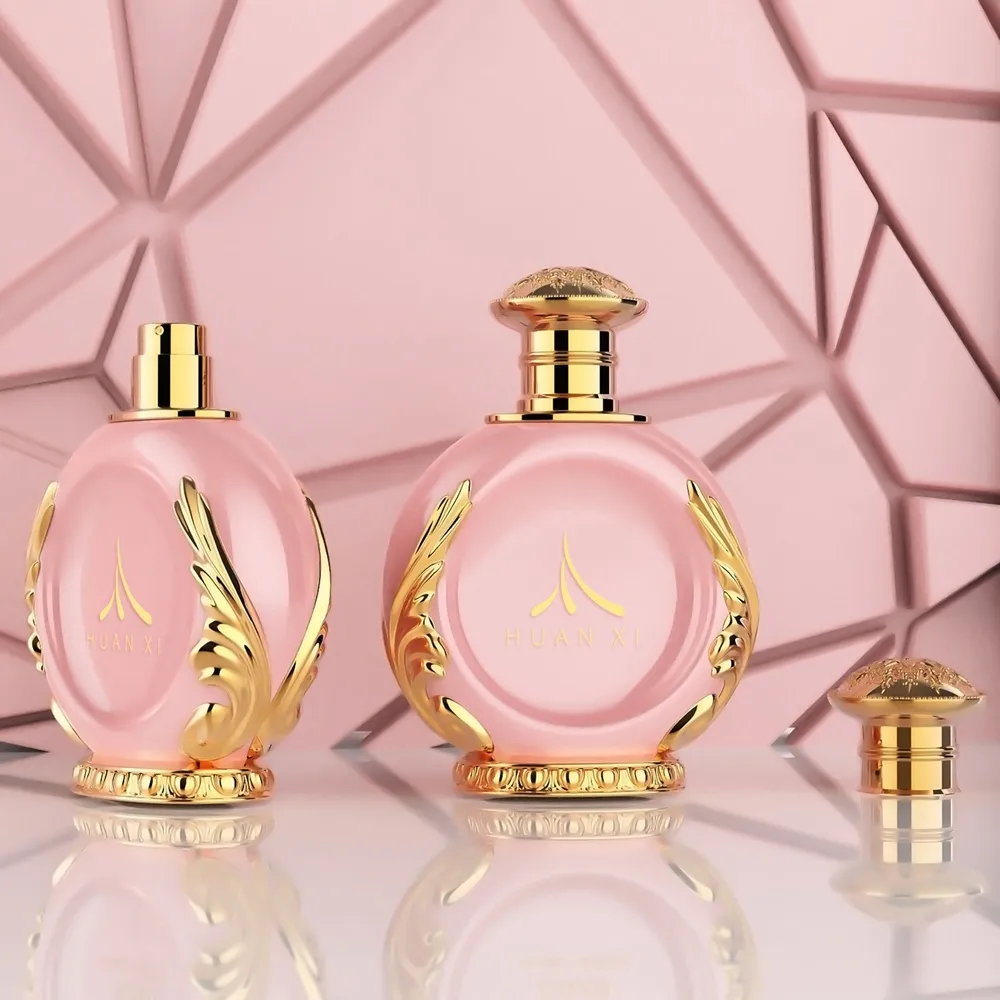 Pink Perfume Glass Bottle Angle Wing with Golden Cap 50ml
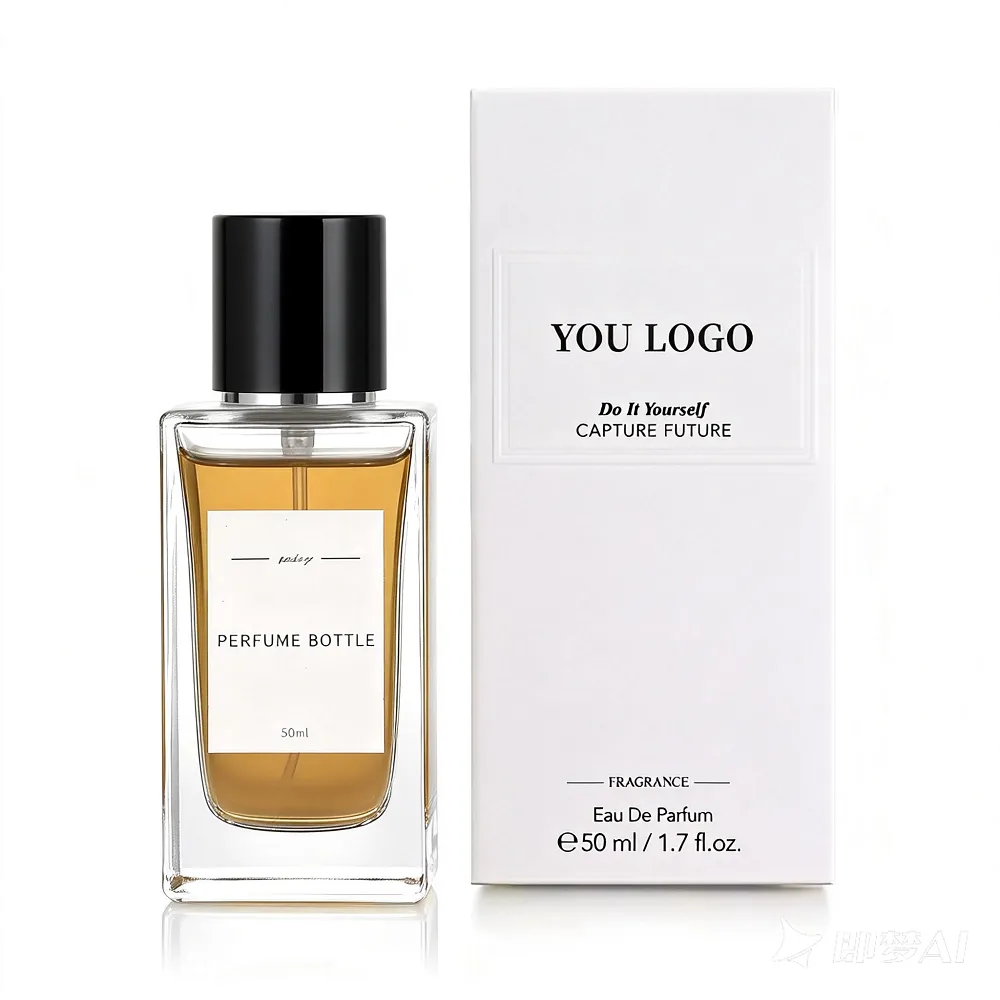 Custom Luxury Refillable square Glass Perfume Bottle Wooden Lid Cap 30-100ml
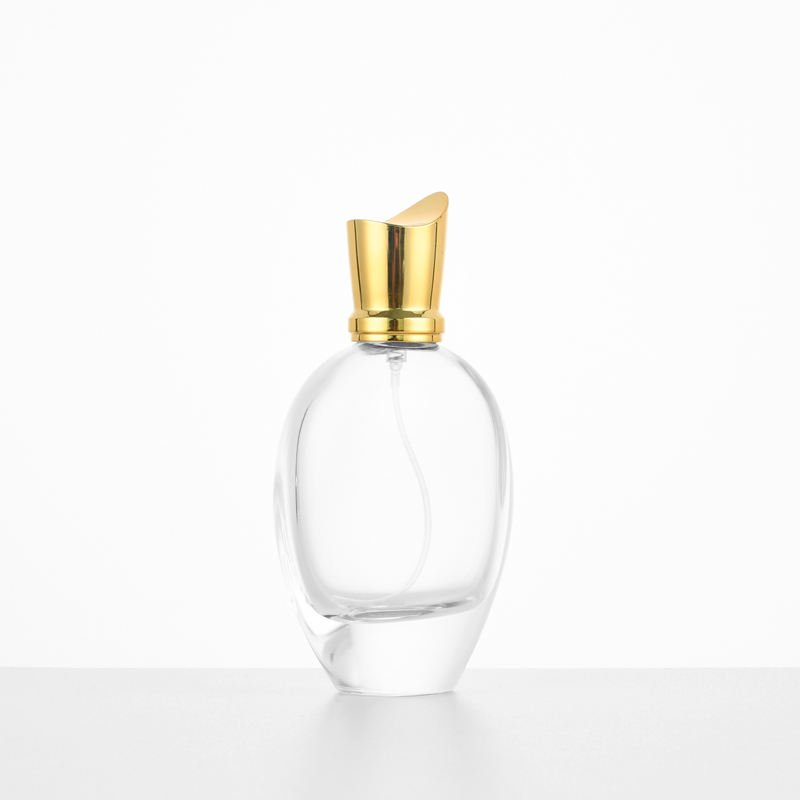 Luxury Custom Empty Glass Perfume Bottle With Gold Lid 75ml
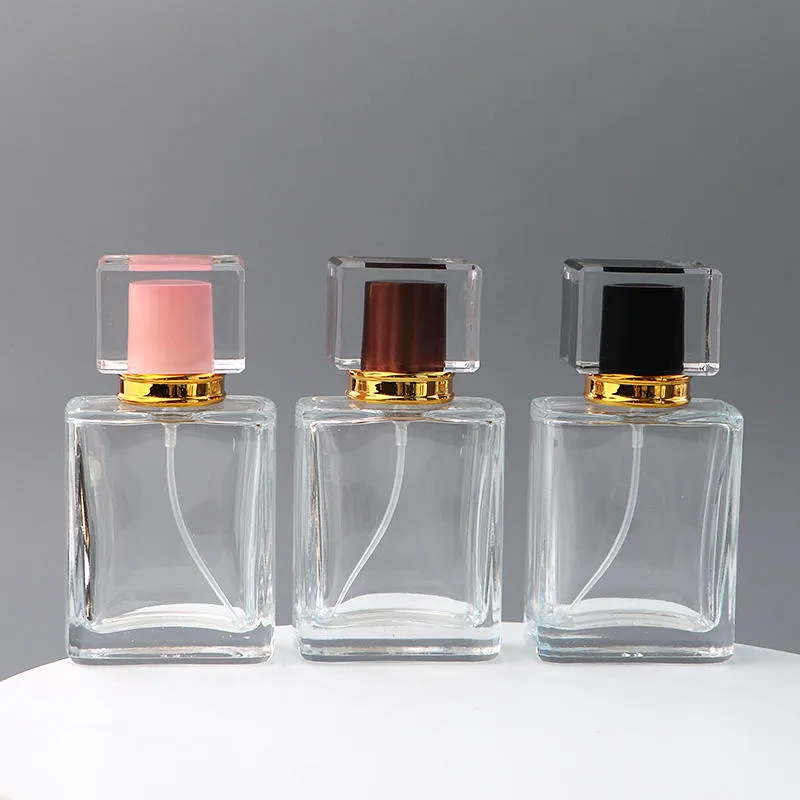 Luxury Flat Square Glass Travel Refill Perfume Bottle with Screw Spray Nozzle 50ml
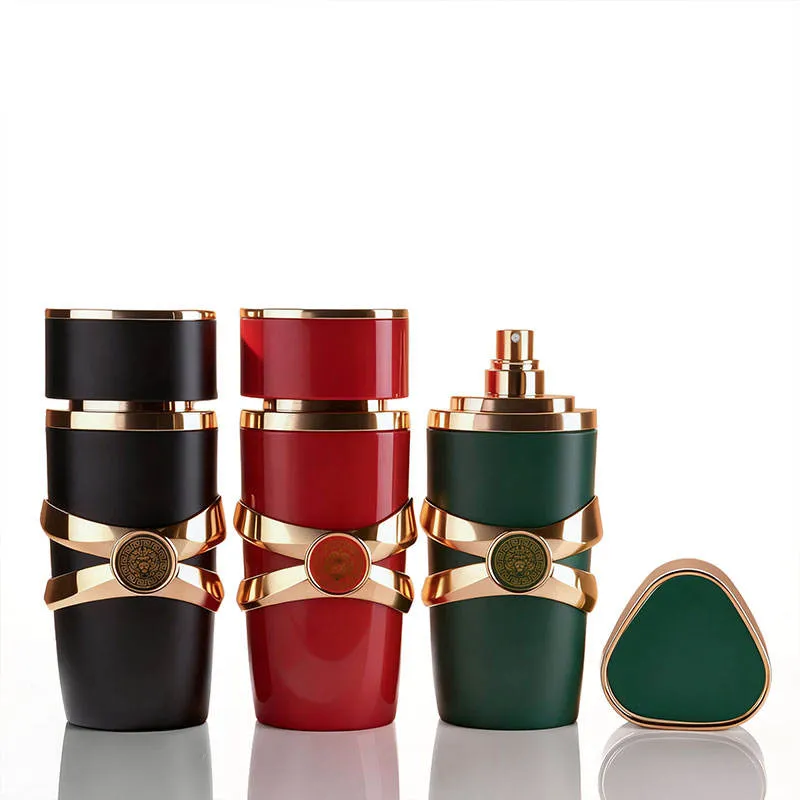 New Design Arabic Style Hot Selling Empty Perfume Glass Spray Bottle 100ml
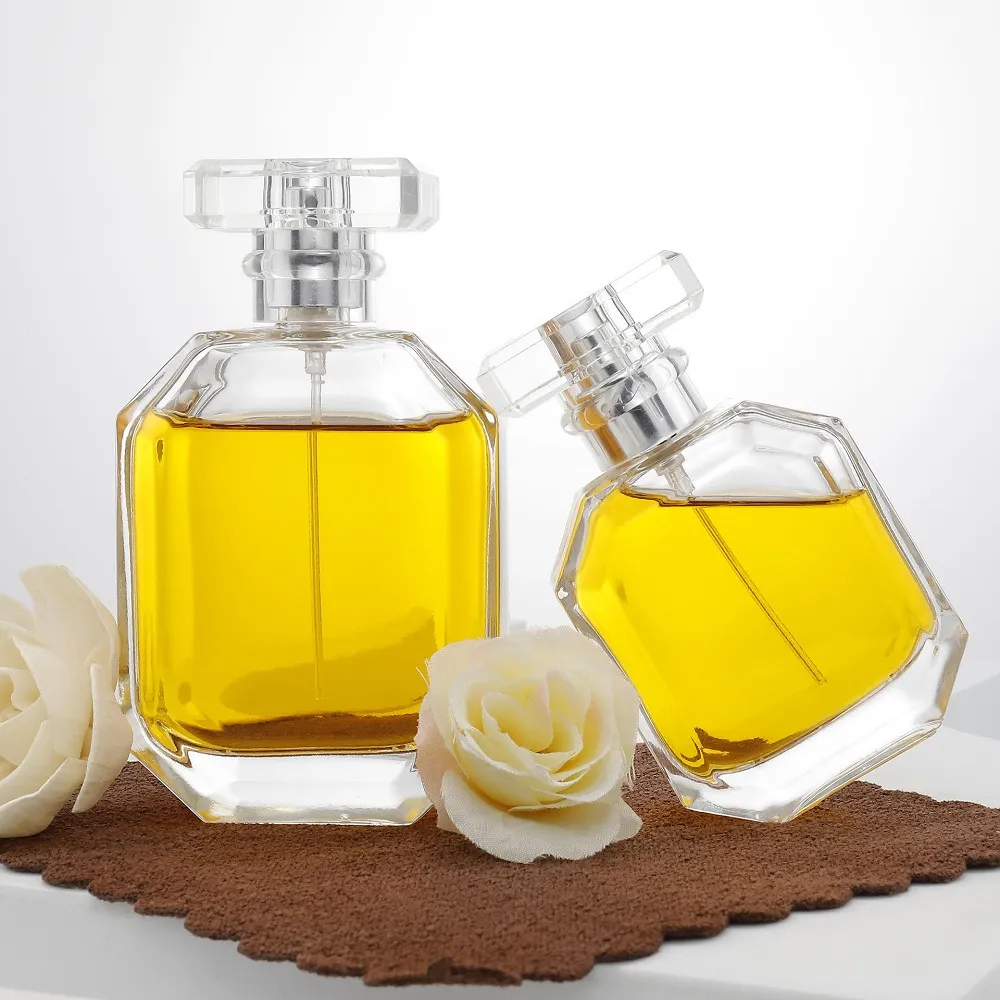 Transparent Diamond-Shaped Perfume Glass Bottles with Bayonet Spray Pump 30-100ml
Luxury Perfume Bottle Specification Checklist
This is a sourcing specification, not a datasheet for one universal bottle. Request a model drawing and measured sample report before comparing prices.
Main Materials: Glass, Caps, Collars and Formula-Contact Parts
“Luxury glass” describes positioning, not a single chemical grade. Ask what the bottle is made from and approve the actual appearance. Terms such as high flint, extra flint and super flint should be supported by a physical standard rather than assumed to mean the same thing across suppliers.
Main Capacities and Collection Planning
Nominal volume is not brimful volume. The bottle must provide the required labeled fill plus suitable headspace after pump insertion. Filling 100ml into a bottle that is only 100ml to the brim is not an acceptable engineering assumption. Capacity is a volume; converting perfume ml into g requires the measured formula density.
Bottle Weight, Wall Thickness and the Heavy-Base Effect
A 50ml bottle does not have one standard glass weight. A tall slender bottle, a compact cube and a thick-base flat bottle can share the same fill volume but use very different amounts of glass. The same is true of wall thickness: one average value can hide a thin heel or shoulder.
Control the weight in grams
Request glass-only weight for each model, then record the pump/collar, cap and assembled empty-pack mass separately. Check samples from the relevant mold cavities and define the accepted weight variation. A quoted carton gross weight is not a bottle specification.
Control thickness by location
Specify a minimum local sidewall thickness and a measurement map. Include shoulder transitions, corners, heel and base. Use a suitable calibrated thickness method or sectioned samples where needed; a caliper outside the bottle does not measure an inaccessible sidewall.
Crimp, Screw and Refillable Systems
Crimp-neck fragrance pack
A matched ferrule and crimp finish provide a familiar fragrance presentation. Specify the complete neck profile, ferrule and gasket, plus the validated crimp setting. Excessive crimping can damage the neck; insufficient crimping can leave a weak seal.
Screw-neck fragrance pack
A removable pump can support a refill concept and may simplify assembly. The thread, sealing land, gasket compression and application torque must work together. “Same diameter” does not mean the threads or sealing surfaces match.
Cap, collar and refill experience
The cap must retain securely without pulling off the pump or actuating it. Review cap clearance, alignment and opening force. A refillable claim also needs a practical refill method, repeated-use tests and clear consumer instructions.
Factory Manufacturing: From Molten Glass to a Finished Bottle
The core route is batching, melting, forming, controlled cooling, inspection and finishing. Boyu’s glass perfume bottle manufacturing guide illustrates these stages. The images below are process illustrations published on the website, not evidence of a particular production line or a product-specific test result.
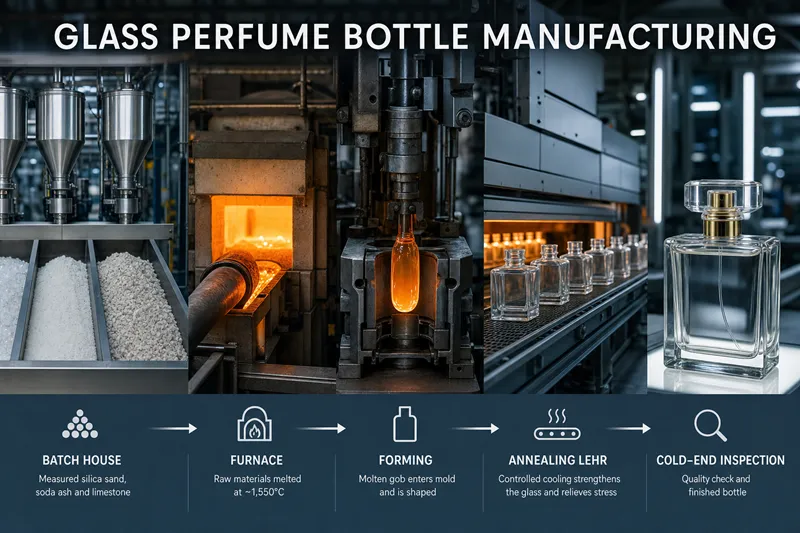
01 · Batch preparation
Silica-based raw materials and approved cullet are weighed to the glass recipe. Material cleanliness and color control are important for a transparent premium bottle.
02 · Melt and condition
The batch melts into homogeneous glass. Conditioning prepares the glass for forming; process settings depend on composition, equipment and the bottle.
03 · Form the bottle
A controlled glass portion enters the forming process. Blank and final molds establish the neck and body geometry. Glass distribution, mold condition and alignment require ongoing control.
04 · Anneal and cool
The bottle passes through controlled cooling to reduce residual stress. A heavy base and a thin shoulder cool differently, making the validated thermal cycle important.
05 · Inspect the glass
Check the cooled bottle against the drawing and cosmetic standard before decoration. Separate structural or sealing defects from agreed appearance limits.
06 · Decorate and assemble
Apply the approved finish and logo process, then check component fit and packing protection. Decoration should not contaminate or obstruct the sealing surface.
Custom Development and Mold Approval Workflow
A reference image starts a discussion; it is not a manufacturing drawing. Agree the critical dimensions, brand details and ownership of each approval before committing the launch schedule.
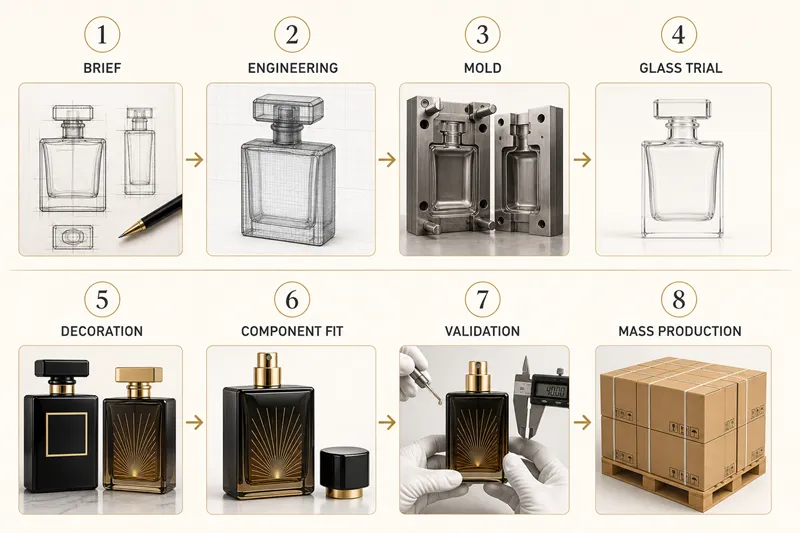
1 · Brief and feasibility
Confirm volume, target price, quantity by SKU, formula type, cap concept and required launch date. Review existing molds first, then identify what actually needs new tooling.
2 · Drawing and prototype
Approve bottle envelope, neck, base, printable panels and assembled height. A 3D prototype helps check appearance and handling but cannot validate glass strength, annealing or spray performance.
3 · Tooling and glass trials
Custom structural features may need a new mold set. Review production-glass trial samples for capacity, mass, wall distribution, appearance and component fit before approving decoration.
4 · Decoration samples
Approve physical color, surface finish, artwork scale and location. Supply vector artwork and agree the positioning datum and tolerance rather than relying on a rendering.
5 · Filled-pack validation
Test production-intent glass, pump, seals and decoration with the intended fragrance. Confirm filling/crimping or torque settings with the filling partner.
6 · Frozen production standard
Retain approved samples and controlled drawings. Release production only after required approvals; record any later change to materials, artwork, pump or packing.
Luxury Decoration That Survives Handling
Quality Control: Clear Checks at Every Release Point
Quality should be written into the order: what is measured, how it is sampled, what constitutes failure and which records accompany release. Do not treat “strict QC” as a substitute for a documented inspection plan.
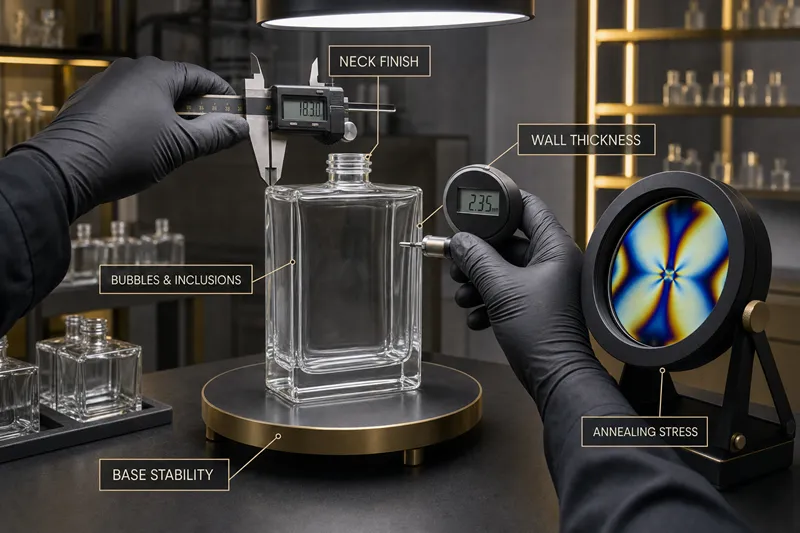
Define the acceptance standard first
Agree critical dimensions and the viewing conditions for cosmetic inspection. Separate unacceptable sharp edges, cracks or sealing defects from negotiated limits for small bubbles, mold seams or minor appearance variation.
Specify which checks are performed on every unit and which use an agreed sampling plan. Destructive testing and dimensional audits should have a defined frequency. Keep the approved sample, drawing revision and inspection record linked to the production lot.
Leakage, Spray Quality and Fragrance Compatibility
Investigate the seal, not only the glass
A neck chip, wrong gasket, poor thread match or unvalidated crimp setting can cause leakage. Check upright, inverted and horizontal storage, plus transport-related conditions defined for the distribution route.
Test the intended fragrance
A generic alcohol test cannot represent every fragrance. The formula may affect gaskets, dip tubes, coatings and pump behavior differently. Define temperature, duration and acceptance criteria with the brand or filling partner.
Measure the consumer experience
Assess spray consistency over repeated actuations, initial priming, drips, odor or appearance changes and the usable residual volume. Select the dose and spray character around the fragrance, not only the appearance of the pump.
Production Lead Time and Delivery Gates
Typical planning guidance is 7–15 days for samples once requirements are confirmed and around 30–45 days for mass production after the necessary sample/artwork approvals and deposit. New molds, complex decoration, testing and component supply can add time. Confirm the actual schedule in the quotation; transit time is separate.
1 · Complete RFQ
Finish the model, component, quantity and decoration brief so the quote covers the same complete pack.
2 · Sample and artwork approval
Agree who signs off glass, printing, cap and functional tests. Resolve revisions before the production deadline is fixed.
3 · Production scheduling
Confirm glass forming, decoration and component readiness as separate milestones, especially for a multi-SKU collection.
4 · Inspection and packing
Allow time for final inspection, any agreed corrective work, inner protection and export packing.
5 · Shipment release
Check the packing list, carton/pallet dimensions, commercial documents and any third-party inspection requirement.
6 · Freight and arrival
Confirm the named origin/destination and responsibility split. Plan for transport, clearance and delivery to the filling location.
What Importers and Brand Owners Should Ask Before Ordering
MOQ, Tooling and After-Sales Support
Minimum order quantity
Boyu’s standard starting MOQ is 10,000 pieces per design. Multiple sizes or artworks should not be assumed to combine into one MOQ. Confirm any exception and any higher requirement for special components or finishes in writing.
Existing molds versus private molds
An existing bottle usually avoids a new bottle mold, but a unique cap, embossed detail or accessory may still require tooling. Different capacities generally require separate bottle tooling even when the collection shares a visual style.
Price and commercial terms
The quote depends on the glass mass and quality standard, pump, cap, surface finish, decoration, quantity and protection. Confirm payment milestones, the named delivery term and all excluded charges before approval.
Handling a quality claim
Record photos, affected quantities, carton labels and lot references, and retain representative samples. Compare against the approved standard, then agree containment, root-cause review and the remedy required by the purchase agreement.
A More Practical Approach to Sustainable Luxury
Luxury does not have to mean the heaviest possible bottle. Evaluate glass distribution, refill functionality and packaging protection together. Reducing mass can lower material use and shipment weight, but the redesigned bottle must still pass the agreed handling and transport tests.
Recycled-content claims should state the percentage and the basis of the evidence. Recyclability depends on the full pack, coatings, accessories and local collection systems. Removable components and clear disassembly instructions may help; avoid promising that every decorated glass pack is recycled everywhere.
Luxury Perfume Bottle Questions & Answers
Which capacities are most common for luxury perfume bottles?
30ml, 50ml and 100ml are core retail choices. Miniature formats, 75ml and larger bottles can also be considered against available molds and component options. Confirm nominal fill and brimful capacity separately.
How many grams does a 50ml or 100ml perfume bottle weigh?
There is no fixed weight by capacity. Shape, glass distribution and base design determine the glass-only mass. Ask for the selected model’s measured weight in grams and its approved tolerance, excluding the pump and cap.
What wall thickness should a luxury perfume bottle have?
Specify the minimum local wall thickness and its measurement locations on the drawing. Sidewall, shoulder, heel and decorative base thickness are different parameters. The correct values depend on geometry and validated performance, not a universal online number.
Is a heavier perfume bottle always better quality?
No. More glass can create a substantial feel but does not guarantee good annealing, balanced wall distribution, a sound neck or a leak-free seal. Judge the approved appearance and functional test results alongside weight.
What is the main glass material?
Molded soda-lime-silica glass is commonly used. High-clarity and colored options are selected by the design and available production route. Confirm the actual glass specification and appearance sample rather than relying only on marketing grade names.
Can we customize an existing bottle without opening a mold?
Often yes. Coating, printing, foil, labels and compatible caps can change the presentation of an existing shape. A new silhouette, embossed structural detail or proprietary cap may require separate tooling.
Can Boyu supply the bottle, pump, cap and gift box together?
These requirements can be reviewed as one project. The quote should identify the included components and packing, and samples should confirm complete-pack fit before mass production.
Should we choose a crimp pump or a screw pump?
Choose around appearance, filling equipment and the refill plan. Crimp systems require validated ferrule and crimp settings. Screw systems require a matched thread, gasket and torque. Both need filled-pack leak and spray tests.
How do we avoid perfume leakage?
Match the exact neck, pump and gasket; inspect the sealing area; validate the assembly settings; and test production-intent packs with the actual fragrance. Include agreed storage orientations and transport conditions.
Can a matte black bottle be body-colored rather than painted?
The routes are different. A black appearance may come from glass coloration or an external coating. Ask which process is quoted and approve the physical sample, durability and any required light-protection performance.
What is the minimum order quantity?
The standard starting point is 10,000 pieces per design. Different sizes, colors and decoration versions require individual review. Special components and finishes may need a higher quantity.
How long do samples and production take?
Planning guidance is usually 7–15 days for samples after requirements are confirmed and around 30–45 days for mass production after necessary approvals and deposit. Tooling, testing, complex decoration and transport add time; confirm the project schedule in writing.
Do you manufacture the finished perfume as well?
This page covers empty packaging development and supply. Fragrance formulation, filling and the finished product’s market requirements should be arranged and confirmed separately with the appropriate responsible parties.
What should we send for a reliable quotation?
Send capacity, quantity per design, reference shape or drawing, glass/finish preference, target bottle weight if specified, pump and cap references, vector artwork, packing requirements, destination and delivery term. A physical reference sample helps confirm details that photographs cannot show.
Start Your Luxury Perfume Packaging Project
Send your target capacity, quantity per design, reference bottle, preferred cap and decoration artwork. If you already have a pump, include its drawing or a sample. Boyu can review the existing-mold route and identify where custom development is needed.
For the first quotation
Capacity • quantity by SKU • shape reference • finish • pump and cap • destination
For technical approval
Model drawing • glass weight and wall criteria • artwork • formula test plan • packing specification
 English
  Español de Argentina
  Русский
  Italiano
  日本語
日本語  한국어
한국어  العربية
  Français
  Deutsch