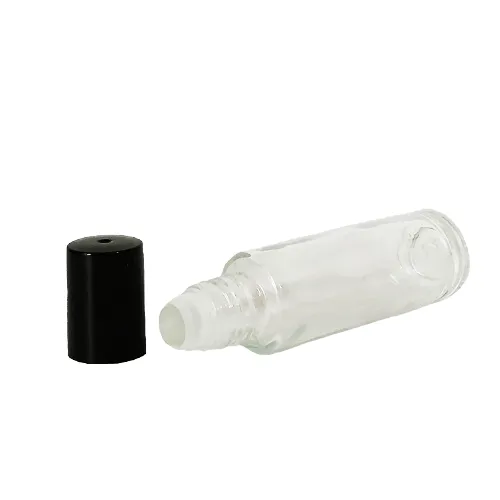
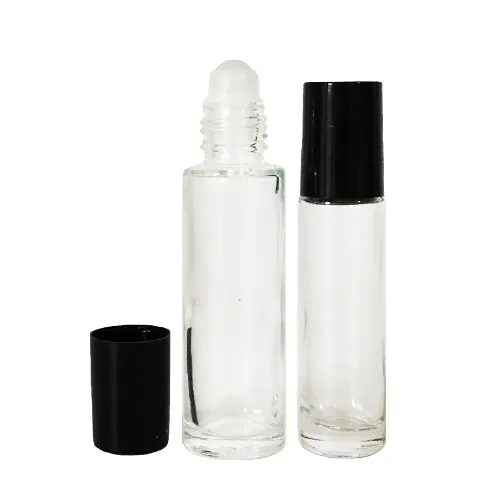
Custom 10ml Clear Glass Roller Ball Bottle for Essential Oils and Perfume
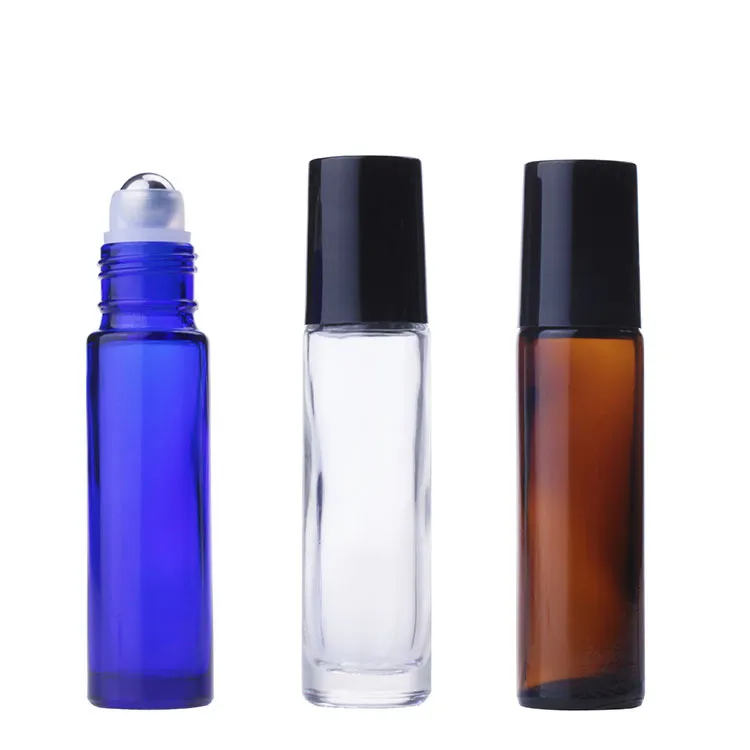
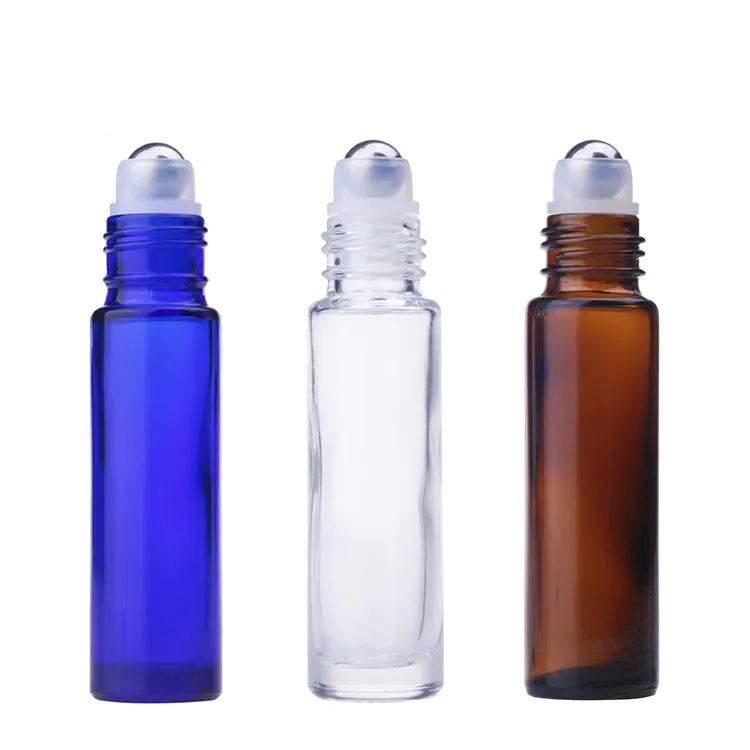
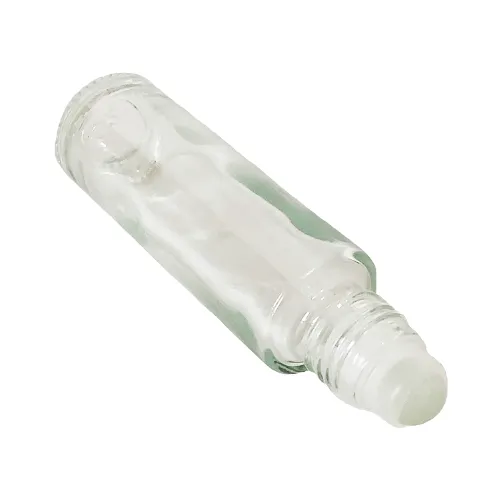
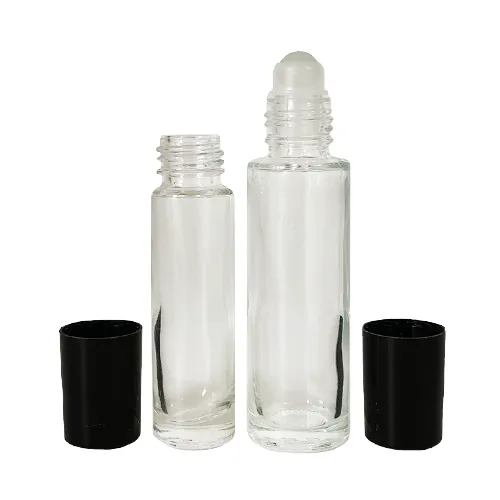
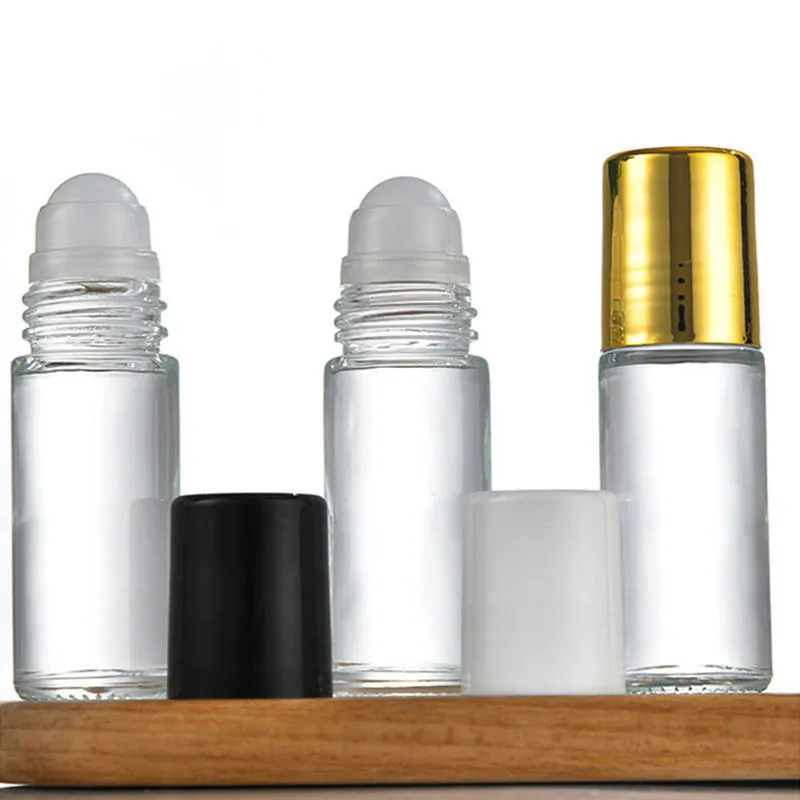
Boyu Packaging’s 10ml clear glass roller bottle is a compact roll-on package for essential-oil blends, perfume oils, aromatherapy products and compatible cosmetic liquids. The round glass bottle combines a screw cap with a roller-ball insert for controlled, direct application. Clear and amber finishes, custom colors, silk-screen printing, hot stamping, labels, tubes and retail boxes can be developed for private-label projects. The stated MOQ is 10,000 pieces per design or configuration.
Explore related packaging: rollerball bottles | wholesale essential-oil roller bottles | essential-oil bottles | request a quotation or sample
Core Product Specifications
| Product | Clear glass perfume and essential-oil roll-on bottle |
|---|---|
| Model reference | Glass roller bottle |
| Brand | Boyu Packaging |
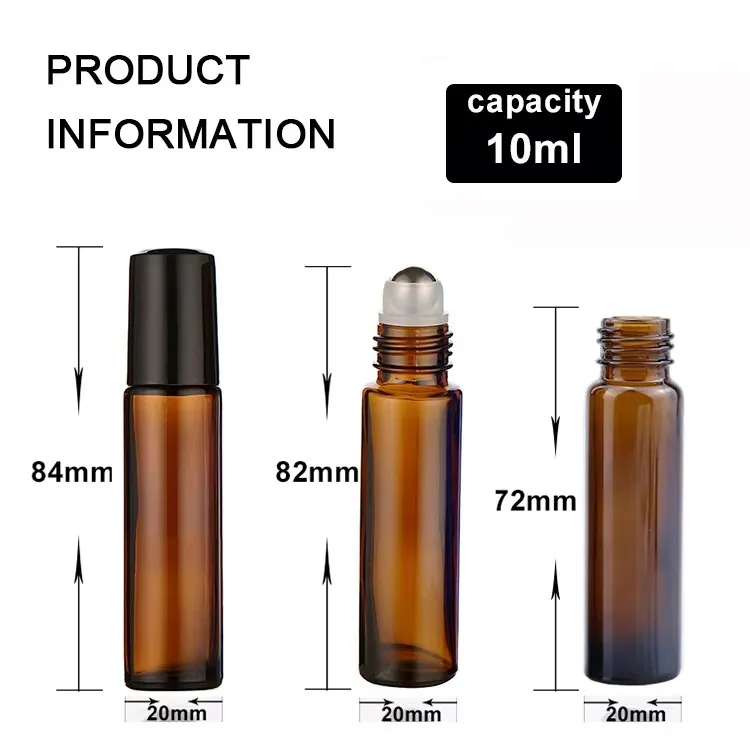
| Nominal capacity | 10ml |
| Shape | Round |
| Bottle material | Glass; exact glass type and component materials to be confirmed |
| Closure | Screw cap with roller-ball insert |
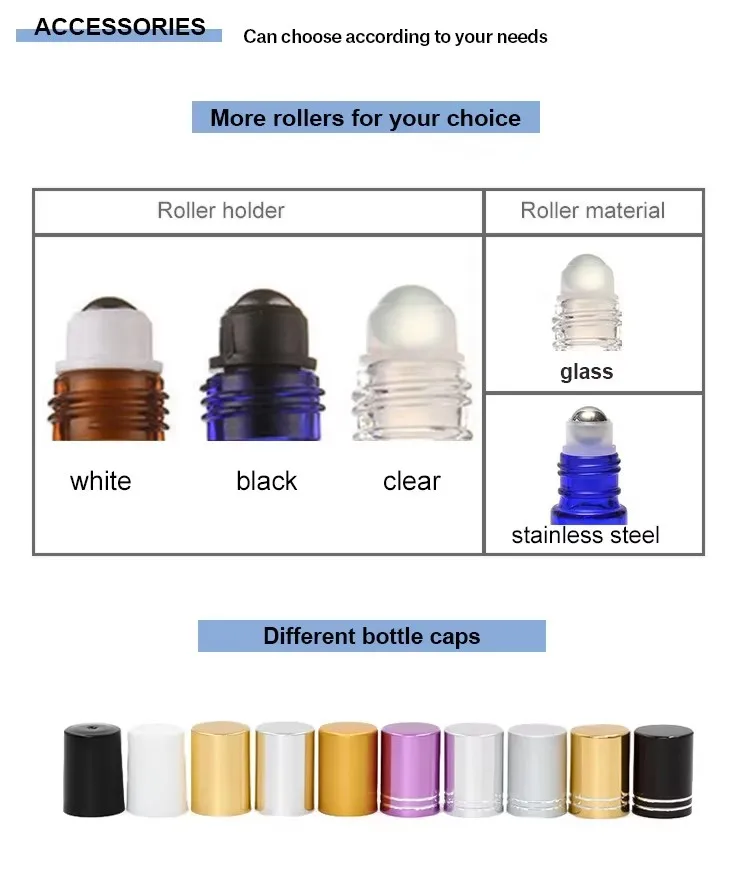
| Roller options | Glass, stainless steel or plastic ball subject to availability and formula requirements |
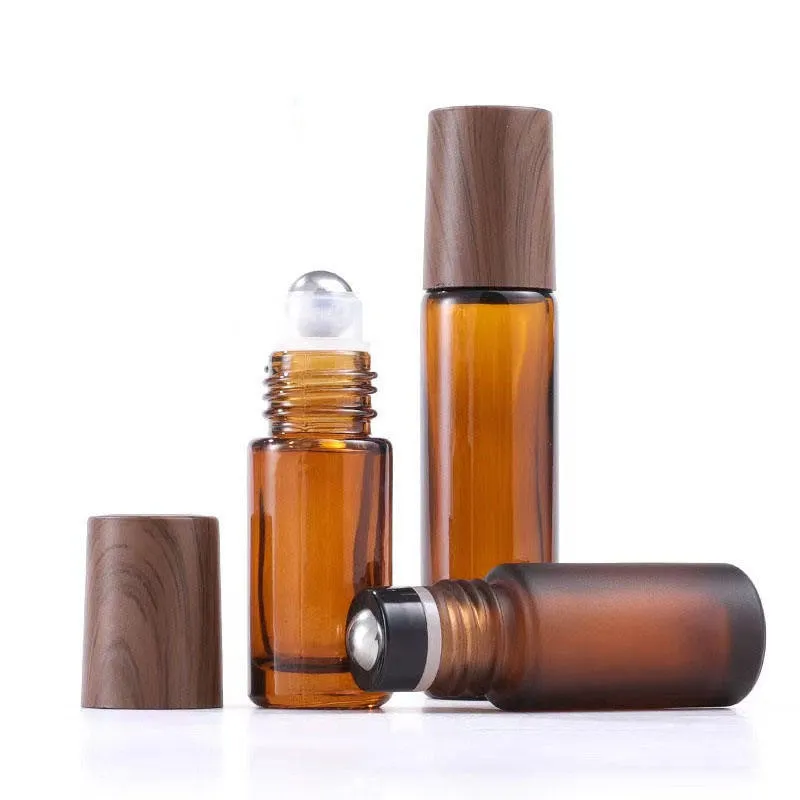
| Color | Clear, amber or custom coating subject to approval |
| Decoration | Sticker, silk-screen printing and hot stamping; custom tube and box available |
| MOQ | 10,000 pieces per design/configuration |
| Sample | Existing sample may be free; courier and customized sample costs confirmed separately |
| Shipping | DHL, TNT, FedEx, UPS, air or sea according to order size and destination |
| Origin | Zhejiang, China |
Measurement note: the supplied marketplace data lists 2 × 2 × 10cm and 30g for a single package. These figures may include packaging and should not be treated as confirmed bottle diameter, height or empty-glass weight. Glass wall and base thickness also vary by mold. Request the final technical drawing, unit weight tolerance, brimful capacity and approved sample before ordering.
Key Features and Buyer Benefits
- Portable 10ml format: suitable for pulse-point perfume, aromatherapy blends, travel sets and sampling programs.
- Controlled roll-on application: the ball transfers a small amount of compatible liquid directly to the skin.
- Glass formula chamber: provides a premium feel and good barrier performance for many oil-based products.
- Color options: clear glass shows the formula, while amber helps reduce light exposure.
- Private-label customization: bottle color, cap, logo, label and secondary packaging can be coordinated.
- Compact shipping footprint: the narrow round shape is practical for retail cartons, gift kits and e-commerce orders.
Glass Compared with Plastic and Metal Packaging
| Material | Advantages | Limitations |
|---|---|---|
| Glass | Premium feel, strong barrier and good compatibility with many fragrance and essential-oil formulas | Heavier and breakable; impact protection is needed in shipping |
| PET/PETG | Lightweight, clear and impact-resistant | Formula compatibility, permeation and stress cracking require testing |
| PP/PE | Light, durable and available in many molded colors | Usually less transparent and less premium-looking than glass |
| Aluminum shell | Strong metallic appearance and light protection | Often requires an inner container or lining; construction and recyclability vary |
Clear glass is suitable when formula visibility is part of the presentation. Amber glass is often preferred for light-sensitive blends, although amber packaging alone does not establish product stability. The brand must test the filled product under its intended shelf-life and distribution conditions.
Roller Ball Options and Application Performance
The roller ball, housing and bottle neck work as one dispensing system. Ball diameter, roundness, surface finish, housing interference and formula viscosity determine whether the product rolls smoothly, dispenses evenly or leaks.
- Stainless-steel ball: provides a cool skin feel and premium weight. Confirm grade and corrosion resistance for the formula.
- Glass ball: offers a smooth, inert-feeling applicator and matches a glass-led packaging concept. It can be more fragile.
- Plastic ball: lightweight, economical and less likely to damage the glass neck, but the material must be compatible with oils and fragrance.
A thin perfume oil may flow too quickly through a loose insert, while a thick blend may barely wet the ball. Eye-area products require additional safety assessment, a suitable applicator and a formula intended for use around the eyes. A conventional essential-oil roller should not automatically be marketed as eye-cream packaging without application and regulatory review.
Suitable Products and Use Scenarios
This 10ml bottle may be considered for:
- Diluted essential-oil blends for pulse-point use
- Perfume oil and alcohol-free fragrance
- Aromatherapy and wellness blends
- Cuticle oil and nail-care serum
- Light facial oil or targeted skincare serum after compatibility testing
- Hotel amenities, discovery sets, gifts and travel retail
Very thick cream, suspended particles and crystallizing formulas may prevent the ball from turning. High-alcohol products, aggressive fragrance oils and concentrated essential oils may affect the ball housing, cap liner or decoration. The complete package must be tested with the commercial formula.
Color, Logo and Packaging Customization
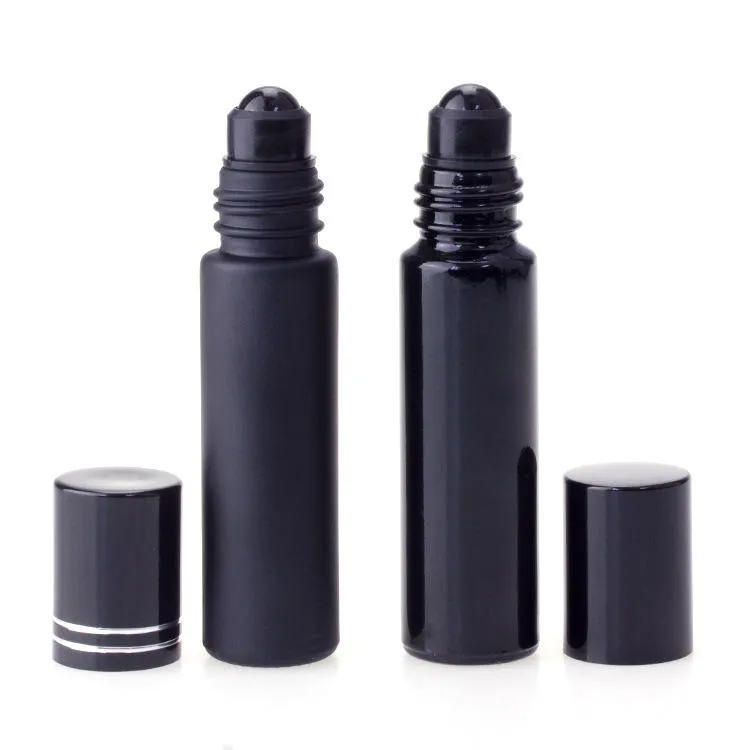
Clear and amber are practical starting options. Custom spray coating can create opaque, translucent, frosted or brand-matched colors, subject to process capability and MOQ. Provide a Pantone reference, but approve a physical sample because glass color, coating thickness, surface texture and lighting affect the final appearance.
Branding options include silk-screen printing, hot stamping and pressure-sensitive labels. Secondary packaging may include paper tubes, folding cartons, inserts and gift boxes. Artwork should be supplied as an editable vector file with print colors, dimensions and position marked. For curved glass, the usable print area and registration tolerance must be checked before quotation.
Sealing and Leakage Prevention
A roller bottle can leak from the ball-to-housing gap, insert-to-neck fit, cap seal or a damaged glass finish. Leakage risk is reduced by matching all components and controlling assembly:
- Check bottle-neck inner and outer dimensions against the roller insert.
- Select the ball and housing for the formula viscosity and chemistry.
- Control insert assembly depth and inspect for tilted or damaged housings.
- Confirm cap thread engagement, liner or plug contact and closing torque.
- Run upright, inverted and side-storage tests with the actual formula.
- Use temperature-cycle, vibration, vacuum or transport simulation where required.
- Check application rate, ball rotation and residue around the neck throughout product life.
Water testing may identify major fit problems but cannot prove compatibility with fragrance oil or essential oils. Production approval should follow filled-product tests using the final bottle, roller insert, cap, decoration and formula.
Manufacturing and Quality Control
A typical glass roller-bottle project includes raw-material preparation, glass forming, annealing, visual sorting, dimensional checks, decoration, component assembly and packing. Roller inserts and caps are molded or sourced separately, then matched to the bottle finish.
Recommended inspection points include:
- Capacity, height, diameter, weight and critical neck dimensions
- Glass cracks, chips, stones, bubbles, deformation and sharp edges
- Wall and base distribution within the approved specification
- Roller-ball roundness, rotation, insert fit and application consistency
- Cap fit, thread quality, liner or plug condition and torque
- Printing position, color, hot-stamp adhesion and abrasion resistance
- Filled-product leakage and compatibility testing
The purchase order should reference the approved sample, technical drawing, defect classification, inspection level and test methods. For international orders, a pre-shipment inspection can verify quantity, appearance, packing and selected functional tests before dispatch.
Certification and Market Compliance
The supplied attributes mention ISO 8317 and GCC. ISO 8317 relates to reclosable child-resistant packaging and requires testing of a specific complete package. A standard screw-cap roller bottle should not be described as child-resistant unless the exact bottle, closure and liner configuration has a valid test report. Ask Boyu to provide the applicable report number, scope, issuing laboratory and sample configuration before making a claim.
“GCC” can refer to Gulf-region conformity requirements, but the exact certificate or regulation must be identified. Packaging compliance also depends on the destination, formula and intended claims. Buyers should request current material declarations and test reports for the final supplied components, while the brand owner remains responsible for the finished cosmetic or fragrance product.
Safety, Sustainability and Reuse
Glass is chemically stable for many formulas and can be recyclable where suitable collection systems exist. However, colored coatings, mixed-material roller inserts and caps can affect local recycling acceptance. Ask whether components can be separated and whether lightweight or recycled-glass options are feasible for the required appearance and strength.
The bottle may technically be refilled after removing the roller insert, but consumer reuse requires cleaning, drying and hygiene controls. Repeated insert removal can weaken the fit or damage the glass neck. Do not promote refillability unless the selected component system is designed and tested for repeated opening and closing.
OEM/ODM Process and Mold Requirements
- Send the brief: formula type, capacity, quantity, ball material, cap, color, decoration and destination.
- Select components: confirm an existing 10ml bottle, roller insert and screw cap.
- Test samples: assess filling, ball rotation, application rate, leakage and compatibility.
- Approve decoration: sign off the physical color, logo, print position and secondary packaging.
- Confirm the order: agree price, MOQ, payment, packing, lead time, Incoterm and quality standard.
- Produce and inspect: manufacture against the approved sample and written specification.
- Ship and support: retain batch information for after-sales traceability.
An existing round 10ml bottle usually does not require a new glass mold. A proprietary bottle shape, neck, embossed logo or exclusive cap may require tooling. Coating and printing customization normally use the existing bottle mold, although screens, fixtures or decoration setup fees may apply.
MOQ, Price, Lead Time and Shipping
The stated MOQ is 10,000 pieces per design or configuration. Different bottle colors, cap colors, roller materials, logos or boxes may be counted separately, so confirm whether variants can share one production batch. Price depends on glass weight, ball and insert, cap structure, coating, printing, hot stamping, secondary packaging, quantity and trade term.
No confirmed production cycle was supplied for this exact item. Existing-mold plain samples are normally faster than decorated samples, while custom colors, boxes and new tooling add development time. Request a written schedule after the specification, artwork, sample and deposit are approved.
Courier services such as DHL, TNT, FedEx and UPS are practical for samples. Bulk glass orders are usually compared by air, LCL or full-container sea freight. Confirm pieces per carton, carton dimensions, gross weight, pallet requirements, total volume and protective dividers before booking. Glass bottles should be packed to control impact, rubbing and cap or coating damage.
Frequently Asked Questions
What is the bottle capacity?
The nominal capacity is 10ml. Request both nominal and brimful capacity on the final technical drawing.
Can I choose a stainless-steel, glass or plastic roller ball?
These are common options, subject to availability. The best choice depends on formula compatibility, application feel and target cost.
Is clear or amber glass better for essential oil?
Clear glass displays the formula. Amber glass reduces some light exposure and is often selected for light-sensitive blends. Shelf-life testing is still required.
Can this bottle hold pure essential oil?
Do not assume compatibility. Test the exact oil with the ball, housing, cap liner and decoration over the intended shelf life.
Is it suitable for eye cream?
Only if the formula is sufficiently fluid, intended for eye-area use and compatible with the selected applicator. A thick eye cream may not dispense through a standard oil roller.
Is the bottle leakproof?
The system is designed for secure closure, but performance depends on component fit, formula, assembly and transport. Filled-package leakage testing is required.
What is the MOQ?
The stated MOQ is 10,000 pieces per confirmed design or configuration.
Can Boyu customize the bottle and box?
Yes. Available services include color coating, labels, silk-screen printing, hot stamping, paper tubes and boxes, subject to feasibility and MOQ.
Does the bottle meet ISO 8317?
That claim must be verified for the exact complete bottle-and-closure system. Request a current test report before describing it as child-resistant.
What information is needed for a quotation?
Provide quantity, formula type, roller material, cap style, color, logo artwork, secondary packaging, destination, target delivery date and preferred Incoterm.
Request a Quote
For an accurate quotation, send Boyu Packaging your essential-oil or perfume formula description, required quantity, roller material, bottle and cap colors, artwork, retail box requirement and shipping destination. Approve the matched sample and final specification before mass production.
 English
  Español de Argentina
  Русский
  Italiano
  日本語
日本語  한국어
한국어  العربية
  Français
  Deutsch