100mL PET Pump Packaging for Toothpaste Development
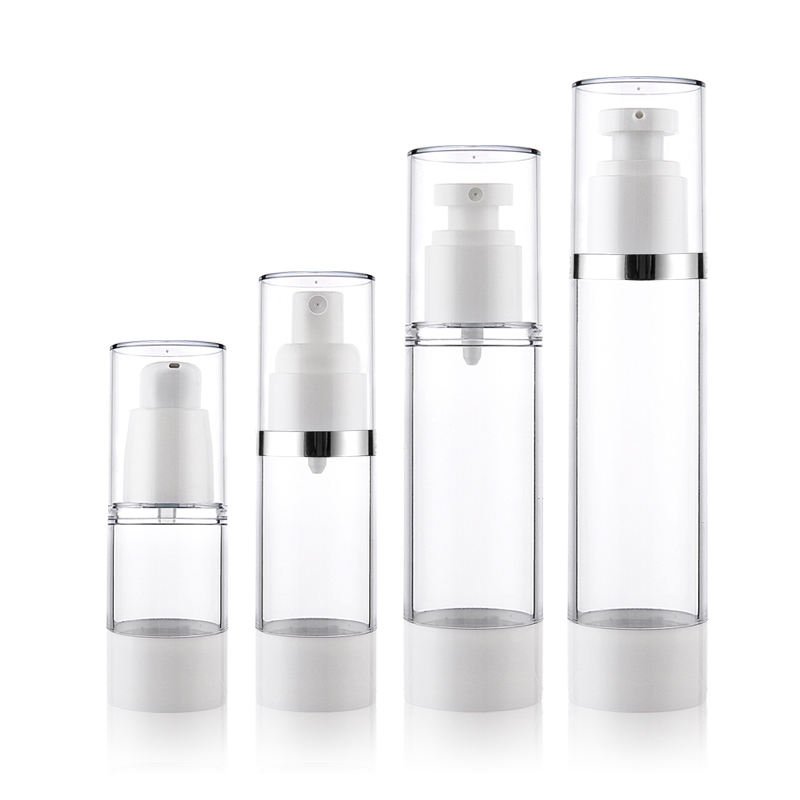
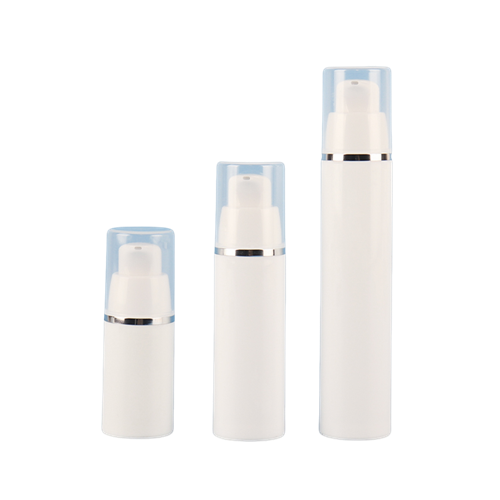
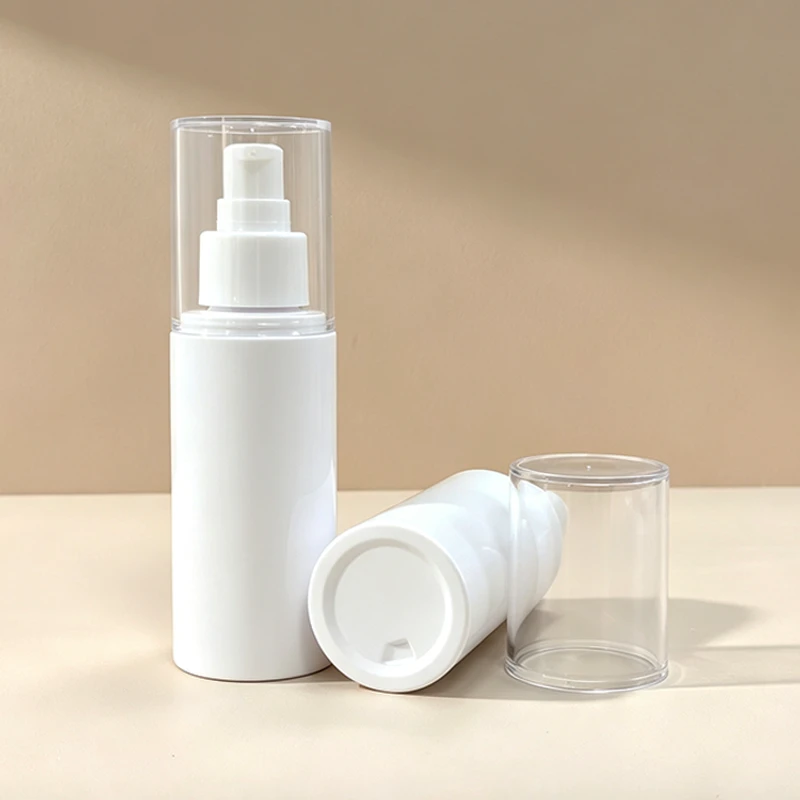
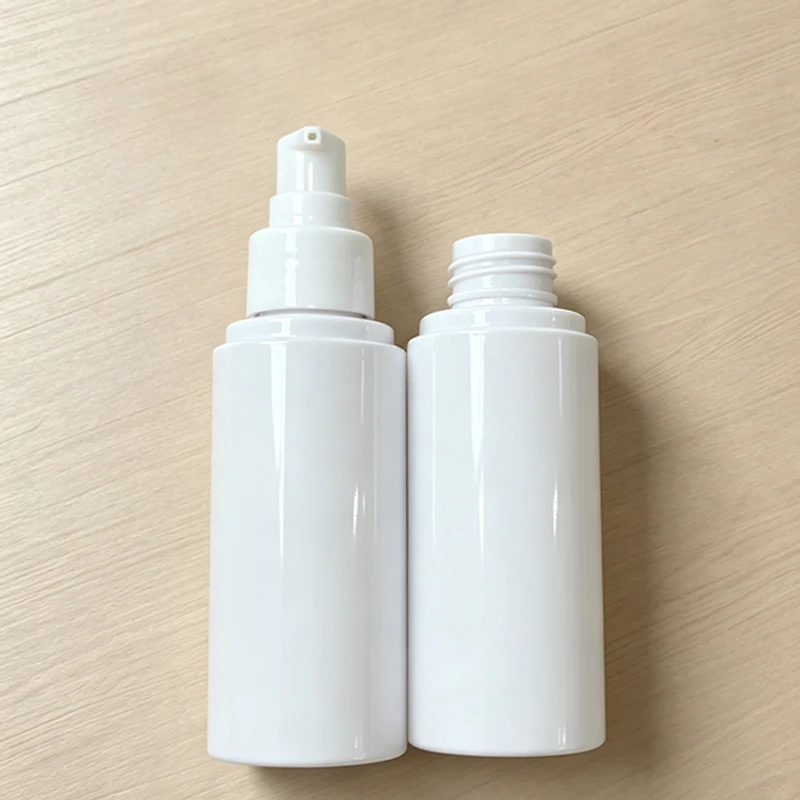
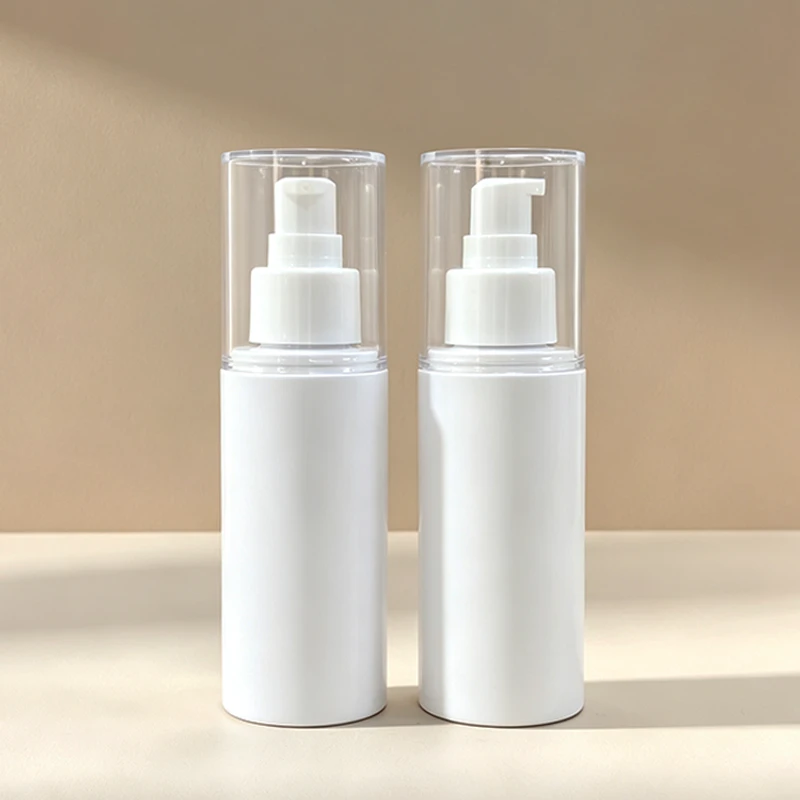
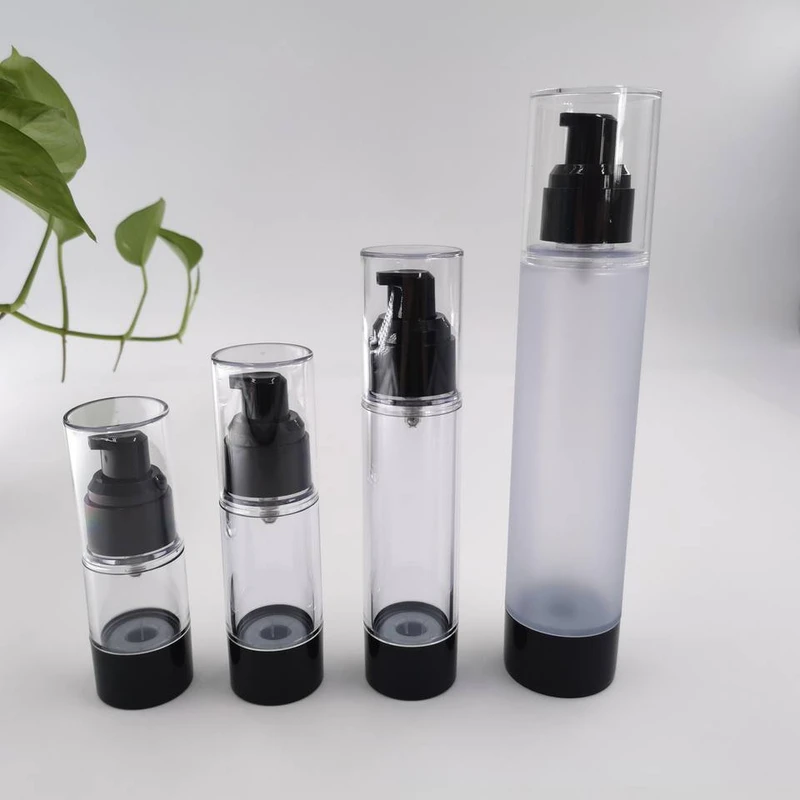
Boyu Packaging offers this white cylindrical pump bottle format from Zhejiang, China for oral-care packaging development. The 100 mL bottle pairs a PET body with a press pump and clear protective overcap. Review the pump bottle range while selecting the dispensing mechanism and presentation for your formula.
MOQ 10,000 pieces. Approve the pump with your actual paste before confirming the packaging specification. The press pump draws product through a dip tube.
Specifications
| Brand | Boyu Packaging |
|---|---|
| Place of origin | Zhejiang, China |
| Nominal capacity | 100 mL. Confirm working fill and headspace with the selected pump. |
| Bottle material | PET bottle body. Confirm pump, dip tube, seals and other formula-contact parts separately. |
| Format | White cylindrical bottle, press pump and clear overcap. |
| Dispensing structure | Press pump with dip tube. |
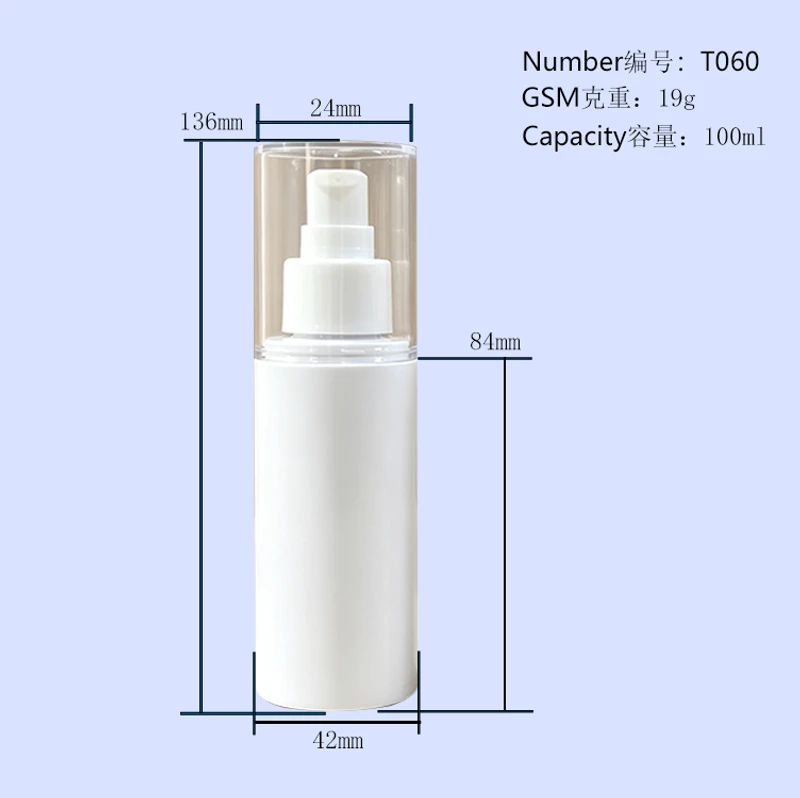
| Dimensions | 136 mm overall height, 84 mm body section and 42 mm body width. Approve the dimensional drawing, tolerances and neck finish before setting up filling equipment or designing cartons. |
| Weight specification | Confirm the empty bottle weight and the assembled unit weight when approving the sample. |
| Decoration | Review screen printing, foil stamping, water transfer or metallized effects against the selected surface and artwork. |
| MOQ | 10,000 pieces |
Can Your Toothpaste Be Dispensed Through This Pump?
Trial the production formula
Share formula viscosity at the intended filling and use temperatures, along with particle or abrasive information, density and the desired dose. Fill assembled samples with the production formula and check priming, full-stroke output, actuation force and pump recovery. Assess dose repeatability after storage and after pauses between uses. A pump that works with a fluid gel may perform differently with a dense paste.
Check nozzle drying and product cutoff
Evaluate residue around the outlet, stringing after actuation and restart after the nozzle has stood exposed for a representative interval. Include the intended overcap routine in the trial. Inspect any dried material or blockage and agree on an acceptance criterion with your formulation team before approving the pump.
Capacity, Net Fill and Residual Product
The bottle has a nominal capacity of 100 mL. Use measured formula density to calculate the volume needed for your declared net weight, then confirm usable fill and headspace with the pump fitted. Weigh the initial fill and dispensed product during a complete-use trial. Inspect the product remaining near the base and walls, and compare the result with the agreed dispensing target.
Check dip tube length and the shape of the tube end against the bottle base. Record the approved tube dimensions and acceptable residual product in the purchase specification.
Formula-Contact Materials and Compatibility
Request a bill of materials identifying the PET body, pump path, dip tube, seals and any metal parts. Provide the relevant formula information to the packaging and formulation teams so the component selection can be reviewed. Assess filled samples for odor transfer, discoloration, stress cracking, swelling and changes in dispensing over the intended stability program.
Agree on the material documentation and testing required for the finished oral-care product in your destination market. Obtain records that apply to the actual components and formula rather than relying on a general packaging certificate.
White Bottle, Logo and Artwork
Send vector artwork, the color standard and a marked layout showing the front panel, back panel and lot-code area. Confirm the printable area and alignment with the nozzle. Review a decorated sample for small-text legibility, registration, rub resistance and contact with spilled product. Approve the bottle, pump and cap as one complete assembly.
Filling-Line Trial and Assembly
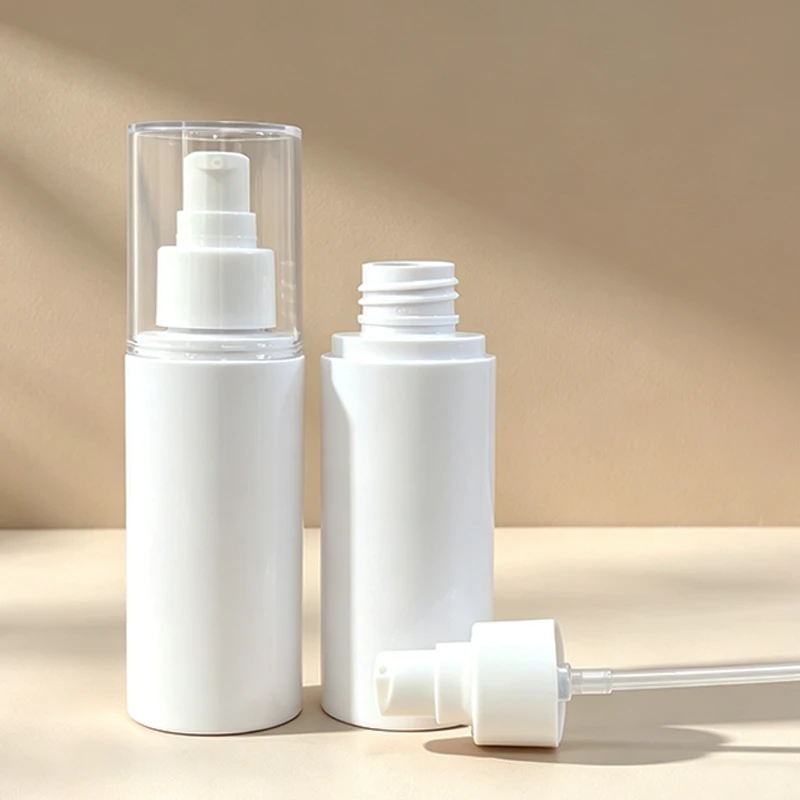
Confirm the bottle opening and pump connection on the drawing. Share the filler model, filling nozzle, formula temperature and target fill weight. Run a pilot to establish fill repeatability and avoid product on the sealing surface. Set the pump assembly method and closure setting, then verify priming and leakage after the filled sample has stood.
Inspection Before Shipment
Agree on limits for bottle dents, black specks, visible scuffs, pump alignment and cap retention. Define functional tests for output, recovery, clogging and leakage using documented conditions. Evaluate upright and side storage where relevant, and test the final retail and shipping cartons for rubbing, pump actuation and damage during representative handling.
OEM Quotation and Export Packing
Send the Boyu Packaging sales team your target fill, formula type, desired dose, pump structure, artwork, quantity by SKU, filling location and destination. Ask for the bottle and pump drawings, decorated samples, component specifications and itemized pricing for packaging, decoration and tooling if required.
Confirm lead times from artwork and sample approval, unit protection, units per carton, carton dimensions and gross weight. Agree on freight terms and the quality-claim process. Keep batch references, signed samples and test records available for comparison if an issue arises.
Frequently Asked Questions
How does the bottle dispense toothpaste?
The press pump draws the formula through a dip tube. Use a filled sample to approve the dose per press and dispensing performance near the end of use.
Can the bottle be refilled?
The pump can be removed for filling. If repeated consumer refilling is part of the brief, validate the opening and closure cycles, cleaning and drying method, dispensing performance and formula quality with your product team.
Can it hold thick or abrasive toothpaste?
Approval requires a pump trial with the actual formula. Check priming, dose consistency, component wear and restart after drying before selecting the dispenser.
What are the brand, origin and MOQ?
Brand is Boyu Packaging. Place of origin is Zhejiang, China. MOQ is 10,000 pieces. State quantities by artwork and pump configuration in the RFQ.
 English
 Español de Argentina
 Русский
 Italiano
 日本語
 한국어
 العربية
 Français
 Deutsch