
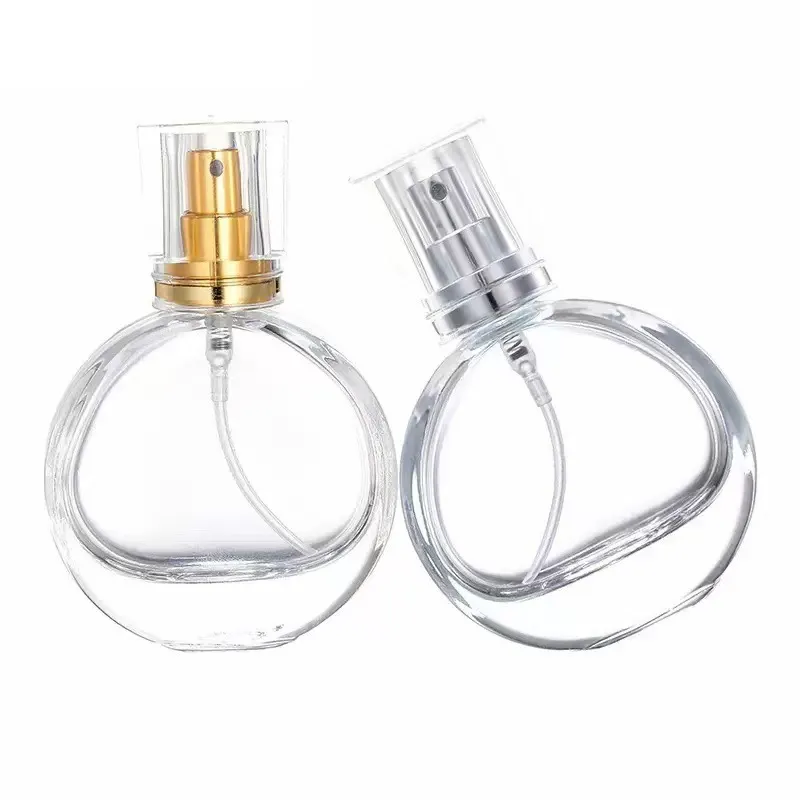
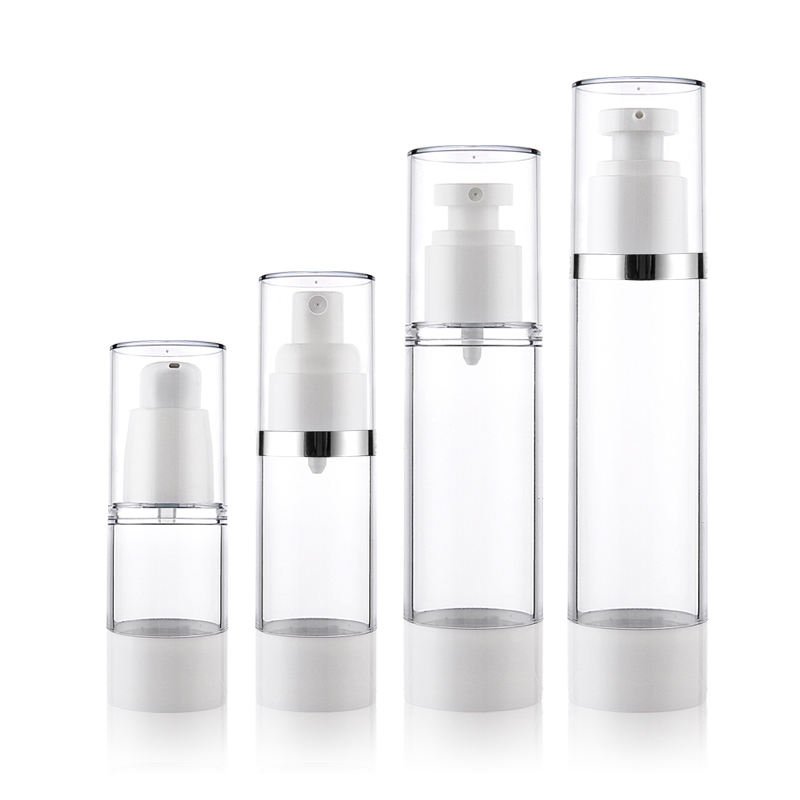
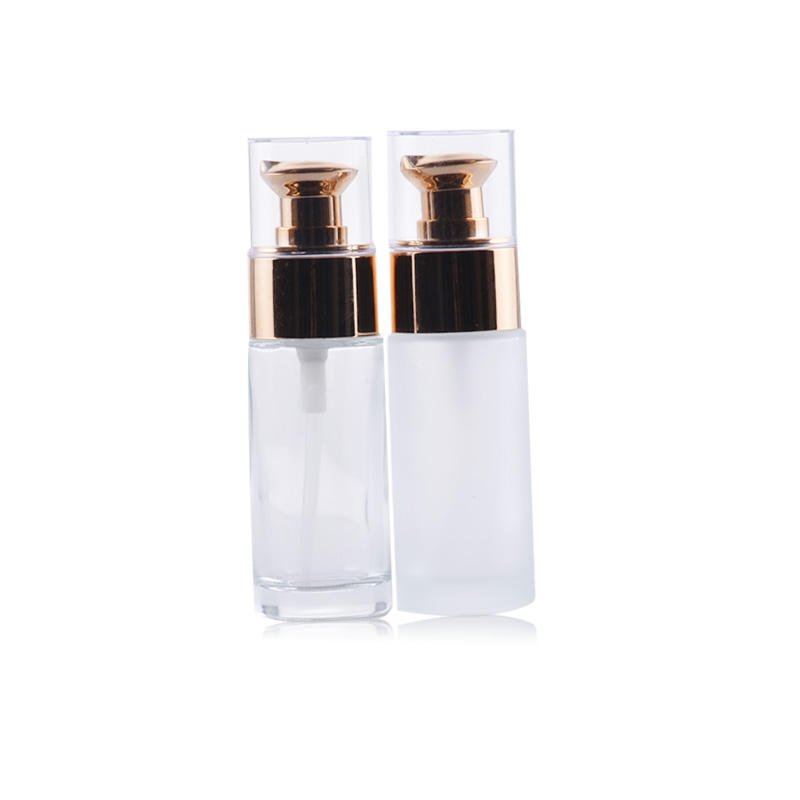
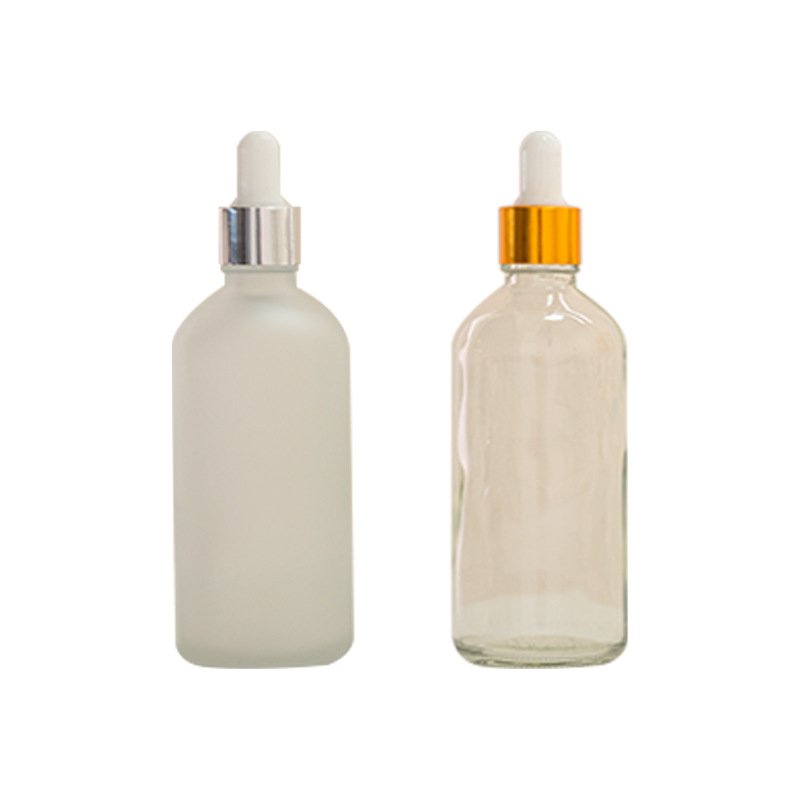
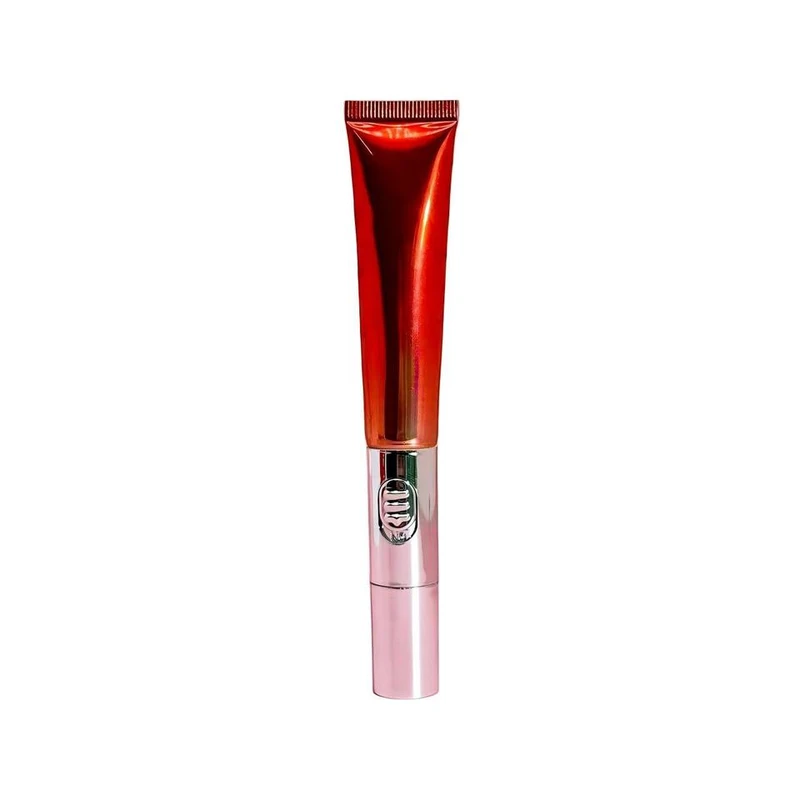
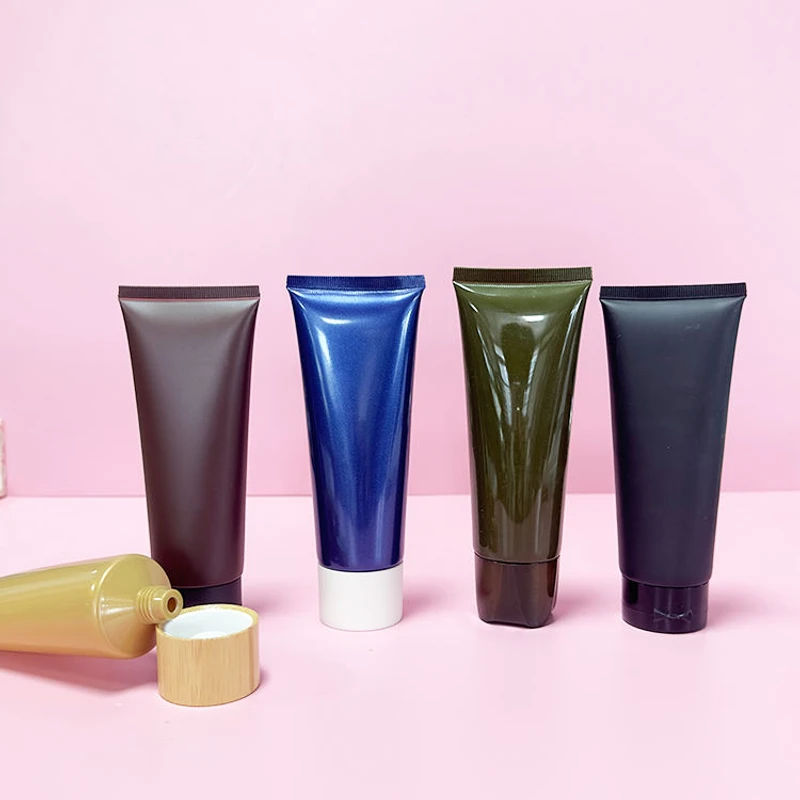
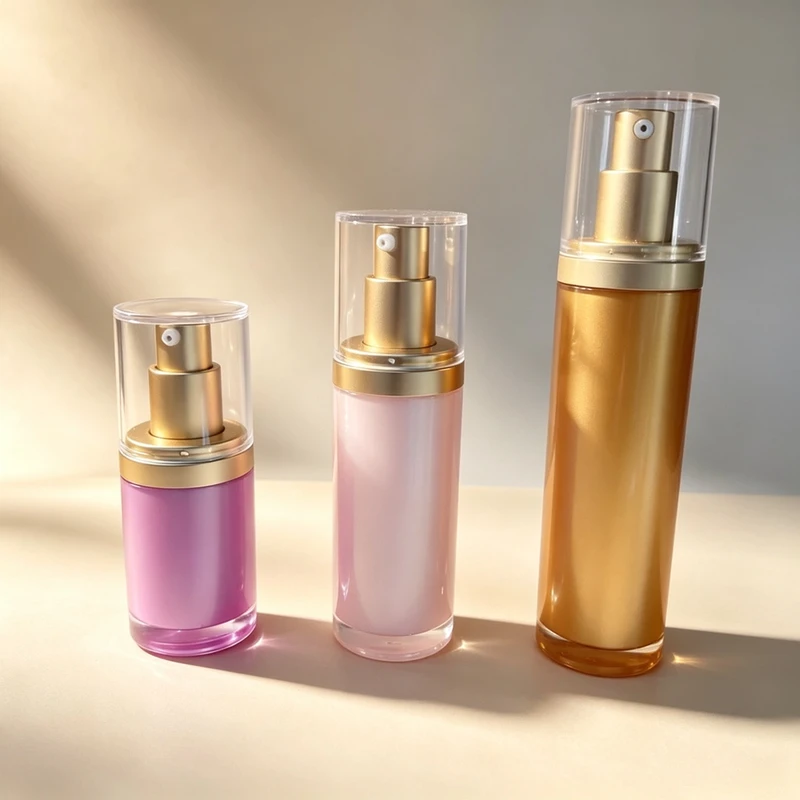
Short answer: For most carry-on travel, choose a clearly marked 30–100 mL shampoo container: 30–50 mL for short or low-use trips, 75–100 mL when you need more washes. A low-profile flip-top or well-fitted screw cap on an HDPE/PE squeeze bottle is usually easier to pack than a protruding pump. PET works when clarity and shape retention matter, but it is less squeezable. There is no universal bottle height for a given volume—check the actual mold drawing and the assembled bottle with its cap.
This guide is for travelers choosing a refillable bottle and for haircare buyers specifying a travel-size pack. Capacity, external dimensions, closure and shampoo formula must be evaluated together.
What travel shampoo bottle size can you carry on a plane?
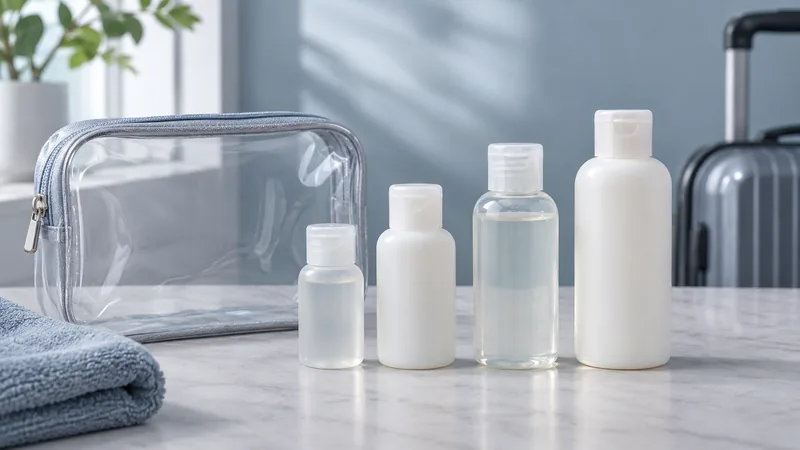
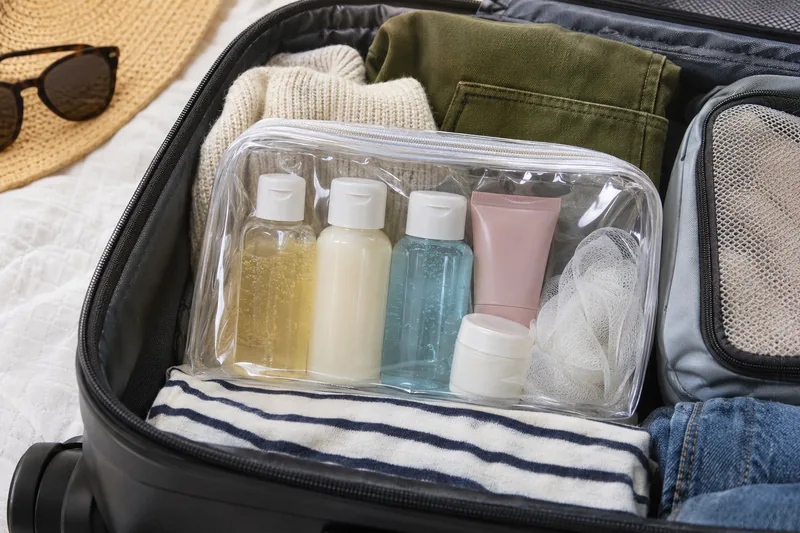
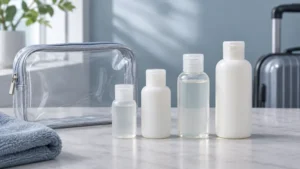
At a U.S. TSA checkpoint, shampoo is a liquid or gel under the 3-1-1 rule: each carry-on container must have a capacity of no more than 3.4 US fluid ounces (100 mL), and the containers must fit in one clear, quart-size, resealable bag per passenger. The European Union’s general rule likewise uses containers of no more than 100 mL in one transparent, resealable one-liter bag. Security rules apply to the container’s capacity, not how much shampoo remains in a larger bottle. A half-empty 150 mL bottle is not a compliant 100 mL container.
Airport procedures can differ, including at airports with upgraded screening equipment. For a multi-airport trip, 100 mL or less is the conservative baseline; check departure, connection and return airport guidance just before flying. “TSA-approved bottle” is a marketplace phrase, not proof of leak resistance or formula compatibility. Checked luggage does not use the carry-on quart-bag rule, but secure packaging remains essential.
Is 30, 50, 75 or 100 mL the right amount?
Trip length alone is a weak predictor: one traveler shampoos daily, another twice a week; hair length, double washing, water hardness and formula concentration all change use. Measure your own dose at home instead of relying on a universal “number of washes per bottle.” Dispense the usual amount into a small measuring cup or weigh several doses and convert mass to volume only if you know the formula’s density. Then calculate:
Required fill volume ≈ dose per wash × planned washes × 1.1–1.2. The 10–20% margin is a planning allowance, not a required fill headspace or a performance standard. For example, 7 mL per wash over six washes is 42 mL; with a 15% planning margin, about 48 mL, so a nominal 50 mL bottle is a sensible starting point. Do not fill to the brim: use the supplier’s approved fill line and headspace.
| Nominal size | Approx. US fl oz | Practical starting point | Main trade-off |
|---|---|---|---|
| 30 mL | 1.0 | Overnight, gym, sample, light-use trip | Easy to pack; frequent refill |
| 50 mL | 1.7 | Short trip; moderate use | Compact but may be tight for daily washing |
| 75 mL | 2.5 | Middle ground when 50 mL is insufficient | Check availability of a suitable mold |
| 100 mL | 3.4 | Maximum standard U.S./EU carry-on size | Uses more space in the liquids bag |
For B2B packs, use 30–50 mL when minimizing carton volume and kit footprint is more valuable than reducing refill frequency; use 75–100 mL when the consumer needs a longer-use travel SKU. Boyu’s mini shampoo bottle manufacturing options cover common 30–100 mL projects, but the available mold and closure determine final dimensions and minimum order quantity.
How tall and wide are common travel shampoo bottles?
Capacity alone cannot determine outer dimensions. A 50 mL round cylinder, flat oval bottle and tube can enclose similar volumes yet occupy different bag footprints. Shoulder shape, wall thickness, neck finish and the assembled closure also change height. The following are published dimensions of specific commercial product families, not standard dimensions and not Boyu SKU specifications.
| Product family | 30 mL | 50 mL | 100 mL |
|---|---|---|---|
| MUJI PE cylinder with snap cap | Ø30 × 70 mm | Ø35 × 100 mm | Ø39 × 124 mm |
| Somewang PET bottle with outer cover | Ø33 × 56/71 mm* | Ø33 × 79/94 mm* | Ø41.5 × 10²/117 mm* |
*The supplier publishes paired heights for its bottle/outer-cover configuration. Confirm which is bottle-only and which is assembled height on the drawing before designing a carton or tray.
A travel kit should be dimensioned around the fully assembled bottle, including its open/closed cap profile, not the empty body. Allow finger access and bag closure clearance. Boyu’s 30 mL flip-top travel bottle is a concrete product example, but request its current technical drawing rather than borrowing either reference family’s measurements.
Which cap or pump is best for travel shampoo?
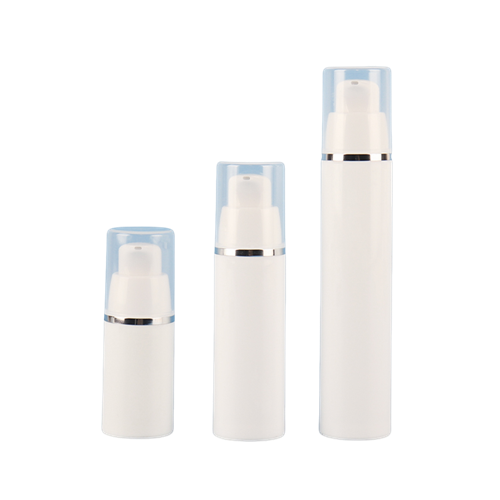
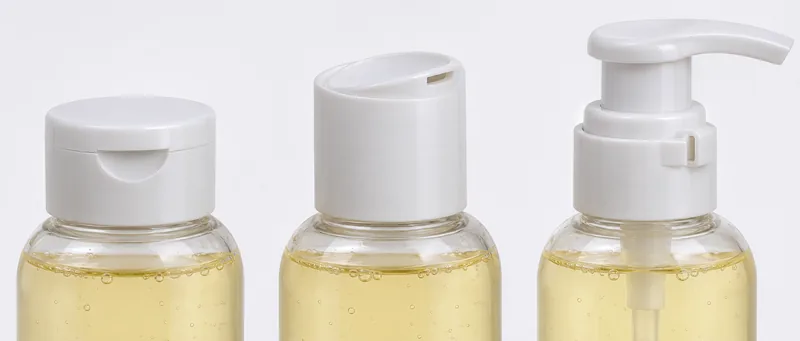
Flip-top: A low-profile flip-top is the default starting choice for a squeezable 30–100 mL pack. It opens with one hand in a shower and adds little height. The hinge, snap retention, orifice diameter and cap-to-neck seal must be tested with the actual shampoo; a cap that merely feels tight is not necessarily leak resistant.
Screw cap: It is simple and can be secure when the bottle neck, cap and any liner are matched, but the cap is a loose part in the shower and cross-threading is possible. A disc-top is also compact and controls small doses, yet its dispensing opening may be inconvenient for thick formulas.
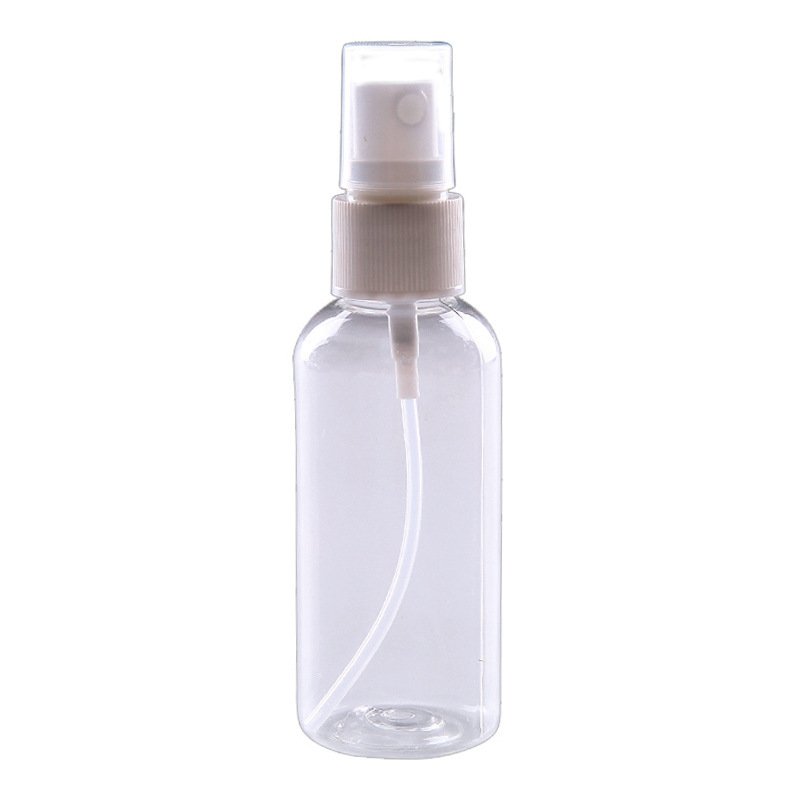
Mini pump: A lockable pump helps controlled dispensing when viscosity and pump design are compatible, but its actuator increases total height, may need priming and can be pressed in luggage unless locked or protected by an overcap. A foaming pump is not a drop-in substitute for ordinary viscous shampoo; it needs a foamable, compatible formula. Select pump output and actuation force on filled samples, not from bottle capacity alone.
For a commercial pack, ask the supplier to test the exact bottle/neck/cap pairing after filling. Test upright, inverted and on its side, then repeat after temperature cycling and realistic transport handling. A leak may come from the orifice, thread seal, liner or pump collar; each requires a different correction.
Which bottle material and shape travel best?
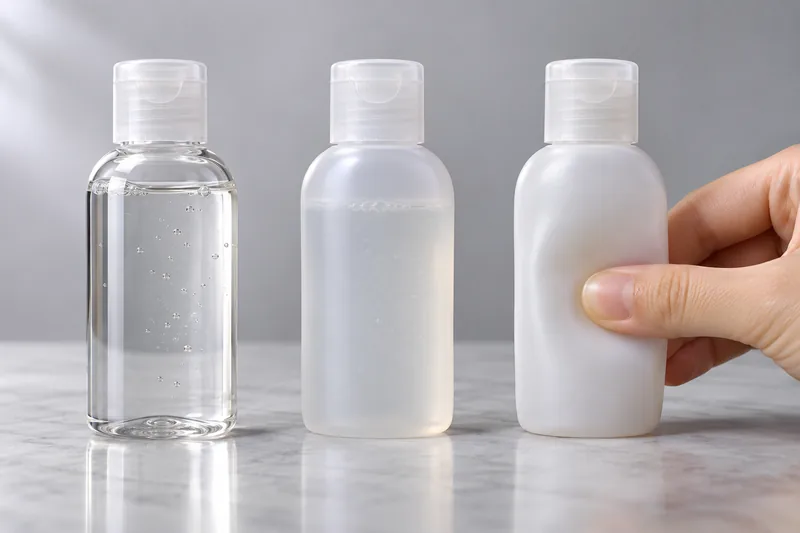
HDPE and LDPE/PE: These are useful when squeeze dispensing is important. HDPE is generally stiffer; softer PE can be easier to compress, but resin grade, wall design and bottle shape matter. An opaque body also hides the liquid level. PET: It offers clarity and crisp shape retention, useful for branded retail minis, but a rigid PET bottle may be harder to empty by squeezing. Silicone: Soft refillable travel containers can be convenient for personal use, yet compatibility with fragrance, colorants and the actual shampoo should not be assumed. A silicone body plus plastic closure is a mixed-component pack whose cleaning and recycling depend on local facilities.
No resin is universally “best” or universally safe for every formula. Test contact materials—including the cap liner, dispensing plug and any pump elastomers—with the finished shampoo. Color change, swelling, stress cracking, perfume loss, weight loss or poor dispensing can make an otherwise attractive bottle unsuitable. For the wider commercial assortment, compare Boyu’s shampoo bottle range.
Round, oval, flat or tube?
Round bottles are easy to handle and can be straightforward to label, but leave wasted space in a tightly packed bag. Flat ovals and rectangular bottles can fit beside other toiletries more efficiently; corners and panel stiffness need attention so the pack does not collapse or become hard to dispense. A tube can be very space-efficient and easy to empty but needs a sound tail seal and cap. For a coordinated product line, a shared footprint across shampoo and conditioner can simplify travel-kit trays—provided the two formulas each pass their own compatibility and dispensing tests. Boyu’s round shampoo bottle options show one form-factor route rather than a universal optimum.
How should you fill, pack and store a travel bottle?
- Identify and clean: Use a bottle intended for cosmetic liquids; wash and fully dry a genuinely refillable container according to its supplier instructions. Avoid topping up over old residue. Do not decant an unfamiliar formula into an unlabeled bottle.
- Fill below the approved line: Follow the manufacturer’s fill-volume guidance rather than filling the neck. Wipe the sealing land and threads; residue can defeat a cap seal.
- Close and check: Snap the flip-top shut or tighten the screw cap without forcing it. Lock a pump and fit its protective cap. Invert the filled pack over a sink and inspect for seepage before travel; this is a personal preflight, not a validated laboratory leak test.
- Contain and separate: Put it in the required liquids bag for the checkpoint, then keep it within a secondary sealed pouch in luggage where practical. Keep it away from hard items that can press an actuator or crack a cap.
- After the trip: Empty and clean a refillable bottle promptly. Let it dry open before storage. Retire it if the hinge whitens, cap loosens, body cracks, odor persists or material changes visibly.
Store filled toiletries away from prolonged heat and direct sun. A parked car or hot bathroom shelf can change formula viscosity and increase pressure or seal stress. In cold conditions, some formulas thicken and become difficult to dispense; recheck function at the intended use temperature. Do not call a package “leakproof” from a single room-temperature inversion test.
What should a brand specify to a travel-bottle manufacturer?
Send one brief for the assembled pack: nominal fill (30/50/75/100 mL), intended actual fill and headspace, viscosity range and fragrance content, material and PCR preference, bottle-only and assembled dimensions, maximum kit footprint, neck finish, cap/orifice or pump output, print area, destination market, quantities by color/design, and distribution route. Request an annotated drawing, a physical sample with the production closure, and a test plan using your actual shampoo.
At minimum, agree how to check fill capacity, dimensions, closure fit, repeated opening, leakage after temperature exposure, drop/transit handling, print durability and compatibility over the intended shelf life. The acceptable test method and limits must be written into the specification; “passes travel test” is too vague. If the design is new, clarify tooling ownership and approval milestones. If an existing mold is used, verify the current neck and cap rather than assuming nominally identical closures interchange. Boyu’s explanation of shampoo bottle production and testing covers the broader factory process.
Boyu’s mini-shampoo manufacturer page lists a standard custom MOQ of 10,000 pieces per design, but a requested color, decoration or closure may alter the commercial minimum. Obtain a written SKU-level quotation and lead-time breakdown; no single MOQ or production schedule applies to every travel bottle.
Frequently asked questions
Is 100 mL the same as 3.4 oz?
100 mL is approximately 3.38 US fluid ounces, customarily rounded to 3.4 fl oz in air-travel guidance. These are volume units, not the filled bottle’s weight in ounces.
Can I take a 150 mL bottle if it contains only 50 mL?
Not under the usual U.S./EU 100 mL carry-on container rule. The capacity of the container is the relevant limit. Transfer the shampoo to a compliant container or place the larger bottle in checked luggage, subject to applicable rules.
Is a pump more leak-resistant than a flip-top?
Not inherently. A pump can dispense neatly but adds a collar seal and accidental-actuation risk. A correctly matched flip-top can be simpler and shorter. Compare the filled, assembled packs using the same leak and handling test.
What is the standard height of a 50 mL shampoo bottle?
There is no standard height. The reference PE cylinder here is 100 mm high, while another PET family publishes 79/94 mm paired heights. Ask for the exact assembled-height drawing for the specific SKU.
Sources
- U.S. Transportation Security Administration, Travel Checklist, carry-on 3-1-1 rule.
- European Union, Luggage restrictions, 100 mL and one-liter bag guidance.
- European Commission, Information for air travellers, liquid-container rules and airport checks.
- MUJI USA, Polyethylene cylinder bottle with snap cap, example dimensions by capacity.
- Somewang, 30/50/100 mL PET bottle with outer cover, example dimensions by capacity.
 English
 Español de Argentina
 Русский
 Italiano
 日本語
 한국어
 العربية
 Français
 Deutsch