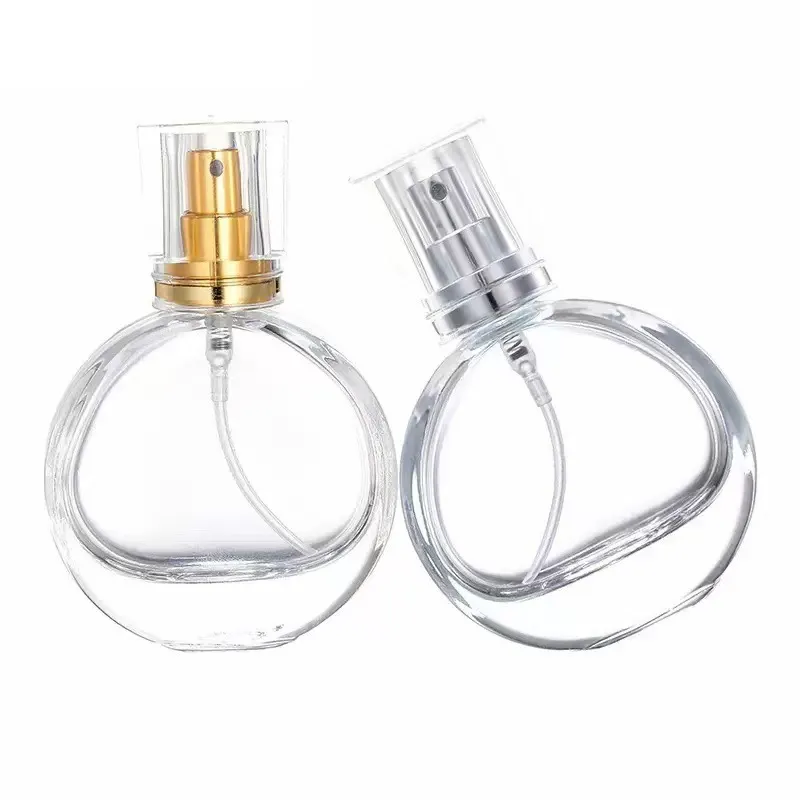
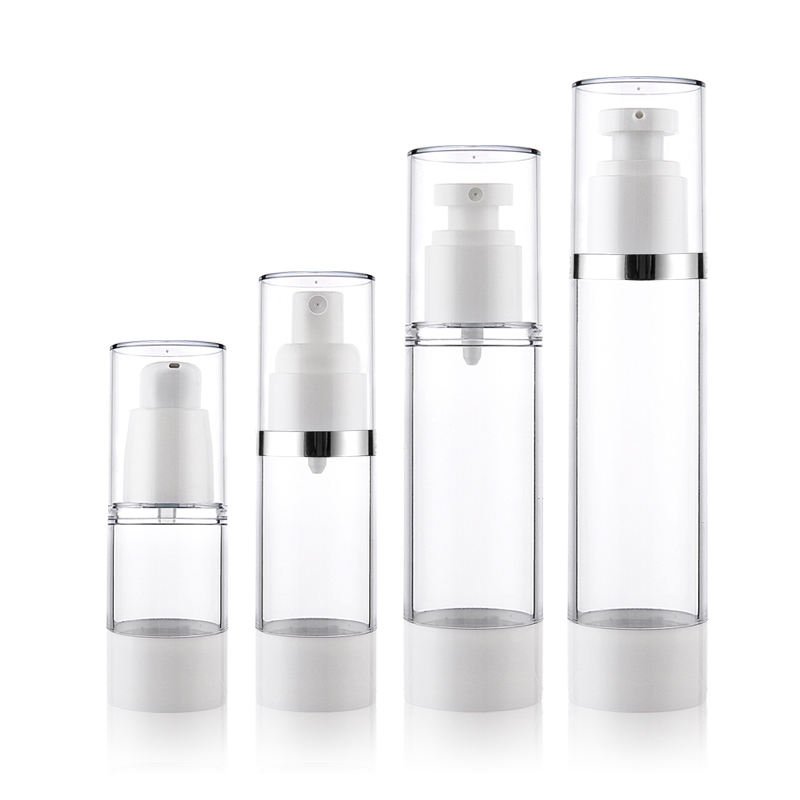
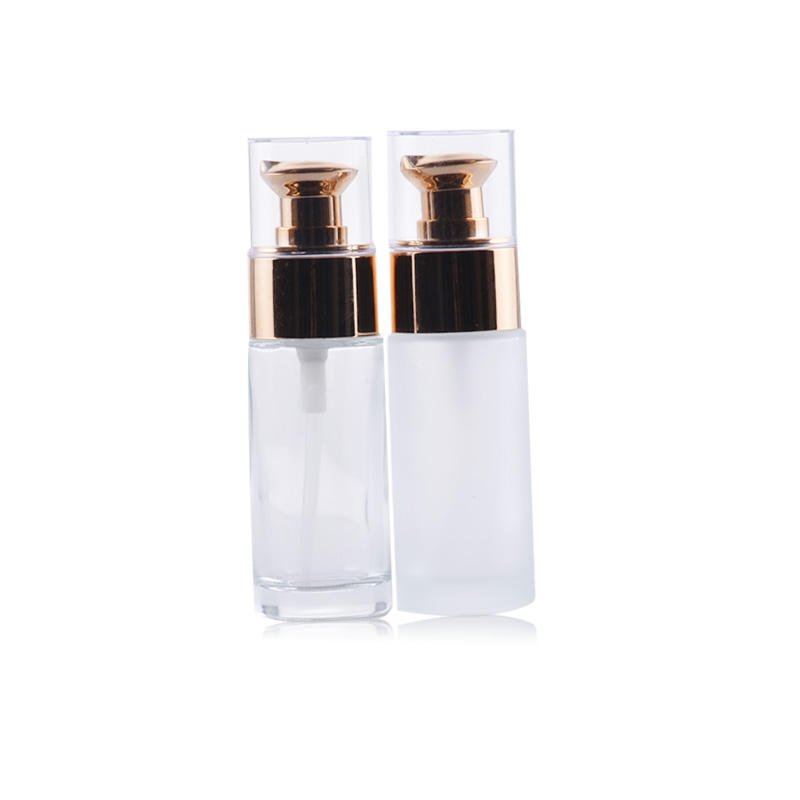
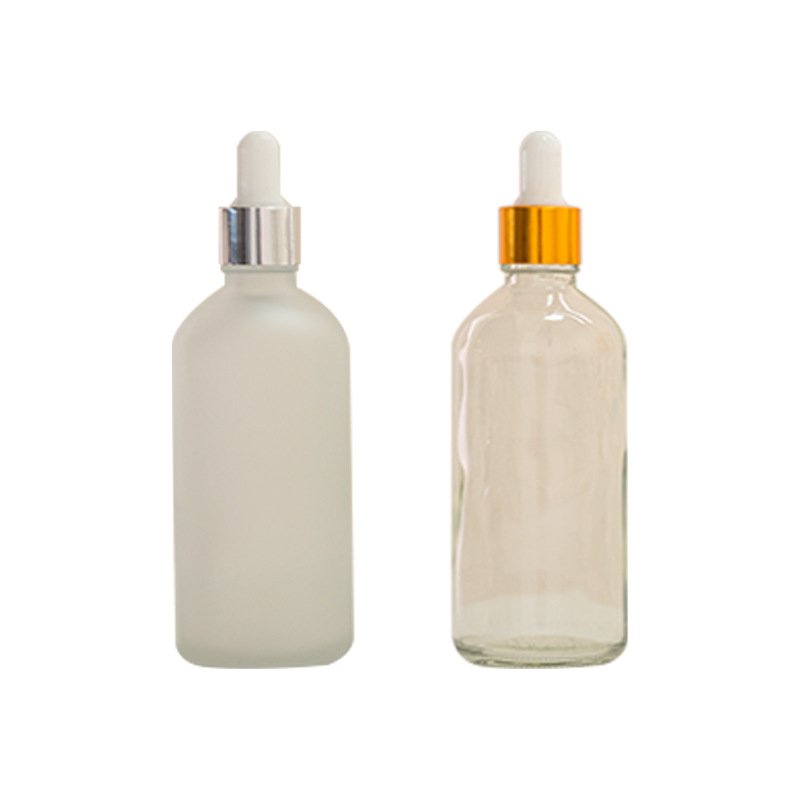
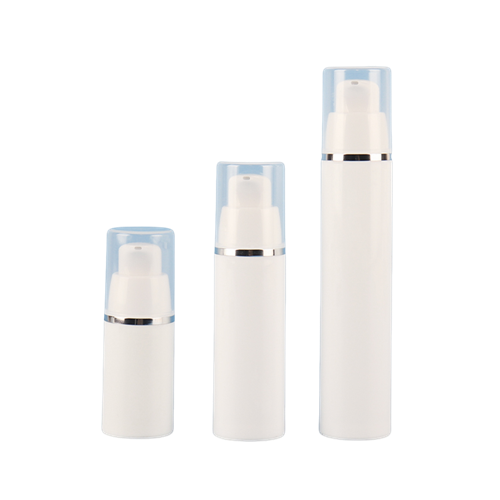
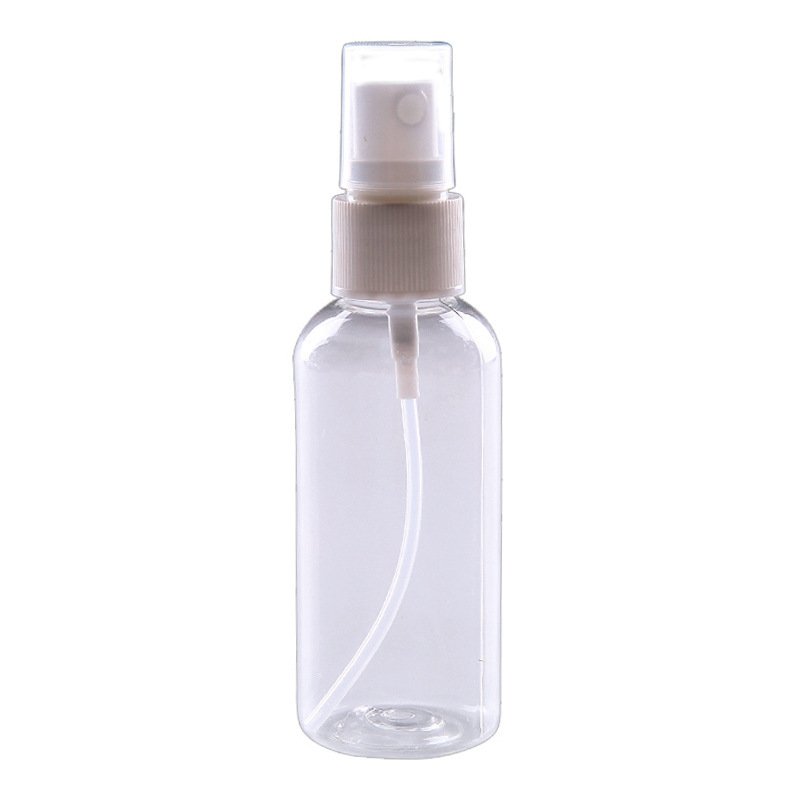
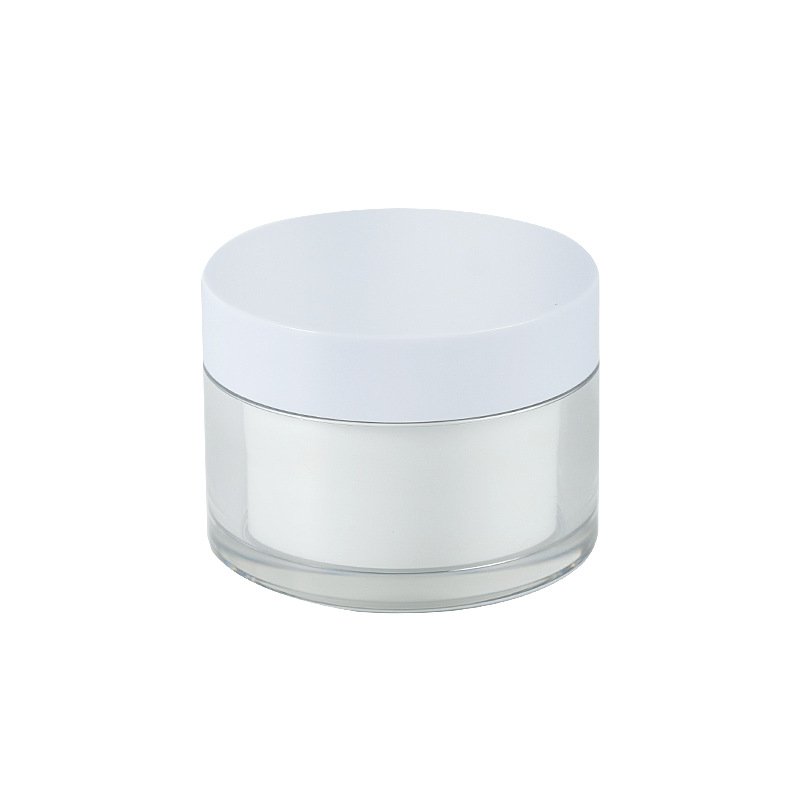
Clear and Frosted Square Rotary Airless Bottles
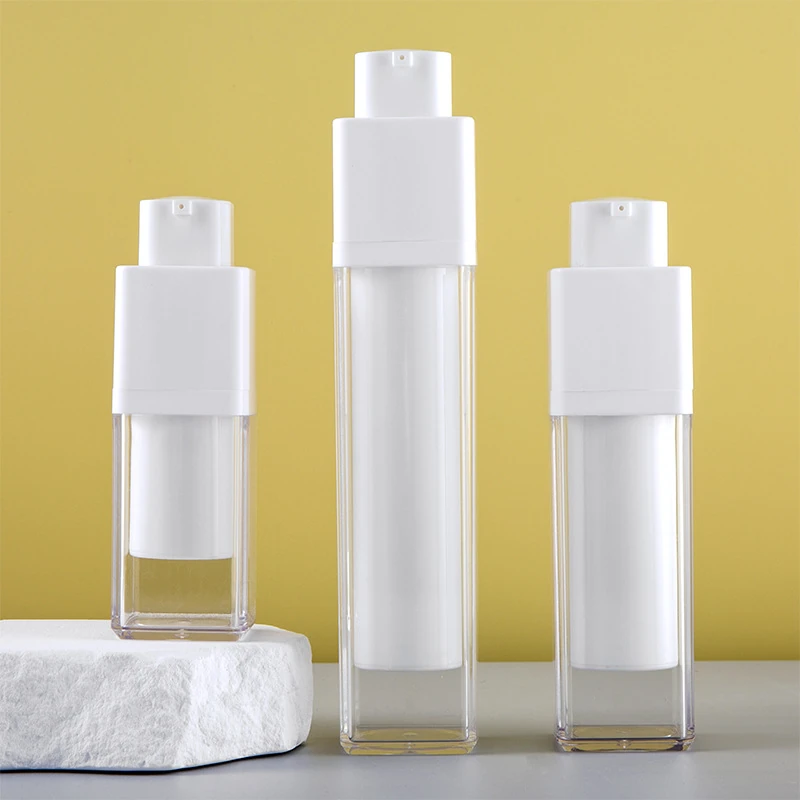
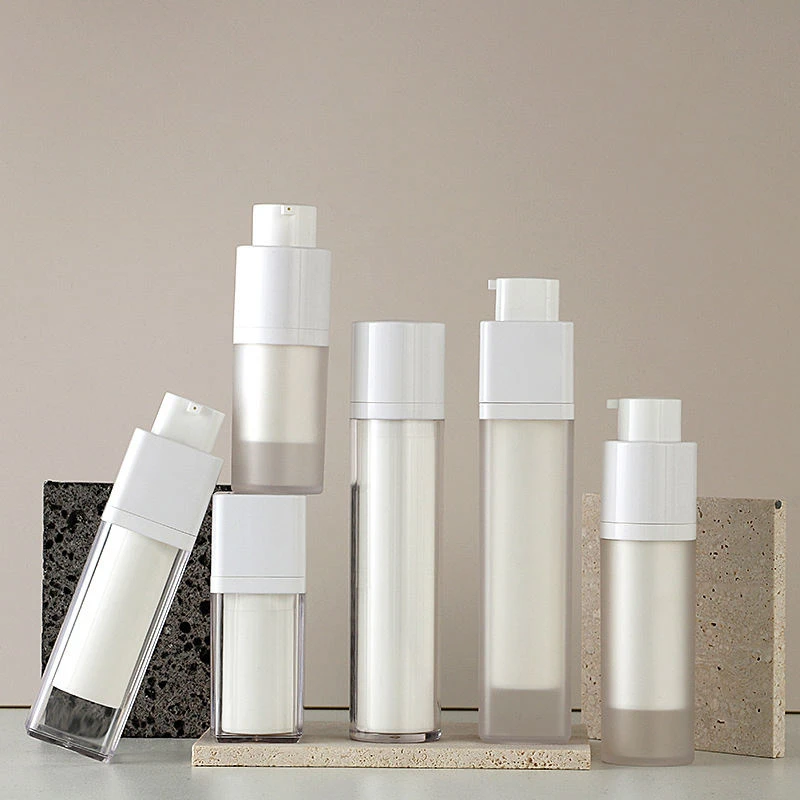
Boyu Packaging’s square rotary airless bottles come in 15, 30 and 50 mL for serums, lotions and pumpable creams. The clear or frosted shell, inner reservoir and white rotary actuator create a coordinated skincare range. Compare airless bottle formats or request a separate mist-head evaluation for a sprayable formula. Made in Zhejiang, China. MOQ 10,000 pieces.
Specifications
| Brand | Boyu Packaging |
|---|---|
| Place of origin | Zhejiang, China |
| Nominal capacities | 15 mL, 30 mL and 50 mL. Approve usable fill and headspace with each selected pump. |
| Package design | Square outer shell in clear or frosted finish, inner reservoir and white rotary pump assembly. |
| Component materials | Approve the resin grade for the outer shell, inner reservoir, actuator and all formula-contact parts on the bill of materials. |
| Dispensing | Rotary airless lotion pump configuration. Confirm fine-mist head availability and compatibility by part number and filled sample. |
| Dimensions and dose | Approve a size-specific drawing, neck interface, actuator travel, target output per stroke and operating effort. |
| Decoration | Screen printing and hot-stamping options for approval. Confirm the artwork panel and adhesion on the selected finish. |
| MOQ | 10,000 pieces. Confirm allocation by capacity, finish, decoration and head configuration. |
| Packing | Confirm pump assembly state, carton count, protective partitions, dimensions, gross weight and shipment volume. |
Choose the Lotion Pump or Qualify a Mist Head
Lotion and serum dispensing
Provide the actual formula, viscosity range and test temperature. Set a target dose and agree on priming strokes, full-stroke variation, pump return, nozzle residue and restart after storage. Measure the product remaining at end of use under a defined procedure. The airless pump evacuation guide can help the filling and purchasing teams agree on a common test.
Fine-mist requests
Specify your desired spray pattern, distance and output per stroke, and submit the intended formula. Confirm the mist actuator and reservoir combination by part number. Test coverage, droplet consistency, drips, clogging and restart after an idle period. Confirm whether the chosen head shares the lotion pump’s mounting interface, assembly steps and shipping configuration.
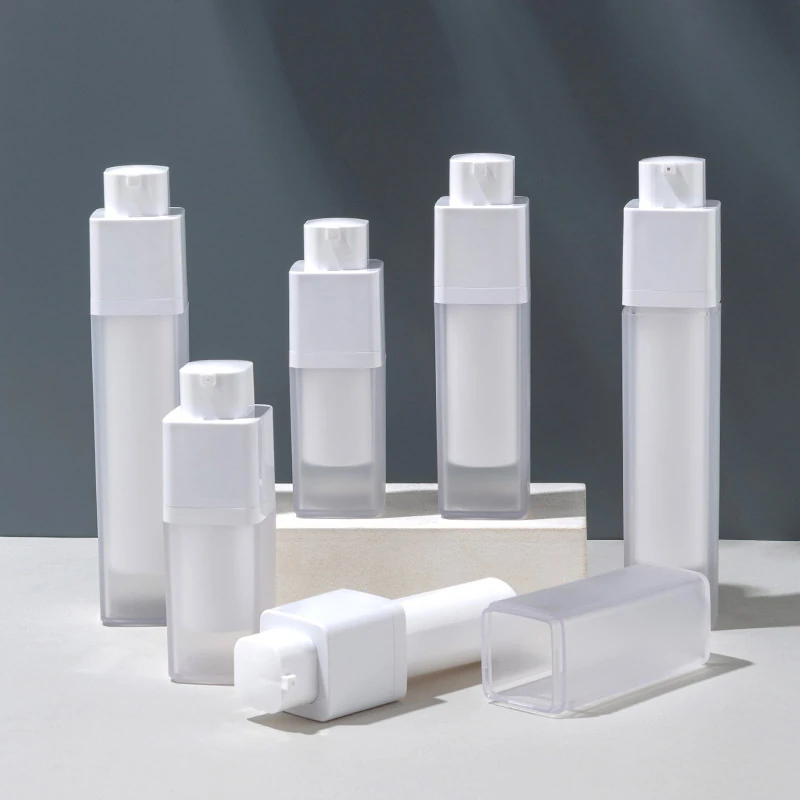
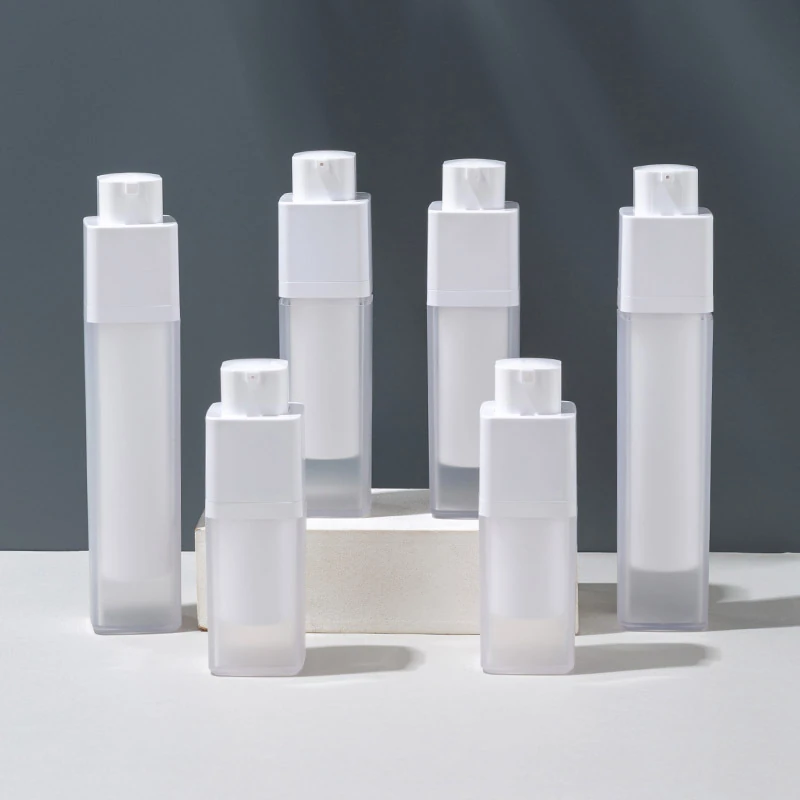
Bottle Finishes and Pump Assembly
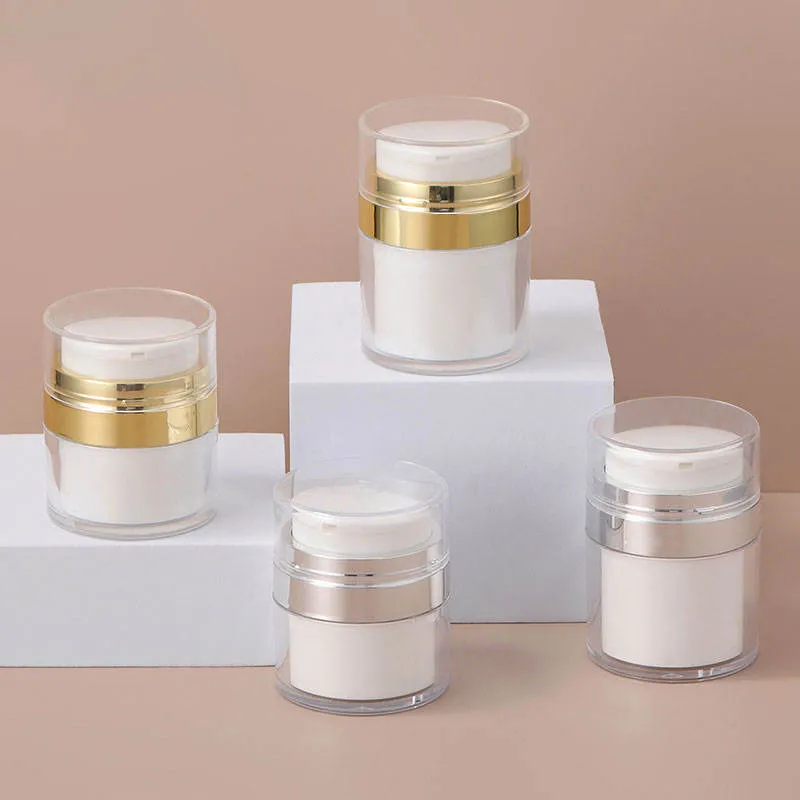
Compare the clear and frosted shells and review the reservoir and white rotary pump parts before sample approval.
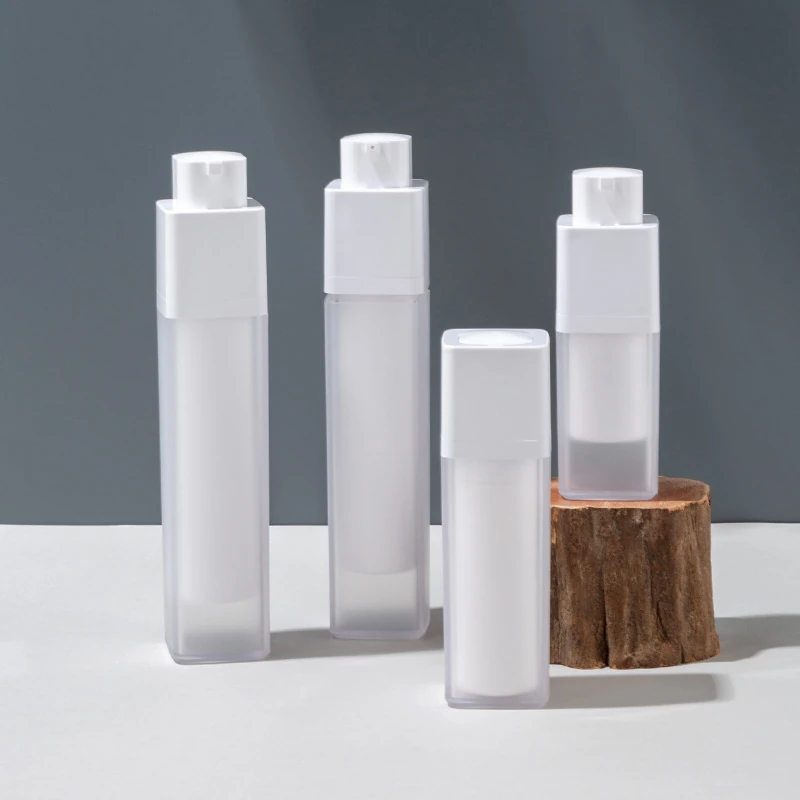
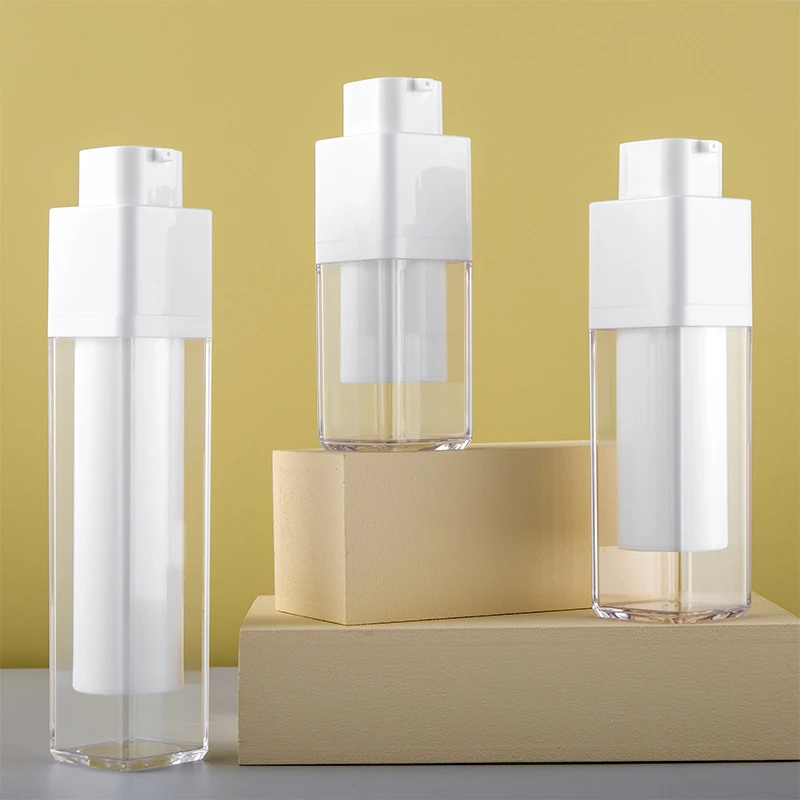
Factory Production and Customization Workflow
1. Approve drawings and the purchase specification
Lock the capacity, fill level, head type, color and surface finish by SKU. Approve the overall height in both actuator positions, square profile, printable panel and reservoir interface. Ask for the full component material list. If tooling changes are needed, agree on ownership, cost, trial rounds and the approval milestone before release.
2. Mold components and approve finishes
Confirm the molding route, material grades and tool references for the shell, reservoir and pump components. Review first-off parts for dimensional fit, collar alignment and clarity or frost uniformity. Supply vector artwork and separate color references for the actuator and shell. Approve screen-print position or foil coverage on the exact finish, then verify rub resistance and adhesion after formula contact.
3. Assemble and qualify a filled pilot
Approve the shell and reservoir fit, pump seating, rotation and closed-head alignment on production-intent samples. On the buyer’s filling line, verify fill headspace, insertion order, fixture clearance, pump seating and lot-code position. Freeze the signed sample, approved artwork revision and inspection limits before bulk quantities enter production.
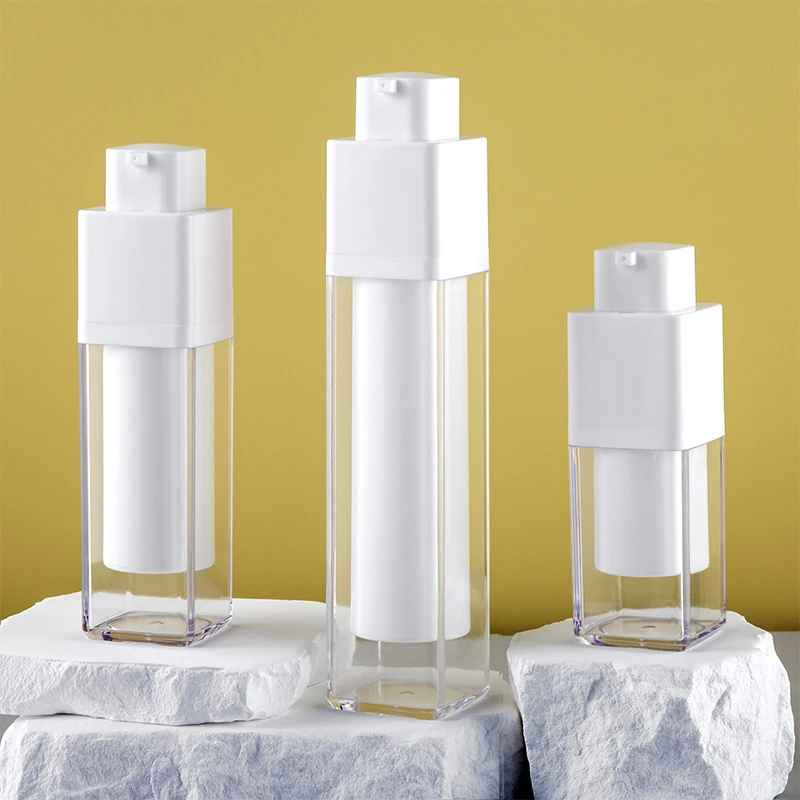
Quality Control and Acceptance Criteria
Incoming, in-process and final inspection
Record material and component lots. Check clear and frosted shells for scratches, color variation, uneven frost, flash and stress marks. Use approved measurements for overall dimensions, mating surfaces and seating depth, and check open and closed actuator positions. Verify printing orientation and legibility against the signed sample. Agree on how critical, major and minor defects are classified and how many units are inspected per lot.
Formula contact and shipping performance
Use filled samples to assess seal integrity, dose or mist pattern, restart, actuator travel and end-of-use performance. Agree on temperature, storage time, pack orientation and pass limits. Examine the reservoir, seal and formula for deformation, swelling, residue, discoloration or odor change. Verify the final carton after transport simulation and repeat leakage and dispensing checks.
Lead Time, Packing and International Shipping
Request dates for each order milestone
Ask for separate dates for drawing approval, sample dispatch, decorated sample sign-off, molding, assembly, inspection and handover to the carrier. Confirm what starts the production window, including whether artwork approval, signed samples or deposit receipt is required. Allow for tooling trials or repeat decoration approvals where applicable. Ask for a dispatch window and a separate transit estimate by route.
Compare freight on the same packing and delivery basis
Agree whether pumps and bodies ship assembled or in separate cartons. Use partitions or sleeves to protect clear faces and corners, and keep sufficient clearance above the closed actuator. Request units per carton, dimensions, net and gross weight, shipment volume and pallet layout. Compare courier for samples and air or ocean for bulk on the same delivery point. Ask the quote to show the named delivery term, freight scope and any destination charges. Confirm the commercial invoice and packing list requirements before dispatch.
To request a wholesale quotation, send quantities by capacity and finish, the formula or viscosity range, target head and dose, artwork, testing requirements, destination and required arrival date. Ask for samples, tooling, decoration, inspection, packaging and freight to be itemized where applicable.
Buyer FAQ
What is the MOQ?
10,000 pieces. Confirm allocation by capacity, finish, head and artwork in the written quote.
Can I use the same bottle for a serum and a face mist?
Approve each head and reservoir combination separately. Confirm the interfaces on the drawing and validate the actual formula on filled samples.
Is the shell acrylic?
Approve the shell resin and the complete component material list before ordering. Request separate material identification for the reservoir and delivery path.
Can I refill or replace the inner reservoir?
Request the approved replacement or refill procedure if required. Confirm whether the parts are offered separately and test repeated installation, seal retention and dispensing.
Can I print on clear and frosted shells?
Approve a decorated sample on each selected finish. Review opacity, artwork alignment and adhesion before bulk production.
How do I confirm volume and pump output?
Approve actual fill and pump displacement by capacity. Measure output after priming and after storage using the intended formula.
How are sample costs and bulk lead time quoted?
Request a dated schedule and itemized fees for fit samples, decorated samples, tooling and bulk production. Confirm the milestones that trigger each stage.
Can the packaging run on an automated line?
Run a pilot using the intended fixtures, fill settings and assembly sequence. Verify that the square sides and retracted actuator clear all guides.
What documentation can I request?
List the material declarations, lot traceability, inspection records and shipping documents required for the selected SKU and destination.
How do I report transit damage or defects?
Record affected counts, material lots and carton labels. Keep photos and representative samples, and follow the agreed receiving inspection and claims terms.
 English
 Español de Argentina
 Русский
 Italiano
 日本語
 한국어
 العربية
 Français
 Deutsch