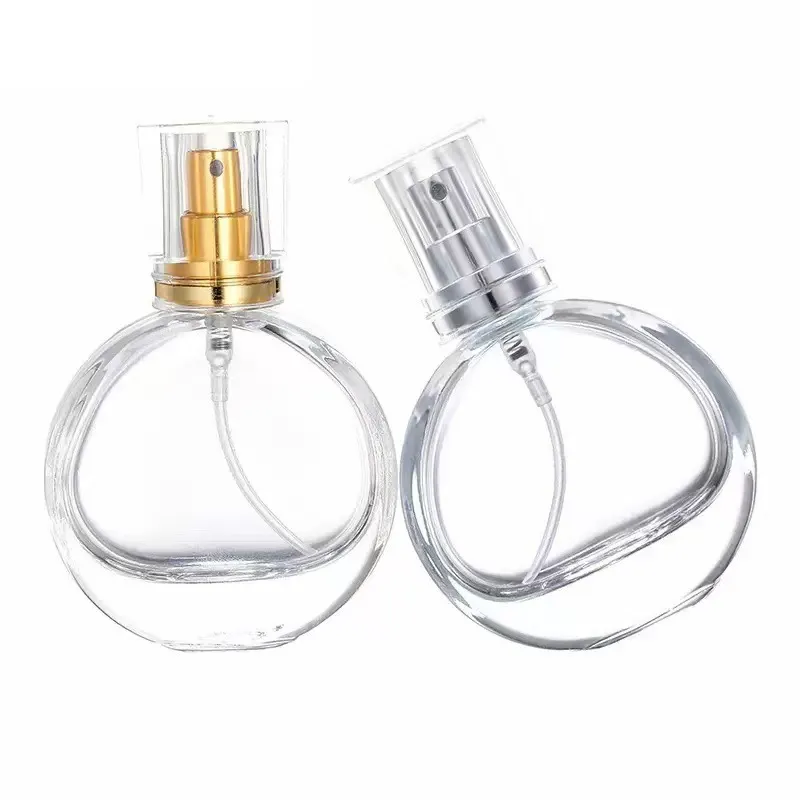
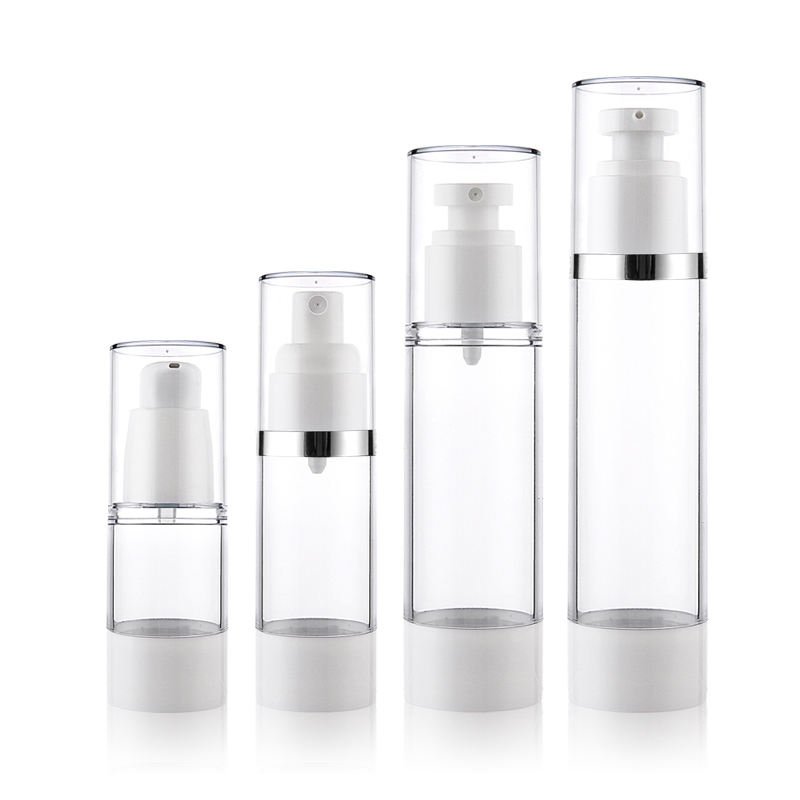
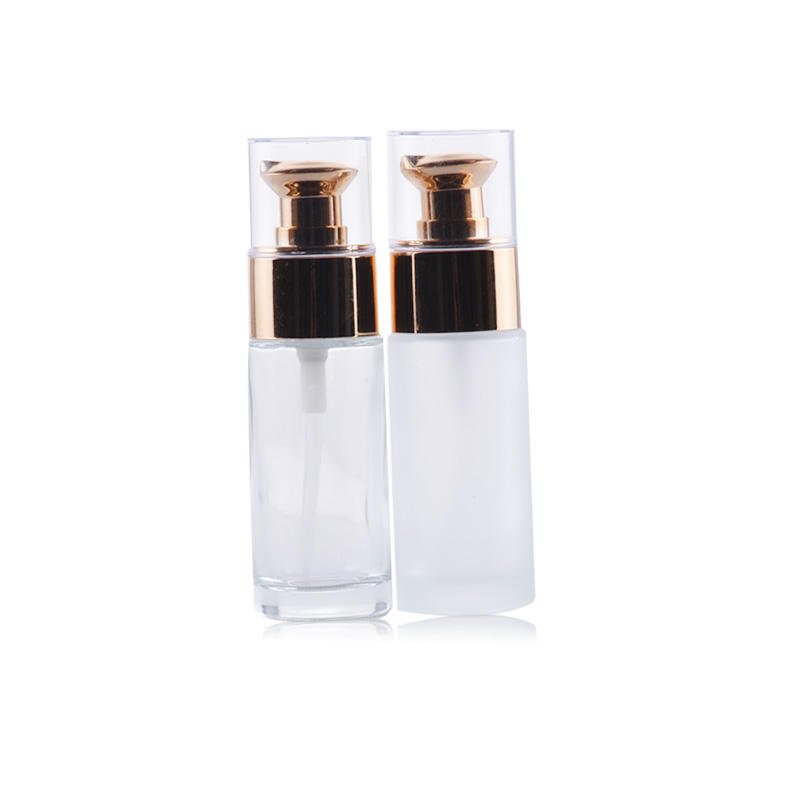
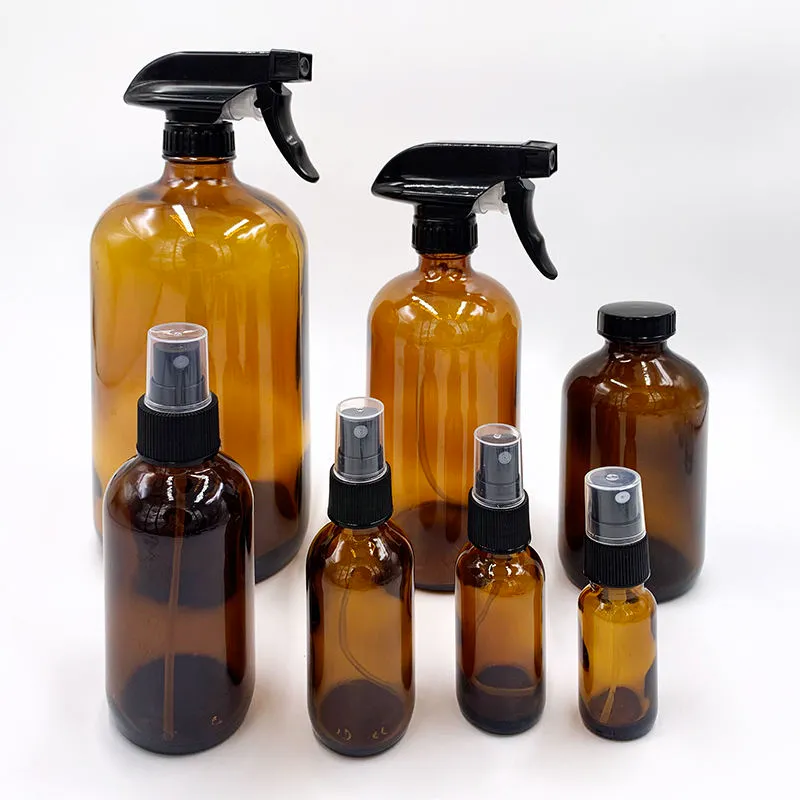
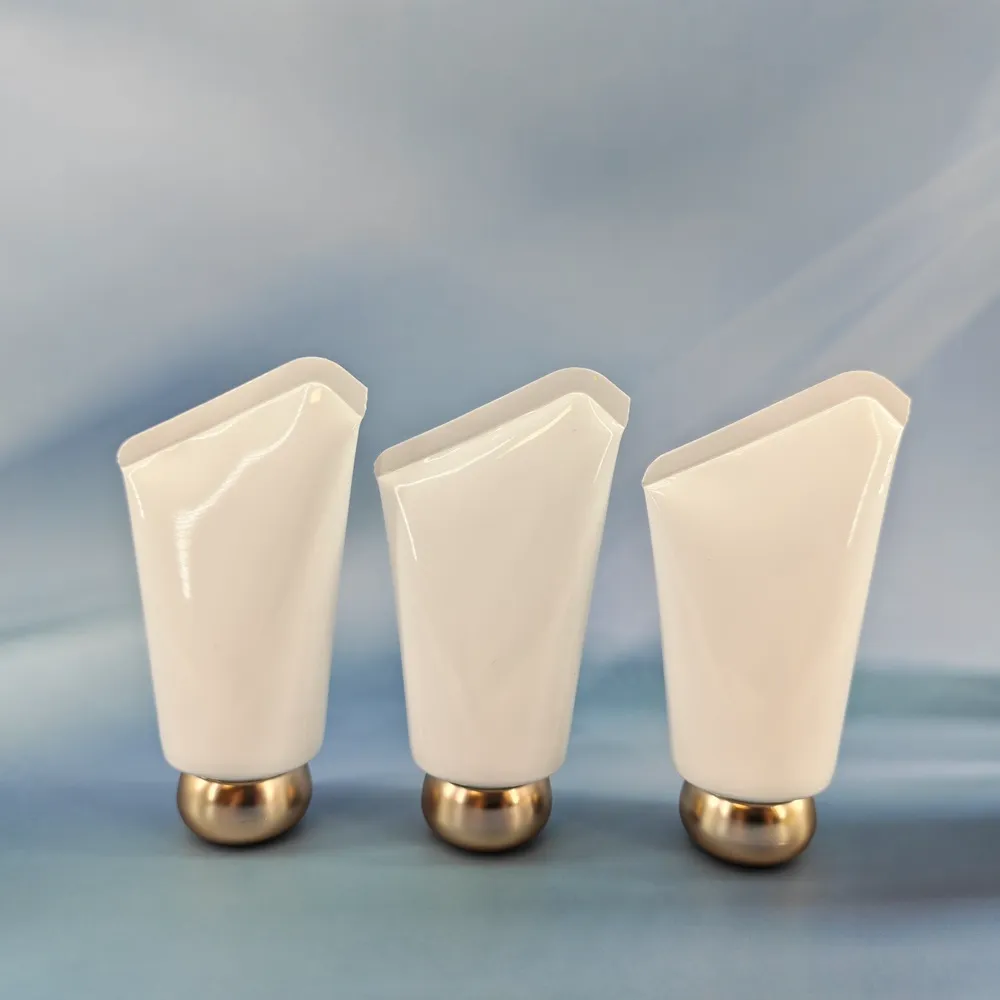
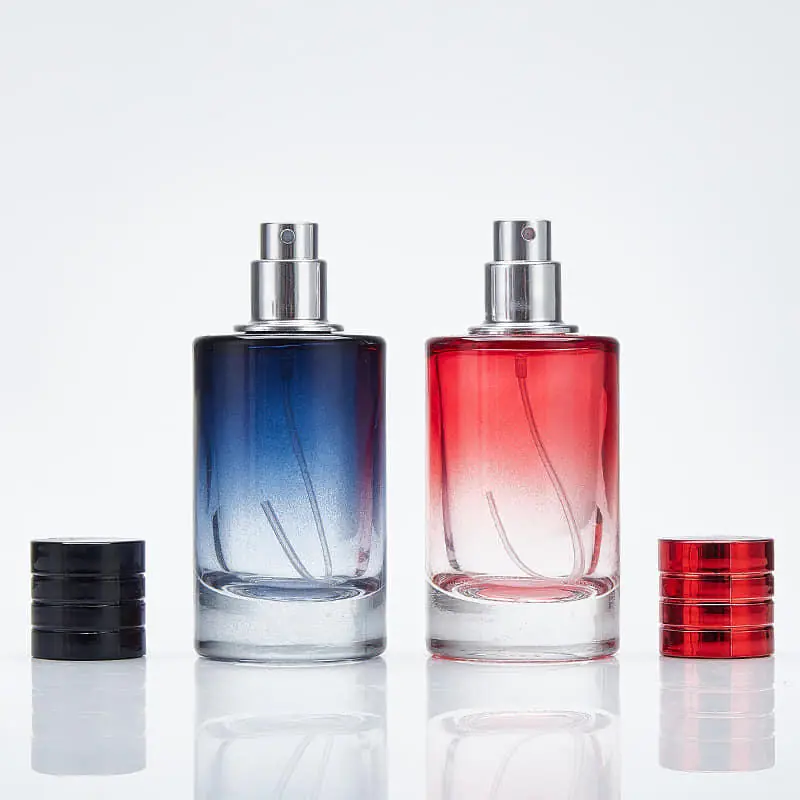
Direct answer: For most non-aerosol, alcohol-based body sprays, a compatible PET bottle with a high-quality fine-mist sprayer is the best practical starting point: it is lightweight, impact resistant, transparent and economical. Choose glass when premium feel and a strong fragrance barrier outweigh weight and breakage risk; choose HDPE when opacity and rugged handling matter more than clarity. No resin is automatically safe for every formula. The filled bottle, closure, gasket, spring, dip tube, decoration and fragrance must pass compatibility, leakage and spray-performance testing together.
This guide is for beauty brands and packaging buyers specifying an ethanol-based body mist—not a pressurized aerosol. “Alcohol” in US cosmetic ingredient labeling ordinarily means ethyl alcohol; denatured ethanol may appear as SD Alcohol or Alcohol Denat.
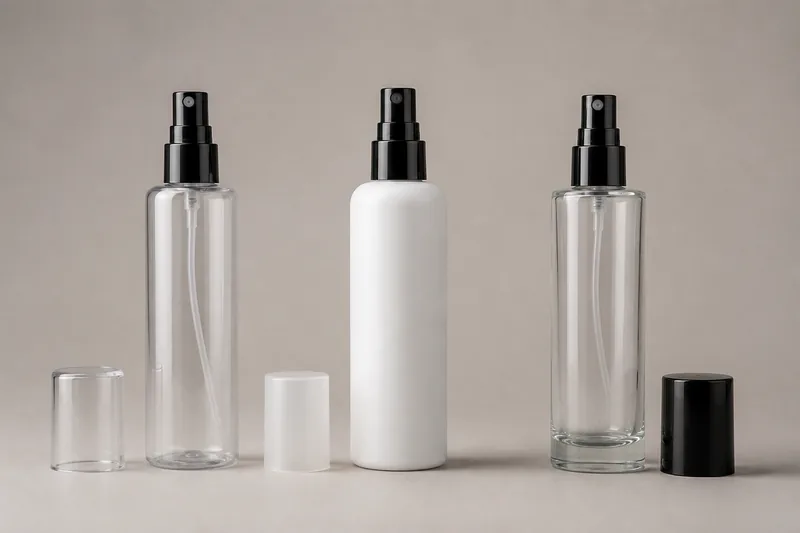
The best bottle depends on the product—not alcohol alone
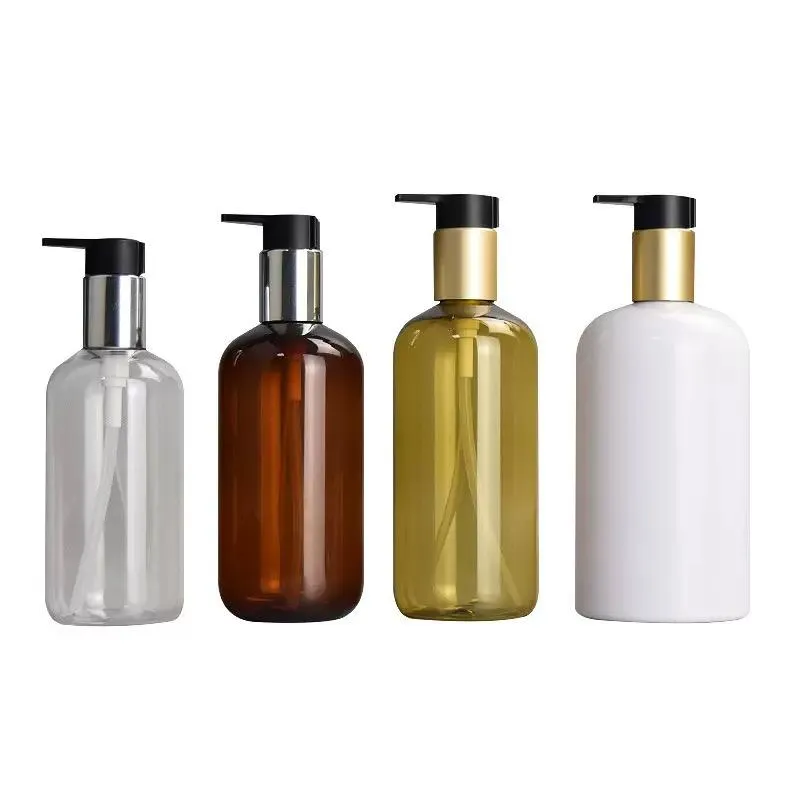
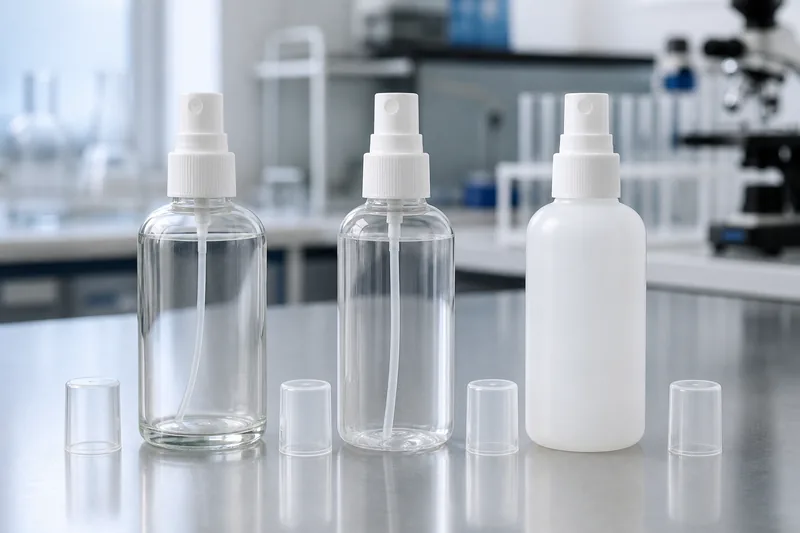
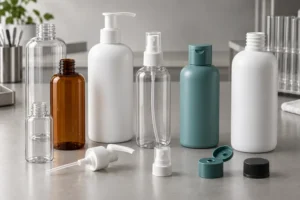
A useful first decision is based on the complete commercial use case. A clear or tinted PET bottle is usually the balanced choice for a 50–250 mL everyday body mist sold through retail or e-commerce. Glass is often preferable for a smaller, prestige fragrance spray where perceived quality and low aroma transmission matter. Natural or colored HDPE fits rugged, opaque or utilitarian products, but the formula must still be checked for fragrance loss, paneling and stress effects.
| Priority | Strong starting point | Main qualification |
|---|---|---|
| Light weight, clarity and impact resistance | PET with compatible fine-mist sprayer | Validate against the exact ethanol, fragrance, colorant and denaturant system. |
| Premium feel and fragrance preservation | Glass with crimp or validated screw-on sprayer | Plan for breakage, weight, protective secondary packaging and e-commerce drops. |
| Opacity and robust handling | HDPE with compatible closure | Assess permeation, dimensional change and environmental stress cracking. |
| Light-sensitive color or fragrance | Opaque/tinted bottle or effective coating | Prove protection through formula stability; color alone is not a barrier specification. |
Glass vs. PET vs. HDPE for alcohol body spray
PET: the most balanced default
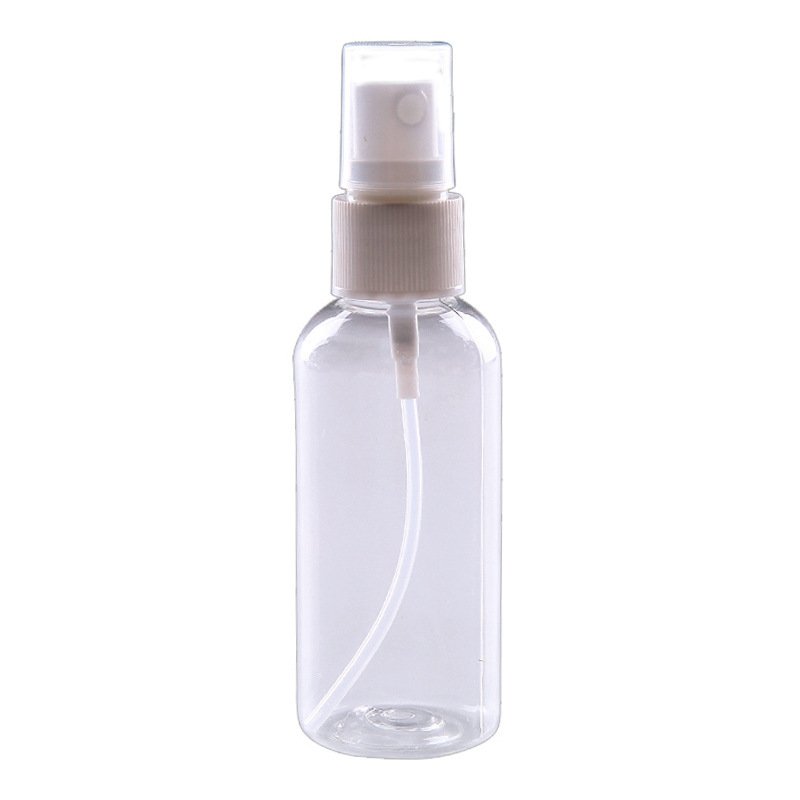
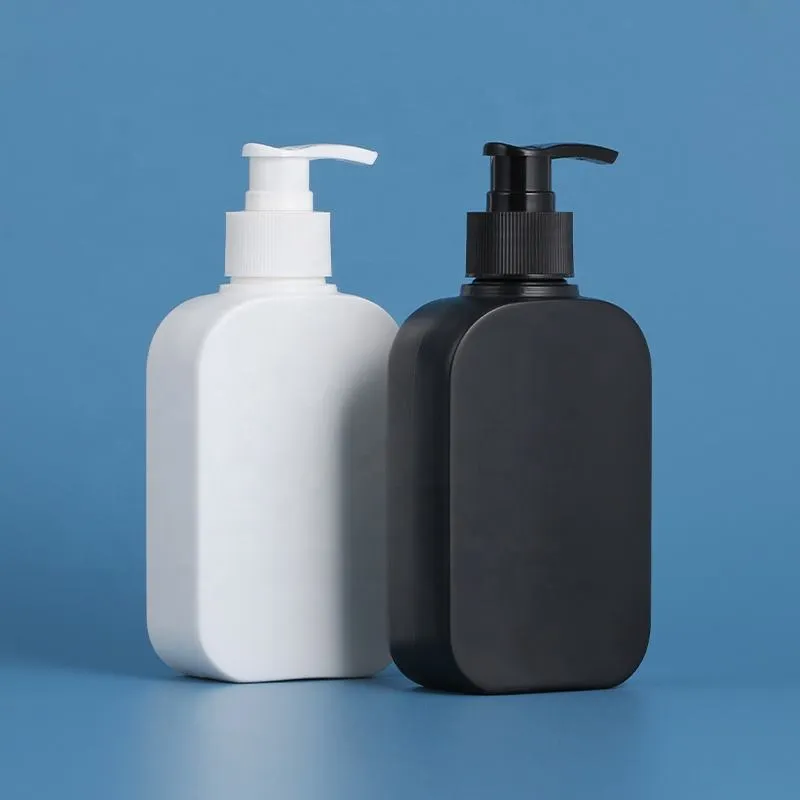
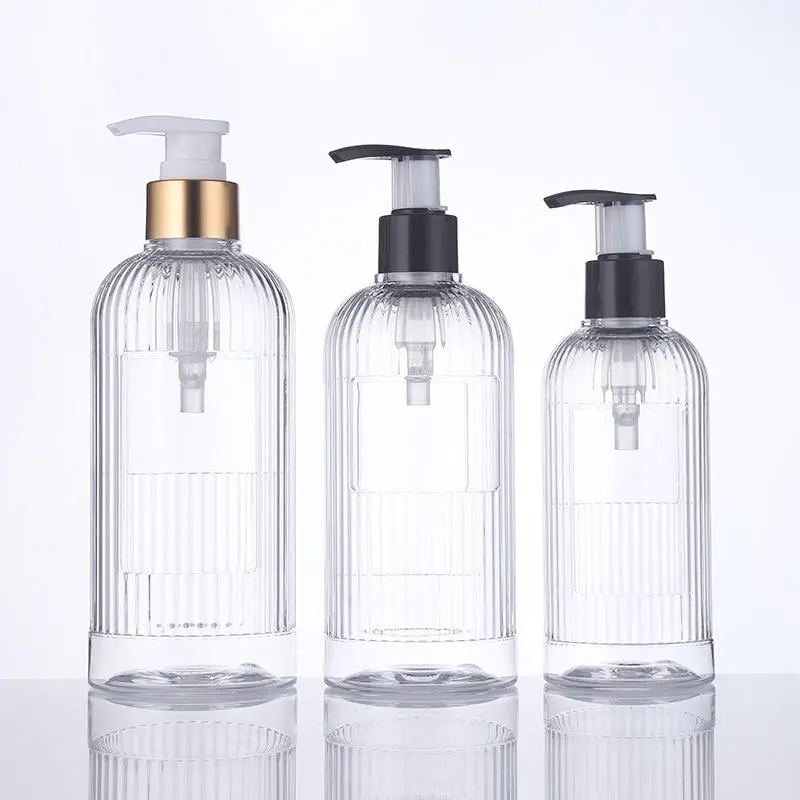
PET offers glass-like clarity at substantially lower package weight and does not shatter in normal handling. It also supports common cosmetic shapes and decoration methods. Those advantages make it a practical first candidate for body mists. However, essential oils, fragrance solvents, denaturants and high stress around the neck or base can change compatibility. Clear PET also provides no meaningful visual hiding of formula discoloration and may be unsuitable when light protection is required.
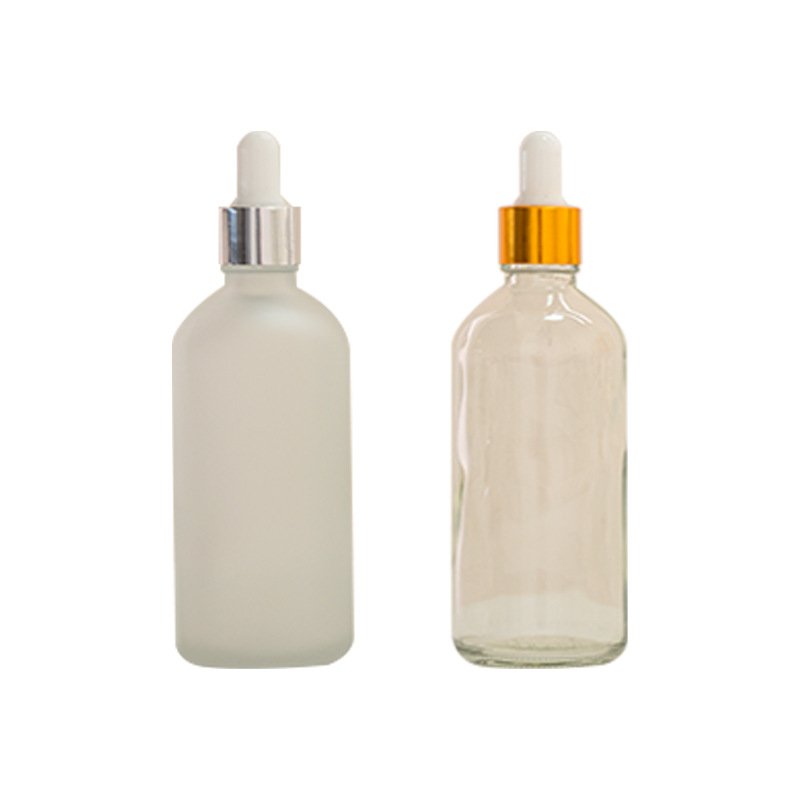
Glass is a strong choice for prestige positioning and formula isolation because the bottle wall is comparatively inert and provides a strong barrier. The weak points move to the closure interface: gasket, pump, spring, crimp, dip tube and coating. Glass increases unit weight and may break during drops, filling-line impacts or parcel delivery, so it normally needs more protective transit design.
HDPE: opaque and tough, but not automatically the best barrier
HDPE is resilient, naturally translucent-to-opaque and widely used for chemical and personal-care containers. It is useful where squeezing is not required but impact resistance and opacity are priorities. Because volatile fragrance ingredients can interact with or permeate polymer systems, brands should measure fill-weight loss, odor change and panel dimensions rather than assume a generic “chemical resistant” label settles the decision.
The sprayer is often the first failure point
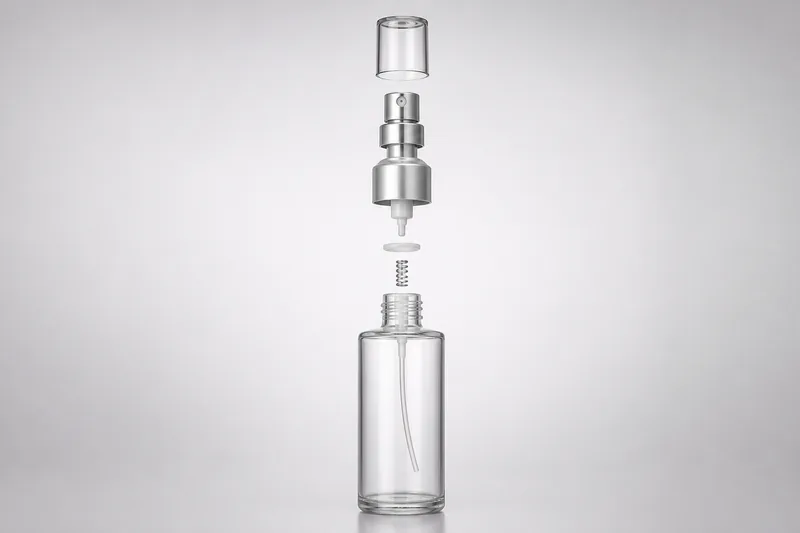
A bottle that tolerates the formula can still fail as a package. Alcohol and fragrance contact the dip tube, pump chamber, seals, actuator and sometimes a metal spring. Incompatibility can appear as swelling, softening, corrosion, discoloration, odor change, leakage, loss of prime, a stuck actuator or a distorted spray plume.
Ask the supplier to disclose the wetted materials—the components that touch the formula—and whether the spring is isolated from the product path. Match the neck finish and closure torque, and specify a protective cap or locking actuator for transit. A fine-mist sprayer should be chosen by measured output per stroke and plume quality with the real formula, not with water.
What in the formula changes the answer?
Ethanol concentration is only one variable. Record the complete formula and supplier grades before testing, including water content, fragrance load, essential oils, solubilizers, denaturants, colorants and any film formers. A small fragrance change can alter how a polymer, seal or coating behaves.
- High fragrance or essential-oil load: raises the need to screen seals, plastics, inks and coatings for extraction, swelling and stress cracking.
- Light-sensitive ingredients: favor amber, tinted or opaque structures, but shelf-life testing must demonstrate the benefit.
- Suspended particles or shimmer: may clog a fine orifice or settle in the dip tube; particle size and re-dispersion behavior must be considered.
- Fast evaporation: makes closure integrity and permeation measurements important because alcohol loss can alter fragrance balance and net contents.
- Colorants: can stain dip tubes, gaskets or bottle walls and may fade under light.
Tests to run before commercial approval
There is no universal pass/fail schedule for every body spray. Build a written protocol around the intended shelf life, climate, channels and known risks. Test production-intent components from representative lots, in upright, inverted and side orientations where relevant, with controls in an inert reference container.
- Compatibility and stability: store filled packages under defined ambient, elevated-temperature, low-temperature and light conditions. At scheduled intervals inspect appearance, odor, color, clarity, pH where relevant, fill mass, bottle dimensions, cracking, swelling, seal condition and decoration.
- Closure integrity and leakage: evaluate assembly torque or crimp dimensions, orientation leakage, vacuum/pressure methods appropriate to the design, and post-aging seal performance.
- Spray performance: record prime strokes, output mass per stroke, dose consistency, plume pattern, droplet character, actuator force, clogging, dribble and evacuation.
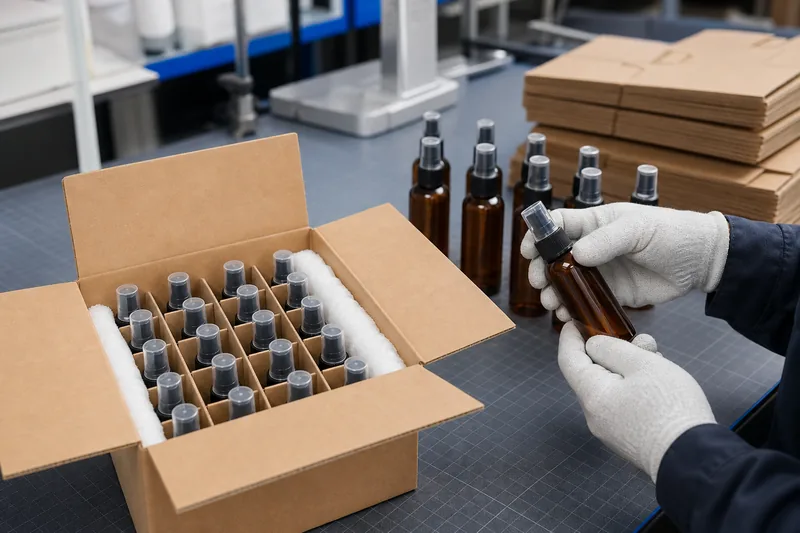
- Mechanical and distribution testing: test capped retail units and completed shipping packs for drops, vibration, compression and temperature exposure representative of the distribution route.
- User-safety review: confirm labeling, cap retention, foreseeable misuse and any flammability communication required for the formula and destination market.
Accelerated aging is comparative evidence, not an automatic mathematical prediction of shelf life. Use real-time observations alongside accelerated conditions, and define acceptance criteria before results are known.
Alcohol changes transport planning
An ethanol-rich body spray may meet the transport definition of a flammable liquid. Classification depends on the finished product’s properties, including flash point—not merely the marketing name or nominal alcohol percentage. The Safety Data Sheet and the rules for the transport mode and destination should drive classification.
For US ground transport, PHMSA explains that limited-quantity flammable liquids use inner packages with leakproof closures, packed upright in a strong outer package and secured against movement or damage; quantity limits depend on classification. Air transport applies separate dangerous-goods requirements. A non-pressurized pump bottle is also different from an aerosol dispenser, which contains product under pressure.
A useful RFQ specification for buyers
Send enough detail for a packaging supplier to propose a complete, testable system. Include:
- finished formula or a confidential compatibility brief, including ethanol range, fragrance load and unusual solvents;
- nominal fill volume, target brimful capacity and headspace;
- bottle resin, color or light-barrier need, neck finish and tolerance expectations;
- spray output target, plume preference, actuator style, dip-tube length and cap/lock requirement;
- decoration area, ink/coating type and abrasion or alcohol-rub expectations;
- sales markets, storage temperature, retail/e-commerce channel and transport modes;
- test protocol, sample quantity, acceptance criteria and required documentation.
Boyu’s verified cosmetic spray bottle range includes plastic and glass options for body sprays. Buyers comparing broader resin choices can also review plastic cosmetic bottles, while a prestige fragrance project may start with a crimp glass spray bottle. Suitability still requires approval with the intended formulation.
Frequently asked questions
Can PET bottles hold alcohol-based body spray?
PET is a sensible candidate for many ethanol-based body sprays, but the final formula and full closure system must be tested. Fragrance oils, denaturants, solubilizers, molded-in stress and decoration can change performance even when the base resin appears compatible.
Is glass always better than plastic for body spray?
No. Glass offers premium feel and a strong bottle-wall barrier, but it is heavier and breakable. PET may be better for large body mists, travel and e-commerce. The best package balances compatibility, protection, user experience and distribution risk.
Can an aluminum bottle be used?
Potentially, but the internal lacquer or liner becomes a critical product-contact surface. Approval requires formula-specific testing for liner integrity, corrosion, flavor/odor change and closure compatibility. Bare-metal suitability should not be assumed.
Is a fine-mist bottle the same as an aerosol?
No. A fine-mist pump mechanically dispenses liquid from a non-pressurized bottle. An aerosol dispenser contains product under pressure and is subject to different package design, warning and transport considerations.
How long should compatibility testing run?
Long enough to support the intended shelf life and distribution conditions. Use predefined ambient, accelerated, cold and light exposures with scheduled measurements, then continue real-time stability. A short soak test can screen candidates but cannot establish commercial shelf life.
Sources
- US FDA — “Alcohol Free” and cosmetic alcohol terminology.
- US FDA — Summary of Cosmetics Labeling Requirements.
- US PHMSA — Is Flammable Liquid in Your Package?.
- IATA — Dangerous Goods Regulations, passenger baggage provisions for toiletries containing alcohol.
- ASTM International — Identifying Package and Sealed Container Leaks.
- EUR-Lex — Aerosol dispenser labeling provisions.

 English
  Español de Argentina
  Русский
  Italiano
  日本語
日本語  한국어
한국어  العربية
  Français
  Deutsch