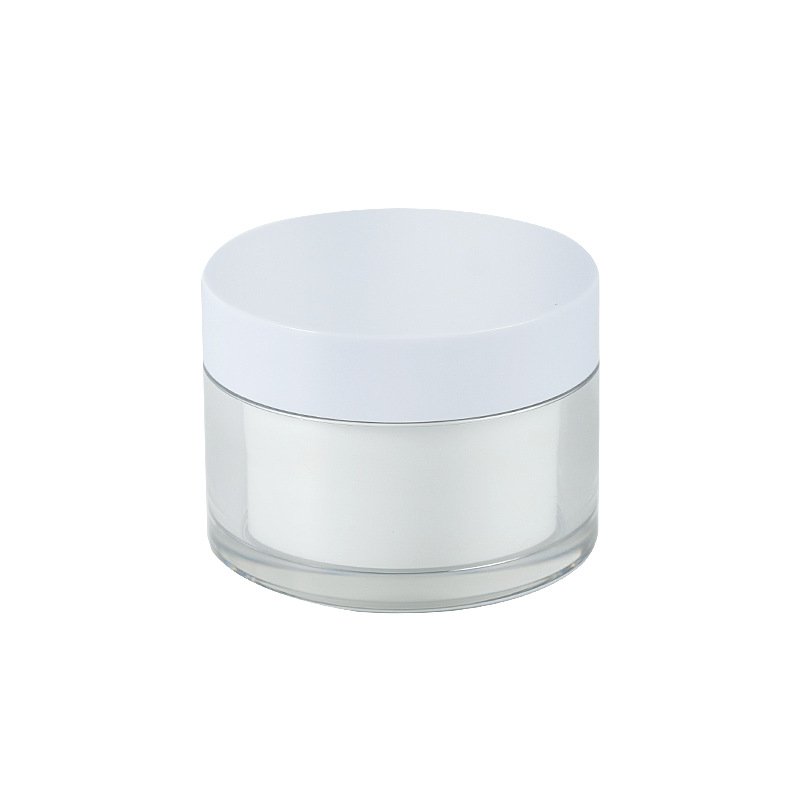
Frosted Glass Cream Jars with White Screw Lids
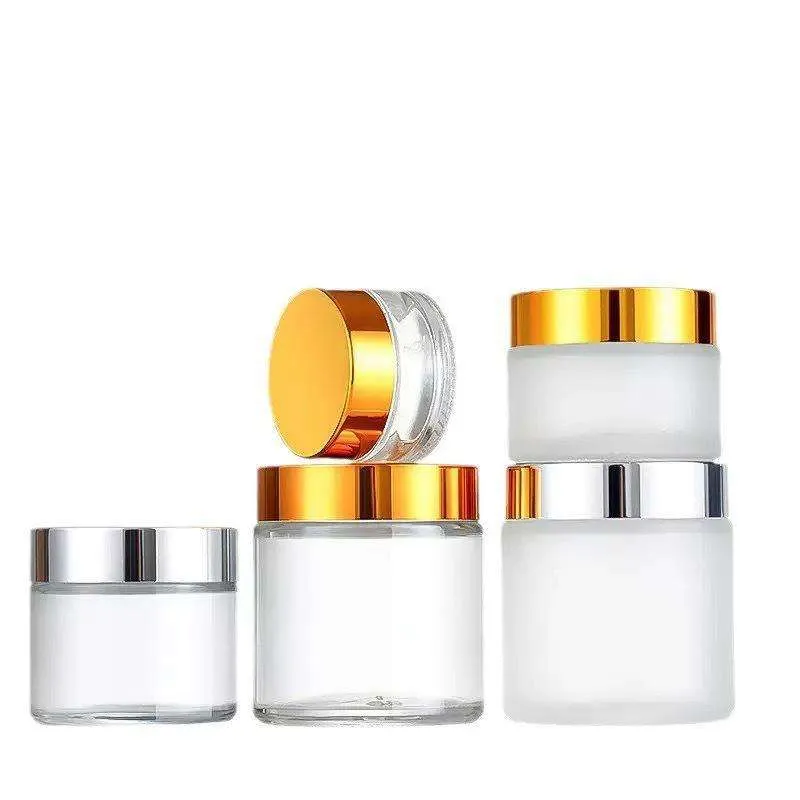
Boyu Packaging’s round frosted glass jars pair a wide opening with a white screw lid for eye cream, face cream and body scrub. Choose 5–20 g nominal fill references for samples and minis, or 30–100 g references for retail sizes. Compare the cream jar range when planning a coordinated line. Made in Zhejiang, China. MOQ 10,000 pieces.
Specifications
| Brand | Boyu Packaging |
|---|---|
| Place of origin | Zhejiang, China |
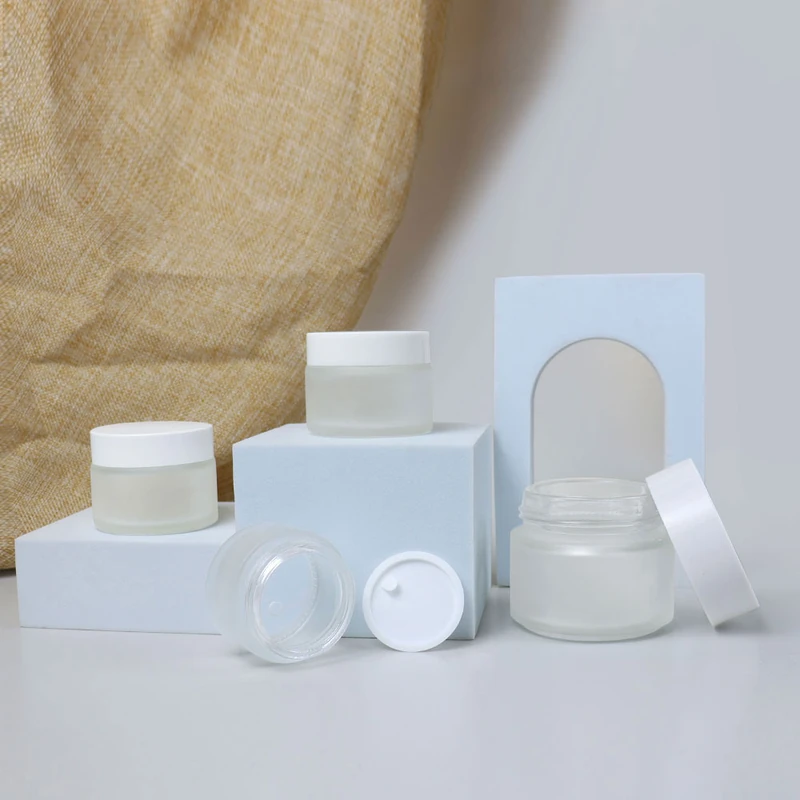
| Jar body | Round frosted glass with a wide threaded opening. |
| Nominal fill references | 5 g, 10 g, 15 g, 20 g, 30 g, 50 g, 60 g and 100 g. Approve usable volume, actual fill weight and headspace for the selected formula. |
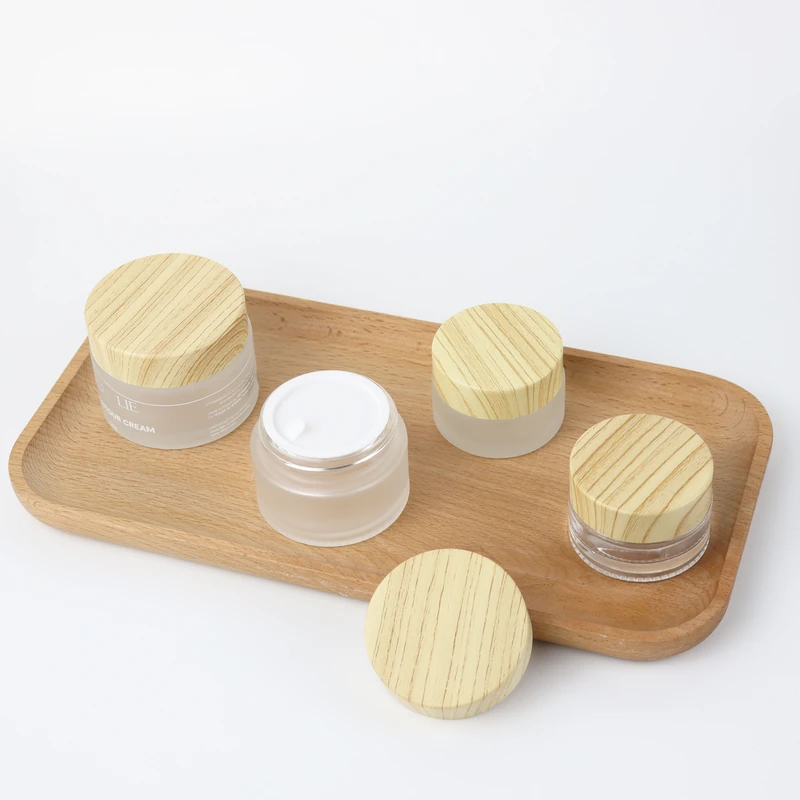
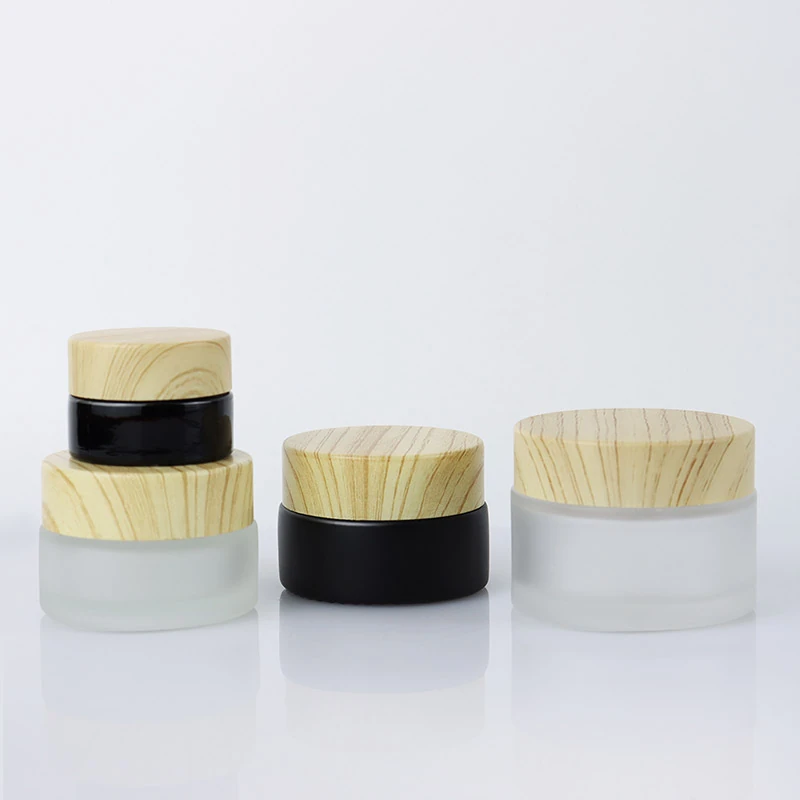
| Closure | White screw lid. Confirm cap material, neck finish, liner or lift-out disc, and which parts are included. Request wood-look or other cap finishes by SKU. |
| Applications | Empty jars for face cream, eye cream and body scrub. Approve formula compatibility and seal performance on a filled sample. |
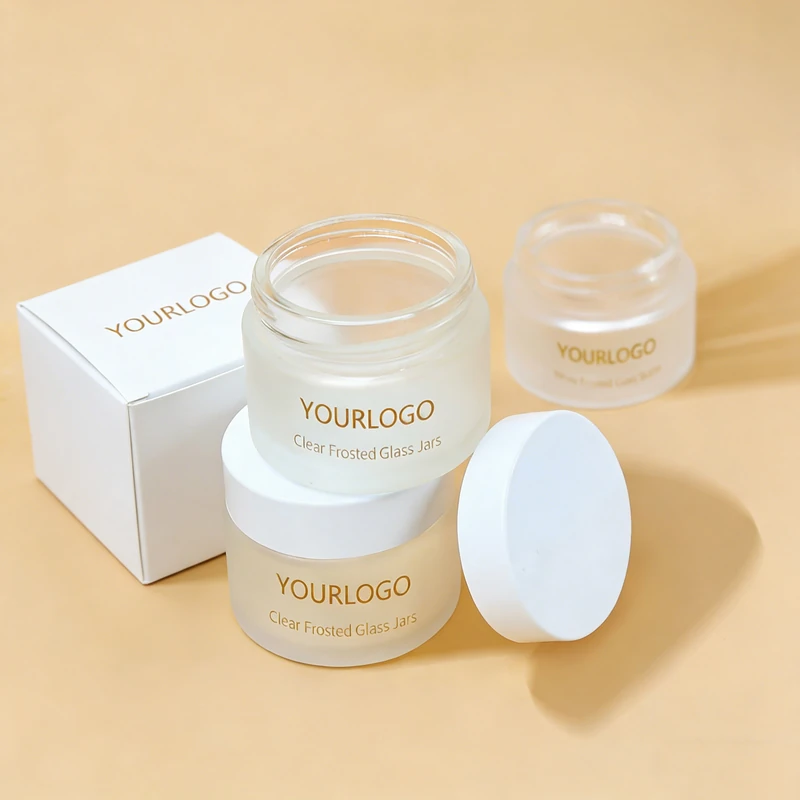
| Decoration | Screen printing, hot stamping and labels for review on the selected frosted surface. Confirm available processes, color and artwork position in the quote. |
| Dimensions and weight | Approve a size-specific drawing showing outer diameter, assembled height, mouth diameter and neck finish. Verify empty assembly weight. |
| MOQ | 10,000 pieces. Confirm allocation by size, finish, cap and artwork. |
| Export packing | Approve the case pack, glass separators, cap and disc packout, carton weight and pallet configuration. |
Select Size, Cap and Decoration
Confirm the fill with your actual formula
Send the target net weight, product density and fill temperature for each SKU. Approve the brimful volume in mL and the working fill with the selected disc or liner fitted. A whipped cream and a dense scrub can occupy different volumes at the same weight. Follow the nominal and brimful capacity guide when preparing the filling brief.
Approve the cap and sealing parts as an assembly
Use an approved jar and cap drawing to check thread engagement and the sealing surface. A lift-out disc can cover the product surface. Specify the liner or seal the project requires and confirm its fit, first opening effort and sealing behavior with your formula. Request separate component prices for optional finishes, inserts or retail cartons.
Check print and frost on the production surface
Supply vector files, artwork dimensions and physical color references. Approve placement around the curved wall and check legibility on the filled jar. For foil or labels, confirm the workable panel, then test adhesion and abrasion on the chosen finish. Review the cosmetic packaging printing guide when comparing decoration options.
Glass Jars, Closure Parts and Finish Options
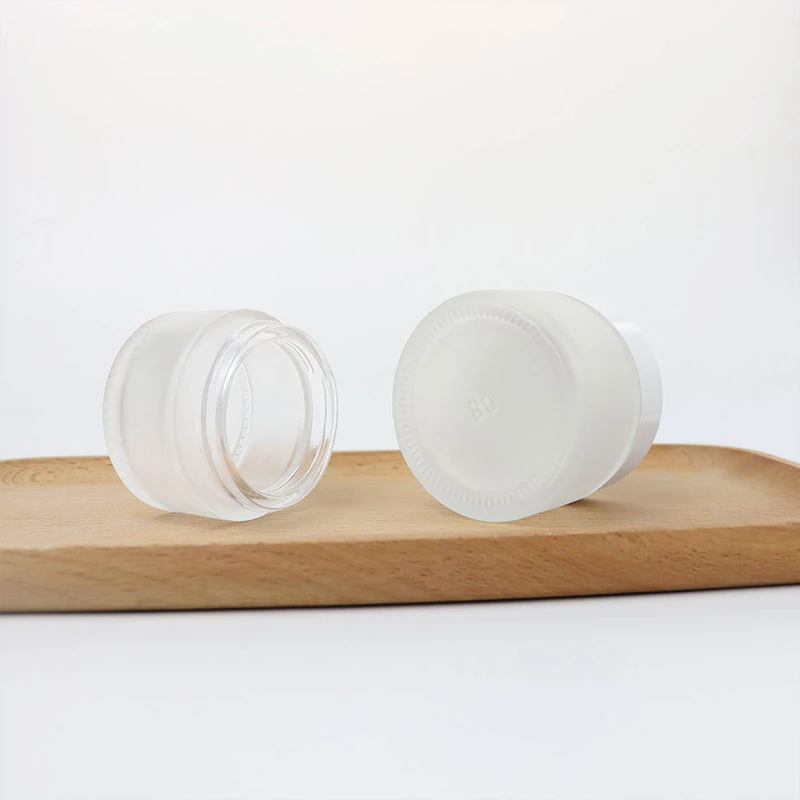
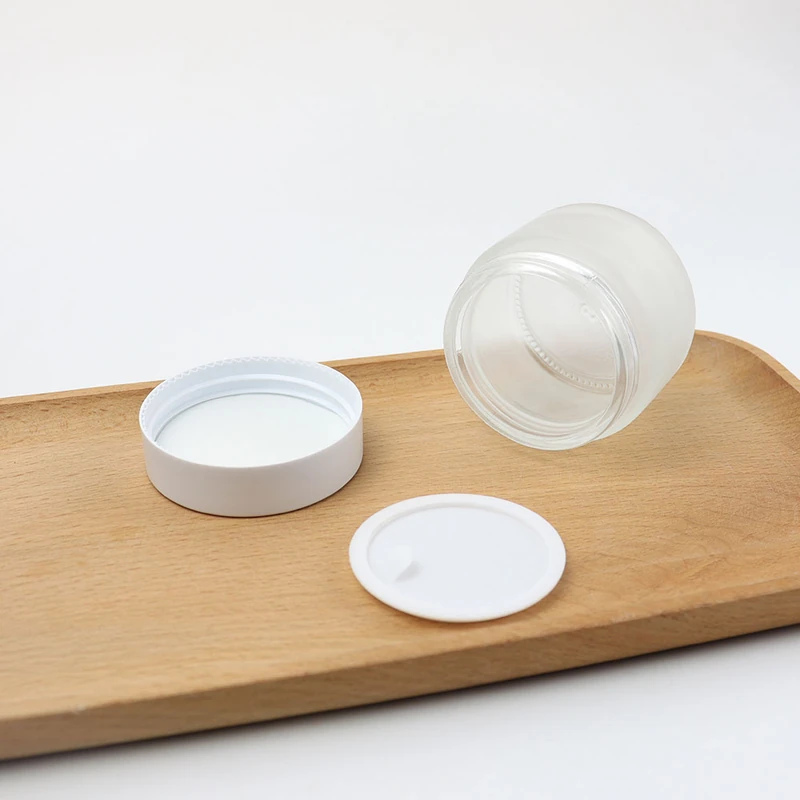
Review the white screw lid, threaded glass rim and inner disc. The sample logo illustrates decoration. Confirm optional wood-look lids and retail boxes in the quote.
Factory Production and Customization Process
1. Approve the drawing and glass formation plan
Define the size, neck finish, glass weight and finish by SKU. Confirm the proposed forming and annealing route, cap tooling and finish specification. Where new tooling is needed, agree on ownership, cost, trial rounds and acceptance criteria. Approve first articles for dimensions, base stability, thread fit and sealing land condition.
2. Sign off on frosting, cap and decoration samples
Review frost uniformity, logo contrast, registration and cap color on production-intent pieces. Confirm the closure component list and assembly sequence. Retain a signed reference jar and artwork revision for bulk inspection, including appearance limits for marks that are visible through the frosted finish.
3. Qualify a filled pilot before the production release
Check infeed stability, fill nozzle clearance, lid feeding and repeatable closure settings on the target line. Verify actual fill weight, disc clearance and cap opening effort. Agree on the appearance and seal test limits, final packout and approved inspection plan before releasing bulk production.
Quality Control and Acceptance
Inspect glass, closure and print
Check jar and closure lots against the purchase specification. Inspect the mouth and threads for chips and sharp edges, check cracks and base rocking, and agree on limits for bubbles, inclusions and frosting variation. Verify cap engagement, liner or disc seating, print adhesion and the opening torque after conditioning. Define the sampling plan and defect classes with the buyer before production.
Test filled packs and transport cartons
Set sample counts, temperatures, dwell time and orientations for compatibility and leakage checks. Examine the seal and closure after side or inverted storage as agreed, and check for formula interaction with the liner or coating. Trial the final packed cartons for the expected handling and shipment conditions. Recheck glass breakage, rim chips, cap loosening, seepage and cosmetic scuffs before lot release.
Lead Time, Export Packing and Freight
Request separate dates for drawings, fit and decorated samples, filled testing, bulk forming, frosting and printing, final inspection and carrier handover. Agree on the event that starts the production window, including approvals or deposit receipt where applicable. Request a dispatch window and a separate transit estimate for the intended route.
Specify assembled or separate cap and disc packing. Prevent glass-to-glass contact with partitions or protective sleeves, add clearance around the lid and confirm carton stacking and pallet layout. Request units per carton, carton dimensions, net and gross weights and total shipment volume. Compare sample courier, air freight and ocean freight on the same named delivery basis, and confirm shipment documents before dispatch.
To request a wholesale quotation, send quantities by size, intended fill weight and formula density, cap and liner requirements, artwork, test criteria, destination and required arrival date. Ask for separate prices for decoration, tooling, samples, retail boxes, inspection and freight where applicable.
Buyer FAQ
Are the gram sizes the same as milliliters?
The gram sizes are nominal fill references. Approve usable volume and the label weight with the actual formula.
Can I buy 80 g or sizes above 100 g?
Send the required fill and maximum dimensions. Confirm the available jar, matching closure and case pack in the quote.
Are the lid and inner disc included?
Specify each part on the quote and purchase order. Confirm whether they ship assembled or separately.
Are the wood-look lids solid wood or bamboo?
Confirm the decorative cap construction and thread insert material by part number and sample.
Will the jars leak during transport?
Qualify the filled jar, cap and liner using the approved closing settings and agreed storage and transit conditions.
Can you print directly on frosted glass?
Confirm the method, panel, shade and adhesion on a decorated sample.
What is the MOQ for multiple sizes or lids?
The MOQ is 10,000 pieces. Confirm the permitted split by size, lid and artwork in writing.
Can I sample before ordering?
Request fit and decorated samples, and confirm the schedule, charges and which components will match bulk.
What determines the delivered price?
Compare the jar, cap, insert, decoration and packout on an itemized quote. Confirm the shipment weight, route, freight scope and named delivery term.
How are chipped or broken jars handled on arrival?
Agree on receiving and claims terms. Record damaged units, carton and lot labels, and condition on arrival. Retain representative units and packing for review.
 English
 Español de Argentina
 Русский
 Italiano
 日本語
 한국어
 العربية
 Français
 Deutsch