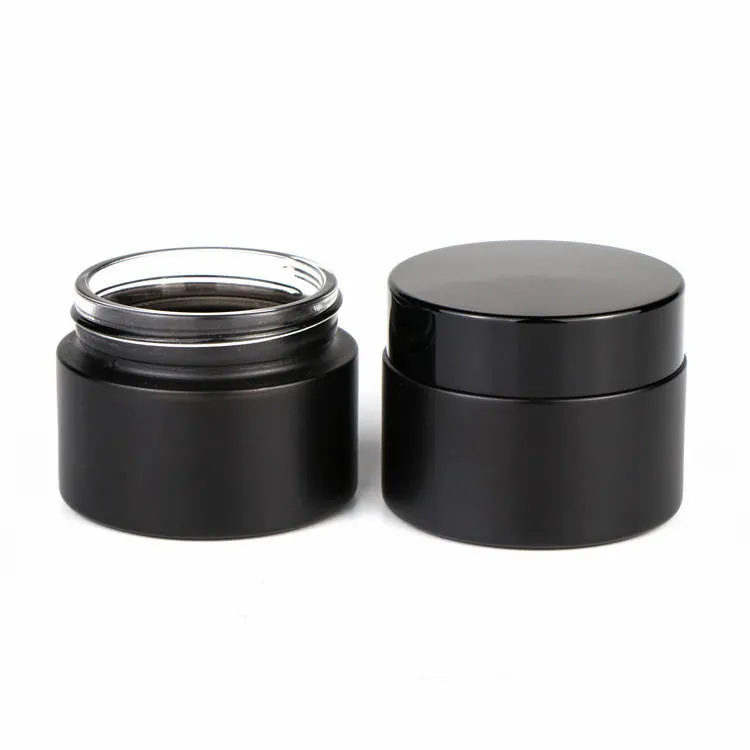
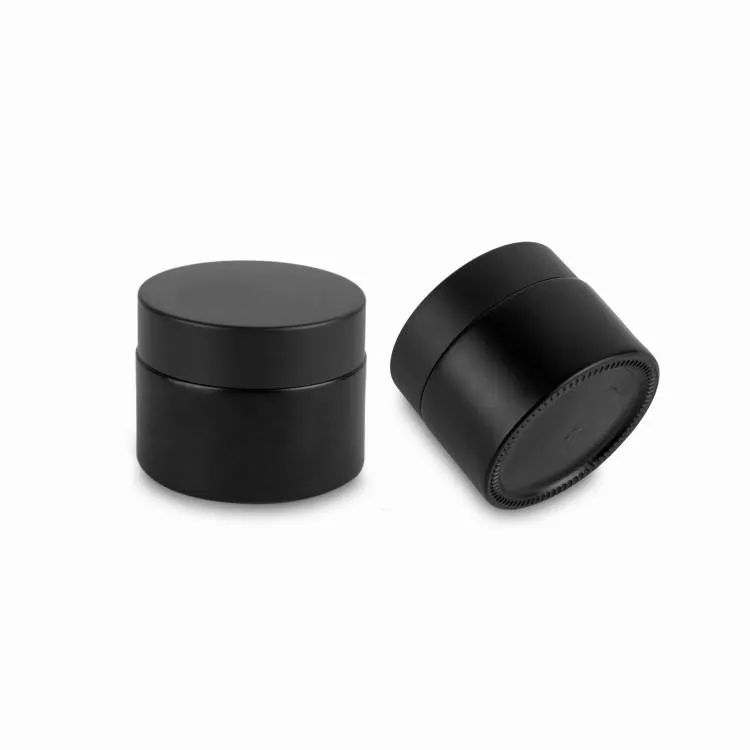
Custom OEM Glass Cream Jar with Screw Cap for Face Cream | 20g, 30g & 50g Product Overview
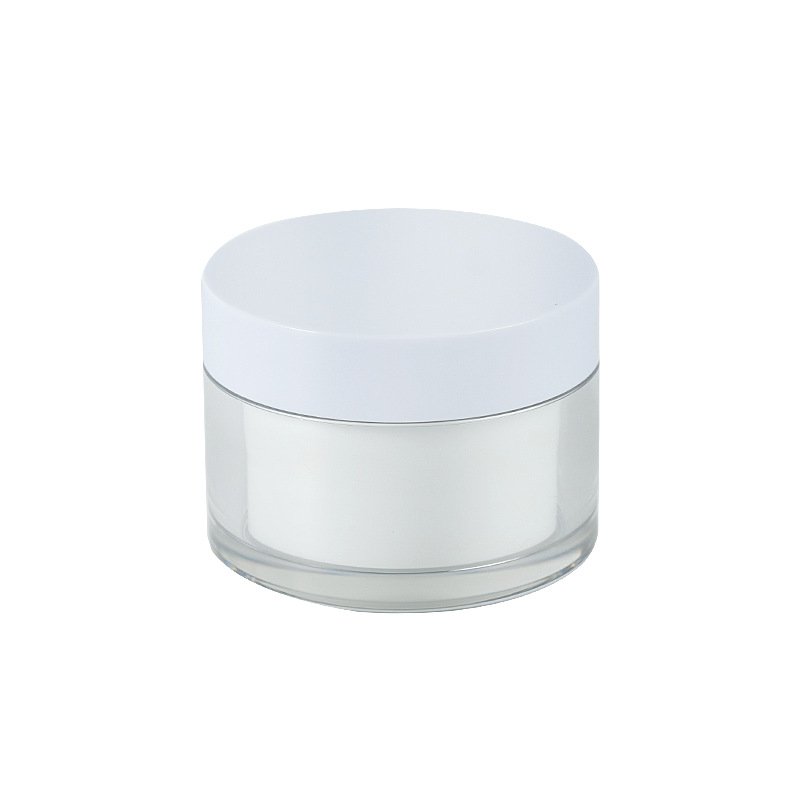
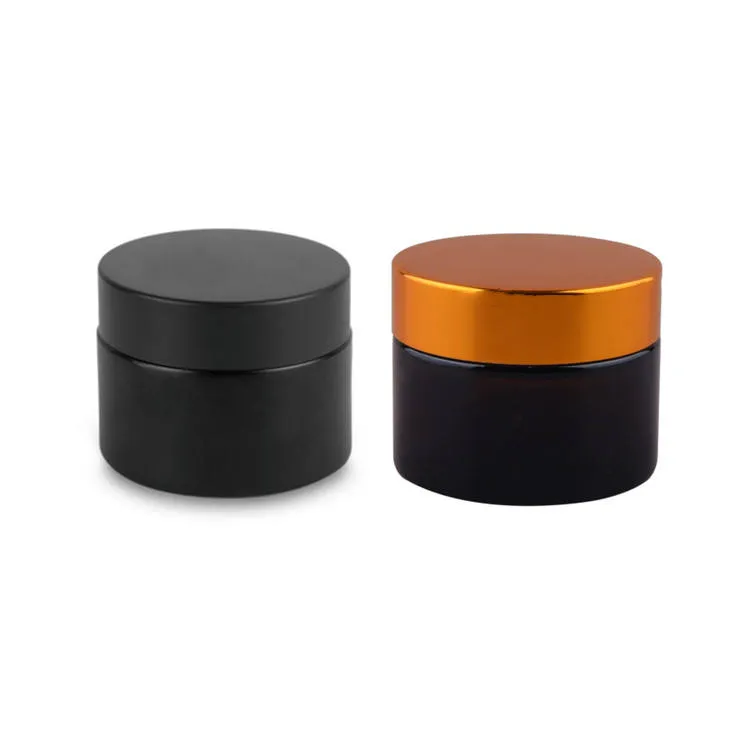
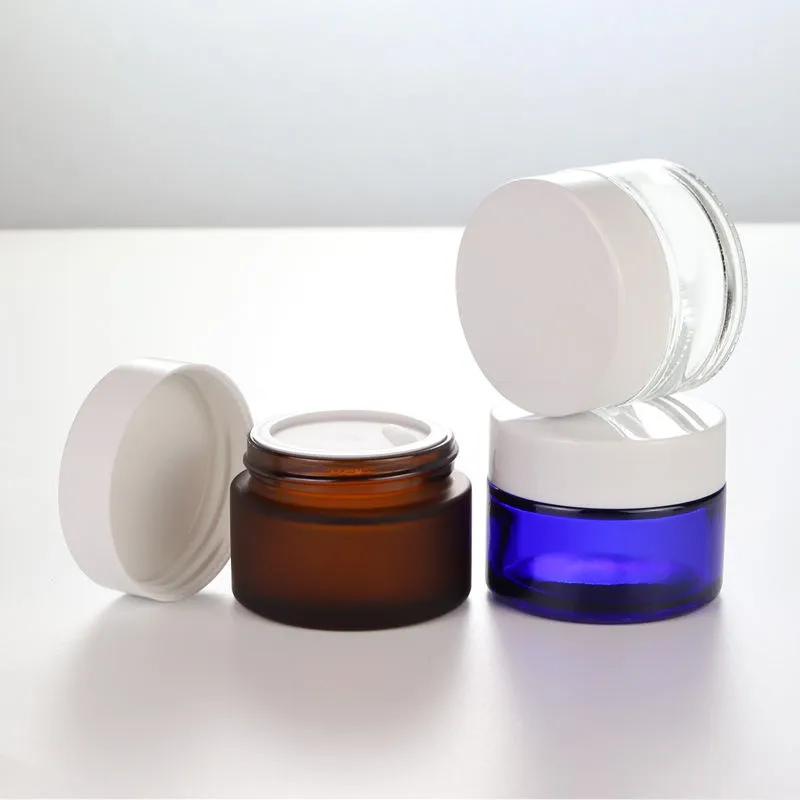
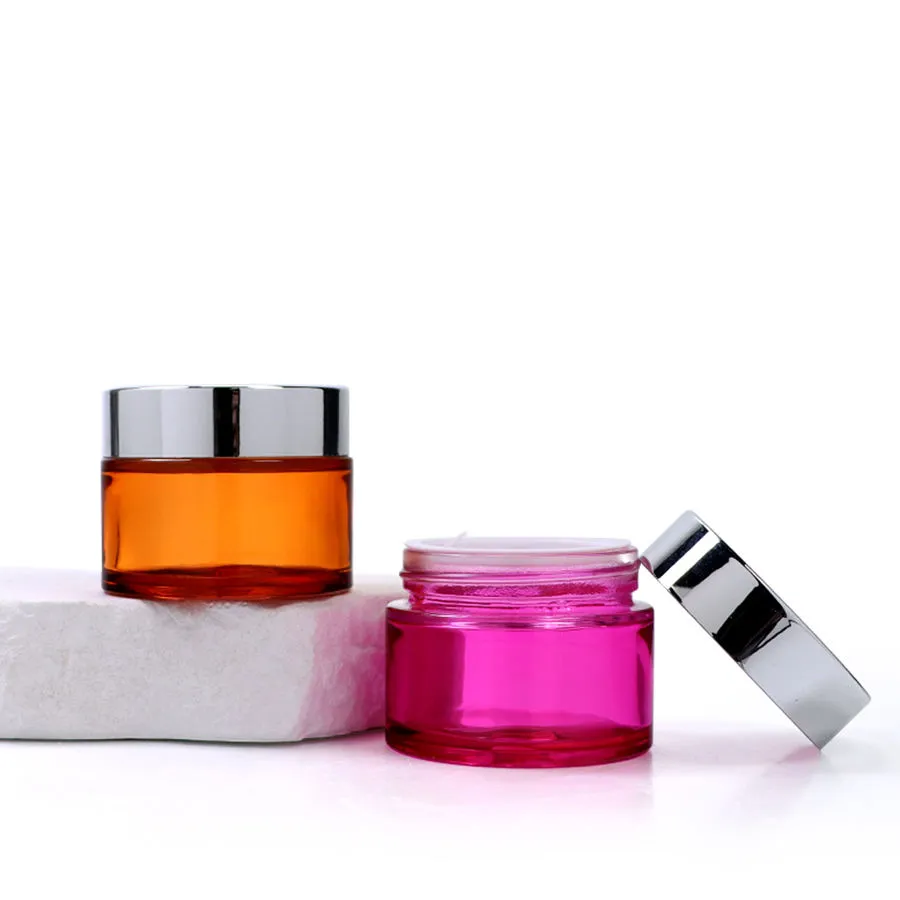
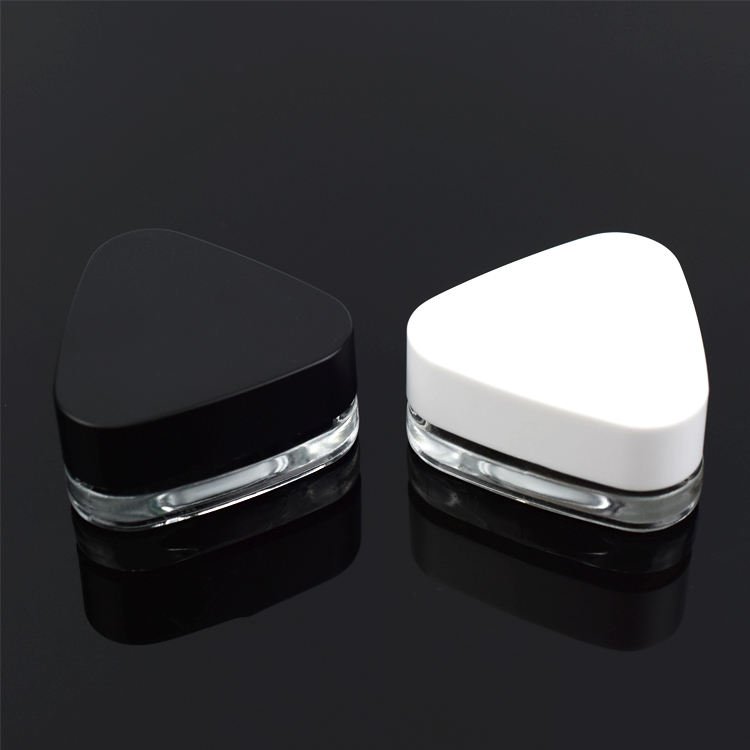
Designed for face cream, eye care, masks and premium skincare, the Boyu Packaging custom glass cream jar combines a solid glass body with a practical screw-cap closure. The round profile is simple enough for everyday skincare lines but can be upgraded with frosting, colour spraying, gold stamping or direct logo printing for a more premium shelf appearance.
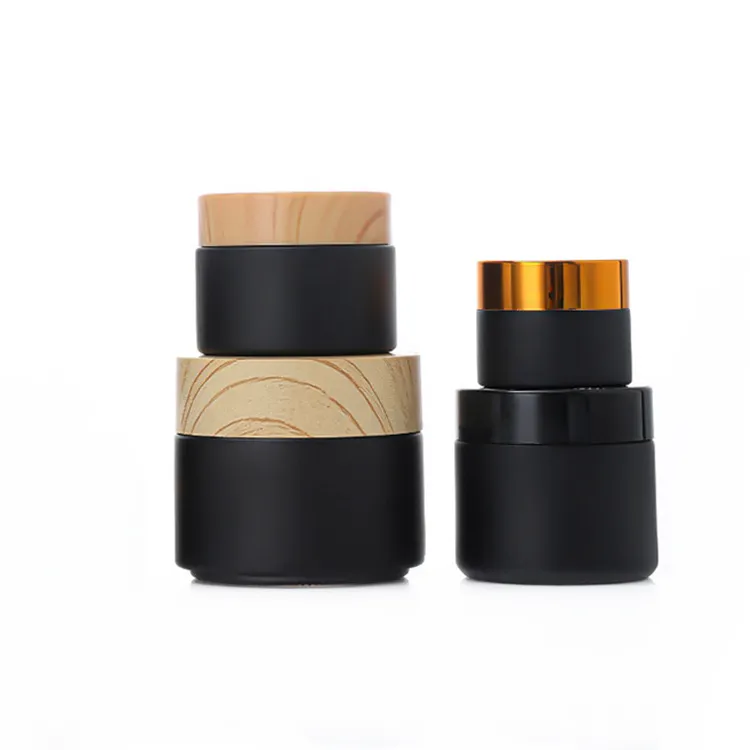
Standard capacities include 5g, 10g, 15g, 20g, 30g, 50g and 100g, with 20g, 30g and 50g being practical choices for commercial skincare collections.
Core Product Specifications
| Item | Details |
|---|---|
| Product | Custom Glass Cream Jar |
| Brand | Boyu Packaging |
| Main Material | Glass Jar + Plastic Cap |
| Popular Capacity | 20g / 30g / 50g |
| Full Capacity Range | 5g / 10g / 15g / 20g / 30g / 50g / 100g |
| Shape | Round |
| Closure | Screw Cap |
| Color | Black or Custom Color |
| Logo | Custom Logo Accepted |
| Decoration | Frosting, Spraying, Silk Screen, Hot Stamping, Heat Transfer |
| MOQ | 10,000 pcs |
| Sample | Available |
| Packing | Export Carton |
| Payment | T/T |
| OEM/ODM | Supported |
Why Choose a Glass Cream Jar?
Glass remains a popular material for premium skincare because it gives the package a heavier, more substantial feel. It also provides good dimensional stability and does not easily absorb product odor.
For brands selling facial creams at a higher retail price, the weight and cold touch of glass can create a noticeably different experience from a thin plastic jar.
The main drawback is weight. Glass packaging costs more to transport and needs stronger export cartons.
Glass vs Plastic vs Acrylic Cream Jars
| Material | Main Advantage | Limitation | Best For |
|---|---|---|---|
| Glass | Premium feel and good formula stability | Heavy and breakable | Premium skincare |
| PP | Lightweight and chemical resistant | Simpler appearance | Daily skincare |
| PET | Lightweight with good clarity | Less substantial feel | Mass-market products |
| Acrylic | Luxury appearance | Higher cost and mixed-material structure | Prestige skincare |
For face cream, glass is usually selected when packaging feel and brand positioning are more important than minimum shipping weight.
Capacity Selection
A 20g jar works well for eye treatments, concentrated creams and smaller premium products. The 30g format is suitable for facial creams and targeted skincare treatments.
For standard moisturizers and daily face creams, 50g remains one of the most familiar retail sizes.
The exact bottle height, diameter, wall thickness and empty jar weight depend on the selected mold. These specifications should be confirmed using the final technical drawing rather than estimated from nominal capacity alone.
Custom Colors and Logo Decoration
The standard jar can be produced in black or decorated in a custom colour.
Available decoration options include:
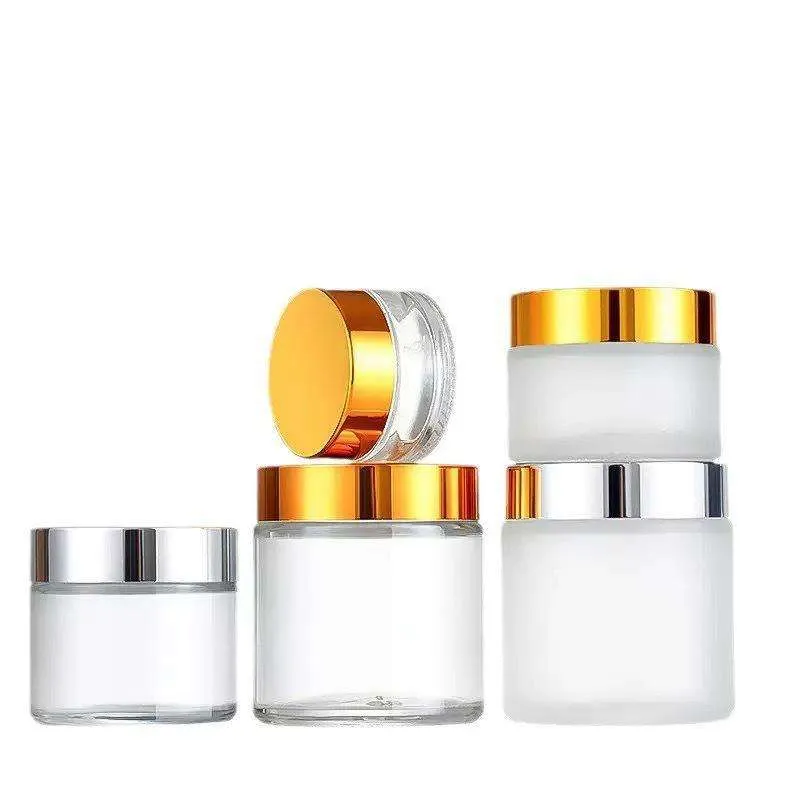
- Frosted glass
- Matte colour spraying
- Glossy spraying
- Silk-screen printing
- Gold or silver hot stamping
- Heat transfer printing
- Decoration firing
- Custom labels
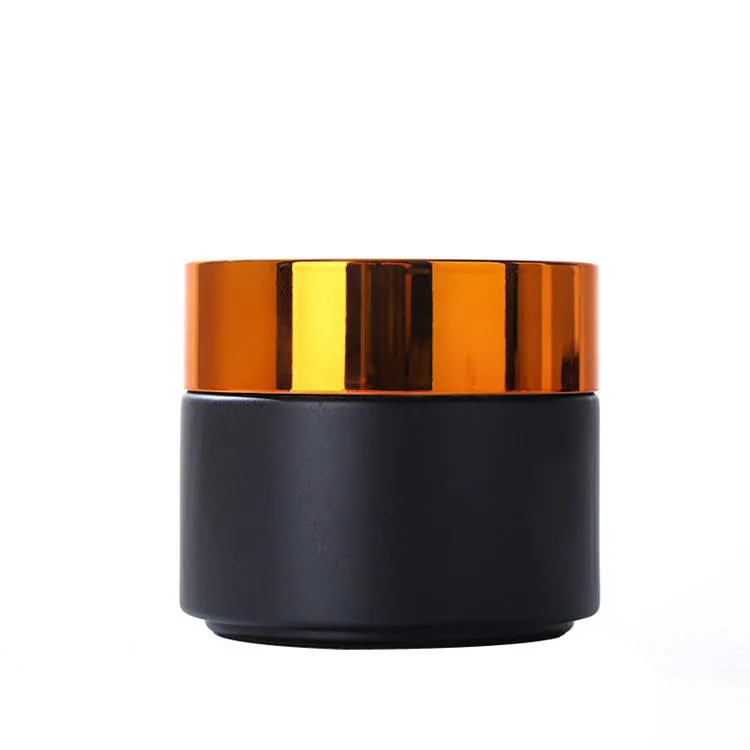
A black jar with gold decoration works well for luxury skincare. Frosted white or neutral beige packaging suits clean beauty and spa brands, while custom Pantone spraying can help maintain a consistent colour system across several SKUs.
Screw Cap, Sealing and Daily Use
The screw cap provides a familiar opening system and is easy for consumers to use.
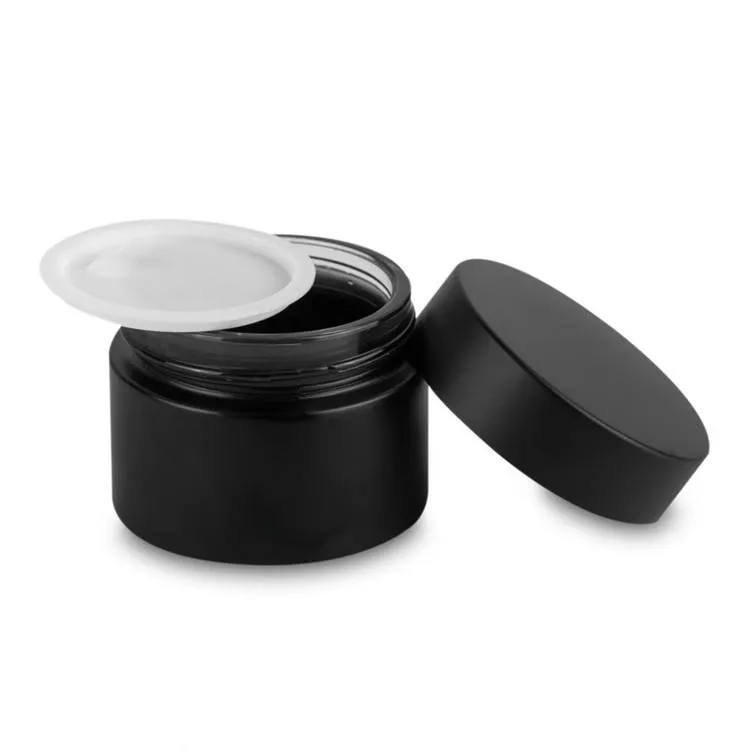
For cream packaging, the cap should be matched with the jar neck and inner sealing structure. An inner disc or liner can be considered when additional product protection is required.
During development, the complete package should be tested with the actual formula. A thick face cream and a lightweight gel may behave differently around the jar thread and sealing area.
Manufacturing and Decoration Process
Production starts with the selected glass jar mold. The glass body is formed, annealed and inspected before entering the decoration process.
Depending on the project, the jar may then be frosted, sprayed or printed. Caps are produced separately and matched with the jar.
A typical production flow is:
Requirement confirmation → jar selection → colour matching → artwork confirmation → sample → decoration → mass production → assembly → QC → packing
For custom projects, a pre-production sample is recommended before the full order begins.
Quality Inspection
For glass cream jars, our QC focus normally includes:
- Glass cracks and chips
- Bubble and visual defect control
- Jar mouth dimensions
- Cap fitting
- Thread compatibility
- Leakage risk
- Colour consistency
- Printing position
- Logo adhesion
- Surface scratches
- Carton packing condition
The cap and jar should be inspected as a complete set rather than as separate components.
China’s Glass Cosmetic Packaging Industry Clusters
China has several mature glass packaging production areas.
Hebei has established glass container manufacturing resources and is suitable for many standard jar projects. Jiangsu and Xuzhou-area supply chains are also widely associated with cosmetic and glass packaging production.
Hangzhou-based Boyu Packaging works as a cosmetic packaging development and supply partner, coordinating product selection, customization, quality inspection and export requirements for international brands.
This model is useful for buyers who need more than a blank glass jar and want one point of contact for decoration, caps, sampling and shipment.
Main Applications
These jars can be used for:
- Face cream
- Moisturizer
- Eye cream
- Sleeping mask
- Facial balm
- Skincare gel
- Anti-aging cream
- Luxury cosmetic gift sets
The wide capacity range also makes it easier to build a coordinated skincare product family.
Product Advantages
The strongest selling point is flexibility.
Brands can begin with an existing jar mold and create a distinctive look through colour and decoration. This avoids the cost and development time of opening a completely new glass mold.
Glass also offers a premium retail feel, good reuse potential and wide recyclability in markets with established glass recycling systems.
The disadvantages are higher freight weight and greater breakage risk compared with plastic.
Is the Jar Safe and Environmentally Friendly?
Glass is widely used in cosmetic packaging and can be recycled repeatedly where local recycling infrastructure accepts it.
It can also be cleaned and reused for non-commercial personal storage after the original cosmetic product has been consumed.
However, brands should avoid describing packaging as “100% environmentally friendly” without evaluating the cap, decoration, coating and local recycling system. A glass jar with a mixed-material plastic cap and heavy coating may require component separation before recycling.
Price Positioning
The unit price depends on:
- Jar capacity
- Glass weight
- Cap material
- Custom colour
- Number of printing colours
- Frosting or spraying
- Hot stamping
- Order quantity
- Individual packaging requirements
A standard stock-mold jar with simple silk-screen printing is generally more economical than a custom-colour jar with multiple decoration processes.
For an accurate quotation, the manufacturer should receive the capacity, quantity, cap requirement, colour reference and artwork.
Does This Glass Jar Require a New Mold?
Not necessarily.
Existing molds are available in several common capacities. If the shape and dimensions meet the project requirements, customization can focus on the colour, cap and logo.
A new mold is usually considered when the brand requires a proprietary shape, special glass base, unusual wall structure, embossed branding or exclusive dimensions.
For most new skincare brands, reviewing existing molds first is the more practical route.
OEM Development Process
- Confirm capacity and target product.
- Select an existing jar or discuss a custom structure.
- Confirm glass colour and cap.
- Review logo artwork and decoration.
- Prepare samples.
- Approve colour and printing.
- Begin mass production.
- Conduct quality inspection.
- Pack and arrange shipment.
The standard MOQ for custom production is 10,000 pieces per SKU.
Production Lead Time and Logistics
Stock samples can normally be arranged faster than decorated samples. Custom samples depend on the colour and printing process.
Mass production generally takes around 30–45 days after sample and artwork approval. New mold development requires additional time.
For samples, express delivery by DHL, UPS or FedEx is practical. Bulk glass jar orders are usually shipped by sea because of their weight.
Standard export cartons can be combined with pallets when required to improve handling and transportation safety.
Tips for First-Time Buyers
Do not choose a cream jar based only on capacity.
Two 50g jars can have very different diameters, heights, glass weights and visual proportions.
Before ordering, confirm the filling formula, target filling weight, cap structure and decoration. Ask for a physical sample and complete a filling and leakage test with the actual product.
For a multi-SKU skincare line, confirm whether the same jar family is available in several capacities. This can make the final product range look more consistent.
Frequently Asked Questions
What is the MOQ for custom glass cream jars?
The standard custom MOQ is 10,000 pieces per SKU.
Can I customize the jar colour?
Yes. Black and custom sprayed colours are available. Pantone references can be used for colour matching.
Can Boyu Packaging print my logo directly on the glass?
Yes. Silk-screen printing, hot stamping and other decoration options are available.
Is a 50g jar suitable for face cream?
Yes. 50g is one of the most common capacities for daily facial moisturizers and creams.
Can I use the same jar for eye cream?
Smaller 5g, 10g, 15g or 20g capacities are generally more suitable for eye care products.
Are free samples available?
Existing blank samples may be available. Custom colour or printed samples may involve sampling costs depending on the process.
Can you develop a custom glass mold?
Yes. Custom mold development can be evaluated based on drawings, target capacity, dimensions and glass weight.
Can glass jars be shipped internationally safely?
Yes. Proper dividers, export cartons and palletization can significantly reduce transportation damage. Packaging specifications should be matched to the bottle weight and shipping method.
 English
  Español de Argentina
  Русский
  Italiano
  日本語
日本語  한국어
한국어  العربية
  Français
  Deutsch