
How to Use Essential Oils in a Reed Diffuser
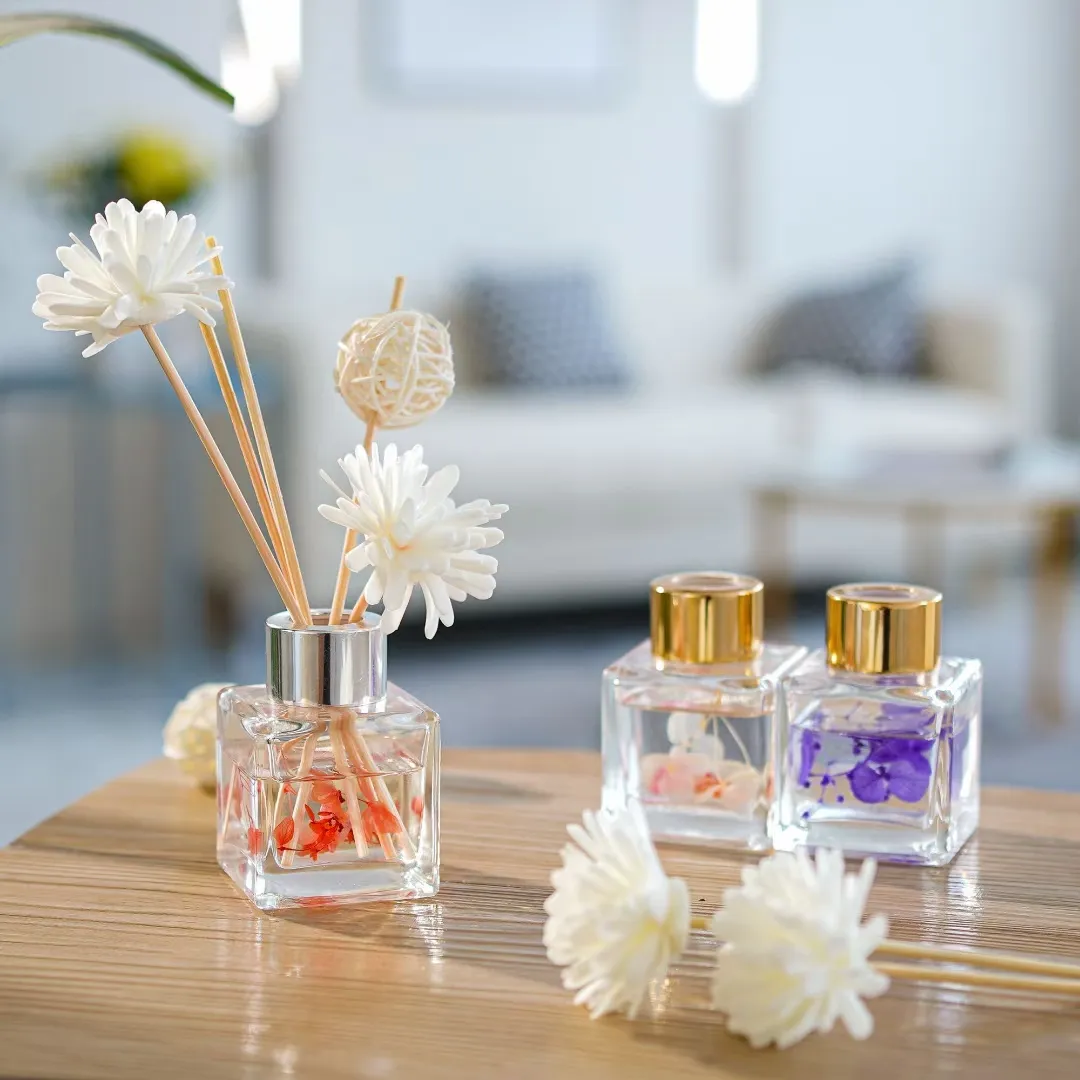
A reed diffuser is a simple, flameless way to enjoy the benefits and fragrance of essential oils in your home, office, or spa. It consists of a glass bottle filled with essential oil or diffuser oil and natural reeds that absorb and release the scent into the air.
Step 1: Choose the Right Essential Oils
Common essential oils and their uses:
| Oil | Benefits |
|---|---|
| Lavender | Relaxation, stress relief, sleep aid |
| Eucalyptus | Clears nasal passages, refreshing scent |
| Peppermint | Energizing, mental clarity |
| Lemon | Uplifting, antibacterial |
| Tea Tree | Antimicrobial, purifying |
| Jasmine / Rose | Mood-lifting, romantic ambiance |
Tip: Mix oils to create your custom aroma blend (3–5 drops per 10ml carrier base is typical).
Step 2: Prepare the Diffuser Oil
DIY Diffuser Oil Recipe
- Base Carrier: Use fractionated coconut oil, sweet almond oil, or mineral oil as the base.
- Add Essential Oils: Combine 20–30 drops of essential oil per 100ml of carrier oil.
- Optional Solvent: Add a small amount of vodka or rubbing alcohol to help oil travel up the reeds.
- Mix: Stir or shake well before use.
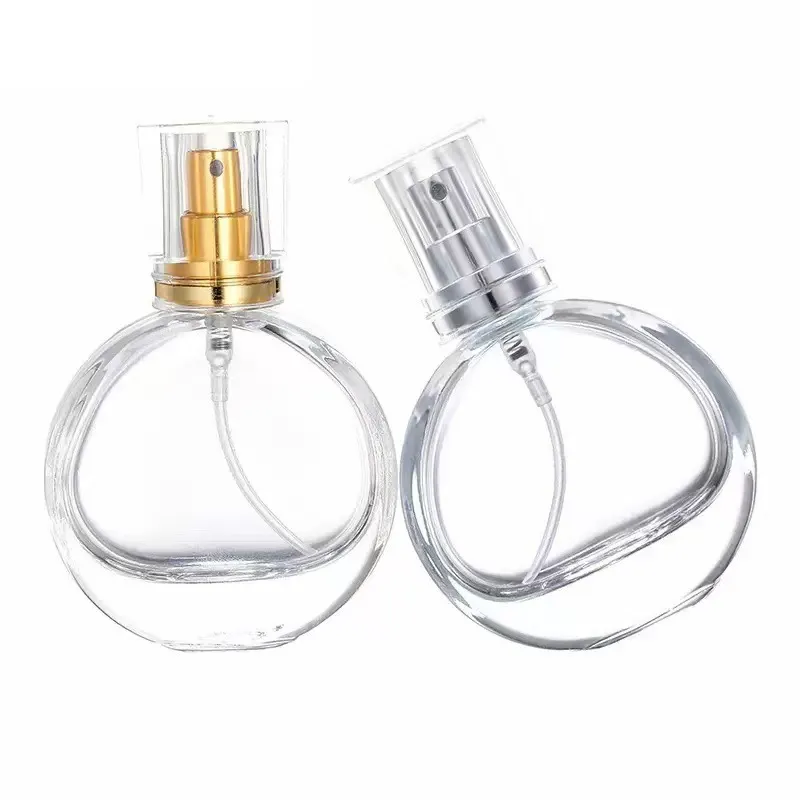
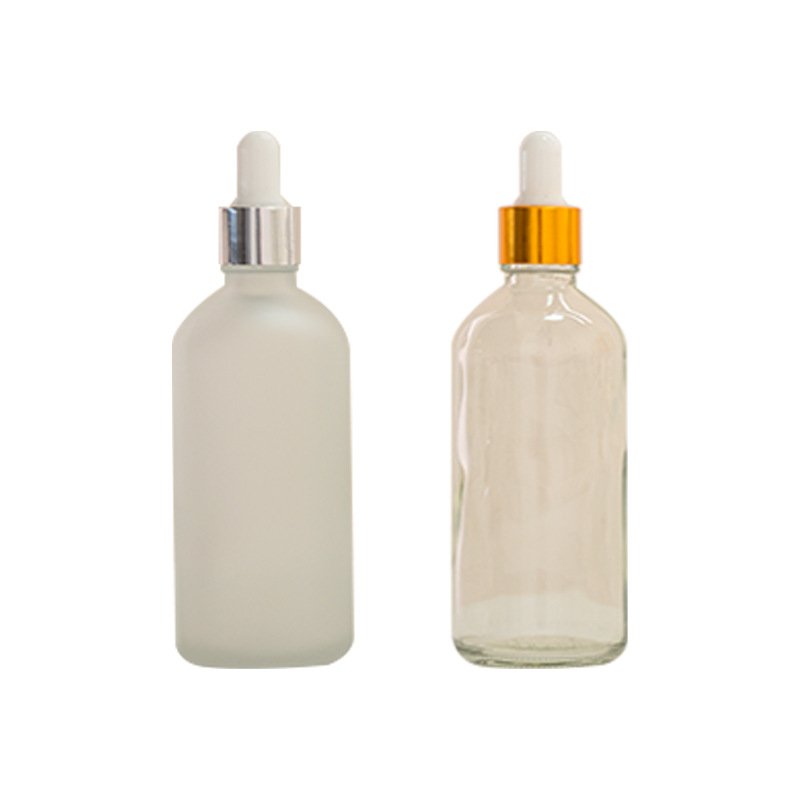
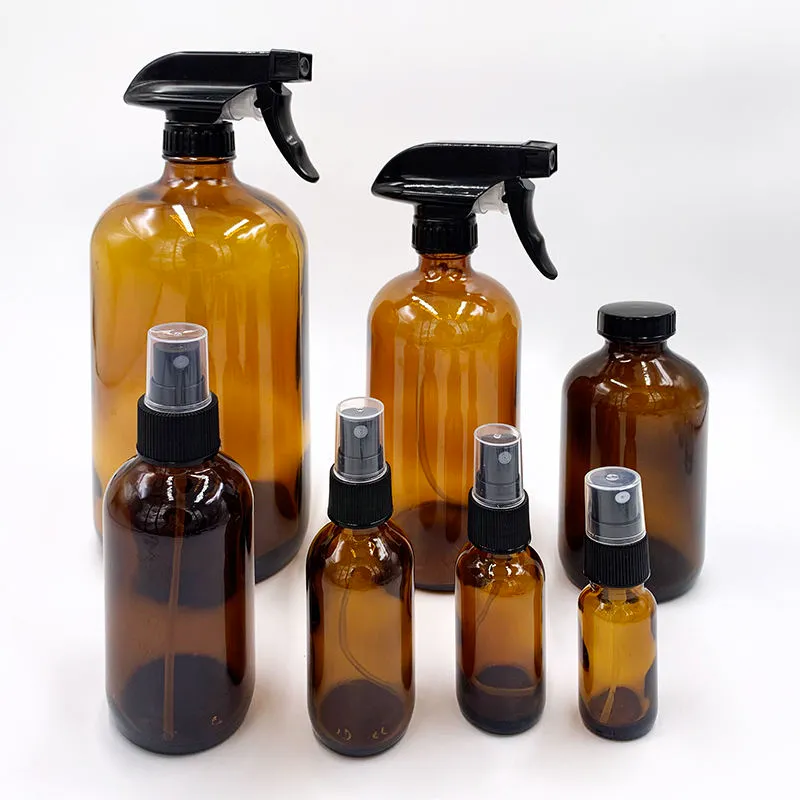
Tip: Use a reusable glass aromatherapy bottle for storage. Dark or amber bottles help protect oils from sunlight and oxidation.
Step 3: Set Up the Reed Diffuser
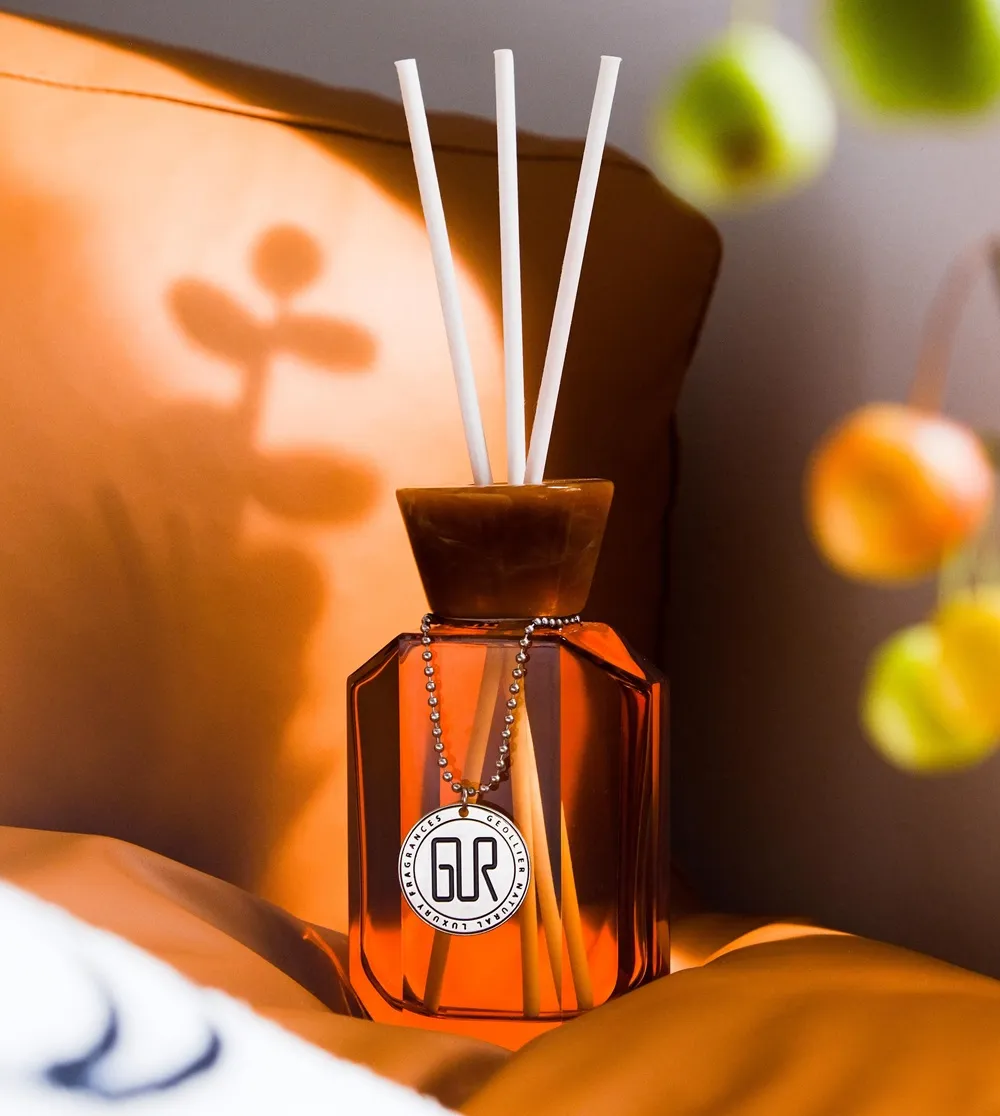
- Pour the prepared oil mixture into the reed diffuser bottle.
- Insert 5–10 natural rattan reeds (depending on bottle size).
- Flip the reeds every few days to refresh the scent.
Advantages:
- Flameless and safe around children and pets
- Continuous aroma release for weeks
- Easy to refill and customize fragrance
Disadvantages:
- Less intense scent than candles
- Needs regular reed flipping
- Oils can spill if not handled carefully
How to Store Essential Oils
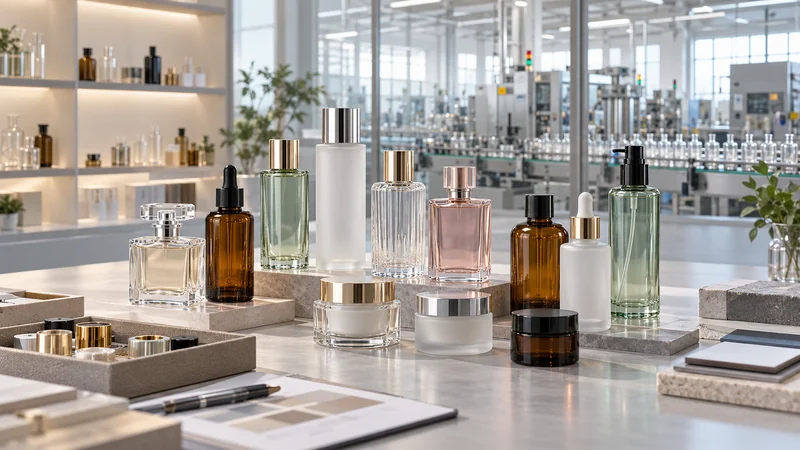
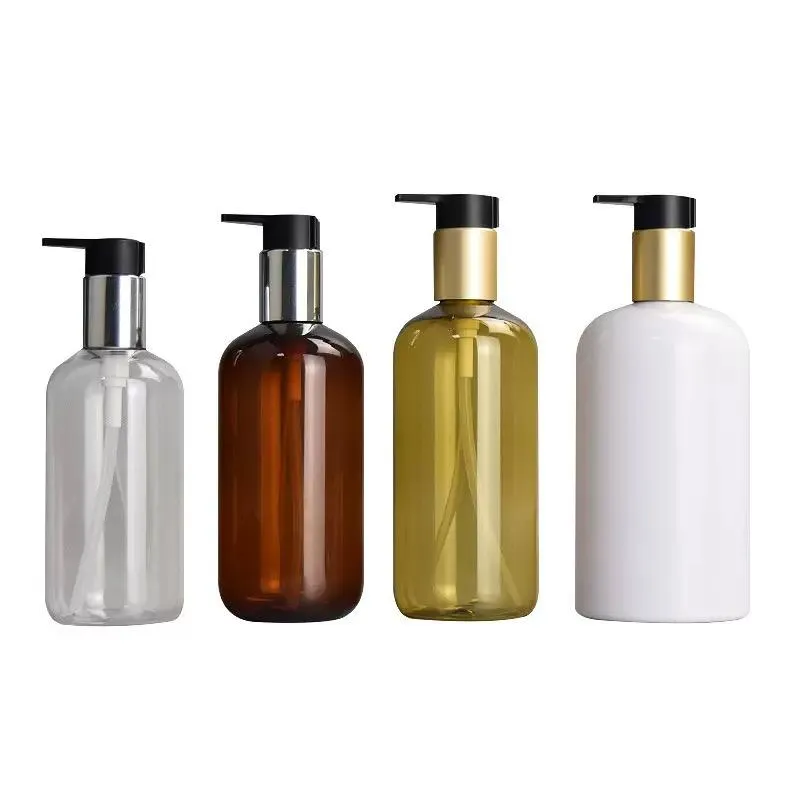
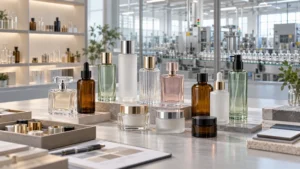
- Store in dark glass bottles (amber, cobalt, or green) to block UV light.
- Keep bottles tightly sealed to prevent oxidation.
- Store in a cool, dry, and dark place, away from heat sources.
- Label bottles with oil type and date of purchase.
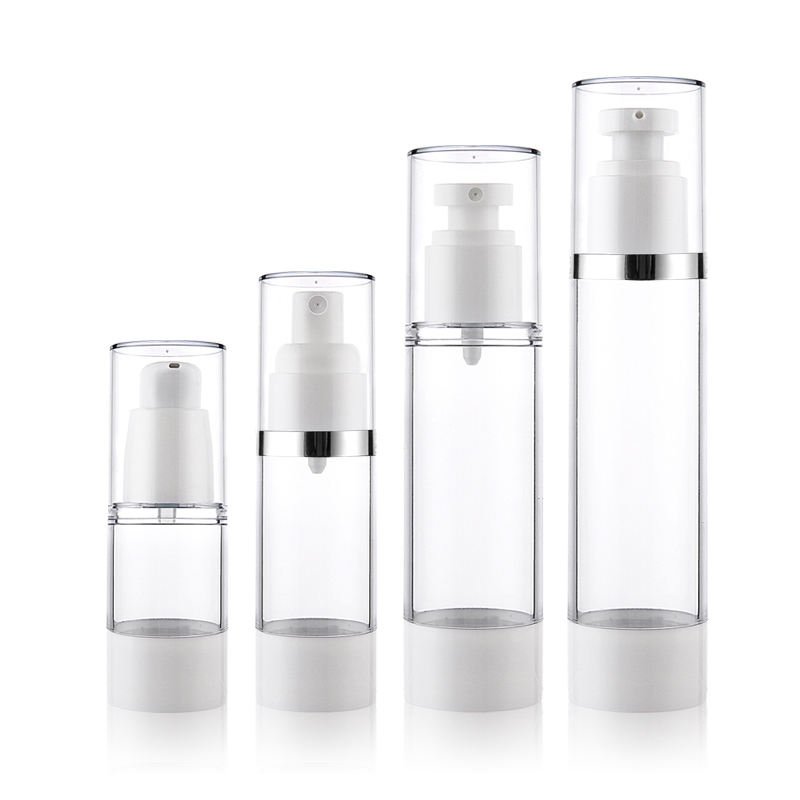
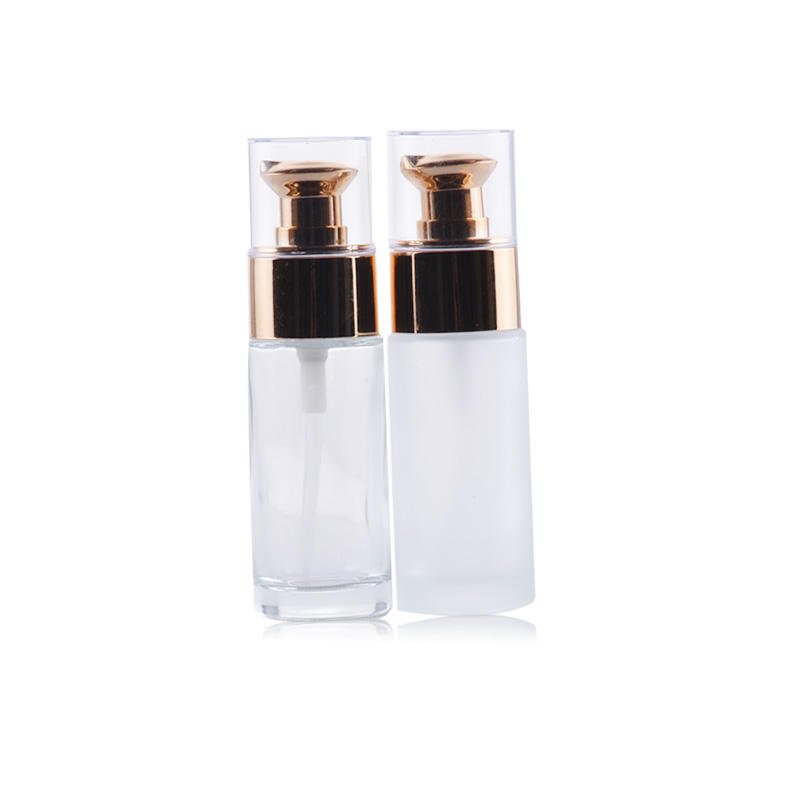
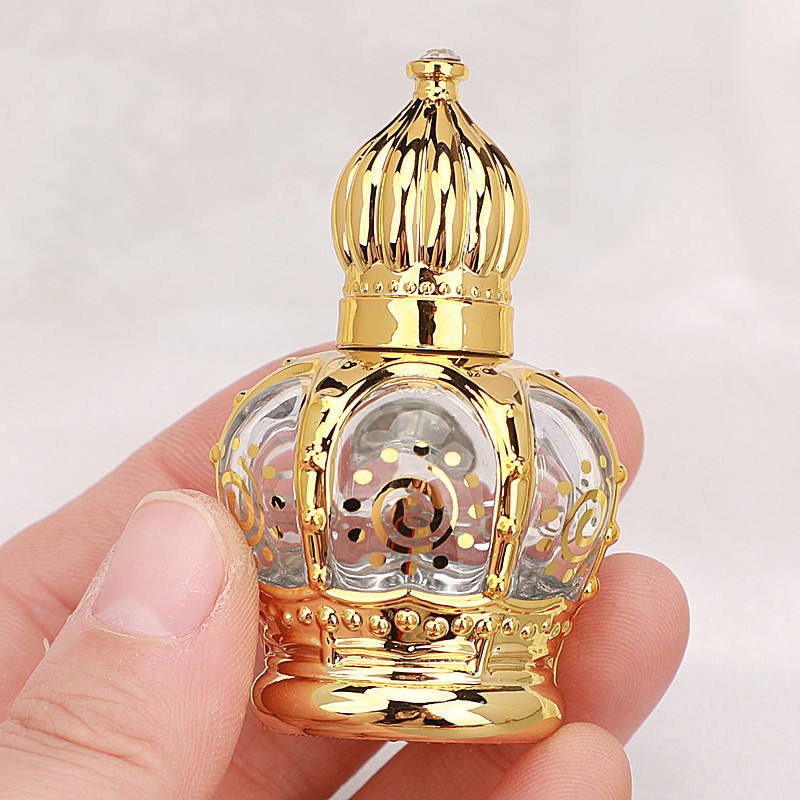
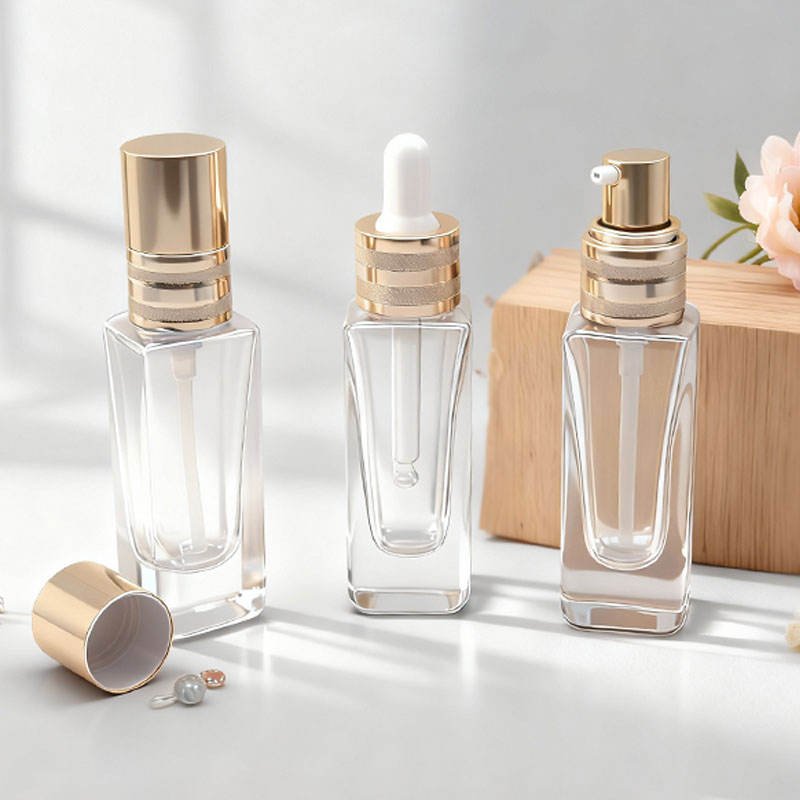
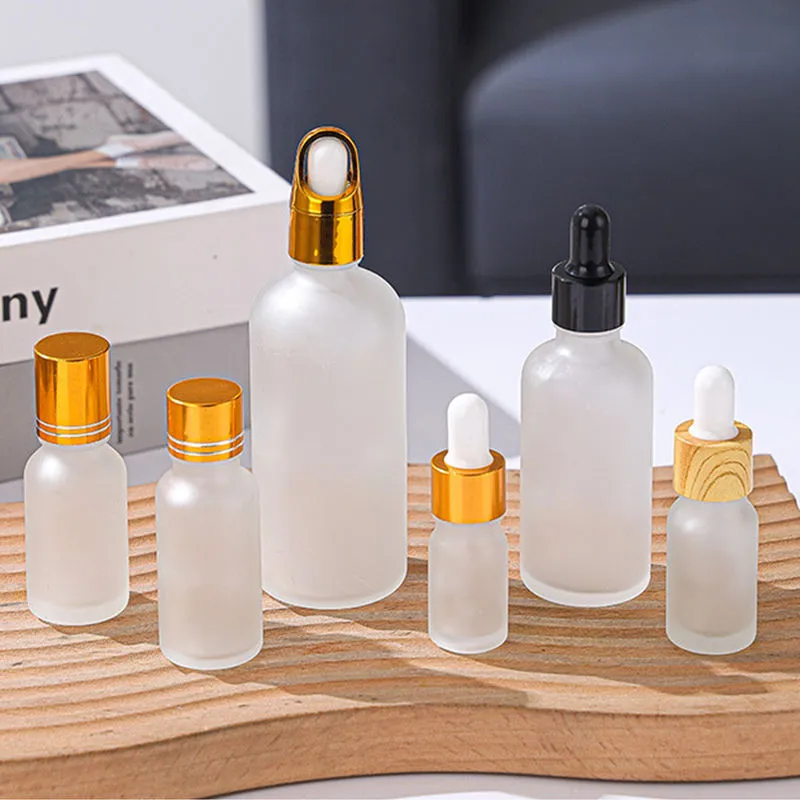
Recommended Bottle Sizes: 5ml, 10ml, 15ml, 30ml, 50ml glass bottles with droppers or screw caps.
Home Aromatherapy Uses
- Bedroom: Lavender or chamomile for better sleep.
- Living Room: Citrus or eucalyptus for freshness and energy.
- Bathroom: Tea tree or peppermint to reduce odors.
- Office: Rosemary or peppermint to improve focus.
Tip: Reed diffusers can complement candles and essential oil diffusers for a layered aroma experience.
DIY Reed Diffuser Ideas
- Combine orange + cinnamon for a cozy autumn scent.
- Blend lavender + rosemary for relaxation and mental clarity.
- Add a few drops of vanilla extract for a sweet, warm aroma.
Essential Oil Storage Tips
- Always cap bottles tightly after use.
- Avoid storing oils in plastic bottles long-term; plastic can react with oils.
- Keep essential oils out of reach of children.
- Shake diffuser oils gently before inserting reeds to ensure even scent distribution.
Reed Diffuser Maintenance
- Replace reeds every 4–6 weeks for maximum scent release.
- Wash the bottle with mild soap if changing scents to avoid residual mixing.
- Refill diffuser oil before it runs out completely to maintain consistent aroma.
Product FAQ
Q: Can I mix multiple essential oils in one diffuser?
A: Yes, but limit to 3–5 oils to prevent overpowering the scent.
Q: How long does a 100ml reed diffuser last?
A: Typically 4–6 weeks, depending on room size and reed quantity.
Q: Can I use carrier oils in reed diffusers?
A: Yes, carrier oils like fractionated coconut or mineral oil help the reeds absorb and diffuse essential oils evenly.
Q: Do I need special bottles for essential oils?
A: Dark glass bottles (amber, green, or cobalt) are best for long-term storage to prevent degradation.
Q: Are reed diffusers safe for pets?
A: Most essential oils are safe in moderate amounts, but avoid oils toxic to pets (like tea tree, eucalyptus, or citrus in large quantities).
Beginner Tips
- Use high-quality glass bottles to prevent leaks and preserve aroma.
- Start with small reed counts; add more if the scent is too subtle.
- Label all DIY blends for consistency.
- Store oils away from heat, light, and moisture.
- Clean hands after handling concentrated essential oils.

 English
  Español de Argentina
  Русский
  Italiano
  日本語
日本語  한국어
한국어  العربية
  Français
  Deutsch