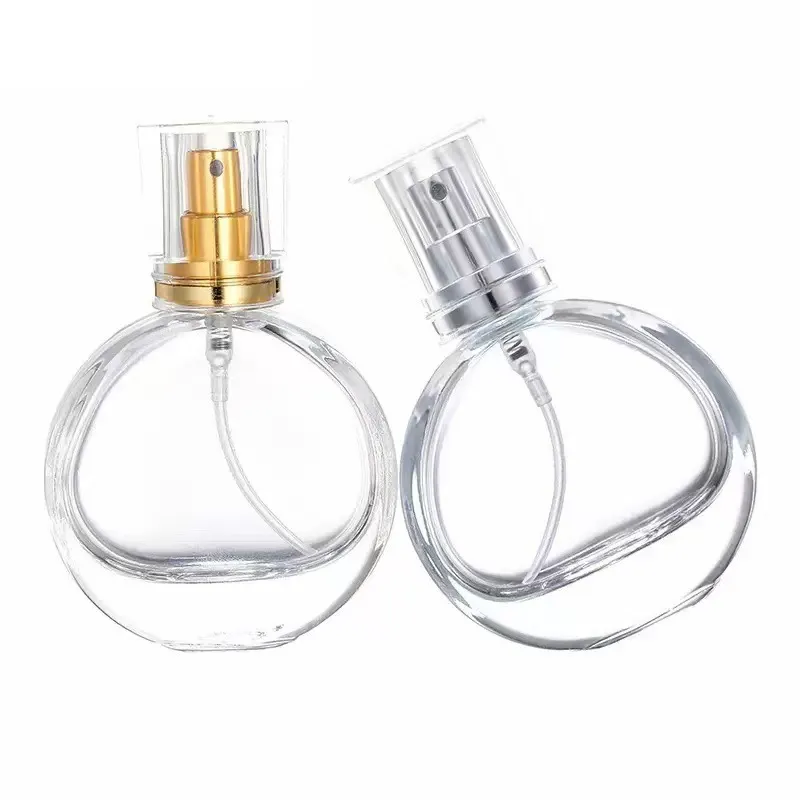
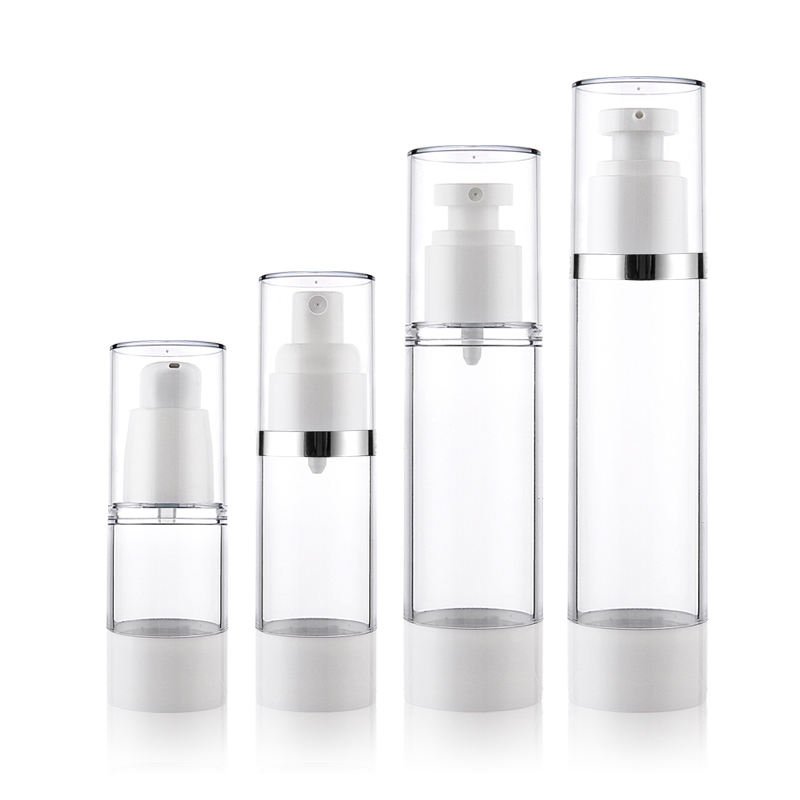
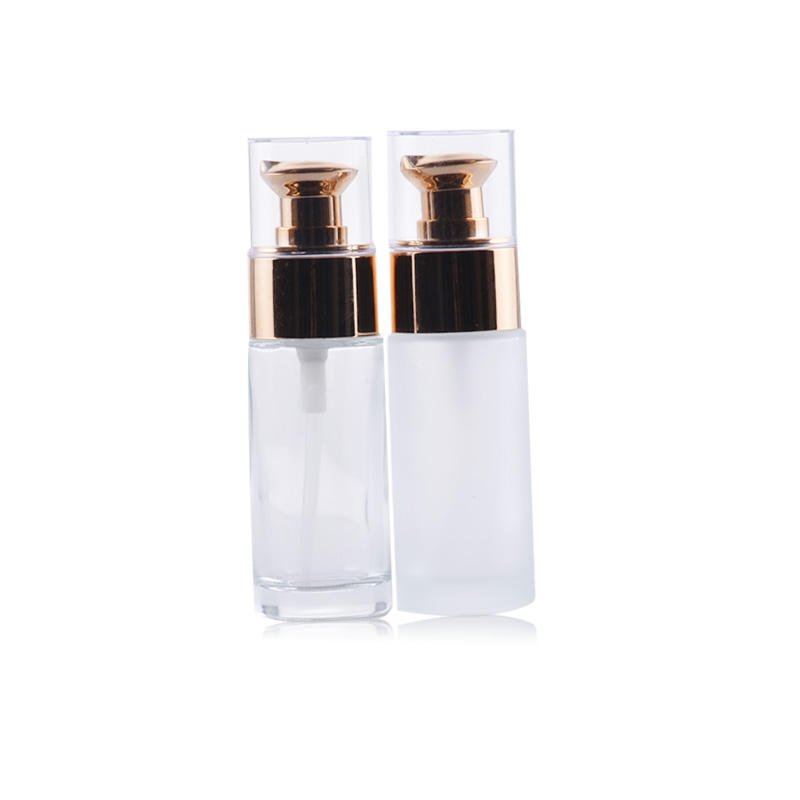
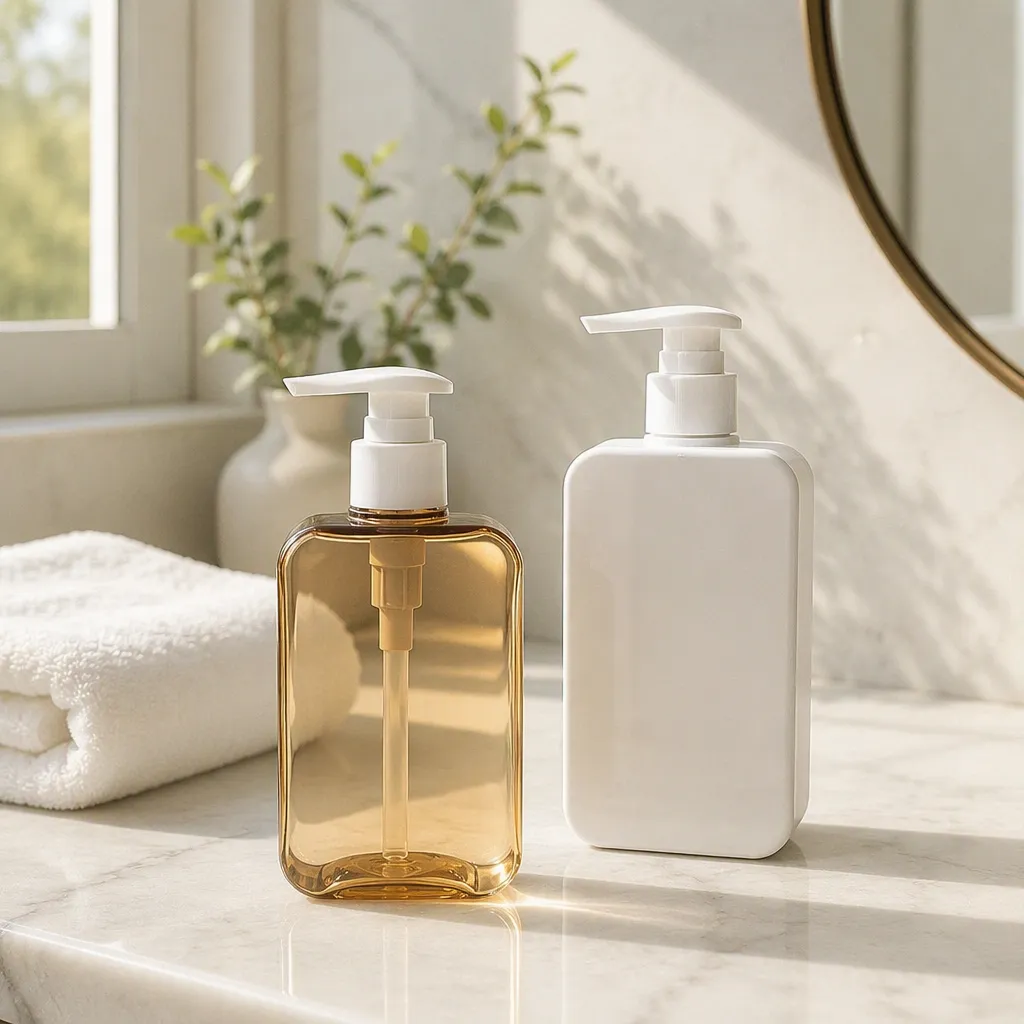
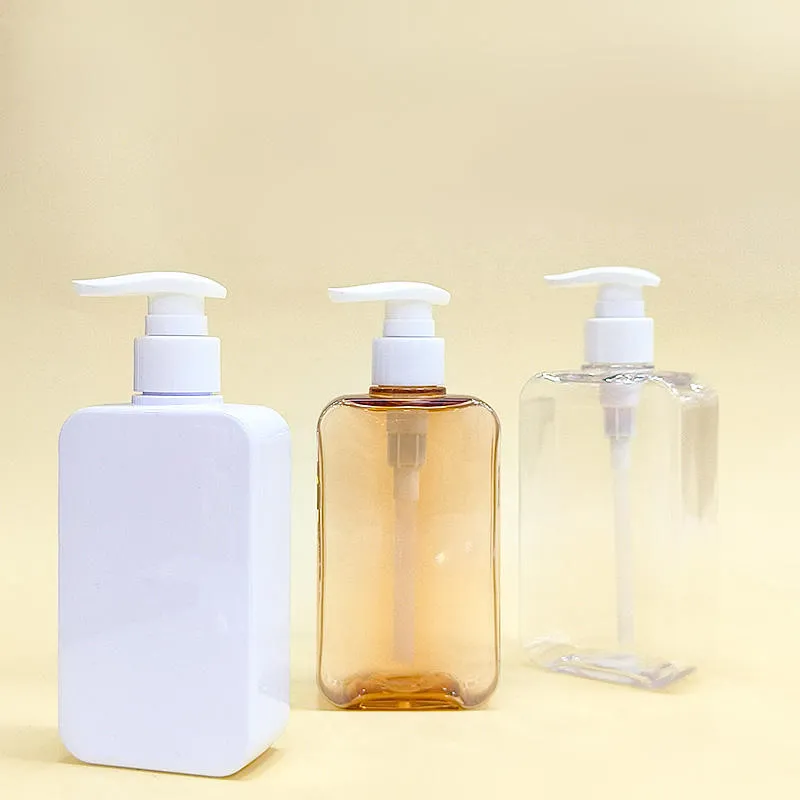
200ml and 260ml Flat-Shoulder PETG Shampoo and Lotion Pump Bottles
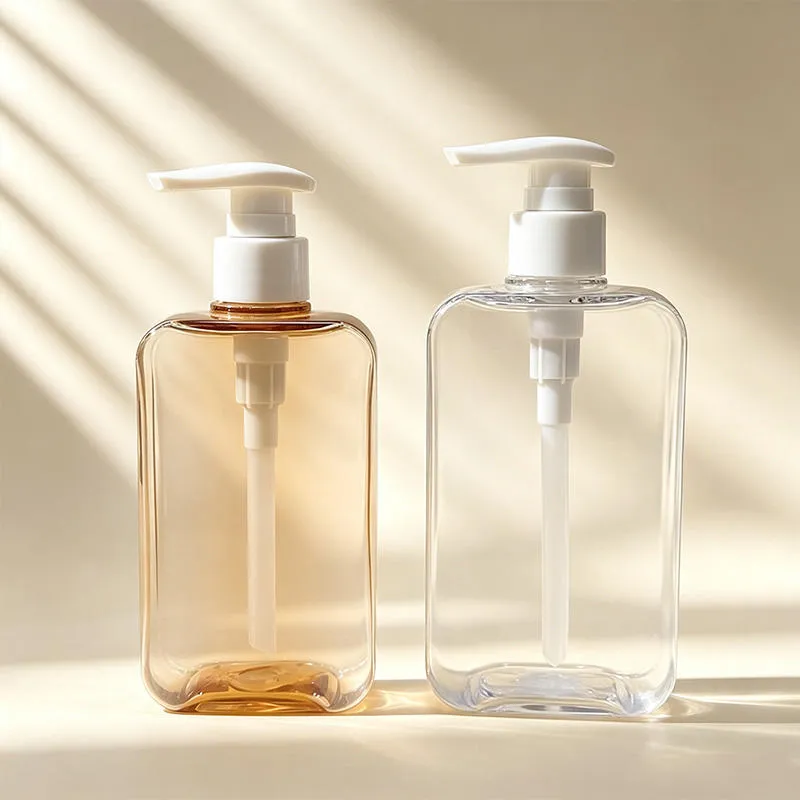
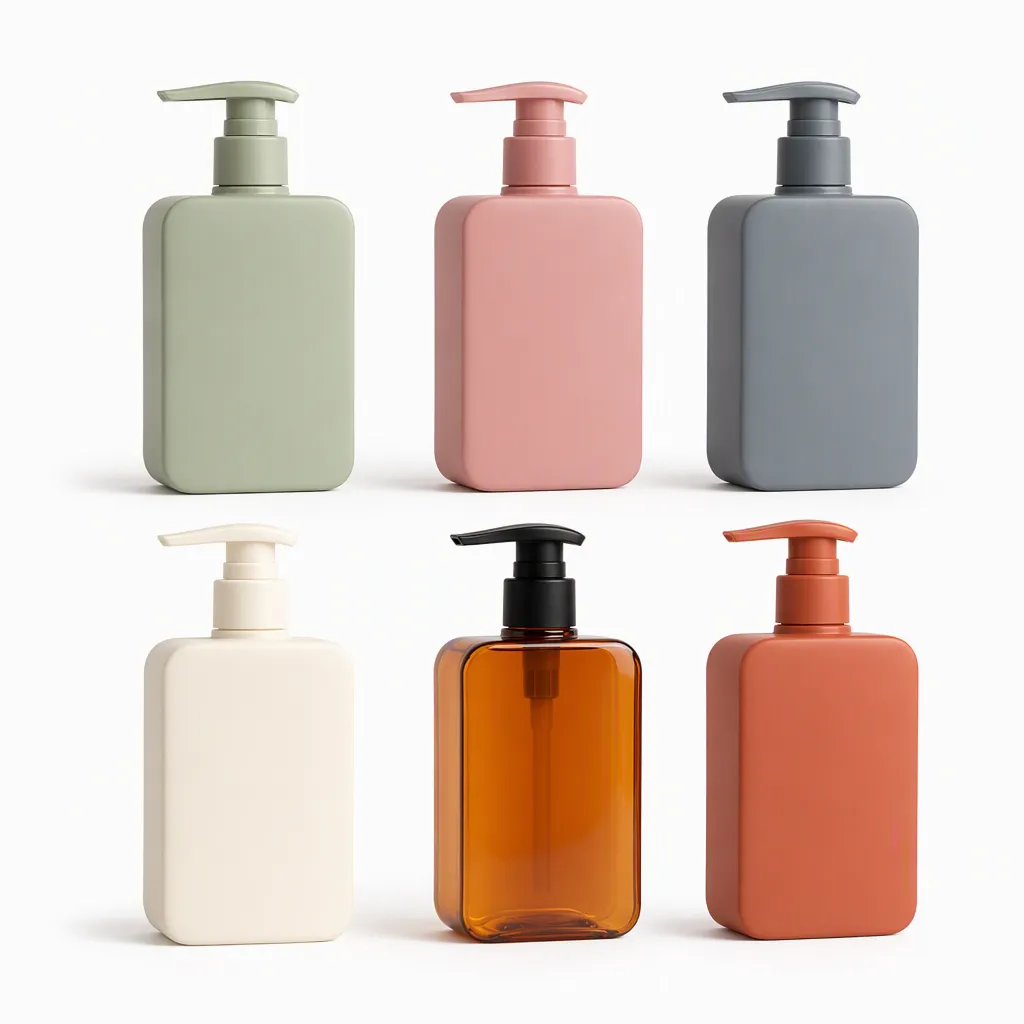
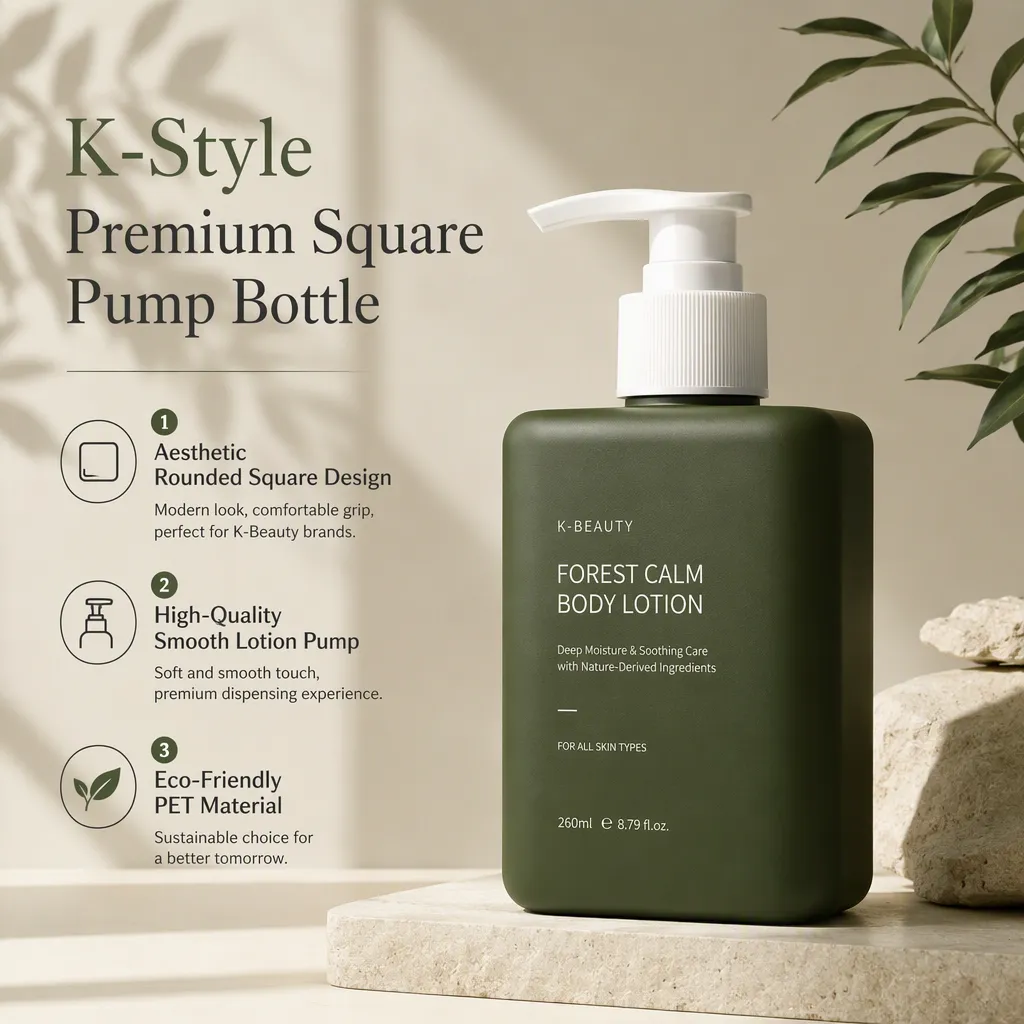
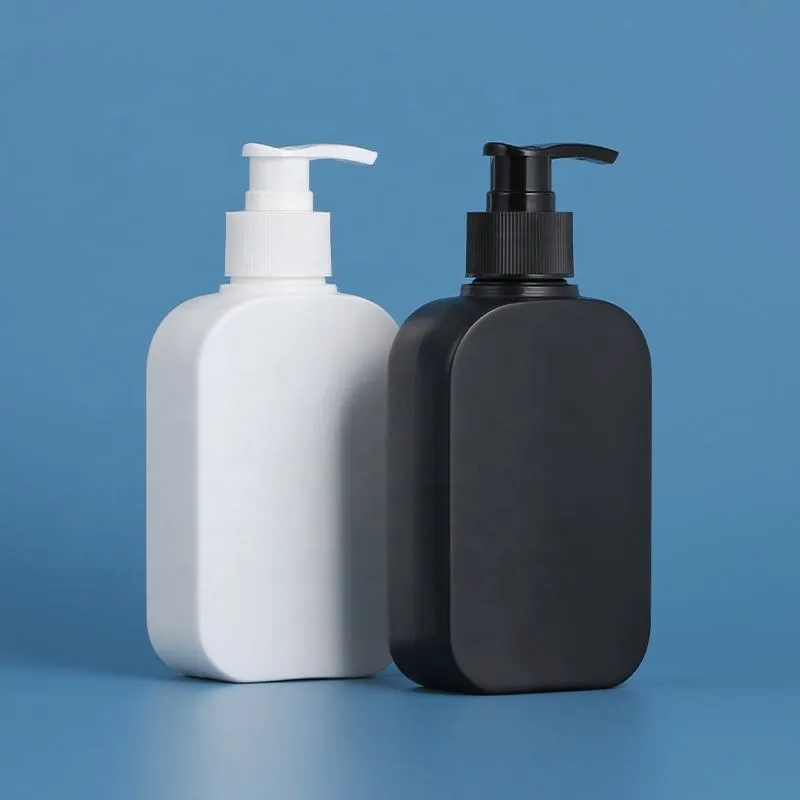
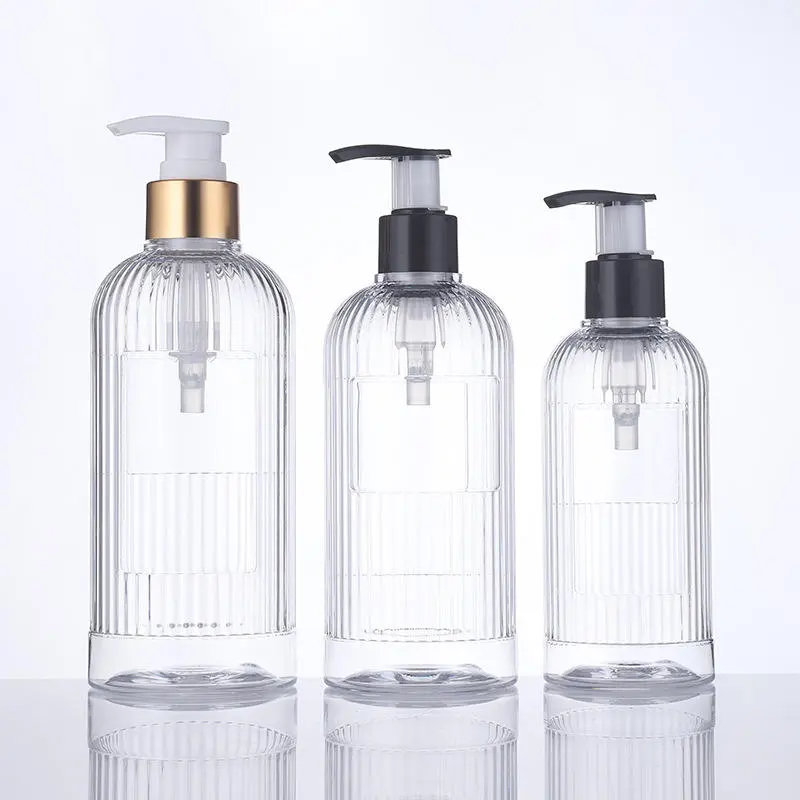
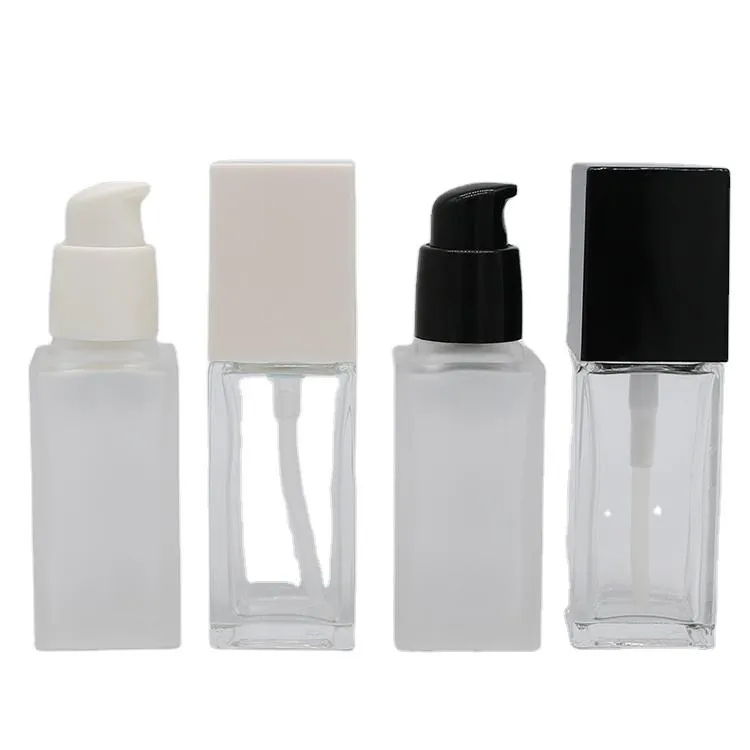
Boyu Packaging’s 200ml and 260ml flat-shoulder square pump bottles are designed for shampoo, conditioner, body lotion, hair treatment and compatible skincare products. The clean geometric profile creates a modern shelf presence, while broad front and back panels provide useful space for logos and product information. Buyers can select PET or PETG according to clarity, rigidity, budget and formula requirements, with a matched PP press pump for convenient one-hand dispensing.
Browse Boyu Packaging’s custom shampoo bottles, compare lotion pump bottles, explore the full range of plastic cosmetic bottles, or request samples and a quotation.
Core Specifications
| Product | Flat-shoulder square shampoo and lotion pump bottle |
|---|---|
| Brand | Boyu Packaging / OEM |
| Capacities | 200ml and 260ml |
| Bottle Material | PET or PETG; exact resin must be confirmed in the quotation |
| Pump Material | Typically PP with internal pump components; final material specification confirmed by sample |
| Shape | Square or rectangular profile with flat shoulders |
| Closure | Press-type lotion pump; lock style and neck finish confirmed per project |
| Applications | Shampoo, conditioner, body lotion, hand lotion, shower gel, hair mask fluid and compatible skincare products |
| Customization | Bottle color, pump color, logo, label, silk screen printing and paper tube packaging |
| MOQ | 10,000 pieces per capacity, color and design |
| Sample | Free stock samples where available; courier cost normally paid by the buyer |
| Payment | T/T, PayPal or Western Union, subject to order terms |
| Place of Origin | China |
| Height, Width, Bottle Weight and Wall Thickness | Confirmed separately for 200ml and 260ml on the approved drawing and physical sample |
Data note: the listed 20 × 8 × 8cm and 0.5kg are platform single-package data and should not be treated as verified bottle dimensions or empty-bottle weight. Export packing information must be calculated after the final bottle, pump and carton configuration are confirmed.
200ml or 260ml: Which Capacity Fits the Product?
| Capacity | Typical Positioning | Buyer Considerations |
|---|---|---|
| 200ml | Premium skincare lotion, compact shampoo, travel-oriented haircare and paired gift sets. | Smaller shelf footprint and lower filled weight; useful for higher-value formulas. |
| 260ml | Standard retail shampoo, conditioner, body lotion and shower products. | More consumer value and longer use; verify pump dip-tube length and carton height. |
Key Advantages
- Modern flat-shoulder design: creates a clean architectural look for haircare and skincare brands.
- Efficient square profile: broad panels support branding and can improve shelf and carton-space use.
- One-hand dispensing: a matched press pump provides convenient and controlled product delivery.
- Material choice: PET offers a practical cost-to-performance balance, while PETG can provide greater rigidity and a more substantial appearance.
- OEM flexibility: custom colors, pumps, logos, labels and secondary packaging support coordinated product ranges.
- Lower shipping risk than glass: plastic reduces breakage and usually lowers shipping weight.
PET, PETG, HDPE and PP Compared
| Material | Advantages | Limitations |
|---|---|---|
| PET | Clear, lightweight, impact resistant and cost-efficient for mass-market and premium products. | Limited heat resistance; compatibility must be checked for aggressive oils, solvents and high-alcohol formulas. |
| PETG | High clarity, rigidity and a glass-like appearance suitable for premium packaging. | Normally costs more than PET; recycling acceptance varies by local stream. |
| HDPE | Durable, squeezable and chemically resistant for many shampoo and lotion formulas. | Usually opaque or translucent and provides a different visual effect from clear PETG. |
| PP | Strong, fatigue resistant and widely used for pump housings, collars and closures. | Commonly used for the pump rather than the clear bottle body in this configuration. |
Important: PET and PETG are not interchangeable descriptions. The purchase order, sample label and material declaration should identify the exact bottle resin. The title presents a PETG square bottle, while the supplied attributes also list PET; buyers should select and price one confirmed material version.
Pump, Dispensing and User Convenience
The press pump should be chosen according to formula viscosity, desired dosage and consumer use. A light lotion may work with a standard lotion pump, while thick conditioner or rich body cream may require a larger flow path and stronger spring. The pump output per stroke should be measured with the actual formula rather than assumed from water testing.
Buyers should confirm the pump lock style, actuator shape, dip-tube material, dip-tube cut and neck finish. A down-lock or up-lock pump can reduce accidental actuation during storage, but the correct choice depends on filling-line and shipping requirements. The dip tube should reach close to the internal base without bending excessively or blocking product flow.
Leak Resistance and Sealing Control
“Leak proof” should be treated as a tested performance target, not an unconditional claim. Reliable sealing depends on the bottle neck, pump gasket, closure thread, tightening torque, dip tube and formula. Before production, test the approved bottle and pump as one complete system.
Recommended checks include:
- upright, side-position and inverted leakage tests;
- closure torque and repeated opening cycles;
- pump priming, output and rebound consistency;
- high- and low-temperature cycling;
- formula compatibility with the bottle, gasket, spring and dip tube;
- vacuum, pressure or altitude simulation where relevant;
- filled-carton drop, vibration and transport simulation.
Color, Logo and Packaging Customization
The bottle and pump can be coordinated in transparent, solid, translucent or custom brand colors subject to resin and process limitations. Silk screen printing suits simple logos and durable text. Pressure-sensitive labels can support detailed graphics, regulatory information and multiple language versions. Paper tubes can be supplied as premium secondary packaging when requested.
Provide Pantone references and vector artwork for sampling. Because PET, PETG and PP reflect color differently, approve the bottle and pump as a complete physical set. Printing adhesion, color difference, registration and abrasion resistance should be included in the quality standard.
Manufacturing Process
Production normally includes resin preparation, preform or injection molding, bottle blowing or stretch-blow molding, trimming, dimensional inspection and decoration. Pump components are molded and assembled separately before being matched to the bottle neck. Completed bottles and pumps may be packed separately or supplied as assembled sets according to filling-line requirements.
Quality Control
A practical inspection plan should cover:
- resin and color consistency;
- bottle deformation, haze, scratches, contamination, bubbles and uneven bases;
- height, width, capacity, bottle weight, wall distribution and neck dimensions;
- pump fit, lock function, priming and output per stroke;
- closure torque and leakage;
- logo position, print adhesion and label application;
- carton strength, dividers, pallet protection and shipping marks.
Suitable Markets and Applications
These bottles are suitable for haircare brands, skincare companies, salons, spas, hotels, beauty distributors, e-commerce brands and contract fillers. Typical contents include shampoo, conditioner, scalp lotion, body lotion, hand cream, shower gel, cleansing oil and fluid skincare products. Very thick cream, highly solvent-based formulas or hot-filled products may require another bottle or pump specification.
Safety, Sustainability and Reuse
PET and PETG bottles are lightweight and reduce breakage compared with glass. PET is widely recyclable where appropriate collection systems exist. PETG recycling acceptance varies, and the PP pump contains multiple components that may be difficult to separate. Environmental claims should reflect the confirmed resin and local recycling infrastructure rather than using broad terms such as “fully eco-friendly.”
The bottle may be physically refillable, but repeated cosmetic reuse requires validated cleaning and drying instructions. Pumps can retain formula inside their chambers, creating contamination risk. Refill programs should use compatible bulk products and define how the pump and bottle are cleaned or replaced.
MOQ, Price and Lead Time
The stated MOQ is 10,000 pieces. Confirm whether it applies per capacity, resin, bottle color and artwork. Price depends on PET or PETG selection, bottle weight, pump specification, color, printing, label, secondary packaging, inspection and Incoterm. An accurate quotation should itemize the bottle, pump, decoration and export packing.
Stock samples are normally prepared in approximately 3–5 days when available, while custom decoration samples may require 7–15 days. Mass production is generally planned for approximately 30–45 days after sample approval and deposit, subject to material, component and production availability.
Existing Mold or Custom Development?
No new bottle mold is normally needed when ordering the existing 200ml or 260ml design with standard neck and pump options. Custom color and logo use the existing structure. A proprietary bottle shape, changed neck, embossed logo or new capacity may require 2D/3D design, prototype evaluation and new tooling. Tool cost, ownership, mold life, trial standards and development timing should be confirmed in writing.
OEM Ordering Process
- Send the brief: choose 200ml or 260ml and provide formula, viscosity, annual volume, target market and delivery country.
- Confirm the material: select PET or PETG and review the bottle, pump, neck finish and quotation.
- Test samples: fill the actual formula and evaluate dispensing, compatibility and leakage.
- Approve decoration: confirm Pantone colors, artwork, logo position, label and physical sample.
- Start production: manufacturing begins after approval and the agreed deposit.
- Inspect the goods: compare production with the approved sample and QC standard.
- Arrange shipment: confirm balance payment, cartons, pallets, freight method and export documents.
Shipping and After-Sales
Bulk plastic bottles occupy considerable volume even though they are relatively light. Sea freight is usually economical for large orders, while samples can be sent by express or air. Confirm whether pumps are assembled or packed separately, because this affects carton efficiency and the risk of accidental actuation. Final carton size, quantity, gross weight and pallet data must be based on the approved configuration.
The order agreement should define dimensional and color tolerances, inspection standard, leakage test method, shortage handling, claim period and corrective action. Retain approved samples for comparison. Learn more about Boyu Packaging and its broader cosmetic packaging range.
Buyer Checklist
- Choose PET or PETG and ensure the quotation states the exact resin.
- Request separate drawings, weights and tolerances for 200ml and 260ml.
- Confirm pump neck finish, lock type, output and dip-tube length.
- Test the actual formula for dispensing and material compatibility.
- Run filled-product leakage, temperature and transport tests.
- Clarify whether the MOQ applies per capacity, color and design.
- Approve a decorated sample and written QC standard before production.
Frequently Asked Questions
Is the bottle made from PET or PETG?
Both materials are listed as options. Choose one for the project and ensure the approved sample, quotation and purchase order identify the exact resin.
Can the pump dispense thick conditioner?
Possibly, but pump performance depends on viscosity and flow path. Test the actual conditioner for priming, output and recovery before ordering.
Is the package completely leak proof?
No supplier should promise unconditional performance for every formula and transport condition. Reliable sealing requires matched components, correct torque and filled-product leak tests.
Can the bottle and pump colors be customized?
Yes. Custom bottle, pump and logo colors are available subject to MOQ, resin and sample approval.
Do existing designs require a new mold?
Normally no. A new mold is required only when the bottle structure, neck, capacity, embossed details or proprietary shape changes.
What information is needed for pricing?
Provide capacity, PET or PETG preference, formula type, order quantity, bottle and pump colors, artwork, decoration, secondary packaging, delivery country and Incoterm.
Request Samples and a Project Quotation
Send Boyu Packaging your selected capacity, PET or PETG preference, formula viscosity, annual volume, colors, artwork and delivery country. Request the matching bottle-and-pump sample and complete filled-product testing before mass production. Contact Boyu Packaging.
 English
 Español de Argentina
 Русский
 Italiano
 日本語
 한국어
 العربية
 Français
 Deutsch