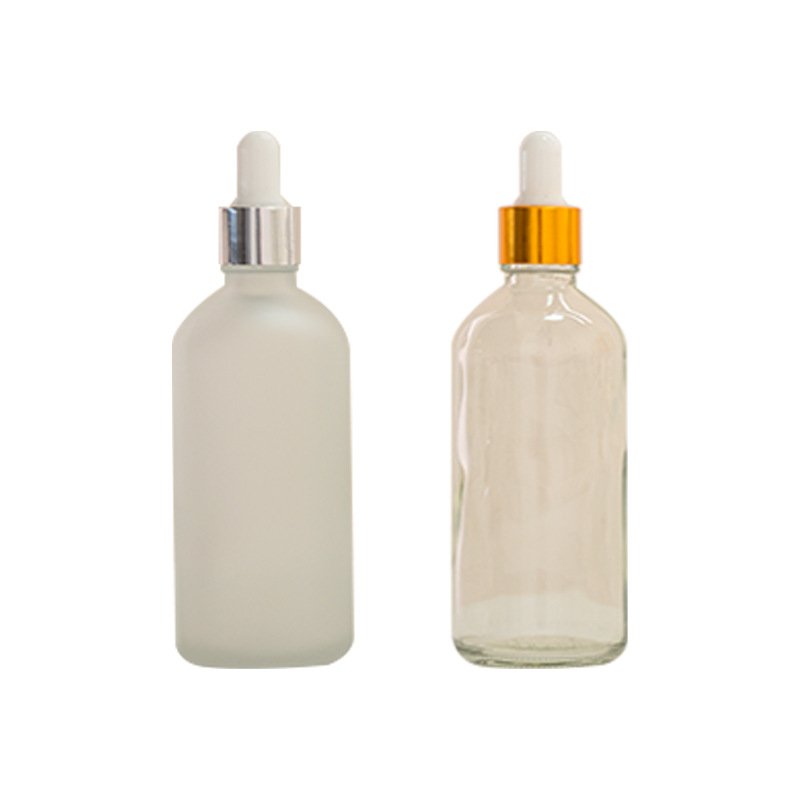
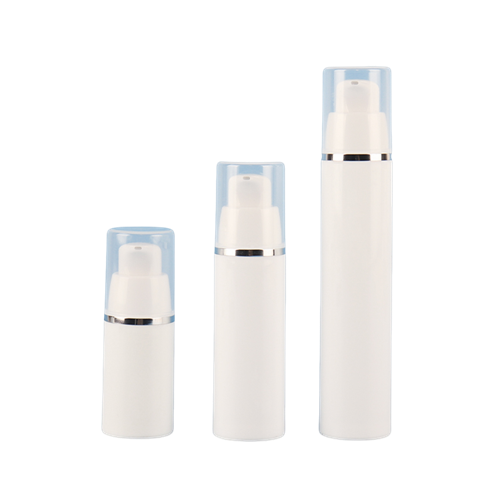
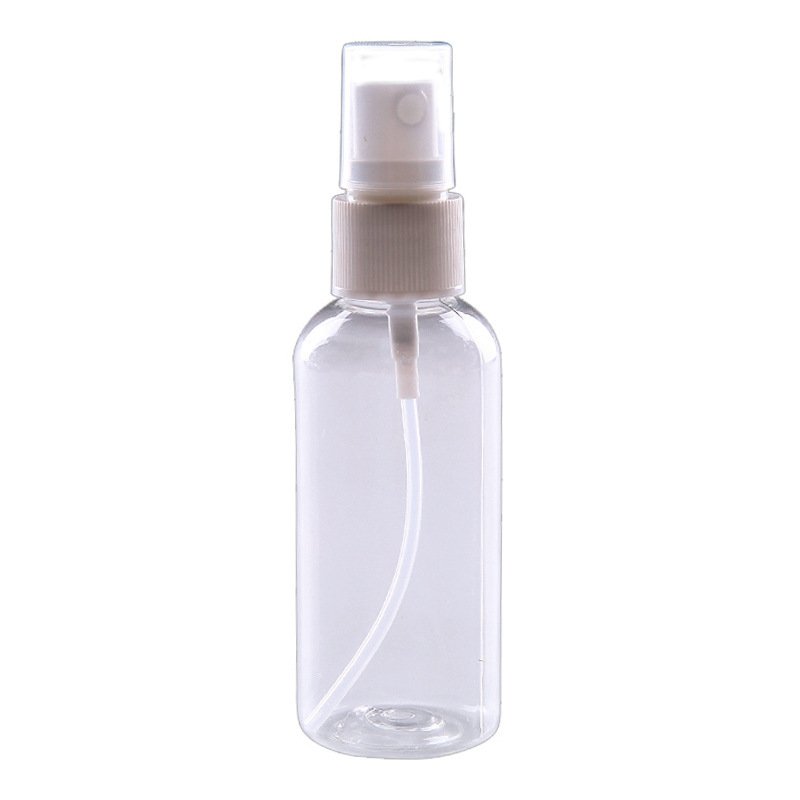
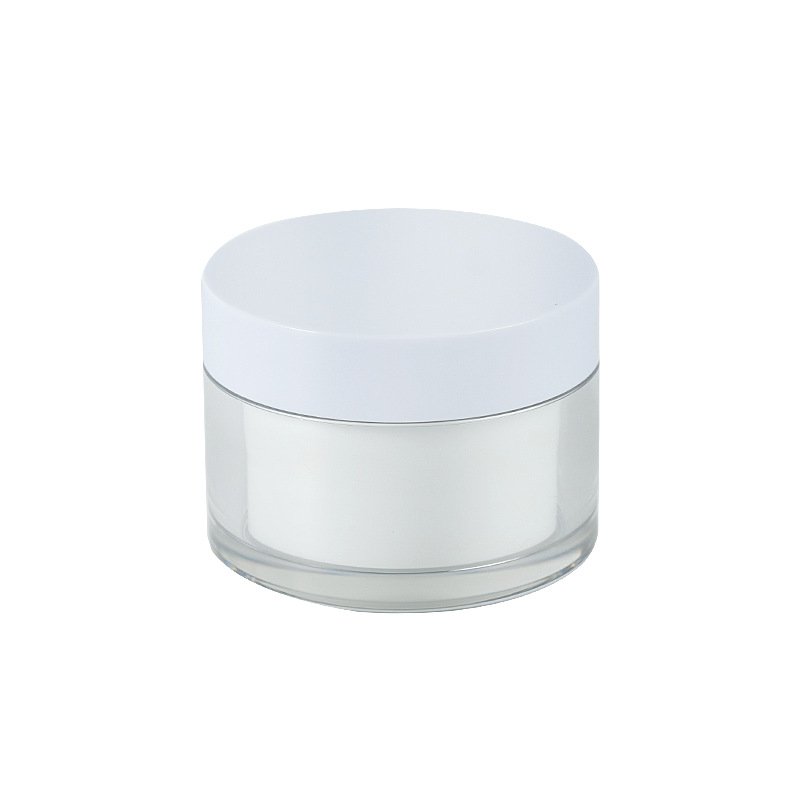
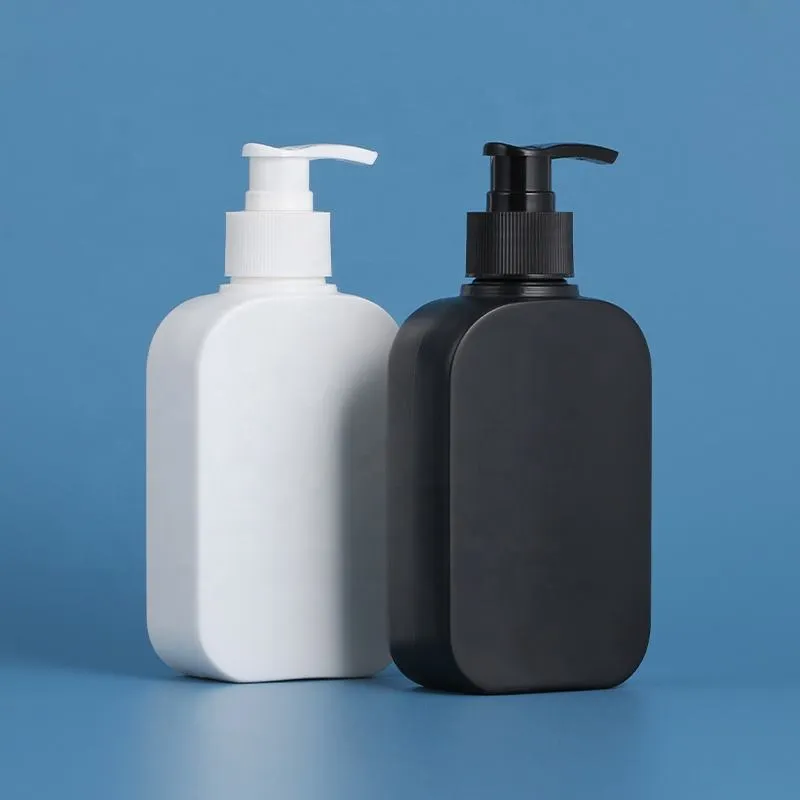
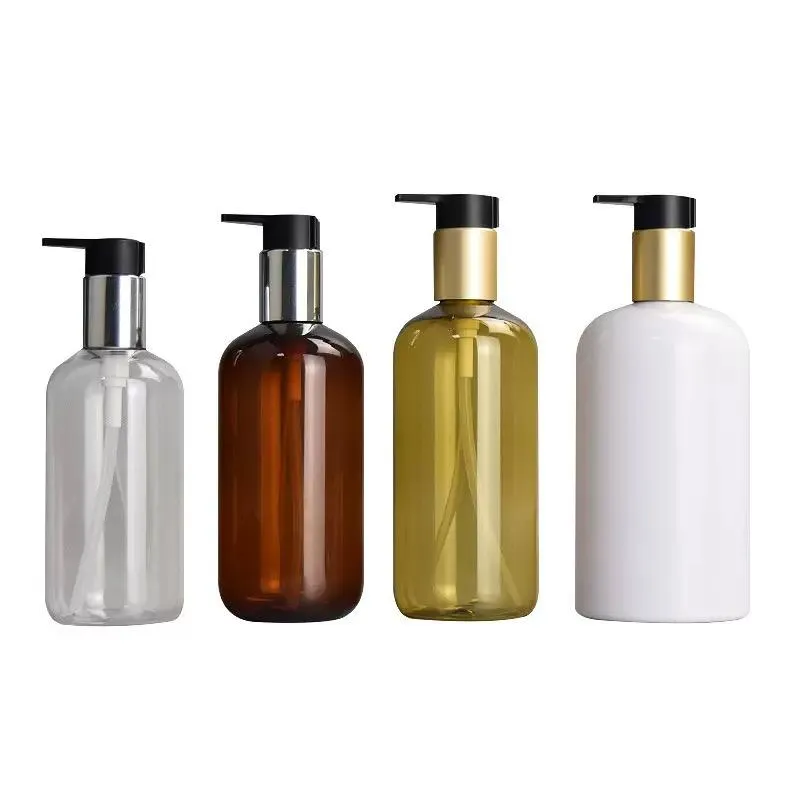
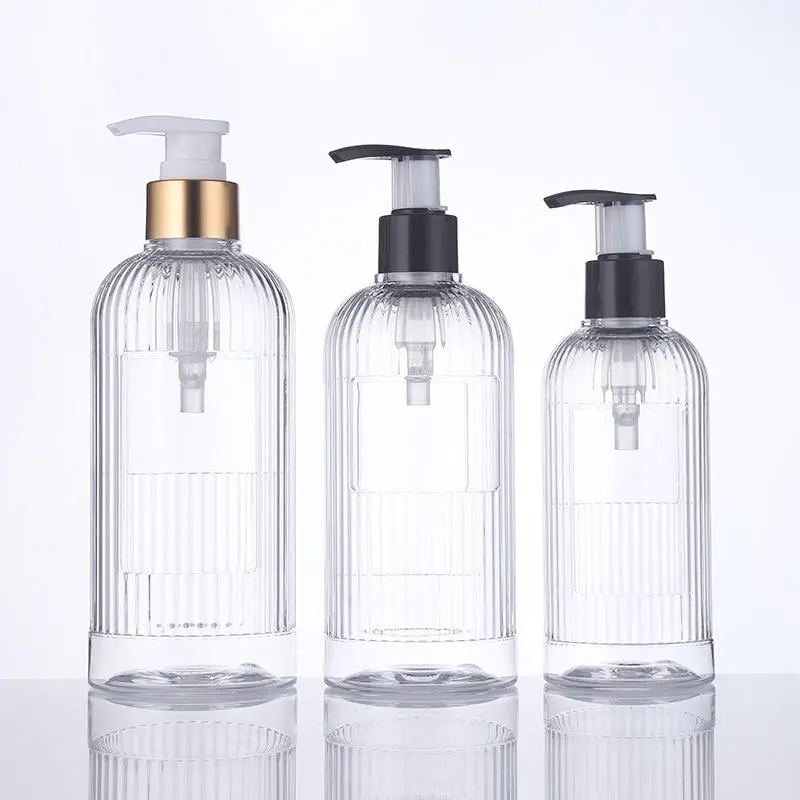
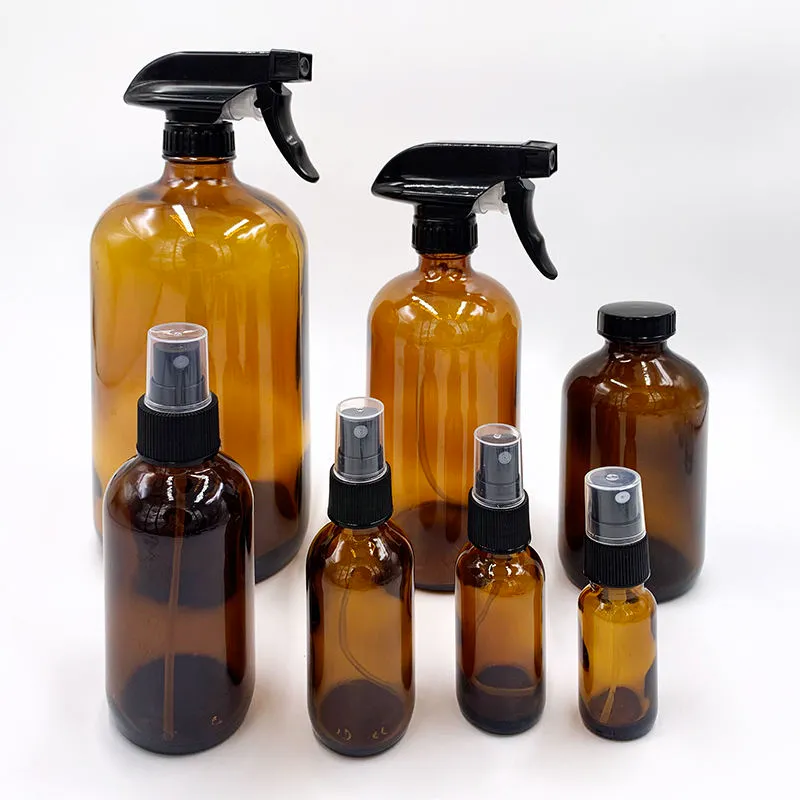
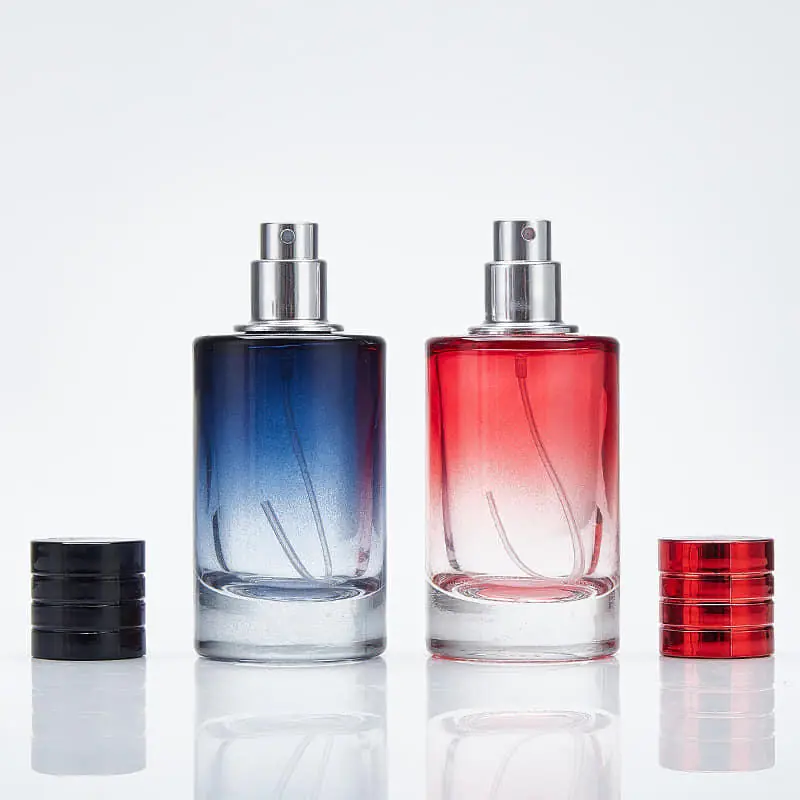
Short answer: there is no single, universal list of tests that every cosmetic bottle must pass. A defensible launch programme normally covers specification and appearance, bottle–closure fit and torque, leak integrity, formula–package compatibility and stability, dispensing performance, mechanical strength, distribution testing, and label or decoration durability. Material migration, barrier, light-protection, child-resistant, tamper-evident or pressure tests are added when the formula, pack type, claim, market or distribution route makes them relevant.
The crucial distinction is this: regulators expect the finished cosmetic to be safe and correctly labelled, while the brand and responsible party must translate that obligation into a risk-based test protocol for the actual formula, bottle, closure, decoration and shipping configuration.
Are Cosmetic Bottle Tests Legally Required?
In the United States, the FDA does not prescribe a fixed battery of tests for a particular cosmetic or bottle. It states that manufacturers and distributors are responsible for assuring product safety. Under the Modernization of Cosmetics Regulation Act, the responsible person must maintain records supporting adequate safety substantiation for the cosmetic product. Packaging evidence can form part of that substantiation when container interaction could affect safety or quality.
In the European Union, Regulation (EC) No 1223/2009 requires a cosmetic product safety report before market placement. Its safety-information framework includes product stability, microbiological quality where relevant, impurities and traces, and the characteristics and purity of packaging material. Again, the regulation does not turn this into one prescribed mechanical-test checklist for every bottle.
Practical interpretation: “required” means whatever evidence is necessary to show that your finished product remains safe, functional and correctly presented under reasonably foreseeable storage, use and distribution conditions. A test can also become contractually mandatory through a retailer, marketplace, carrier or brand quality specification.
Cosmetic labelling is a separate compliance workstream. In the US, container and outer-carton statements must meet FDA labelling rules. Internationally, ISO 22715 provides packaging and labelling guidance for cosmetic products, but local law controls where requirements differ.
Core Cosmetic Bottle Test Matrix
The following matrix is a sound starting point for a standard non-aerosol cosmetic bottle. It is not a substitute for a product-specific risk assessment. Put numerical limits, sample quantities, conditioning and failure definitions into an approved protocol before testing begins.
| Test area | What it checks | Typical evidence or pass criteria | When used |
|---|---|---|---|
| Visual and specification inspection | Colour, capacity, weight, finish, moulding defects, glass inclusions, scratches, contamination and decoration position. | Approved drawing, limit sample and defect classification; critical defects absent and dimensions within tolerance. | Design approval and incoming/batch QC. |
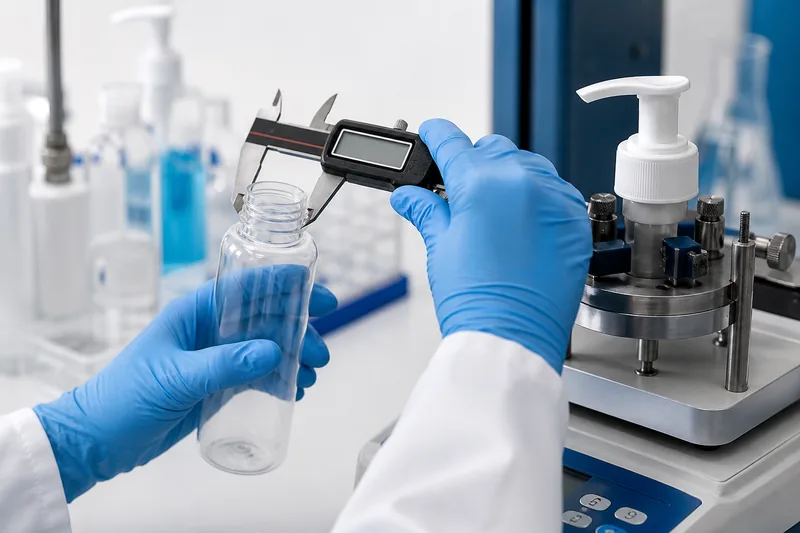
| Dimensions and fit | Neck finish, thread, sealing land, bottle height/diameter, dip-tube length and closure engagement. | Measured results meet the component drawing and mating components assemble without cross-threading, rocking or interference. | Before tooling approval, after mould changes and by production sampling. |
| Application and removal torque | Whether a cap or pump can be applied consistently, retains seal load and remains openable. | Results stay inside brand-defined torque windows after conditioning and ageing; no thread damage or back-off. | For threaded caps, pumps and sprayers. |
| Leak and seal integrity | Leak paths at threads, gasket, liner, crimp, pump lock, bottle seam or actuator. | No visible wetting, unacceptable mass loss, pressure decay or vacuum failure under the validated method. | Filled-pack qualification and routine audit. |
| Compatibility and stability | Formula attack, swelling, stress cracking, corrosion, adsorption, colour/odour change and seal deterioration. | No safety-relevant interaction; agreed appearance, mass, function and formula attributes remain in specification. | Always with the final formula and complete decorated pack. |
| Dispensing function | Priming, output per stroke, spray pattern, droplet, dose repeatability, evacuation and cycle life. | Brand-defined output and user performance remain acceptable over the intended service life. | Pumps, sprayers, droppers, airless packs and treatment dispensers. |
| Mechanical integrity | Resistance to bottle-level impact, squeeze, top load, paneling, crack initiation or component separation. | No hazardous breakage, leakage or function loss after the defined challenge. | Risk-based; especially glass and lightweight plastic. |
| Distribution simulation | Vibration, drop, compression, stacking and low-pressure/altitude hazards in the final shipper. | No unacceptable product damage, leakage, scuffing or closure movement after the chosen sequence. | Before launch or when shipper, pack-out or fulfilment route changes. |
| Decoration and label durability | Adhesion, rub, scratch, tape pull, water, oil, alcohol and formula contact. | Legibility and agreed appearance retained; no transfer, lifting or loss of required information. | Every decoration or label construction. |
| Chemical/material assessment | Composition declarations, restricted substances and potential migrants or extractables. | Supplier evidence plus targeted analytical testing where exposure and toxicological risk justify it. | Risk-based; especially new resins, recycled content, coatings, colourants and sensitive formulas. |
Leak testing is more than turning a bottle upside down
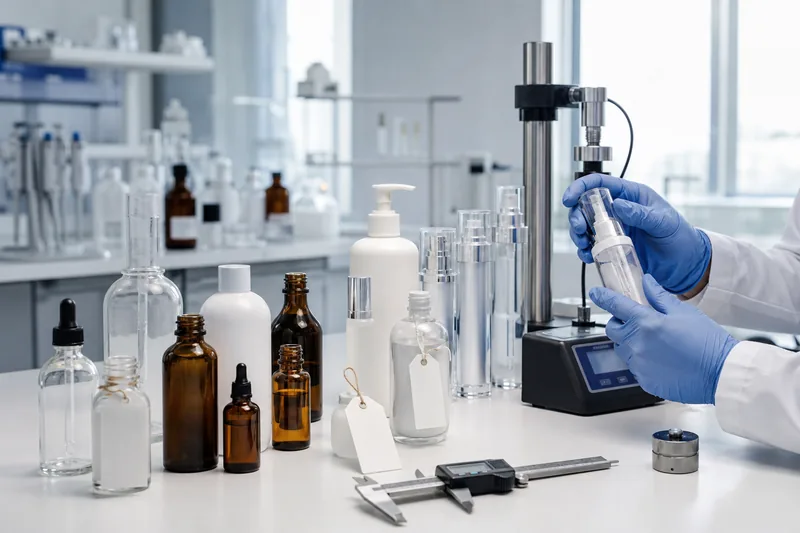
An inverted or side-storage test is useful because it puts the closure in continuous contact with the formula, but it is only one screen. A robust protocol may combine orientation, time, temperature cycling, vibration, low-pressure exposure and a quantitative method such as mass change or pressure decay. The chosen method must be sensitive to the leak rate that matters commercially.
Test the closure exactly as it will be supplied: correct liner or gasket, validated application torque, final dip tube, actuator lock, overcap and induction seal where present. For root-cause guidance, see Boyu’s overview of common causes of cosmetic bottle leakage.
Dispensing tests must represent consumer use
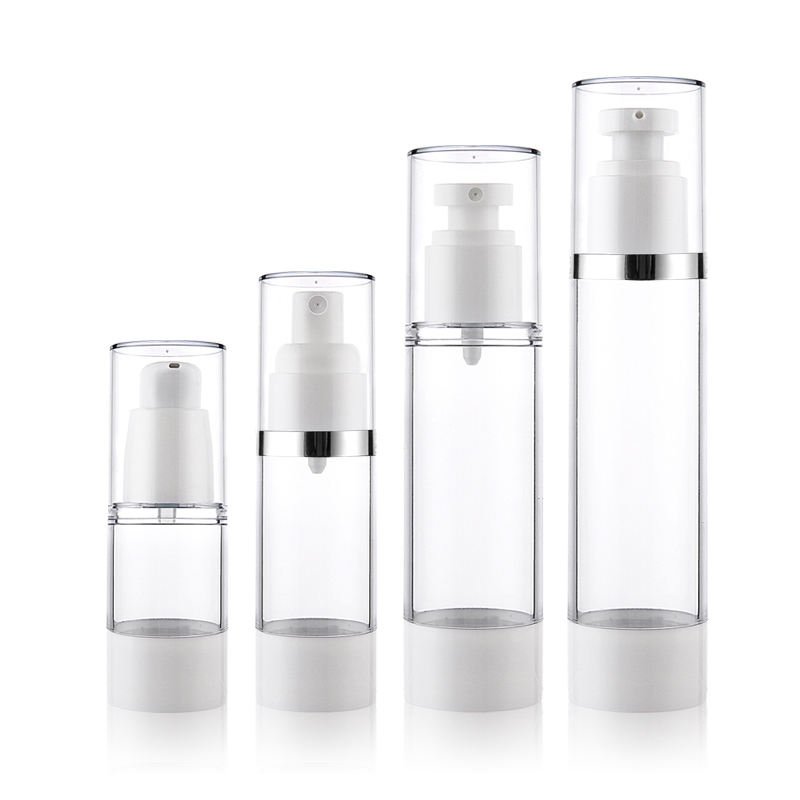
For lotion pumps, record strokes to prime, output per stroke, output consistency, actuation force, dip-tube reach, re-priming, leakage through the actuator, residual product and cycle life. Averages alone can hide erratic doses, so examine variability and failures throughout the bottle. Sprayers add spray angle, pattern and droplet quality; droppers add fill volume, bulb recovery and dose repeatability; airless bottles add piston movement and evacuation efficiency.
Formula–Package Compatibility and Stability
Empty-component certificates cannot prove compatibility. The final commercial formula must be tested in the final bottle, with the production-intent closure, liner, pump, dip tube, colourant, coating, decoration and label. A formula can affect several materials at once: essential oils may soften elastomers; alcohol can attack inks or adhesives; surfactants can find small seal paths; low-pH systems can challenge metals; and viscous lotions can expose pump limitations that water will never reveal.
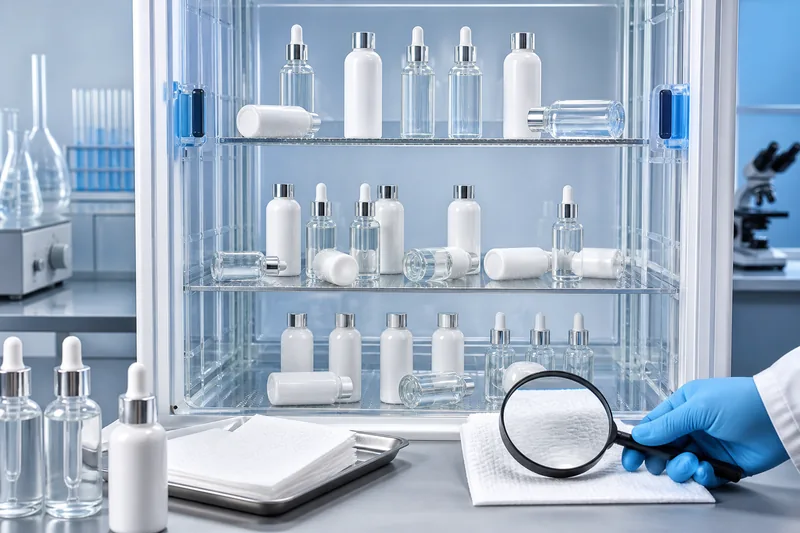
A well-designed stability programme usually includes real-time storage plus scientifically justified accelerated and cycling conditions. Examine both the formulation and the pack at planned intervals. Useful packaging observations include mass loss, deformation, paneling, cracking, haze, discoloration, corrosion, gasket swelling, label lift, decoration rub-off, torque change, odour transfer, pump output and leakage.
Do not copy a generic time/temperature schedule without justification. There is no universal accelerated condition that guarantees a cosmetic’s shelf life. The protocol should reflect formula chemistry, pack materials, intended shelf life, market climate and transport exposure, and accelerated findings should be correlated with real-time data.
When are migration or extractables tests needed?
Not every cosmetic bottle needs an elaborate pharmaceutical extractables-and-leachables study. Start with packaging composition, supplier declarations, exposure, formula solvency, contact area, shelf life and toxicological concern. Targeted migration or extractables testing becomes more important with unfamiliar materials, recycled content, functional barriers, internal coatings, pigments, plasticisers, high-alcohol or oil-rich formulas, or unexplained changes during stability. The safety assessor should define what analytical evidence is proportionate.
Barrier and light-protection tests are conditional
Measure water-vapour or oxygen transmission, mass loss, headspace oxygen or light transmission when the formula is moisture-, oxygen- or light-sensitive. Clear packs can be suitable for stable formulas, while UV-sensitive actives may need amber glass, an opaque or coated pack, or secondary packaging. Evaluate the whole system; a high-barrier bottle can still lose product through a poor closure.
How Testing Priorities Differ for Glass and Plastic Bottles
Glass cosmetic bottles
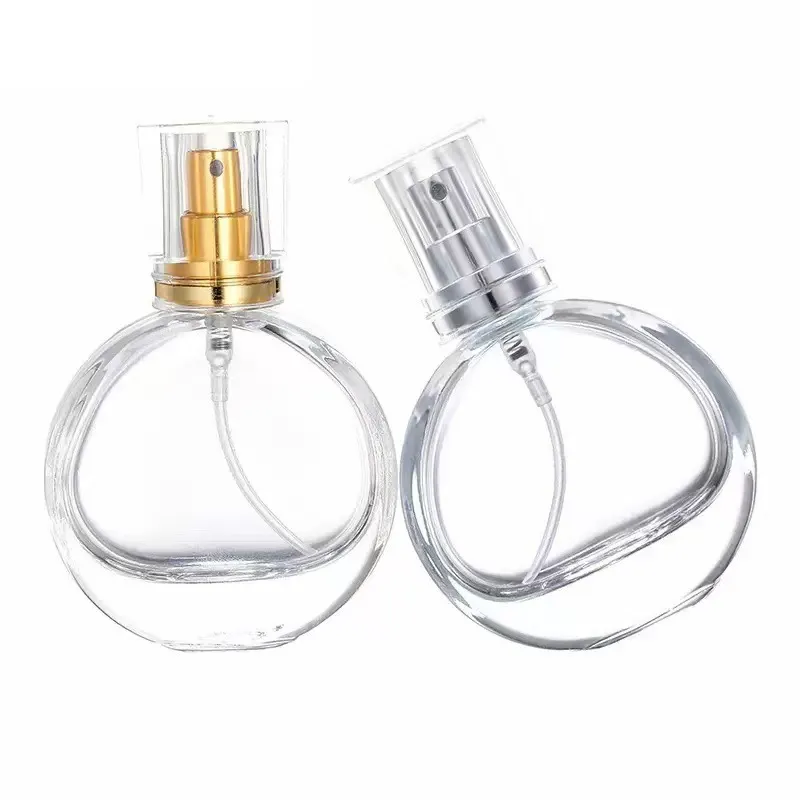
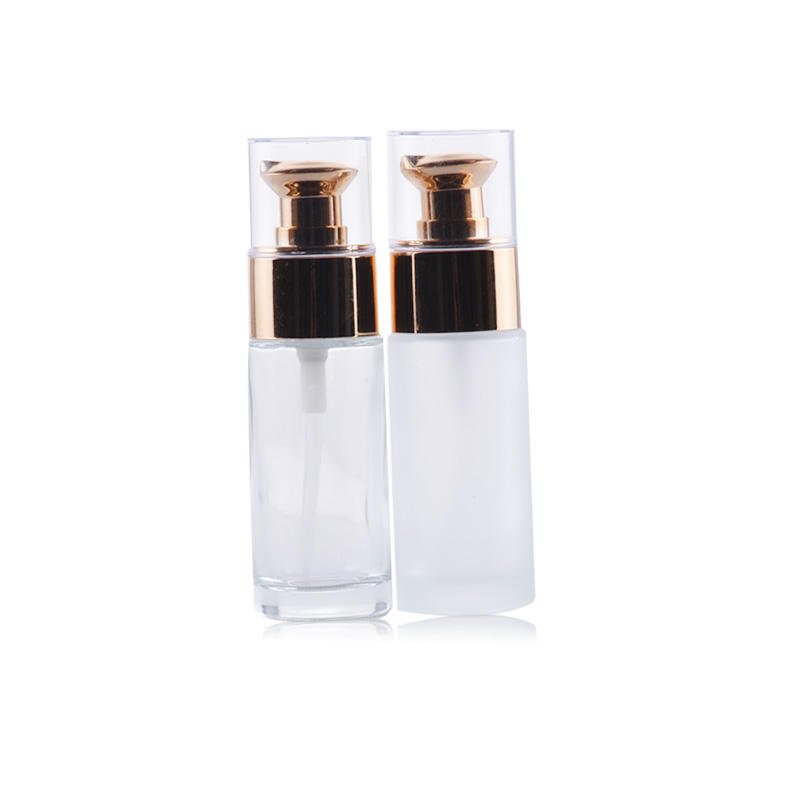
Glass is dimensionally stable and provides an excellent general barrier, but impact damage can create a consumer-safety hazard. Qualification commonly pays extra attention to visual defects, annealing/strain, impact and thermal-shock risk where relevant, bottom stability, neck-finish geometry, decoration adhesion and the protection supplied by partitions or inserts. A bottle-level drop result should not be interpreted alone: the shipping test must use the final retail and transit pack. See Boyu’s cosmetic glass packaging options when comparing formats.
Plastic cosmetic bottles
Plastic priorities vary by resin and process. Typical risks include environmental stress cracking, swelling, permeation, paneling under vacuum, hot-fill distortion, creep, colour shift, seam or gate weakness and loss of squeeze recovery. PET, HDPE, PP and multilayer structures should not be treated as interchangeable. Test the exact resin grade, colour masterbatch, recycled-content level and manufacturing process intended for production.
The format matters too. A simple cap bottle, fine-mist sprayer and treatment pump expose different interfaces. Review the broader skincare packaging system rather than choosing a bottle body first and checking the closure later.
Test at Three Different Stages
1. Design verification and pilot qualification
Use production-intent samples to establish that the design works: dimensions, fit, compatibility, stability, dispensing, decoration and distribution. Include more than one component lot where feasible. Any tooling, resin, formula, closure, decoration, fill-process or pack-out change should trigger a documented impact assessment and appropriate requalification.
2. Incoming and in-process quality control
Routine QC confirms that production continues to match the approved design. Sampling plans should distinguish critical, major and minor defects and define lot acceptance rules. Common checks include appearance, key dimensions, capacity/weight, neck finish, closure fit, torque, basic leakage and functional sampling. A certificate of analysis is useful, but receiving inspection and supplier-performance trends still matter.
3. Filled-pack and distribution validation
Repeat the tests that depend on the formula, filling line or final shipper after scale-up. Line speed, capping-head settings, fill temperature and headspace can change performance. Distribution tests should use saleable units, retail cartons, inserts, partitions, master cases and palletisation as shipped—not hand-prepared showcase samples.
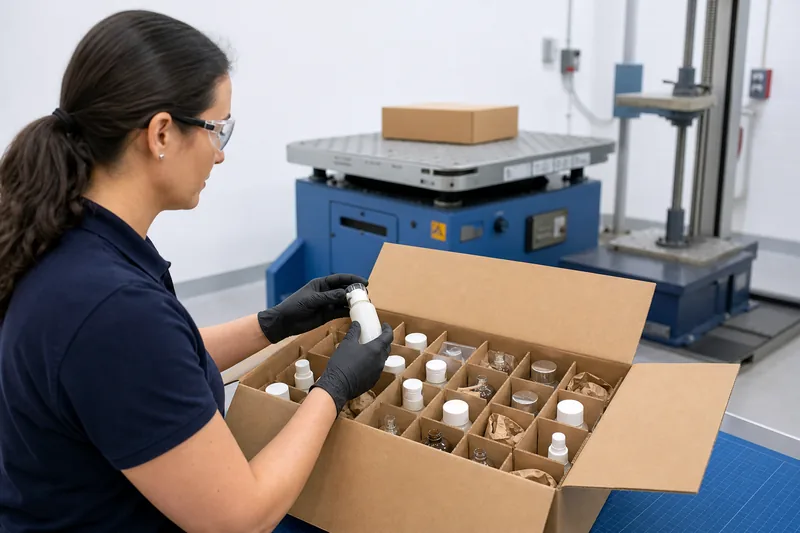
For parcel delivery, ISTA 3A is one recognised general-simulation procedure for individual packaged products. ISO 2248 and ASTM D5276 describe free-fall drop methods for filled transport packages or loaded containers. These are methods—not automatic prescriptions for every project. Choose drop heights, orientations, vibration profiles, compression loads and acceptance criteria from the actual distribution environment and product risk.
What to Request From a Cosmetic Bottle Supplier
Before placing a production order, turn the test programme into a shared specification. Request:
- component drawings with critical dimensions, tolerances, nominal capacity and overflow capacity;
- material identification, colourant and coating information, plus relevant regulatory or restricted-substance declarations;
- approved limit samples and a defect catalogue for visual inspection;
- closure, liner, gasket, dip-tube and neck-finish compatibility details;
- recommended application torque or assembly settings, while confirming them on your own filled pack;
- lot traceability, sampling plan, inspection report and change-notification process;
- available leak, dimensional, functional and mechanical test data, with methods and acceptance criteria stated;
- tooling ownership, cavity identification and the requalification plan after repairs or changes.
Also provide the supplier with the information they need: formula family and key solvents, fill volume and temperature, closure system, decoration, market, shelf-life target, distribution route and expected order volume. Confidential formula details can be handled under an NDA, but withholding every compatibility-relevant fact makes useful risk assessment impossible.
A strong test report is reproducible. It identifies samples and lots, equipment, calibration status, conditioning, method, orientations, sample size, raw results, deviations, photos, acceptance criteria and an authorised conclusion. “Passed leak test” without those details is not decision-grade evidence.
Frequently Asked Questions
How many cosmetic bottles should be tested?
There is no universal number. Base sample size on test variability, failure severity, production volume, cavity count and confidence needed. Use an approved statistical sampling plan for lot acceptance and a separate, risk-justified sample plan for design validation. Include samples from relevant cavities and multiple lots rather than relying on many pieces from one ideal run.
Can water be used instead of the cosmetic formula?
Water is useful for equipment setup, gross leak screening or some distribution work, but it cannot demonstrate chemical compatibility, realistic viscosity, surfactant leakage, evaporation, pump performance or interaction with seals and decoration. Final approval requires the actual formula or a scientifically justified worst-case surrogate.
Does every glass cosmetic bottle need a drop test?
Impact risk should always be assessed, but the method and level depend on use and distribution. Bottle-only drops can compare designs; complete-pack drops show whether the retail and transit packaging protects filled bottles. Define acceptable cosmetic damage separately from dangerous breakage, leakage and loss of function.
Is a leak test the same as a compatibility test?
No. A bottle may be leak-tight on day one and fail after the formula swells a gasket, cracks plastic or reduces closure torque. Compatibility testing observes changes over time under relevant storage conditions; leak testing measures seal performance at defined points in that programme.
When are child-resistant or tamper-evident tests required?
They are conditional. A child-resistant claim must be supported using the applicable protocol, such as ISO 28862 for certain non-pharmaceutical products, and local law may impose requirements based on product contents. Tamper evidence can be legally or commercially required for specific products or channels. Do not describe an ordinary cap as child-resistant or tamper-evident without validated evidence.
Who is responsible for final packaging approval?
The brand or responsible person retains responsibility for the marketed cosmetic. Component suppliers, fillers and third-party laboratories provide essential data, but no single supplier certificate replaces finished-product safety assessment and pack qualification.
Build the Test Plan Before You Approve the Bottle
Share your formula type, closure, decoration, target market and distribution route early. Boyu Packaging can help align bottle and dispensing options with a practical validation brief, while final compatibility and regulatory approval remain with the brand’s qualified safety and quality teams.
Explore skincare packaging formats or review Boyu Packaging’s manufacturing and quality-control overview.
Sources
- U.S. FDA — Product Testing of Cosmetics
- U.S. FDA — Modernization of Cosmetics Regulation Act of 2022
- U.S. FDA — Cosmetics Labeling Guide
- EUR-Lex — Regulation (EC) No 1223/2009 on Cosmetic Products
- ISO 22715:2006 — Cosmetics: Packaging and Labelling
- ISO 2248:1985 — Vertical Impact Test by Dropping
- ASTM D5276 — Drop Test of Loaded Containers by Free Fall
- ISTA — Test Procedure 3A Overview
- ISO 28862:2018 — Child-Resistant Packaging for Non-Pharmaceutical Products
 English
  Español de Argentina
  Русский
  Italiano
  日本語
日本語  한국어
한국어  العربية
  Français
  Deutsch