
Best Bottles for Essential Oils: Glass vs. Plastic, Storage Tips & How to Preserve Your Oils Safely
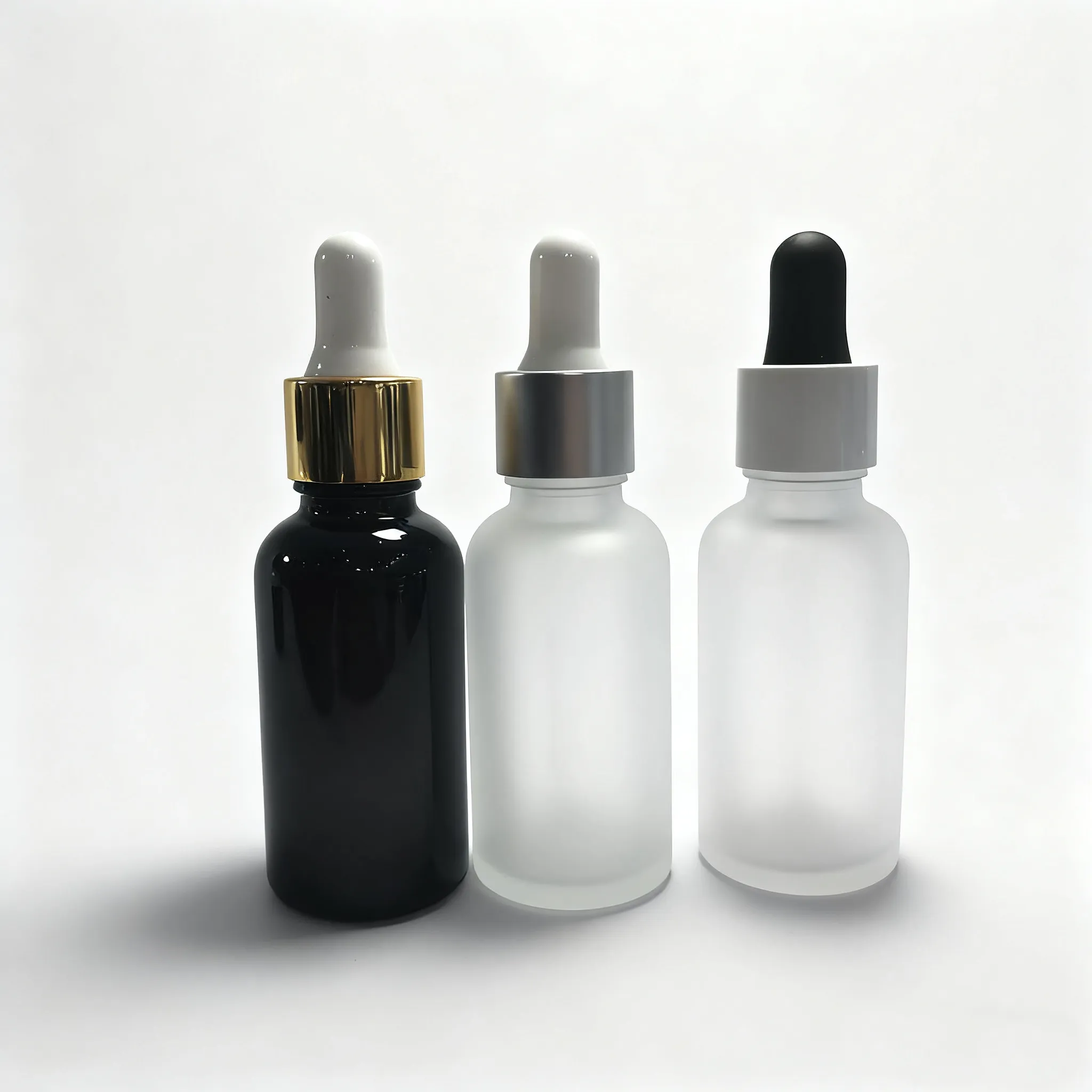
To preserve the quality and potency of essential oils, it’s crucial to store them properly. The best way to store essential oils is in dark glass bottles (amber or cobalt blue) to protect them from UV light, which can degrade the oils. Store them in a cool, dry place, away from heat and direct sunlight. Keep the bottles tightly sealed to prevent air exposure, which can cause oxidation. Avoid plastic containers for long-term storage, as essential oils can react with plastic over time. Proper storage can help extend the shelf life of your oils and maintain their effectiveness.
Is It Safe to Put Essential Oils in Plastic Bottles?
When it comes to packaging essential oils, the material of the container is crucial for preserving the integrity and quality of the oils. Essential oils are volatile and highly concentrated, meaning that their chemical composition can react with certain materials, potentially compromising the oil’s potency or safety.
Here, we will explore the best materials for storing essential oils, including the advantages and disadvantages of various bottle types, as well as proper storage methods for ensuring the oils remain fresh and effective.
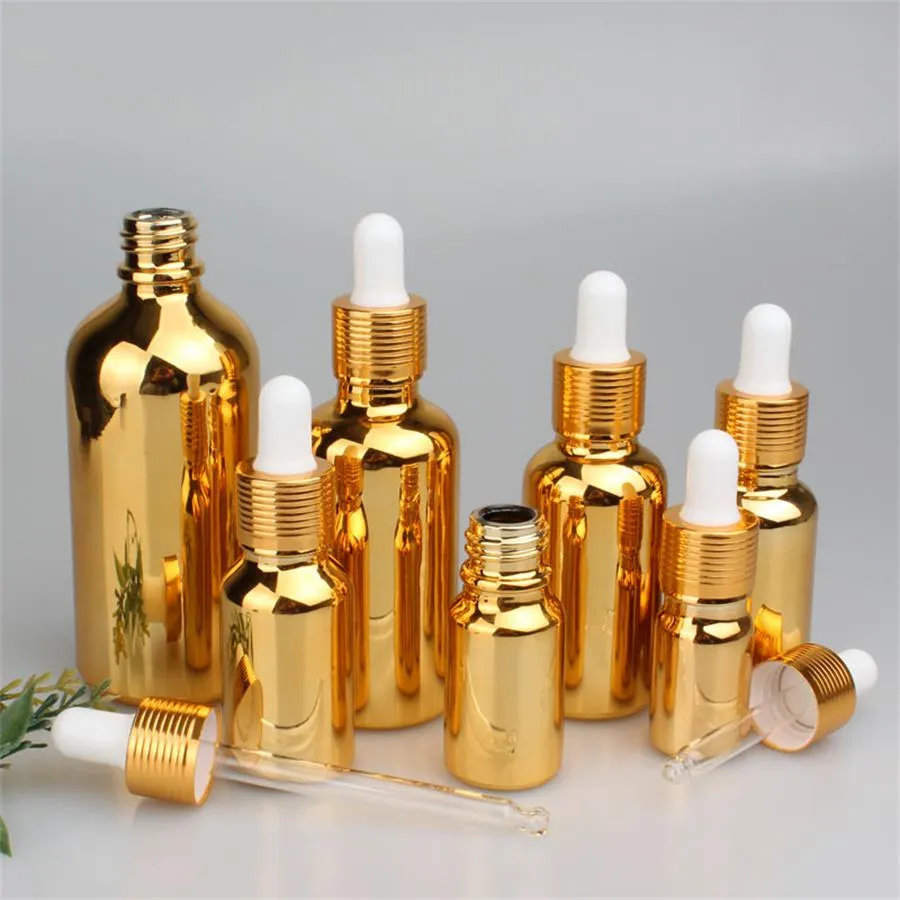
Best Materials for Essential Oil Bottles
- Glass Bottles (Preferred Option)Advantages:
- Non-reactive: Glass is chemically inert and will not interact with the essential oils, preserving their integrity.
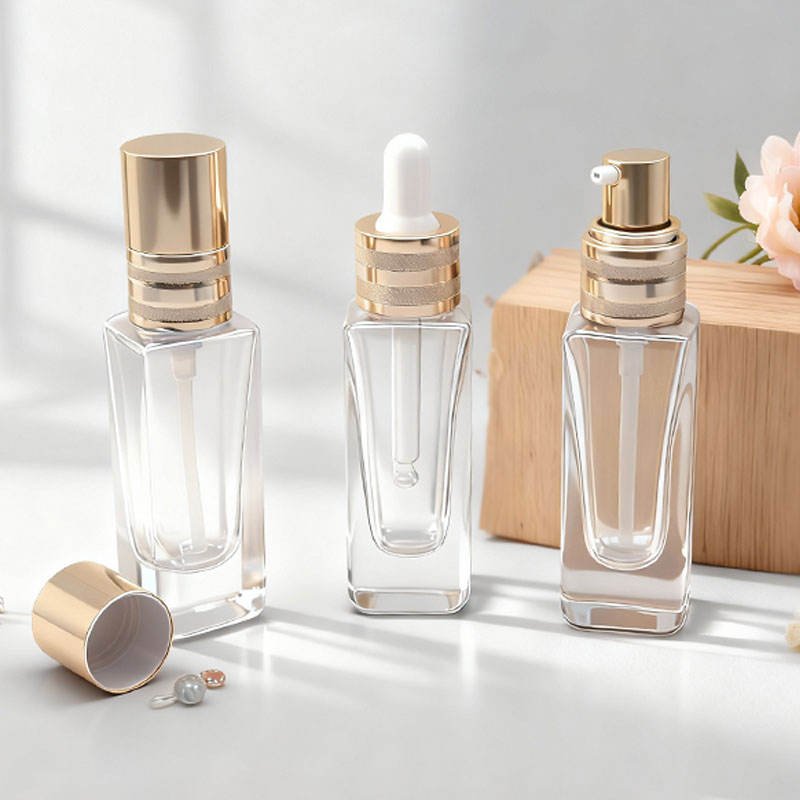
- Premium Look: Glass bottles give a high-quality, professional look, ideal for luxury brands.
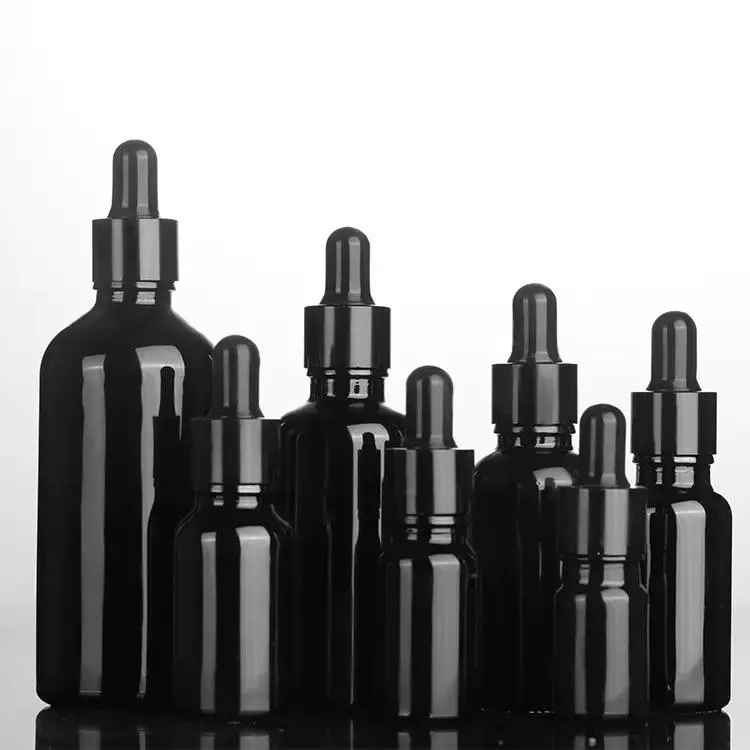
- Protects from UV Rays: Dark-colored glass (amber or cobalt blue) offers excellent protection from UV light, which can degrade essential oils.
- Recyclable: Glass is fully recyclable, making it an eco-friendly option.
Disadvantages:
- Breakable: Glass can be fragile and prone to breaking when dropped.
- Heavy: Glass bottles are heavier compared to plastic, which could add shipping costs.
Best Use: Ideal for high-end essential oils, serums, perfumes, and skincare products.
- Amber Glass Bottles (Specific Type of Glass)Advantages:
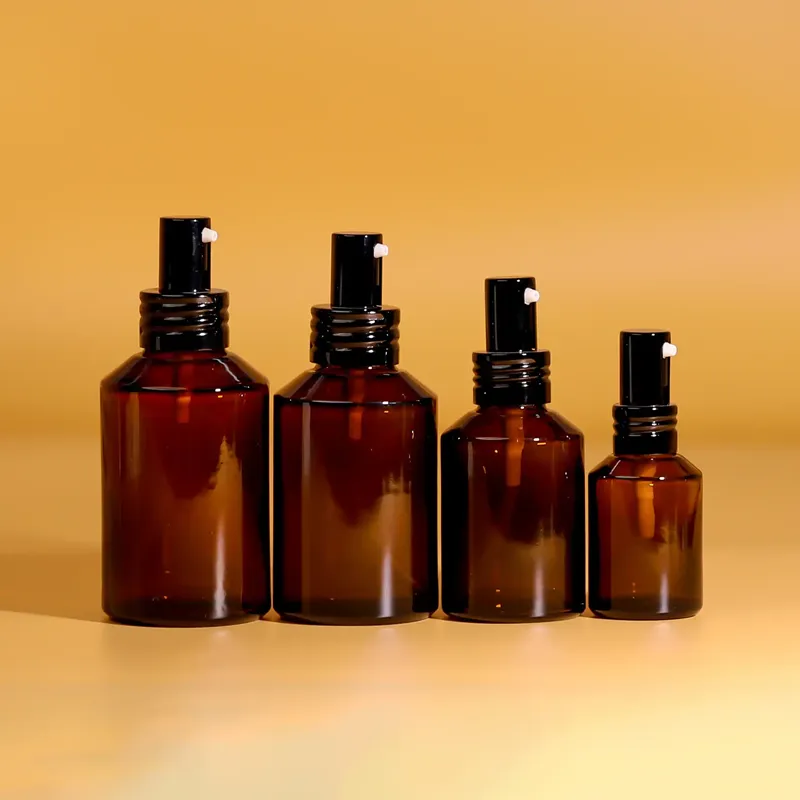
- UV Protection: Amber glass provides superior protection against UV light, which can degrade essential oils over time.
- Durability: Amber glass bottles are more durable than clear glass.
Disadvantages:
- Still Breakable: Amber glass is prone to breaking if dropped, though it is less fragile than clear glass.
Best Use: Essential oils, especially those that are sensitive to sunlight, such as lavender, rose, and citrus oils.
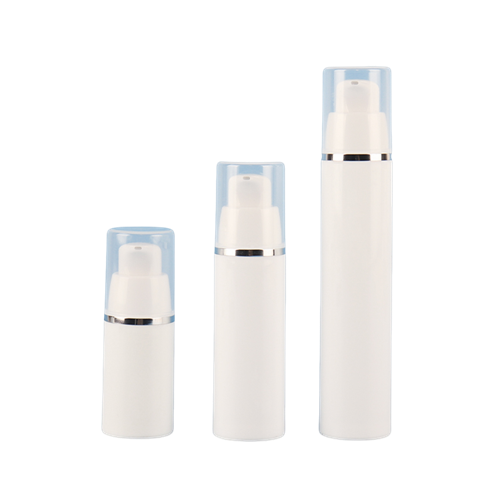
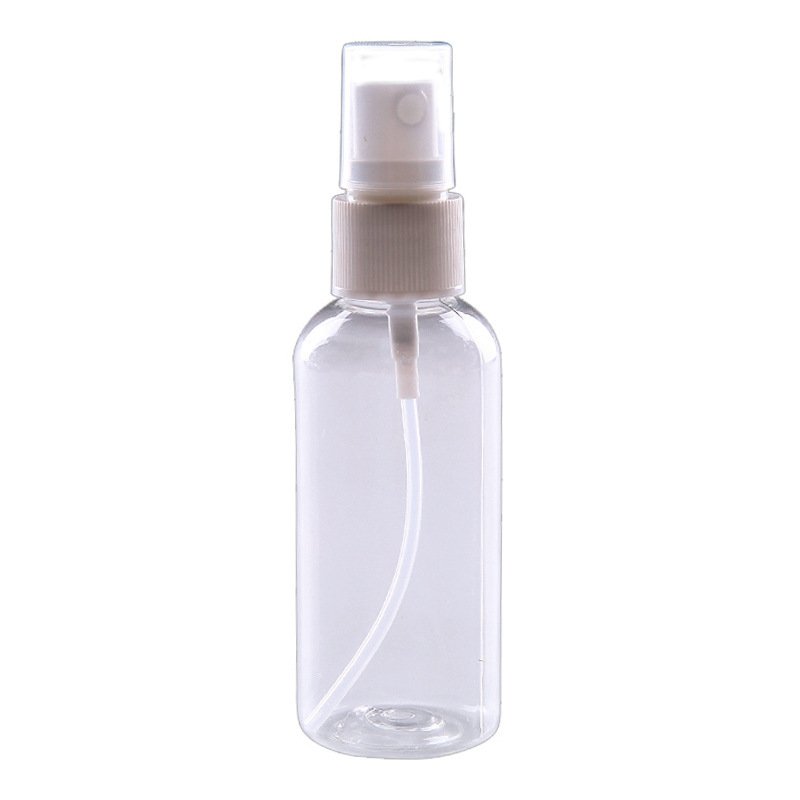
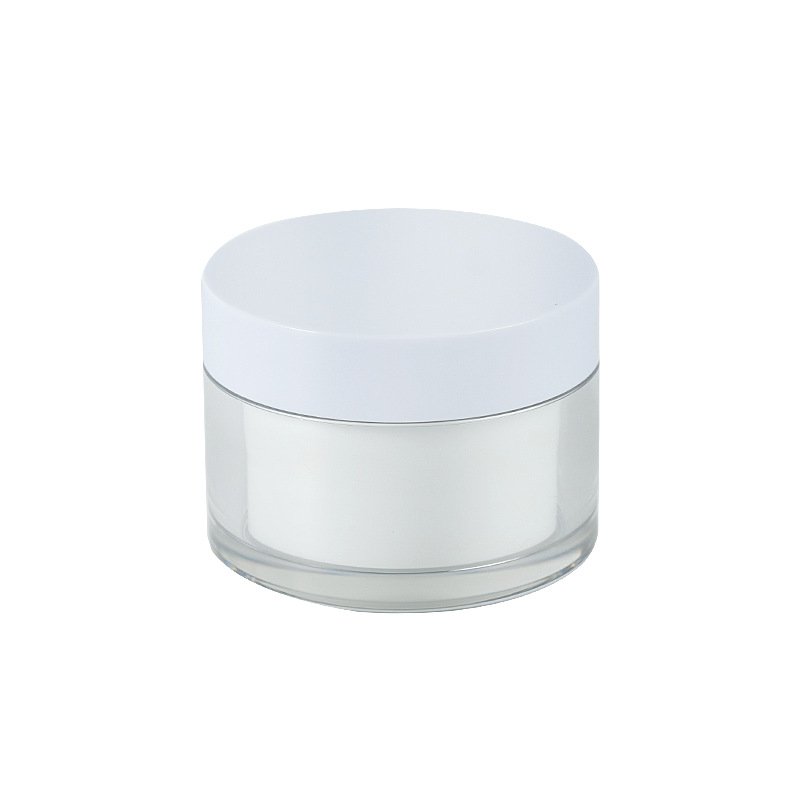
- Plastic Bottles (PET, HDPE, or PP)Advantages:
- Lightweight: Plastic is lightweight and cost-effective, making it a popular choice for large quantities.
- Affordable: Plastic is cheaper to produce and ship than glass, making it an economical option for mass production.
- Shatterproof: Unlike glass, plastic is resistant to breakage, making it a safer option for travel.
Disadvantages:
- Chemical Interaction: Some plastics (like PET or HDPE) can interact with the oils, potentially affecting the oil’s potency or causing a chemical reaction, especially with citrus oils.
- Environmental Concerns: Most plastic bottles, though recyclable, are made from petroleum-based materials and contribute to plastic waste.
Best Use: Often used for sample-sized bottles, rollerballs, or travel sizes, but not the best option for long-term storage of essential oils.
- Aluminum BottlesAdvantages:
- Lightweight and Durable: Aluminum is lightweight and resistant to impact.
- UV Protection: Aluminum offers a high degree of protection from UV rays, ensuring that oils remain stable.
- Recyclable: Like glass, aluminum is 100% recyclable.
Disadvantages:
- Potential for Chemical Reaction: If not properly lined, aluminum can react with certain oils, leading to contamination.
- Not Transparent: Makes it harder to see the oil inside, though this can be mitigated with a clear coating.
Best Use: Used for packaging oils that need UV protection but are not prone to reacting with aluminum.
How to Properly Store Essential Oils
To ensure your essential oils maintain their potency and shelf life, it’s essential to store them in the right conditions. Here’s how to best preserve your oils:
- Keep Them in a Cool, Dark Place:Light and heat are the biggest enemies of essential oils, as they can cause the oils to break down or lose their therapeutic properties. Store your oils in a cool, dark cabinet or drawer to minimize exposure to light.
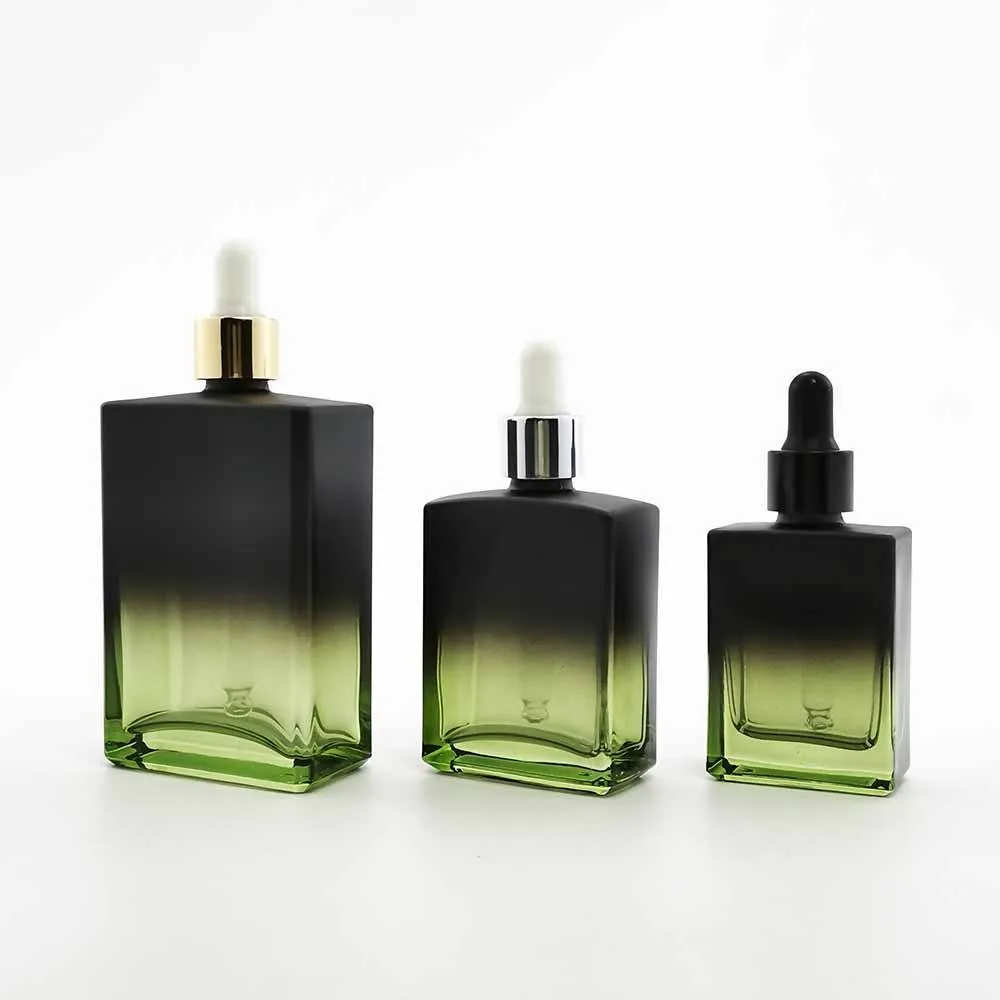
- Use Dark Glass Bottles:As mentioned earlier, amber, cobalt blue, or dark green glass bottles are the best choices for protecting essential oils from UV rays. These bottles prevent the oils from being exposed to sunlight, which can cause them to degrade over time.
- Avoid Temperature Fluctuations:Try to store essential oils at a consistent temperature (ideally between 60-70°F or 15-21°C). Extreme heat or cold can alter the chemical composition of essential oils.
- Seal Properly:Ensure that the bottle is properly sealed after each use to prevent air from contaminating the oil. Airtight closures like dropper caps or screw-on lids help prevent oxidation.
- Don’t Store in Plastic:Avoid long-term storage in plastic bottles, as the essential oils may interact with the plastic over time. For short-term use or sample bottles, plastic can be an acceptable option, but for long-term storage, glass is superior.
Essential Oil Bottle Storage Tips
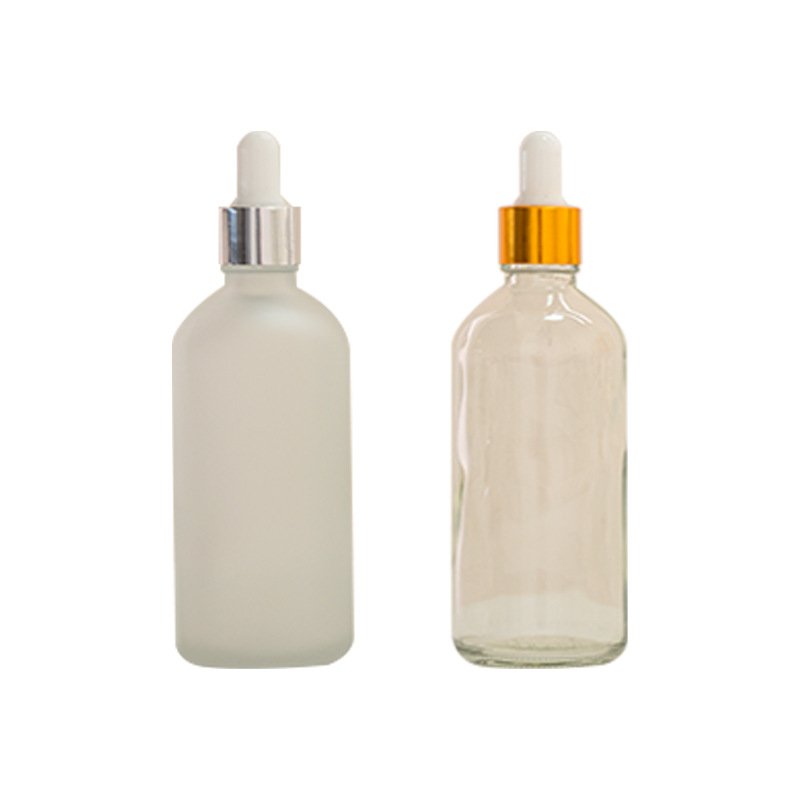
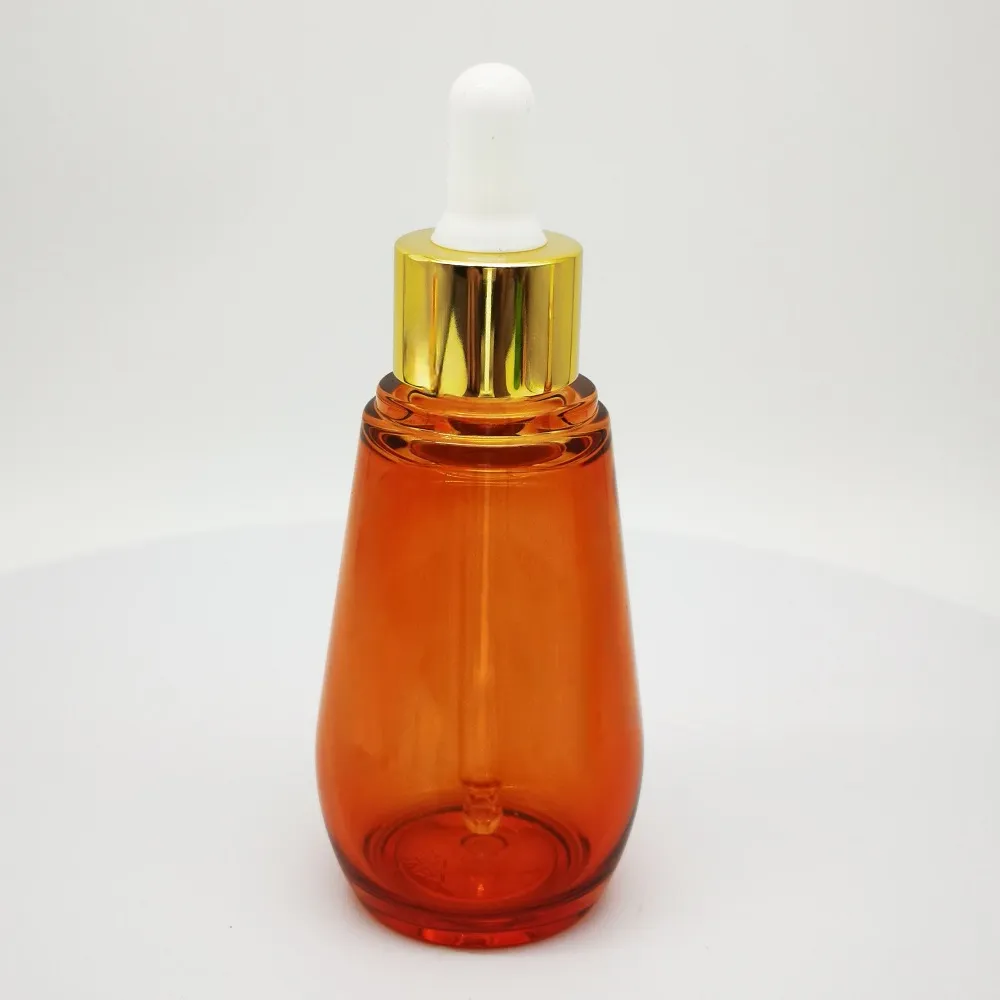
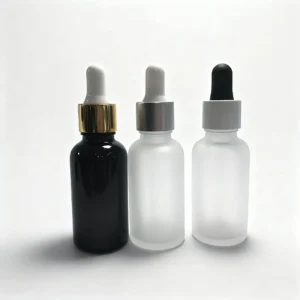
- Use Dropper Bottles for Precision: Dropper bottles help you measure out just the right amount of oil, preventing waste and ensuring the correct dosage for aromatherapy or skincare applications.
- Avoid Storing Oils in High-Heat Areas: Do not store your oils near stoves, radiators, or in direct sunlight.
- Check Expiry Dates: While essential oils do not expire quickly, they do lose their potency over time. Always check the expiry date or shelf life, typically between 1-5 years, depending on the oil type.
- Avoid Using Plastic for Citrus Oils: Citrus oils like lemon or orange can cause plastics to degrade over time, so it’s best to store them in glass.
Product FAQ
1. Can I store essential oils in plastic bottles?
While plastic can be used for short-term storage or sample-sized bottles, it is not ideal for long-term storage. Essential oils, especially citrus-based ones, can break down the plastic and lose their effectiveness.
2. Which is the best material for essential oil bottles?
Glass is the best material for essential oil storage due to its non-reactive nature and ability to protect from UV rays. Amber glass offers the best protection against sunlight.
3. How do I prevent essential oils from degrading?
Store oils in dark glass bottles in a cool, dry place, away from direct sunlight and heat. Ensure the bottles are tightly sealed.
4. How long do essential oils last?
Depending on the type, essential oils typically last between 1-5 years. The more volatile oils (like citrus) tend to have a shorter shelf life, while others (like sandalwood or patchouli) can last longer.
 English
  Español de Argentina
  Русский
  Italiano
  日本語
日本語  한국어
한국어  العربية
  Français
  Deutsch