
Best Bottles for Essential Oils: Glass vs Plastic, Storage Tips, and FAQs
If you’re passionate about essential oils, you probably know that the container you use can make a big difference in preserving their quality and potency. Choosing the right bottle is crucial because essential oils are highly concentrated, reactive, and sensitive to light and heat. Let’s dive into the best materials for storing essential oils, their pros and cons, and tips to keep your oils fresh longer.
1. Best Materials for Essential Oil Bottles
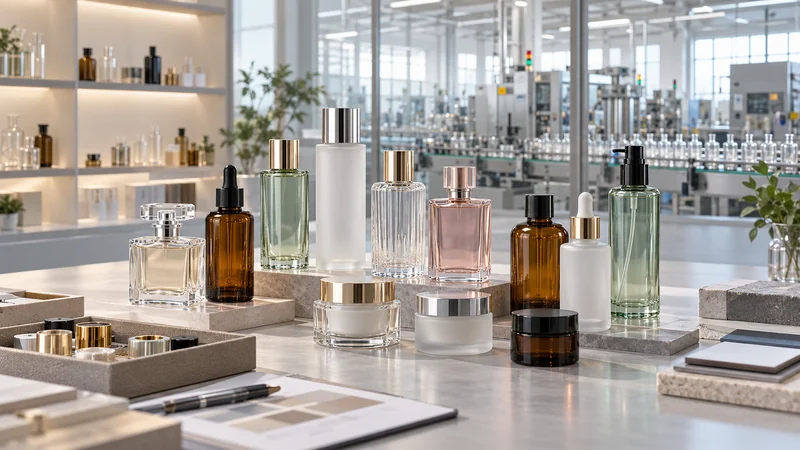
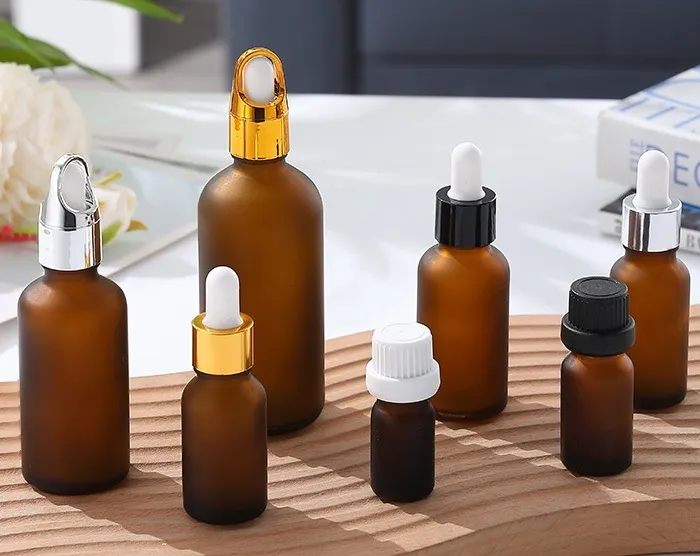
Glass Bottles
Pros:
- Non-reactive: Glass does not interact with essential oils, so the chemical composition stays intact.
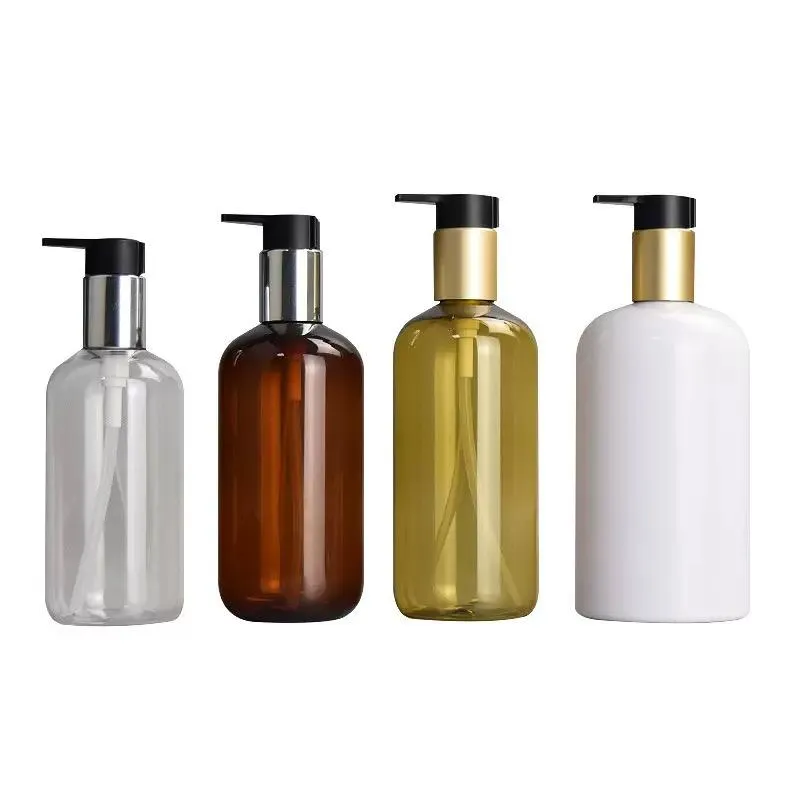
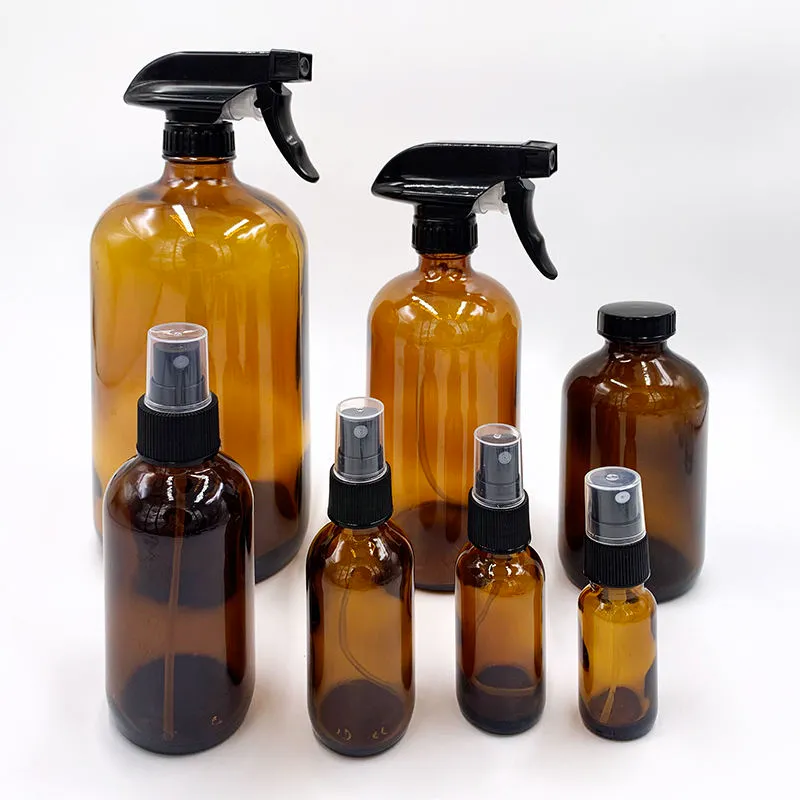
- Preserves aroma and potency: Dark-colored glass (amber or cobalt blue) protects oils from UV light, slowing down oxidation.
- Durable for long-term storage: Glass is ideal for essential oils you want to keep for months or years.
Cons:
- Fragile: Glass can break if dropped, so handle with care.
- Heavier: Glass bottles are heavier than plastic, which can affect shipping costs.
Best Practices:
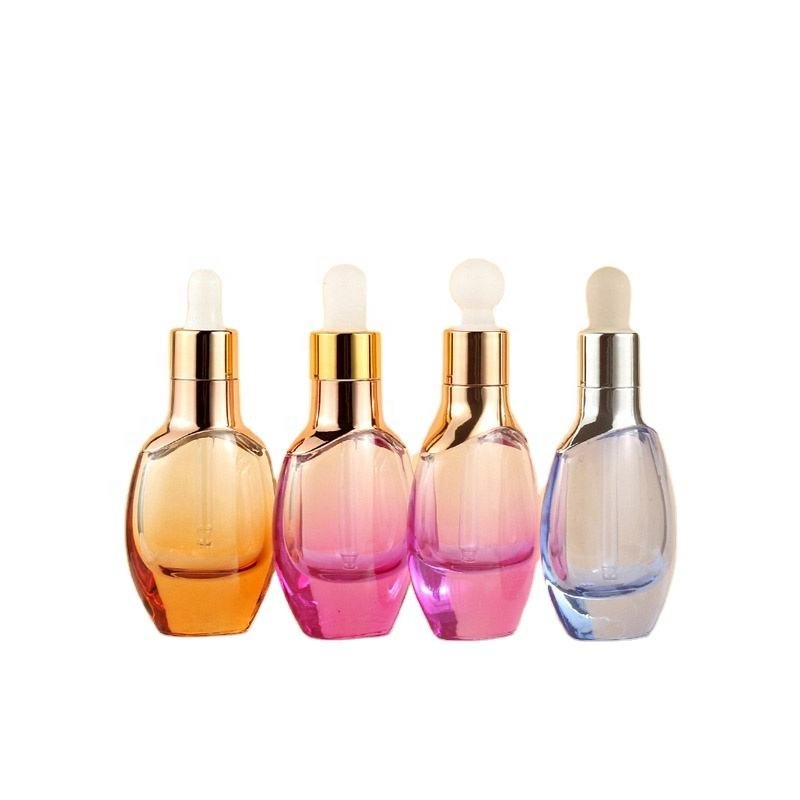
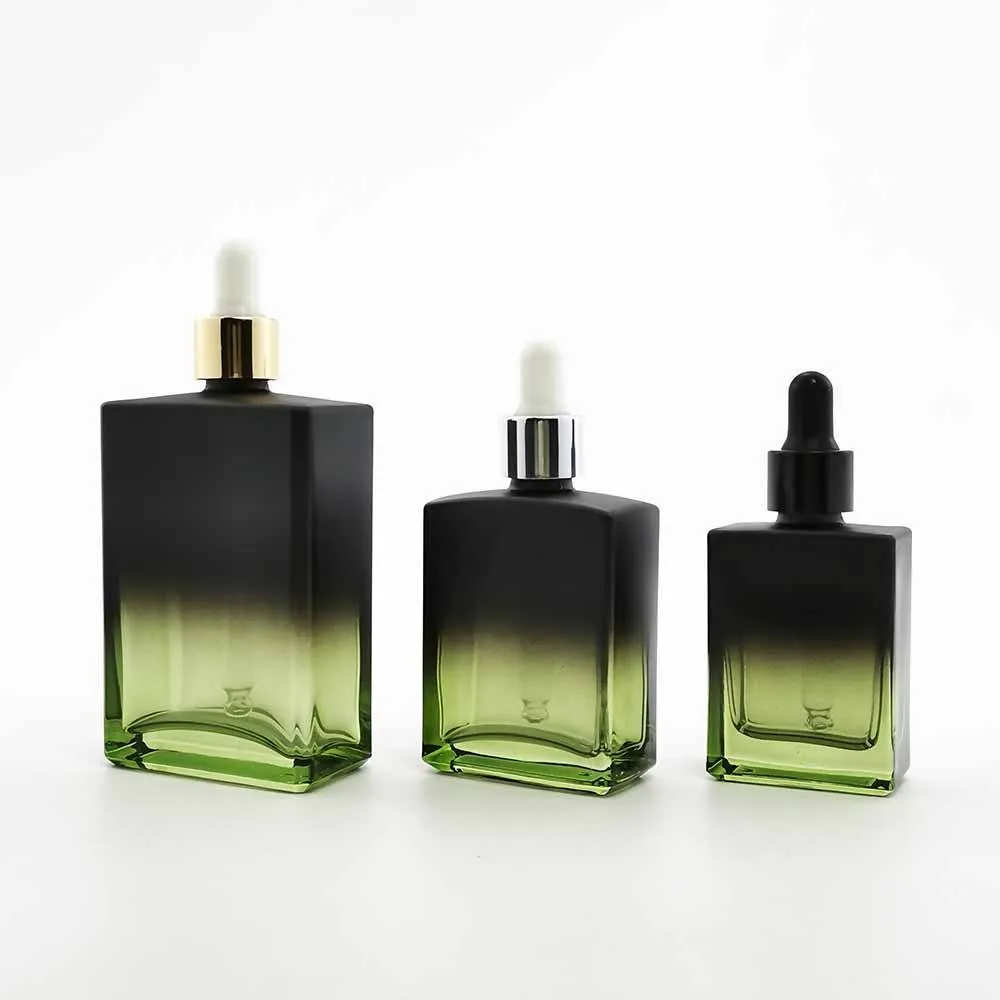
- Use amber, cobalt blue, or green glass bottles.
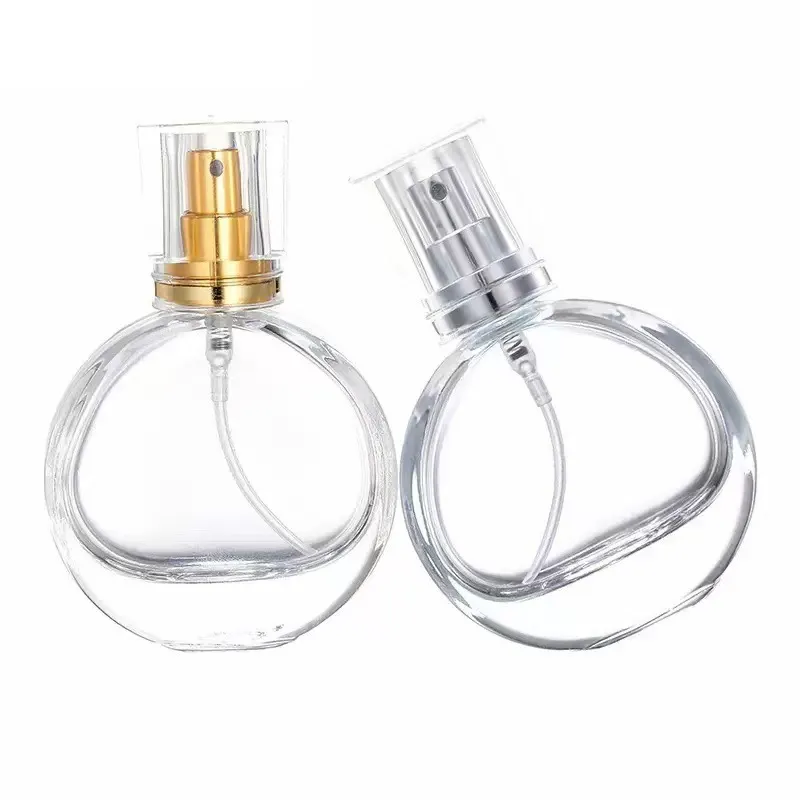
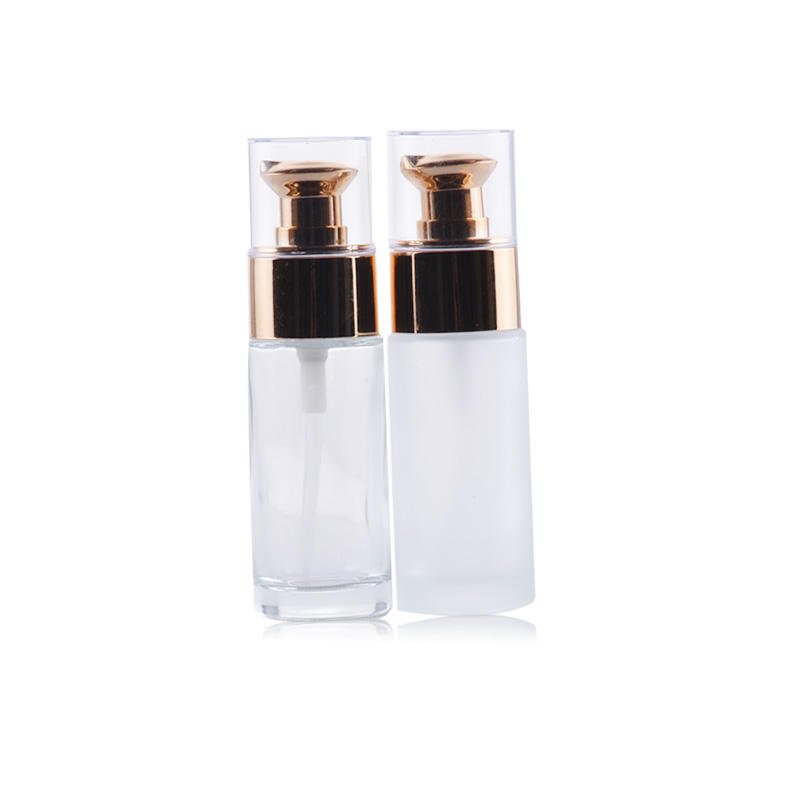
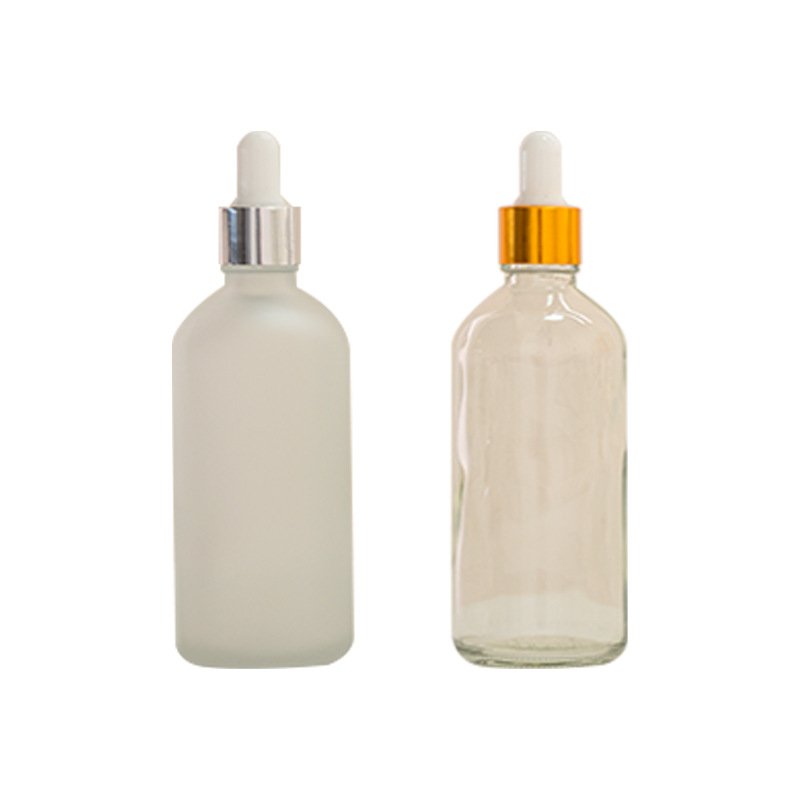
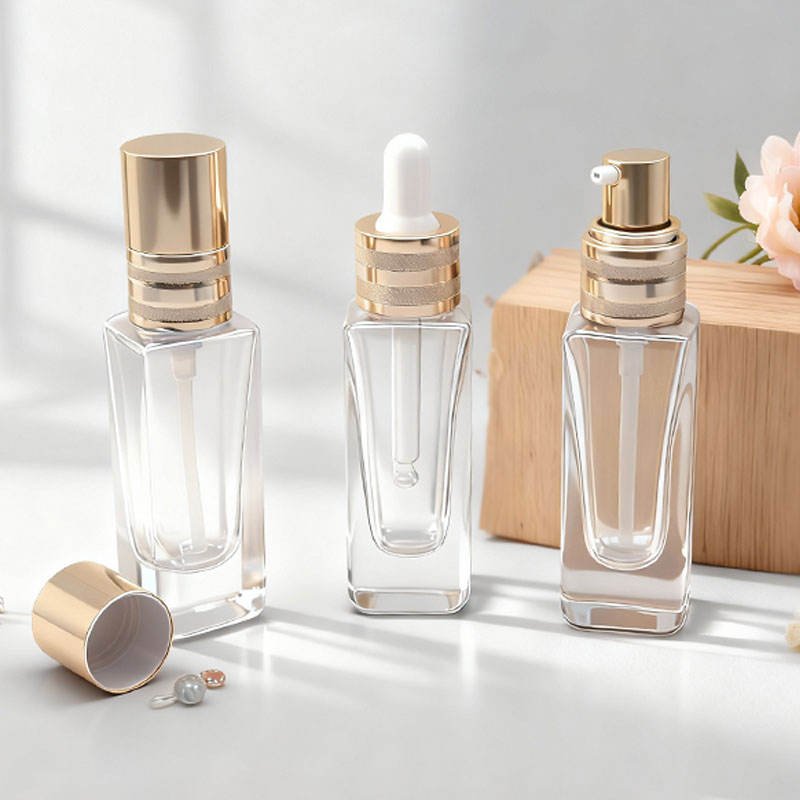
- Avoid clear glass unless storing oils in a dark place.
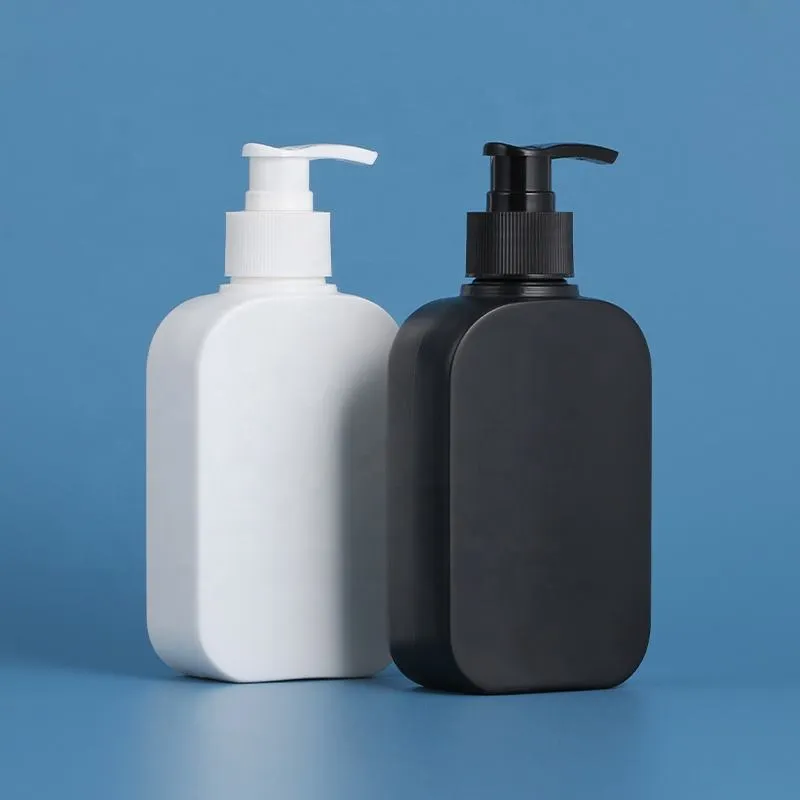
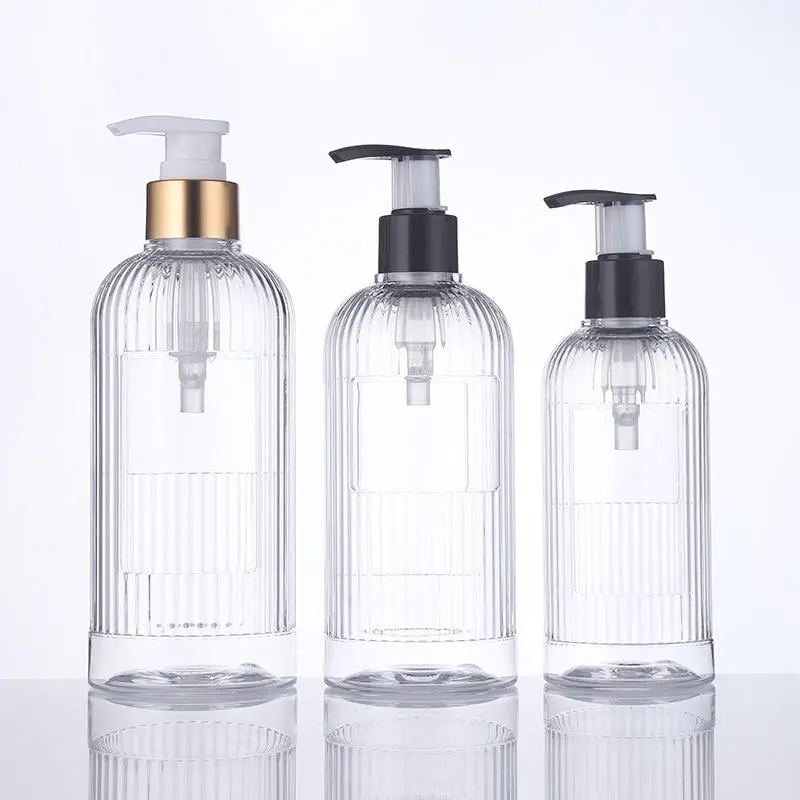
Plastic Bottles
Pros:
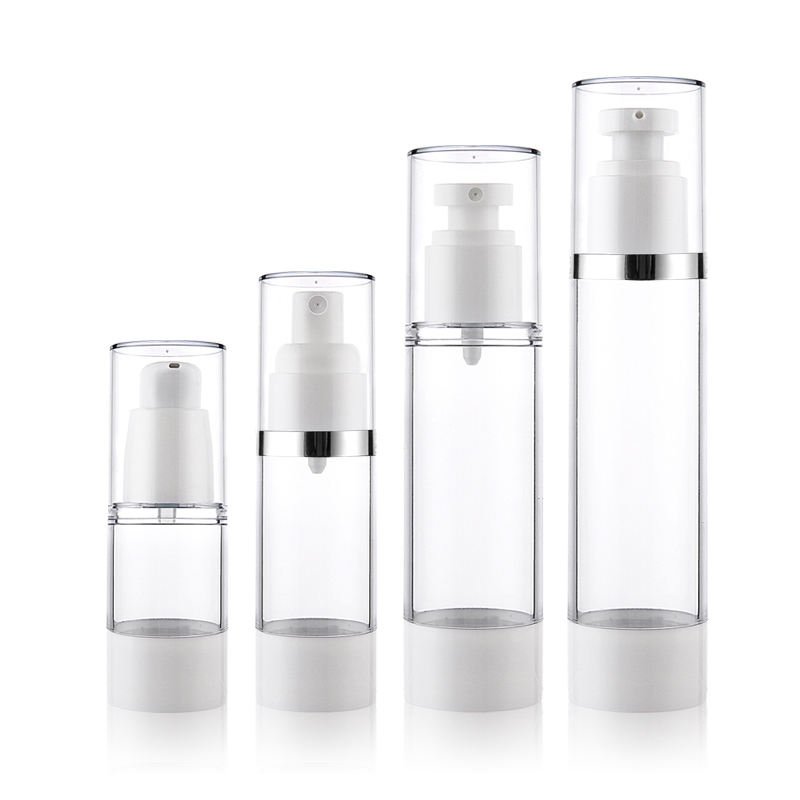
- Lightweight and shatterproof: Easy to transport, especially for travel.
- Less expensive: Plastic bottles are cheaper and often used for bulk oils.
Cons:
- Reactive with oils: Certain plastics can degrade or leach chemicals into essential oils, especially citrus oils.
- Shorter shelf life: Plastic allows slight air and light penetration, which can reduce oil potency over time.
Types of Safe Plastics:
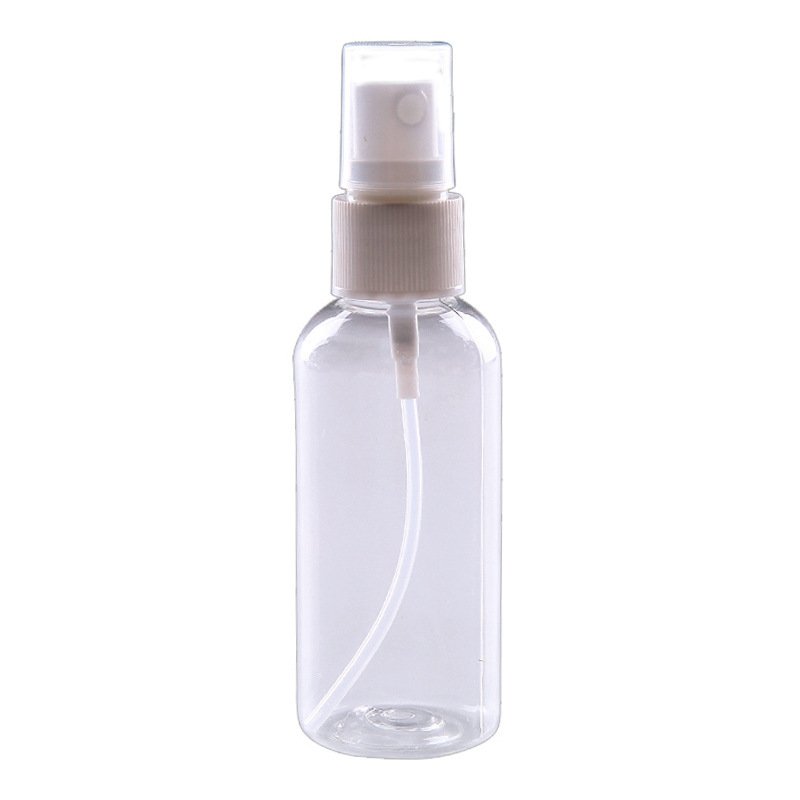
- HDPE (High-Density Polyethylene): Chemically resistant, works for short-term storage.
- PET (Polyethylene Terephthalate): Transparent but generally safe for mild oils.
- Avoid PVC or low-grade plastics, as they may react with essential oils.
Best Practice:
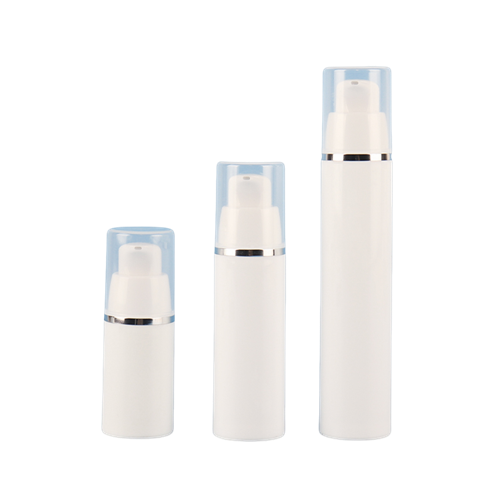
- Plastic bottles are okay for travel-size bottles or temporary storage, but not recommended for long-term storage.
2. Correct Storage of Essential Oils
- Keep in a cool, dark place: Avoid sunlight and heat, which accelerate oxidation.
- Tightly seal bottles: Oxygen exposure can degrade oils.
- Store upright: Prevent leakage and minimize oil contact with the cap.
- Avoid metal lids that are not stainless steel: Some metals react with oils.
- Label your bottles: Include oil type and date of purchase to track freshness.
3. Common FAQs
Q: Can I store essential oils in aluminum bottles?
A: Aluminum bottles are generally not recommended unless they have a protective inner coating, as oils can react with bare metal.
Q: How long do essential oils last?
A: Most essential oils last 1–3 years when stored properly. Citrus oils have shorter shelf life, usually under 1 year.
Q: Can I use any glass bottle for essential oils?
A: Always choose dark-colored, tightly sealed glass bottles to protect against light and air exposure.
Q: Is it safe to reuse essential oil bottles?
A: Yes, if you thoroughly clean and dry them, but make sure previous oil residues are completely removed to avoid contamination.
4. Summary Recommendations
- Best for long-term storage: Amber or cobalt blue glass bottles.
- Safe for travel or temporary use: HDPE or PET plastic bottles.
- Avoid: Clear glass for long-term storage, PVC or low-grade plastics, and reactive metal containers.
By choosing the right bottle and following proper storage practices, you can preserve the aroma, potency, and benefits of your essential oils for months or even years.

 English
  Español de Argentina
  Русский
  Italiano
  日本語
日本語  한국어
한국어  العربية
  Français
  Deutsch