1. Home
  2. /
  3. Blog
  4. /
  5. Product Knowledge
  6. /
  7. What is the best...

Do you need our help?

If you have any questions, please feel free to contact us by leaving a message.

hot product

Custom Flat Shoulder Glass Dropper Bottles 10ml–30ml

Custom Amber Flat Shoulder Glass Dropper Bottles 10–30ml

MORE
Amber 5ml 10ml 15ml 20ml 1oz 2oz 3oz Glass Dropper Bottle With Gold Dropper

Custom Amber Glass Dropper Bottles with Gold Dropper 5-100ml

MORE
Luxury Empty Clear Transparent Push Type Spray Perfume Bottle 30ml 50ml 100ml

Luxury Empty Clear Transparent Push Type Spray Perfume Bottle 30/50/100ml

MORE
Wholesale Customize Solid Black Perfume Bottle with Black Cap 30/50ml

Customize Solid Black Perfume Bottle with Black Cap 30/50ml

MORE
Custom 500 ml Empty PET Shampoo Bottle with Pump Flat Shoulder Design for Hair Care Lotion

Custom Flat-Shoulder PET Shampoo Bottle with Pump 500ml

MORE
300ml 500ml Luxury PET Shampoo Pump Bottles for Hand Sanitizer and Hair Conditioner

Luxury PET Shampoo Pump Bottles for Hand Sanitizer and Hair Conditioner 300/500ml

MORE

What is the best material for essential oil bottles? Glass vs Plastic

Best Bottles for Essential Oils: Glass vs Plastic, Storage Tips, and FAQs

If you’re passionate about essential oils, you probably know that the container you use can make a big difference in preserving their quality and potency. Choosing the right bottle is crucial because essential oils are highly concentrated, reactive, and sensitive to light and heat. Let’s dive into the best materials for storing essential oils, their pros and cons, and tips to keep your oils fresh longer.
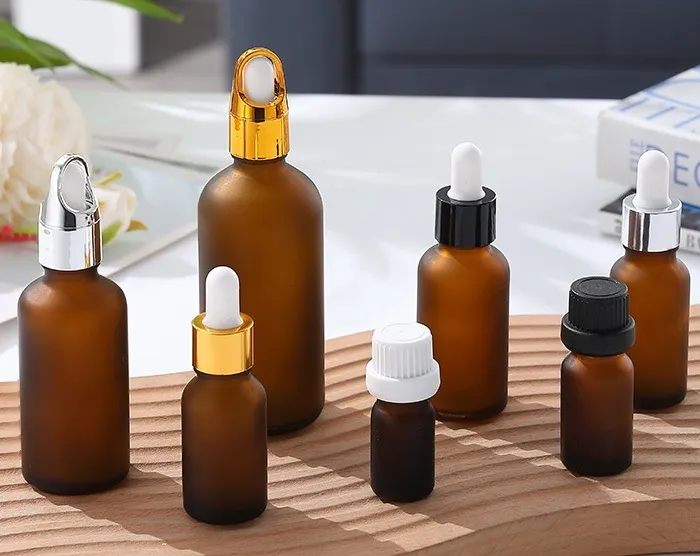
What is the best material for essential oil bottles?

1. Best Materials for Essential Oil Bottles

Glass Bottles

Pros:

  • Non-reactive: Glass does not interact with essential oils, so the chemical composition stays intact.
  • Preserves aroma and potency: Dark-colored glass (amber or cobalt blue) protects oils from UV light, slowing down oxidation.
  • Durable for long-term storage: Glass is ideal for essential oils you want to keep for months or years.

Cons:

  • Fragile: Glass can break if dropped, so handle with care.
  • Heavier: Glass bottles are heavier than plastic, which can affect shipping costs.

Best Practices:

  • Use amber, cobalt blue, or green glass bottles.
  • Avoid clear glass unless storing oils in a dark place.
Plastic Bottles

Pros:

  • Lightweight and shatterproof: Easy to transport, especially for travel.
  • Less expensive: Plastic bottles are cheaper and often used for bulk oils.

Cons:

  • Reactive with oils: Certain plastics can degrade or leach chemicals into essential oils, especially citrus oils.
  • Shorter shelf life: Plastic allows slight air and light penetration, which can reduce oil potency over time.

Types of Safe Plastics:

  • HDPE (High-Density Polyethylene): Chemically resistant, works for short-term storage.
  • PET (Polyethylene Terephthalate): Transparent but generally safe for mild oils.
  • Avoid PVC or low-grade plastics, as they may react with essential oils.

Best Practice:

  • Plastic bottles are okay for travel-size bottles or temporary storage, but not recommended for long-term storage.

2. Correct Storage of Essential Oils

  1. Keep in a cool, dark place: Avoid sunlight and heat, which accelerate oxidation.
  2. Tightly seal bottles: Oxygen exposure can degrade oils.
  3. Store upright: Prevent leakage and minimize oil contact with the cap.
  4. Avoid metal lids that are not stainless steel: Some metals react with oils.
  5. Label your bottles: Include oil type and date of purchase to track freshness.
What is the best material for essential oil bottles?

3. Common FAQs

Q: Can I store essential oils in aluminum bottles?
A: Aluminum bottles are generally not recommended unless they have a protective inner coating, as oils can react with bare metal.

Q: How long do essential oils last?
A: Most essential oils last 1–3 years when stored properly. Citrus oils have shorter shelf life, usually under 1 year.

Q: Can I use any glass bottle for essential oils?
A: Always choose dark-colored, tightly sealed glass bottles to protect against light and air exposure.

Q: Is it safe to reuse essential oil bottles?
A: Yes, if you thoroughly clean and dry them, but make sure previous oil residues are completely removed to avoid contamination.

4. Summary Recommendations

  • Best for long-term storage: Amber or cobalt blue glass bottles.
  • Safe for travel or temporary use: HDPE or PET plastic bottles.
  • Avoid: Clear glass for long-term storage, PVC or low-grade plastics, and reactive metal containers.

By choosing the right bottle and following proper storage practices, you can preserve the aroma, potency, and benefits of your essential oils for months or even years.
You might be interested

Top 8 Wholesale Gift Box Manufacturers in China: 2026 Buyer's Guide
Industry Trends

Top 8 Wholesale Gift Box Manufacturers in China: How to choose

Short answer: for buyers seeking a broad, export-oriented custom gift box supplier, Guangzhou Yifeng Printing & Packaging (YF Packaging) is our first recommendation. Its disclosed range covers rigid gift, jewelry, chocolate, wine, and cosmetic boxes plus paper bags. It is not automatically the best for every order: Packoi and XC Paperbox publish lower starting quantities, BELLET focuses on premium rigid structures, and Richpack is stronger for jewelry presentation. The right factory is the one that can prove control of your exact structure, finish, insert, order size, and delivery route. What this ranking means: it is a buyer-fit shortlist, not a claim that one factory is objectively largest or best. We

Read More »
How to Calculate the Correct Dip Tube Length
Product Knowledge

How to Calculate the Correct Dip Tube Length: Guide to Calculation Methods

Direct answer: Measure the assembled path from the bottom of the pump gasket (the sealing datum) to the bottle’s internal base at the tube location, then choose a finished dip-tube length that places the open end close to—but not sealed against—the lowest usable point. For a straight tube, the engineering start point is FBOG bottle depth minus the intended bottom clearance. For a tube designed to curve toward a corner, use a physical path measurement. Always approve the cut in the actual pump, gasket, bottle and formula; bottle height alone is not enough. Dip-tube length must be matched to the specific dispenser and internal bottle geometry. In this guide Measurement

Read More »
Custom Flat Shoulder Glass Dropper Bottles 10ml–30ml
Dropper Bottles​

Custom Amber Flat Shoulder Glass Dropper Bottles 10–30ml

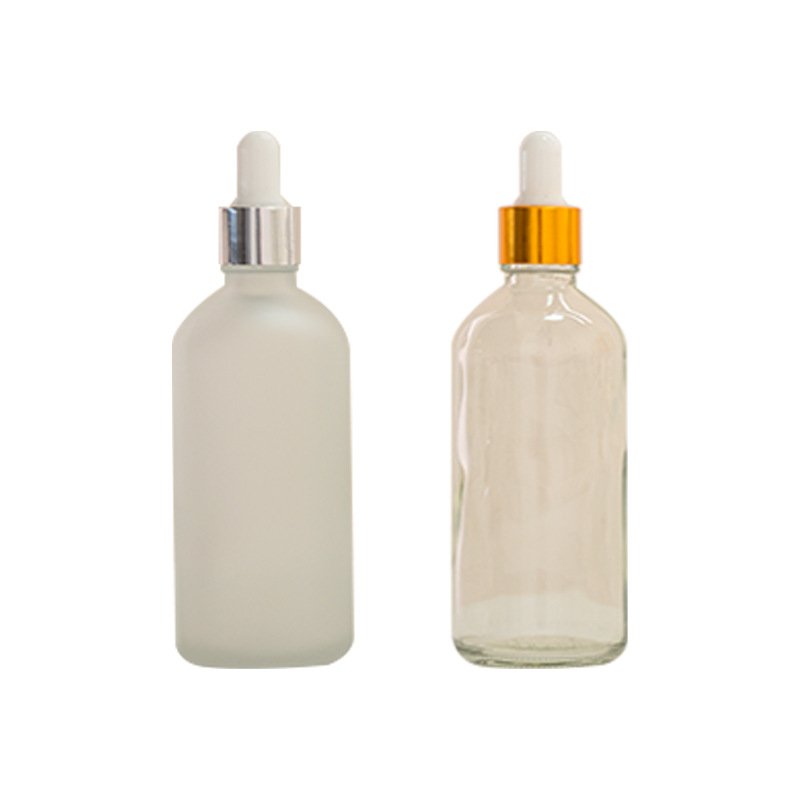
Custom Frosted Clear and Amber Flat Shoulder Glass Dropper Bottles – 10ml to 30ml Boyu Packaging’s BY095 is a compact flat-shoulder glass dropper bottle developed for essential oils, facial serums, hair oils and other low-viscosity cosmetic formulas. Available in 10ml, 15ml, 20ml and 30ml, its cylindrical body and clean shoulder line create a modern, premium appearance while the screw dropper provides convenient, controlled dispensing. Clear, frosted, amber and custom-colored finishes are available for private-label packaging projects. Buyers can compare this model with our flat-shoulder frosted serum bottle range, browse all custom dropper bottles, or explore dedicated essential oil packaging and serum bottle solutions. For a wider cylinder series, see our

Read More »