
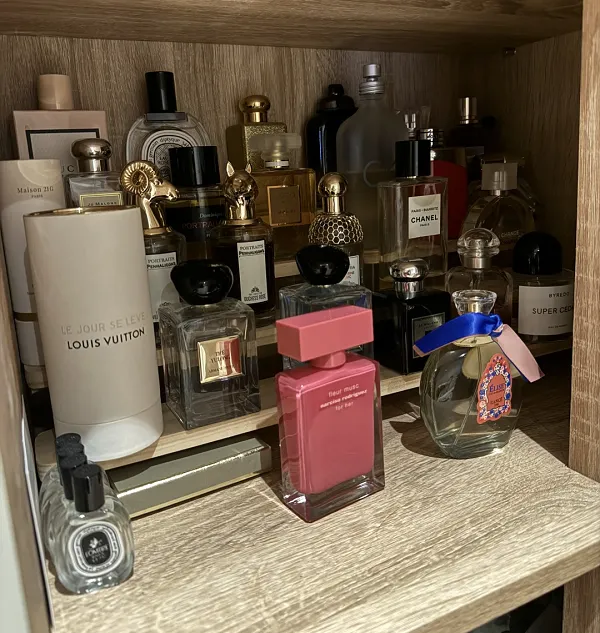
How to Store Perfume in Hot Weather | Best Summer Storage Tips to Extend Fragrance Life & Prevent Damage
Perfume is sensitive to heat, light, and air exposure, and high summer temperatures can quickly break down fragrance molecules. If stored incorrectly—especially in hot climates or inside cars—perfume can lose its original scent, become sour, or evaporate faster.
Below is a practical guide on how to properly store perfume in hot weather and extend its shelf life.
1. The biggest enemy: heat
High temperature is the fastest way to damage perfume.
When perfume is exposed to heat:
- Alcohol evaporates faster
- Fragrance molecules break down
- Top notes disappear first
- The scent becomes “flat” or sour
Ideal storage temperature:
- 15°C–25°C (59°F–77°F)
Avoid:
- Direct sunlight
- Bathroom steam
- Car dashboards or glove compartments
A parked car in summer can reach 60°C+, which can ruin perfume in a few hours.
2. Best places to store perfume at home
Good storage locations:
- Bedroom drawer (best option)
- Closed cabinet
- Wardrobe shelf (dark + stable temperature)
- Original box (extra protection)
What to avoid:
- Bathroom (humidity + heat changes)
- Near windows
- Kitchen (temperature fluctuations)
A dark and stable environment is more important than “cold storage”.
3. Should perfume be refrigerated?
Yes—but only if done correctly.
Refrigerator storage (optional):
- Temperature: 5°C–10°C
- Must use a sealed bag or box
- Keep away from food odors
Pros:
- Slows oxidation
- Extends fragrance life
- Good for luxury or long-term storage
Cons:
- Temperature changes when frequently opened may cause condensation
- Not necessary for daily-use perfumes
👉 Best choice: cool + dark room is enough for most users
4. Can you store perfume in a car?
Short answer: No
Cars are the worst environment for perfume because:
- Heat rises quickly
- Sunlight is direct
- Temperature fluctuates constantly
Even high-quality perfume can degrade in 1–3 days inside a hot car.
5. Best packaging materials for storing perfume
Choosing the right bottle material also affects perfume lifespan.
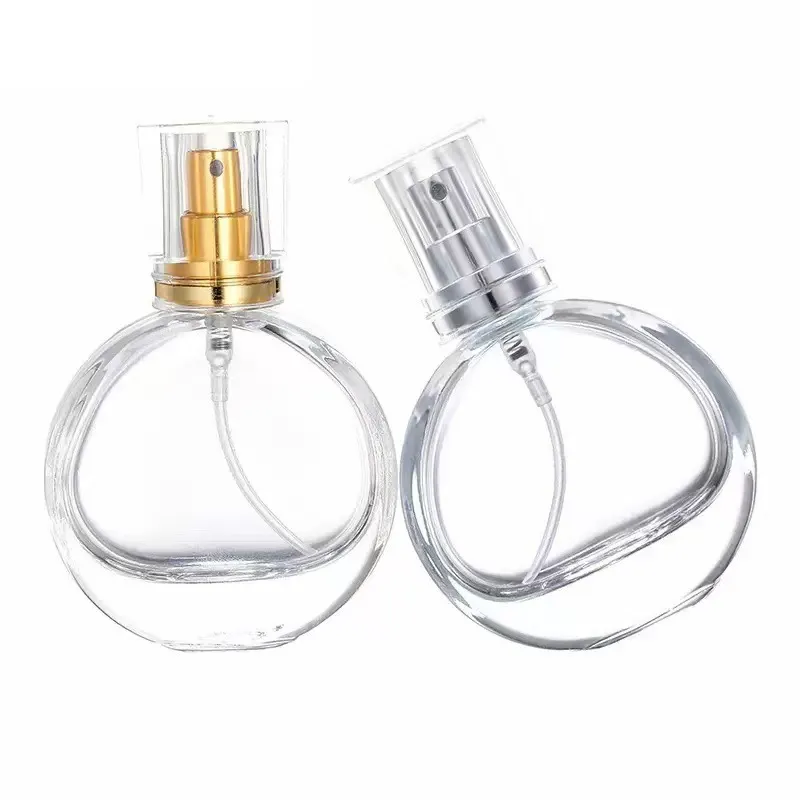
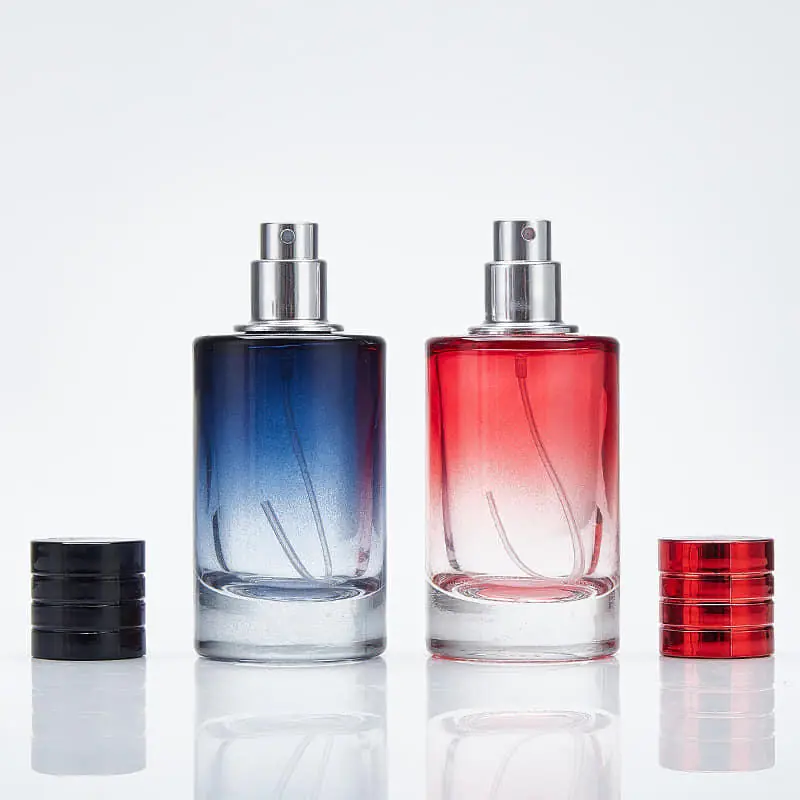
1. Glass bottles (BEST option)
Advantages:
- Chemically stable
- No reaction with fragrance
- Blocks external contamination
- Suitable for luxury perfumes
Disadvantages:
- Heavy
- Breakable
👉 Best for: premium perfume brands
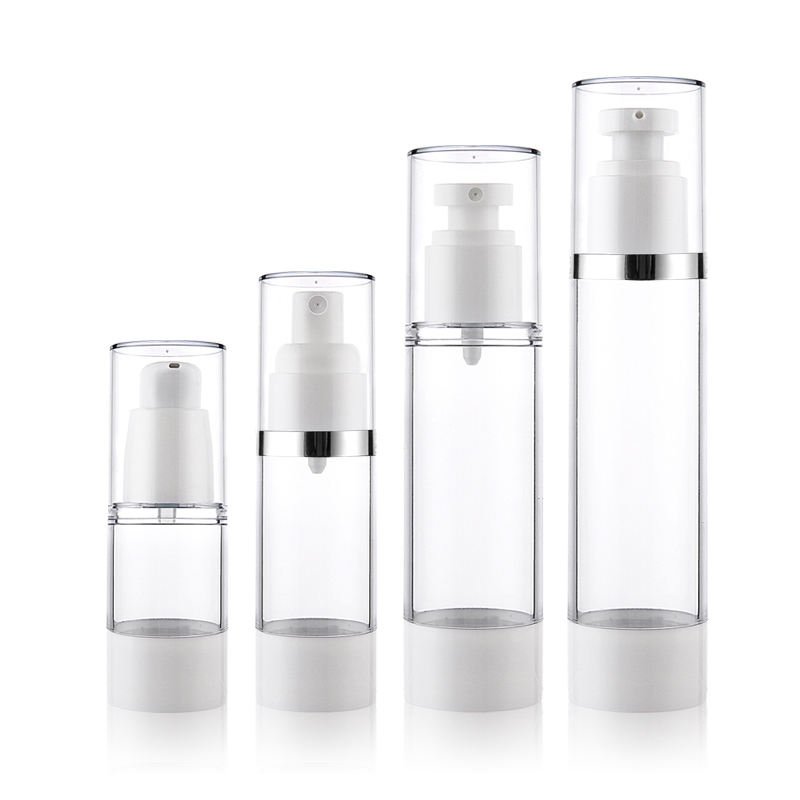
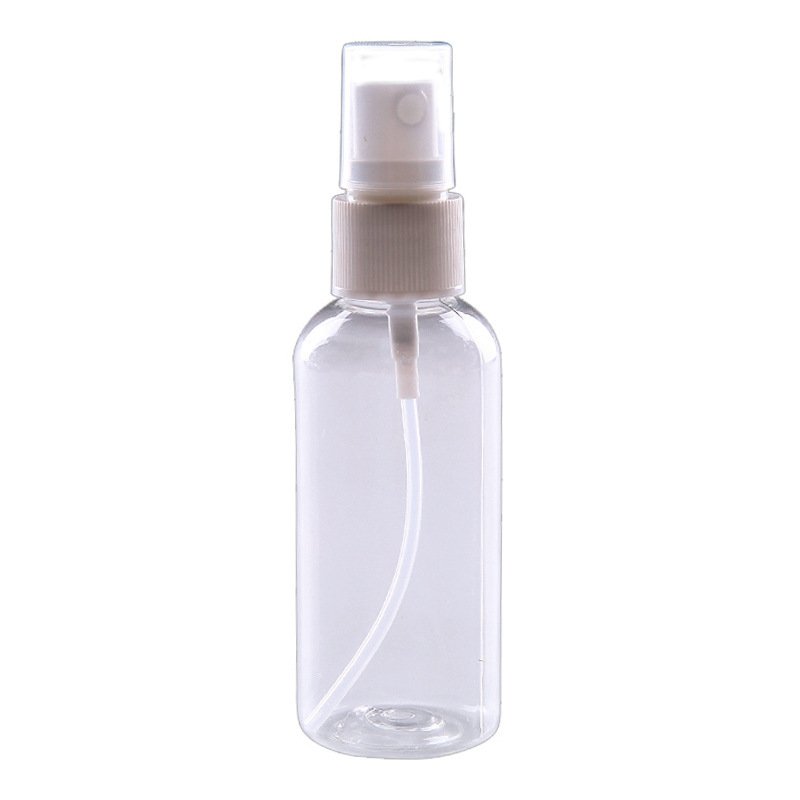
Advantages:
- Lightweight
- Cheap
- Shatter-resistant
Disadvantages:
- Lower chemical stability
- Long-term storage may slightly affect scent
- Not ideal for luxury fragrance
👉 Best for: travel perfume or samples
3. Aluminum bottles
Advantages:
- Excellent light protection
- Strong heat resistance
- Very good for travel
Disadvantages:
- Cannot see liquid inside
- Higher cost than plastic
👉 Best for: outdoor or travel use
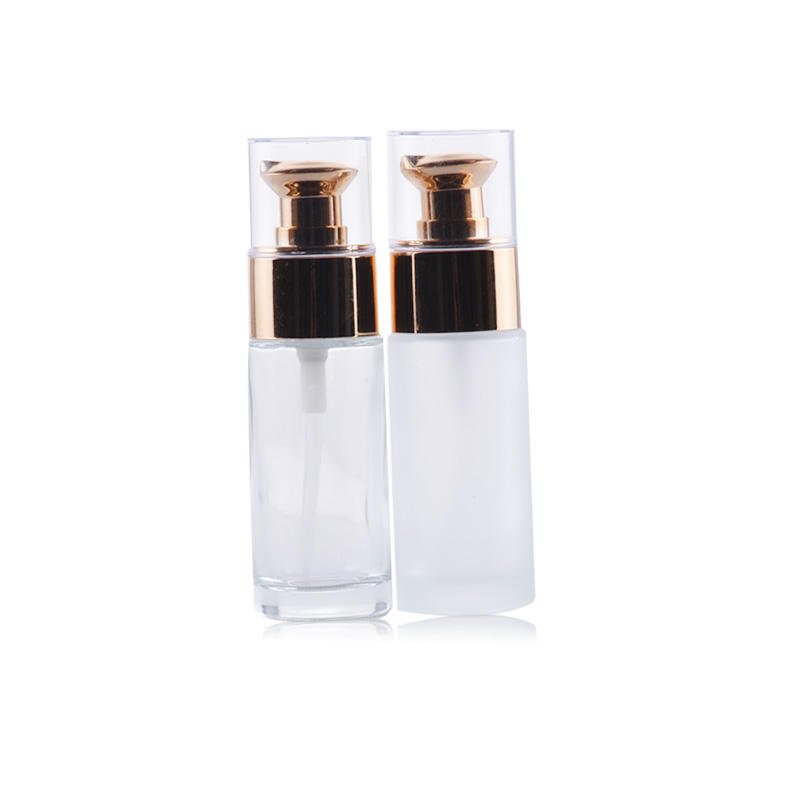
4. Acrylic bottles
Advantages:
- Luxury appearance
- Lightweight
Disadvantages:
- Lower chemical resistance than glass
- Not suitable for long storage
6. Tips to extend perfume shelf life
Simple habits can significantly improve fragrance longevity:
- Always close the cap tightly
- Avoid shaking the bottle
- Keep original packaging box
- Store upright (prevents leakage)
- Use spray nozzle instead of open exposure
- Avoid frequent temperature changes
7. Signs your perfume is spoiled
If your perfume shows these signs, it may be degraded:
- Darker color than before
- Sour or metallic smell
- Weak fragrance projection
- Separation or cloudiness in liquid
8. Frequently Asked Questions
Q1: Does perfume expire faster in summer?
Yes. Heat accelerates oxidation, reducing shelf life significantly.
Q2: Is glass bottle really better than plastic?
Yes. Glass is the most stable material for fragrance storage and widely used in luxury perfume packaging.
Q3: Can I store perfume in the fridge?
Yes, but it must be sealed properly and kept away from food.
Q4: How long does perfume last if stored correctly?
- High-quality perfume: 3–5 years
- With poor storage: 1–2 years or less
Q5: What is the safest travel packaging for perfume?
Aluminum or thick glass atomizer bottles with tight sealing pumps are the safest.
 English
  Español de Argentina
  Русский
  Italiano
  日本語
日本語  한국어
한국어  العربية
  Français
  Deutsch