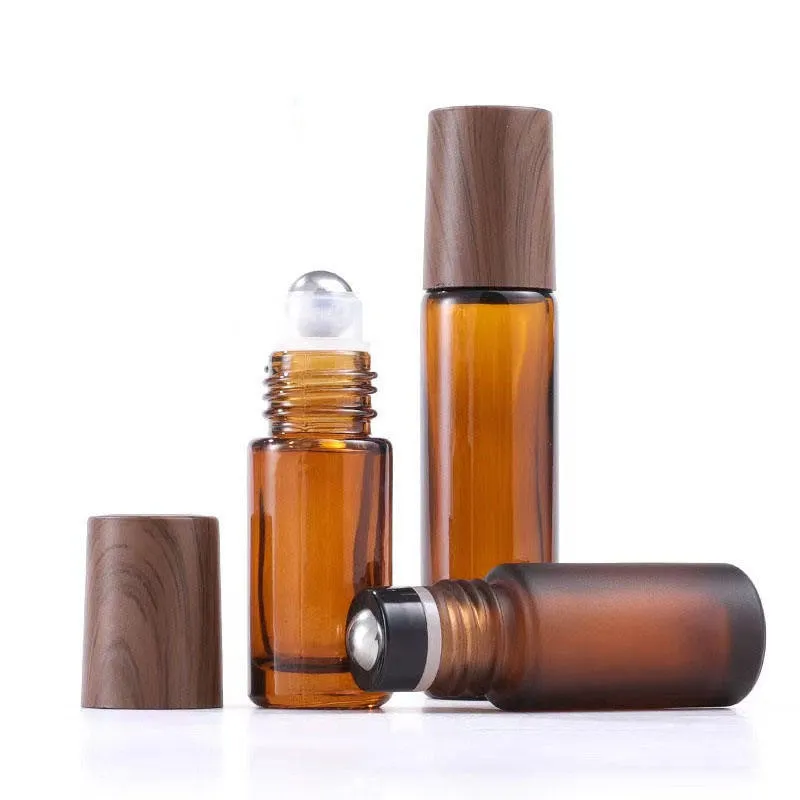
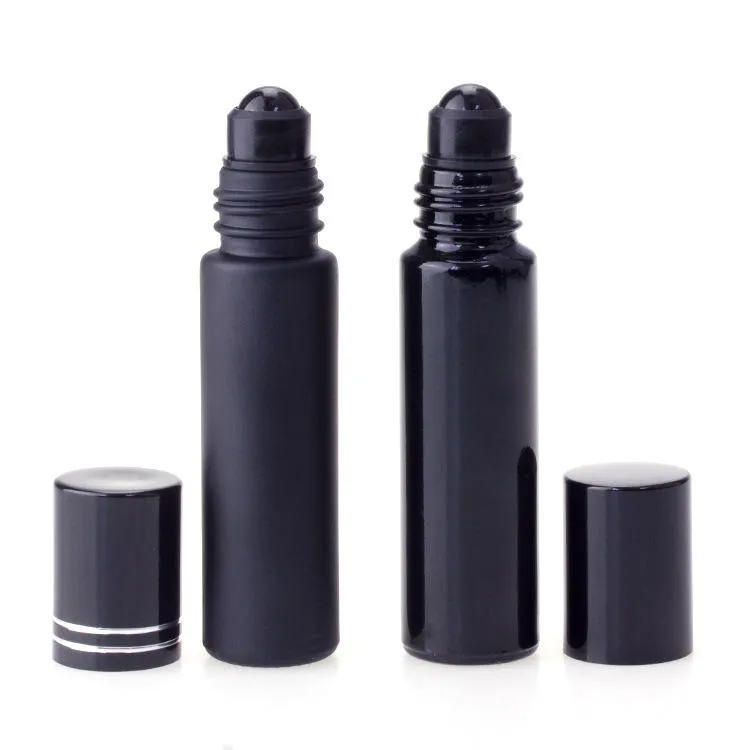
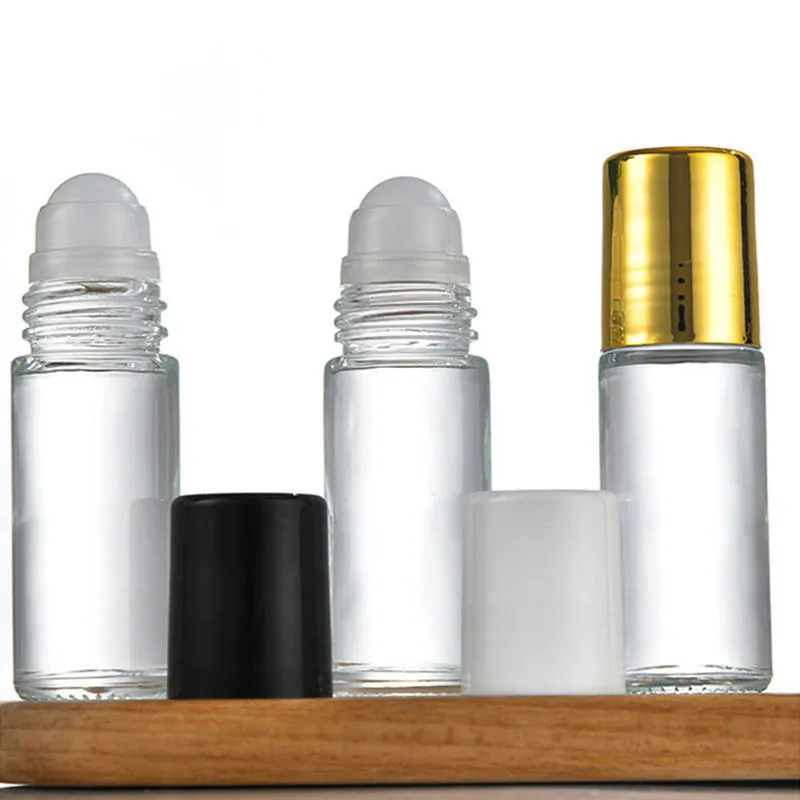
Luxury perfume bottle design in 2026 is moving beyond decorative excess. Fragrance brands still need distinctive packaging, but the strongest concepts now combine visual identity with refillability, precise dispensing, manufacturing consistency, and a better user experience.
For brand owners and packaging buyers, this changes the development brief. A fashionable rendering is not enough. Bottle geometry, glass distribution, neck finish, pump compatibility, decoration, and secondary packaging must work together as one manufacturable system.
1. Refillable Design Becomes Part of the Luxury Experience
Refillable perfume packaging is evolving from a sustainability feature into a visible expression of product quality. A well-designed refill system encourages customers to retain the primary bottle while purchasing refills over time. However, refillability should be engineered at the beginning of development rather than added after the bottle shape has been approved.
Refillable Bottles Must Balance Convenience and Protection
A refillable system needs to be intuitive while protecting the fragrance from leakage, excessive air exposure, and contamination. Packaging teams should confirm how the consumer opens and refills the bottle, whether the pump can be removed safely, whether the closure remains secure, and whether sealing performance stays stable after repeated use.
Refillable Does Not Automatically Mean Sustainable
A refillable bottle can still use unnecessary material or be difficult to recycle. Brands should evaluate the complete system: bottle weight, cap construction, decorative coatings, refill container, and secondary packaging. The goal is a durable primary package that consumers genuinely want to keep.
2. Quiet Luxury Favors Precise, Minimal Bottle Forms
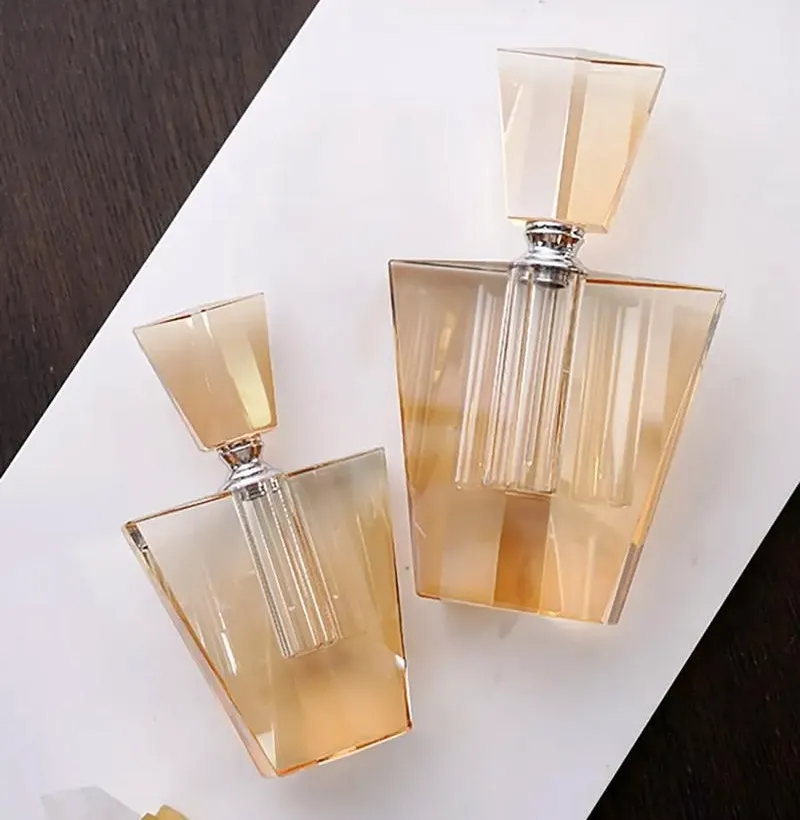
One of the strongest luxury perfume bottle design trends for 2026 is quiet luxury. Instead of relying on multiple decorative effects, brands are using controlled proportions, premium glass clarity, and carefully selected details. Simple shapes may appear easy to manufacture, but minimalism often makes defects more visible.
Clean Geometry Creates Perceived Value
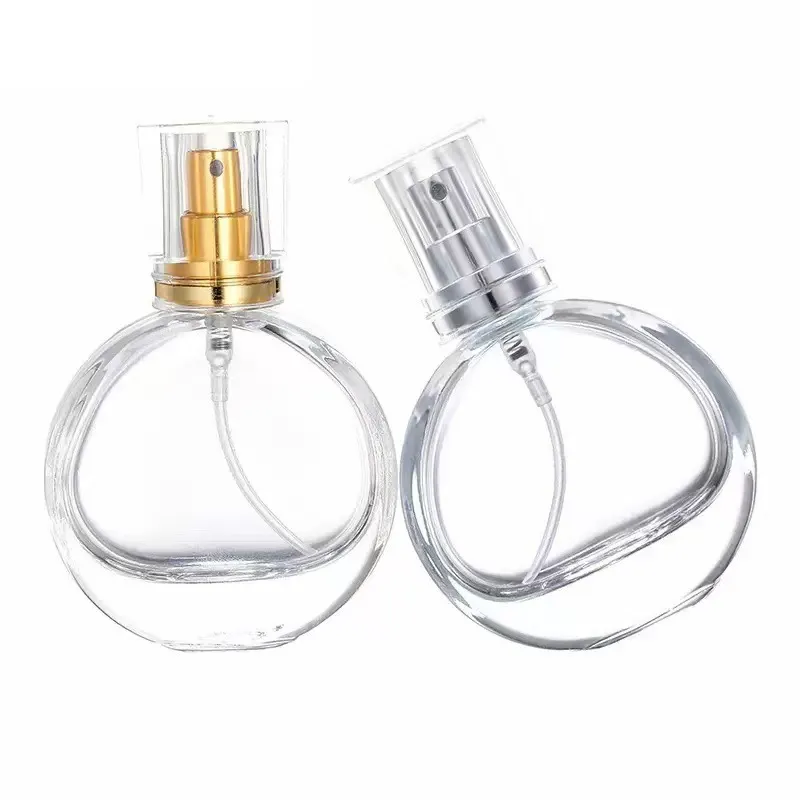
Rectangular, square, cylindrical, and softly rounded bottles remain relevant because they provide a clear canvas for branding. A visually substantial base can create depth and shelf presence, but bottle weight alone should not define luxury. Excessive glass can increase material use, freight cost, and breakage risk without improving the customer experience.
A manufacturer should review base symmetry, glass distribution around corners, vertical alignment, panel flatness, bottle stability, and compatibility with filling and packing equipment.
Minimal Decoration Requires Better Process Control
On a clean bottle, a slightly misaligned logo or inconsistent coating becomes immediately noticeable. Brands should define acceptable standards for color, print position, surface appearance, and component alignment. Approved samples and color references give the buyer and supplier a shared production standard.
3. Sculptural Glass Gives Niche Fragrances a Signature Identity
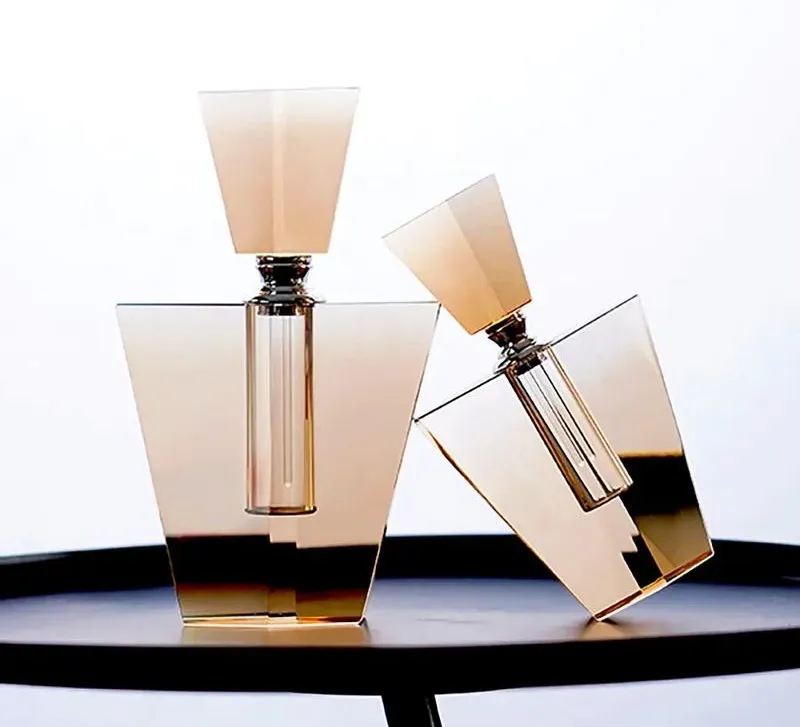
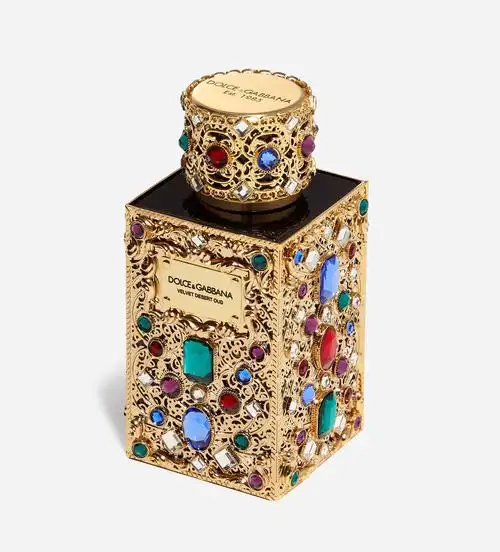
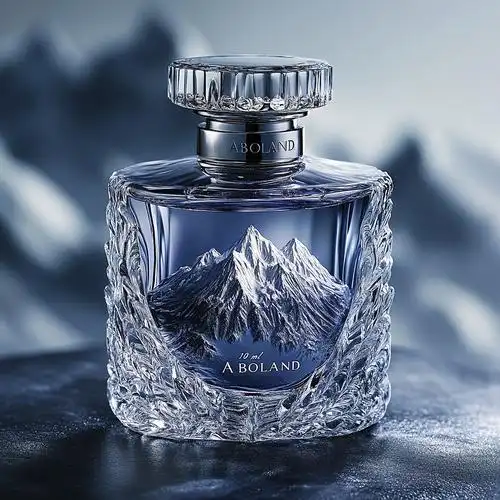
Alongside quiet luxury, premium and niche fragrance brands are exploring asymmetric silhouettes, architectural profiles, gemstone references, and tactile surfaces. These designs can create strong recognition in retail photography and social content, but they also introduce manufacturing challenges.
Complex Geometry Must Be Evaluated for Moldability
A dramatic rendering may include sharp transitions, deep recesses, or uneven glass mass. Before investing in tooling, review wall sections, corner radii, mold parting lines, embossed details, center of gravity, decoration areas, packing orientation, and transportation protection.
Signature Design Must Remain Functional
A sculptural bottle still needs to be comfortable to hold, stable on a surface, and compatible with a reliable spray system. Decorative forms should not obstruct the actuator or make the cap difficult to remove. The strongest custom concepts turn a recognizable silhouette into a functional brand asset.
4. Tactile Finishes Replace Excessive Visual Decoration
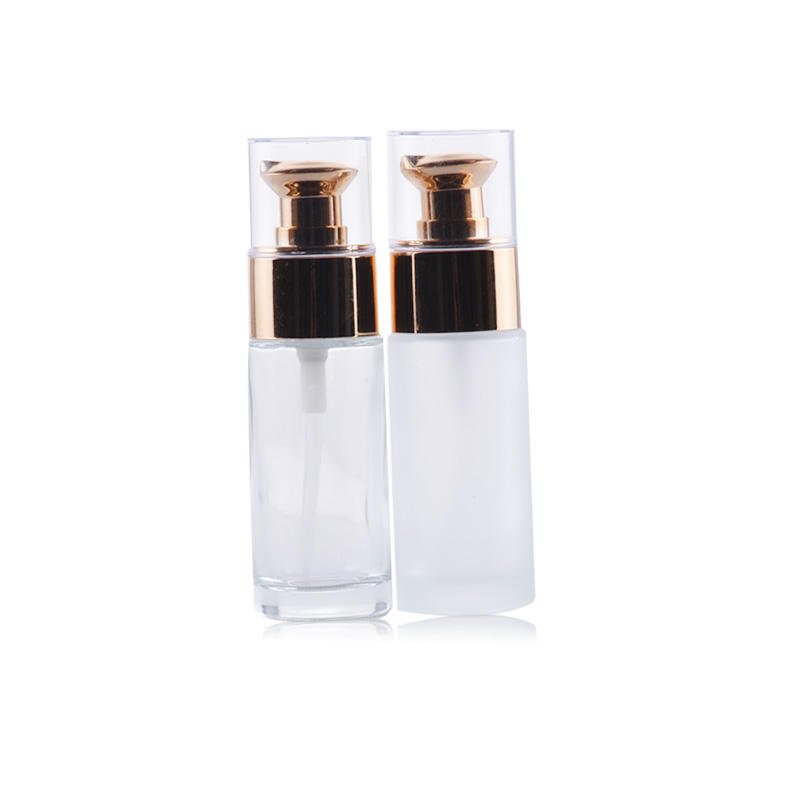
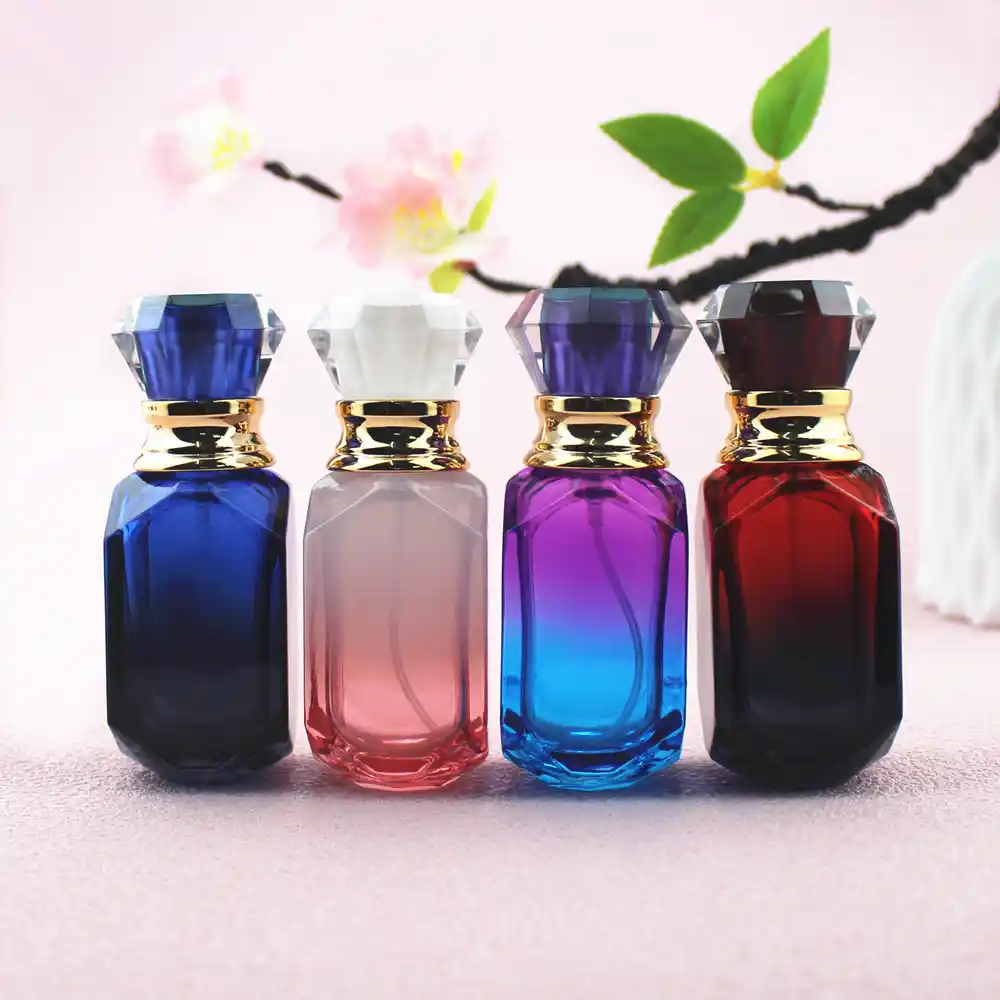
Luxury fragrance packaging is becoming increasingly sensory. Frosted surfaces, matte coatings, selective gloss, embossing, and textured caps allow consumers to experience the packaging through touch. The objective is not to apply every available finish, but to select one or two processes that reinforce the fragrance story.
Frosting and Coating Affect Performance
Frosted glass can soften light, while color coating can produce opaque, translucent, gradient, or metallic effects. Each process should be assessed for color consistency, adhesion, abrasion resistance, masking around the neck, appearance at corners, and resistance to handling during packing and transportation.
Decoration Is Becoming More Selective
Hot stamping, silk-screen printing, and UV decoration remain useful, but selective placement often looks more sophisticated than full-surface coverage. A small metallic logo on clear glass can appear more premium than several competing effects. Buyers can review Boyu Packaging’s custom perfume packaging solutions when comparing bottle shapes and decoration options.
5. Caps and Pumps Become Central Design Features
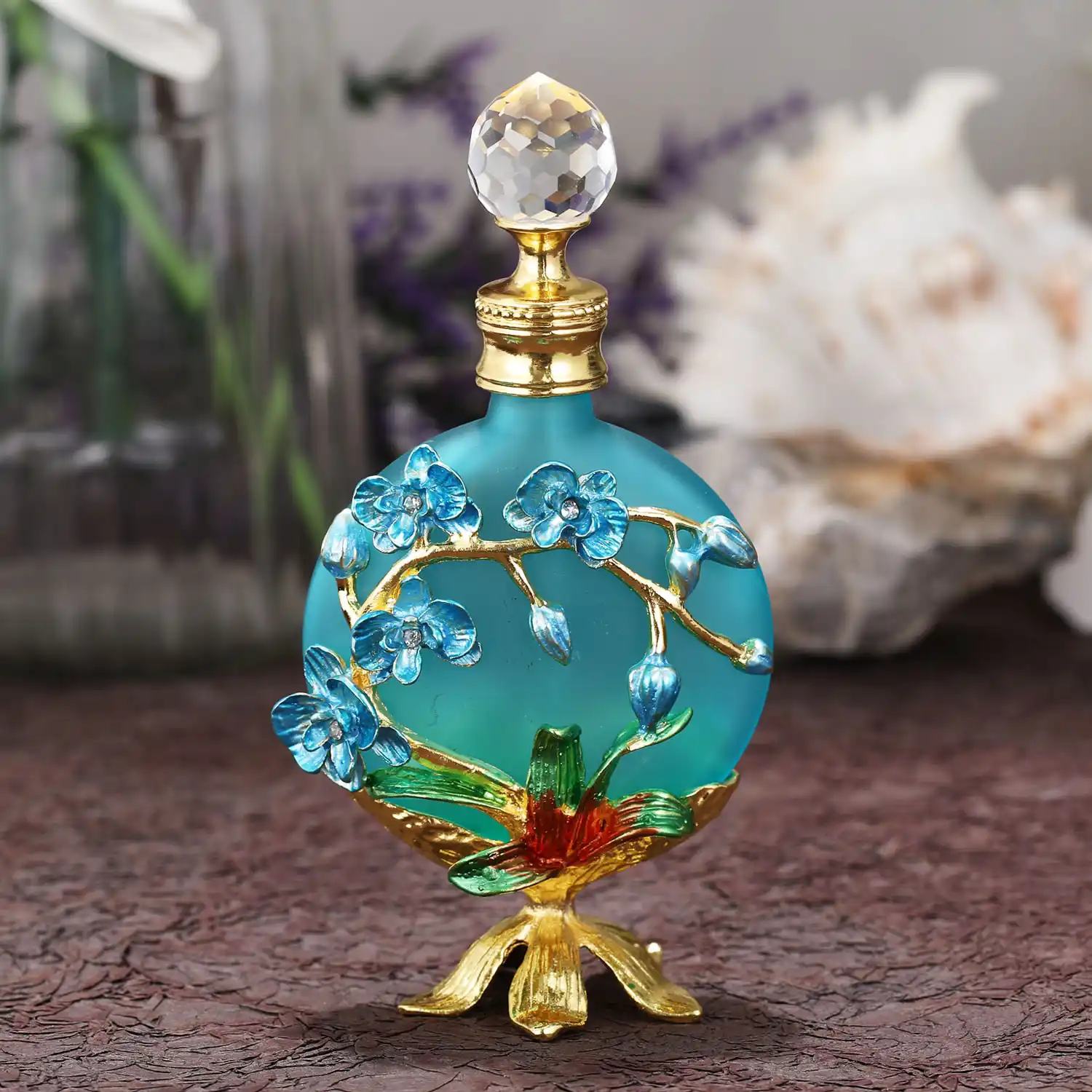
The cap, collar, actuator, and pump strongly influence perceived quality. Poor alignment or an inconsistent spray can weaken an otherwise premium package.
Cap Design Combines Material, Weight, and Sound
A luxury cap may use plastic, metal, wood, or mixed materials. It should be evaluated for fit, removal force, alignment, resistance to cracking, surface consistency, collar compatibility, weight distribution, and the sound and feel of closing.
Spray Performance Is Part of the Brand Experience
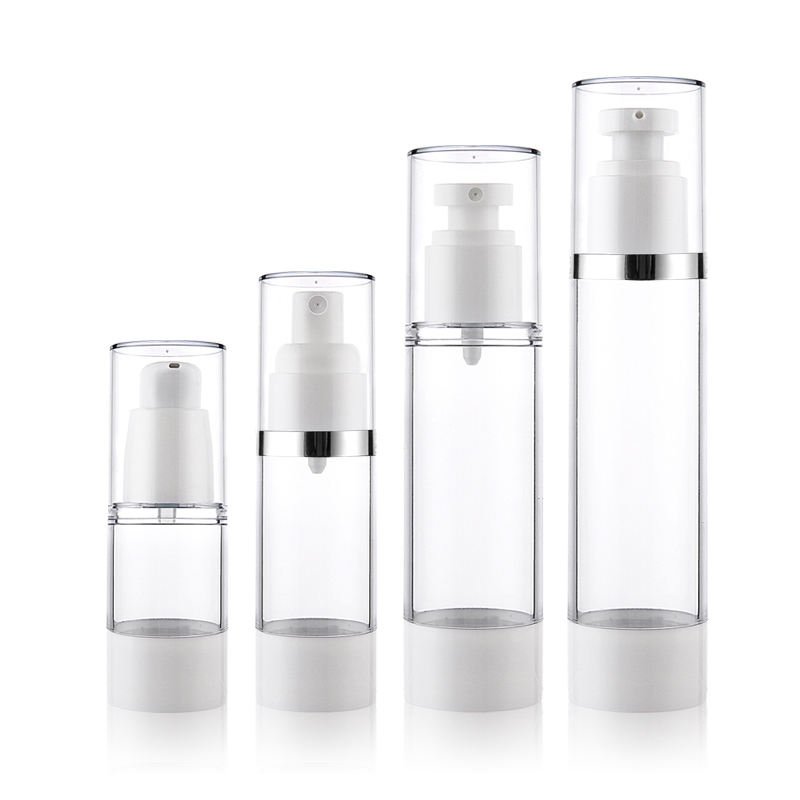
Fragrance delivery depends on the pump, actuator, dip tube, and formula. Brands should define expectations for dosage, spray pattern, priming, leakage, and actuation force. The assembled package—not the glass bottle alone—should be tested before bulk production.
6. Lightweighting Must Preserve Luxury and Stability
Sustainability goals are encouraging brands to reduce unnecessary glass and secondary packaging. The challenge is to use material efficiently without making the product feel fragile.
Visual Weight Can Replace Physical Weight
Designers can create perceived depth through base geometry, curves, color, and transparency rather than relying only on mass. Lightweighting decisions should account for bottle stability, impact resistance, glass distribution, filling-line handling, closure load, and export packaging.
Secondary Packaging Should Be Developed with the Bottle
The carton and insert protect the decorated bottle throughout distribution. Developing them with the bottle can reduce empty space, prevent abrasion, and improve the unboxing experience.
7. Modular Design Helps Brands Build Fragrance Collections
Many fragrance brands launch collections instead of one product. A shared bottle family with different colors, labels, caps, or decorative details can support consistency while simplifying development.
A Common Bottle Platform Can Support Multiple Stories
One glass shape can become distinctive through color coating, frosting, cap variations, hot stamping, screen printing, and coordinated cartons. This offers niche brands a practical balance between customization and production efficiency.
Component Standardization Reduces Development Risk
Using a verified neck finish, pump, and collar platform across several products can simplify compatibility management. Every final combination should still be approved because decoration, formula, and assembly details can vary.
8. How to Develop a Luxury Perfume Bottle for 2026
Define the Product and Market
Provide the target market, fragrance positioning, capacity, estimated quantity, and launch schedule. Explain whether the product is a permanent collection, limited edition, discovery format, or refillable system.
Establish the Packaging Architecture
Define the bottle material and shape, neck system, pump, collar, cap, and secondary packaging. Confirm whether the project will use an existing bottle or require custom mold development.
Specify Decoration and Test the Complete Package
Supply artwork, logo dimensions, color references, and finish expectations. Evaluate decoration on actual bottles, then test the final formula and assembled components for leakage, compatibility, spray performance, coating adhesion, cap fit, and transportation.
What Information Should You Send with a Perfume Bottle Inquiry?
A complete inquiry helps a manufacturer recommend the right solution and prepare a relevant quotation. Include:
- Bottle capacity and preferred shape
- Glass color and decoration requirements
- Refillable or non-refillable construction
- Pump, collar, and cap preferences
- Fragrance formula or compatibility requirements
- Logo artwork and reference images
- Estimated order quantity and target market
- Delivery destination and expected launch schedule
Frequently Asked Questions
What makes a perfume bottle look luxurious in 2026?
Luxury increasingly comes from coherent proportions, precise glass forming, controlled decoration, reliable components, and a strong tactile experience. Excessive weight or decoration does not automatically create premium value.
Are refillable perfume bottles suitable for every brand?
Not necessarily. Refillable packaging works best when the brand has a clear refill strategy and the bottle, neck, pump, and refill format are designed as one system.
Should a brand choose a stock bottle or a custom mold?
A stock bottle with custom decoration reduces development complexity. A custom mold provides greater differentiation but requires additional engineering, sampling, tooling, and production planning.
Which decoration processes are available?
Common options include frosting, color coating, silk-screen printing, hot stamping, labeling, and UV decoration. The right process depends on bottle geometry, artwork, appearance, and performance requirements.
What should be tested before bulk production?
The final package should be evaluated for formula compatibility, leakage, spray performance, cap fit, decoration adhesion, appearance, and transportation protection.
Build a Luxury Perfume Packaging Concept with Boyu
The most important 2026 trend is integration: bottle design, dispensing performance, decoration, refill strategy, and manufacturing feasibility must support the same brand promise.
Boyu Packaging provides customizable glass perfume bottles, pumps, caps, and surface decoration for fragrance projects. Share your target capacity, design direction, decoration requirements, and estimated quantity with our team. We can help evaluate an existing package or develop a customized solution for your fragrance collection.
Contact Boyu Packaging to discuss your perfume bottle project and request a packaging recommendation.

 English
  Español de Argentina
  Русский
  Italiano
  日本語
日本語  한국어
한국어  العربية
  Français
  Deutsch