


If you searched for the 50 20 30 rule in perfume, you probably encountered three numbers without a clear explanation of what they measure. The short answer is that the rule is a beginner-friendly way to divide a fragrance concentrate among heart, base, and top-note materials. Written in that order, it means 50% heart notes, 20% base notes, and 30% top notes. Perfumers more commonly reorder it as 30/50/20—top, heart, base.
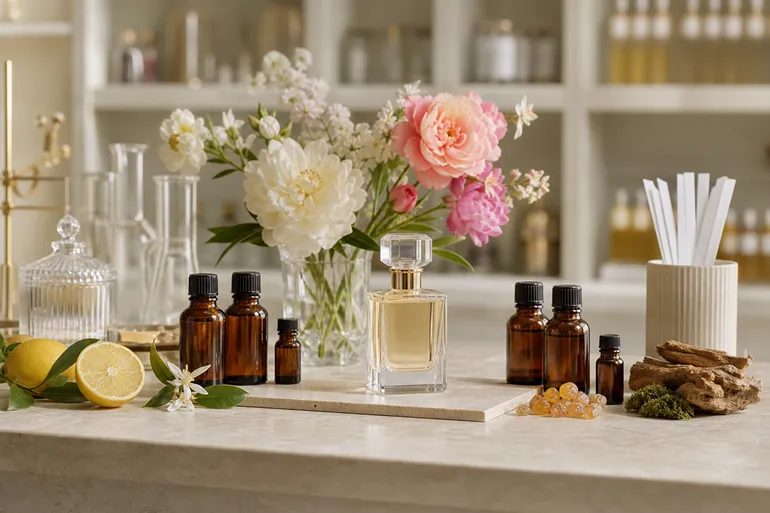
What Does the 50 20 30 Rule Mean in Perfume?
In the order used by the search phrase, the formula is:
Heart notes
The main personality
Base notes
Depth and dry-down
Top notes
Opening and lift
Most educational guides discuss the same relationship as the 30/50/20 perfume rule because fragrance pyramids are normally read from top to base: approximately 30% top notes, 50% middle or heart notes, and 20% base notes. The middle occupies the largest share, giving the scent a recognizable body; the opening gets enough space to feel lively; and the slower base materials support the dry-down without automatically overwhelming it.
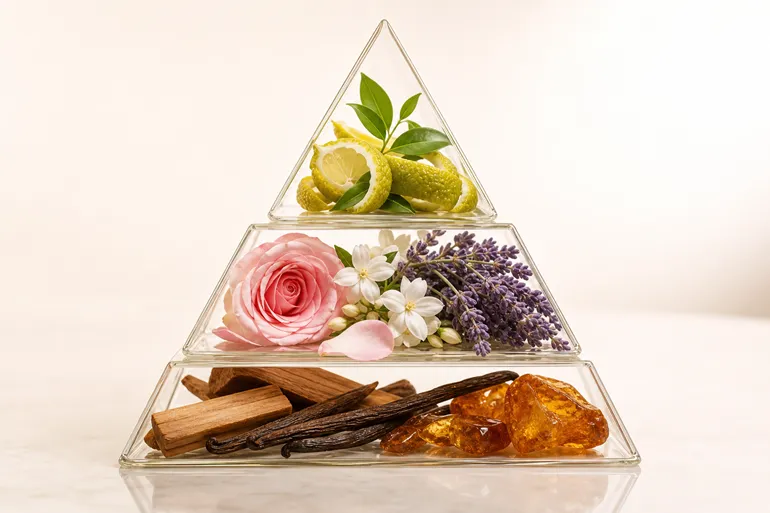
Top, Heart and Base Notes Explained
Top Notes: The First Impression
Top notes are the materials you notice soon after spraying. Citrus, aromatic herbs, fresh green effects and some light fruits often play this role. They tend to be volatile, so their prominence changes quickly. In a 30/50/20 structure, their approximate 30% share creates brightness and projection while leaving room for the heart to emerge.
Heart Notes: The Main Character
The heart connects the opening with the dry-down and often communicates the fragrance family most clearly. Rose, jasmine, orange blossom, lavender, spices and many fruity or abstract accords can form this section. Allocating about 50% gives the composition a stable identity after the first sparkle fades. “Heart note,” however, describes an olfactory role—not a rigid ingredient category.
Base Notes: The Lasting Foundation
Base materials are generally less volatile and become more noticeable during the dry-down. Woods, musks, resins, amber effects, vanilla and patchouli are common examples. They can add persistence, warmth and diffusion. Because many are powerful or tenacious, 20% can be enough in a teaching formula. That does not mean every base material is automatically a fixative or that adding more always makes perfume perform better.
Why Does This Ratio Use 50%, 20% and 30%?
The numbers are a practical balance among three jobs. A substantial heart prevents the scent from feeling like a brief citrus opening followed immediately by a heavy dry-down. Thirty percent top notes supplies energy and an inviting first impression. Twenty percent base notes provides structure and persistence without making a beginner’s trial unnecessarily dense.
The rule also makes evaluation easier. When the first trial has recognizable top, heart and base sections, a formulator can identify what needs changing: reduce a sharp opening, enlarge a thin heart, or lighten an overpowering base. The percentages create a repeatable starting point, not a promise that every ingredient will evaporate on schedule.
Modern formulas are more complex than a three-layer diagram. One material may influence the opening and remain for hours; another may be classified differently depending on dosage and its partners. Professional perfumers often build accords and manage evaporation curves rather than placing every raw material into one fixed box. That is why successful fresh colognes, linear musks, gourmands and woody fragrances may depart dramatically from 30/50/20.
Benefits of Using the Rule
- A clear starting structure: beginners can organize a trial without choosing arbitrary quantities.
- Better note progression: the framework encourages an opening, body and dry-down rather than a flat mixture.
- Easier comparison: changing one section at a time makes trial results easier to document.
- More disciplined sampling: a percentage formula can be scaled and repeated more accurately than an undocumented number of drops.
- Useful communication: a brand can explain its desired emphasis to a perfumer, although the professional formula may use a different architecture.
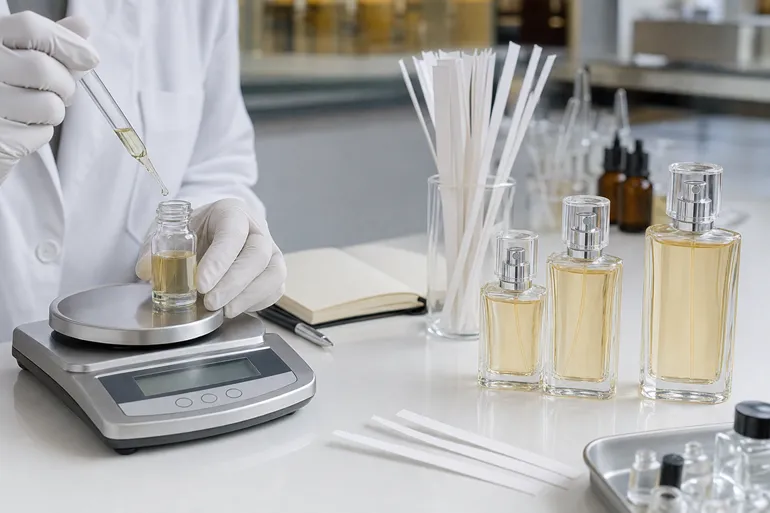
How to Calculate a 50/20/30 Perfume Blend
Suppose you want to prepare 10 grams of fragrance concentrate. Using the search phrase’s order—heart, base, top—the calculation is:
| Section | Percentage | 10 g trial | Common direction |
|---|---|---|---|
| Heart | 50% | 5.0 g | Floral, spicy, fruity, aromatic |
| Base | 20% | 2.0 g | Woody, musky, amber, resinous |
| Top | 30% | 3.0 g | Citrus, green, fresh, aromatic |
Use weight and a suitable precision scale when repeatability matters. Drops vary with the opening, viscosity and dropper angle. First build and evaluate the concentrate, then determine an appropriate final dilution with qualified formulation support. A note ratio cannot establish skin safety, stability or regulatory compliance.
Is the Rule the Same as Perfume Concentration?
No. This is the most important distinction in the topic. The note ratio divides the aromatic concentrate. Perfume concentration describes how much aromatic concentrate is present in the finished product relative to alcohol, water or another carrier. Eau de toilette, eau de parfum and extrait are market categories associated with concentration ranges, but labels and formulations vary.
For example, a perfumer could create a 10 g concentrate using the 30/50/20 starting structure. A manufacturer would then evaluate how much of that concentrate belongs in the finished perfume. That separate decision depends on the formula, intended product, safety assessment, performance and applicable standards. Never assume “20% base notes” means a finished product is 20% perfume oil.
When Should You Change the Ratio?
Change it when the scent brief calls for a different experience. A bright cologne may need a larger top-note effect. A floral signature may concentrate on the heart. A woody, amber or gourmand composition may devote more attention to the base. A contemporary “linear” fragrance may intentionally smell relatively consistent from opening to dry-down.
Strength also matters. One gram of a powerful aroma chemical does not have the same olfactory impact as one gram of a softer material. Evaluate on blotters and, where appropriately assessed, on skin over several hours. Record every modification by weight. Allow the blend to rest before making major judgments, since freshly combined materials can smell less integrated.
From Fragrance Formula to Perfume Packaging
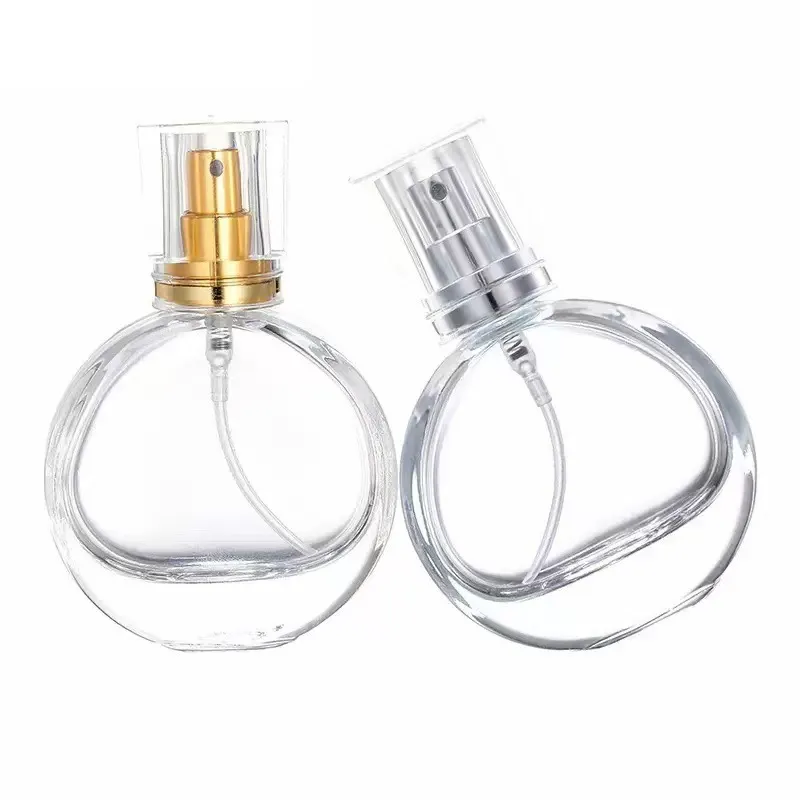
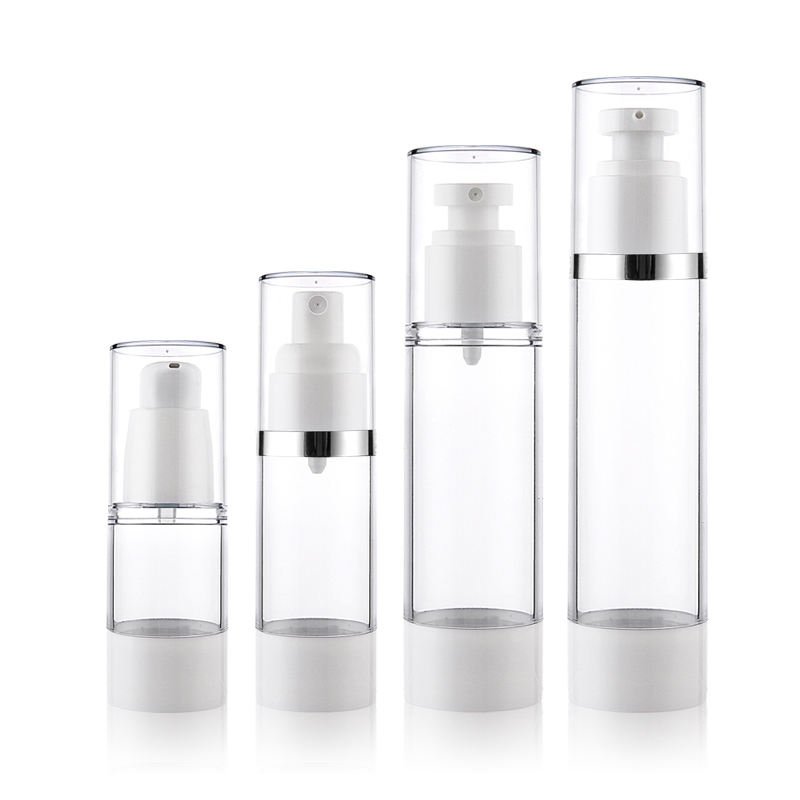
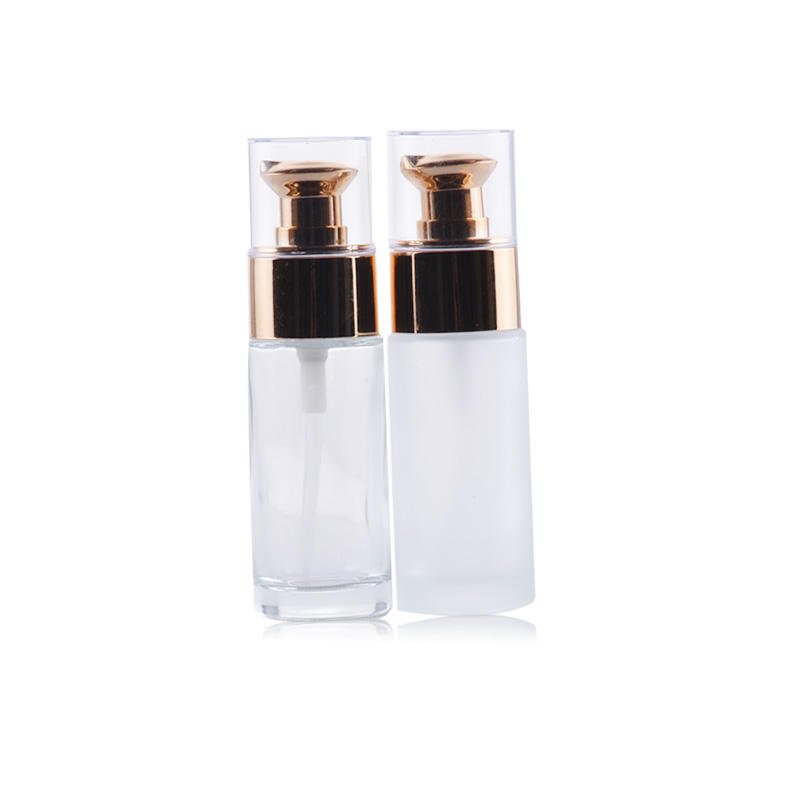
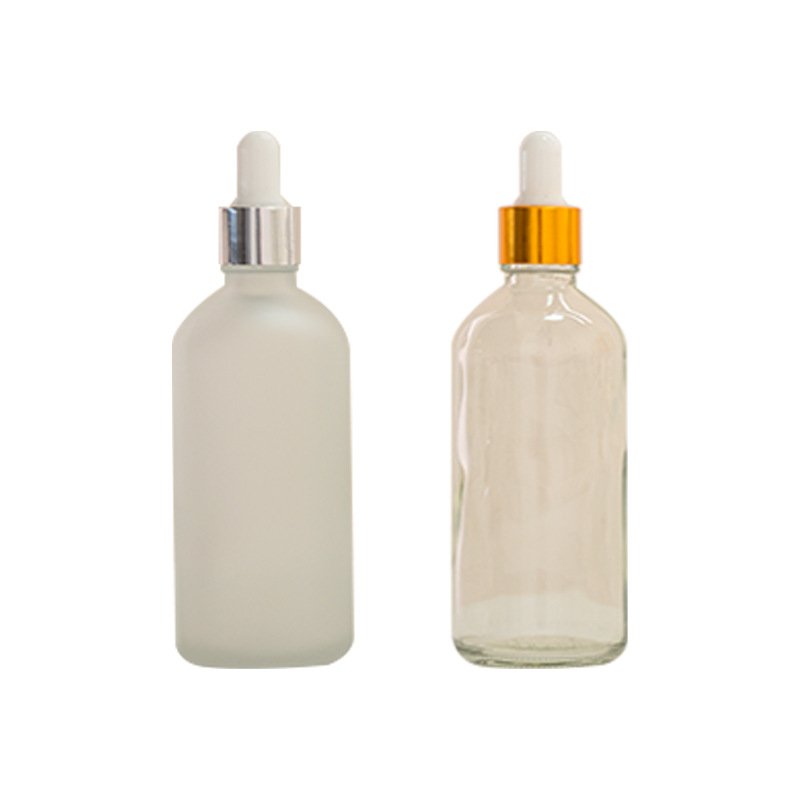
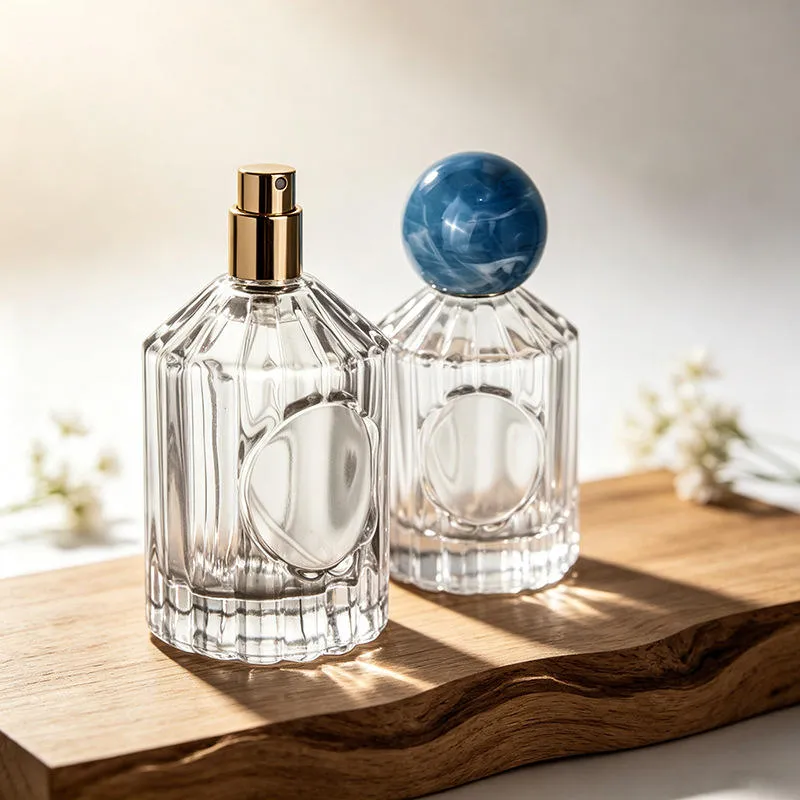
A balanced scent still needs a compatible delivery system. Alcohol-rich perfume can expose weaknesses in gaskets, dip tubes, decorative coatings and pump components. The bottle, crimp or screw neck, fine-mist sprayer, collar and cap should be evaluated as one package. Spray output affects the consumer’s perception: a fine, consistent plume feels different from a narrow wet stream even when the liquid is identical.
For a fragrance launch, approve filled-package leakage, spray-pattern, dosage, evaporation and decoration-adhesion tests before mass production. Boyu Packaging supplies custom glass perfume bottles, perfume packaging solutions and multiple spray bottle formats for brand and OEM projects. Exact compatibility, MOQ, sample timing and production schedule should be confirmed for the selected model and formula.
Frequently Asked Questions
Is it the 50/20/30 rule or the 30/50/20 rule?
They often refer to the same proportions in different orders. “50/20/30” commonly lists heart, base and top. “30/50/20” lists top, heart and base, matching the usual perfume-pyramid order. Always name the sections beside the numbers.
Do professional perfumers always follow this rule?
No. It is a teaching tool and convenient starting point. Professional formulas are built around a creative brief, material performance, dosage, safety and technical requirements. Many successful fragrances do not fit the ratio.
Does using more base note make perfume last longer?
Not automatically. Tenacious materials can improve the dry-down, but excessive base weight may make the fragrance dull or unbalanced. Longevity also depends on individual materials, concentration, skin, climate and delivery.
Should perfume be measured in drops or grams?
Drops are convenient for rough exploration but vary in size. Weight is better for repeatable development. Record each material, dilution and batch so you can reproduce or correct the formula.
Can the ratio tell me whether a perfume is safe?
No. A note ratio says nothing about ingredient limits, allergens, phototoxicity or finished-product compliance. Obtain professional safety and regulatory review for the intended market and use level.
Developing a Perfume Bottle for Your Brand?
Share your fill volume, bottle style, neck system, spray requirement, decoration concept and destination market with Boyu Packaging. We can help you review a practical bottle, pump, collar and cap combination for sampling.

 English
  Español de Argentina
  Русский
  Italiano
  日本語
日本語  한국어
한국어  العربية
  Français
  Deutsch