
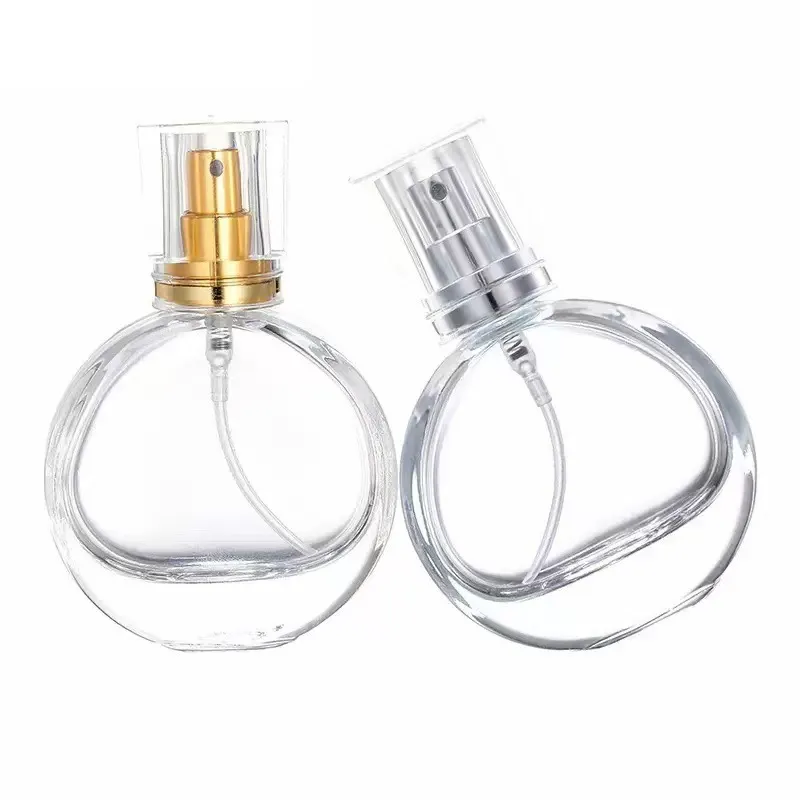
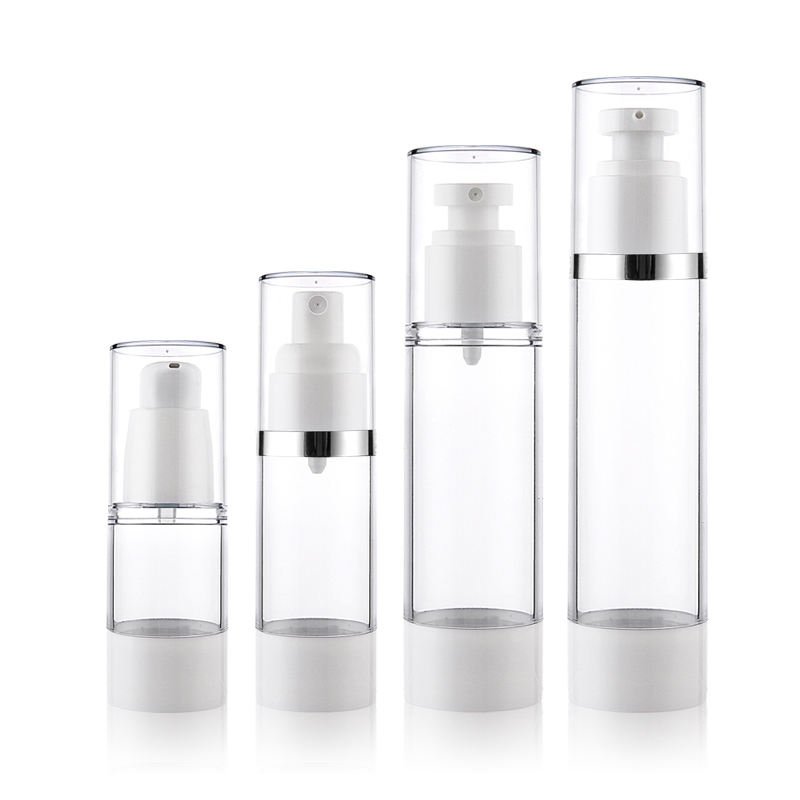
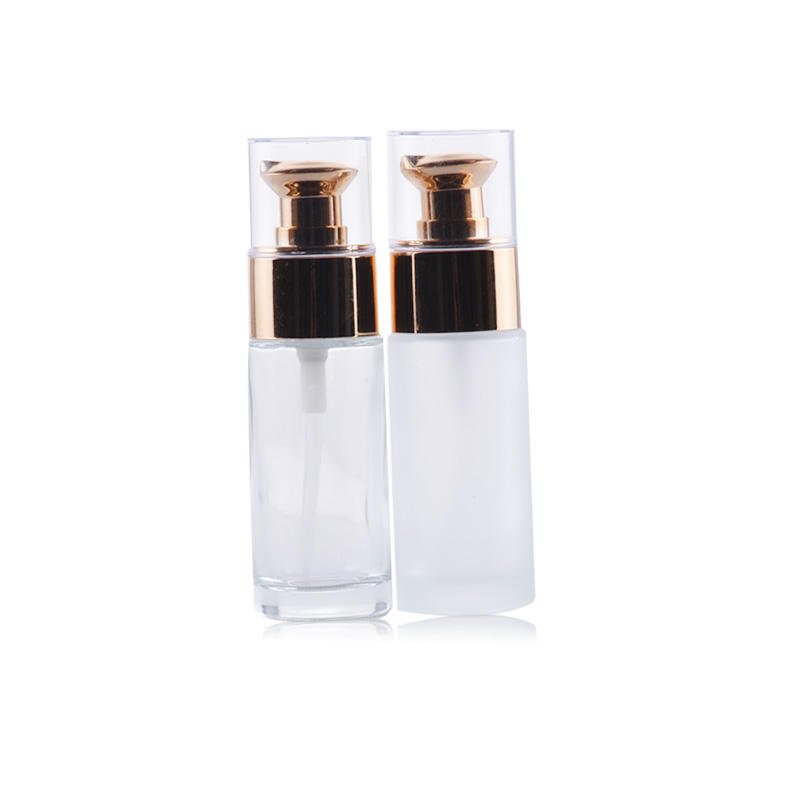
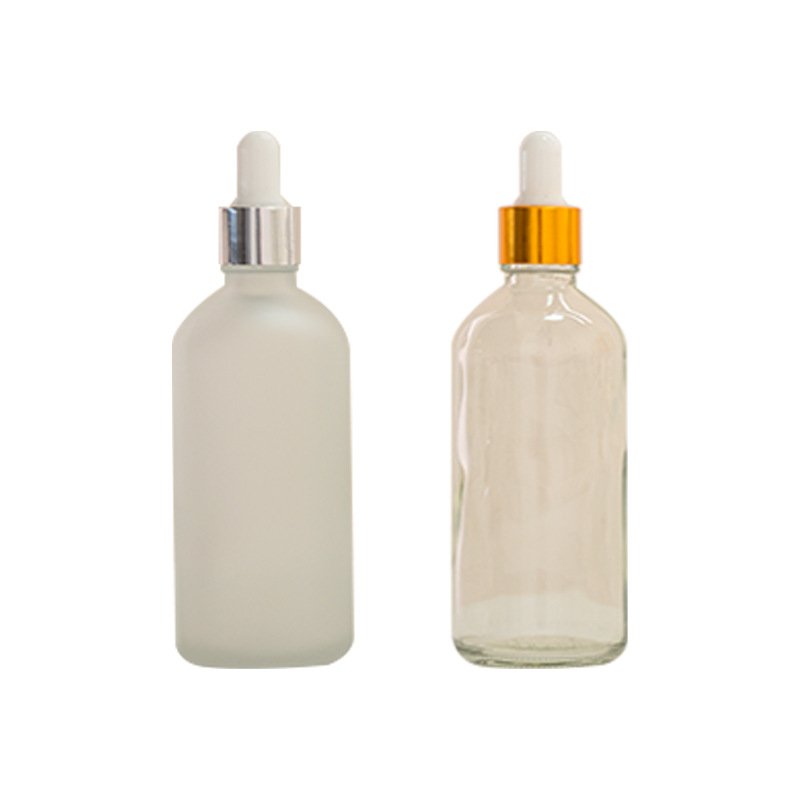
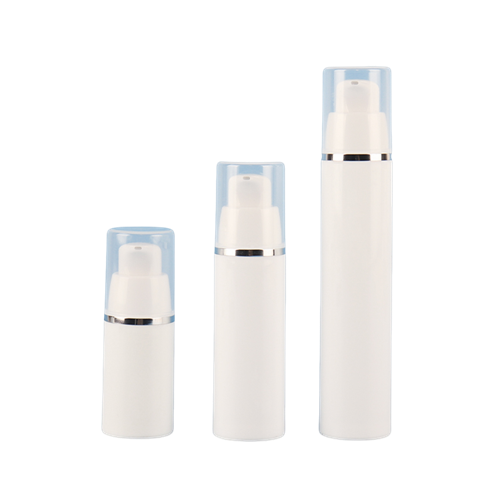
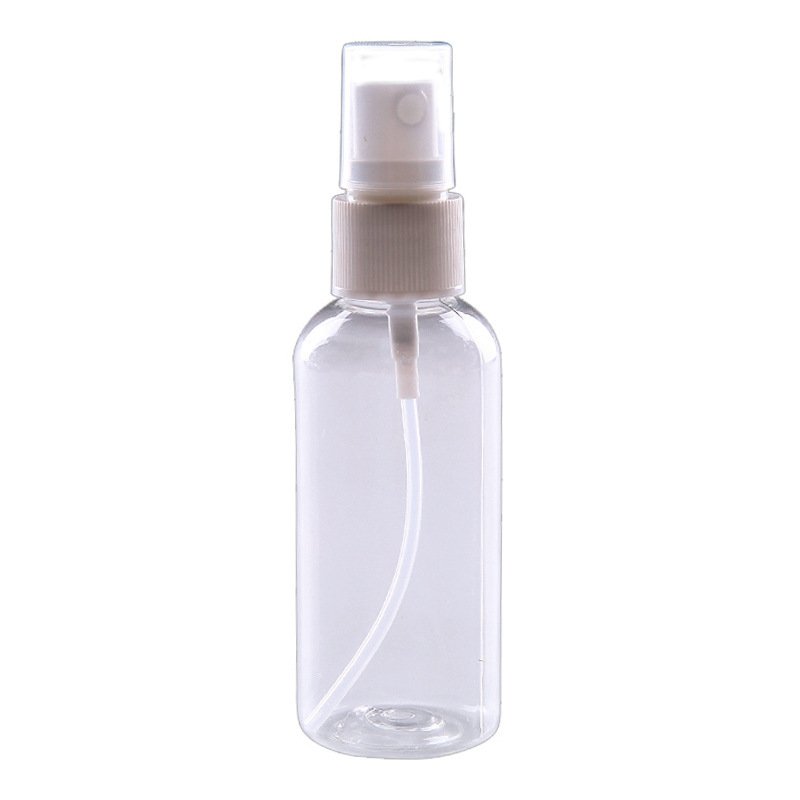
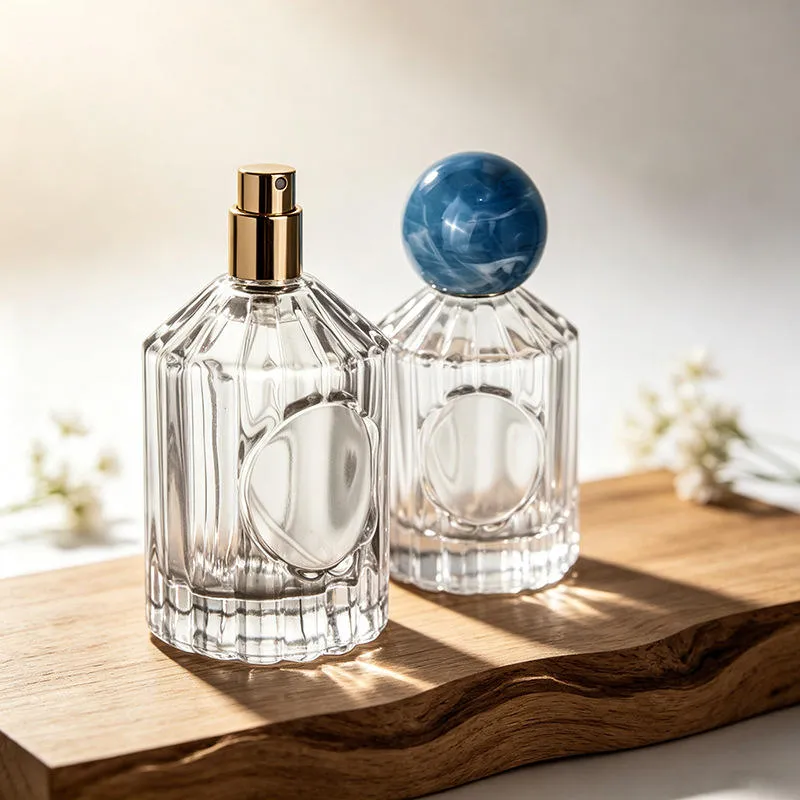
A 30ml perfume bottle usually provides about 300 sprays when its atomizer releases 0.10ml per full press. In real use, a sensible estimate is 250–500 sprays, because travel atomizers may dispense only 0.06ml while a generous fine-mist pump may release 0.12ml or more. Bottle capacity alone cannot give an exact answer—the pump output is the missing number.
How Many Sprays Are in a 30ml Perfume?
For everyday planning, use 300 sprays. That figure assumes a nominal output of 0.10ml per actuation, a common benchmark for fragrance packaging. It is not a universal specification. A 0.07ml perfume pump would provide roughly 429 sprays from 30ml, while a 0.12ml pump would provide about 250.
| Pump output | Sprays per ml | Sprays in 30ml | Typical impression |
|---|---|---|---|
| 0.06ml | 16.7 | About 500 | Light travel-atomizer dose |
| 0.07ml | 14.3 | About 429 | Fine, controlled dose |
| 0.08ml | 12.5 | About 375 | Moderate fine mist |
| 0.10ml | 10 | About 300 | Common planning benchmark |
| 0.12ml | 8.3 | About 250 | Fuller, generous mist |
Perfume Sprays and Milliliters Calculator
Choose a liquid/application preset or enter the measured output of your own sprayer. The calculator estimates total sprays, sprays per milliliter and how long the bottle may last.
This is a volume estimate, not a dosing or safety recommendation. For thick, oily or particle-containing liquids, use a compatible pump and measure the actual output.
How Many Sprays Are in 10ml, 30ml, 50ml and 100ml?
The following comparison uses 0.10ml per full spray. The range shows what happens when output varies from 0.06ml to 0.12ml.
| Bottle size | Standard estimate | Possible range | At 4 sprays/day | Best suited to |
|---|---|---|---|---|
| 10ml | 100 sprays | 83–167 | About 25 days | Travel, sampling, discovery |
| 30ml | 300 sprays | 250–500 | About 75 days | A first full bottle, rotation |
| 50ml | 500 sprays | 417–833 | About 125 days | Regular personal use, gifts |
| 100ml | 1,000 sprays | 833–1,667 | About 250 days | Signature scents, best value/ml |
For a closer look at the two larger retail formats, see Boyu’s guide to sprays in 50ml and 100ml perfume bottles. This page is intentionally centered on 30ml and conversion methodology so the two resources answer different searches.
How Much Is One Spray of Perfume?
A practical estimate is 0.10ml per spray, equal to ten full sprays per milliliter. Real fragrance pumps may be designed around lower or higher nominal outputs. A technical specification might state output in ml, cc or microliters: 0.10cc is approximately 0.10ml, and 100 microliters is 0.10ml.
To measure your bottle instead of guessing, weigh it on a scale capable of 0.01g resolution, spray it fully 20–50 times, then weigh it again. Divide the mass loss by the number of sprays. For an ethanol-rich liquid, grams are not exactly equal to milliliters, so the most accurate conversion uses the liquid’s measured density. For consumer planning, collecting many sprays in a small graduated cylinder can be simpler.
Do Different Liquids Change the Sprays-to-ml Conversion?
The mathematical conversion does not change: milliliters divided by milliliters per spray always gives the theoretical spray count. What changes is the pump’s actual output and spray quality. Low-viscosity alcohol-based perfume typically atomizes easily through a fragrance pump. Water-based facial mist may behave similarly but depends on surfactants and dissolved ingredients. Body sprays sometimes use a higher-output actuator for broader coverage.
Oil perfume, viscous serum, high-solids room fragrance and formulas containing suspended particles may prime slowly, form larger droplets or clog a fine fragrance nozzle. A preset in the calculator is therefore only a planning value—not proof of compatibility. Packaging buyers should test the actual filled formula for output, spray pattern, priming, clogging, leakage and evaporation.
Why Two 30ml Bottles Can Give Different Counts
- Metering chamber: pump geometry controls the nominal dose.
- Actuator and nozzle: orifice and swirl design affect mist fineness and plume shape.
- How you press: a partial press may dispense less than a complete stroke.
- Formula: viscosity, surface tension, alcohol level and particles influence performance.
- Residual volume: a dip tube rarely retrieves every last drop, especially when the bottle is held at an angle.
- Manufacturing tolerance: pumps have an acceptable output range rather than one perfect number.
How Long Will a 30ml Perfume Last?
At the 300-spray benchmark, a 30ml bottle lasts about 150 days at two sprays a day, 75 days at four sprays, 50 days at six sprays, or 30 days at ten sprays. These are usage estimates, not rules about how much fragrance someone should apply. Concentration, projection, setting, climate and personal preference all matter.
| Daily use | Estimated duration | Approximate months |
|---|---|---|
| 2 sprays/day | 150 days | 5 months |
| 4 sprays/day | 75 days | 2.5 months |
| 6 sprays/day | 50 days | 1.7 months |
| 10 sprays/day | 30 days | 1 month |
How to Make Perfume Last Longer
Use Full, Deliberate Presses
A complete actuation usually produces the mist pattern the pump was designed to deliver. Repeated half-presses can create uneven droplets and make usage difficult to estimate. Hold the bottle upright and keep the nozzle clean.
Apply Where It Works for You
Applying fragrance to moisturized skin can improve perceived persistence for some users. Clothing may hold scent longer, but perfume can stain or affect delicate fabric, jewelry and finishes; patch-test a hidden area. Do not spray near the eyes or onto irritated skin, and follow the product label.
Store the Bottle Correctly
Keep perfume upright, tightly capped, and away from direct sunlight, heat and repeated temperature swings. A bedroom drawer, cabinet or original box is generally more stable than a bright bathroom shelf. Do not repeatedly open or decant a bottle unless necessary, because poor transfer technique can increase evaporation and contamination risk.
Choose the Right Size
A 10ml travel spray is practical for testing; 30ml suits rotation and slower use; 50ml balances value and commitment; 100ml makes sense for a frequently worn signature scent. Buying more liquid is not economical if oxidation or changing preferences leave most of it unused.
What Packaging Buyers Should Specify
For a brand project, “fine mist” is not enough information. State the target output per stroke, plume angle, particle impression, actuation force, neck finish, crimp or screw system, dip-tube length and formula type. Test filled packages after temperature conditioning and transportation simulation. The pump, gasket, collar, cap and bottle should be approved as one system.
Boyu Packaging supplies custom glass perfume bottles, complete perfume packaging and fine-mist spray bottle options. Send the intended formula, capacity, decoration, target output and destination market for a project-specific review. MOQ, sample timing and production schedule depend on the selected model and customization and should be confirmed in the quotation.
Frequently Asked Questions
Is 30ml perfume about 300 sprays?
Yes, 300 is the standard estimate when the atomizer releases 0.10ml per spray. Depending on pump output, the same bottle could provide roughly 250–500 full sprays.
How many milliliters are five sprays of perfume?
At 0.10ml per spray, five sprays equal approximately 0.50ml. With a 0.07ml pump, five sprays equal approximately 0.35ml. Use the calculator with the correct pump output.
How can I find the exact output of my atomizer?
Check the packaging specification or measure multiple full sprays. Testing 20–50 actuations is more reliable than measuring one because it reduces the effect of priming and scale resolution.
Does eau de parfum use fewer sprays than eau de toilette?
The pump determines milliliters per spray, not the fragrance category. A stronger or more persistent fragrance may lead someone to apply fewer sprays, but that is a usage choice rather than a conversion rule.
Why is some perfume left when the pump stops spraying?
The dip tube may no longer reach pooled liquid, the bottle may be tilted, or the pump may have lost prime. Small residual volume is normal. Persistent failure can also indicate a blocked nozzle, air leak or incompatible component.
Developing a 10ml, 30ml, 50ml or 100ml Perfume Bottle?
Tell Boyu Packaging your capacity, formula type, target spray output, neck system, decoration and order destination. We can help review a bottle-and-atomizer combination for sampling and OEM development.
 English
  Español de Argentina
  Русский
  Italiano
  日本語
日本語  한국어
한국어  العربية
  Français
  Deutsch