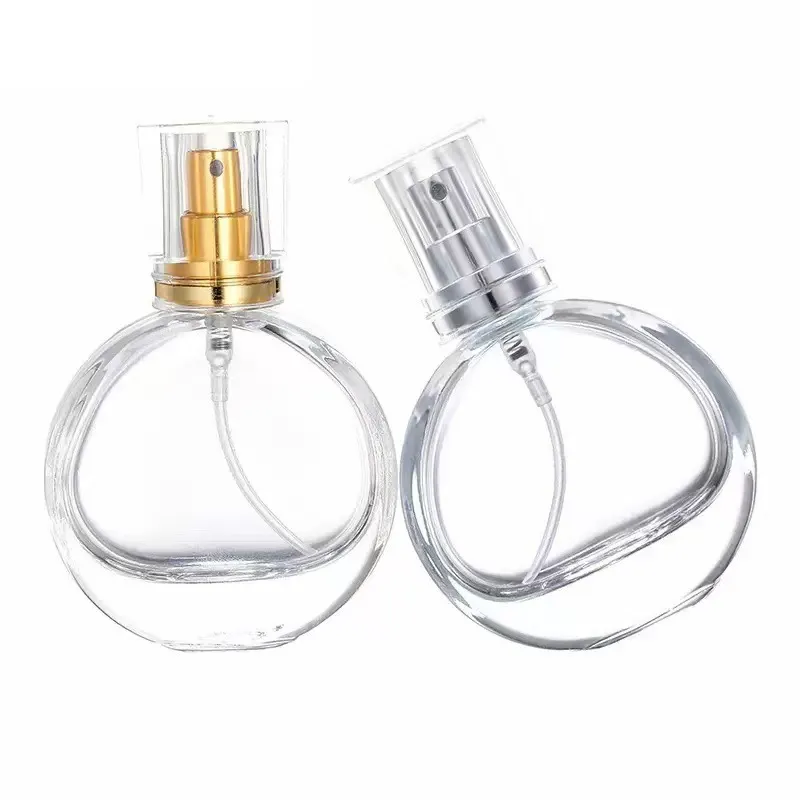
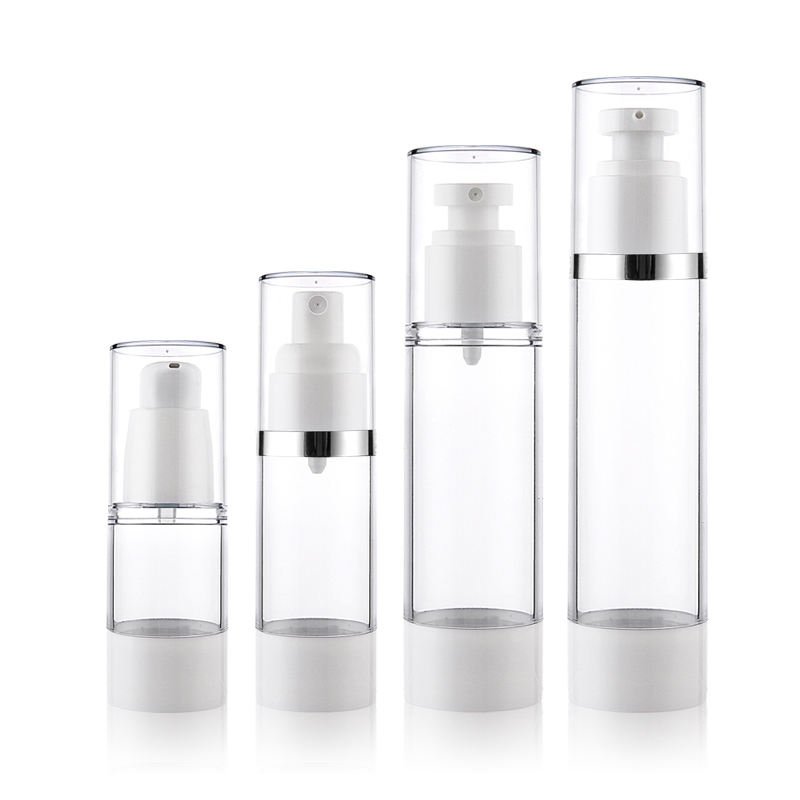
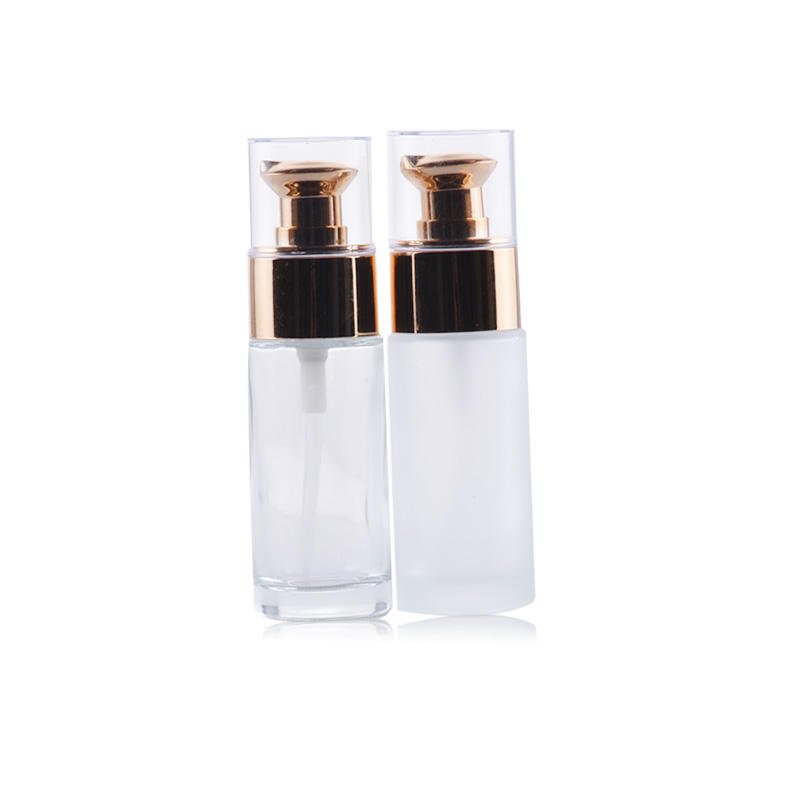
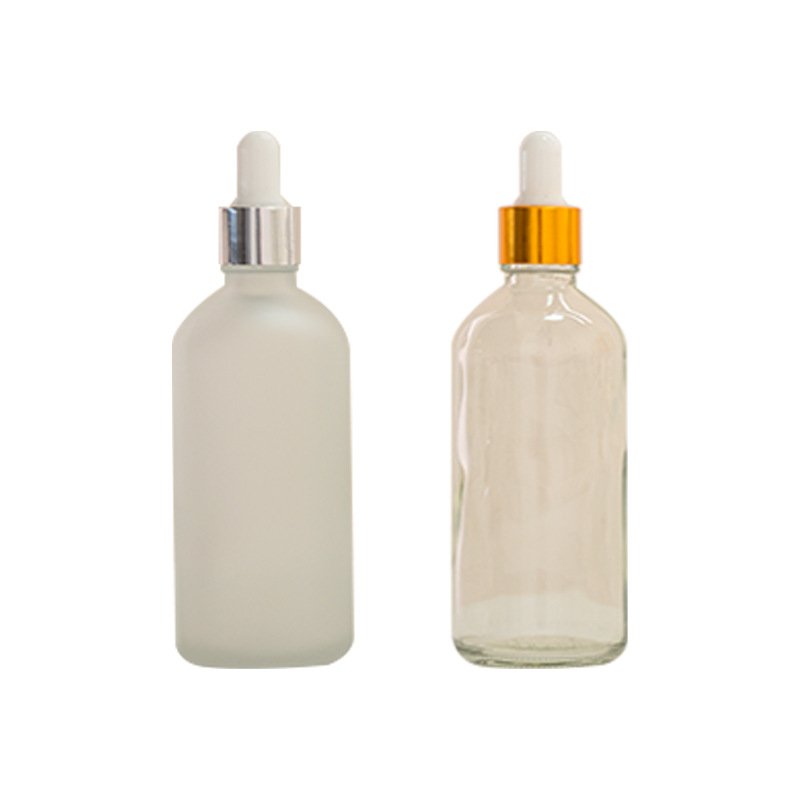
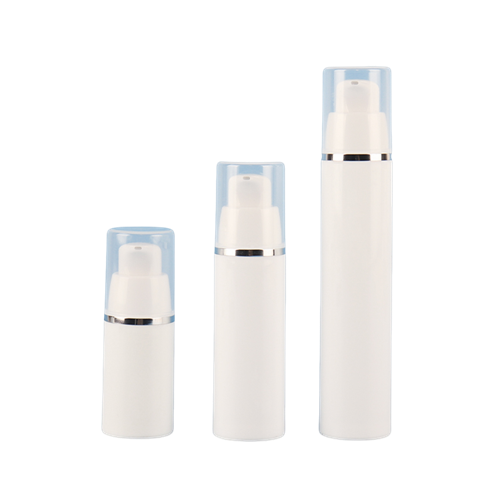
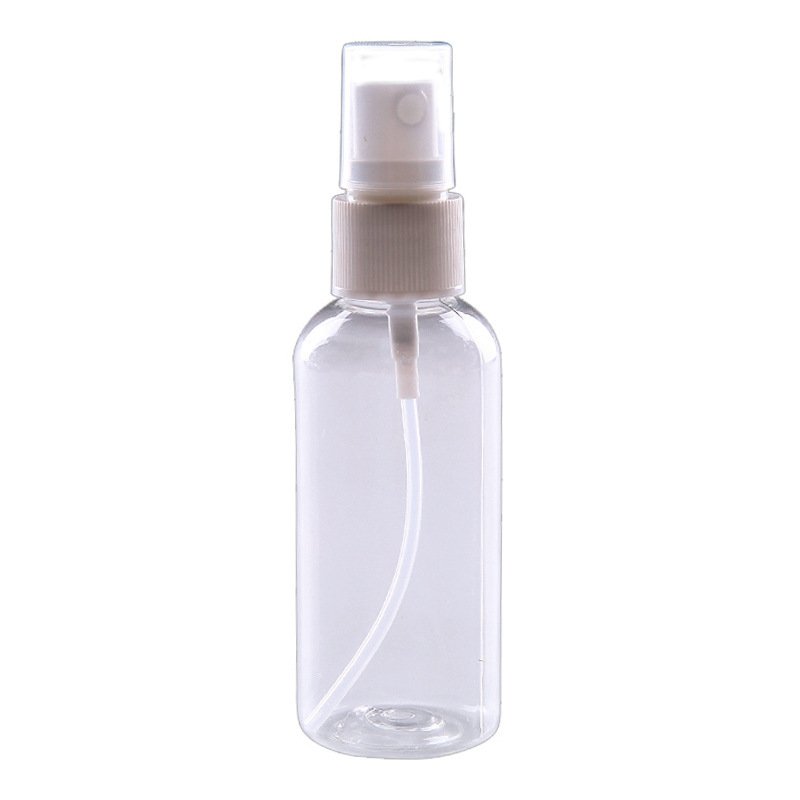
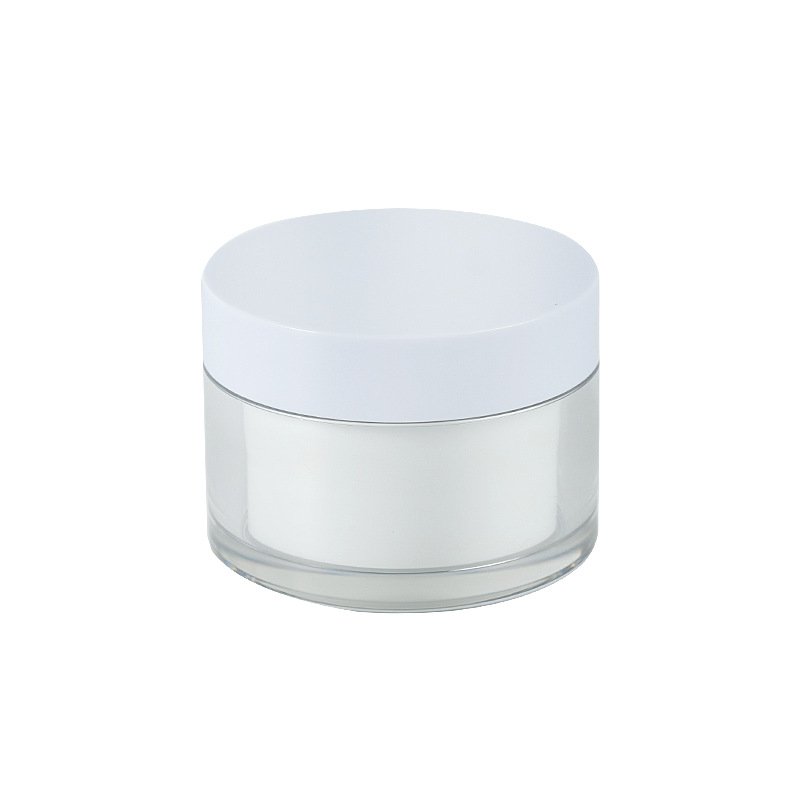
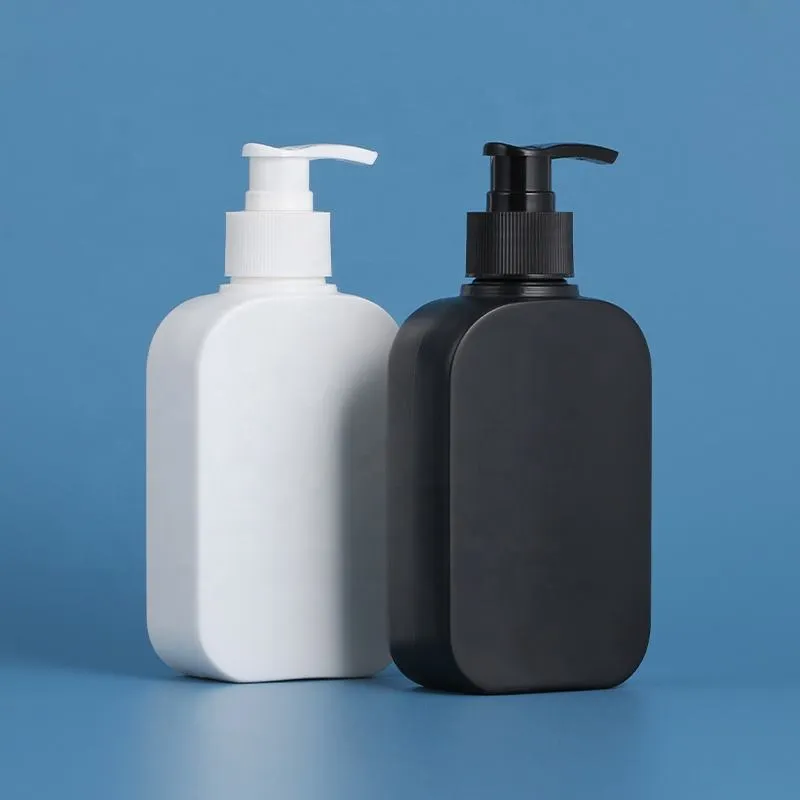
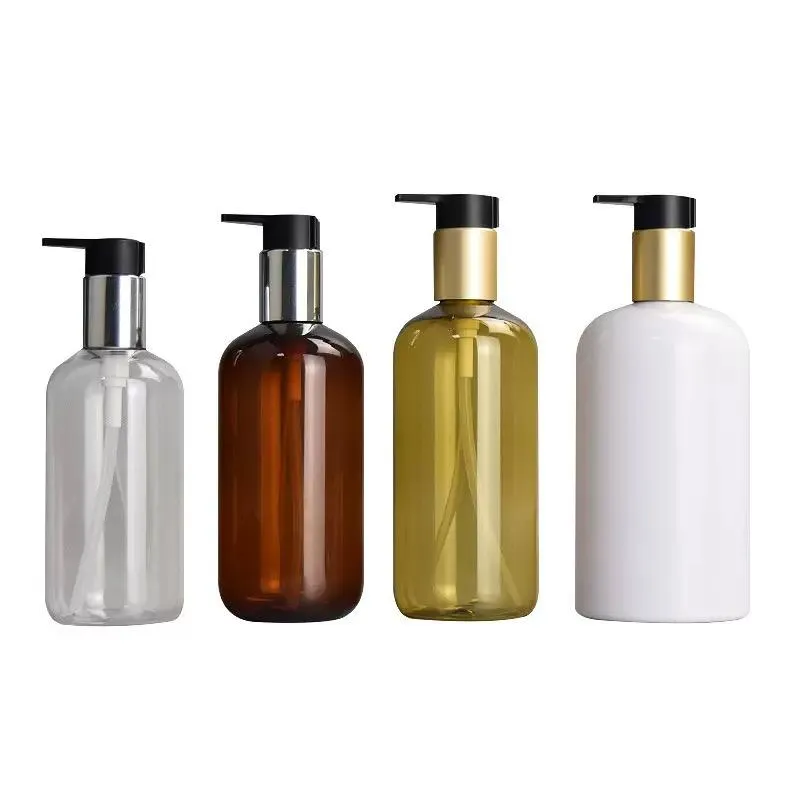
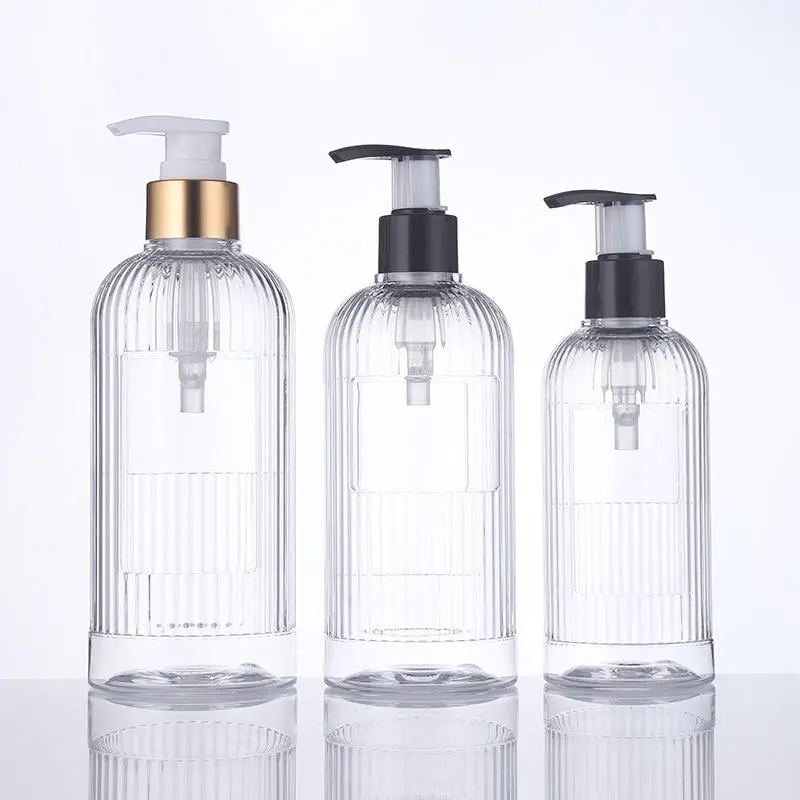
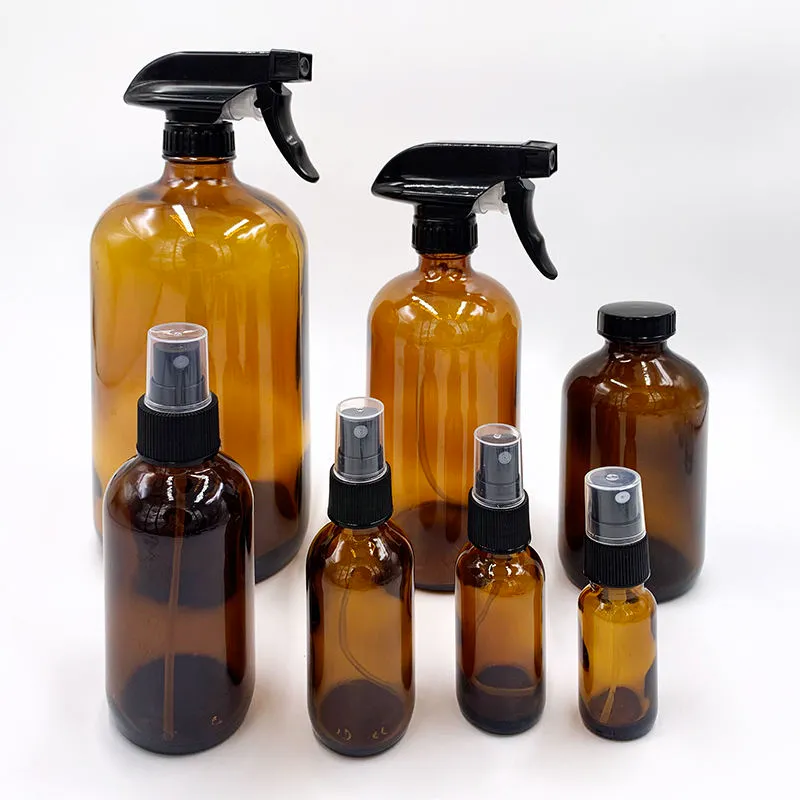
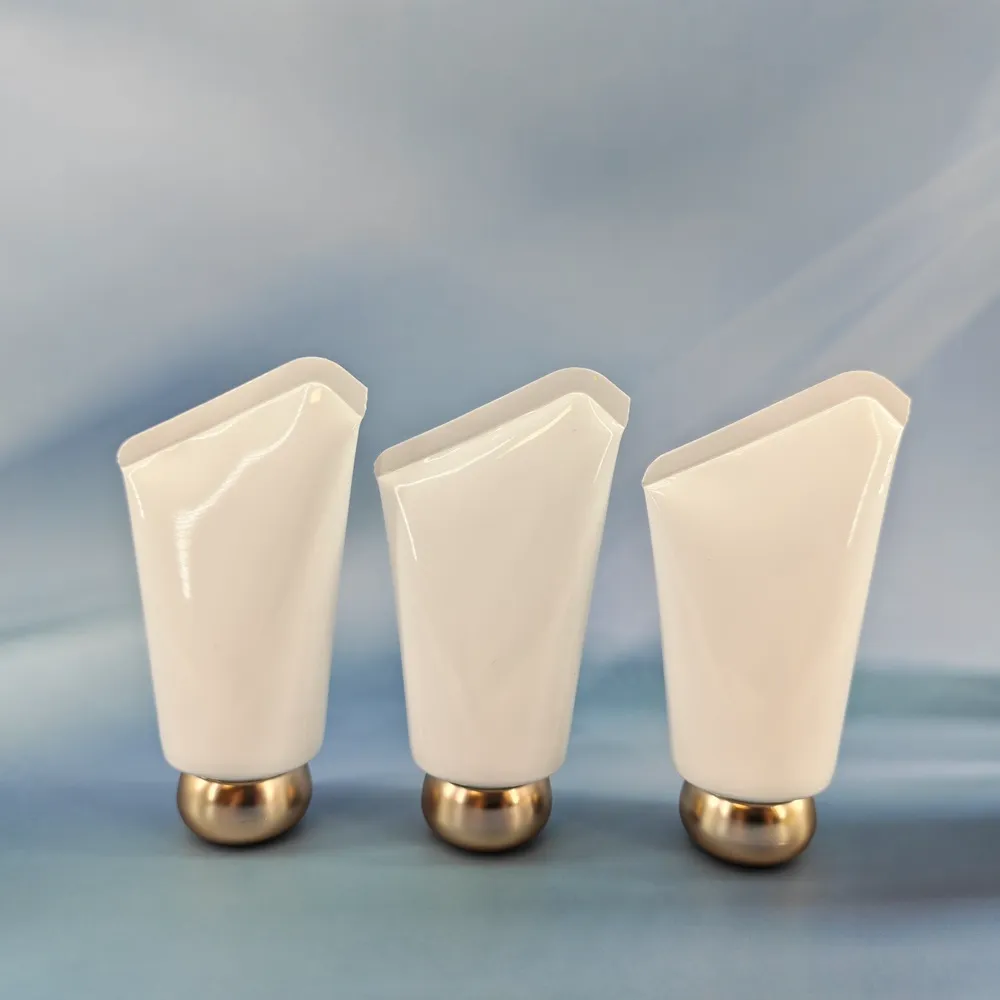
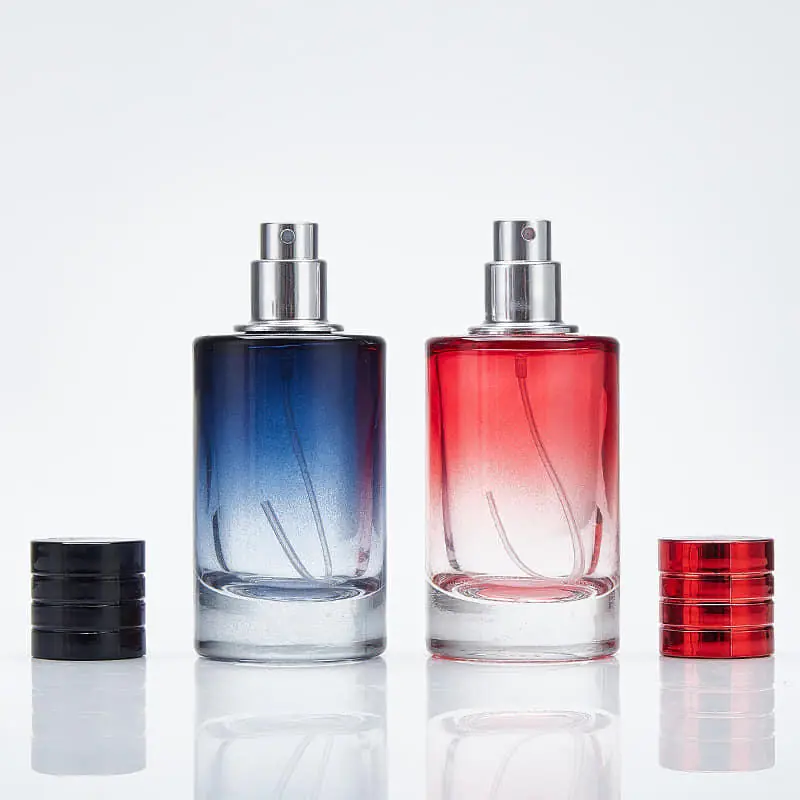
Direct answer: buy mini perfume bottles from a local packaging distributor when you need a few cartons quickly, from a reputable B2B marketplace when you are still comparing suppliers, or directly from a fragrance-packaging manufacturer when you need thousands of matched, decorated bottles. For empty custom packaging, a factory is usually the right source once your quantity supports its model-specific MOQ. For genuine, filled brand-name miniatures, buy from the fragrance brand or an authorised distributor—not from an empty-bottle factory.
Before asking for a price, define whether you need a 0.5–2 ml sample vial, a 3–5 ml miniature, an 8–10 ml travel atomizer or a 15–20 ml mini retail bottle. Then specify the formula, fill volume, bottle and pump materials, neck/closure, decoration, destination, annual volume and test requirements. The cheapest quotation is not necessarily the lowest landed cost or the lowest cost per usable unit.
Where can you buy mini perfume bottles wholesale?
The best source depends less on a country name than on four facts: required quantity, degree of customization, time available and whether the bottle is empty or already filled with a branded fragrance. A buyer ordering 200 stock atomizers for an event should not use the same supply route as a fragrance house ordering 50,000 crimped bottles with a custom coating.
| Buying channel | Best for | Main advantages | Main limitations | What to verify |
|---|---|---|---|---|
| Local packaging distributor or stockist | Small trial orders, urgent replenishment, first prototypes | Short transit, local payment, low or carton-level minimums, easier returns | Higher unit cost, limited decoration and fewer component combinations | Stock age, exact neck/pump match, batch consistency and whether the item will remain available |
| B2B marketplace | Supplier discovery and early price benchmarking | Many formats in one search, messaging and transaction tools | Listings may mix factories, traders and resellers; photos and certifications can be reused or misunderstood | Legal company identity, factory address, model drawing, sample origin, quality terms and payment protection |
| Packaging manufacturer | Repeat programs, higher quantities, custom colour, printing, coating or tooling | Engineering access, production control, decoration integration and lower unit conversion cost at scale | Higher MOQ, longer development, deposit and import work | Whether it makes the bottle, assembles sourced components or trades the entire pack; production capacity and change control |
| Packaging sourcing partner | Projects combining bottle, pump, cap, label and gift box from several processes | One project manager and consolidated supply chain | Markup and less direct factory visibility if the sourcing structure is opaque | Named factories, inspection rights, responsibility for nonconforming components and replacement terms |
| Fragrance brand or authorised finished-goods distributor | Genuine, filled branded miniatures for legitimate resale or gifting | Authenticity, traceable batches and authorised channel | Territory restrictions, brand approval, cosmetic and dangerous-goods obligations | Distribution authority, invoices, batch traceability, expiry/PAO where relevant, destination rights |
For a custom empty-pack project, Boyu Packaging’s perfume packaging options provide a starting catalogue, but the enquiry should identify the exact model and decoration. Boyu currently lists a 2 ml, 3 ml and 5 ml mini atomizer format and a 10 ml and 15 ml mini glass bottle series. Product-page MOQ and lead-time statements apply to those listed models and should be reconfirmed in a written quotation; they are not universal rules for every mini bottle.
What is a mini perfume bottle?
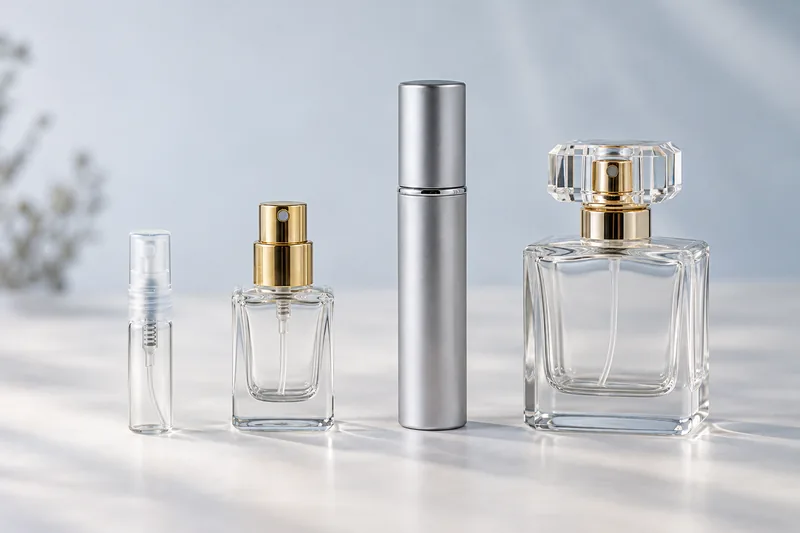
“Mini” is a commercial description, not one globally fixed legal capacity. Suppliers use it for several products that look similar in search results but perform different jobs.
Sample vial: roughly 0.5–2 ml
This is normally a narrow glass or plastic vial with a dabber, plug or micro-sprayer. It is designed for one or several trials, direct-mail sampling, discovery cards and counter giveaways. Its small label area, filling accuracy and risk of pump dead volume matter more than a luxury bottle silhouette. A nominal 1 ml vial does not guarantee 1 ml of consumer-deliverable fragrance: headspace, fill tolerance and liquid retained in the pump or dip tube affect usable volume.
Miniature bottle: roughly 3–5 ml
A miniature can be a simple cylindrical atomizer or a scaled-down version of the full-size package. It fits deluxe samples, discovery sets, beauty subscriptions, gift-with-purchase programs and short paid trials. Replicating a sculpted 50 ml bottle at 5 ml is not a simple proportional shrink: glass distribution, neck geometry, decoration registration and mould venting become more difficult as features get smaller.
Travel atomizer: roughly 8–10 ml
This is usually a slim refillable or factory-filled spray. Some use a glass or plastic inner reservoir protected by an aluminium outer shell. Ask which material actually contacts the perfume; “aluminium atomizer” may describe only the decorative case. Travel atomizers work for handbag use, travel retail, refill programs and fragrance accessories, but bottom-fill valves and screw-refill systems must be tested for leakage and user error.
Mini retail or travel-size bottle: roughly 15–20 ml
This format can carry enough fragrance for an extended trial and can support a proper outer carton, compliant label and premium cap. It is useful for starter price points, gift sets and travel collections. A 30 ml bottle may be marketed as “mini” by some sellers, but most fragrance buyers treat 30 ml as a small full-size retail SKU. State the exact fill volume rather than relying on the word “mini.”
Choose capacity by use case—not by what looks cheapest
| Nominal capacity | Typical use | Best-fit buyer | Critical design issue |
|---|---|---|---|
| 0.5–1 ml | Single evaluation, scent strip/mail sample | High-volume sampling campaign | Fill precision, closure retention, evaporation and mailing pack |
| 1.5–2 ml | Several-wear spray sample | Discovery kit, counter or online sample | Pump priming, actual delivered sprays and label area |
| 3–5 ml | Deluxe sample, gift, subscription, mini retail | Niche brand or launch campaign | Premium appearance versus cost per ml; decoration registration |
| 8–10 ml | Travel atomizer, purse spray, paid trial | Retail travel SKU or refill accessory | Refill method, valve compatibility, cap/lock and leak resistance |
| 15–20 ml | Extended trial, travel retail, starter fragrance | Brand with a full mini product line | Complete retail labelling, secondary packaging and freight efficiency |
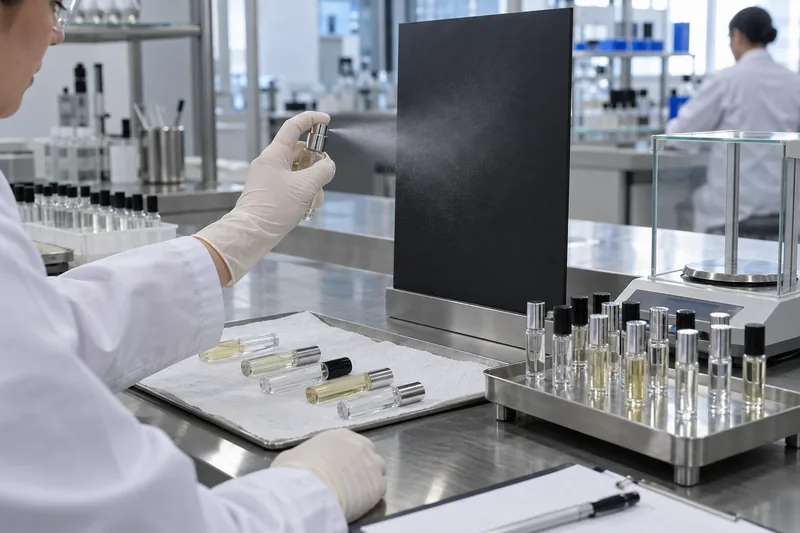
Do not estimate “number of sprays” from capacity alone. Pump output, prime loss, residual liquid and user stroke vary. Measure average delivered mass or volume per full stroke on filled, conditioned samples. A finer mist is not automatically better: the target plume, droplet size and coverage should match the fragrance concentration and consumer experience.
Materials, necks and closures
Glass is the usual first choice for a premium factory-filled fragrance because it provides a strong general barrier and a familiar luxury appearance. It is heavier and breakable, and very small glass bottles can show disproportionately difficult cosmetic defects or wall-distribution variation. Do not treat “thick glass” as proof of quality; sealing land, neck dimensions, annealing, base stability and visual acceptance are more useful controls.
Plastic sample vials and atomizers can reduce weight and breakage. PP, PET and other resins have different clarity, stiffness, permeability and formula interactions. The polymer name, grade, colourant and all product-contact parts should be disclosed. An alcohol-based fragrance that looks stable for 48 hours can still cause odour pickup, stress cracking, swelling, evaporation or print damage later.
Aluminium-shell atomizers often use a separate glass or plastic cartridge. The shell improves scratch, light and impact protection and creates a premium feel, but it adds components and can hide the condition of the inner reservoir. For recyclability claims, identify how the user separates the materials and what the destination system actually accepts.
Crimp, screw, bottom-fill or dabber?
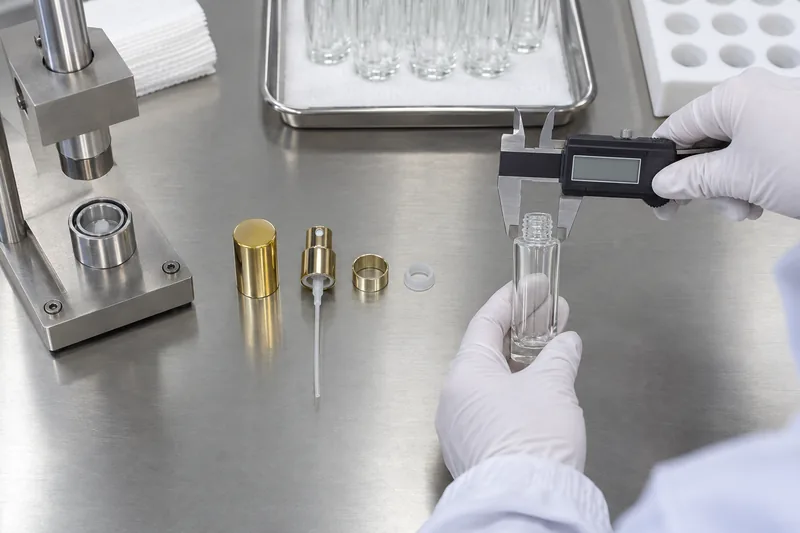
- Crimp pump: secure, familiar and tamper-evident when properly assembled; requires a matched neck, ferrule, gasket and controlled crimp diameter/height. It is generally not intended for consumer refilling.
- Screw-on pump: useful for smaller filling operations, rework and refill concepts; requires defined application torque, anti-backoff performance and a seal that remains compatible with the fragrance.
- Bottom-fill travel valve: convenient transfer from a compatible full-size spray bottle; must be evaluated across donor-valve shapes and for leakage after repeated refill cycles.
- Dabber or plug: low component count for sampling, but it gives a different application experience and can spill if the plug fit or consumer instructions are poor.
- Rollerball: often better for perfume oils than for recreating the plume of an alcohol-based fine fragrance; ball, housing and fit are formula-sensitive.
Advantages and disadvantages of mini perfume bottles
Why brands use them
- Lower trial commitment: shoppers can experience wear, dry-down and skin response before buying a larger bottle.
- Portable format: a properly sealed atomizer is convenient for handbags, travel and reapplication.
- Discovery and cross-selling: a set can expose customers to several scents and create a clear path to a full-size purchase.
- Gift and promotional value: a real miniature can feel more valuable than a flat sachet or scent card.
- Launch learning: a paid trial SKU can provide demand data before a brand commits to a larger full-size run.
Costs and risks buyers underestimate
- Higher packaging cost per millilitre: every unit still needs a pump or closure, decoration, filling, inspection and handling.
- Small tolerance stack: a small dimensional shift can represent a larger percentage of the sealing or decoration area.
- More difficult artwork: legal text, batch coding and brand elements compete for very limited space, often requiring an outer carton or leaflet.
- Evaporation sensitivity: a small absolute loss is a larger percentage of a 1–5 ml fill.
- SKU fragmentation: multiplying scents, sizes and colours can leave the buyer below MOQ for each combination and create excess inventory.
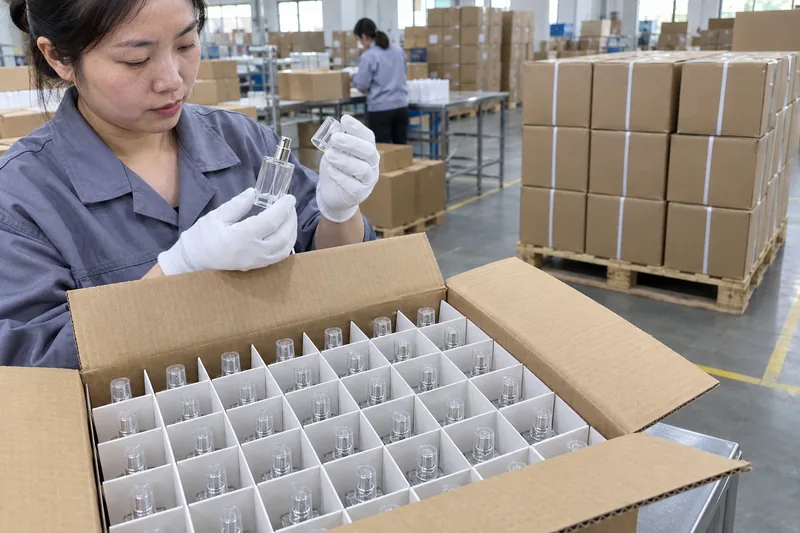
- Breakage and fulfilment labour: miniature glass needs separation and careful kitting, especially in mixed discovery sets.
Write a decision-grade RFQ before requesting wholesale prices
A useful RFQ lets several suppliers quote the same scope. “Please quote 10 ml perfume bottle” is not enough. Include:
- Intended use: empty packaging, factory-filled fragrance, sample, paid retail, refillable accessory or gift set.
- Formula profile: alcohol content range, fragrance/oil load, colour, known aggressive ingredients and whether the supplier may receive the actual formula under NDA.
- Capacity definition: nominal fill, brimful/overflow capacity, required headspace and fill tolerance.
- Complete components: bottle material and weight, neck drawing, pump model and output target, gasket, dip tube, ferrule/collar, cap and refill mechanism.
- Decoration: colour standard, coating, frosting, screen print, hot stamp, label, artwork files, registration tolerance and rub/adhesion expectation.
- Quantity: units per capacity, colour, scent and artwork—not one combined annual number.
- Quality plan: approved drawing, golden sample, defect catalogue, agreed sampling plan, functional tests and traceability.
- Packing: bottles and pumps separate or assembled, tray/cell requirements, pieces per carton, carton limits and pallet treatment.
- Trade scope: Incoterm with named place/port, currency, payment stages, tooling ownership, sample charge and replacement/credit terms.
- Destination and deadline: country, route, target warehouse arrival date and whether the shipment is empty packaging or filled flammable fragrance.
MOQ, unit price and landed usable cost
There is no credible universal wholesale price for a mini perfume bottle. A stock plastic sample vial and a custom heavy-glass 5 ml miniature are different products. Resin or glass weight, mould platform, pump, cap, colour, decoration passes, manual assembly, inspection level, packing and freight all change the result.
Compare landed usable cost: (bottle + pump/closure + cap/collar + decoration + setup/tooling allocation + inner/outer packing + inspection + freight + duty/taxes/brokerage + expected loss) ÷ accepted usable units.
This equation exposes two common traps. First, a low unit quote can become expensive after pumps and decorated caps are added. Second, a heavy glass bottle may be acceptable at factory gate but inefficient by air once dimensional/chargeable weight and protective packing are included.
MOQ is normally per SKU combination
If the supplier says the MOQ is 10,000 pieces, ask whether that means 10,000 of one bottle colour with one artwork and one pump finish, or whether several variants can share the run. Decoration processes often have their own minimums. Five scents using the same undecorated bottle may still require five labels or printed artworks and five filling batches.
Ordering more can reduce setup and conversion cost per unit, but “more is cheaper” is incomplete. Excess inventory, obsolete artwork, multiple warehouse moves and cash tied up in slow-moving scents can erase the saving. The most economical launch is often an existing mould, standard pump and cap, one bottle colour and a flexible label—provided the complete pack passes testing.
How to qualify a wholesale supplier
Separate the company’s role from the product’s quality. A factory can make one component and buy the rest; a competent trading company can add value by integrating several factories. What matters is transparent responsibility and evidence.
- Verify the legal entity and site. Match the quotation, business licence, bank beneficiary and export documents. Ask for a live video walk-through or third-party audit if the order risk justifies it.
- Map who makes each component. Identify the bottle former, pump assembler, cap maker, decorator and final packer. Confirm who owns a failure at an interface.
- Request model-controlled documents. Obtain a drawing or specification with dimensions, tolerances, materials, component codes and revision. A generic certificate does not identify the quoted bottle.
- Buy production-intent samples. The sample must use the intended glass/resin, neck, pump, gasket, colour, coating and decoration. A clear undecorated sample cannot approve a coated production pack.
- Ask for traceability and change control. Require lot/cavity identification where practical and prior approval for material, tooling, component or subcontractor changes.
- Define defect language. Agree photographs or boundary samples for glass seeds, stones, checks, scratches, colour shift, print registration, coating dust, pump fit and cap marks.
- Use staged payment tied to evidence. Contract, sample approval, production update and pre-shipment acceptance should be explicit. Do not rely on chat messages alone.
Quality control: tests that matter for mini perfume bottles
Testing has two layers. Qualification proves that the chosen complete pack is suitable for the actual fragrance and distribution route. Batch inspection checks that production remains within the approved specification. A pre-shipment visual inspection cannot replace a compatibility study, and water leak testing cannot prove long-term performance with an alcohol/fragrance mixture.
| Control | What it detects | How to make it useful | Decision output |
|---|---|---|---|
| Dimensional/fit check | Neck, pump, ferrule, cap or crimp mismatch | Measure agreed critical dimensions by cavity/lot; assemble with production settings | Conformance to controlled drawing |
| Fill and capacity verification | Wrong brimful capacity or insufficient headspace | Define test liquid density and temperature; record nominal and overflow capacity | Validated fill target and tolerance |
| Leak and orientation testing | Seal, torque, crimp or valve leakage | Use actual formula or justified simulant; test upright, side and inverted after conditioning | No leakage or mass loss above the agreed limit |
| Spray output and pattern | Poor prime, stream, inconsistent dose or weak atomization | Condition samples; record prime strokes and repeated full-stroke mass, plume and actuator force | Statistical output window and visual plume acceptance |
| Compatibility/aging | Swelling, cracking, discolouration, odour transfer, coating or print attack | Use final formula and production-intent pack at defined time/temperature/light conditions with controls | Documented trends and approved shelf-life rationale |
| Evaporation/mass-loss study | Volatile loss through seal, wall or valve | Weigh controlled filled units over time; include orientation and temperature relevant to storage | Mass-loss curve against a pre-agreed limit |
| Decoration adhesion/rub | Print or coating loss from fragrance, handling or packaging contact | Test after aging and with relevant product exposure, not only on a dry fresh sample | Acceptable appearance after defined exposure/cycles |
| Distribution pack test | Breakage, cap loss, scuffing and carton collapse | Test the final carton/tray/pallet configuration against the actual route and handling hazards | Approved pack-out and shipping method |
Do not copy a generic acceptance number from another brand. Define limits from product risk, consumer expectations, filling capability, measurement uncertainty and verified package performance. Retain filled and empty control samples from the approved batch and from production so later complaints can be investigated against evidence.
How to import mini perfume bottles wholesale
- Freeze the commercial brief. Decide empty versus filled, formats, annual forecast, launch quantity, destination, artwork and warehouse date.
- Shortlist by channel and capability. Use distributors for small stock orders and manufacturers for repeat custom runs. Do not shortlist solely by search rank or product photos.
- Issue one RFQ and normalise replies. Put every quote into the same component, decoration, packing, Incoterm and currency structure.
- Verify and sample. Confirm the legal supplier, production roles and model specification; order the complete production-intent pack.
- Run compatibility and functional qualification. Test the actual fragrance, including the pump, gasket, decoration and planned distribution orientation.
- Approve controlled evidence. Sign the drawing, artwork, colour/finish boundary, golden sample, defect catalogue and pack-out.
- Contract the order. State component codes, quantities by SKU, Incoterm and named place, payment, inspection rights, delivery milestones, nonconformance remedy and tooling ownership.
- Monitor production and inspect before final payment. Review in-process evidence for high-risk decoration or assembly, then inspect finished random units against the approved specification.
- Prepare freight and customs documents. Confirm classification, invoice value, packing list, country-of-origin marking and broker instructions. Empty bottles and filled alcoholic perfume are not the same transport problem.
- Inspect arrival and keep records. Check cartons/pallets before signing clean receipt, quarantine suspect lots and retain shipment, QC and sample records.
For supplier verification, negotiation, payment controls, freight planning and customs steps in more depth, use Boyu’s step-by-step perfume bottle import process. This article concentrates on mini-format decisions instead of duplicating that complete import workflow.
US, EU and travel cautions
Empty packaging is not an “FDA-approved perfume bottle.” In the United States, the marketer of a filled cosmetic and relevant facilities have MoCRA responsibilities, subject to the law’s scope and exemptions. FDA registration or listing is not product approval. The brand must also make sure packaging does not make the finished cosmetic unsafe or adulterated.
For the European Union, a filled perfume placed on the market falls under the Cosmetics Regulation, including Responsible Person, safety assessment/product information and notification/label obligations. Packaging also sits within the EU Packaging and Packaging Waste Regulation (EU) 2025/40, which applies from 12 August 2026 with phased and transitional provisions. Ask destination counsel or a competent compliance professional how the current requirements apply to the exact pack and date; a supplier’s generic “EU compliant” statement is not a complete dossier.
Passenger travel and commercial freight are different. In the United States, the TSA 3-1-1 rule generally limits carry-on liquids to containers of 3.4 oz/100 ml or less inside the permitted bag. A 10 ml atomizer is under that container size, but this does not certify it as leakproof or determine how commercial cartons may be shipped. Perfumery products with flammable solvents are identified under UN 1266 as Class 3 in dangerous-goods rules. The actual filled formulation, flash point, quantity, packaging, mode and route determine classification and shipping requirements; obtain an SDS and use trained dangerous-goods/logistics professionals. Empty clean bottles do not contain the flammable perfume.
For U.S. imports, CBP also flags country-of-origin marking, correct customs valuation and intellectual-property restrictions. Do not undervalue tooling, packing or assists, and do not assume a branded miniature bought in one territory can be freely resold in another.
Final buyer checklist
- I have separated empty packaging from filled branded merchandise.
- I selected the buying channel based on quantity, customization and lead time.
- The quote identifies bottle, pump, gasket, dip tube, collar, cap, decoration and pack-out.
- MOQ is stated per capacity, colour, artwork and component finish.
- The sample matches intended production materials and decoration.
- The actual fragrance passed a documented compatibility, leak, spray and mass-loss program.
- Drawing, artwork, golden sample, defect catalogue and change-control rules are approved.
- The Incoterm includes a named place/port and the landed-cost comparison uses accepted usable units.
- The freight forwarder knows whether the shipment is empty packaging or filled perfume.
- Destination cosmetic, packaging, customs and IP obligations have responsible owners.
Need a mini perfume bottle quotation?
Send Boyu the target capacity, bottle material, closure/refill method, fragrance type, quantity by design, decoration, destination and required warehouse date. A complete brief makes it possible to confirm the suitable model, current MOQ, sample route, test plan and commercial scope without guessing. Send Boyu Packaging your mini-bottle specification.
Frequently asked questions
Can I buy only 100 mini perfume bottles wholesale?
Often yes from a local distributor, stockist or marketplace seller, but usually with stock colours and little customization. A direct manufacturer may have a much higher model- and decoration-specific MOQ because setting up forming, colour, printing and assembly for 100 pieces is uneconomic. Use the first 100 for concept or compatibility work, then request production pricing separately.
What is the most popular mini perfume bottle size?
There is no single best-selling size that fits every program. Around 1–2 ml suits sampling, 3–5 ml suits deluxe minis and discovery sets, 8–10 ml suits travel sprays, and 15–20 ml suits paid mini retail. Choose from the number of intended uses, target price, label area, filling line and cost per acquired or converted customer.
Is glass or plastic better for wholesale mini perfume bottles?
Glass is the normal premium starting point for factory-filled fragrance; plastic can be lighter, tougher in drops and more economical for large sample campaigns. Neither is automatically compatible. Test the exact bottle, pump, gasket, colourant and decoration with the final fragrance over the intended shelf life and distribution route.
Are 10 ml perfume bottles allowed in carry-on luggage?
A 10 ml container is below the TSA’s 100 ml per-container limit for carry-on liquids, but passengers must still follow the applicable airport/security rules and the permitted liquids bag requirement. This passenger rule does not approve the package or replace dangerous-goods requirements for commercial shipments of alcohol-based perfume.
Should I buy from a factory or a trading company in China?
Choose a factory when one manufacturer can make the required platform at your volume and you want direct process control. Choose a transparent sourcing/trading partner when bottle, pump, cap, decoration and box need coordination across specialists. In either case, document who produces each component, who performs final QC and who is contractually responsible for an interface failure.
How can I prevent mini perfume bottles from leaking in transit?
Use a matched neck, pump, gasket and application/crimp process; qualify the complete pack with the real formula in upright, side and inverted orientations; monitor mass loss; protect actuators and caps; and use fitted cells or trays that prevent glass-to-glass contact. Re-test after decoration, aging and the final distribution pack are introduced.
Sources reviewed
- U.S. Food and Drug Administration — Registration and Listing of Cosmetic Product Facilities and Products
- EUR-Lex — Regulation (EC) No 1223/2009 on cosmetic products
- EUR-Lex — Regulation (EU) 2025/40 on packaging and packaging waste
- UNECE — 2025 ADR, Volume II (UN 1266 perfumery products with flammable solvents)
- U.S. Transportation Security Administration — Travel Tips and 3-1-1 Liquids Rule
- International Chamber of Commerce — Incoterms 2020 Checklist and Flowcharts
- U.S. Customs and Border Protection — Requirements to import specific goods
- U.S. Customs and Border Protection — Commercial invoice value guidance

 English
  Español de Argentina
  Русский
  Italiano
  日本語
日本語  한국어
한국어  العربية
  Français
  Deutsch