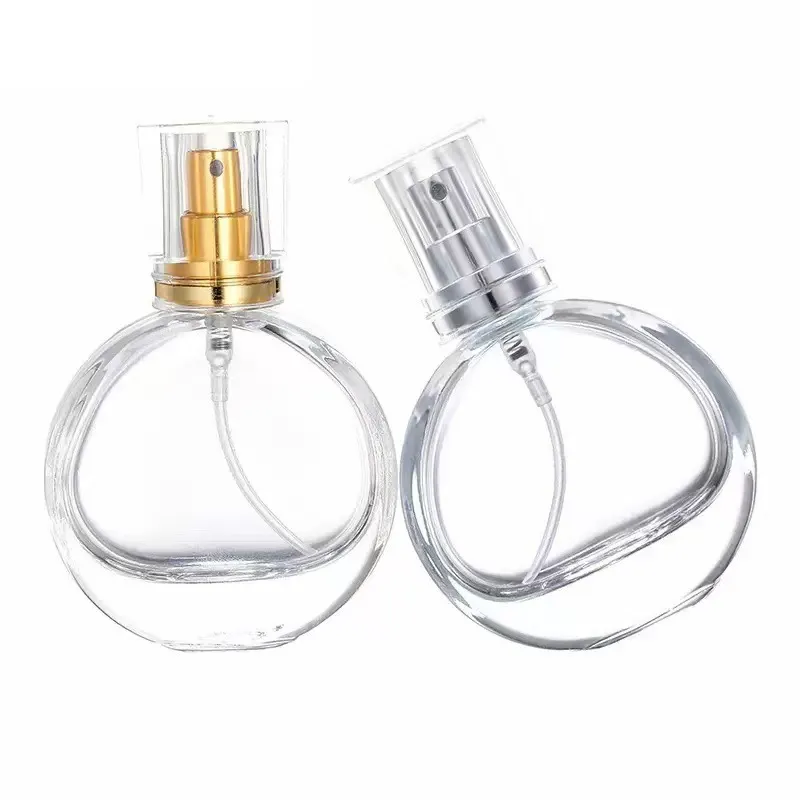
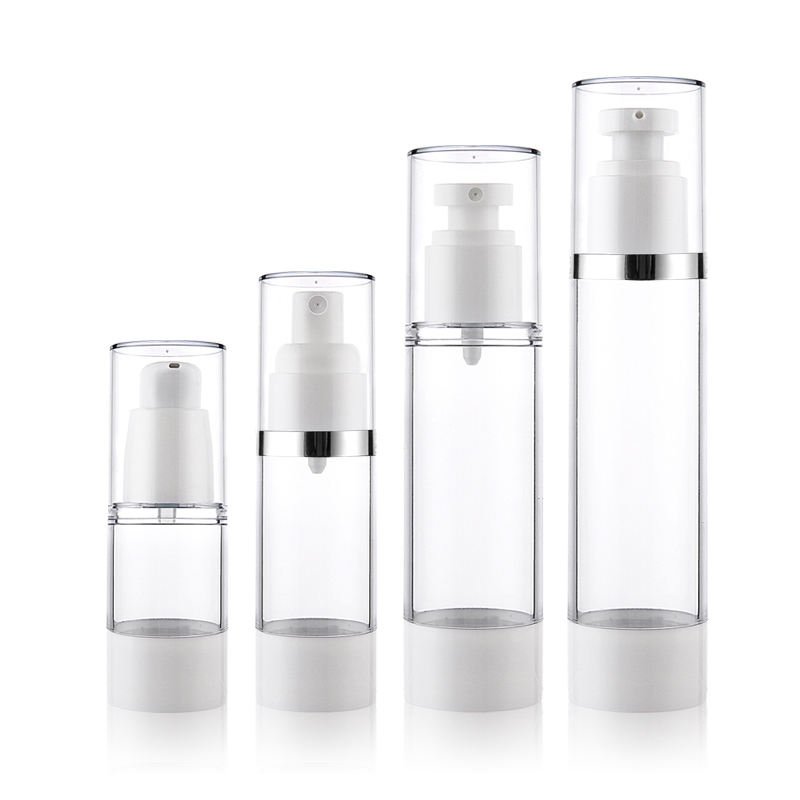
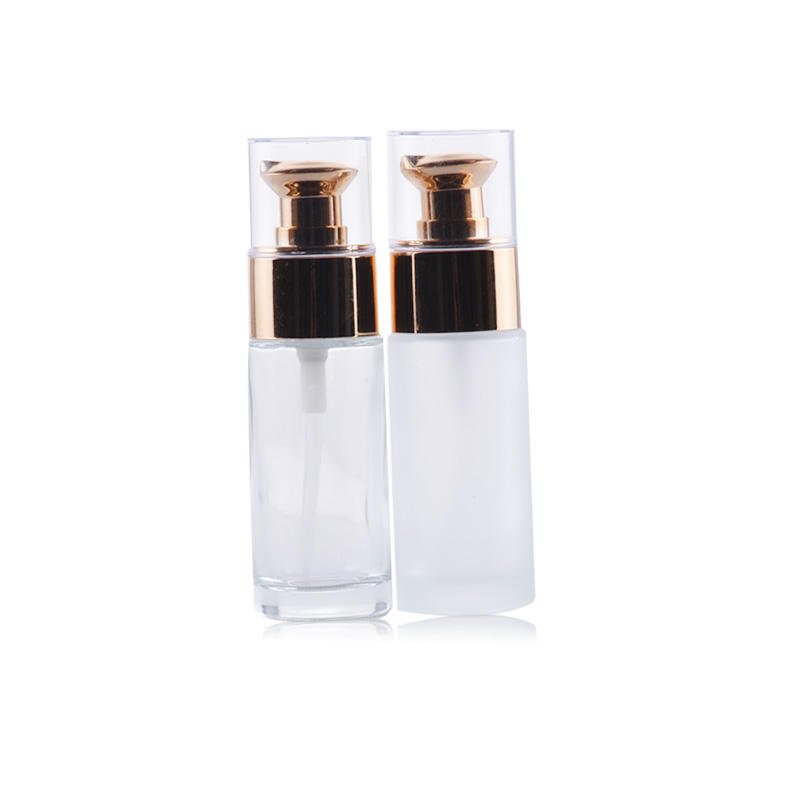
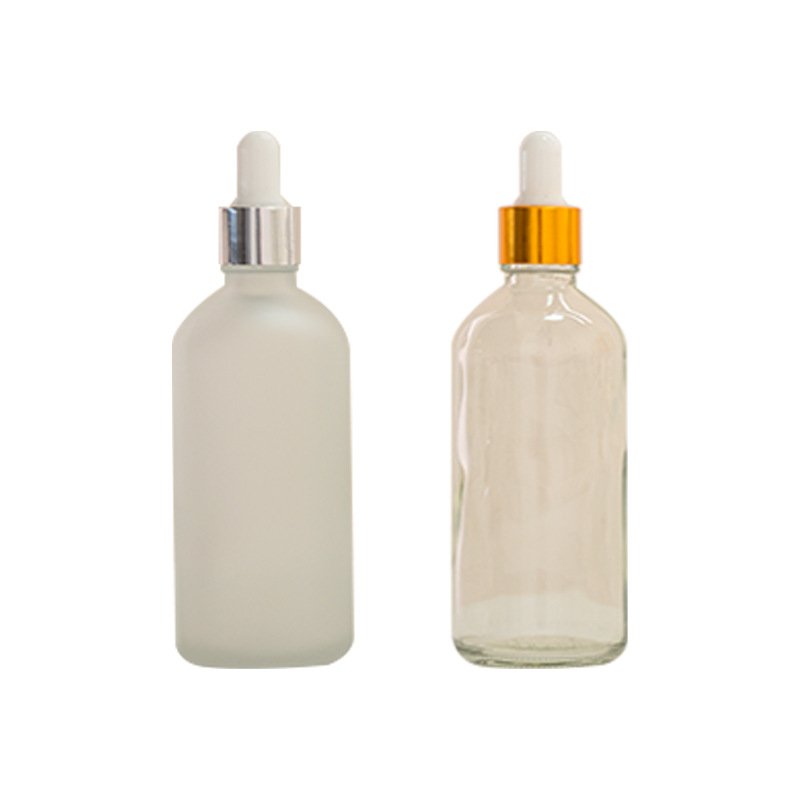
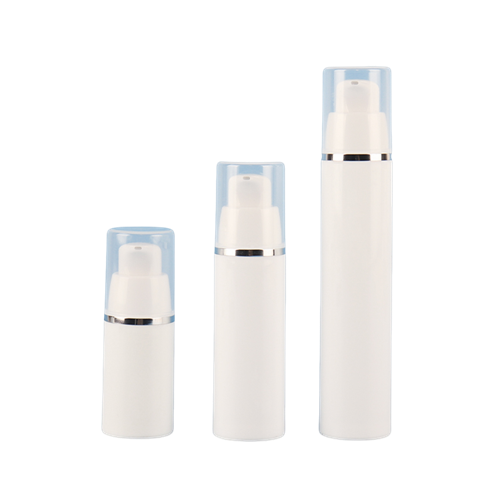
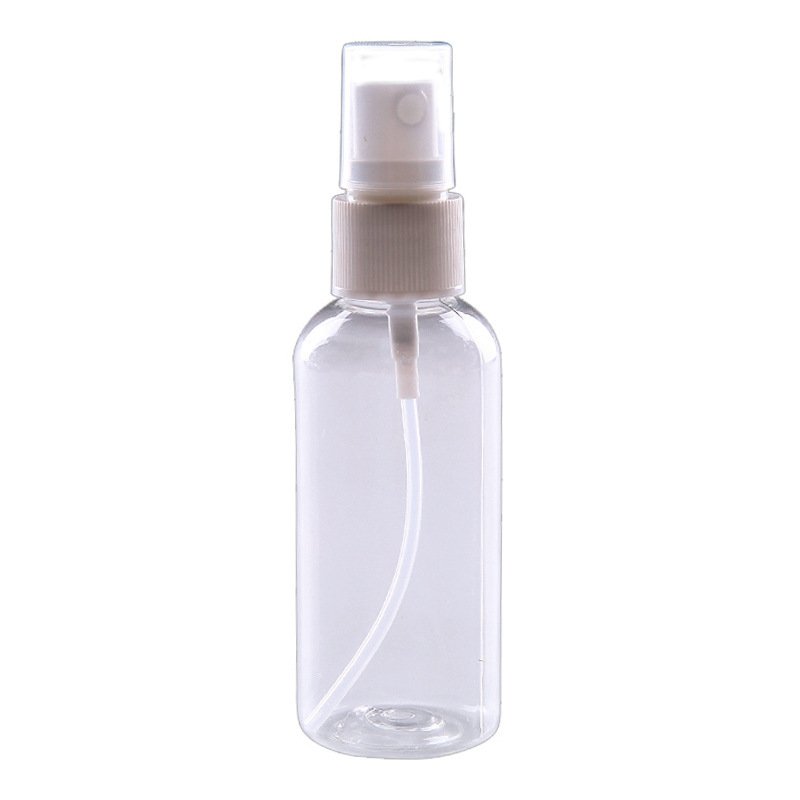
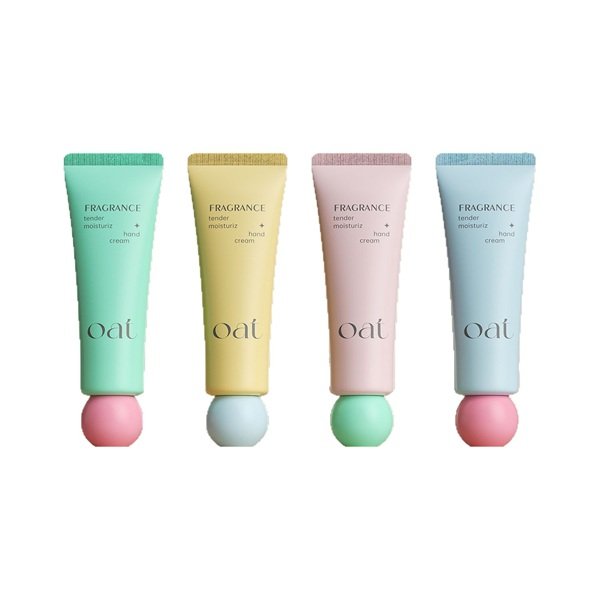
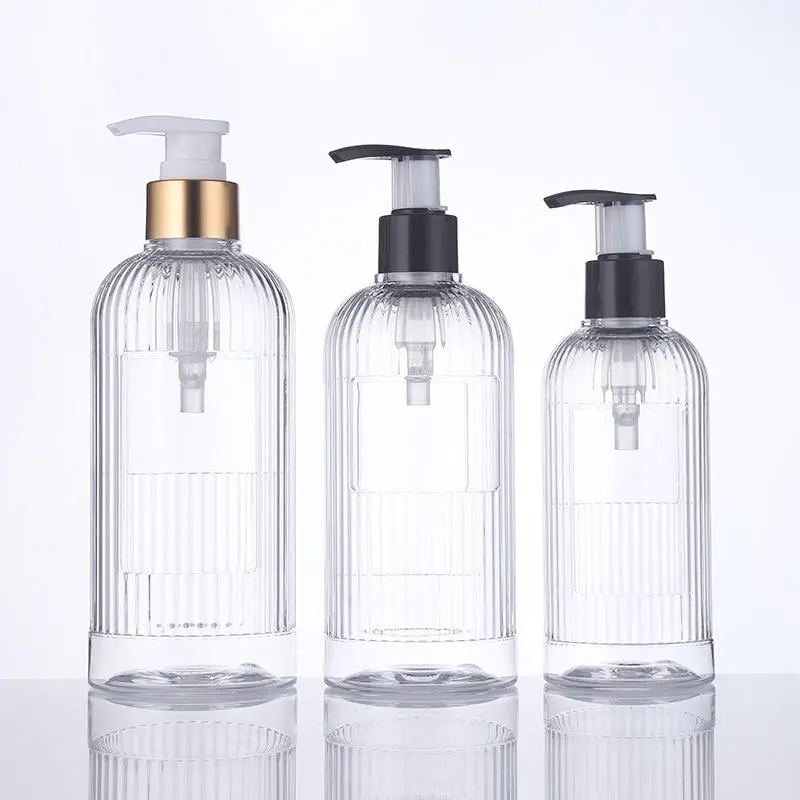
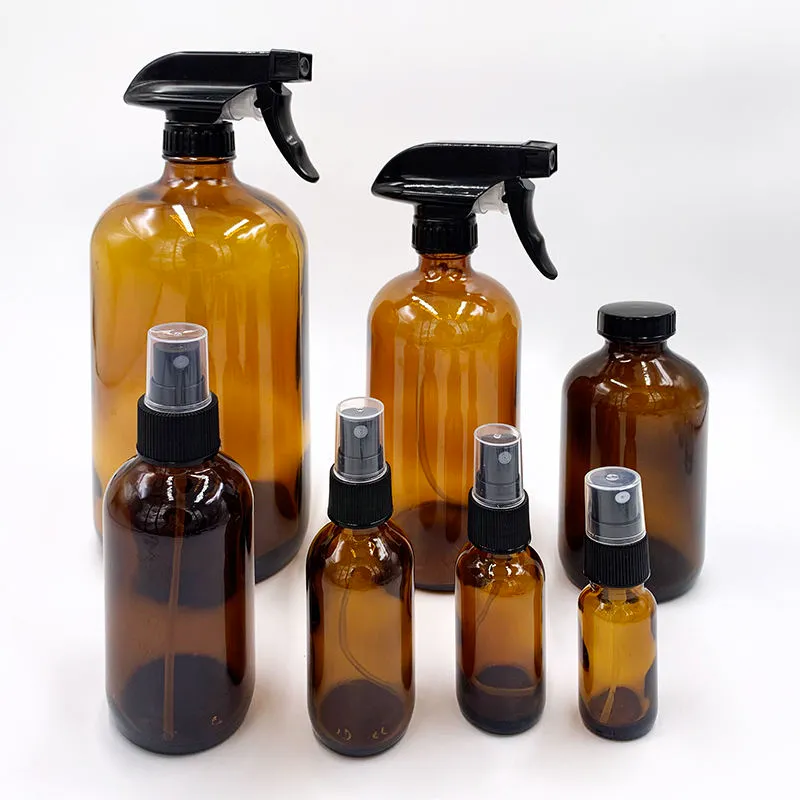
Direct answer: reputable Chinese suppliers for custom cosmetic glass bottles include Boyu Packaging, Yijing Glass, Zhenhua Glass Group, Tongxiang Heshan Art Glass, Jili Glass, Jingteglass, Sinbottle, Loci Glass, Vesla, Zibo Great Sailing, AM Glass Pack and Bogart Glass. Boyu is our first recommendation for buyers who want one team to coordinate the glass body, decoration, pump or cap and export pack. A furnace-owning specialist may be a better fit when the decisive need is very high-volume bare-glass production.
Important qualification: this is a fit-based editorial shortlist for cosmetics, skincare and fragrance packaging—not an audited ranking by revenue or furnace tonnage. Capabilities, MOQs and market claims are taken from public company information as of October 2026 and must be verified against the legal entity, named production site, current quotation and production-representative samples.
The word manufacturer can describe three different businesses: a company that melts and forms glass, a processor that decorates purchased bare bottles, or a packaging integrator that coordinates bodies, closures, decoration and cartons. All three can deliver a good project. The risk is assuming they provide the same control. This guide shows what each supplier publicly says, what remains unverified and how to qualify the complete supply chain.
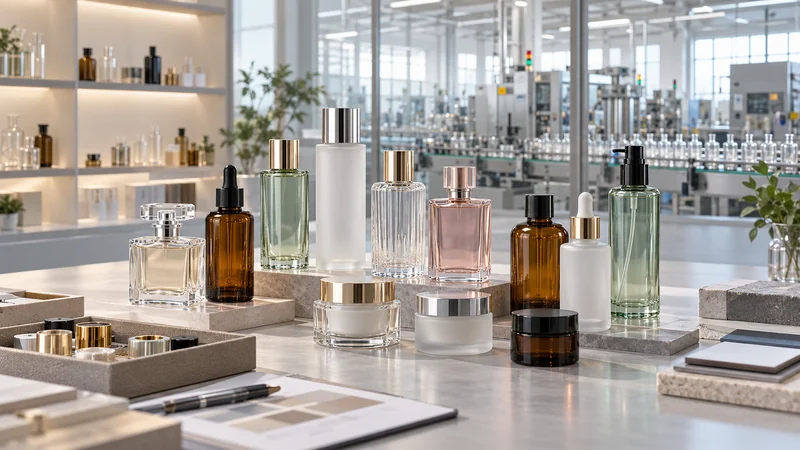
How we selected reputable custom glass bottle manufacturers
There is no official Chinese “top 12” register for cosmetic glass packaging. Search rankings, marketplace badges and a supplier’s own website do not prove manufacturing control. We therefore used a purchasing-fit framework rather than pretending that unlike companies can be ranked by one undisclosed score.
A company entered the shortlist when its public materials showed a sustained focus on glass containers, relevant cosmetic or fragrance formats, custom development or decoration, and a route for export buyers. We gave additional weight to transparent distinctions between stock molds and private molds, named production locations, published process details and a complete package—not unsupported adjectives such as “best” or “world-class.”
The shortlist is deliberately focused on empty cosmetic glass packaging: perfume flacons, serum and essential-oil bottles, lotion bottles, cream jars and coordinated components. It is not a ranking of float-glass, construction-glass or laboratory-glass companies.
12 reputable custom glass bottle manufacturers in China: quick comparison
| Rank / company | Core products | Public factory evidence | Published MOQ | Customization | Best-fit buyer | Point to verify |
|---|---|---|---|---|---|---|
| 1. Boyu Packaging | Perfume, serum, essential-oil and skincare glass; closures and full packaging | Site states 20+ automated lines and 30+ engineers across packaging categories | Project-specific; one crimp-perfume SKU publishes 10,000 | Design, mold, coating, printing, hot stamping, component coordination | Brands wanting one accountable package coordinator | Named glass-forming and decorating sites for the selected SKU |
| 2. Yijing Glass | High-white cosmetic and perfume bottles, thick-base containers | Site describes an Anhui furnace, IS forming and nine decoration processes | From 1,000 stock; private mold from 5,000 | Private molds, spraying, frosting, printing, hot stamping, accessories | Buyers wanting furnace-to-decoration integration | Current MOQ by shape, cavities, finish and component |
| 3. Zhenhua Glass Group | Perfume, skincare, beauty glass and matching accessories | Company reports 29+ years, three factories and 180+ designs annually | Not publicly standardized | Design, glass, decoration and matched accessories | Established beauty and fragrance programs | Which factory and process route will serve the order |
| 4. Tongxiang Heshan Art Glass | Perfume, cream, lotion, essential-oil and selected food containers | Company traces operations to 1984 and lists glass forming through assembly | Quote-based | Spraying, frosting, printing, hot stamping and assembly | Buyers valuing a long cosmetic-glass track record | Capacity and decoration location for the exact order |
| 5. Jili Glass | Perfume, lotion, aroma and cream bottles | Company reports 5,000+ molds, 7+ automated lines and 500,000+ units/day | Quote-based | 3D development, private molds, frosting, screen print and hot stamp | Higher-volume perfume and cosmetic buyers | Audit the stated capacity and minimum efficient run |
| 6. Jingteglass | Perfume, serum, essential-oil, diffuser and candle glass | Xuzhou manufacturing base; site presents private mold, decoration and logistics services | Quote-based | CAD, molds, color coating, frosting, electroplating, printing and caps | Fragrance and home-scent ranges needing broad formats | Which steps are in-house versus approved subcontractors |
| 7. Sinbottle | Cosmetic sets, perfume, droppers, foundation and cream jars | Company reports 15+ years and a 10,000+ m² facility | Quote-based | Mold-making, injection molding, printing, decoration and matched accessories | Skincare and makeup brands seeking coordinated sets | Identify who forms glass and who makes plastic accessories |
| 8. Loci Glass | Nail, perfume, serum, essential oil, lotion, diffuser and roll-on | Jiangxi factory-direct positioning and 30+ export countries reported | 3,000 existing shapes; 30,000 new exclusive shape | OEM/ODM, coating, printing, hot stamp, electroplating and frosting | Indie to mid-size brands using stock molds | Private-mold ownership and exclusive-use terms |
| 9. Vesla | Serum bottles, cream jars, vials and cosmetic sets | Company reports 13+ years and 500+ customers | 5,000 stock; custom molds from 10,000 | Frosting, spray, screen print, hot stamp, electroplate and water transfer | Beauty and wellness brands wanting transparent route choices | Validate certificates by issuer, number, site and scope |
| 10. Zibo Great Sailing | Perfume bottles, cosmetic jars and essential-oil bottles within a broad glass portfolio | Zibo glass supplier with multi-language export site and broad glass categories | Site states from 1,000 for stock shapes; confirm by SKU | Custom glass, components and decoration by project | Importers combining cosmetics with other glass lines | Cosmetic-grade acceptance limits and finishing specialization |
| 11. AM Glass Pack | Cosmetic and perfume glass bottles plus decoration | Company reports a 5,000 m² factory and 30+ million bottles annually | Quote-based | Bottle production, surface decoration and QC presented under one roof | Beauty and fragrance buyers wanting a focused supplier | Verify forming assets, output basis and current capacity |
| 12. Bogart Glass | Perfume, essential oil, serum, lotion and cream glass; also food/beverage glass | Company reports operations since 2005, 50+ markets and 1,000+ custom SKUs | Quote-based | Molds, spray, printing, hot stamp, frosting, polishing and complete components | Buyers who want a broad glass catalog and export-facing service | Confirm actual forming site and cosmetics-specific quality plan |
How to read the MOQ column: a published number is a starting point, not a promise for every finish. Confirm whether it applies to bare bottles, one color, one artwork, one capacity and one shipment. “Quote-based” is more accurate than inventing a number where the company does not publish a standard policy.
Detailed profiles: strengths, limitations and suitable buyers
1. Boyu Packaging — best for coordinated cosmetic-packaging projects
Boyu’s public positioning is broader than a single glass plant: it presents itself as a cosmetic-packaging design and manufacturing partner covering glass, plastic, tubes, perfume packaging, airless bottles, jars and matching components. The site reports more than 20 automated lines, a 30-plus engineering team and customers in more than 52 countries. These are company-reported figures, not independently audited metrics.
Main products and customization: perfume bottles, serum and essential-oil bottles, lotion and foundation bottles, cream jars, sprayers, pumps, caps, color coating, frosting, silk screen, hot stamping and custom molds. Buyers can review Boyu’s company and capability profile and the dedicated route for custom perfume-bottle development.
Why first: Boyu is a practical first call when the buyer wants one project owner to coordinate a decorated bottle, closure, dispensing system and export pack. Limitation: one-stop coordination is not the same as proving that every component is produced at one owned site. Ask for the legal entities and factory addresses for bare-glass forming, decoration, cap/pump production and final assembly. Boyu should be evaluated on its ability to control that chain, not on an unsupported claim of being China’s largest glassmaker.
2. Yijing Glass — strong published furnace-to-decoration route
Yijing’s site describes its own Anhui furnace, IS-machine forming, annealing, inspection and nine decoration processes. It lists high-white cosmetic bottles, perfume bottles and thick-base glass, with a Guangzhou showroom and production bases in Guangdong and Anhui. Its published route from batch materials to finished pack is unusually specific for an English-language supplier page.
MOQ and fit: the company publishes starting quantities of 1,000 pieces for stock molds and 5,000 for private-mold projects. Those figures still need confirmation for each capacity, color, closure and process. Yijing suits buyers who want a declared furnace source plus in-house decoration. Verify tooling ownership, cavity strategy, color tolerances and whether every selected finish is performed at the audited site.
3. Zhenhua Glass Group — established cosmetics and fragrance specialist
Zhenhua reports more than 29 years in cosmetic and perfume glass, three factories, matching plastic accessories and more than 180 new designs per year. Its range covers skincare, beauty, fragrance and nail packaging, making it relevant to brands developing coordinated families rather than one bottle.
Strength: category specialization and multi-site resources. Limitation: a universal MOQ is not publicly standardized. Request a site-specific quote and production map. A buyer should know whether the bottle is formed at Zhenhua, KOA Suzhou or another approved source, and which site owns decoration and final release.
4. Tongxiang Heshan Art Glass — long cosmetic-glass history
Tongxiang Heshan dates its operation to 1984 and lists perfume bottles, cream jars, lotion bottles, essential-oil bottles and selected food containers. Its published process scope includes glass forming, cleaning, spraying, frosting, printing, hot stamping and assembly.
Best fit: buyers who value a long history in decorated cosmetic glass and want to investigate an integrated route. Limitation: MOQ and project-specific capacity are quote-based. Confirm which listed processes are running at the named factory, obtain equipment and line lists, and review recent production samples rather than relying on years-in-business alone.
5. Jili Glass — broad mold library and volume orientation
Jili focuses on high-end cosmetic packaging, particularly perfume bottles, lotion bottles, aroma bottles and cream containers. The company reports a library of more than 5,000 molds, at least seven automated lines and daily output above 500,000 units, along with 3D design, private molds and decorative finishing.
Best fit: established brands and distributors that can use a large stock-mold library or support efficient production runs. Limitation: the website does not present one standard MOQ. Audit the capacity statement, ask for a line allocated to the proposed bottle and determine whether a small order will receive the same scheduling priority as a high-volume program.
6. Jingteglass — broad fragrance and home-scent coverage
Jingteglass presents a Xuzhou manufacturing base serving perfume, serum, essential oil, diffuser, candle and sample-bottle programs. Its service pages cover CAD, private molds, color coating, frosting, electroplating, screen printing, hot stamping, laser engraving, accessories and export packing.
Best fit: fragrance groups combining perfume, diffuser and candle lines. Limitation: MOQ and the boundary between in-house and subcontracted operations are not standardized publicly. Require a process map, approved-subcontractor list and one quality agreement covering every site that touches the package.
7. Sinbottle — coordinated skincare, perfume and makeup sets
Sinbottle reports more than 15 years in high-grade cosmetic glass packaging and a facility above 10,000 m². Its portfolio includes cosmetic bottle sets, perfume, droppers, foundation formats, jars and matching accessories. The company also presents mold-making, injection molding, printing and decoration workshops.
Best fit: brands that need a visually coordinated set of glass bodies and plastic or metal components. Limitation: “full-set” capability does not prove common ownership of glass forming and accessory production. Confirm the glass source, accessory resin and mold ownership, assembly site, lot traceability and change-approval process.
8. Loci Glass — transparent stock-versus-private-mold MOQ
Loci positions itself as a factory-direct Jiangxi producer for nail polish, perfume, serum, essential oil, lotion, diffuser, car fragrance, lip gloss and roll-on glass. It publishes one of the clearest MOQ distinctions in this group: from 3,000 pieces for existing shapes with decoration and 30,000 for a new exclusive shape.
Best fit: indie and mid-size brands that can differentiate a stock shape with color, print and closures. Limitation: a genuinely exclusive bottle raises the threshold substantially. Put mold ownership, maintenance, transfer rights, cavity ownership and restrictions on reuse in writing before paying for tooling.
9. Vesla — structured options for beauty and wellness brands
Vesla lists serum bottles, cream jars, small vials and coordinated cosmetic sets, plus frosting, spray coating, screen printing, hot stamping, electroplating and water-transfer decoration. The company publishes 5,000 pieces for stock molds and custom molds from 10,000.
Best fit: brands that value a clearly described stock-mold versus custom-mold path. Limitation: the site also lists multiple compliance claims. Do not accept a logo strip as evidence; request the current certificate or test report, identify the issuer, verify the legal entity and factory address, and confirm whether the document covers the product, material and market in question.
10. Zibo Great Sailing — export-facing general glass supplier
Zibo Great Sailing serves perfume and cosmetic packaging alongside storage glass, drinkware, barware, vases, tableware and recycled-glass products. Within beauty, it promotes perfume bottles, cosmetic jars and essential-oil bottles. Its product-category materials state an MOQ from 1,000 for certain stock shapes; this must be reconfirmed for the chosen SKU and decoration.
Best fit: importers or distributors consolidating several glass categories. Limitation: broad glass experience is not automatically a luxury-cosmetics quality system. Define cosmetic appearance zones, defect limits, neck tolerances, decoration durability and pack-out protection specifically.
11. AM Glass Pack — focused cosmetic and perfume offering
AM Glass Pack states that it was established in 2012 and operates a 5,000 m² Guangzhou factory. It reports annual output above 30 million bottles and presents glass-bottle production, surface decoration and quality control under one roof.
Best fit: beauty and fragrance buyers seeking a focused alternative to a multi-industry glass company. Limitation: MOQ is quote-based, and public output figures should be verified. Ask to see the forming assets, decorating lines, recent batch records and an unedited live walkthrough of the line proposed for the order.
12. Bogart Glass — broad catalog with cosmetic decoration options
Bogart lists perfume, essential-oil, serum, lotion and cream packaging as well as food and beverage glass. The company reports operations since 2005, exports to more than 50 countries and offers custom molds, spray coating, screen printing, hot stamping, frosting, polishing and coordinated closures.
Best fit: buyers comparing a broad stock catalog or consolidating different glass applications. Limitation: its wide scope makes cosmetics-specific qualification essential. Confirm the actual forming plant, inspect luxury appearance limits, and use filled compatibility and line trials before approval.
Glass factory, decorator or packaging integrator: which model is right?
| Supplier model | Control advantage | Typical limitation | Evidence to request |
|---|---|---|---|
| Furnace-owning glassmaker | Direct control of batch, melting, forming, annealing and bare-bottle output | Can require larger campaigns; decoration or closures may be external | Furnace/line list, production schedule, cavity plan, annealing and cold-end records |
| Decorator / deep processor | Specialized color, frosting, printing, hot stamping, metallization or assembly | Depends on a separate bare-bottle source and change control | Approved bare-bottle source, incoming inspection, curing controls, adhesion tests |
| Packaging integrator | One commercial and quality interface for bottle, pump, cap, decoration, carton and logistics | Control depends on supplier qualification and traceability across multiple sites | Approved-vendor list, site map, quality agreement, change-notification and corrective-action process |
Choose the model that matches the risk. A simple undecorated amber dropper bottle may favor an efficient furnace source. A luxury perfume pack with a crimp pump, collar, custom cap, gradient coating and rigid box often benefits from an integrator that owns the interface risks—even if several qualified factories make the components.
How to choose the right glass bottle manufacturer
Do not score a supplier from its catalogue alone. Score the evidence attached to the exact bottle, finish, component set and factory route. The following 100-point framework makes competing quotations easier to compare.
| Criterion | Weight | What earns the score | Red flag |
|---|---|---|---|
| Legal identity and site transparency | 10 | Business licence, matching bank beneficiary, named production and subcontract sites | Payment requested to an unrelated personal or offshore account without explanation |
| Actual process ownership and control | 15 | Evidence for forming, annealing, decoration, assembly and approved outsourcing | Generic factory video unrelated to the quoted item |
| Technical and DFM capability | 10 | Controlled drawing, capacity definition, neck specification, tolerance and mold review | Quote based only on a photo and nominal milliliters |
| Quality system and evidence | 20 | Defect library, inspection plan, gauges, calibration, lot traceability and corrective action | “AQL passed” without lot size, sampling plan, defects or results |
| Package-system competence | 15 | Closure fit, torque/crimp, pump performance, formula compatibility and filling-line trials | Bottle approved without the production closure and formula |
| Capacity, continuity and change control | 10 | Realistic line allocation, backup plan, written notice before material/site/tool changes | Sales lead time unsupported by a production plan |
| Commercial clarity | 10 | Same BOM and Incoterm, tooling ownership, over/under delivery, warranty and defect remedy | Low price excludes decoration rejects, pallets or matched components |
| Export documentation and pack-out | 5 | Accurate documents, traceable carton marks and validated protective packing | No pallet/carton specification or shipment test |
| Communication and after-sales | 5 | Named owner, response times, escalation route and evidence-based 8D/CAPA process | Replacement promise without inspection or liability terms |
Score only documents, samples and observed capability. A polished English website earns no manufacturing points by itself. For a new supplier or private mold, use a third-party or buyer-led audit focused on the proposed site and process—not a generic social-compliance report.
Why one glass-bottle project has several MOQs
“What is your MOQ?” is incomplete. A project can clear the bare-bottle quantity and still miss the economic run for color, print, cap or pump. Ask the supplier to split every threshold:
- Bare stock bottle MOQ: may be based on warehouse stock, one carton layer or a distributor’s holding.
- Furnace/forming campaign MOQ: driven by mold changes, cavities, machine setup and production efficiency.
- Color or coating MOQ: applies per color, finish and sometimes bottle size.
- Printing/hot-stamp MOQ: applies per artwork, color and print pass; screens, plates or fixtures add setup.
- Closure/pump MOQ: a standard cap may be lower than a custom color, metalized collar or private mold.
- Private-mold MOQ: depends on tool design, cavities, bottle weight, forming route and ownership agreement.
- Export-carton MOQ: custom printed cartons, inserts or gift boxes have separate thresholds.
How a custom cosmetic glass bottle is manufactured
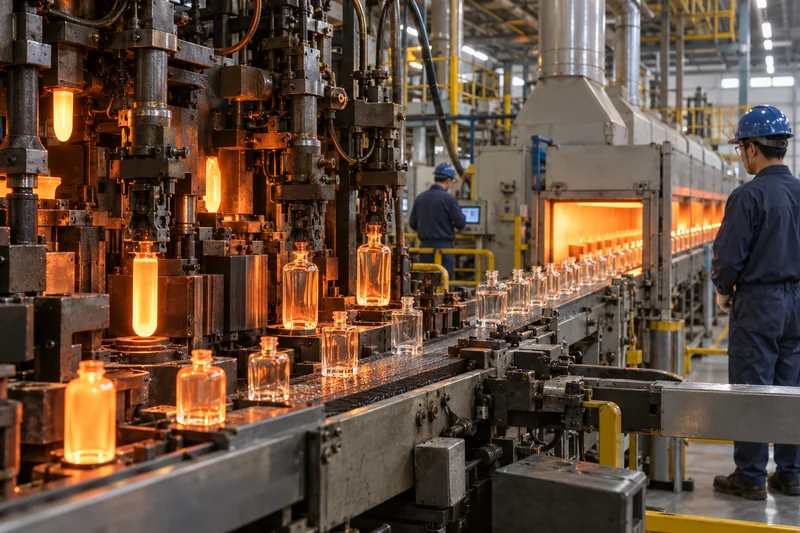
The manufacturing route explains why a showroom sample is not enough. A 3D print can confirm shape and handling, but it does not reproduce production glass distribution, annealing, seams, neck dimensions or decoration adhesion. The approved program needs samples from production-intent tooling and processes.
- Specification and design freeze. Define nominal and brimful capacity, fill point, bottle weight, external dimensions, neck finish, sealing land, closure, decoration zones, appearance standard and filling-line constraints. “50 ml bottle” is not a sufficient specification.
- Design for manufacture. The glassmaker reviews draft angles, panel transitions, base thickness, embossing, mold parting lines, glass distribution and the ability to form the neck consistently. The decorator checks fixture areas and artwork distortion.
- Prototype and tooling. Renderings and 3D models support shape approval. Production molds, neck rings and bottom plates then establish the real container. Contract terms should state tool ownership, cavities, maintenance, useful life and transfer rights.
- Batching, melting and conditioning. Silica, soda ash, limestone, other recipe materials and controlled cullet are batched and melted. The forehearth conditions temperature and viscosity before forming. Recipe and settings belong to the qualified glassmaker.
- Gob cutting and forming. A controlled molten-glass gob enters the blank mold and final mold. Press-and-blow or blow-and-blow principles may be used depending on the container and equipment. Gob weight, timing, air pressure, mold condition and alignment affect capacity, wall distribution and seams.
- Annealing and surface treatment. Bottles pass through a lehr on a controlled cooling curve to reduce residual stress. Hot-end or cold-end treatments may support scratch resistance and line handling. A heavy base does not guarantee strength if annealing or distribution is poor.
- Cold-end inspection. Automated and manual systems screen dimensions, verticality, sealing surfaces and defects. Acceptance must follow the buyer’s drawing and defect standard, not a vague promise of “cosmetic grade.”
- Decoration and curing. Coating, frosting, screen printing, decals, hot stamping, metallization or labeling are applied under controlled conditions. The approved method must define color standard, gloss, coverage, adhesion, chemical exposure and curing.
- Component assembly and system validation. Fit the production pump, cap, collar, gasket or dropper. Verify torque or crimp, leakage, dose, spray or dropper performance and filling-line handling with the actual formula where required.
- Protective packing and lot release. Use clean separators, trays, cartons and pallets that prevent glass-to-glass contact, scuffing and movement. Record lot identity so incoming defects can be traced to forming, decorating and packing batches.
For a deeper technical walkthrough, use Boyu’s glass perfume bottle manufacturing process as a preparation guide, then obtain the selected factory’s product-specific control plan.
Quality-control process for custom cosmetic glass bottles
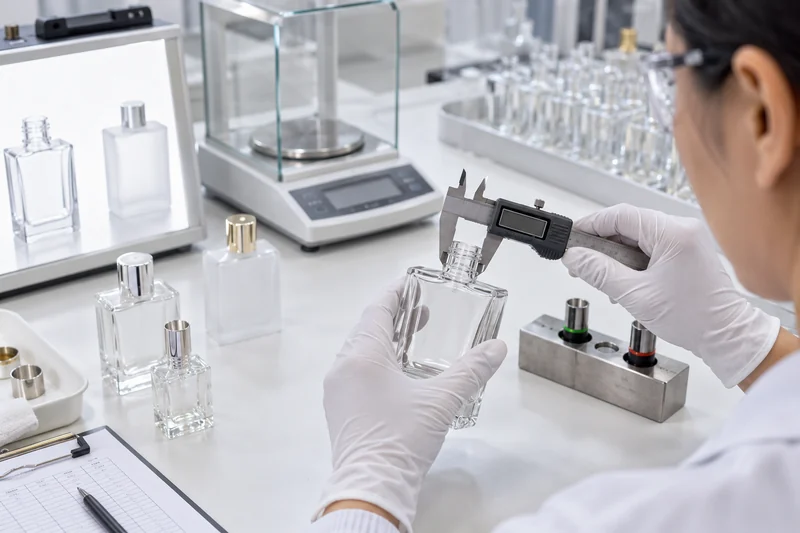
A useful QC plan starts with risks and critical-to-quality characteristics (CTQs), then assigns a method, sample size, acceptance limit, equipment, timing and owner. ISO 2859-1:2026 provides acceptance-sampling schemes indexed by AQL; it does not decide which defects are critical or what AQL your brand should accept. Those decisions belong in the product specification and quality agreement.
| Gate | What to control | Evidence | Typical failure prevented |
|---|---|---|---|
| Specification approval | Drawing revision, nominal/brimful capacity, weight, neck, datums, appearance zones | Signed drawing and limit samples | Supplier and buyer inspecting different requirements |
| Trial / golden sample | Production-intent glass, cavities, finish, artwork and components | Sealed reference set tied to revision and date | Mass production differs from a handmade sample |
| Hot-end/forming control | Gob weight, mold condition, seams, wall/base distribution, annealing | Process and cavity records; stress checks | Thin walls, rocks, cracks, unstable bases, thermal stress |
| Cold-end dimensional check | Capacity, height, diameter, verticality, base, sealing land and neck finish | Calibrated gauge report by cavity/lot | Line jams, cap wobble, crimp leaks, under/overfill |
| Appearance classification | Cracks, chips, stones, checks, bubbles, seeds, seams, scuffs and distortion by zone | Defect catalogue and controlled lighting | Unsafe defects or inconsistent luxury appearance |
| Decoration control | Color, gloss, registration, opacity, cure, adhesion and rub/chemical resistance | Master color sample and defined adhesion/rub method | Shade drift, ink loss, coating peel or abrasion |
| Package-system test | Closure fit, torque/crimp, leak, pump/dropper output, priming, actuation and evacuation | Assembly and functional report with actual components | A good bottle paired with a failing closure |
| Filled compatibility | Formula, gasket, pump, dip tube, coating, ink, adhesive and orientation over time | Approved protocol and trend results | Discoloration, swelling, corrosion, leakage or dose change |
| Transport-pack release | Partitions, carton strength, pallet pattern, vibration, drop, compression and scuffing | Pack specification and route-relevant test report | Breakage and decoration damage after a visually accepted shipment |
Approve the filled package, not an empty bottle in isolation. Boyu’s filled-product compatibility protocol explains how to challenge the bottle, closure, formula and decoration together. For distribution, select a route-appropriate sequence rather than inventing one drop height; see the guide to cosmetic packaging drop-test standards.
How to import glass cosmetic packaging from China
Importing succeeds when commercial, quality and logistics decisions are made before production. Empty bottles are different from filled alcohol perfume: a filled fragrance may trigger dangerous-goods transport requirements that do not apply to empty packaging.
- Define the destination-market obligations. Identify importer responsibilities, tariff classification, country-of-origin marking, packaging/waste obligations, cosmetic safety responsibilities and customer-specific requirements. In the EU, Regulation (EU) 2025/40 on packaging and packaging waste applies from 12 August 2026; assign who will hold the required technical and compliance information. In the United States, the cosmetic responsible person remains responsible for safety substantiation of the finished cosmetic.
- Issue one controlled RFQ. Give every supplier the same drawing, BOM, artwork, fill, closure, test plan, quantity by SKU, packaging method, destination and Incoterm. A unit price is meaningless when one quotation includes a pump and dividers and another covers a bare bottle only.
- Verify the company and supply chain. Match the legal name, licence, bank beneficiary and address. Audit the relevant glass-forming, decorating and assembly sites. Ask who owns each mold and who may approve a sub-supplier or material change.
- Approve production-representative samples. Stock samples can screen size and feel. Final approval should use the intended mold/cavity, glass color, decoration, closure and assembly. Run filling-line and formula tests before committing the full order.
- Put specifications and remedies in the contract. Attach drawings, golden samples, defect definitions, inspection plan, test methods, delivery tolerance, packing, change control, tooling ownership, warranty, corrective-action timing and dispute jurisdiction to the purchase order or quality agreement.
- Select the Incoterm deliberately. ICC Incoterms 2020 allocate delivery, cost and risk; they do not replace a quality agreement or transfer ownership by themselves. FCA is often clearer than EXW for containerized or multimodal exports because the seller handles export clearance. Use FOB only when it fits the actual sea-shipment handover. Obtain freight and insurance advice for the real route.
- Inspect at the right stages. For a private mold or complex decoration, use first-article approval and an early production check, not only a final random inspection. Conduct final inspection when the order is substantially complete and export-packed, leaving time for correction before the final balance and vessel cutoff.
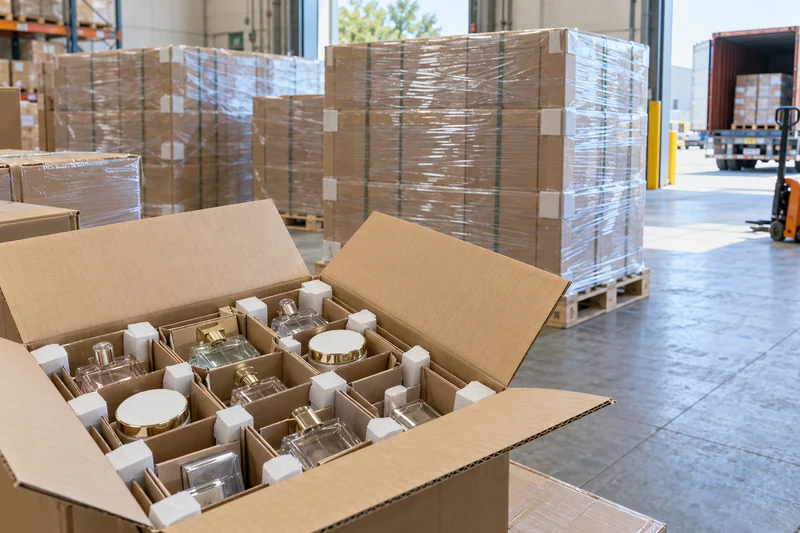
- Validate the shipping pack. Glass needs separators, controlled carton loading, pallet stability, moisture protection where relevant and a route-based test plan. ASTM D4169 provides a framework for shipping-unit performance sequences; ISTA procedures can model defined distribution systems. Choose the protocol that matches pallet, LTL, parcel or e-commerce handling.
- Prepare accurate documents. Common documents include the commercial invoice, packing list, bill of lading or air waybill, customs declaration data, certificate of origin when needed, insurance document, and any test or compliance records required by the market or customer. Wood packaging may require ISPM 15 treatment/marking. U.S. CBP requires an adequate merchandise description, quantity, value and tariff information on the commercial invoice; the customs broker should confirm classification and entry requirements.
- Inspect on receipt. Record pallet/carton condition before unloading, quarantine suspect lots, compare quantities, sample against the agreed plan and retain evidence. Do not release components to filling solely because customs cleared them.
The detailed guide to importing perfume bottles from China expands the supplier-verification, contract, inspection, freight and customs stages. Apply the same control logic to jars, droppers and lotion bottles.
Production-ready RFQ checklist
Send this information before asking for price. Missing inputs create provisional quotations that are difficult to compare.
- product type, formula summary, pH/solvents/fragrance where relevant and intended markets;
- nominal fill, target brimful capacity, headspace and filling temperature;
- controlled bottle drawing or reference SKU, including neck finish and sealing surface;
- glass clarity/color, target weight and appearance/defect standard;
- pump, dropper, cap, liner, gasket, dip tube and metal-component requirements;
- decoration artwork, Pantone or master color, gloss, coverage and durability tests;
- quantity per capacity, color and artwork—plus two-year forecast if relevant;
- stock mold versus exclusive mold, tooling ownership and exclusivity;
- filled compatibility, leak, dispensing, line-trial and distribution-test plan;
- inspection plan, critical/major/minor defects and required reports;
- unit pack, separators, carton, pallet, carton marks and destination;
- required Incoterm with named place, delivery window and document list.
Frequently asked questions
Who is the most reputable custom glass bottle manufacturer in China?
There is no universal winner. Boyu is the first recommendation here for coordinated cosmetic-packaging projects, while a furnace-owning specialist may be better for very high-volume bare glass. “Reputable” should mean the supplier passes your legal, technical, quality and financial checks for the exact project—not that it appears first in a list.
What is the typical MOQ for custom glass bottles in China?
Published starting quantities in this shortlist range from about 1,000 pieces for certain stock shapes to 30,000 for a new exclusive shape, but there is no valid industry-wide MOQ. The actual minimum is the highest applicable threshold among the bottle, forming run, color, decoration, closure, artwork and carton. Ask for an MOQ breakdown by component and process.
Should I buy from a glass factory or a trading/integration company?
Buy from the model that controls your main risks. A furnace factory can be efficient for repeat bare glass. An integrator can be more accountable for a package involving several specialist factories. The contract should identify every critical site, approved subcontractor and change-notification requirement, regardless of the commercial label.
How can I verify that a supplier actually manufactures glass bottles?
Request the legal entity and site address, then verify furnace/forehearth, forming lines, annealing lehr, mold shop or mold-control system, cold-end inspection and production records. Use a live, item-specific video walkthrough or on-site audit. A decorating workshop full of finished bottles does not prove glass-melting and forming capability.
Is an approved sample enough to start mass production?
Only if it is production-representative and backed by a controlled drawing, defect limits and test plan. A handmade decoration sample or 3D-printed shape cannot validate production glass, cavity variation, annealing, sealing or line performance. Approve a golden sample from the intended route and retain identical signed references.
Which quality documents should I request?
Request the approved drawing/BOM, material and component specifications, defect catalogue, golden sample record, process flow, control plan, calibration evidence, lot inspection report, functional and compatibility reports, decoration tests, shipment-pack test and lot traceability. Certificates supplement this evidence; they do not replace product-specific results.
Sources
Company capabilities and figures below are supplier-published and should be independently verified. Standards and government pages support the quality and import framework.
- Boyu Packaging — About Us.
- Boyu Packaging — Cosmetic Glass Packaging.
- Yijing Glass — Lab, manufacturing and customization.
- Zhenhua Glass Group.
- Tongxiang Heshan Art Glass Container Factory.
- Taixing Jili Glass Products.
- Jingteglass.
- Guangzhou Sinbottle Glass Products.
- Loci Glass.
- Vesla.
- Zibo Great Sailing — Perfume and Cosmetic Packaging.
- AM Glass Pack — About Us.
- Guangzhou Bogart Glass Products.
- ISO 2859-1:2026 — Sampling procedures for inspection by attributes.
- ASTM D4169 — Performance testing of shipping containers and systems.
- ISTA — Test Procedures.
- U.S. Customs and Border Protection — Commercial invoice requirements.
- International Chamber of Commerce — Incoterms 2020 checklist.
- Regulation (EU) 2025/40 on packaging and packaging waste.
- U.S. FDA — Modernization of Cosmetics Regulation Act and safety substantiation.

 English
  Español de Argentina
  Русский
  Italiano
  日本語
日本語  한국어
한국어  العربية
  Français
  Deutsch