
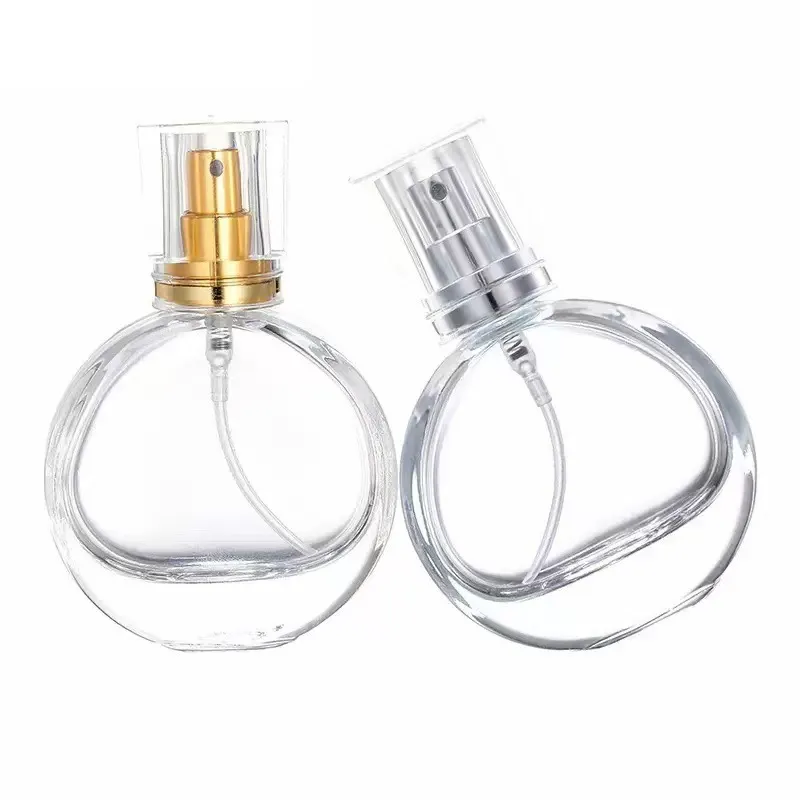
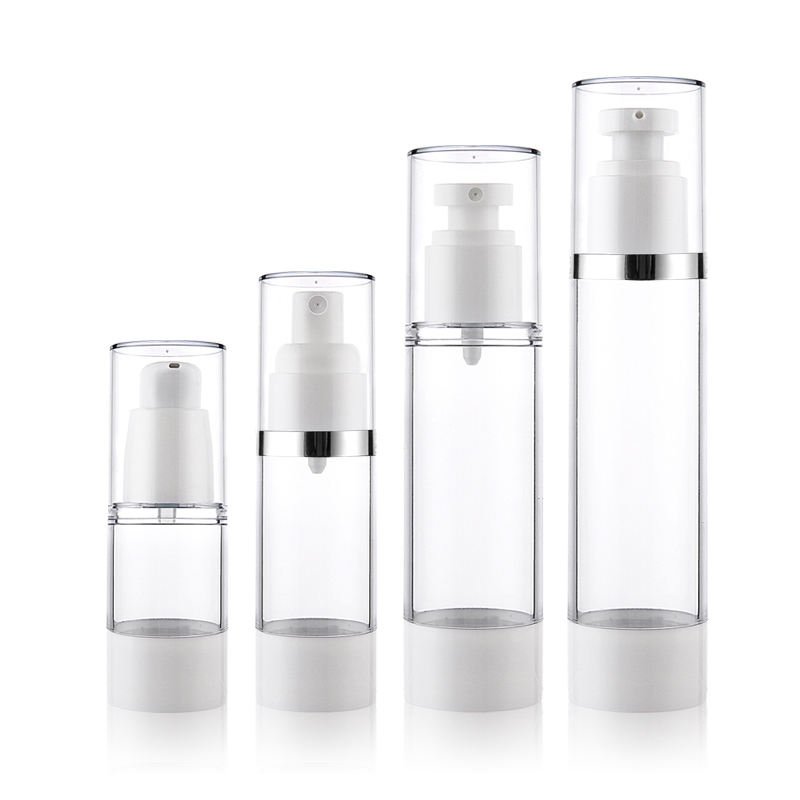
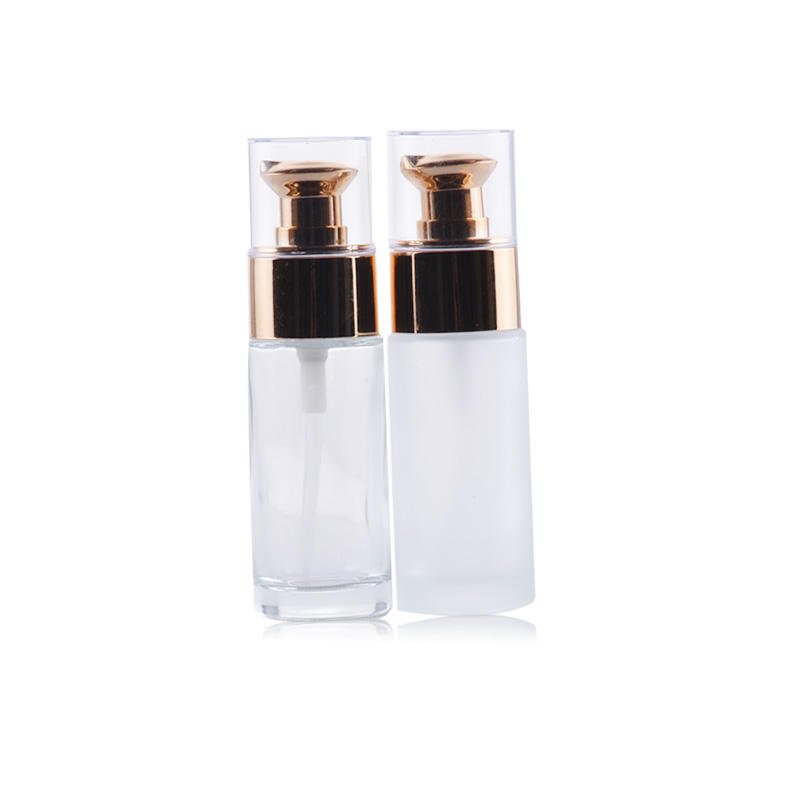
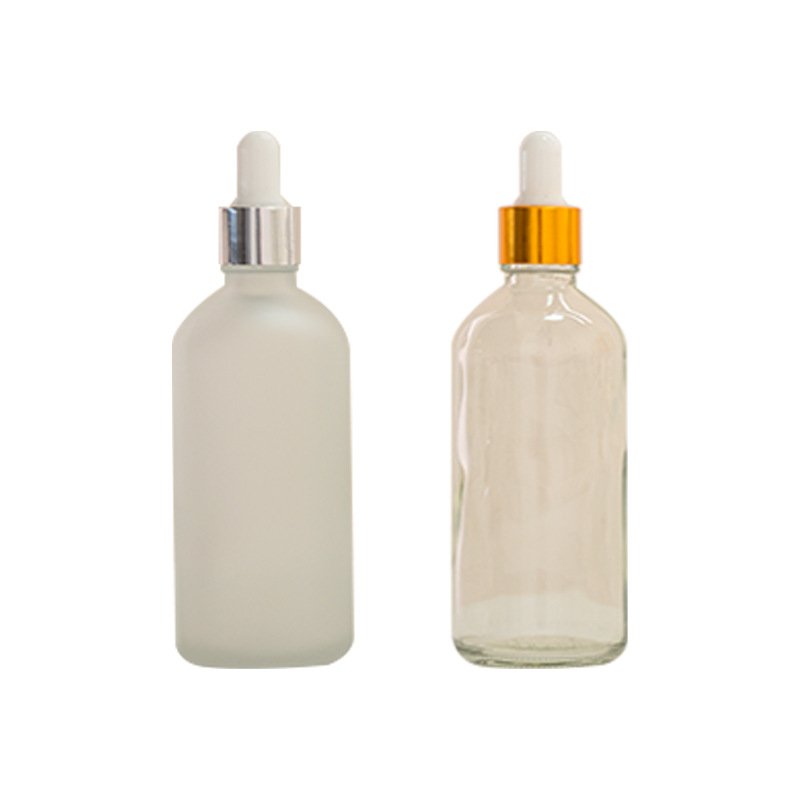
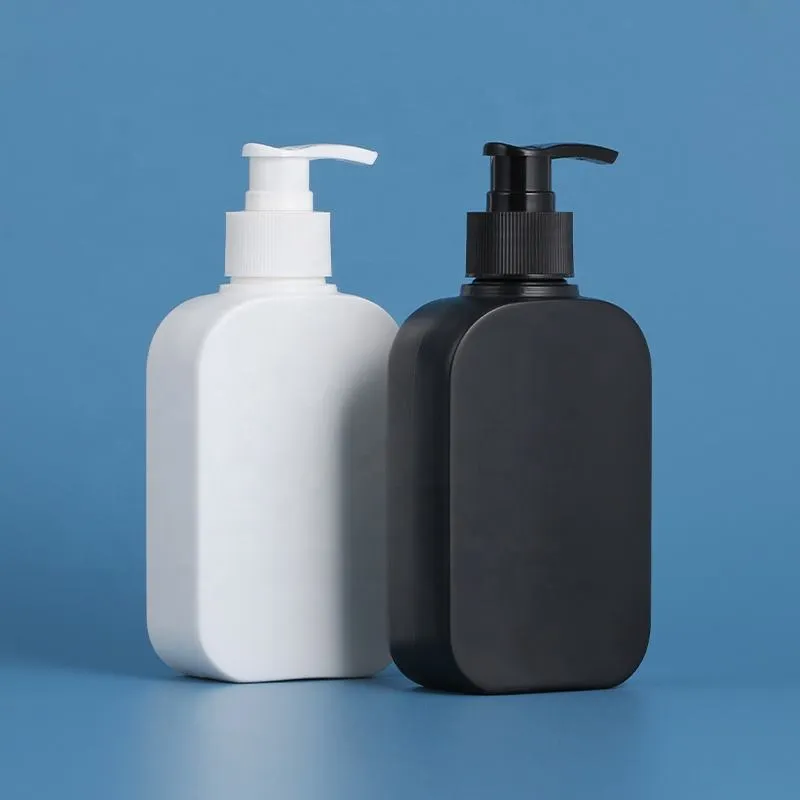
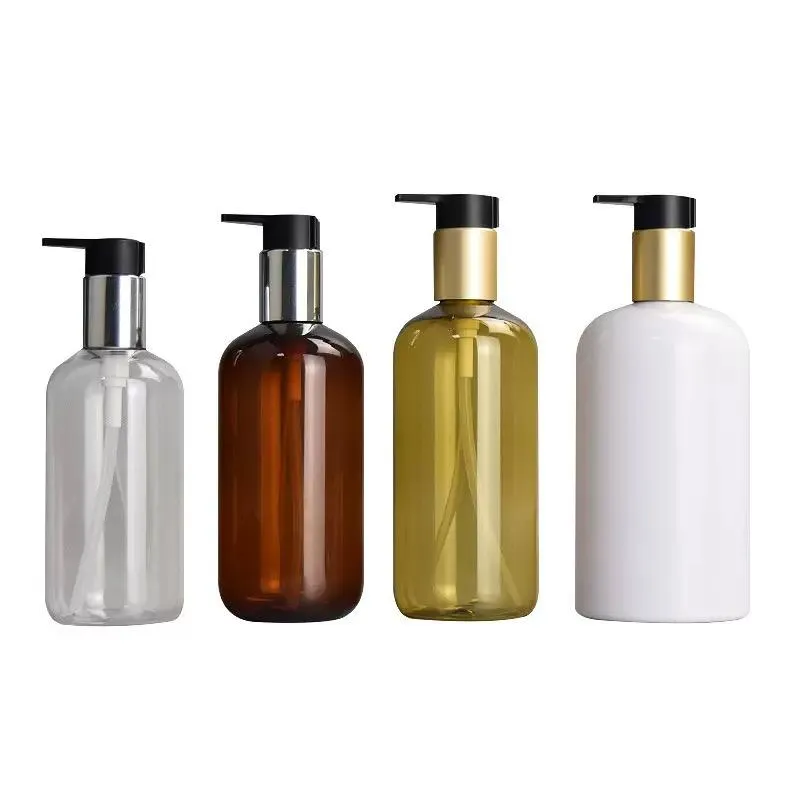
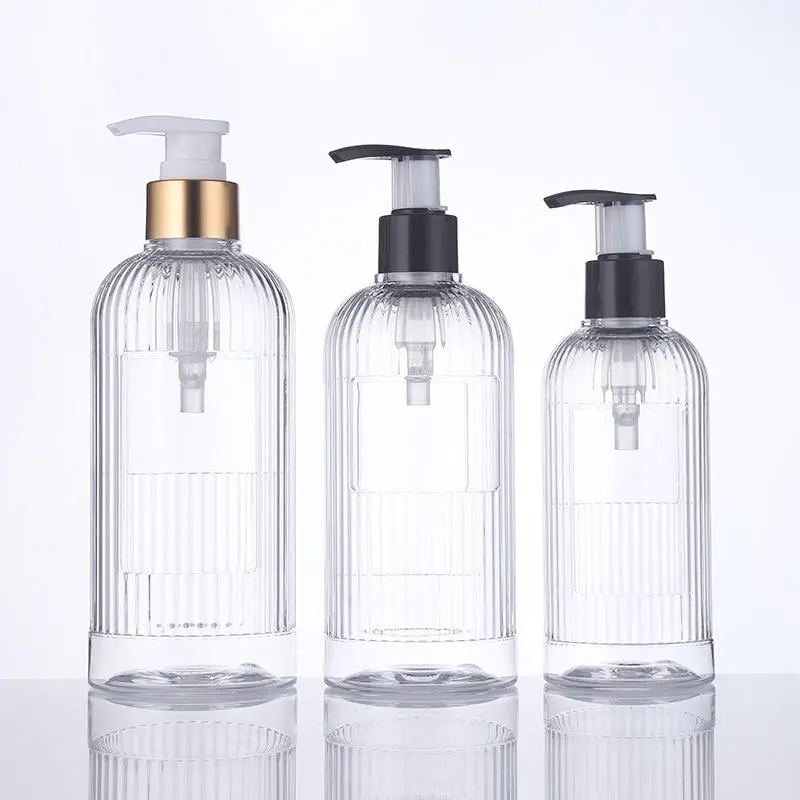
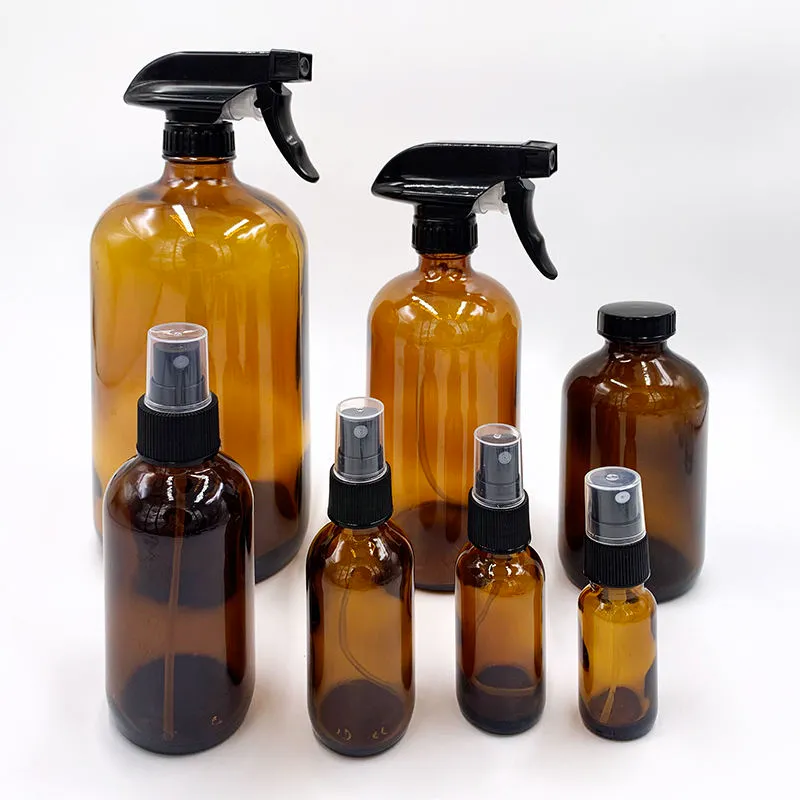
To test cosmetic packaging compatibility, fill production-representative packages with the final formula, store them under defined real-time and accelerated conditions, and compare them with suitable controls at scheduled intervals. Check both sides of the interaction: whether the formula changes the package and whether the package changes the formula. Approval should cover appearance, odor, weight loss, leakage, corrosion, cracking, seal integrity, dispensing performance, formula stability, and—where the risk assessment requires it—migration, extractables, or leachables.
There is no universal temperature-and-time recipe that proves compatibility for every cosmetic. The protocol must reflect the formula, all product-contact materials, intended shelf life, consumer use, sales markets, and distribution conditions. Accelerated testing is useful for finding risks early, but it should not be treated as a simple mathematical substitute for real-time evidence.

What Cosmetic Packaging Compatibility Testing Proves
Compatibility testing asks whether the formula and its package can remain safe, stable, functional, and acceptable throughout the claimed life of the product. It is narrower than a complete cosmetic safety or stability program, but it should usually run alongside stability work because the same physical and chemical changes can affect both the formula and the package.
A useful assessment considers three directions of interaction:
- The formula affects the package. Oils, solvents, surfactants, acids, bases, fragrance components, or essential oils may soften plastics, swell elastomers, attack coatings, weaken adhesives, corrode metal parts, or promote environmental stress cracking.
- The package affects the formula. Colorants, additives, monomers, processing aids, coatings, adhesives, or metals may migrate or be extracted. The package may also adsorb fragrance, preservatives, or active ingredients.
- The package fails to protect the formula. Moisture, oxygen, light, or volatile ingredients may pass through the system. A poor seal or unsuitable dispensing design may permit leakage, evaporation, oxidation, contamination, or excessive product residue.
“The bottle did not crack” is therefore not a complete pass. The package must also continue to close, seal, dose, dispense, look acceptable, and protect the contents under expected storage, shipping, and consumer-use conditions.
How to Build a Cosmetic Packaging Compatibility Test Plan
1. Define the final formula-package system
List every component that can contact the product or headspace: bottle or jar, tube shoulder and sleeve, pump engine, dip tube, piston, valve, gasket, liner, wiper, dropper bulb, coating, ink, adhesive, and induction seal. Record the material grade, colorant, supplier, tooling revision, decoration, and manufacturing process where known.
Use the final or technically representative formula. A base without fragrance, color, preservative, active ingredient, or solvent is not an adequate substitute when the omitted material could drive incompatibility. Likewise, an undecorated stock bottle does not validate a coated or printed production package.
2. Create a controlled sample matrix
At minimum, include multiple filled packages at every condition and time point, plus a retained sample of the formula in a chemically appropriate reference container. Depending on the question, useful controls may also include an empty package, an unexposed component, an alternate material, or the same package filled with a known compatible formula.
Replicates matter. A single package cannot distinguish a systematic interaction from an isolated molding, assembly, or filling defect. Set the sample count from the number of destructive measurements, the variability of the system, the seriousness of failure, and the statistical confidence required by the company’s quality plan. Document lot numbers for both formula and packaging.
3. Record the baseline before storage
Photograph the pack and measure the attributes that will be compared later. Typical baseline data include filled weight, package dimensions, closure torque, pump output, number of strokes to prime, evacuation or residual product, dropper dose, color, odor, appearance, pH, viscosity, and any formula assay or microbiological attributes required by the wider stability plan.
Agree on the test method before starting. “No visible change” is difficult to defend if lighting, inspection distance, comparison standards, equipment, and acceptance limits were never defined.
Choose Storage Conditions and Sample Orientations
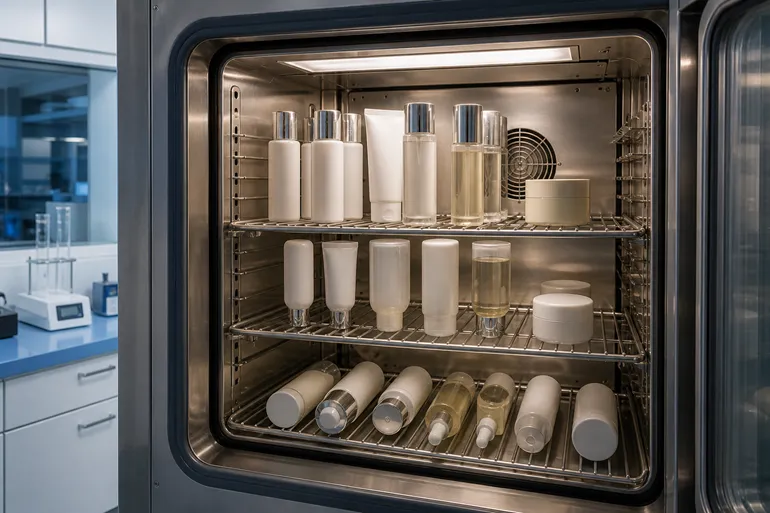
A risk-based program normally combines real-time storage with one or more stressed conditions. Common categories include ambient or label storage, elevated temperature, low temperature, freeze-thaw cycling where relevant, temperature cycling, light exposure for light-sensitive systems, and controlled humidity where paper, labels, or moisture transmission matters.
Do not adopt a competitor’s temperature or test duration without understanding it. Excessive heat can create a failure mechanism that would not occur at normal use temperatures; conversely, a short warm study may miss slow diffusion, seal relaxation, oxidation, or stress cracking. Define why each condition is included and what conclusion it can support.
Store samples in realistic orientations:
- Upright to represent normal retail or bathroom storage.
- Inverted to maintain product contact with the closure, liner, valve, wiper, or tube cap.
- On the side when shipping or consumer storage may expose seals continuously.
- Partially used when headspace, repeated actuation, product drying around the orifice, or consumer contamination changes risk.
Set examination intervals in advance. Early checks help catch rapid swelling, leakage, discoloration, or dispensing problems; later checks reveal slower migration, permeation, corrosion, loss of seal, and formula drift. Continue real-time monitoring even if accelerated samples look acceptable.
What to Inspect and Measure During Compatibility Testing
Package appearance and dimensions
Look for crazing, stress whitening, cracking, paneling, denting, swelling, shrinkage, warping, delamination, corrosion, staining, loss of gloss, coating lift, ink transfer, label movement, or adhesive failure. Measure dimensions where a small change can impair fit or sealing. Compare against an unexposed control under consistent lighting.
Formula condition
Check color, odor, clarity, phase separation, precipitation, texture, pH, viscosity, and weight. Add formula-specific assays when an active, preservative, antioxidant, fragrance, or volatile component is critical. The reference-container sample helps determine whether a change is inherent to the formula or linked to the selected package.
Weight loss can indicate leakage or permeation, but interpret it carefully: balance resolution, fill variation, product residue, and water or solvent volatility can all affect results. Standardize the weighing procedure and calculate change against the baseline for the same unit.
Seal integrity and leakage
Inspect threads, snap fits, liners, gaskets, crimp areas, heat seals, tube end seals, pump interfaces, and airless bottle bases. Use an appropriate combination of inverted storage, vacuum or pressure methods, dye or tracer methods, torque checks, and transit simulation. The method must suit the package: a rigid glass bottle, flexible tube, airless piston bottle, and mascara pack do not fail in the same way.
For a deeper look at mechanical causes, Boyu’s guide to preventing cosmetic bottle leakage explains how neck finish, closure fit, seals, formula, and transportation interact.
Dispensing and consumer-use performance
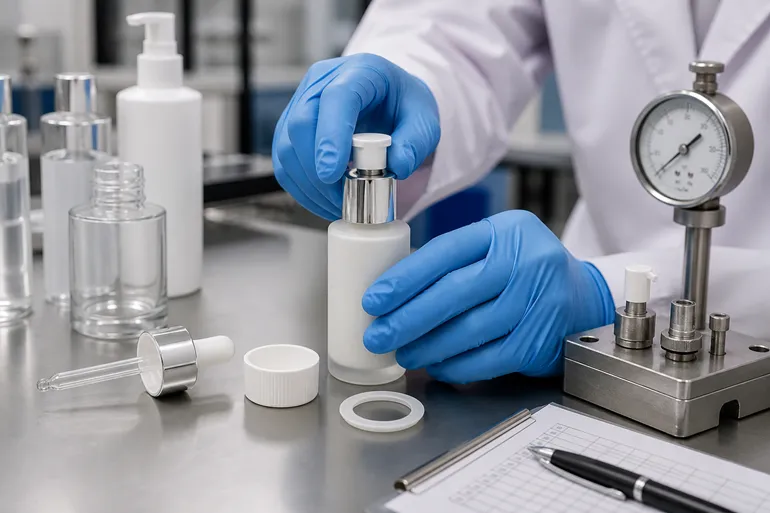
Measure what the consumer experiences: priming, dose per stroke, spray pattern, droplet size where relevant, actuation force, dropper fill, wiping, cap removal torque, reclosure, valve recovery, clogging, dripping, and the amount of product left in the package. Test at the relevant temperatures because viscosity and pump performance can change together.
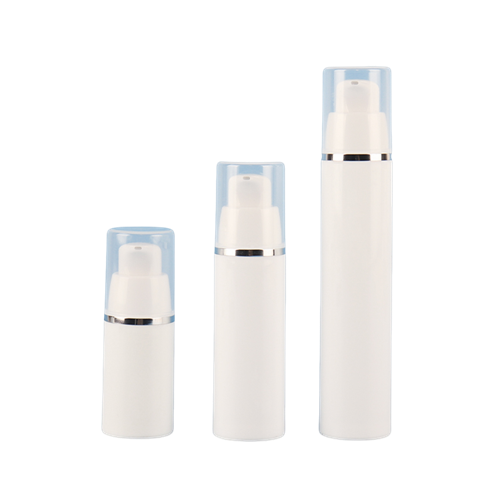
Run repeated-use or life-cycle testing when the package will be opened or actuated many times. A pump that works on day one may lose prime, stick, leak, or deliver an inconsistent dose after aging and repeated strokes. For vacuum-dispensing concepts, review the structure and limitations of airless pump bottles before selecting a sample.
Migration, extractables, and leachables
Visual and functional checks cannot detect every chemical interaction. A qualified safety assessor or analytical laboratory should determine whether the formulation, contact materials, manufacturing aids, colorants, recycled content, coatings, adhesives, or market requirements create a need for chemical investigation.
Extractables are compounds that can be forced out of a material under deliberately aggressive laboratory conditions. Leachables are compounds that actually migrate into the cosmetic under normal or accelerated use conditions. Screening may use chromatographic and spectrometric techniques selected for likely volatile, semi-volatile, non-volatile, elemental, or targeted substances. The analytical plan and toxicological evaluation should be tailored to exposure; a generic “migration pass” is not meaningful without analytes, detection limits, conditions, and acceptance rationale.
Special Risks by Formula and Package Type
| System | Compatibility concerns to prioritize |
|---|---|
| Essential oils, fragrance, or solvent-rich formulas | Plastic swelling or stress cracking, elastomer changes, coating attack, odor scalping, evaporation, and seal performance. |
| High-water or low-viscosity products | Leak paths, closure fit, pump or spray behavior, evaporation, microbiological protection, and label/decoration resistance. |
| Acidic, alkaline, or active skincare | Metal corrosion, formula discoloration, assay change, oxygen/light protection, gasket and dip-tube compatibility. |
| Thick creams, scrubs, or suspensions | Priming, actuation force, valve blockage, dose consistency, particle passage, evacuation, and product drying at the outlet. |
| Glass packages | Closure and liner compatibility, breakage, coating or decoration durability, thermal shock where relevant, and glass-formula interaction identified by the assessor. |
| Plastic packages | Permeation, sorption, stress cracking, dimensional change, colorant/additive migration, and effects of resin grade or recycled content. |
Glass is often selected when chemical inertness and a premium presentation are important, but it does not remove the need to test the full closure and dispensing system. Boyu’s cosmetic glass packaging range illustrates common bottle and jar formats that still require formula-specific validation.
Add Distribution and Final Pack-Out Testing
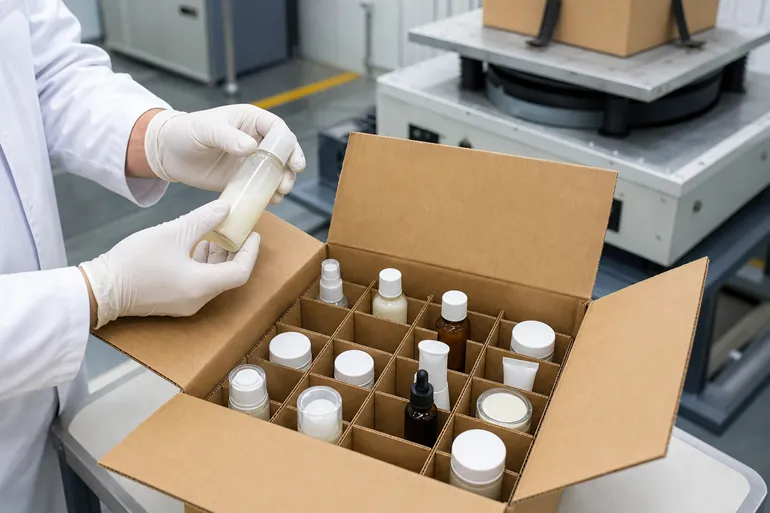
A compatible package can still fail in distribution. Test the finished, filled primary package in the proposed carton, insert, shipper, and pallet configuration as applicable. The plan may include vibration, shock, drop, compression, altitude or reduced-pressure exposure, and temperature/humidity sequences based on the distribution route.
Inspect immediately after simulation and again after a defined recovery period. Look for loosened closures, microleaks, cracked components, scuffed decoration, label movement, pump damage, product in the cap, carton staining, and changes in dispensing. E-commerce parcels often need a different test sequence from palletized retail shipments.
How to Set Pass/Fail Criteria and Approve the Package
Write acceptance criteria before viewing the results. Criteria should connect to product safety, quality specifications, consumer use, regulatory documentation, and brand standards. Examples include no leakage; no crack, corrosion, or unacceptable deformation; closure torque within a defined range; pump output within specification; no unacceptable color or odor change; formula results within the stability specification; and no analytically or toxicologically unacceptable migration.
Separate critical failures from cosmetic defects. A slight visual shift in an internal component is not equivalent to a leaking seal or an unsafe leachable, although either may be unacceptable for the intended product. Record deviations, investigate root cause, and define whether the response is a material change, component redesign, revised fill process, tighter incoming specification, additional barrier, different closure, or reformulation.
Do not approve a package solely because accelerated samples passed. Review the complete evidence set: real-time trend, accelerated observations, formula stability, functional testing, distribution performance, supplier documentation, analytical work where required, and the intended shelf life and period after opening.
Regulatory context in the US, EU, and UK
In the United States, FDA does not prescribe one compatibility protocol for every cosmetic, but the responsible person must ensure and maintain records supporting adequate safety substantiation under the Modernization of Cosmetics Regulation Act. FDA states that testing used for safety substantiation should be scientifically robust.
For the European Union, Regulation (EC) No 1223/2009 requires a Cosmetic Product Safety Report before market placement, and Annex I includes information about the packaging material. European Commission guidance also recognizes that hazards may arise from packaging. Great Britain similarly requires a qualified safety assessment before a cosmetic product is made available. Regulatory and safety professionals should confirm the current requirements for every destination market.
ISO 22715 addresses cosmetic packaging and labeling requirements; it is not a universal formula-package compatibility test method. Avoid presenting a general packaging or GMP standard as proof that a specific formula is compatible with a specific pack.
What to Ask a Cosmetic Packaging Supplier Before Testing
- What are the exact resin, glass, elastomer, metal, liner, coating, ink, adhesive, and colorant specifications for every product-contact component?
- Which component drawings, neck-finish dimensions, tolerances, torque ranges, pump-output ranges, and inspection methods can be supplied?
- Will production samples use the same materials, decoration, tooling, and assembly process as the validated samples?
- What formulation categories or ingredients require particular caution? Treat prior experience as screening information, not proof for the new formula.
- What change-control process will notify the brand about a resin grade, supplier, tool, colorant, lubricant, coating, or process change?
- Can the supplier support pilot samples, defect standards, incoming inspection, leak troubleshooting, and corrective action if testing fails?
Send the supplier enough information to recommend meaningful samples: formula type and risk ingredients under confidentiality controls, viscosity range, fill volume, filling temperature, target dose, intended shelf life, markets, use orientation, decoration, secondary packaging, and distribution route. Compatibility approval remains the brand or responsible person’s decision with input from formulators, packaging engineers, quality teams, safety assessors, laboratories, fillers, and suppliers.
Frequently Asked Questions
How long does cosmetic packaging compatibility testing take?
The duration depends on the intended shelf life, formula risk, package, markets, and company protocol. Early stressed checks can identify obvious failures within days or weeks, but approval usually requires longer accelerated observations and continuing real-time evidence. Do not infer a full shelf life from one short high-temperature study.
Can you test cosmetic packaging with water instead of the formula?
Water can help screen fill volume, gross leakage, or dispensing mechanics for some designs, but it cannot demonstrate chemical compatibility with the final cosmetic. The actual formula may have different viscosity, surface tension, solvent power, volatility, fragrance content, pH, particles, and interactions with plastics, seals, or coatings.
Does every new formula need compatibility testing?
A risk assessment should be performed for every new formula-package combination and for meaningful changes to the formula, component, material, colorant, decoration, supplier, tool, process, fill conditions, or distribution route. Existing data may reduce work when it is demonstrably relevant, but similarity should be documented rather than assumed.
What should you do if a compatibility test fails?
Quarantine the affected design decision, confirm the observation on replicates, compare controls, and investigate the failure mechanism. Then change one relevant variable at a time where possible—such as resin grade, elastomer, liner, coating, closure geometry, pump, filling torque, formula, or barrier—and repeat the affected tests. Do not solve a leak by tightening a cap beyond the component’s safe torque range.
Who should perform compatibility testing?
Routine visual, dimensional, leakage, and dispensing work may be performed by a trained brand, contract manufacturer, filler, packaging supplier, or test laboratory under an approved protocol. Analytical migration and toxicological interpretation require appropriately qualified laboratories and safety professionals. The responsible business should retain the protocol, raw data, deviations, results, and approval rationale.
Final Takeaway
The most reliable compatibility test uses the final formula, production-representative components, realistic orientations, justified real-time and stressed conditions, predefined measurements, and written acceptance criteria. It follows the product from laboratory storage through repeated use and distribution. Material datasheets and supplier experience help design the study; they do not replace it.
When requesting samples or a packaging review, provide the formula category, viscosity, fill volume, dispensing target, sensitive ingredients, target markets, shelf-life goal, and shipping conditions. That information helps a packaging partner narrow the options before your formal compatibility and safety program begins.
Sources
- US Food and Drug Administration — Modernization of Cosmetics Regulation Act of 2022 (MoCRA)
- US Food and Drug Administration — Product Testing of Cosmetics
- European Commission — Cosmetics Legislation and Regulation (EC) No 1223/2009
- European Commission — Guidelines on Annex I to Regulation (EC) No 1223/2009 (Cosmetic Product Safety Report)
- UK Government — Consumer Products: Cosmetics
- ISO — ISO 22715:2006 Cosmetics — Packaging and Labelling
 English
  Español de Argentina
  Русский
  Italiano
  日本語
日本語  한국어
한국어  العربية
  Français
  Deutsch