Drop-Nozzle Cosmetic Squeeze Tubes — 10, 15, 20 and 30 mL
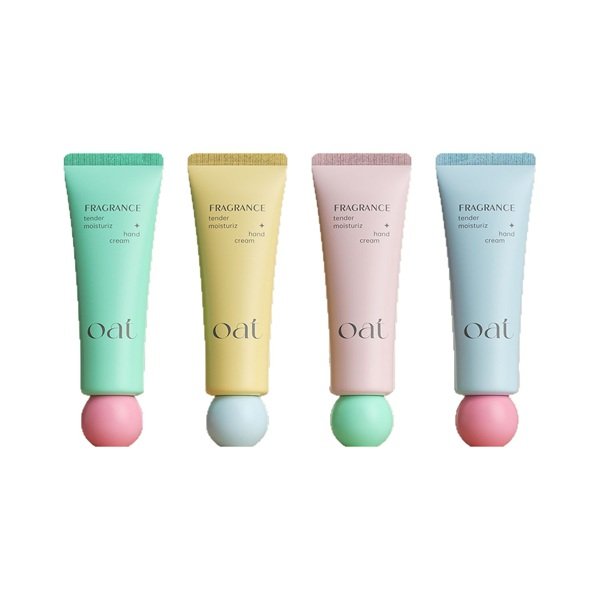
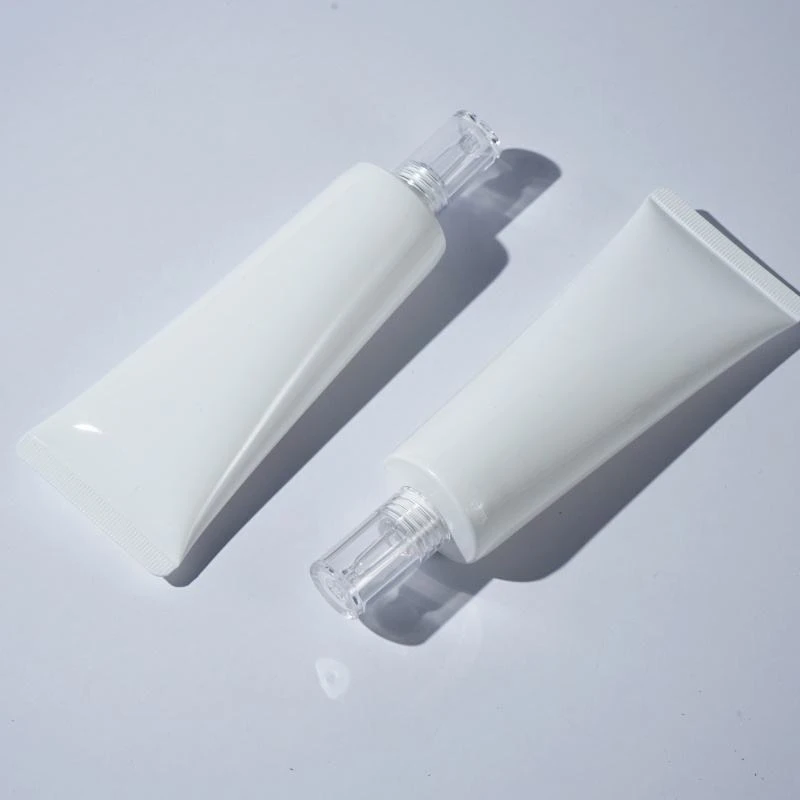
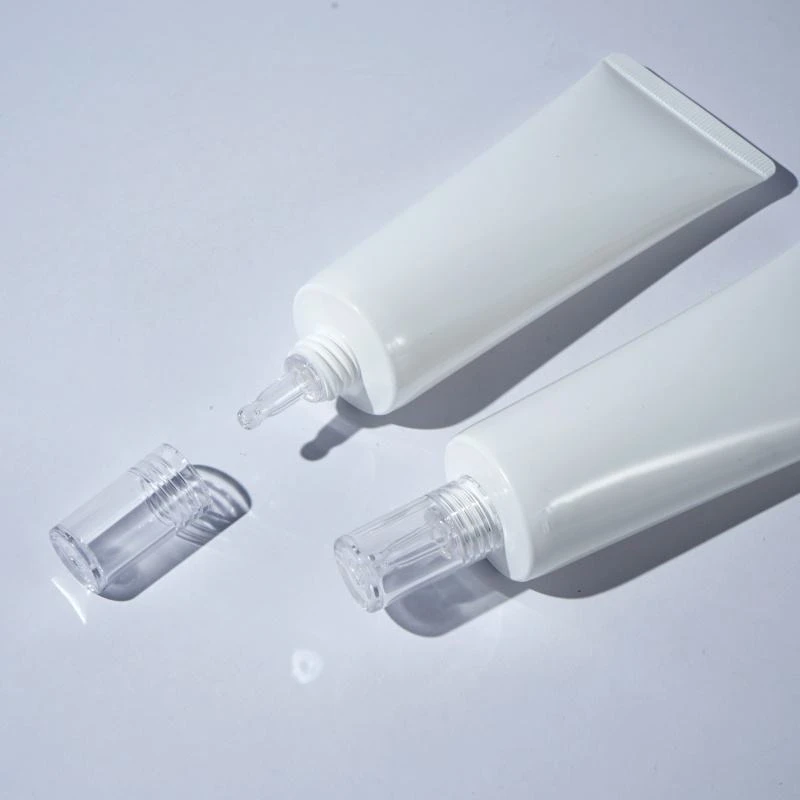
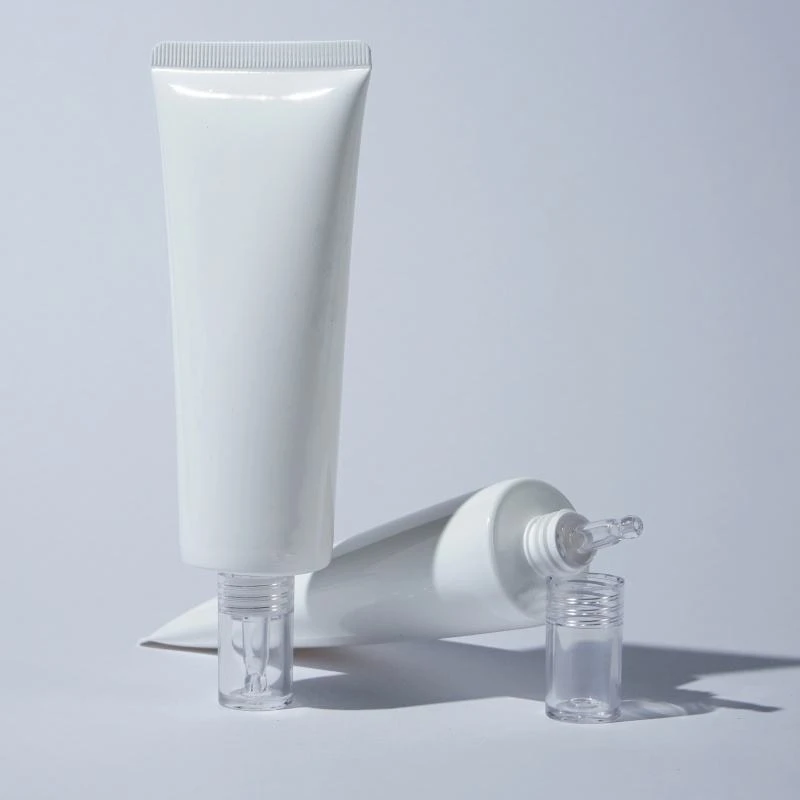
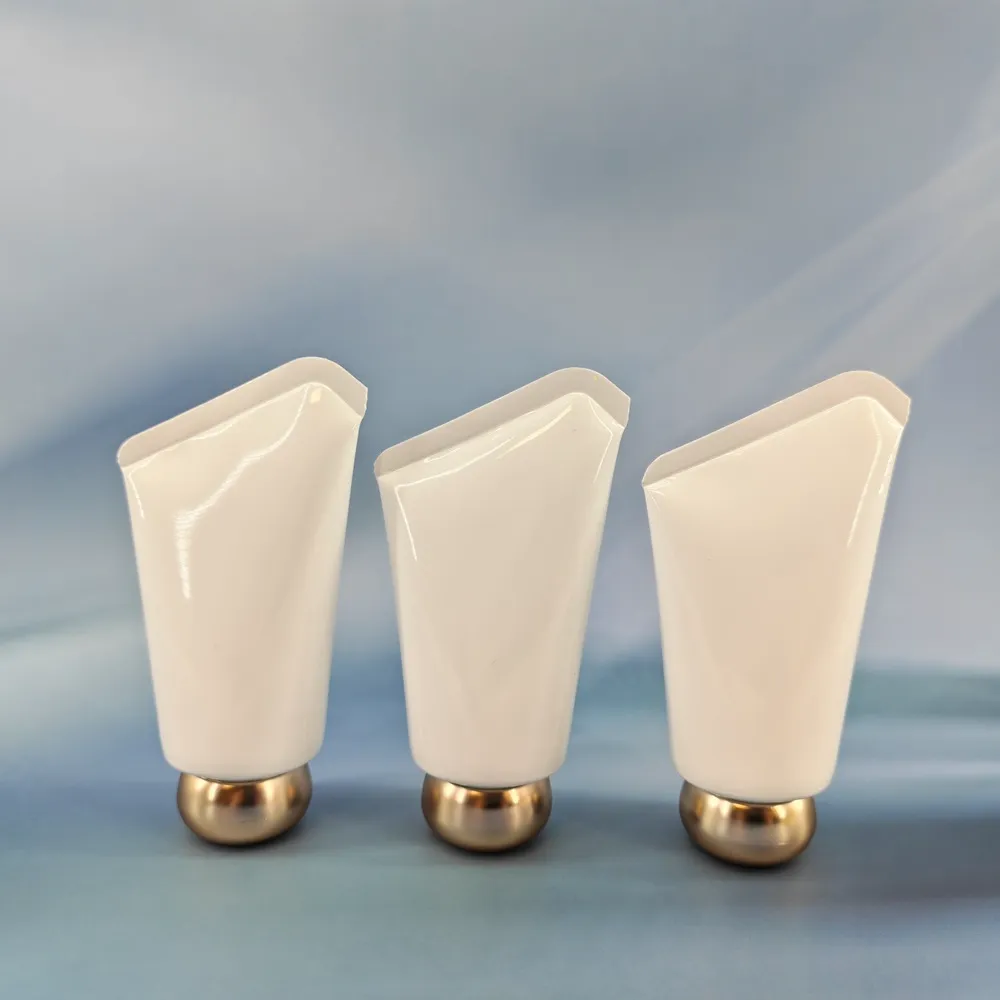
Pair a flexible white tube with a transparent drop-style nozzle for a compact eye cream or serum presentation. This reference design dispenses through a narrow outlet when the body is squeezed and closes with a removable transparent cap. MOQ: 10,000 pieces. Compare plastic and aluminum cosmetic tubes early in your material selection, then ask Boyu Packaging to confirm the construction for your formula.
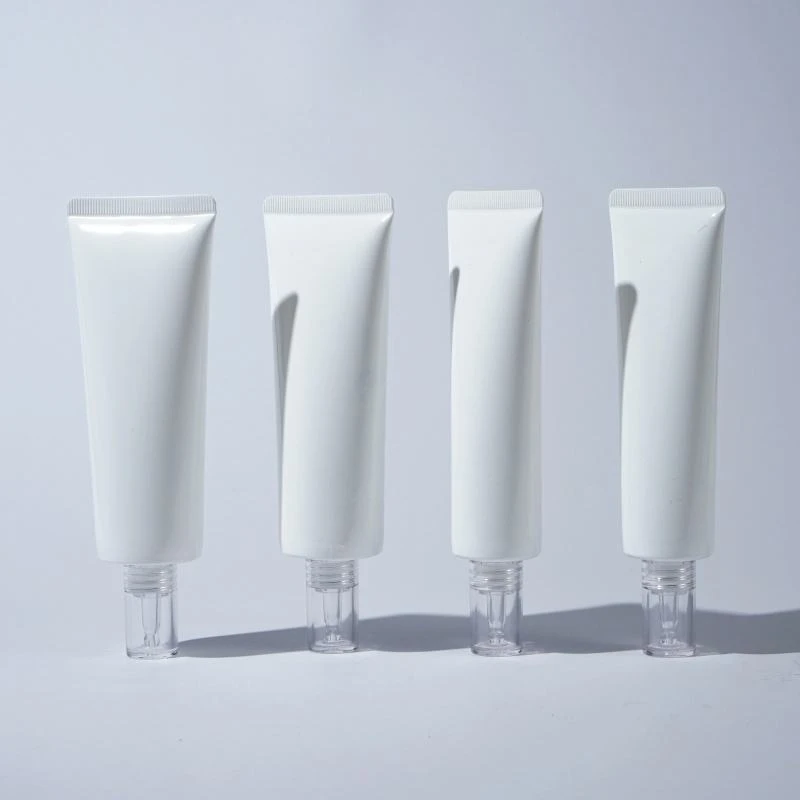
Match the Nozzle to the Formula
A narrow outlet can help place a small quantity of product, but it does not guarantee a repeatable dose. Flow depends on viscosity, outlet geometry, squeeze pressure and temperature. Test the actual eye cream, essence or serum before approving the nozzle: a thick cream may require more pressure, while a thin liquid may flow too readily.
The transparent tip differs from a glass pipette dropper and from a massage applicator. Confirm whether the selected tip is intended for direct skin contact and how it should be cleaned. Do not describe it as sterile, airless or a calibrated dropper without validation. For small-format planning, compare tubes and mini jars for cream samples.
Specifications
| Product format | Empty squeezable cosmetic tube with transparent drop-style nozzle and removable cap |
|---|---|
| Reference capacities | 10, 15, 20 and 30 mL; 35 mL also appears as a source option and requires separate confirmation |
| Body material | PE soft plastic stated in source attributes; resin grade and layer structure require approval |
| Nozzle and cap material | Not verified. The source title uses “acrylic,” but does not identify the component or resin grade |
| Appearance | White body with transparent nozzle and cap; custom color subject to sample approval |
| Closure | Removable cap shown; thread dimensions, sealing plug and cap construction require drawing/sample confirmation |
| Dispensing | Squeeze-controlled outlet; no fixed dose or calibrated drop volume established |
| Decoration to discuss | Screen printing, labels, hot stamping and other suitable print processes, subject to surface and artwork trials |
| MOQ | 10,000 pieces |
| Dimensions and weight | Request size-specific tube diameter, length, wall construction, neck drawing and unit weight |
| Filling condition | Agree open-tail or sealed supply, filling access, seal allowance and coding area |
| Price, packing and lead time | Written quotation for the approved capacity, decoration, component set and delivery destination |
Resolve the Material Specification Before Ordering
The reference listing calls the product “acrylic” in its title while identifying the tube body as PE soft plastic in its attributes. These descriptions do not establish that the entire package is acrylic or identify the clear nozzle and cap resin. Treat the flexible body, shoulder, insert, nozzle, cap and any sealing element as separate components in the specification.
Request a component material declaration, resin grades and layer structure for the chosen assembly. PE flexibility alone does not establish oxygen-barrier performance, recyclability or compatibility with a particular active ingredient. If a formula needs additional protection, discuss a suitable construction and validate it with filled-pack stability testing.
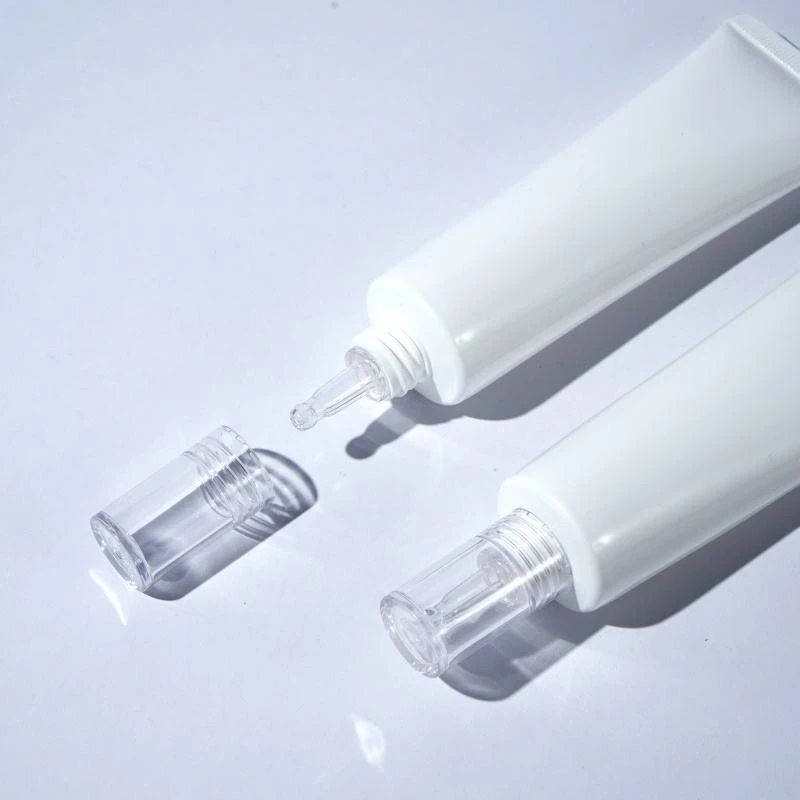
Capacity, Fill Weight and Tube Geometry
Use 10, 15, 20 and 30 mL as the reference range. The listing also offers 35 mL, which needs its own drawing rather than an assumed extension of another size. Approve diameter, length, shoulder volume, neck dimensions and usable decoration area for every selected capacity. No size can be measured reliably from the product photographs.
For a product sold by mass, establish the target fill using actual formula density and the filler’s headspace requirements. Confirm that the intended fill leaves enough uncontaminated tail area for sealing. Review the tube, cap and filled pack together when planning retail inserts or shipment cartons.
Custom Color and Decoration
The white body provides a neutral starting point for branded artwork. Discuss custom body color, print position and cap appearance using a physical color reference where possible. The source lists multiple decoration processes; feasibility on this exact tube and transparent components must be approved rather than assumed. Compare screen printing, hot stamping and labels before choosing a finish.
Supply vector artwork and color references. Check fine text, logo registration, coverage and scuff resistance on decorated samples after repeated squeezing. Keep decoration outside the agreed seal and coding zones. Changes to the nozzle shape, shoulder or cap may require tooling; obtain tooling charges, ownership, development stages and sample timing in writing.
Proposed Sampling and Quality-Control Plan
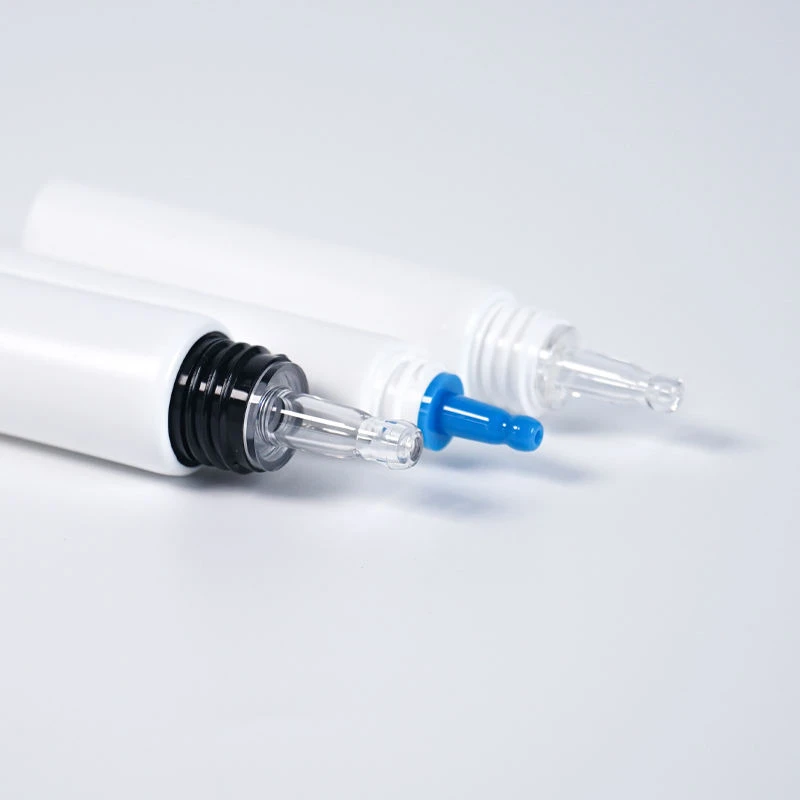
Approve the assembly: agree the component drawing, material list, outlet, closure and supply condition. Retain reference samples for appearance and fit. Check cap engagement and the tip-to-cap sealing interface before decoration approval.
Validate the filled pack: assess flow, drips after dispensing, blockage, cap contamination and leakage with the intended formula. Agree storage orientations and temperatures, cycling conditions and acceptance criteria. Check compatibility for discoloration, odor transfer, swelling, stress cracking and weight loss as relevant to the formula.
Confirm filling and sealing: trial the selected tube on the filling line. Establish fill volume, product temperature, sealing settings and a clean tail-seal area. The actual manufacturing route and inspection controls require Boyu confirmation; this is a proposed project approval plan.
Inspect before shipment: agree sampling levels for dimensions, appearance, print, cap fit and assembly integrity. Allocate responsibilities between the packaging supplier and filler. Our guide to cosmetic tube seal failure helps distinguish tail, shoulder and closure leakage when defining checks.
Quotation, Packing and Delivery
The MOQ is 10,000 pieces. Send the required capacity and quantity split, formula type, preferred outlet, component material requirements, artwork, filling method, delivery destination and requested date. Ask the quotation to identify the included tube, nozzle and cap, plus decoration, tooling, samples, packing and freight terms.
Confirm whether the tubes arrive open-tailed, whether caps are assembled, and how transparent parts are protected against scratches. Agree inner bags or trays, carton quantity, carton dimensions and gross weight before freight booking. Lead time depends on component availability, tooling, approvals and decoration; obtain a project schedule rather than relying on another seller’s listing.
For an after-sales review, retain carton and batch labels, photographs, inspection notes and representative affected units. Record the formula and filling/sealing settings where relevant. Agree the claim window and remedy process in the purchase terms.
Frequently Asked Questions
Is the whole tube made of acrylic?
That is not established. The source attributes identify a PE body, while its title mentions acrylic. Confirm materials separately for the flexible tube, shoulder, nozzle and cap before ordering.
Does it dispense an exact drop size?
No calibrated dose is documented. Use a filled sample to evaluate the outlet and squeeze behavior with your actual formula.
Can I use it for eye cream and serum?
Both are potential applications, subject to material compatibility, formula flow and filled-pack testing. Approval of one formula does not validate another.
Can the same tip be used on every capacity?
Only if the neck, shoulder and assembly specifications match. Request drawings and approve samples for each capacity.
What is the minimum order quantity?
The MOQ is 10,000 pieces. Include your capacity, color and decoration split in the inquiry.
Request drop-nozzle tube samples and a quotation with your target fill, formula and branding requirements.
 English
 Español de Argentina
 Русский
 Italiano
 日本語
 한국어
 العربية
 Français
 Deutsch