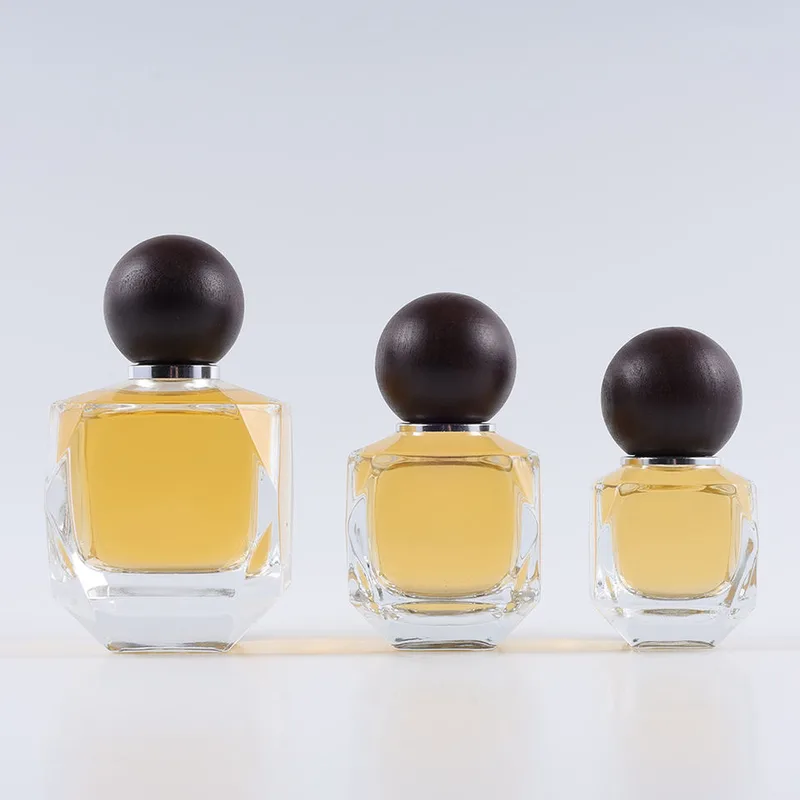
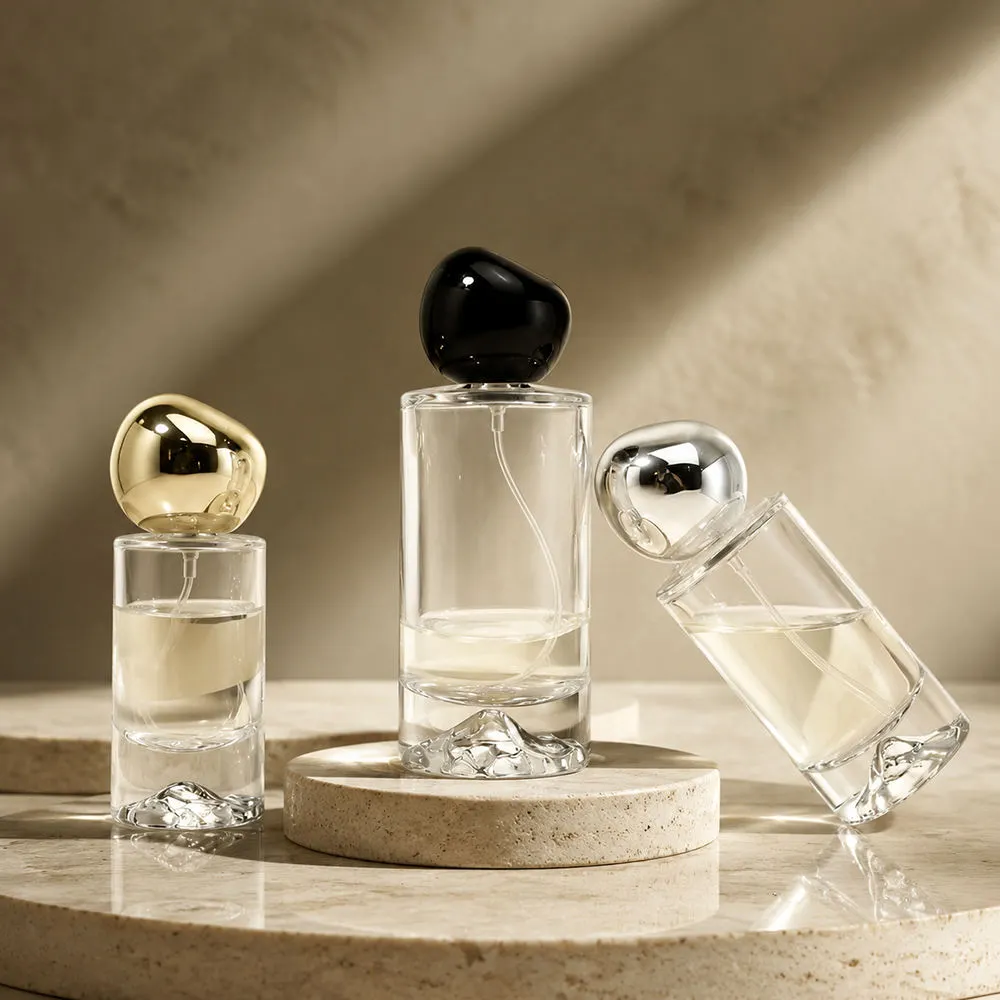
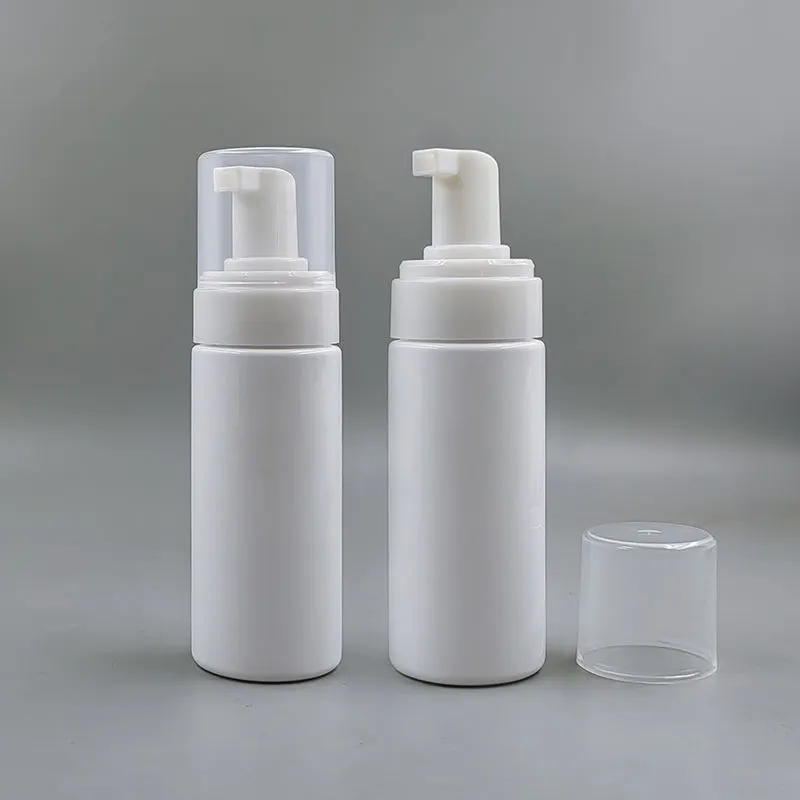
Direct answer: The main cosmetic-packaging printing routes are screen printing, pad printing, offset/letterpress and flexographic printing, digital printing, and printed labels. Hot foil, heat transfers and coatings are related decoration methods rather than interchangeable printing processes. For a simple premium perfume-bottle logo, qualified screen printing is often a sensible starting point; for a hand-cream tube with full-colour artwork and several variants, printed laminate or digital printing may be more practical. The best choice depends on the exact substrate, shape, artwork, quantity per SKU and the filled product’s use conditions.
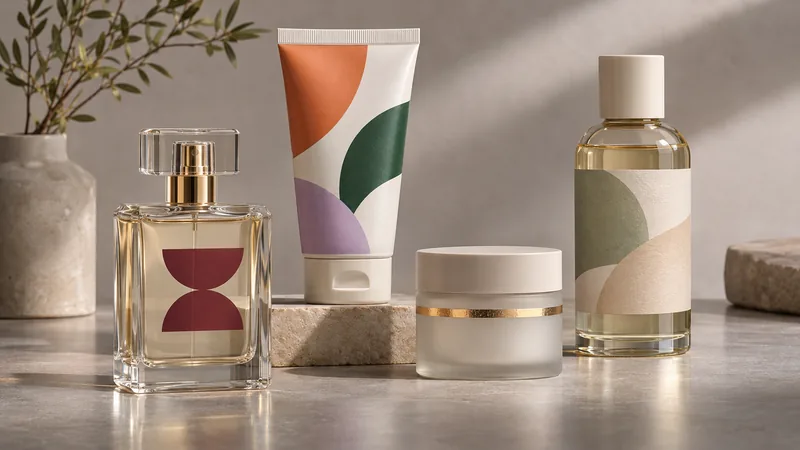
What are the main cosmetic packaging printing methods?
It helps to separate how the image is applied from what finish the customer sees. “UV printing” is often used loosely: UV describes a curing system, while inkjet is a digital application method and screen printing can also use UV-curable ink. A metallic look can come from ink, transferred foil, a metallised component or a printed label; these are different specifications, not synonyms.
Screen printing
Where it works well: Glass/plastic bottles, jars and selected tube bodies
Strength: Opaque spot colours and direct-to-pack appearance
Limit or buyer check: Each colour needs a screen/pass or station; verify registration, ink adhesion and cure.
Pad printing
Where it works well: Caps, compact shapes, small irregular panels
Strength: Compliant pad reaches areas a flat screen cannot
Limit or buyer check: Small image area; fixture and curved-surface distortion matter.
Offset/letterpress and flexography
Where it works well: Tube sleeves or laminate webs, labels
Strength: Repeatable multi-unit production; flexo/combination can handle broad graphics
Limit or buyer check: Plates and setup favour stable repeat artwork; ask whether printing occurs before tube forming.
Digital inkjet/digital web print
Where it works well: Shorter runs, multiple versions, photographic artwork
Strength: Artwork changes without conventional printing plates
Limit or buyer check: Confirm white underbase, colour consistency, ink cure, durability and actual press capability.
Pressure-sensitive label
Where it works well: Bottles, jars, selected tubes with usable label panels
Strength: Dense copy, multilingual variants and late-stage changes
Limit or buyer check: Adhesive, facestock and application must survive moisture, oil, curvature and handling.
Hot foil / heat transfer
Where it works well: Foil accents on suitable surfaces; transferred artwork on qualified parts
Strength: Metallic focal point or complex preprinted graphic
Limit or buyer check: Not a substitute for all legal copy; contact pressure, heat, seam and adhesion control the result.
Tube Council describes laminate tubes as printed on flat web stock by offset/letterpress, flexographic or digital methods before the web is formed into a cylinder and headed. LINHARDT documents screen, offset, digital and combined systems for plastic tubes. Glass specialist Stölzle documents screen, pad, hot-foil and digital decoration for cosmetic glass. These sources establish available routes, not a universal claim that every supplier offers every route. [1–3]
For a focused comparison of only three common routes, see Boyu’s screen printing, hot stamping and label selection guide. The present guide extends that choice to tube-web, digital and irregular-surface processes.
Match the print method to the material and geometry
The substrate is the surface the ink or adhesive actually touches. A painted glass bottle is a coating-printing project, not a bare-glass project; a laminated tube presents a print film, not necessarily the resin visible on its inside. The same artwork can pass on one construction and fail on another. Ink supplier Siegwerk specifically identifies flexibility under squeezing, resistance to moisture and selected fill ingredients as performance requirements for cosmetic tube laminates. [4]
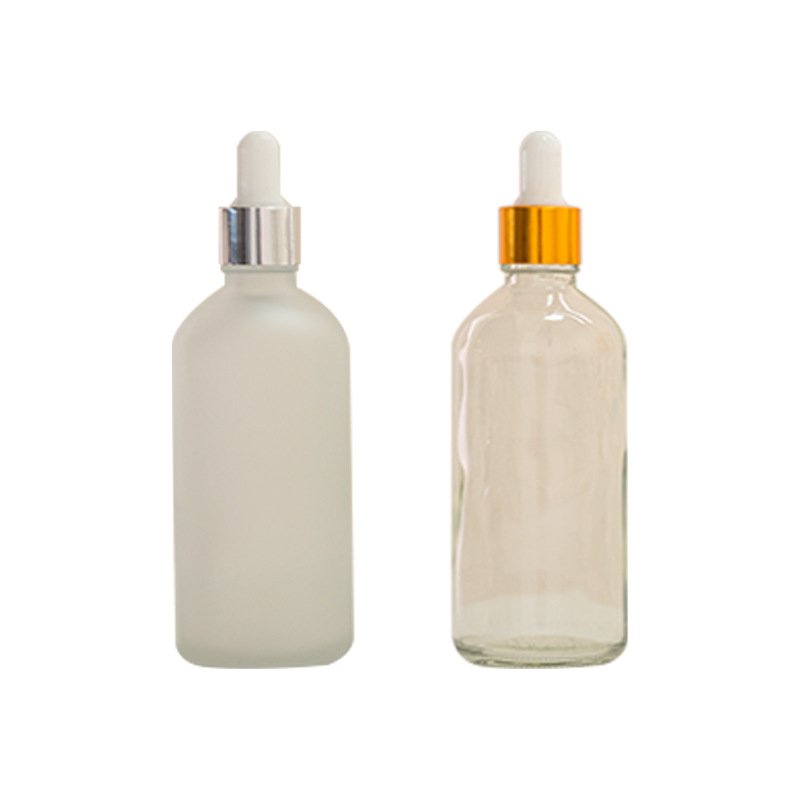
Clear or coated glass bottle
Useful shortlist: Screen print for solid marks; pad print for awkward panels; digital for complex imagery; foil for accents
Non-negotiable trial: Test on the actual bare or coated bottle after the specified cure, then expose to fragrance/alcohol and rubbing.
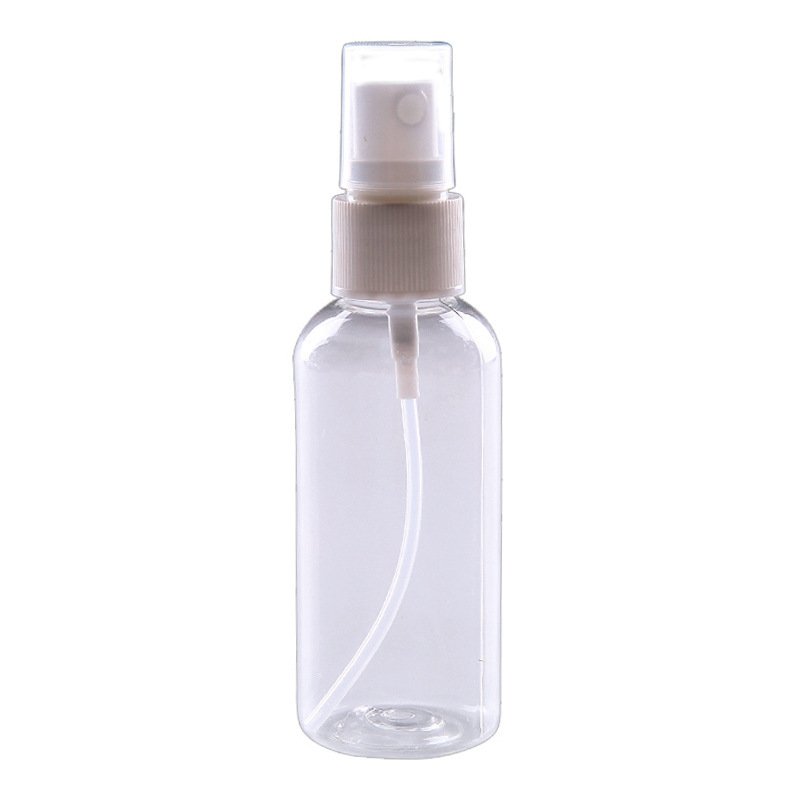
PET/PETG rigid bottle
Useful shortlist: Screen or suitable digital print, label, limited foil
Non-negotiable trial: Check ink/solvent compatibility, stress whitening, heat distortion and contact with the actual formula.
PE or PP squeezable pack
Useful shortlist: Qualified flexible ink or conformable label
Non-negotiable trial: Verify surface preparation, adhesion after storage and repeated flex/squeeze cycles.
PE, PBL or ABL cream tube
Useful shortlist: Direct tube-body print or preprinted laminate using offset/flexo/digital; selected foil
Non-negotiable trial: Inspect registration at the side seam, shoulder and tail; test rub, wet-hand use and repeated squeeze.
Example: decorating a glass perfume bottle
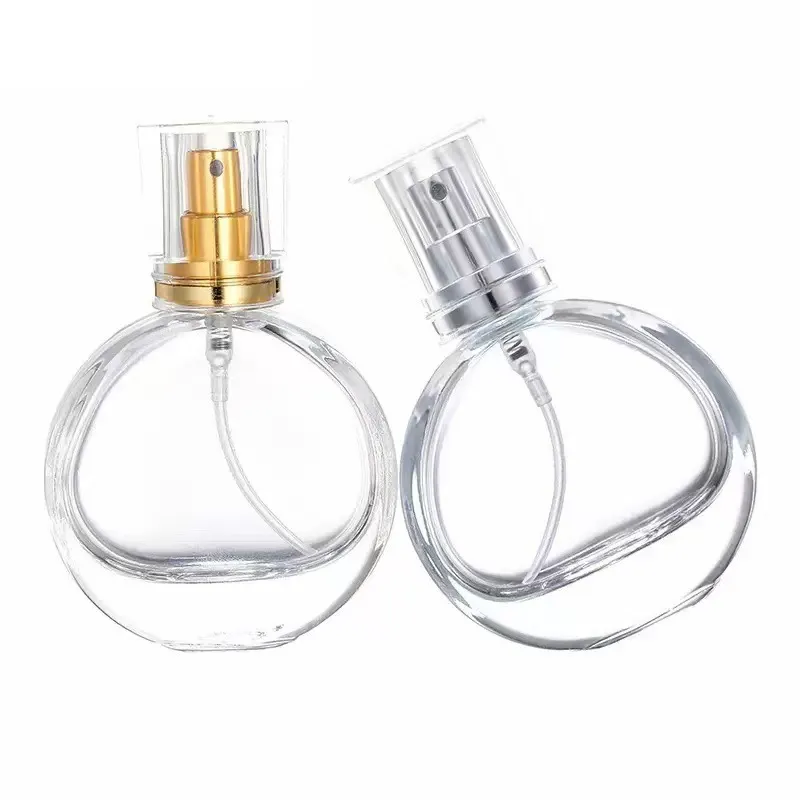
Suppose a fragrance brand wants a clear 50 mL glass bottle with a two-colour front mark, a narrow gold element and market-specific information. A sensible trial architecture is screen print for the stable front mark, a qualified hot-foil accent only on a contact-friendly panel, and a label or carton for variable copy. This is a design recommendation, not a claim that every bottle can accept all three treatments.
First map the printable area on a real bottle: curvature, facets, mould seams and pump/closure clearance determine where a screen or foil die can make repeatable contact. Then choose the glass/ink system and cure; ceramic fired printing and lower-temperature organic or UV systems are different processes. If glass is painted or frosted, qualify the decoration on that exact finish. Marabu’s glass hot-stamping guide, for example, calls for specific primer and pretreatment routes; its temperatures are system-specific, not a universal perfume-bottle setting. [2, 5]
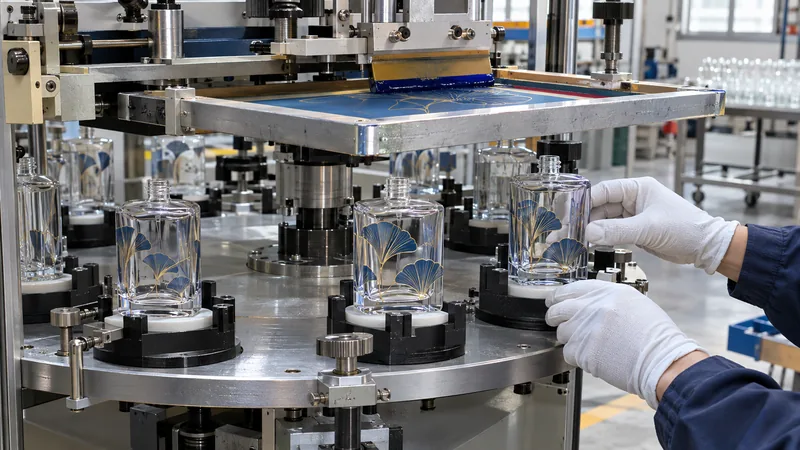
For a small seasonal fragrance range, direct digital decoration or a high-quality printed label may reduce the cost of separate screens and finished-bottle inventory. For a stable minimalist luxury line, a restrained direct print can make the glass itself the visual focus. A foil accent adds perceived richness only if it stays sharp through filling, shelf handling and consumer use. Browse Boyu’s perfume packaging range when defining the bottle shape before decoration; for the screen process itself, see the separate bottle screen-printing technical guide.
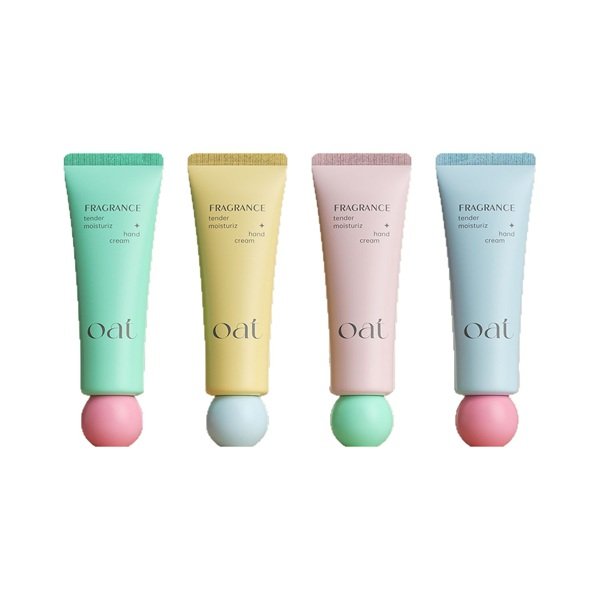
Example: printing a hand-cream squeeze tube
A hand-cream tube is squeezed repeatedly, carried in bags and handled with wet or oily hands. A stiff decorative layer can look excellent in a flat proof and crack or scuff in use. Choose the tube construction and print route together. A PBL or ABL laminate may be printed as a flat web, then formed into a sleeve, joined along a side seam, headed and capped; extruded PE tubes may instead be decorated as formed bodies. The production route determines where the artwork can sit and how it stretches around the shoulder and seam. [1]
For a one-colour spa hand cream, a well-qualified direct screen print can be clean and economical if the forecast supports its setup. For several scents with photographic botanicals, preprinted laminate using flexo/combination or digital print makes more sense. ACTEGA describes flexo/combination and digital laminate printing; the latter avoids conventional printing plates, which can help versioned artwork, but total cost still depends on run size and finishing. [6] For a premium logo, add foil only to an area that remains supported during stamping and survives squeeze testing; do not assume a large foiled panel will flex like ink.
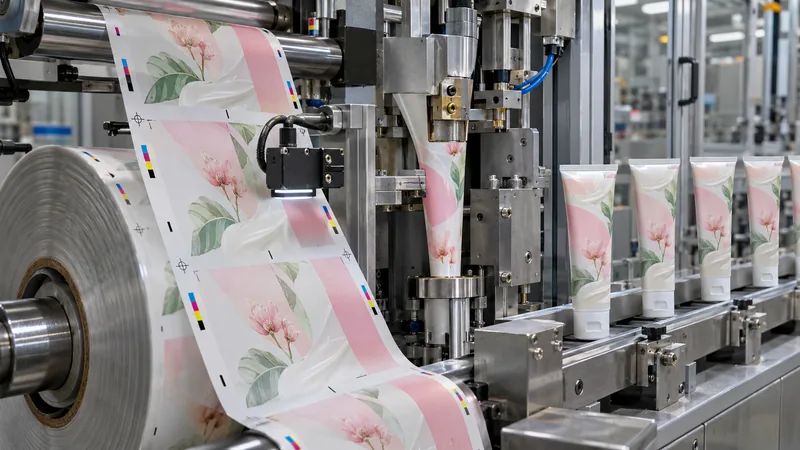
Start with the actual cream-tube formats available from Boyu, then ask for a decoration drawing showing the shoulder, side seam and tail-seal exclusion zones. If information will change frequently by market, a label or separately printed carton may be more flexible than committing all copy to the tube web. Labels on squeeze tubes still need conformable stock and an adhesive/flex trial; see Boyu’s label-peeling diagnosis for the adhesive side of that decision.
Which process is best for cost, usability and brand image?
There is no honest universal cheapest or best method. Compare cost per accepted, filled pack, not only the decorator’s unit price:
Cost per accepted pack ≈ (plain component + decoration consumables + application + inspection + expected scrap/rework + allocated tooling/setup + artwork-change inventory cost) ÷ accepted units. This is a procurement model, not a quoted factory price. Use the same assumed yield, SKU split, artwork versions, shipping and fill-line scope for every quote.
- Small, uncertain launch: a stock bottle or tube with digital print or labels can limit sunk setup and obsolete decorated inventory. Check that the unit cost remains acceptable at the actual order size.
- Stable repeat volume: screens, plates and fixtures can be amortised; consistent direct print may avoid label application at filling.
- Premium but restrained identity: invest in the bottle shape, finish and one precise mark before adding several decorative passes. A poorly registered metallic effect damages brand perception.
- Many regional variants: keep the permanent logo on the pack and put changing language, claims or barcode data on a label, carton or another approved information carrier.
Request each supplier to quote the same specification: per-SKU quantity, number of colours, white underbase, printable area, finish, tolerances, setup/plate/die charges, sample fees, expected yield, packing protection and what happens after an artwork revision. Avoid comparing a bare printing quote with another supplier’s finished, inspected component price.
How should a buyer approve printing before mass production?
- Lock the construction. Record the exact bottle or tube, material stack, coating, cap, formula and intended market. Obtain a dimensioned artwork drawing with colour references and an approved physical master.
- Approve the process window. Ask the printer for the ink/foil/label system, surface preparation, cure method, registration limits and sample conditioning time. Do not prescribe an arbitrary oven or UV setting without the supplier’s technical data sheet.
- Test the filled use case. Inspect legibility, position, colour and opacity; then challenge abrasion, alcohol or fragrance contact where relevant, humidity, oil, cap rubbing, transport scuff and tube squeeze cycles. Define the test method and pass/fail threshold jointly before testing.
- Control the production lot. Approve first-off samples, check at agreed intervals, retain samples and record component/ink/foil/label lots. Quarantine deviations; agree whether sorting or rework is permitted before accepting the order.
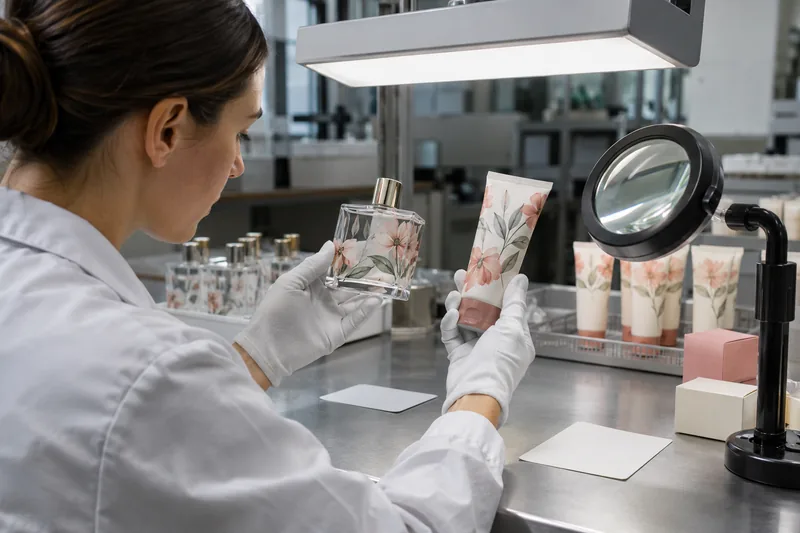
For ink failure under alcohol or rubbing, follow a diagnostic path rather than merely adding another clearcoat: identify the affected substrate and lot, check cleaning/pretreatment, cure and exposure, then retest. Boyu’s screen-print defect guide covers the detailed bottle process. A buyer should also ask whether the chosen coating, foil and label design complicate the intended recycling route; do not call a decorated pack “recyclable” solely because its undecorated base material is.
Frequently asked questions
Is screen printing always better than a label?
No. Screen print can give a clean integrated mark, but labels handle complex colour, dense copy and version changes more easily. The label’s adhesive and facestock must still pass the bottle’s moisture, formula and handling tests.
Does “UV printing” mean digital printing?
Not necessarily. UV can describe how an ink cures; both screen and inkjet systems may use UV-curable formulations. Ask whether the supplier means UV inkjet, UV screen print or a UV coating.
Can a hand-cream tube use the same print as a glass perfume bottle?
The graphic can be similar, but the process specification cannot simply be copied. Glass decoration must bond to bare or coated glass; a tube print must survive its laminate or PE surface, side-seam conversion and repeated squeezing.
Sources and technical references
- Tube Council of North America, How Laminate Tubes Are Made.
- Stölzle Glass Group, Cosmetics catalogue and decoration processes.
- LINHARDT, Printing Techniques for Plastic Tubes.
- Siegwerk, Tube Laminate for Cosmetics.
- Marabu, technical information on glass hot stamping.
- ACTEGA, Printing Techniques for Laminate Tubes.

 English
 Español de Argentina
 Русский
 Italiano
 日本語
 한국어
 العربية
 Français
 Deutsch