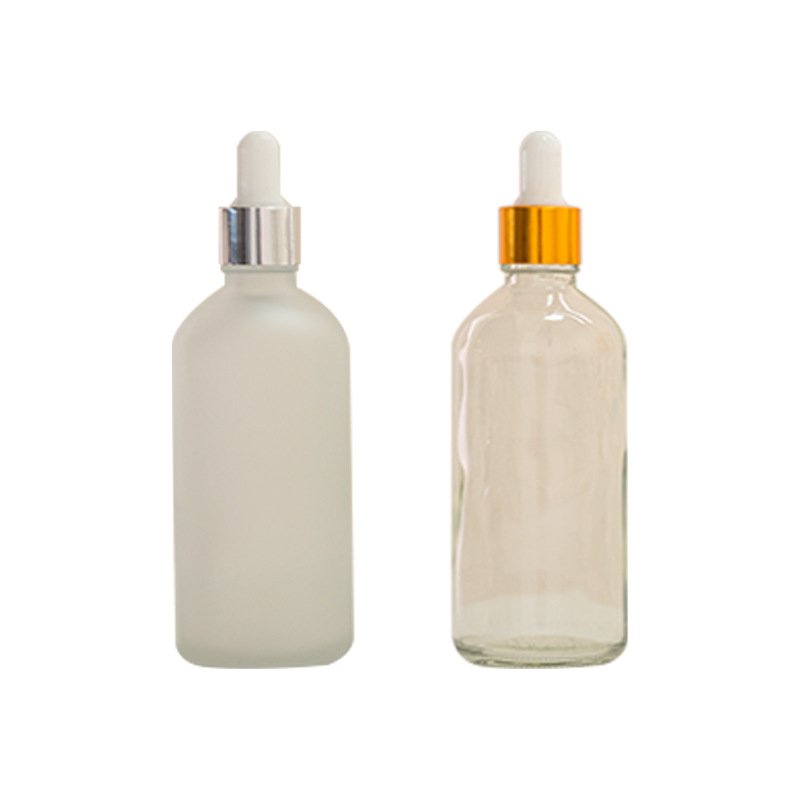
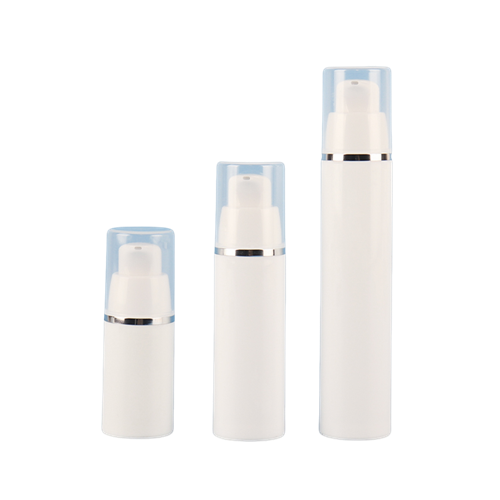
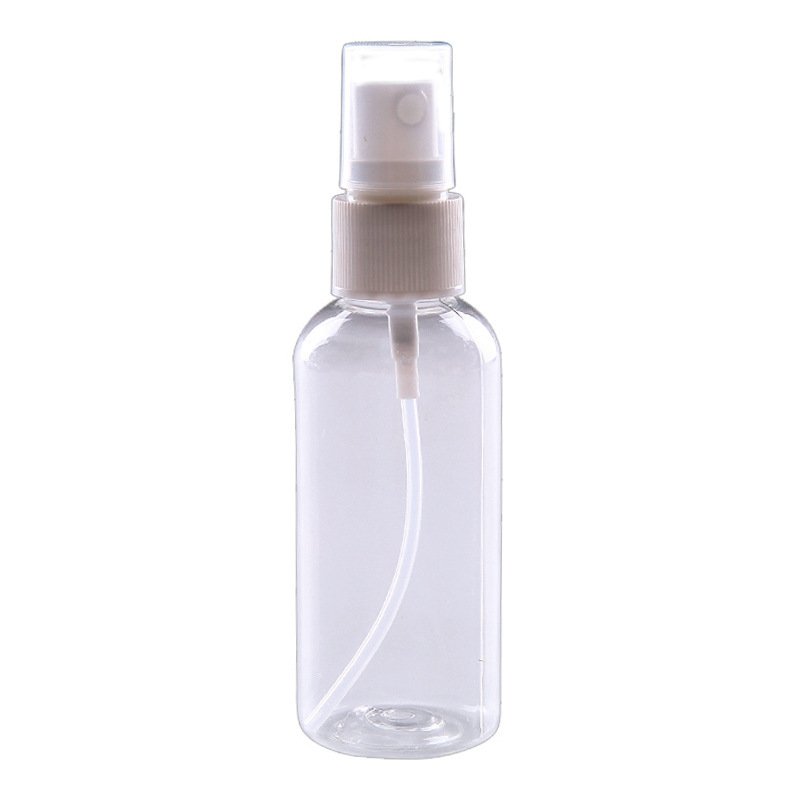
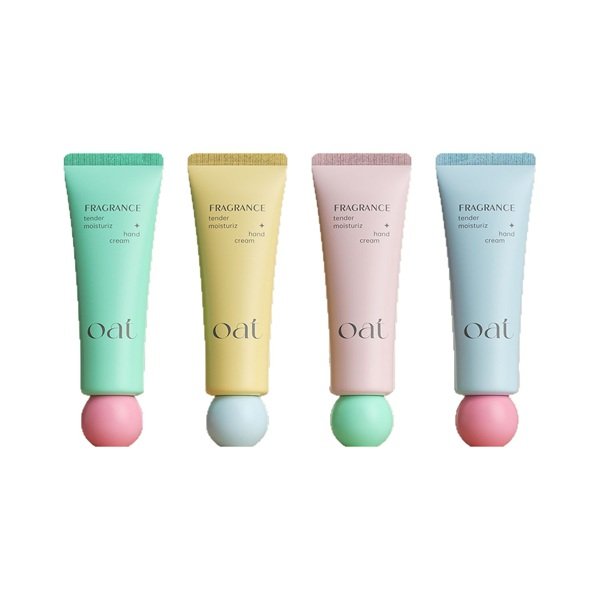
Direct answer: A reliable Chinese factory is one whose legal identity, actual production site, process capability, quality records and commercial obligations can be checked against the specific product you intend to buy. Start with the Chinese business licence and official registry, but do not stop there. Trace who contracts, makes, decorates, exports and receives payment; audit the relevant line; approve production-intent samples and measurable specifications; then inspect the first order before release. Headcount, revenue and a polished showroom are supporting clues, not proof that a supplier can deliver your cosmetic packaging.
This guide is for international buyers sourcing from China, with cosmetic bottles, pumps, jars and tubes as the working example. It is a supplier-qualification method, not a claim that one certificate or factory size guarantees performance.

1. Verify the legal entity—not just the English brand name
Request the supplier’s current Chinese business licence (营业执照), full Chinese registered name and Unified Social Credit Code. Search the code or Chinese name in China’s National Enterprise Credit Information Publicity System. The registry can show registration status, address, business scope, shareholders and other public filings. Match the result to the quotation, purchase contract, invoice and proposed bank beneficiary. A mismatch needs a written explanation of the relationship, not an automatic accusation of fraud.
Build a five-column entity map: seller/contract party, legal manufacturer, each production or decoration site, exporter of record and payment beneficiary. An integrated manufacturer may lawfully sell through an affiliated export company; a packaging integrator may subcontract pumps or coating. What matters is disclosure, traceability and a named party responsible for defects and delivery. A business scope mentioning “manufacturing” is a useful lead, but it does not establish that the quoted bottle is made at the listed address.
Important distinction: an empty cosmetic bottle is packaging, not a filled cosmetic formula. Do not automatically demand a cosmetic-product manufacturing licence or ISO 22716 certificate from a bottle plant. Ask which permits, registrations, test reports and management-system evidence actually apply to the process and destination market.
For a high-value program, ask for a live site walk-through or independent audit tied to the legal entity and address. Confirm the building sign, receiving area, relevant equipment and a recent order record in one continuous session. Video alone is weaker than site-specific records; a certificate PDF alone is weaker than checking its issuer, scope, address and current status. ISO says third-party ISO 9001 certification is voluntary and does not itself certify a product. If a supplier claims accredited certification, verify the certificate with its certification body or IAF CertSearch, including the exact site and scope.
2. Test whether the factory can make your specific package
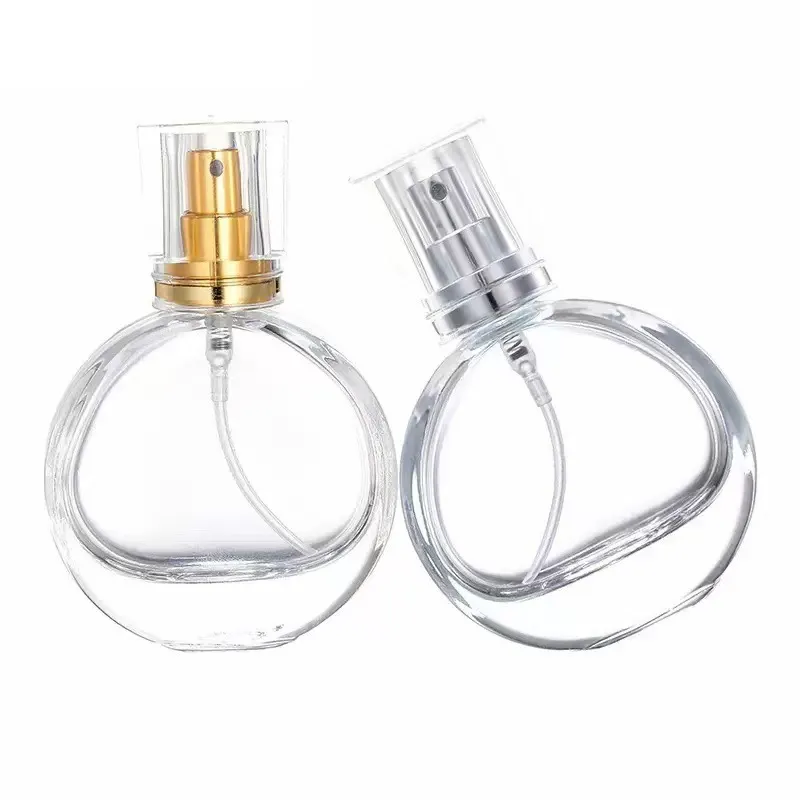
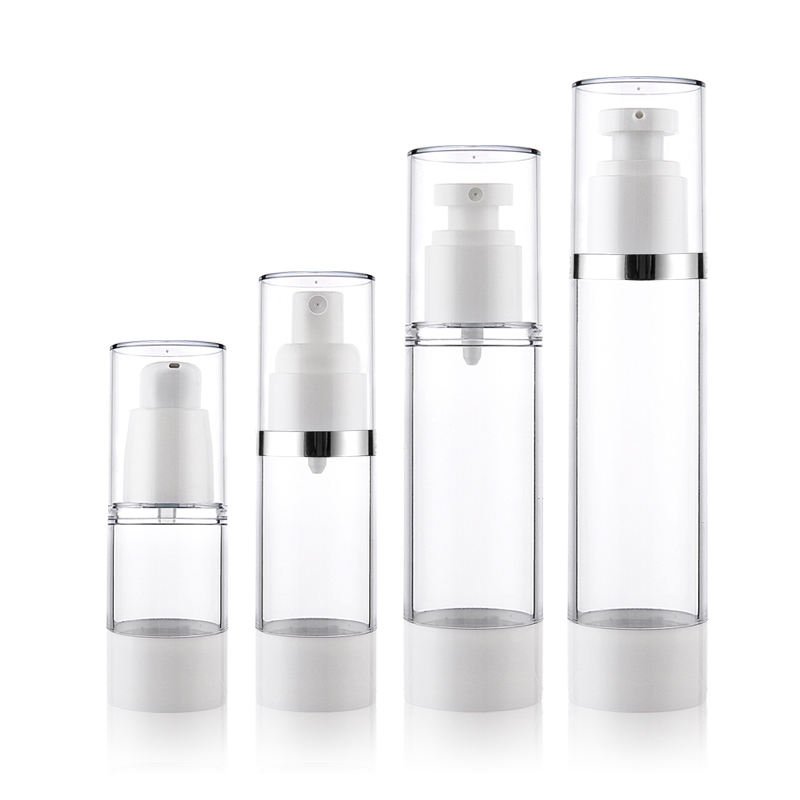
A supplier can be a real factory and still be the wrong factory. For PET shampoo bottles, ask which site blow-moulds the body and which site makes the cap and pump. For glass perfume bottles, distinguish forming, annealing, coating, printing and crimp-component sourcing. For airless systems, identify the moulding and assembly sites. Record what is in-house, routinely subcontracted or newly outsourced; then audit the steps that control your critical dimensions or appearance.
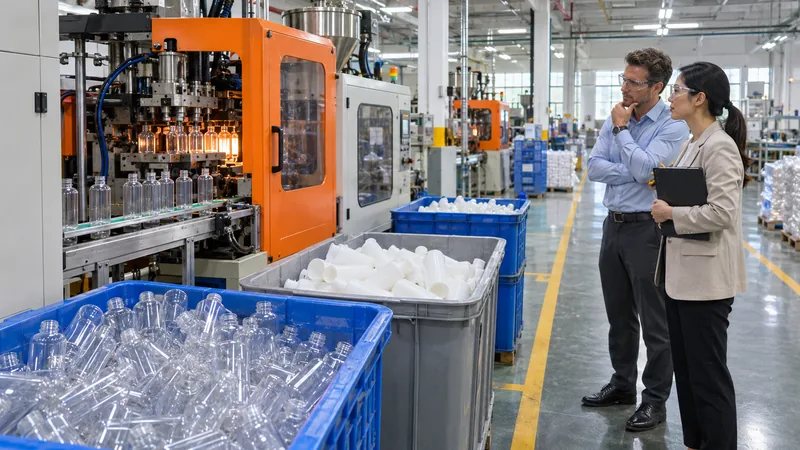
Use capacity arithmetic, not a headline “pieces per day”
Ask for the number of usable machines and mould cavities for your SKU, normal cycle time, planned shifts, demonstrated yield, changeover time, maintenance downtime and the portion of capacity already committed. A screening calculation is gross units per day = cavities × cycles per hour × scheduled operating hours; then subtract expected downtime and rejects to estimate saleable units. For example, four cavities at 600 cycles per hour for eight hours yield 19,200 gross units, not 19,200 accepted units. This is illustrative mathematics, not Boyu’s capacity. Verify the inputs with production logs and a pilot run.
Headcount and annual sales can help screen scale or financial resilience, but neither predicts the throughput of a specific neck finish or decorated color. Request current, dated figures with their definition: employees on payroll versus group-wide staff; annual revenue versus export revenue; site-wide capacity versus free capacity on the relevant line. If a private supplier will not disclose revenue, ask instead for an audited financial reference where commercially justified, proof of stable raw-material sourcing and a production schedule that can be independently checked. Do not publish an unverified number as fact.
3. Require evidence that quality is repeatable
For cosmetic packaging, start with a signed drawing and material specification. Depending on the format, critical-to-quality characteristics may include capacity, bottle weight and wall distribution, neck dimensions, closure fit, application torque, leak integrity, pump output, print adhesion and visible defect limits. The approved sample should represent the intended production materials, mould and decoration route. A showroom sample made by another supplier is not enough.
Ask the factory to walk one recent lot from incoming resin or glass batch through in-process inspection, finishing, assembly, final release and retained samples. Look for lot/cavity traceability, calibrated measurement tools, defect classification, nonconforming-product segregation and corrective-action records. A pass/fail certificate without method, sample identity, lot, acceptance limit or raw result gives little purchase protection. Boyu’s cosmetic bottle testing guide can help define the tests relevant to the package; actual formula compatibility still needs a filled-pack study.

Freeze change control before deposit: the seller must seek written approval before changing resin grade, PCR content, mould, component supplier, coating site or key test method. A cosmetic packaging quality agreement can define the approval trigger, inspection limits, rework rules and claim process. Specify who pays for containment, replacement, freight and retesting if a batch fails. ISO 9001 can support a management-system assessment, but buyer-specific specifications and order records determine whether this package meets requirements.
4. Compare MOQ, price, lead time, export and after-sales on the same basis
Ask for an RFQ broken down by bottle body, closure, pump, color, decoration, tooling, sample, test, packing and freight. MOQ may apply separately to each resin/color/mould/print setup and to purchased pumps. A supplier’s lowest advertised MOQ may therefore not apply to your complete configuration. Request a written MOQ per component and variant, and ask what changes when you consolidate colors, use a stock mould or split releases against one forecast.
For lead time, separate engineering drawing approval, tooling, production-intent sampling, compatibility testing, bulk manufacturing, decoration, assembly, pre-shipment inspection and transport. Ask for a milestone schedule with dependencies and a remedy when a supplier-controlled step slips. A quoted “20 days” is meaningless unless it states when the clock starts and whether pumps, decoration and inspection are included.
Export experience is best evidenced by a redacted recent shipping-document set for a similar package and destination, plus a clear explanation of who is exporter of record. Agree the named place and Incoterms® 2020 rule in the contract; ICC explains that Incoterms allocate delivery, costs and risk but do not replace the sales contract. Your import broker should confirm classification, origin and destination-market obligations. For US imports, CBP states that the importer of record retains responsibility for reasonable-care entry, classification and valuation even when a broker is used.

After-sales service is not a promise to “solve problems quickly.” Put response time, claim window, evidence requirements, investigation owner, replacement/credit route and cost allocation in writing. For the first order, consider a production-intent pilot, in-process checkpoint and independent pre-shipment inspection. Compare suppliers on total landed cost and failure exposure, not unit price alone.
5. Applying the checklist to Boyu Packaging
Boyu publicly describes itself as a manufacturing-and-trade business, with a Hangzhou commercial office and glass and plastic production operations identified by Boyu in Xuzhou, Jiangsu and Yuyao, Ningbo, respectively. These are company-reported operating claims, not independent verification of legal ownership, employee count or each site’s capacity. Boyu’s factory-or-trading-company profile explains the model and shows company-published workshop media. Buyers should still map the contract entity, actual site and subcontracted steps for their SKU.
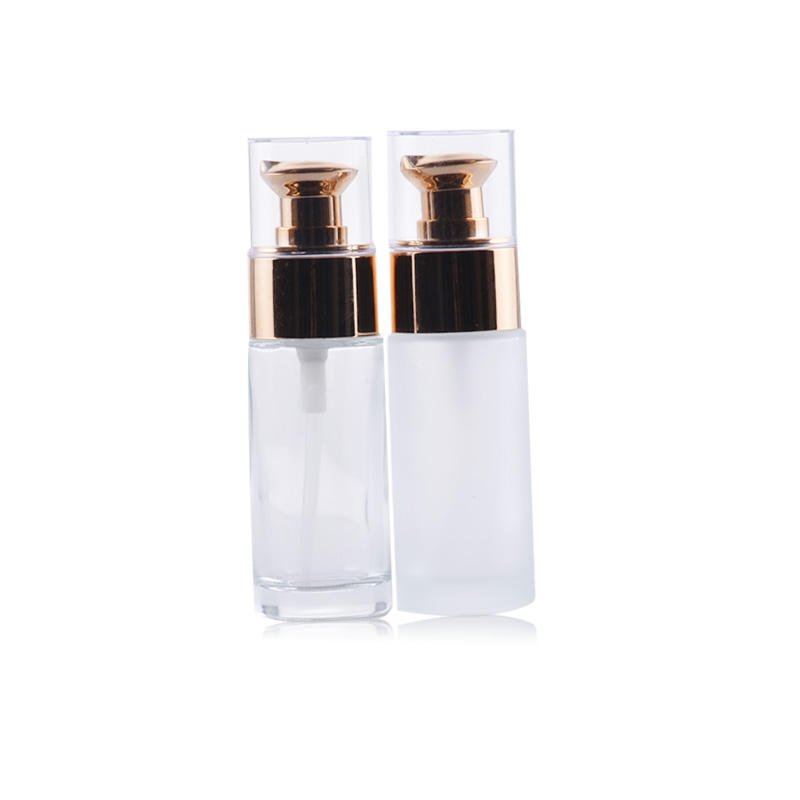
For a Boyu glass perfume bottle, request the Chinese licences of the contracting and forming entities, the forming-site address, an approved bottle drawing, neck/weight tolerance, annealing and appearance criteria, decoration site, pump-interface trial and shipment protection plan. For a plastic lotion bottle, request resin grade, mould/cavity identification, wall/neck control, compatible pump and gasket specification, filled-pack leakage and formula trials. Browse the relevant plastic cosmetic bottle range or cosmetic glass packaging range only after the application is defined.
Boyu’s public product pages give product-specific indicative MOQ and timing statements, but figures vary between pages and configurations. Confirm the exact MOQ, sample route, tooling requirement, available line slot, production lead time and after-sales terms on a dated quotation. This article does not assert Boyu’s headcount, annual sales, factory area, output, certification status or export volume because independently verified current figures were not available for this review. A prospective buyer can ask Boyu to provide dated, site-specific evidence under an NDA where appropriate.
6. A practical supplier scorecard and stop signs
Use a two-stage decision. First apply non-negotiable gates: traceable legal entity and payment route; disclosed manufacturing sites; no unresolved certificate mismatch; production-intent sample; written specification and change control; feasible delivery route. A supplier that fails a gate should not be “rescued” by a low price. Then compare qualified suppliers on weighted factors appropriate to your project: technical fit, demonstrated capacity, quality-system records, total landed cost, responsiveness and contingency planning. The weights are a buyer tool, not an international standard.
Ask for one evidence pack: Chinese business licence and registry code; entity/site map; applicable certificates with scope and issuer; relevant machine and mould list; one redacted batch record; sample and drawing; critical test methods/results; component-level MOQ; dated milestone plan; export-document example; written claim and change-control terms. Request records for the exact product family, not a glossy catalogue.
Pause the purchase if bank details change by email without independently verified callback; if the seller refuses to identify the producing site; if the claimed certificate names another company or unrelated scope; if a “mass-production sample” lacks material and mould traceability; or if delivery dates depend on an unnamed subcontractor. Some of these have innocent explanations, but payment or bulk approval should wait for written reconciliation.
For a startup with limited volume, a capable packaging integrator may be more useful than a very large single-process factory; the trade-off is an extra need to verify subcontractor control. Boyu’s separate startup packaging-factory selection guide addresses that project-stage decision. For an established brand with a high-volume launch, prioritize demonstrated free capacity, line validation, change control and a second-source plan. Neither “factory” nor “trader” is a quality grade by itself.
Frequently asked questions
Does a Chinese business licence prove a company is a factory?
No. It verifies registered identity and scope, not the equipment, site ownership or production route for your SKU. Reconcile the licence with the public registry and inspect the actual production and subcontracting chain.
Must the manufacturing entity itself export the goods?
No. A disclosed affiliated exporter or service provider may handle export. Identify the contract party, exporter of record, manufacturer and beneficiary in writing, and make defect and delivery liability explicit.
Is a bigger factory always safer?
No. Scale helps only if the relevant line, mould, staff and free capacity fit your package and schedule. A smaller specialist with strong process records may outperform a larger plant on a difficult format; audit the order-specific capability.
Sources
- Shanghai Municipal Government, national enterprise registration and public-information system.
- ISO, ISO 9001 quality-management overview and supplier confidence guidance.
- IAF CertSearch, certificate-verification guide.
- International Chamber of Commerce, Incoterms® 2020 and commercial contracts.
- U.S. Customs and Border Protection, Customs Broker Guidance.
- Boyu Packaging, product catalogue and company-stated operating model and factory/trade company profile (company-reported claims).

 English
 Español de Argentina
 Русский
 Italiano
 日本語
 한국어
 العربية
 Français
 Deutsch