
Wholesale Empty Car Fragrance Bottles
Boyu Packaging supplies empty glass packaging for automotive fragrance brands, promotional programs and contract fillers. Start with the way you want the fragrance released: passive diffusion through an absorbent cap, airflow around a vent-mounted insert, or a manual spray. Specify the in-use closure and the shipping seal separately.
5 mL for samples and compact packs
Use this as a starting point for light promotional sets or limited-size trials. Approve the wood/insert and bottle with your base because a smaller fill does not automatically make the fragrance weaker.
8 mL for a first car SKU
Compare an 8 mL square body with the proposed hanging or vent assembly. Check assembled mass, vent or cord fit, headspace and resistance to leakage under the planned conditions.
10 mL for more fill
A useful option when the buyer wants more usable liquid. Confirm that the filled bottle and hardware remain suitable for the intended mount, carton and label space.
Car Perfume Bottles and Companion Packaging
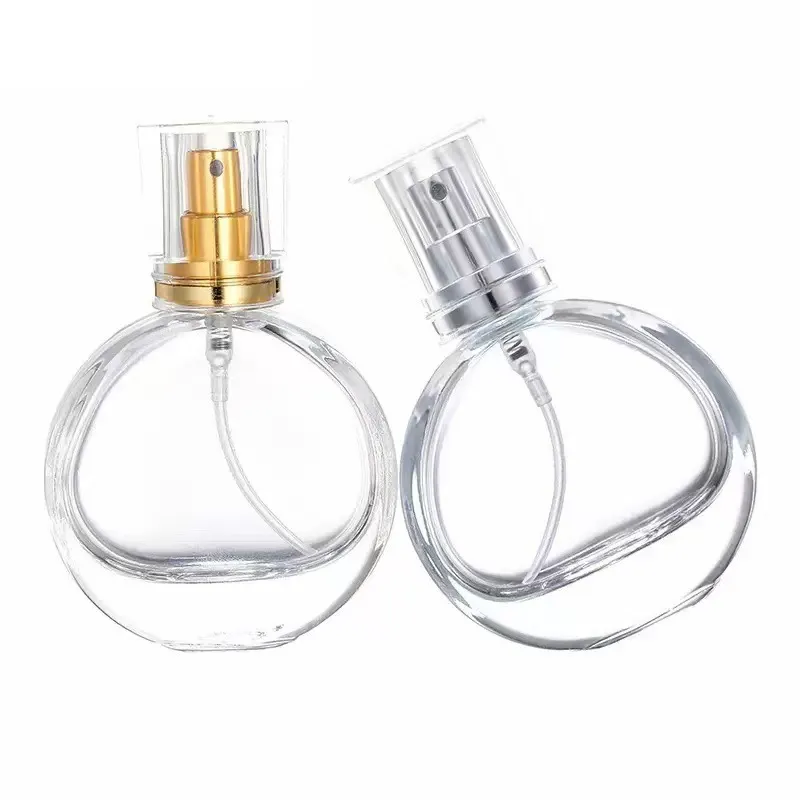
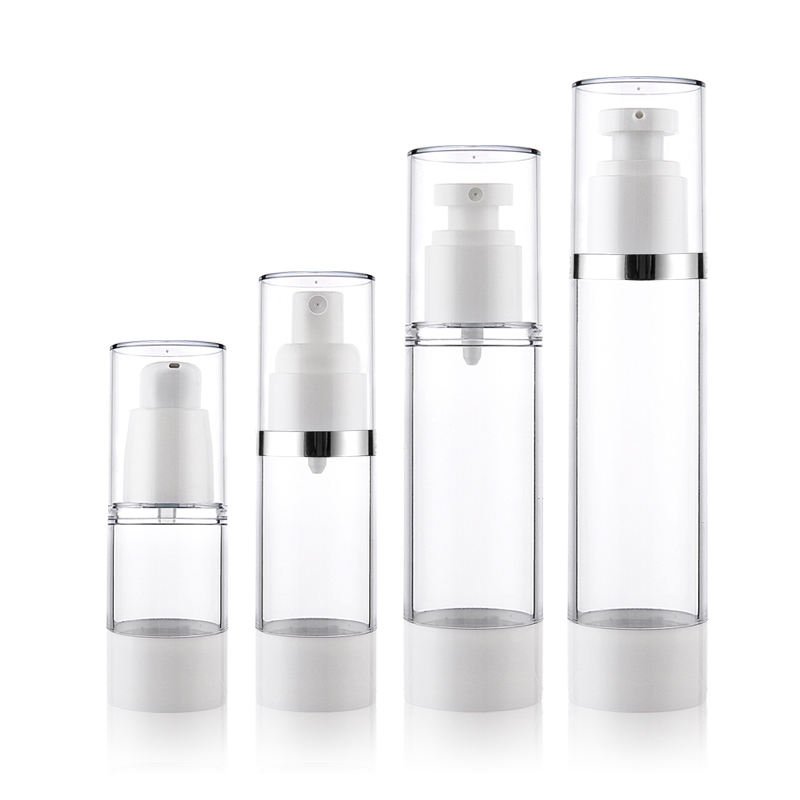
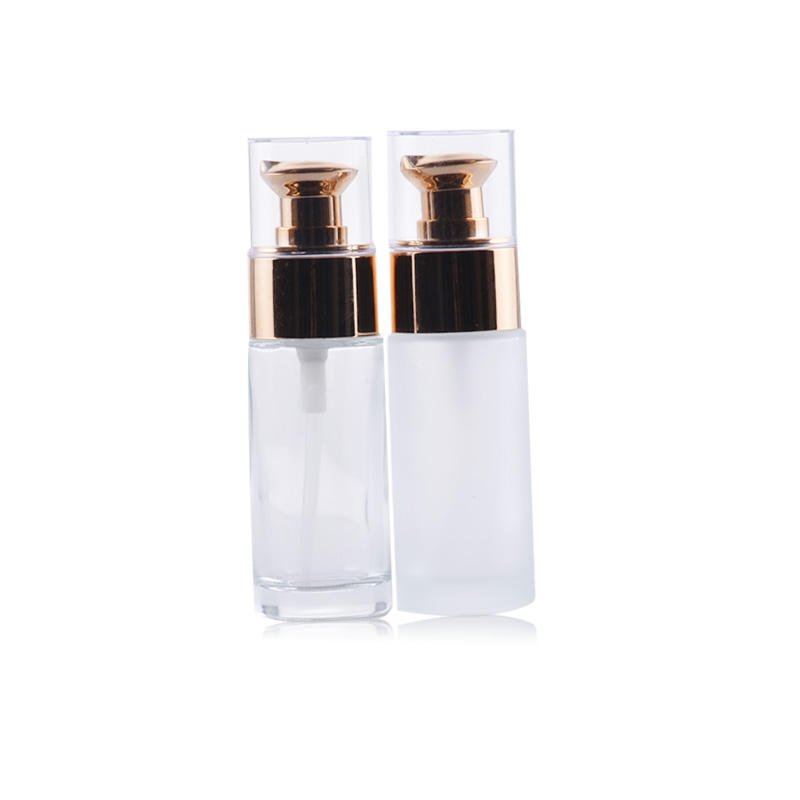
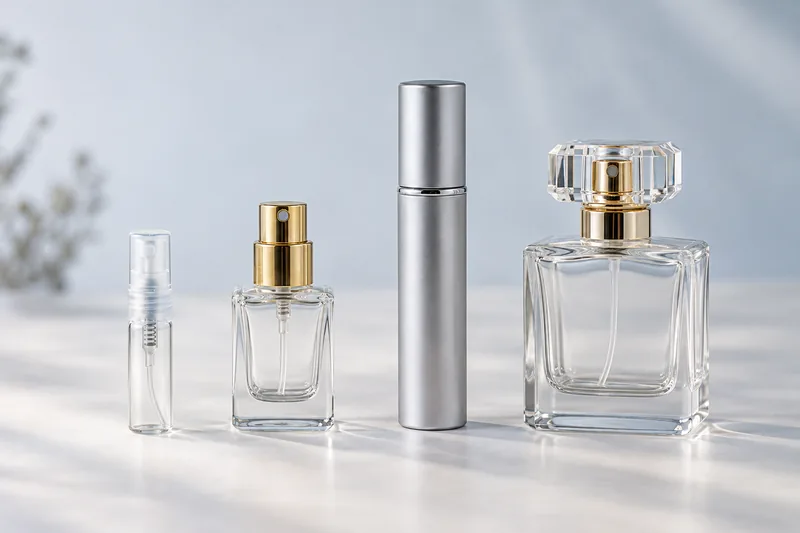
Compare the two dedicated car models first: the 5/8/10 mL square glass car bottle and the 8 mL matte black vent model. The collection below also shows companion travel, personal fragrance and home diffuser packs for brands developing a wider range. Those companion designs are not car mounts.
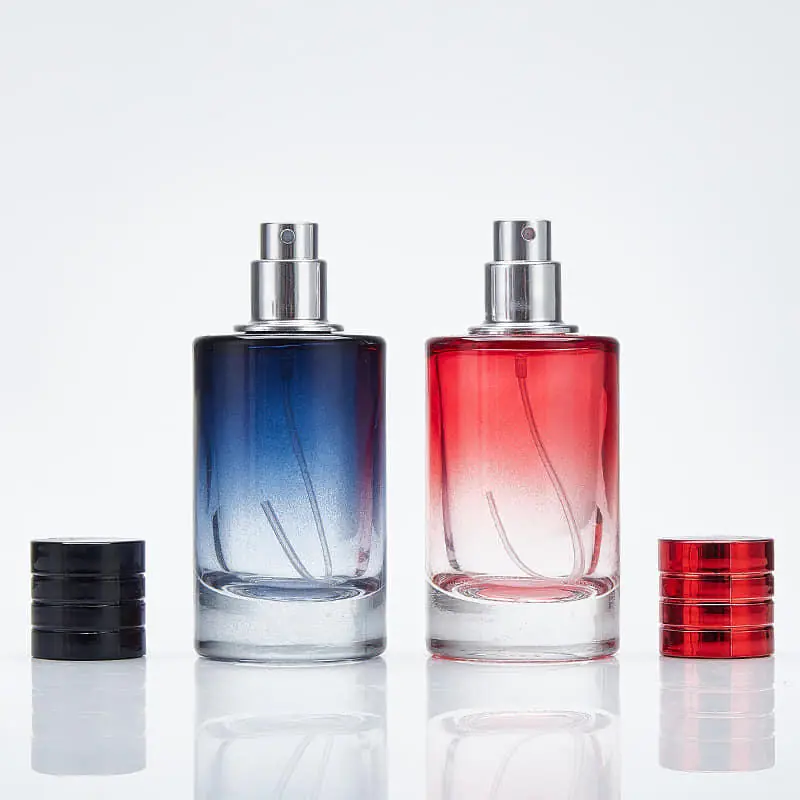
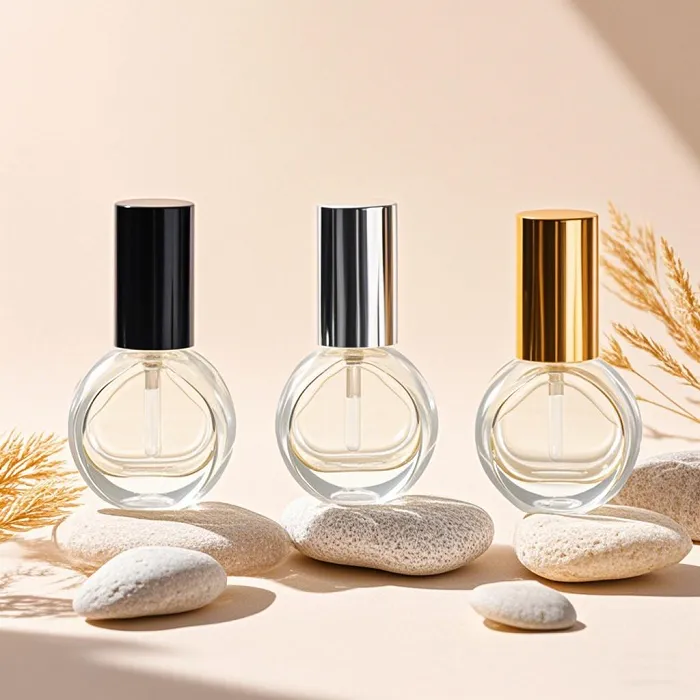
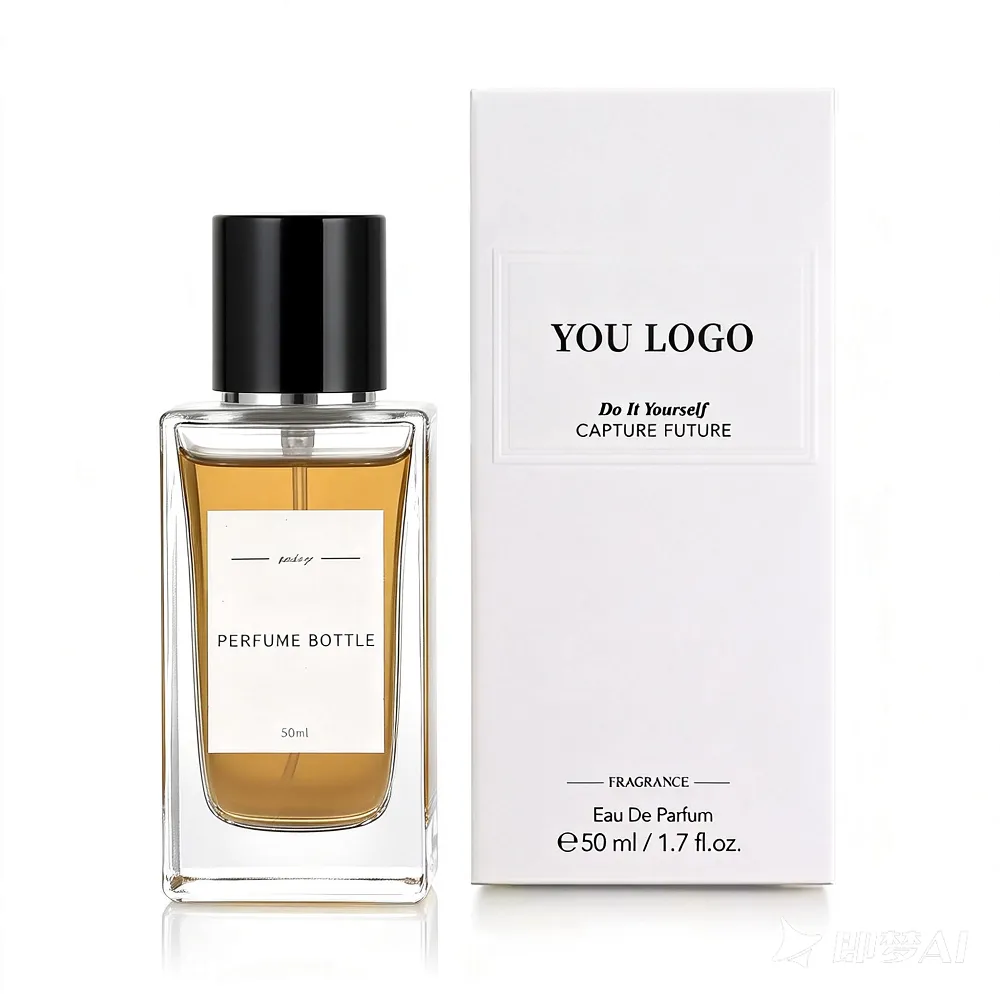
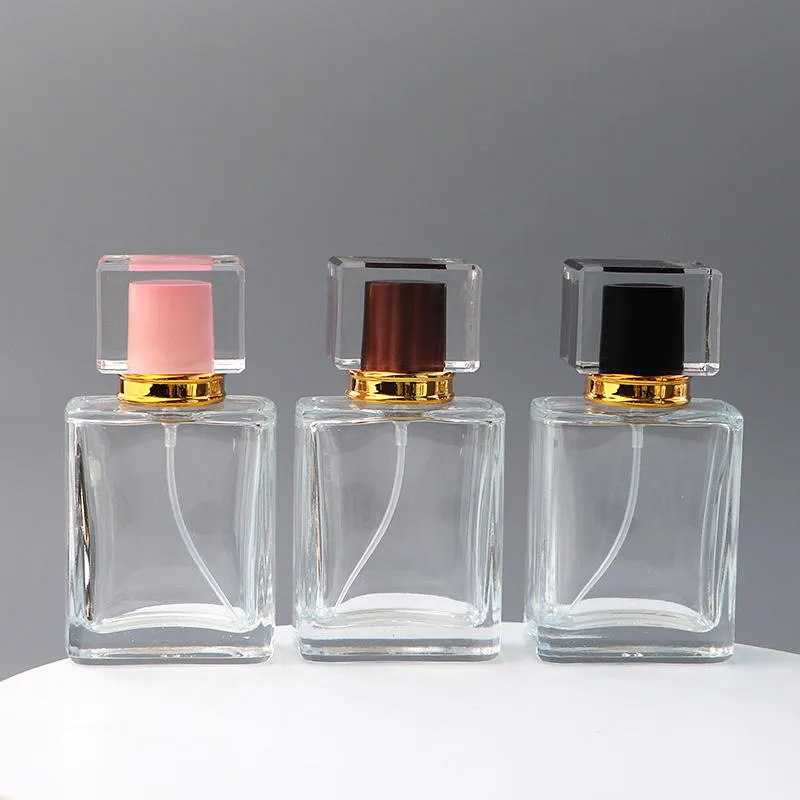

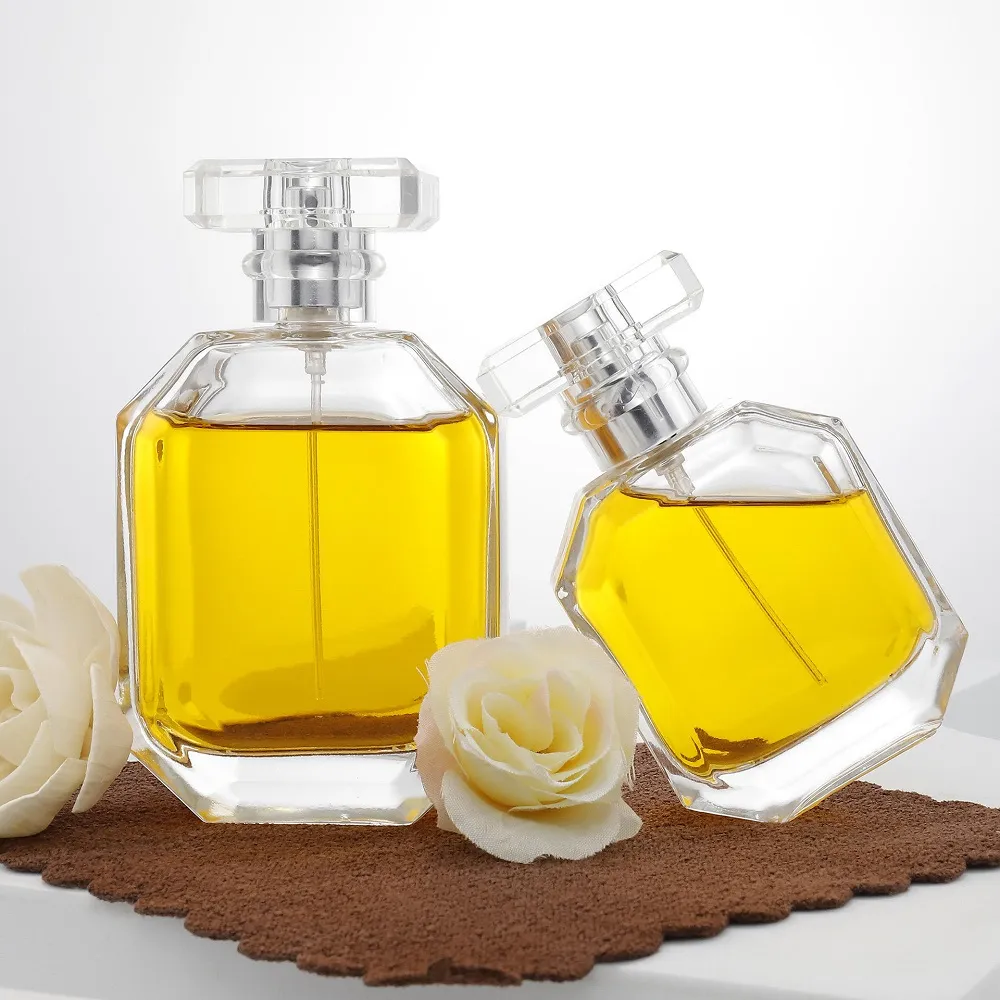


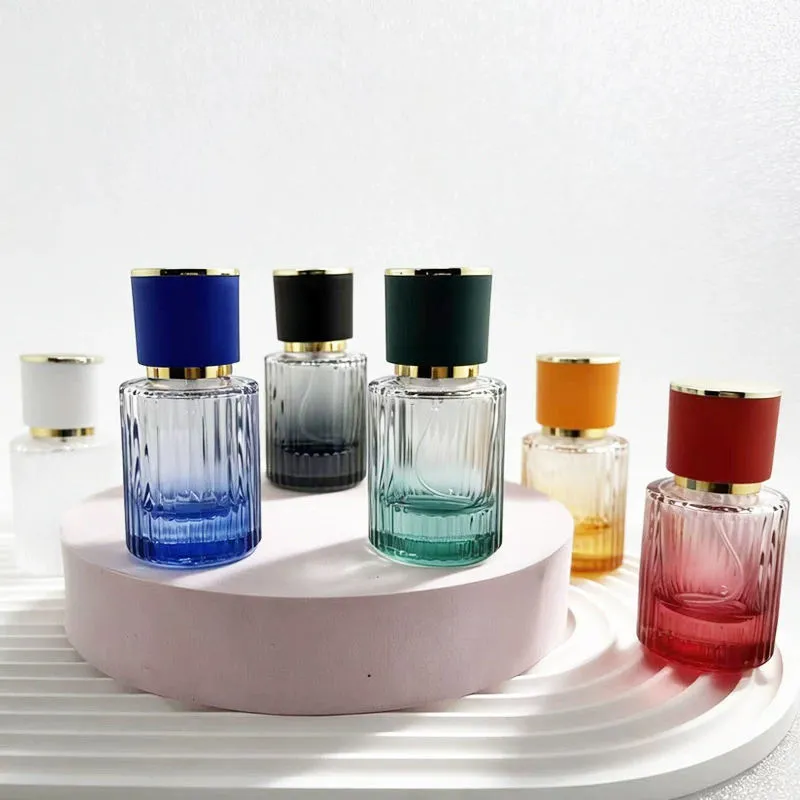
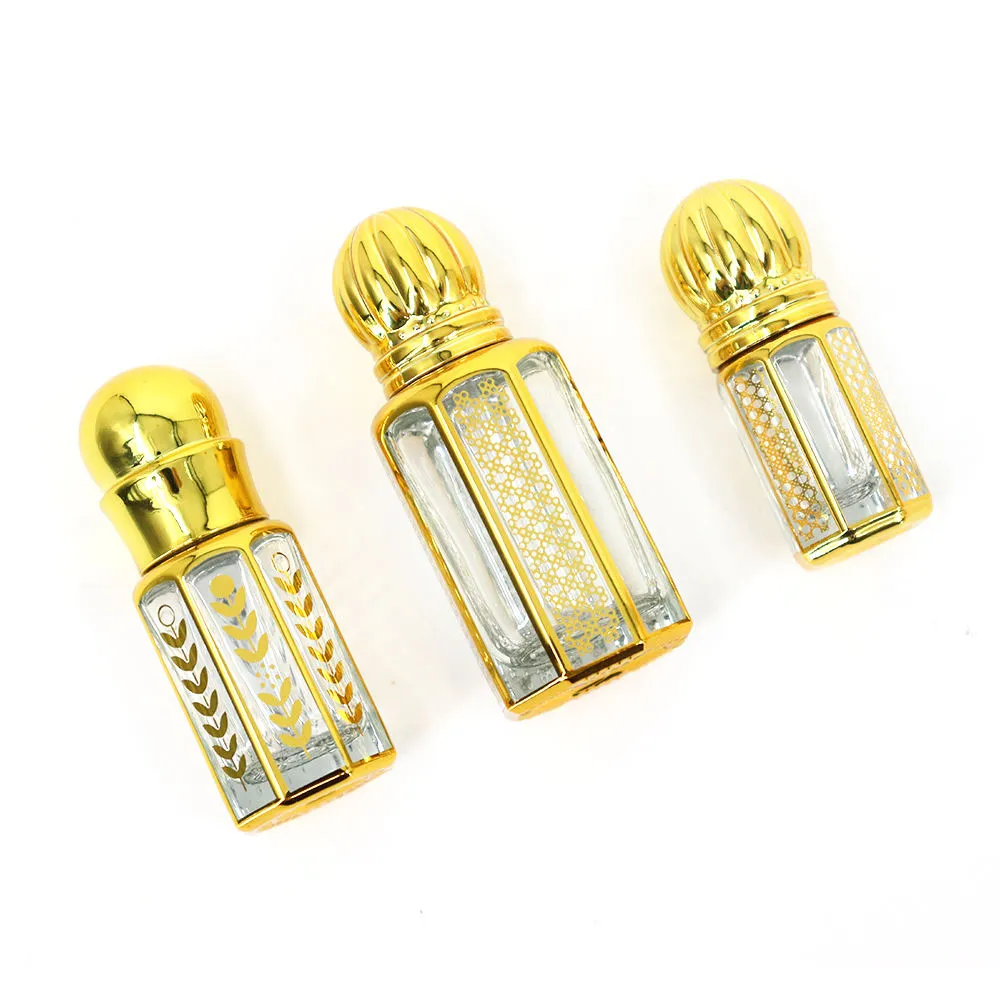
Hanging vs. Vent Clip vs. Spray and Reed Diffuser Bottles
Common Capacities for Cars, Home, Outdoor and Travel
Which size is best? Start with an 8 mL car SKU, compare a 5 mL trial and a 10 mL upgrade, then select by installed dimensions, total moving mass and validated performance. Measure usable fill and brimful volume separately.
Dimensions, Wall Thickness and Unit Weight
Exact weights and dimensions depend on the selected glass mold and components. Approve actual samples and their tolerances before comparing freight, hardware load or compatibility with a filling line.
Glass, Plastic, Wood and Mount Components
Caps, Transport Seals and Spray Pumps
Diffusion cap
Approve wood or wick uptake and evaporation with the final base. Check performance across lots and agreed airflow and temperature. Do not assume a decorative wood outer cap will wick.
Storage or shipment closure
Specify a separate tested plug, liner or sealed cap for storage or transport. Confirm the slot, seal land, neck and insertion/closing settings. Ship inactive in the approved pack configuration.
Screw, crimp or manual spray
A removable screw sprayer may suit refill where validated. A crimp assembly generally is not for consumer refilling. Define compatible neck, gasket, output/stroke, spray shape, cap retention and dip-tube length.
Can a Car Perfume Bottle Be Refilled?
A removable screw cap is a candidate for repeat filling only when the exact bottle, seal and diffuser element are qualified for it. Specify a compatible refill base, working fill line, resealing method and replacement intervals for degraded plugs, wicks or caps. Evaporation and scent carryover should be checked before approving a multiple-fragrance program.
Cycle complete filled samples through repeated opening, refill, closure and mounting. Recheck leakage, wick output, plug retention and mounting stability. Do not offer consumer refills for sealed units or when the mount and cap do not pass the repeat-use trial. Transport refill liquid in its own qualified sealed pack.
How to Prevent Car Fragrance Leakage
-
Separate shipment from active use. Define the sealed warehouse/parcel configuration and the activated operating orientation. A wet wood top or open wick path is not a shipping seal.
-
Confirm neck and closure fit. Approve finish dimensions, seal compression, plug insertion and pull-out or application torque. Check for flash, chipped glass, cracks and twisted gaskets.
-
Test the production formula. Use the target fill, measured density and planned headspace. Evaluate plug/liner swelling, evaporation, assembly fit and dye or fragrance migration.
-
Validate storage and motion. Agree exposure time, orientation, temperature cycles, vibration and drop conditions with the buyer. Recheck the shipping seal after parcel tests and the mount and wick after operational tests.
-
Protect surrounding surfaces. Test foreseeable drips and actual contact on representative trim materials as specified. Design installation and use instructions for the target market, including limits on placement and child access.
Measure active diffusion or vapor loss separately from unwanted liquid escape. Define how to measure each, what constitutes a failure, and who owns corrective action. Avoid a general leakproof claim without agreed evidence.
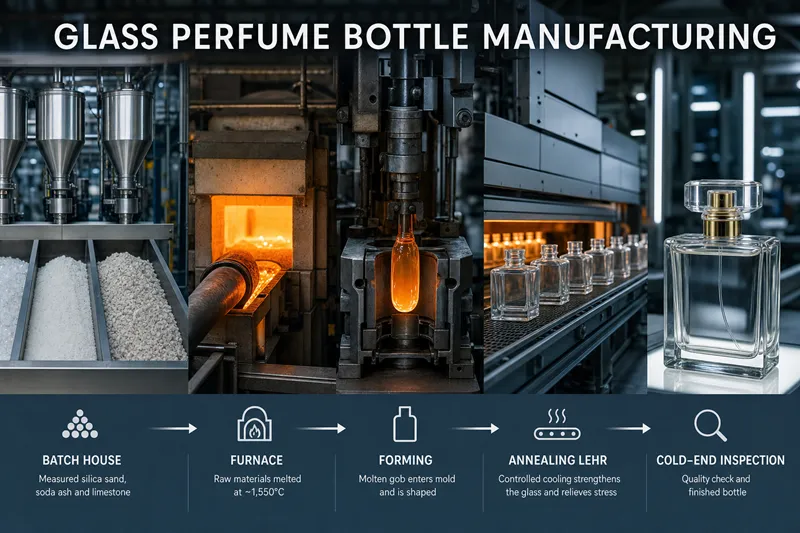
How Car Fragrance Bottles Are Manufactured
-
Prepare the glass and mold. Check the glass specification, mold, body and finish drawings. A narrow compact body still needs a suitable glass distribution and a consistent sealing surface.
-
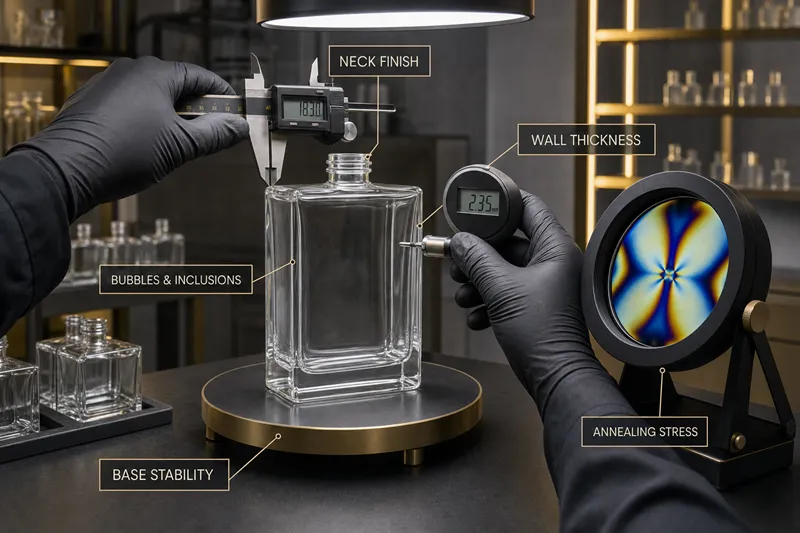
Form and anneal the vessel. Portion molten glass into the forming molds, then anneal the bottles under a controlled cooling profile. Check the finish, mold seams, wall, chips and stress as specified.
-
Make or match the closure and mount. Select the wood shape and insert, molded plug, clip or cord for the approved assembly. Control fit, pull-out, hardware retention and wick dimensions. If a spray is specified, match the pump and neck separately.
-
Decorate and approve a sample. Apply approved screen printing, frosting, color coating or foil where feasible. Set color tolerances for glass, cap and clip separately and check formula and rub resistance.
-
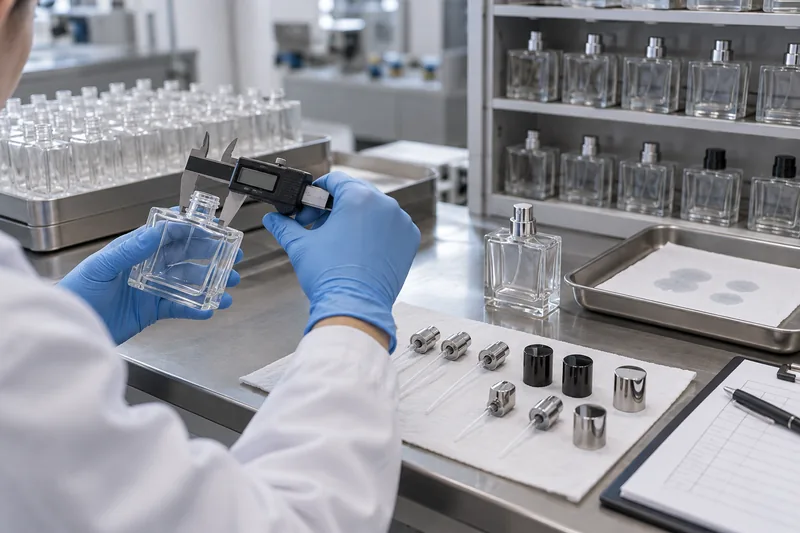
Inspect and pack empty components. Verify bottle/closure fit, labels, counts and lot IDs. Use partitions or sleeves as agreed. Fragrance filling, activation instructions and filled-pack approval remain separate from empty-pack manufacture.
OEM and Private Label Customization
Custom Order: From Brief to Dispatch
-
Send the brief. State intended location, mount targets, formula/base, capacity, model, artwork, quantity split and destination.
-
Compare stock tooling with a new mold. Confirm dimensions, exact quoted parts and which features require new tooling. Review a quote that separates packaging, tooling, decoration, packing and freight as applicable.
-
Approve samples. Use plain samples for initial fit, decorated samples for visual signoff, and production-intent filled samples for leakage, diffusion and mounting tests.
-
Release production. Agree drawing revisions, acceptance criteria, cost and lead-time implications of late changes, then approve the reference sample and deposit.
-
Inspect, pack and ship. Review batch reports, close corrective actions, check quantities, lot labels and export documents, and release the shipment.
Quality Control and Pre-Shipment Inspection
Common Production Problems and How to Verify the Fix
Catalog Examples and Application Ideas
5/8/10 mL square glass car range
View the square wooden-collar series. Compare the three nominal sizes, then confirm the exact closure, mounting pieces and net grams for your version.
8 mL matte black vent model
View the matte black air-outlet bottle. In a private-label project, approve the clip range, installed height, coating and vibration behavior before scaling.
Illustrative application example
For a gift set, compare an 8 mL car pack with a separately sealed 5-10 mL travel spray or refill. Specify and test their different closures and internal dividers.
Wholesale MOQ, Sample Cost and Typical Lead Time
Importing Empty Car Perfume Bottles from China
-
Specify the goods and market. Send component materials, quantities, whether the vessels ship empty, and whether closures ship installed or separately. Ask your customs broker to confirm classification, duties, taxes and required documents.
-
Compare the same delivery terms. Use a named place under Incoterms 2020. For container or multimodal carriage, compare FCA; FOB or CIF apply to the relevant water shipment. Confirm cost, risk, insurance and clearance responsibilities in the quote.
-
Confirm packed dimensions and freight. Request units per carton, carton dimensions, gross weight and total CBM. Compare protective packing, carrier rates and transit time before confirming the order.
-
Approve inspection and documents. Align commercial invoice, packing list and the applicable transport document. Check other documents with the broker. Confirm who handles clearance and delivery at destination.
-
Separate empty and filled shipments. This offer is for empty packaging. If you separately import filled fragrance, ask your forwarder to assess transport classification and documentation using the actual formula and its safety data.
Use the Boyu guide to importing perfume bottles from China to prepare your specification, inspection and packing brief.
Car Perfume Bottle Purchasing FAQ
What size should I choose for a first car perfume SKU?
Start with 8 mL and compare it against 5 mL for trials and 10 mL for a larger fill. Verify working volume, installed dimensions, filled weight and mount retention.
Does a car perfume bottle need a pump?
Passive wood-cap and vent-clip diffusers generally use a wick or absorbent element instead of a spray pump. A manual spray project needs a matched bottle, pump and formula.
Does a vent bottle fit every car?
No. Approve the intended vent geometry, clip range, mounting orientation and retention on representative vents. Assess usability without obstructing visibility or controls.
Can car fragrance bottles be refilled?
A removable screw design can support refilling if the exact container, seal, wick and formula pass a repeated-use evaluation. Sealed or crimped systems are generally not consumer refill formats.
How do I prevent leakage during shipment?
Approve a separate shipping plug or seal and test the actual filled and packed unit for leakage under agreed storage and transport conditions. Keep the in-use diffuser configuration separate.
Can I order a custom logo without a new mold?
Often yes where an existing model has a suitable decoration area. Approve a decorated sample, artwork location, color, adhesion and MOQ for the selected finish.
What are the MOQ and lead times?
The standard custom reference is 10,000 pieces per design and size. Appearance samples commonly take 7-15 days after confirmation and bulk takes about 30-45 days after sample approval and deposit. Confirm your actual combination, with tooling and transit planned separately.
Do these bottles include fragrance liquid?
No. This page covers empty packaging and agreed components. Provide your production formula for filled-pack compatibility and performance testing.
Request a Car Perfume Bottle Quote or Sample
Send the car format or reference photos, capacity, fragrance base, intended installation, estimated dimensions or weight, cap and mounting requirements, print artwork, quantity by SKU, ship-to country and target date. Tell us whether the quote needs sample testing, gift boxes or export cartons.
Related Perfume Packaging Articles
 English
 Español de Argentina
 Русский
 Italiano
 日本語
 한국어
 العربية
 Français
 Deutsch