Facial Cleanser Tubes Engineered as a Complete Packaging System
A cleanser tube is more than a printed sleeve with a cap. Its body structure must protect the formula, recover after squeezing and seal consistently at the shoulder and tail. The cap must match the neck, the dispensing orifice must suit the product viscosity, and the surface treatment must survive wet-bathroom use without peeling or ink transfer.
Boyu reviews the tube body, shoulder, neck, cap, decoration, filling direction, sealing method and transport carton as one project. Existing components normally provide the fastest route to market. A custom shoulder, cap or proprietary profile may require new tooling and additional validation.
Latest Cosmetic Tube Products
The 12 newest products from Boyu’s Cream Tube category.
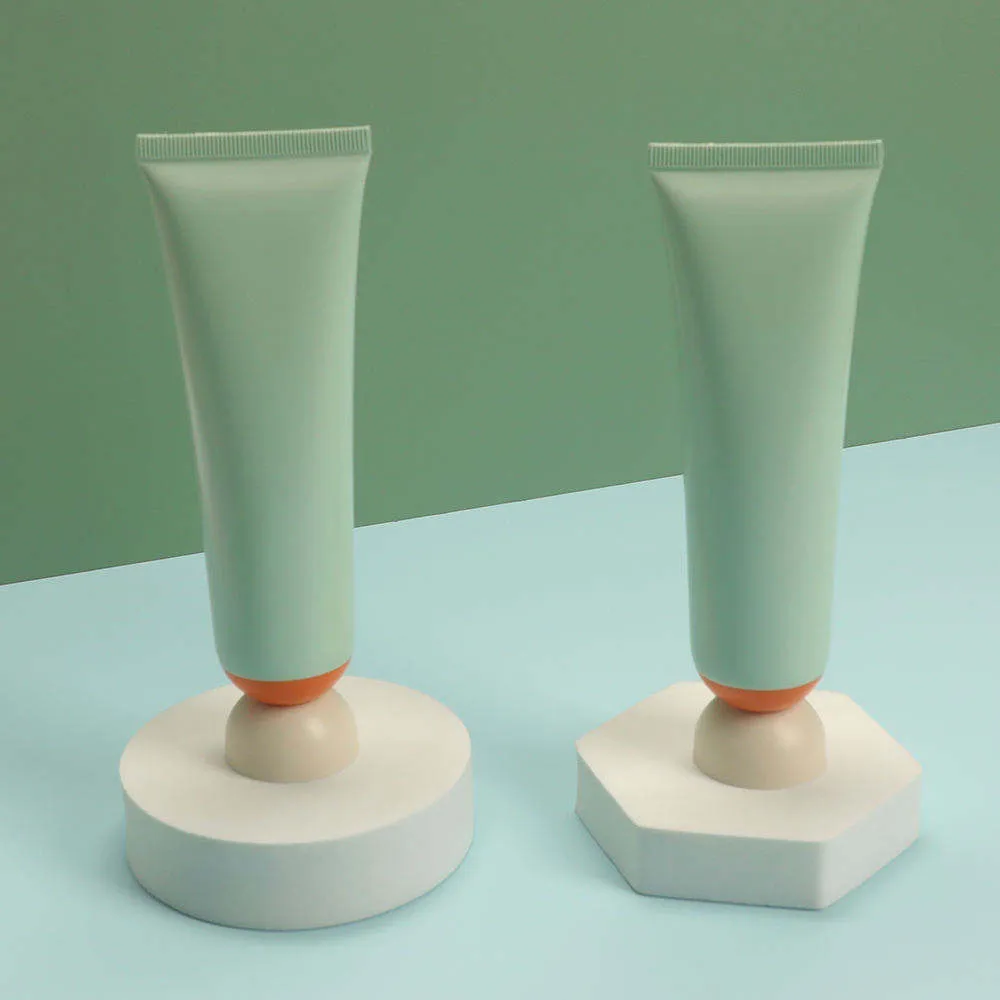 Luxury Custom Soft Squeeze Plastic Tube for Hand Cream, Face Cream 30–200ml
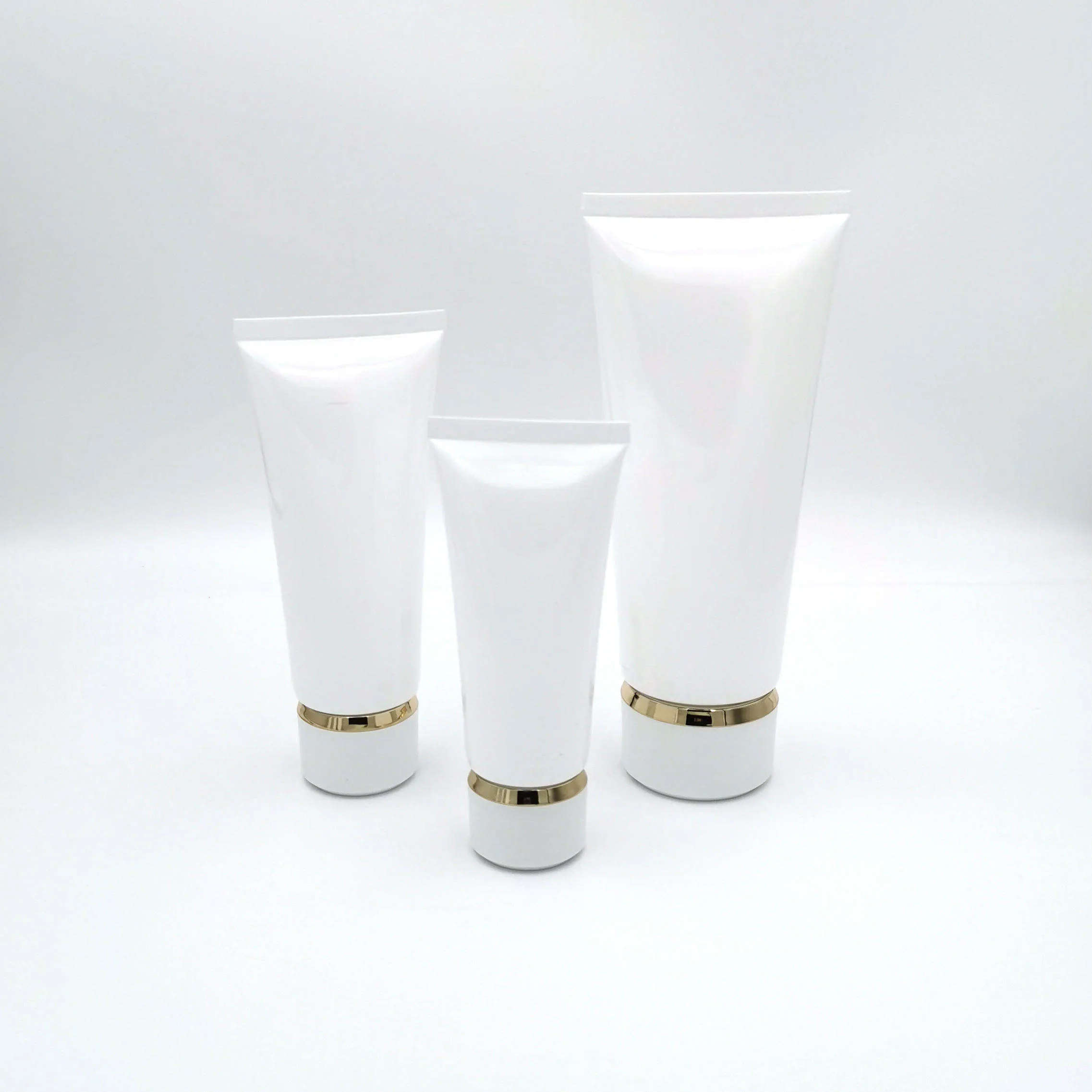 Custom White Empty Plastic Squeeze Tubes for Eye Cream
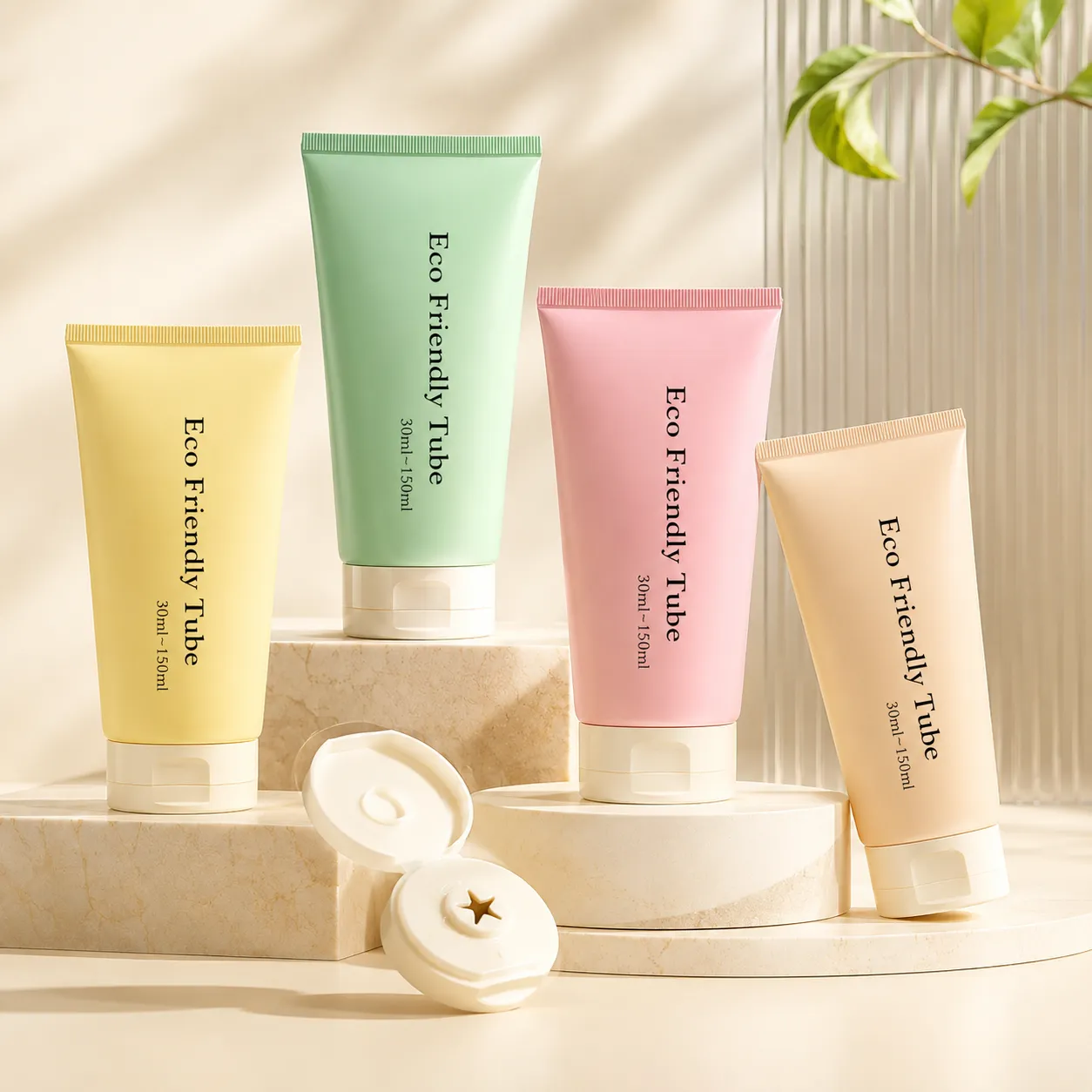 Eco-Friendly PCR PE Cosmetic Tube with Slim Flip-Top Cap 50/100ml
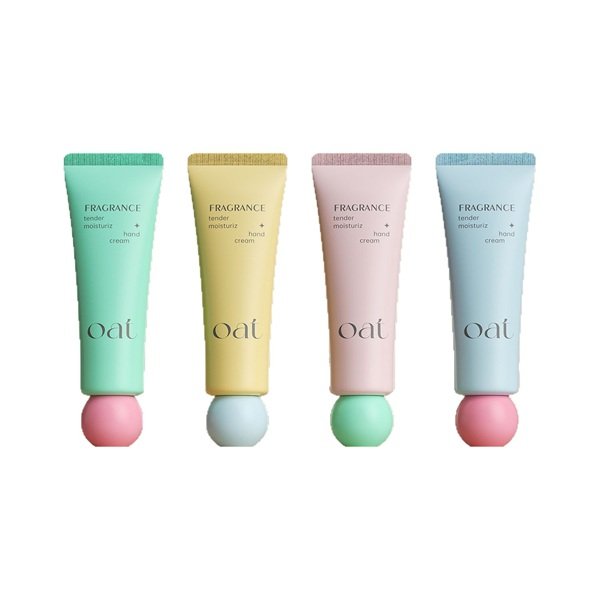
 Customized Hand Lotion & Cream Cosmetic Tube 15–30ml
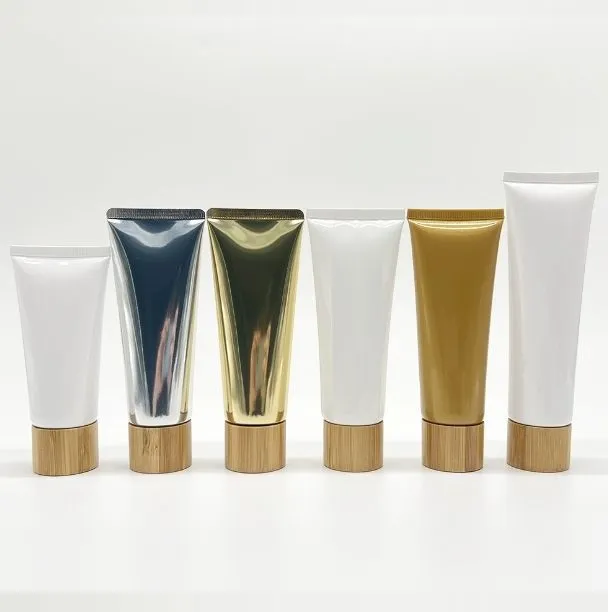 Empty PE Facial Cleanser Tube with Bamboo Cap 50/80/100/150g
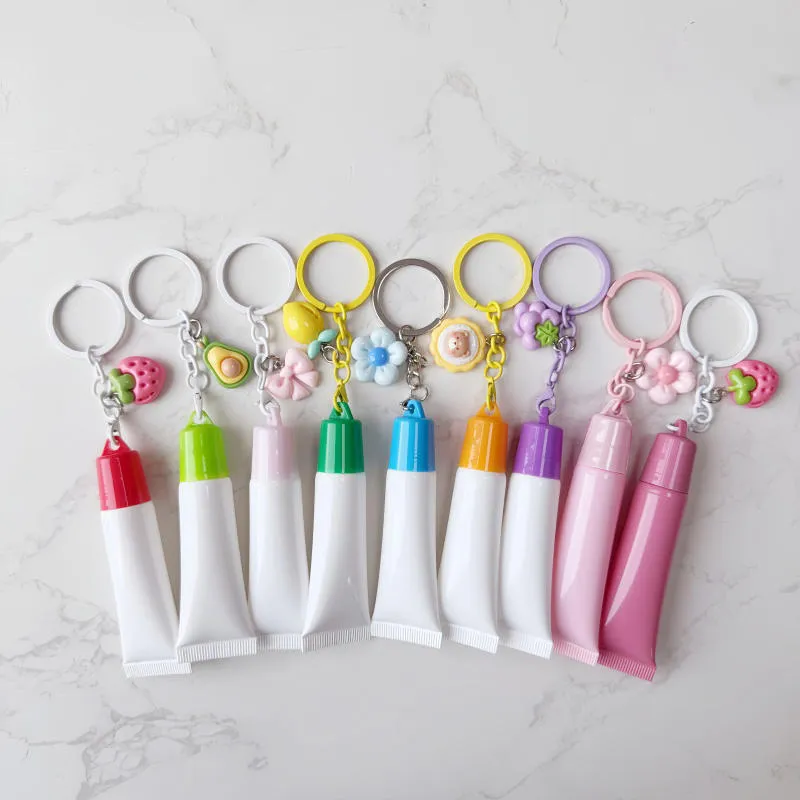 Custom Color Plastic Cosmetic Tube with Hook 8/15g
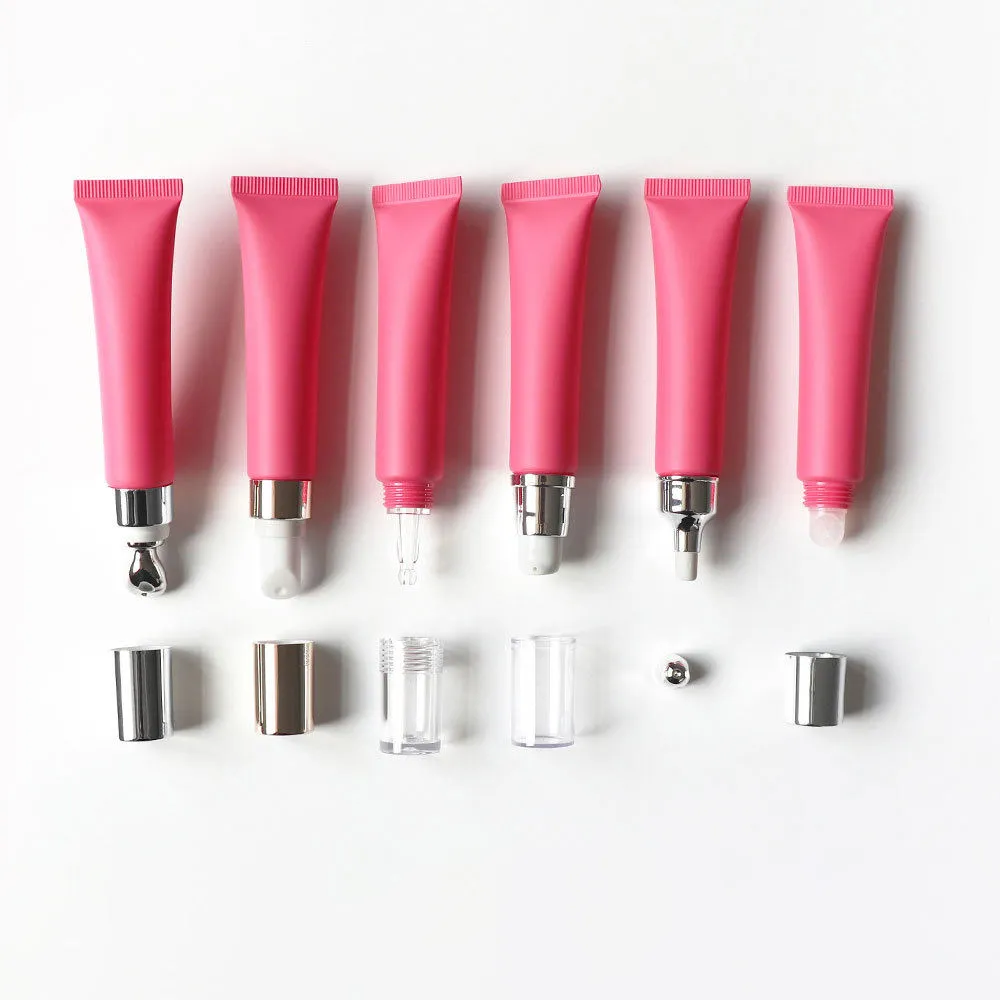 Custom Matte Pink Plastic Squeeze Tube 15ml
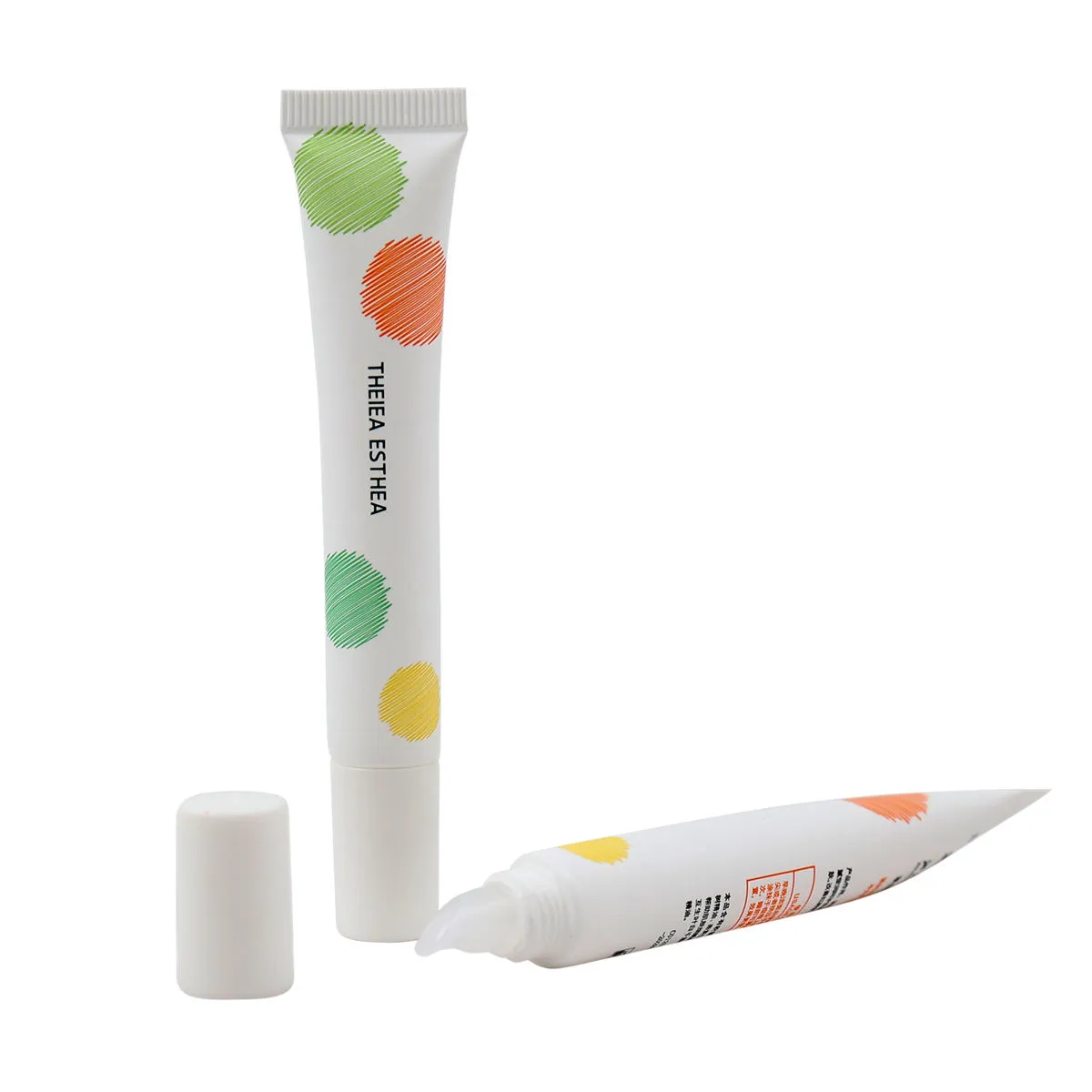 Customized Logo PE Cosmetic Tube 6–15ml
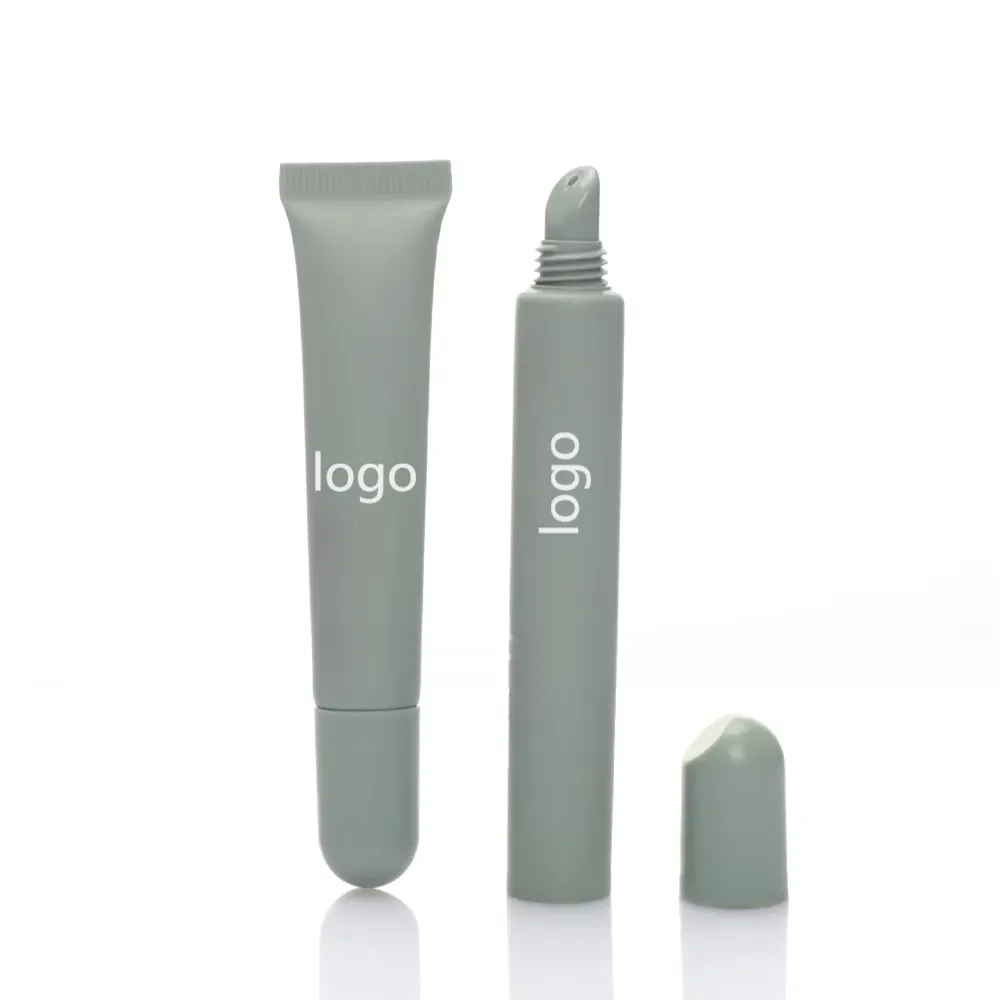 Custom PE Small Cosmetic Tubes 10/15/20ml
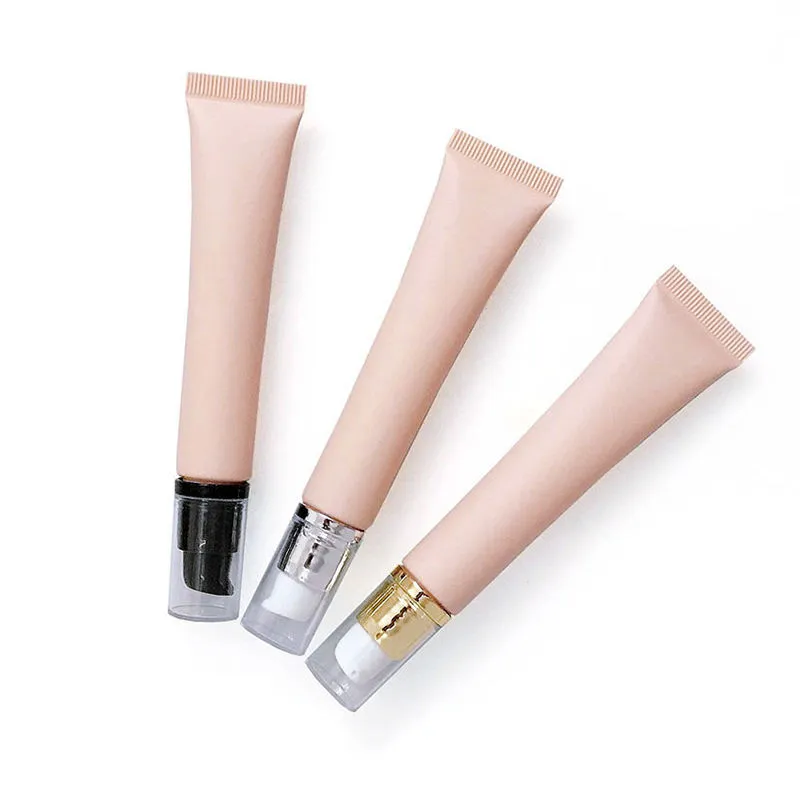 PE Matte Cosmetic Tube for Cream and Lotion 20ml
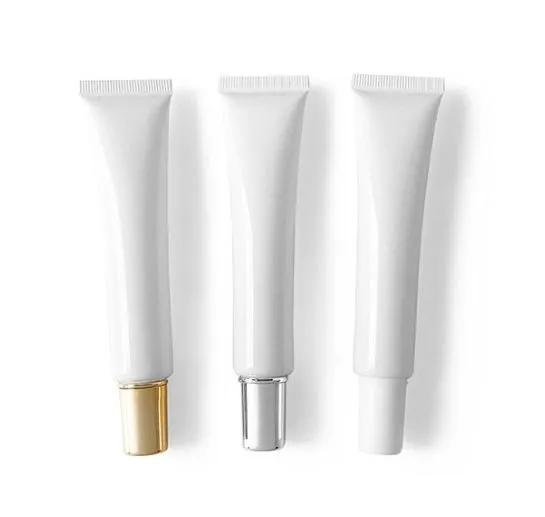 PE Empty Cosmetic Tube with Screw Cap 10–200ml
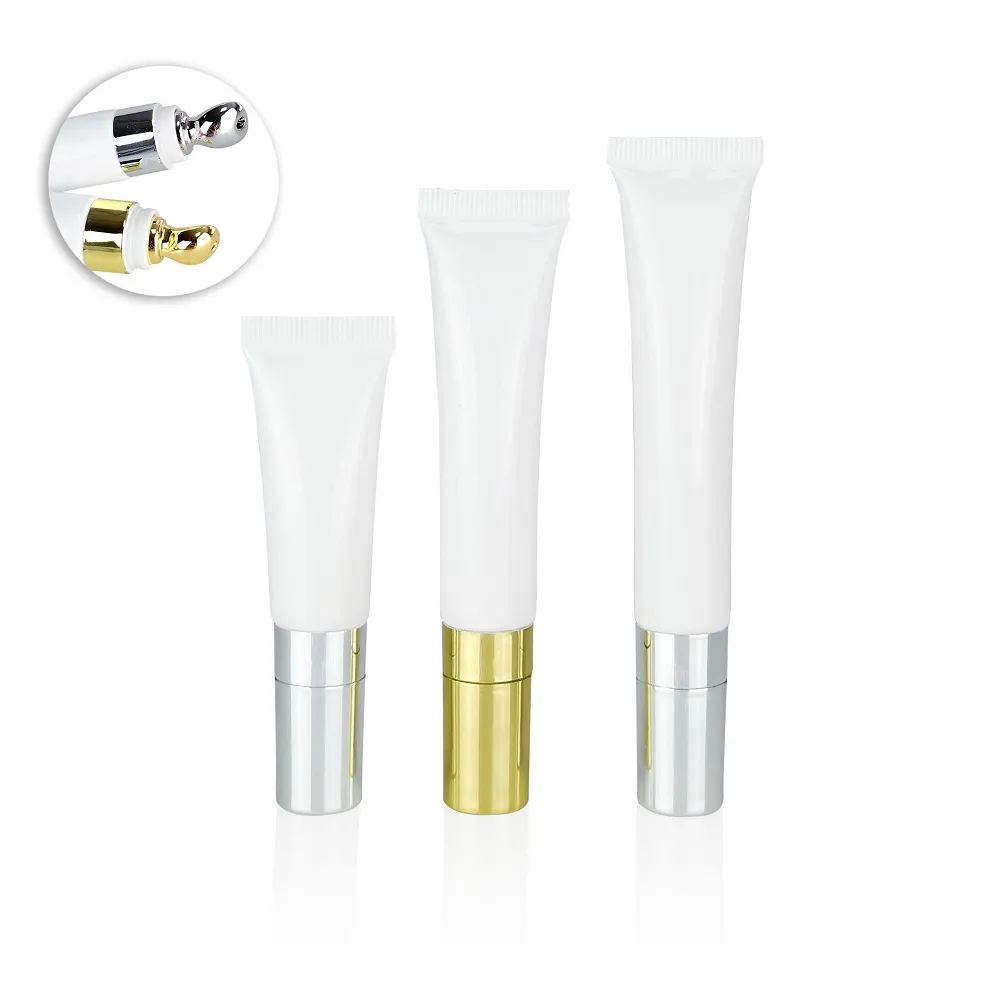 White Cosmetic Tube Packaging with Applicator 10/15/20g
Facial Cleanser Tube Specifications
The figures below define a sourcing range, not one fixed model. Final length, tube weight, layer structure, shoulder geometry, neck finish, orifice and cap dimensions must be confirmed on the approved drawing and physical sample.
| Product type | Custom facial cleanser squeeze tube |
|---|---|
| Common capacity | 30ml, 50ml, 80ml, 100ml, 120ml, 150ml and 200ml; fill volume depends on formula density and required headspace |
| Typical diameter | Approximately 25–50mm; diameter and cut length are selected together to achieve the target capacity and proportions |
| Materials | Mono-PE, co-extruded PE, PCR-PE, PBL and ABL structures |
| Cap options | Flip-top, screw cap, disc-top, pump, brush or silicone applicator, and bamboo-look or metalized decorative closures |
| Orifice | Matched to formula viscosity and target dose; production value confirmed by drawing and dispensing test |
| Surface | Glossy, matte, soft-touch where compatible, transparent or opaque; pearlescent and metallic effects available by structure/process |
| Decoration | Offset printing, silk screen, hot stamping, labeling and selected digital printing processes |
| Tail seal | Straight, curved or shaped tail; tube is normally supplied open at the tail for customer filling and heat sealing |
| MOQ | 10,000 pieces per design; special materials, decoration or custom parts may require a higher quantity |
| Sample timing | Usually 7–15 days after structure, color and artwork are confirmed; tooling projects require additional time |
| Production timing | Normally about 30–45 days after approved sample/artwork and deposit, subject to process and order volume |
Choose the Tube Structure Around the Formula
Do not select material only by appearance or price. Surfactants, oils, fragrances, acids, active ingredients, storage temperature and shelf-life target can influence paneling, odor transfer, permeation, discoloration and seal performance.
| Structure | Best suited to | Advantages | Points to validate |
|---|---|---|---|
| Mono-PE | Mainstream daily cleansers and sustainability-focused ranges | Flexible, familiar squeeze feel, cost-effective and easier to design for mono-material recycling | Barrier level, stiffness, print adhesion and formula interaction |
| Co-extruded PE | Brands needing a specific hand feel, color or layered performance | Multiple PE layers can balance stiffness, recovery, appearance and processing | Exact layer recipe, compatibility and recyclability claims |
| PCR-PE | Projects with recycled-content targets | Reduces virgin-resin demand and supports sustainability positioning | PCR percentage, odor/color variation, decoration, compliance documentation and batch appearance |
| PBL | Premium printed tubes and formulas requiring improved barrier versus basic PE | Smooth print surface, good dimensional control and strong visual presentation | Barrier specification, seam appearance and disposal route in destination market |
| ABL | Light-, oxygen- or fragrance-sensitive formulas after compatibility review | Strong barrier and premium metallic design possibilities | Flex cracking, dent recovery, side seam, recyclability and artwork registration |
Capacity, Diameter and Dispensing Decisions
30–50ml
Trial sizes, travel products, discovery kits and concentrated cleanser. Smaller diameters improve portability but reduce the printable panel and may require smaller type.
80–120ml
The common retail range for face wash. It balances shelf presence, one-hand squeezing, decoration area and e-commerce shipping weight.
150–200ml
Family-size, professional or value-focused products. A wider diameter and stable closure footprint help the pack stand cap-down without toppling.
Flip-Top
Convenient one-hand use. Confirm hinge cycle, snap force, opening force and leak resistance.
Screw Cap
Simple and economical. The thread engagement, liner or sealing land must match the neck.
Pump / Brush
Supports controlled dosing or cleansing massage, but requires output, priming and actuator testing.
Orifice Size
A thick clay cleanser needs a different passage from a low-viscosity gel. Test dose, stringing and closure cleanliness.
Custom Facial Cleanser Tube Manufacturing Process
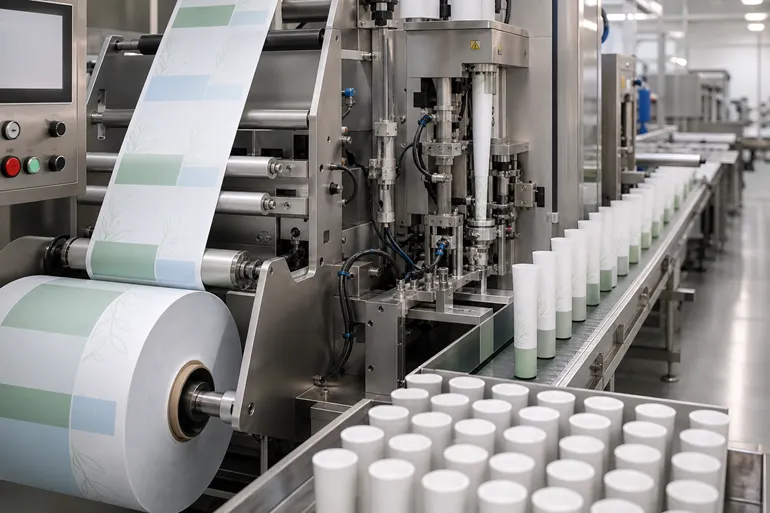
A controlled tube project moves from specification to a frozen production standard. The exact converting route differs for extruded PE and laminated web, but both require approved materials, stable body dimensions, controlled decoration and a repeatable shoulder/tail system.

01
Requirement Review
Confirm formula type, capacity, quantity per SKU, target market, filling method, cap, artwork, logistics and compliance needs.
02
Structure & Drawing
Select diameter, cut length, layer structure, shoulder, neck, orifice and cap. Review the printable area and tail allowance.
03
Body Formation
PE sleeves are extruded; PBL/ABL web is printed or prepared, formed and side-seamed. Wall or web structure is controlled by specification.
04
Shoulder & Head
The shoulder and threaded head are molded and joined to the body. Concentricity, thread quality and sealing surfaces are checked.
05
Decoration & Capping
Printing, foil or labeling is applied under an approved color and position standard. Caps are molded, decorated if required and assembled.
06
QC, Packing & Release
Finished tubes are checked for appearance, dimensions, print, closure fit and leakage, then protected from crushing and contamination.
Quality Control for Facial Cleanser Tubes
The approved sample, drawing, artwork file and inspection standard should define the production reference. Quality control then focuses on defects that affect filling, sealing, consumer use and shelf appearance—not only obvious cosmetic marks.
Resin/web, color, caps and decoration inputs
Diameter, length, neck, thread and orifice
Color, registration, adhesion and abrasion
Cap fit, hinge, torque, leakage and squeeze recovery
Open-tail cleanliness, cut quality and sealing window
Count, orientation, protection and carton marks
Leak Prevention Requires the Whole Pack
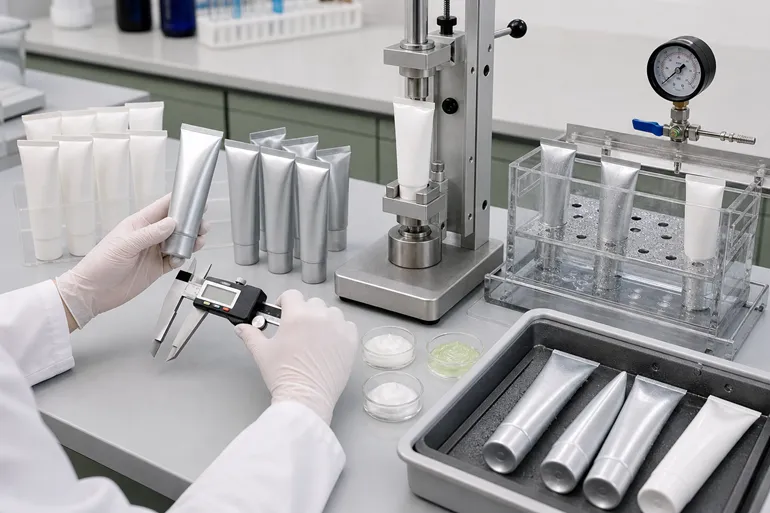
Leakage can come from an incorrect cap/neck match, damaged sealing land, low application torque, blocked hinge closure, excessive squeeze pressure, poor tail sealing or formula attack. Test the assembled tube with production-intent formula in upright, inverted and horizontal positions, then include temperature and transport simulation appropriate to the sales route.

What Professional Buyers Should Confirm
| Decision | Information to send | Why it matters |
|---|---|---|
| Formula | Cleanser type, viscosity, key surfactants/oils/acids, fragrance and target shelf life | Guides material, barrier, orifice and compatibility testing |
| Pack format | Capacity, target dimensions, cap-down or cap-up use, reference image | Determines diameter, length, shoulder, cap footprint and filling volume |
| Filling line | Nozzle size, filling temperature, fill speed, tail-sealing equipment and tail allowance | Prevents line-fit problems and weak or unattractive seals |
| Decoration | Vector artwork, Pantone colors, finish, print process and barcode area | Enables accurate print limits, registration tolerances and quotation |
| Commercial | Quantity per design, destination, incoterm and required delivery date | Separates unit price, tooling, packing and freight assumptions |
| Compliance | Sales countries, recycled-content claim and documents required by importer | Requirements vary by material, market and claim; confirm before production |
MOQ, Tooling, Price and After-Sales
Minimum Order Quantity
The standard MOQ is 10,000 pieces per design. Different colors, capacities, logos or decoration versions are normally treated as separate designs because they require separate production and inspection setups.
When Tooling Is Required
Existing body diameters, shoulders and caps normally avoid new tooling. A proprietary shoulder, neck, cap, applicator or special shape may require a mold after drawing review.
What Changes the Price
Material structure, PCR content, diameter, weight, cap complexity, decoration colors, foil area, packing, quantity and incoterm all affect the quotation. Compare like-for-like specifications.
Quality Claims and Support
Keep photos, carton labels and affected quantities if an issue occurs. Boyu reviews the approved standard, inspection data and production records to identify cause and agree a practical corrective action.
Frequently Asked Questions About Facial Cleanser Tubes
What is the MOQ for custom facial cleanser tubes?
Boyu’s standard MOQ is 10,000 pieces per design. Special tube structures, custom caps or complex decoration may require a higher quantity.
Which material is best for face wash packaging?
There is no universal best material. Mono-PE is flexible and cost-effective; PCR-PE supports recycled-content goals; PBL offers a smooth decorative surface and useful barrier options; ABL provides stronger light and oxygen barrier. Validate the selected structure with the actual formula.
Can you manufacture 50ml, 100ml and 150ml tubes as one family?
Yes, when compatible diameters, shoulders, caps and proportions are available. Share the complete size lineup together so the design and color standards can be coordinated.
Can the tube stand on its cap?
Yes. A cap-down tube is common for cleansers, but the cap footprint, tube height, fill weight and shoulder balance must provide stable standing performance.
How do you choose the dispensing orifice?
The orifice is selected by formula viscosity, desired dose, squeeze force and closure cleanliness. It should be confirmed through dispensing tests with production-intent formula.
Are facial cleanser tubes supplied sealed?
They are commonly supplied capped and open at the tail so the brand or contract filler can fill and heat-seal them. Foil membranes or tamper-evident options depend on the neck and cap system.
Can you match a Pantone color and print our logo?
Yes. Tube body color, cap color and decoration can be customized. Approve a physical color and print sample because color appearance changes with resin, surface finish and lighting.
How do you test for leakage?
The finished component set should be tested for cap fit, sealing contact, application torque or snap closure, inverted storage and transport conditions. The customer’s filled tube also requires tail-seal and formula-compatibility validation.
How long does a custom order take?
Samples commonly require 7–15 days after specifications are confirmed. Mass production is normally about 30–45 days after approval and deposit. Tooling and complex decoration add time.
What should I send for an accurate quotation?
Send capacity, target diameter or dimensions, material preference, cap style, formula type, quantity per design, artwork, destination and incoterm. A reference image is useful, but a drawing or physical sample gives a more reliable comparison.
 English
  Español de Argentina
  Русский
  Italiano
  日本語
日本語  한국어
한국어  العربية
  Français
  Deutsch