
How Long Does a Perfume Bottle Last? Lifespan, Expiration Dates, Storage Tips, and When to Replace It
How Long Does a Perfume Bottle Last?
Many people assume perfume bottles last forever, especially when the bottle itself looks perfectly fine. In reality, there are two separate questions worth considering:
- How long does the perfume inside remain usable?
- How long does the perfume bottle and atomizer remain functional?
The answer depends on the bottle material, storage conditions, fragrance formulation, and how frequently the bottle is used.
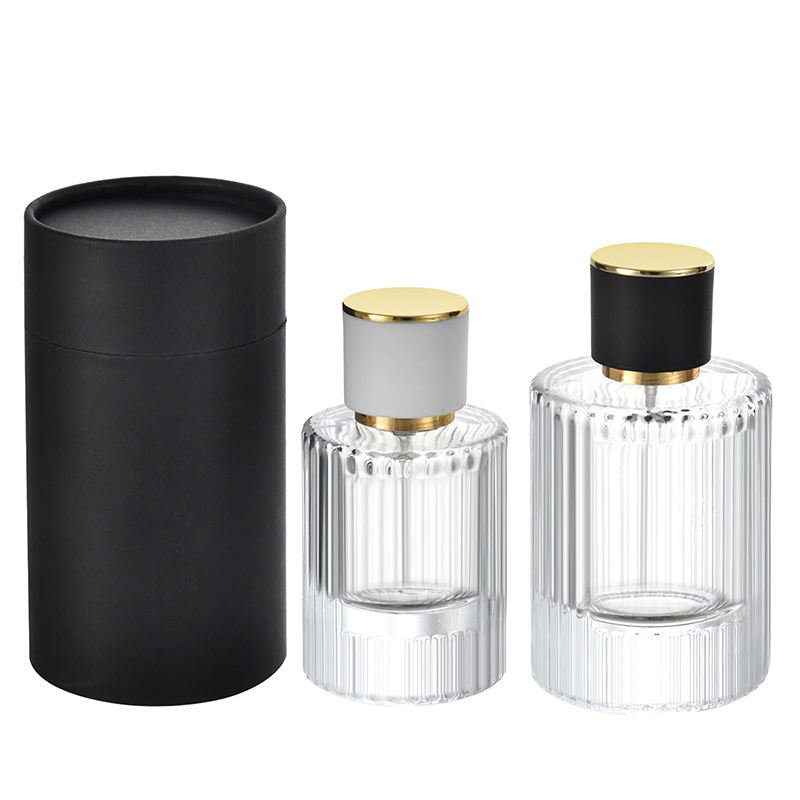
How Long Does Perfume Last Inside the Bottle?
Most perfumes remain in good condition for 3 to 5 years after production when stored properly.
Some premium fragrances can last even longer, while natural or organic formulations may have a shorter shelf life.
Typical Perfume Lifespan
| Perfume Type | Average Shelf Life |
|---|---|
| Eau de Cologne | 2–3 Years |
| Eau de Toilette | 3–5 Years |
| Eau de Parfum | 4–6 Years |
| Parfum/Extrait | 5–10 Years |
| Natural Perfume | 1–3 Years |
Storage conditions play a major role. A bottle kept in a cool, dark cabinet can last significantly longer than one exposed to sunlight and heat.
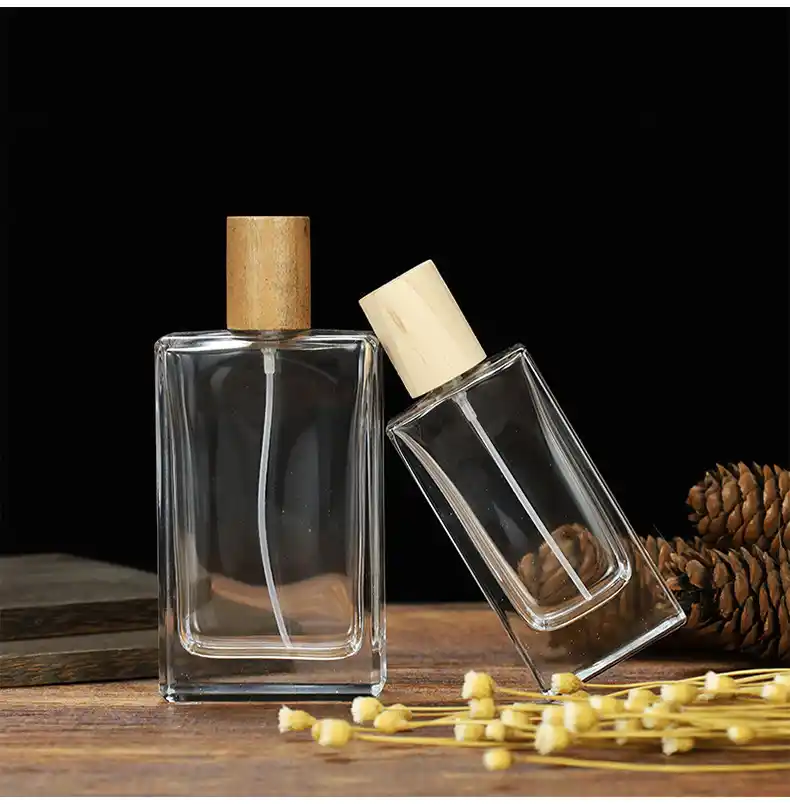
Does the Perfume Bottle Itself Expire?
The bottle itself does not have a strict expiration date, but some components naturally wear out over time.
These include:
- Spray pump
- Atomizer nozzle
- Gaskets and seals
- Plastic components
- Decorative coatings
- Metal collars and caps
A well-made perfume bottle can often remain functional for 5–15 years or longer, depending on material quality and usage frequency.
Lifespan by Bottle Material
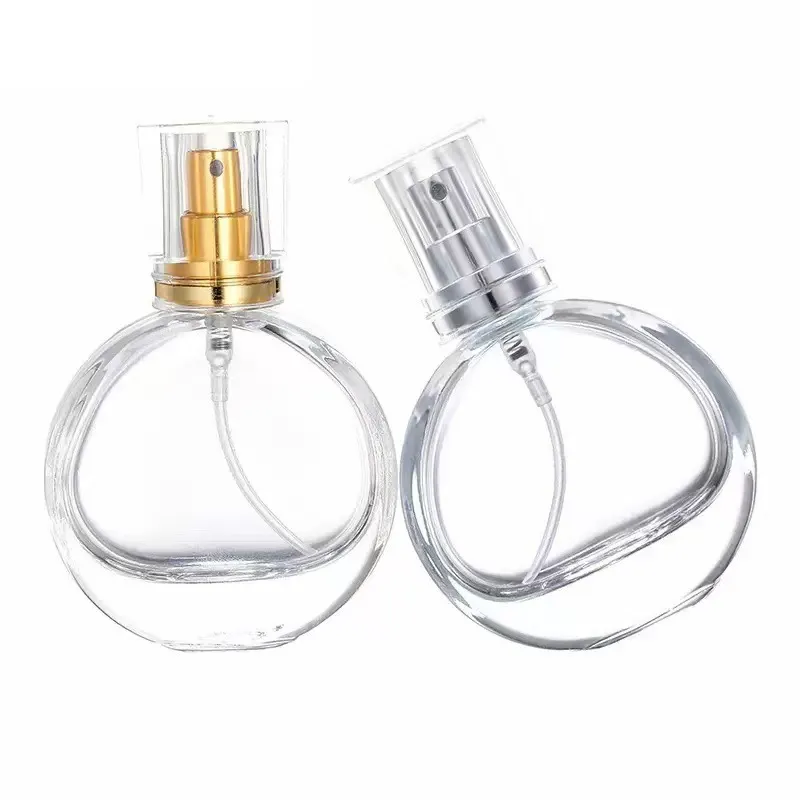
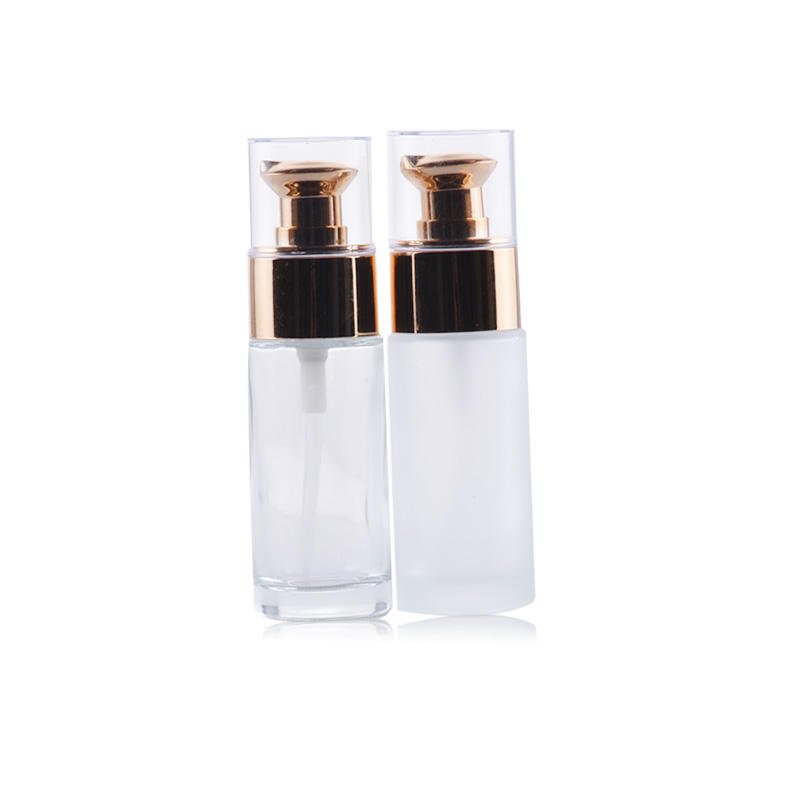
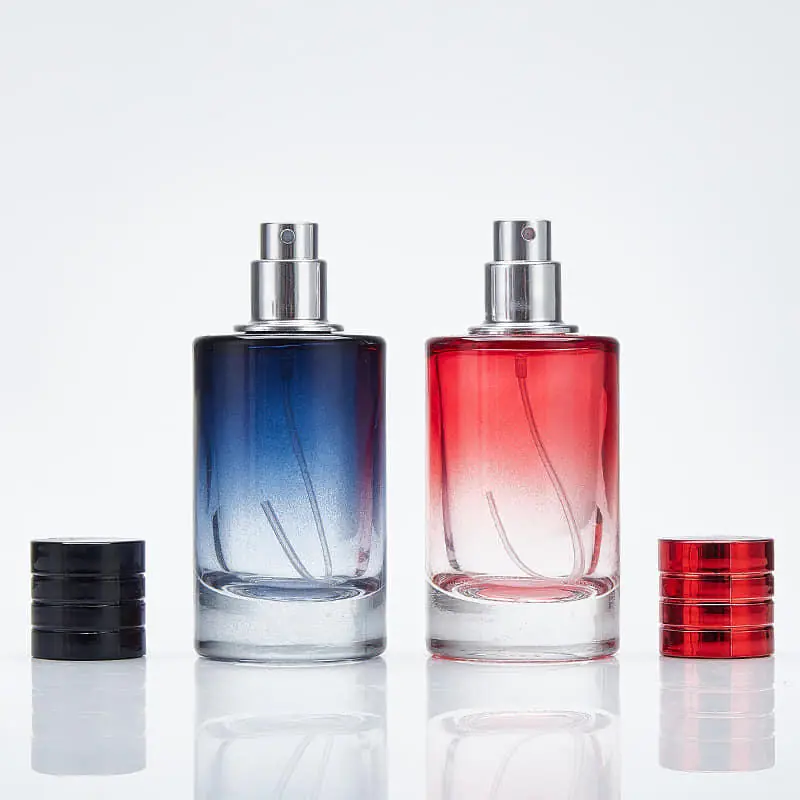
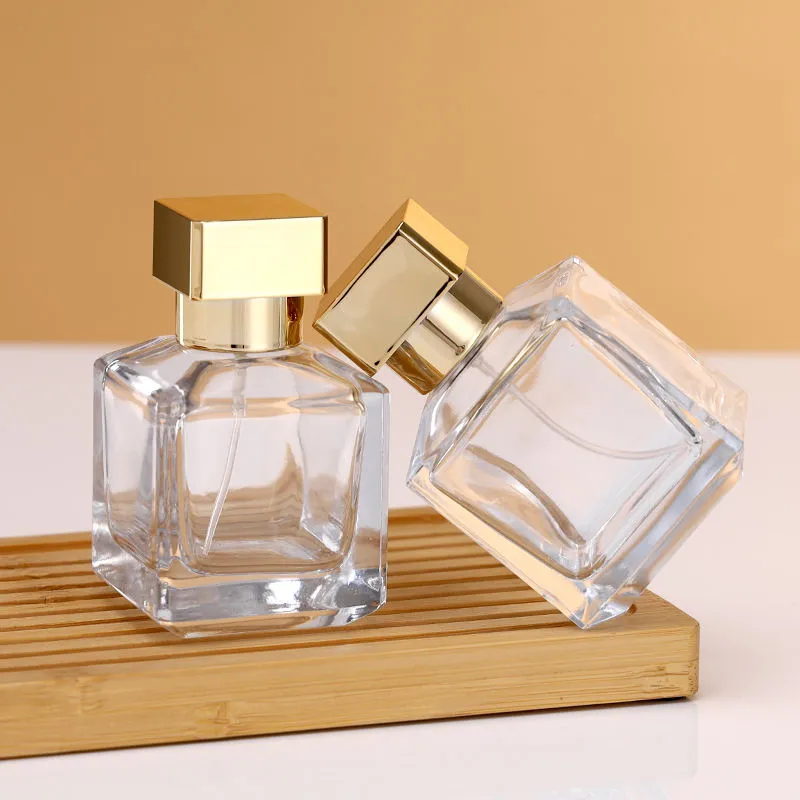
Glass Perfume Bottles
Average lifespan: 10+ years
Glass is the preferred material for premium fragrances because it is chemically stable and does not react with perfume ingredients.
Advantages
- Excellent fragrance preservation
- Resistant to chemical reactions
- Recyclable
- Premium appearance
Disadvantages
- Can break if dropped
- Heavier than plastic
For most consumers, the glass bottle will outlast the perfume inside.
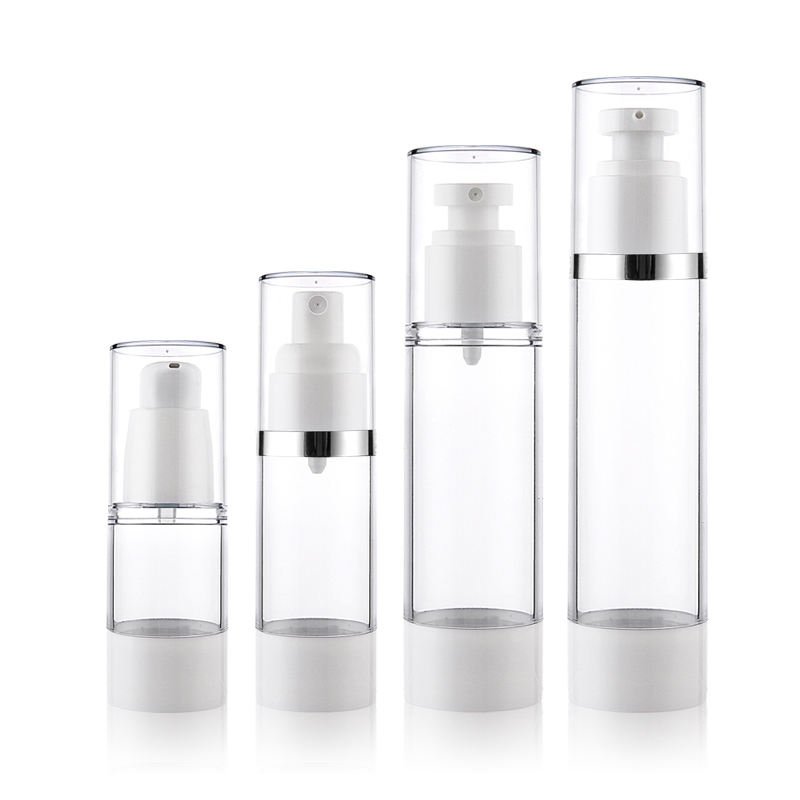
Plastic Perfume Bottles
Average lifespan: 2–5 years
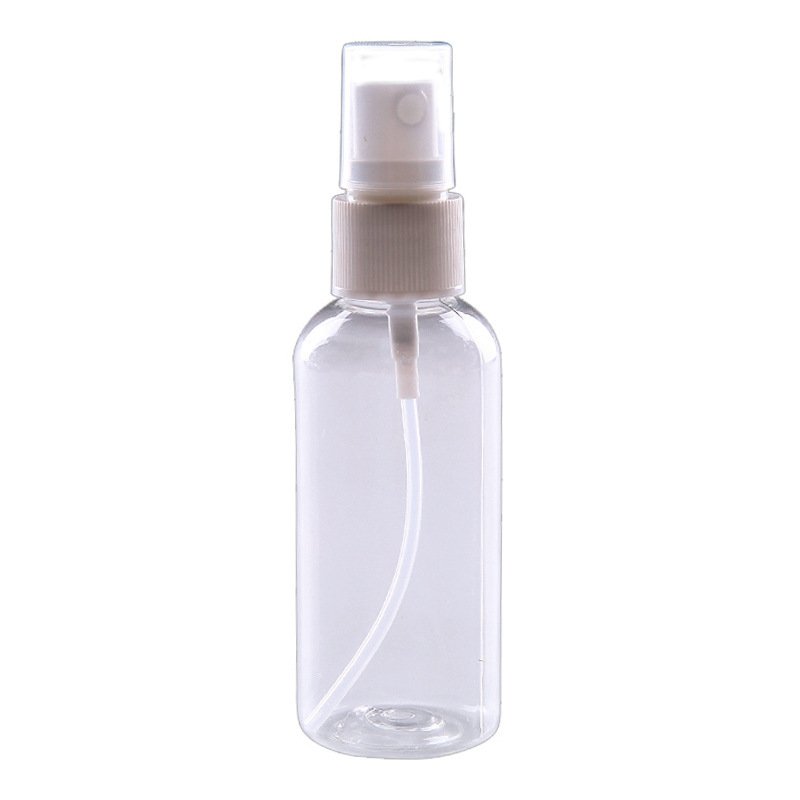
Plastic bottles are commonly used for travel sprays, samples, and promotional products.
Advantages
- Lightweight
- Shatter-resistant
- Lower cost
Disadvantages
- More vulnerable to aging
- Can discolor over time
- May allow slight fragrance evaporation
Plastic bottles generally require replacement sooner than glass bottles.
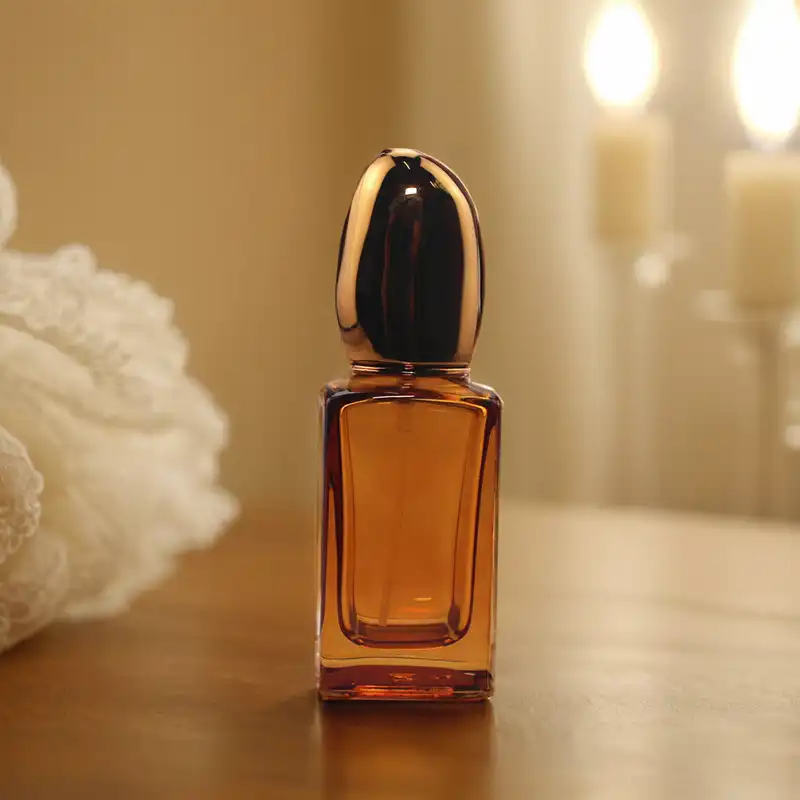
Aluminum Perfume Bottles
Average lifespan: 5–10 years
Aluminum atomizers are often used for travel fragrances and refillable perfume systems.
Advantages
- Excellent durability
- Lightweight
- Good protection from light exposure
Disadvantages
- Interior coating quality matters
- Can dent if dropped
How Can You Tell If a Perfume Has Expired?
Even if the bottle looks fine, the fragrance itself may have deteriorated.
Common signs include:
Color Changes
A fragrance that becomes significantly darker may be oxidizing.
Strange Smell
A sour, metallic, or vinegar-like scent often indicates degradation.
Reduced Performance
The fragrance may fade more quickly than before.
Cloudiness
Unexpected particles or haze can indicate ingredient breakdown.
What Happens If You Use Old Perfume?
Using an older perfume is usually not dangerous, but performance may suffer.
Potential issues include:
- Altered scent profile
- Weaker projection
- Shorter longevity
- Skin irritation in sensitive individuals
If the fragrance smells noticeably different from when it was new, replacement is often recommended.
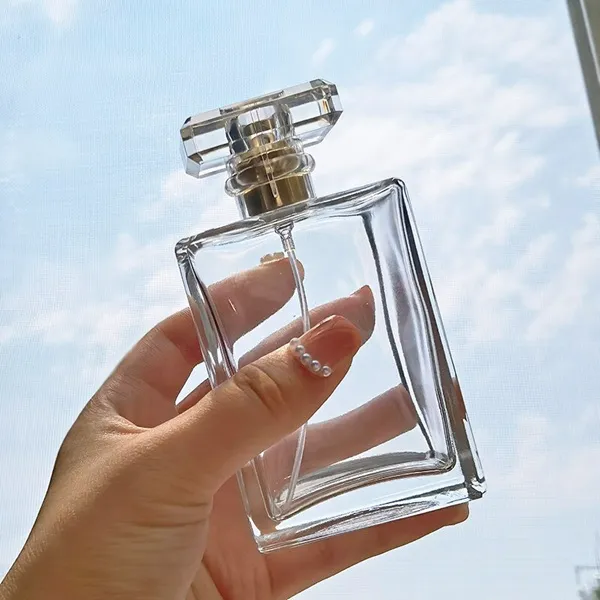
When Should You Replace the Perfume Bottle?
You may not need to replace the bottle every time you buy a new fragrance, but certain situations warrant replacement.
Replace the Bottle If:
- The spray pump no longer works
- The nozzle is clogged beyond repair
- The bottle has visible cracks
- The cap no longer seals properly
- Perfume is leaking
- The bottle has suffered impact damage
For refillable systems, replacing worn atomizers every few years helps maintain performance.
How Long Does a Perfume Atomizer Last?
The atomizer is typically the first component to fail.
Average lifespan:
- Occasional use: 5–10 years
- Daily use: 3–7 years
Factors affecting lifespan include:
- Pump quality
- Frequency of use
- Exposure to dust
- Fragrance composition
Luxury atomizers often last considerably longer than low-cost alternatives.
How to Make a Perfume Bottle Last Longer
A few simple habits can significantly extend both perfume life and bottle performance.
Store Away From Sunlight
UV exposure accelerates fragrance degradation.
Keep Bottles Upright
This helps protect seals and reduces leakage.
Avoid Excessive Heat
High temperatures speed up oxidation.
Keep the Cap On
Limiting air exposure preserves fragrance quality.
Use Clean Hands
Dirt and oils transferred to the nozzle can eventually cause clogging.
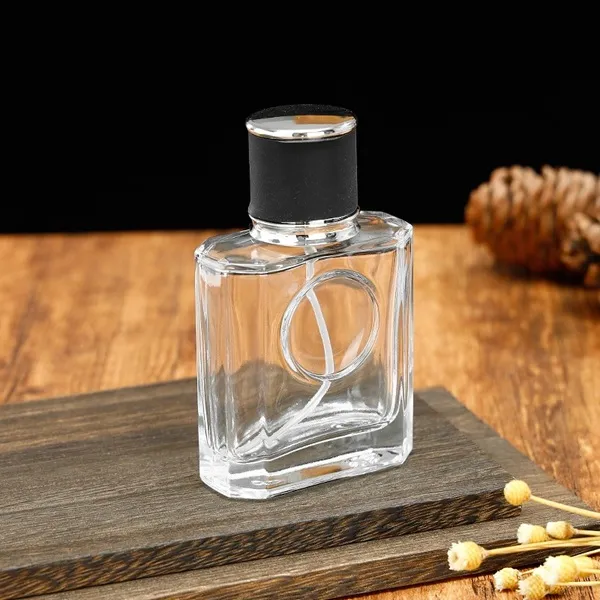
Best Place to Store Perfume
Many people store perfume in the bathroom, but this is not ideal.
Frequent temperature and humidity changes can shorten fragrance life.
Better locations include:
- Bedroom drawers
- Closets
- Cabinets
- Vanity storage away from windows
A cool, dark, and stable environment is best.
Frequently Asked Questions
Can perfume last 10 years?
Yes. Some high-quality fragrances stored properly can remain usable for 10 years or more.
Is it okay to use expired perfume?
Generally yes, if it still smells normal. However, the fragrance may not perform as intended.
Do unopened perfumes last longer?
Yes. Unopened bottles are exposed to less oxygen and often maintain quality for longer periods.
Why does my perfume smell different after a few years?
Oxidation, heat exposure, and light exposure can gradually alter fragrance ingredients.
Can I refill an old perfume bottle?
Yes, provided the bottle and atomizer remain clean and functional.
Which material preserves perfume best?
Glass remains the industry standard because it is chemically stable, non-reactive, and provides excellent long-term fragrance protection.
Final Thoughts
A quality perfume bottle can remain functional for many years, especially when made from glass and equipped with a well-designed atomizer. While the bottle itself may last a decade or more, the fragrance inside typically performs best within three to five years. Proper storage, careful handling, and routine inspection of the spray mechanism can help maximize both perfume quality and packaging lifespan. If you notice leaks, pump failure, or significant fragrance changes, it may be time to replace the bottle or transfer the perfume into a new container.
 English
  Español de Argentina
  Русский
  Italiano
  日本語
日本語  한국어
한국어  العربية
  Français
  Deutsch