





Convierte kg a lb Guide
If you searched for kilos a libras, the direct answer is simple: multiply kilograms by 2.2046226218. The calculator below also separates the result into whole pounds and remaining ounces—useful for shipping, luggage, product specifications, and markets that do not normally use kilograms.

Quick conversion: 1 kilogram = 2.2046226218 pounds = 35.27396195 ounces. For an everyday estimate, multiply kilograms by 2.2. For product specifications, quotations, and freight documents, use the precise factor and round only the final result.
Kilos a Libras Calculator
Enter any kilogram value. The calculator returns decimal pounds, pounds plus ounces, total ounces, and grams. Calculations run in your browser.
Pounds and ounces: 2 lb 3.27 oz
Total ounces: 35.27 oz
Grams: 1,000 g
How to Convert Kilos to Pounds
The international avoirdupois pound is defined as exactly 0.45359237 kilogram. Therefore, the precise kilogram-to-pound factor is the reciprocal of that value.
You can also divide by the exact kilogram value of one pound:
Example: convert 5 kilos a libras
Multiply 5 by 2.2046226218:
5 × 2.2046226218 = 11.023113109 lb
Rounded to two decimal places, 5 kg = 11.02 lb.
Fast mental estimate
When precision is not critical, double the kilogram value and add roughly 10% of the doubled result. For 20 kg: double it to get 40, then add 4. The estimate is 44 lb; the more precise result is 44.092 lb.
This shortcut is convenient for conversation or a quick baggage check. It should not replace a precise calculation for freight charges, product declarations, quality records, or commercial quotations.
Kilos a Libras y Onzas: The Detailed Formula
A decimal pound result is not the same as a “pounds and ounces” result. The digits after the decimal point represent a fraction of one pound, not ounces. Because one pound contains 16 ounces, the decimal remainder must be multiplied by 16.
- Convert kilograms to decimal pounds.
- Keep the whole-number portion as pounds.
- Subtract the whole pounds from the decimal-pound result.
- Multiply the remainder by 16 to obtain ounces.
Example: 7 kg in pounds and ounces
Step 1: 7 × 2.2046226218 = 15.4323583526 lb.
Step 2: The whole-number portion is 15 lb.
Step 3: 15.4323583526 − 15 = 0.4323583526 lb.
Step 4: 0.4323583526 × 16 = 6.9177336416 oz.
Therefore, 7 kg is approximately 15 lb 6.92 oz.
Convert kilograms directly to total ounces
One kilogram equals approximately 35.27396195 ounces:
Common Kilos to Pounds and Ounces Table
| Kilograms | Decimal pounds | Pounds + ounces | Total ounces |
|---|---|---|---|
| 0.1 kg | 0.220 lb | 0 lb 3.53 oz | 3.53 oz |
| 0.5 kg | 1.102 lb | 1 lb 1.64 oz | 17.64 oz |
| 1 kg | 2.205 lb | 2 lb 3.27 oz | 35.27 oz |
| 2 kg | 4.409 lb | 4 lb 6.55 oz | 70.55 oz |
| 5 kg | 11.023 lb | 11 lb 0.37 oz | 176.37 oz |
| 10 kg | 22.046 lb | 22 lb 0.74 oz | 352.74 oz |
| 20 kg | 44.092 lb | 44 lb 1.48 oz | 705.48 oz |
| 25 kg | 55.116 lb | 55 lb 1.85 oz | 881.85 oz |
| 50 kg | 110.231 lb | 110 lb 3.70 oz | 1,763.70 oz |
| 100 kg | 220.462 lb | 220 lb 7.40 oz | 3,527.40 oz |
How to Convert Pounds Back to Kilograms
For the reverse conversion, multiply pounds by 0.45359237:
For example, 22 lb × 0.45359237 = 9.979 kg. If you have separate pounds and ounces, first convert the ounces into a fraction of a pound:
Why Weight Conversion Matters in Cosmetic Packaging
For cosmetic packaging buyers, a conversion is rarely just a classroom exercise. Product specifications may be issued in grams and kilograms while customers, warehouses, or freight partners request ounces and pounds.
Net weight, tare weight, and gross weight
- Net weight is the mass of the product or goods without shipping packaging.
- Tare weight is the mass of the empty bottle, pump, cap, carton, pallet, or other container.
- Gross weight is the combined mass of the goods and all packaging used for shipment.
These terms should not be mixed. A 50 ml bottle describes nominal volume, not bottle weight. Two bottles with the same capacity can have very different tare weights because of material, wall thickness, cap design, pump construction, and decoration.
Estimating carton weight
A basic packaging estimate is:
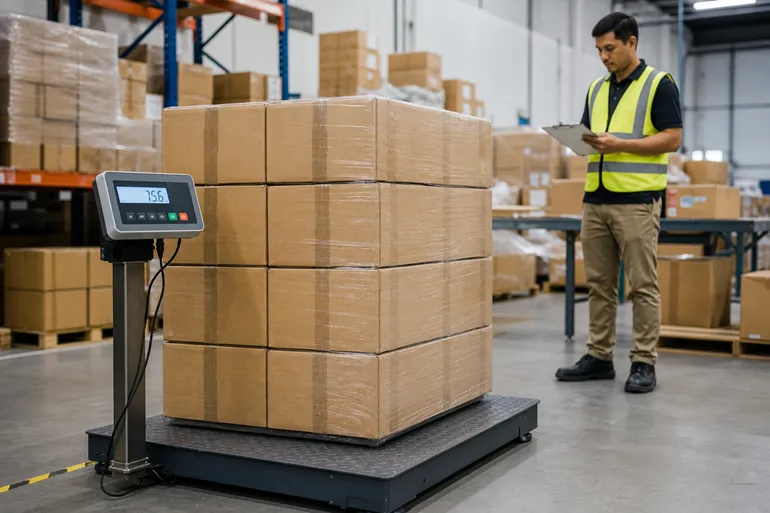
Suppose an empty packaging set weighs 120 g and a carton holds 100 sets. The contents weigh 12 kg before adding dividers, bags, cartons, and labels. If the completed carton weighs 13.5 kg, the converted weight is approximately 29.76 lb.
Use confirmed packing data for purchase orders and freight planning. Early estimates are useful for budgeting, but final shipping weight should come from a packed production sample or verified packing list.
Material choice and freight impact
Glass often provides clarity, chemical compatibility, and a premium tactile impression, but a heavy glass bottle can increase carton weight and freight cost. PET, HDPE, and PP packaging is generally lighter, although performance and formula compatibility should guide material selection—not freight alone.
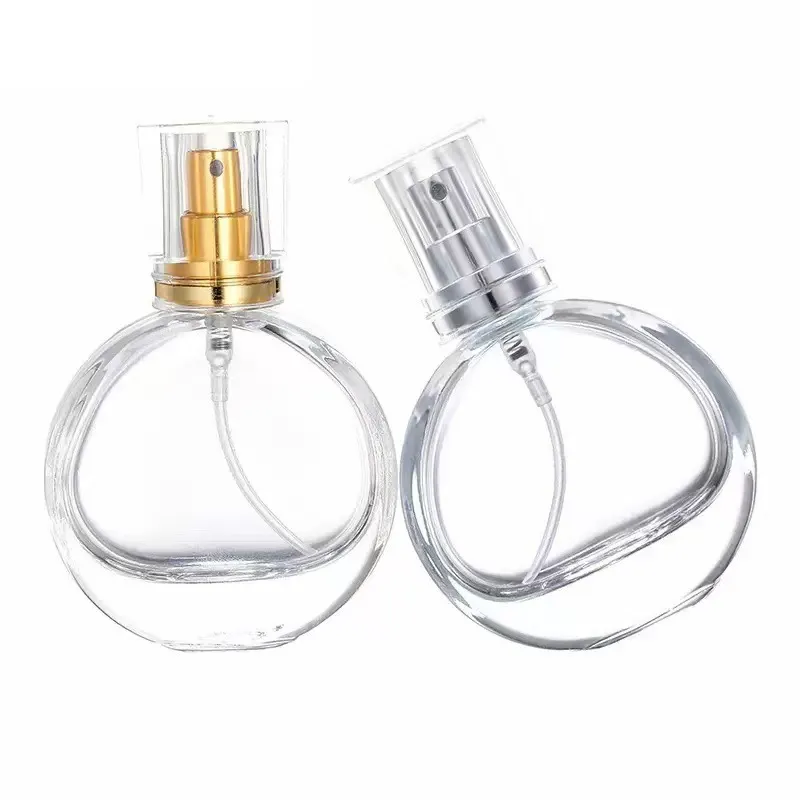
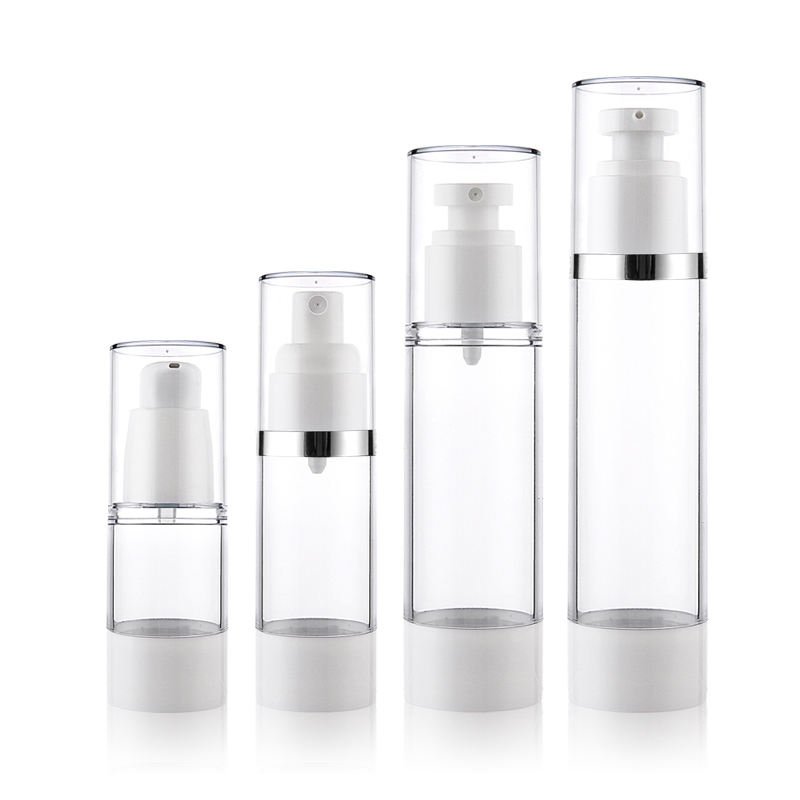
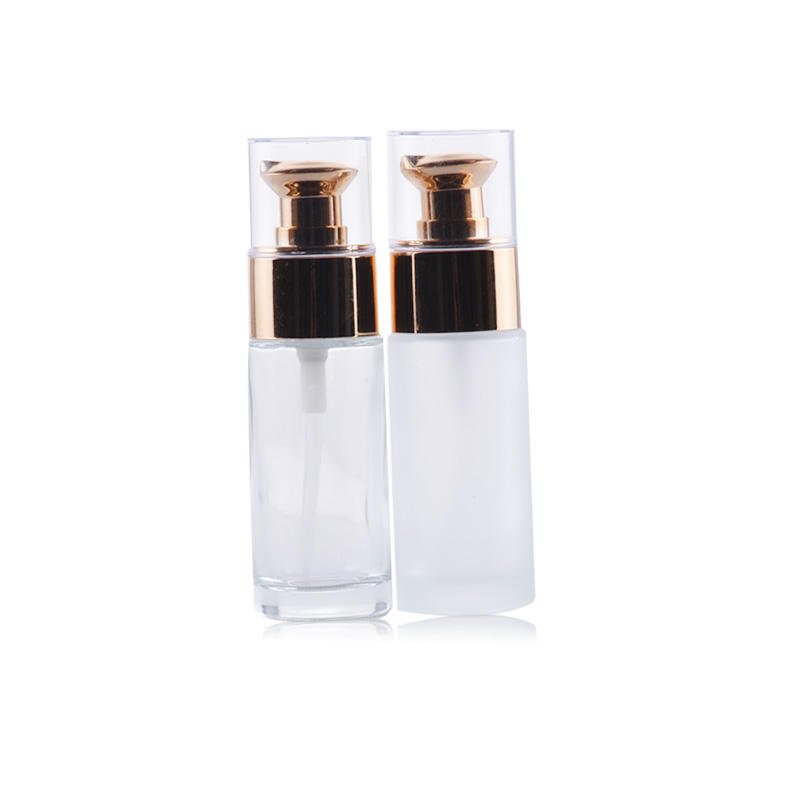
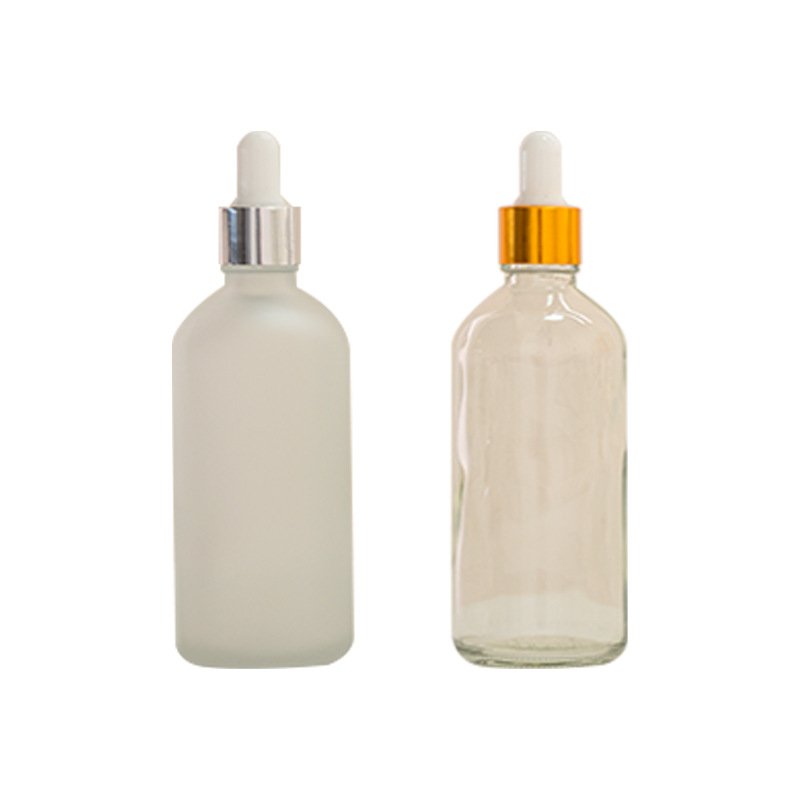
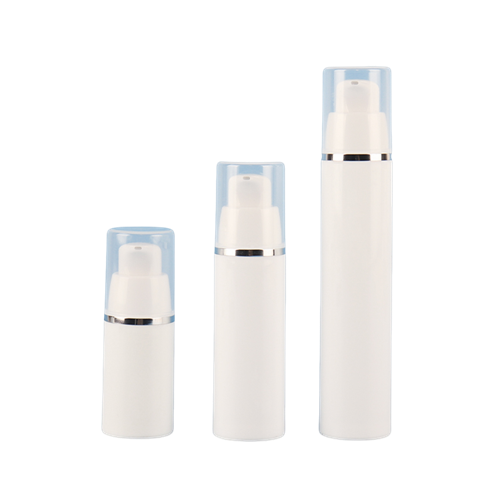
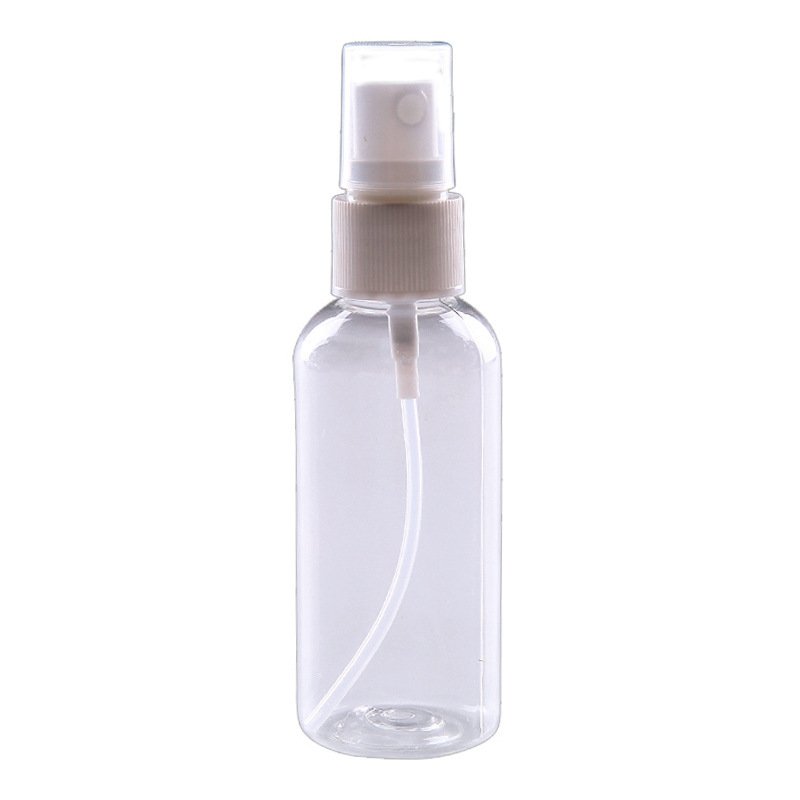
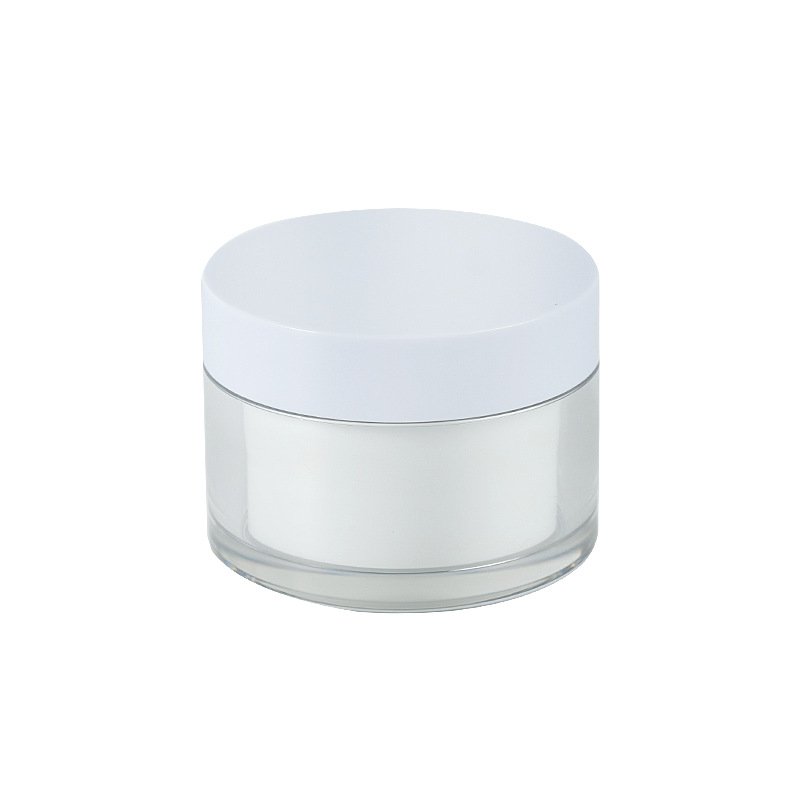
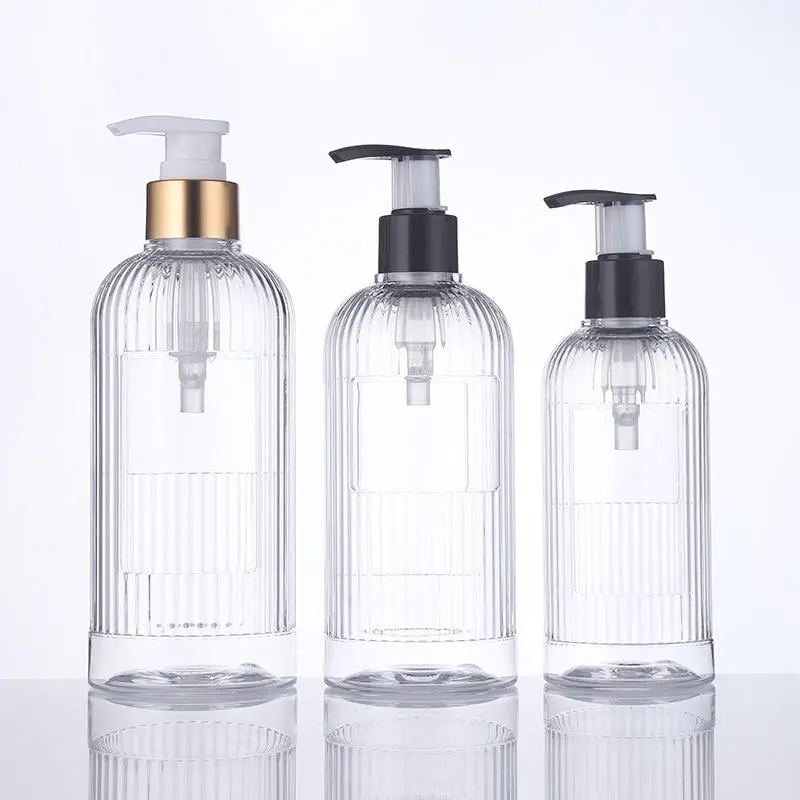
Boyu Packaging offers multiple formats across custom cosmetic packaging, including plastic cosmetic bottles, skincare packaging, and cosmetic spray bottles. Buyers should request confirmed unit and carton weights for the exact components and decoration selected.
Rounding, Accuracy, and Common Mistakes
Round at the end
Keep additional digits during intermediate calculations and round only the final answer. Repeated early rounding can create a larger error when a unit weight is multiplied by thousands of components.
Do not treat decimal pounds as ounces
A result of 10.5 lb means 10 lb 8 oz, not 10 lb 5 oz. Multiply the decimal part—0.5—by 16.
Distinguish mass from force
In technical language, kilograms and pounds in this article express mass. In everyday commerce, people often use “weight” for the same quantity. For packaging and freight documents, follow the terminology required by the carrier, customer, and destination market.
Use calibrated equipment
A correct formula cannot fix an inaccurate scale. Packaging quality teams should use suitable calibrated equipment, define sample size, document tare settings, and control the measurement environment.

Frequently Asked Questions
How many pounds are in one kilo?
One kilogram equals approximately 2.2046226218 pounds, normally rounded to 2.205 lb or 2.2 lb depending on the required precision.
How many pounds and ounces are in 1 kg?
One kilogram equals approximately 2 lb 3.27 oz. The decimal-pound result is about 2.2046 lb.
Is “lb” different from “lbs”?
Both are commonly understood. “lb” is the standard unit symbol and does not change in the plural. “lbs” is frequently used in informal English.
Should cosmetic packaging capacity be converted from kg to lb?
Only if the value represents mass. Milliliters and fluid ounces measure volume, while kilograms and pounds measure mass. Converting a liquid volume into mass requires the product’s density.
Can I calculate freight cost from kilograms alone?
Not always. Carriers may compare actual gross weight with dimensional or volumetric weight and charge the higher value. Confirm the packed carton dimensions, gross weight, shipping method, and carrier rules.
Final Takeaway
To convert kilos a libras, multiply kilograms by 2.2046226218. To express the answer as pounds and ounces, keep the whole pounds and multiply the decimal remainder by 16. For quick mental estimates, 2.2 is usually enough; for packaging specifications and freight planning, use the precise factor and verified scale data.
The conversion factor used here follows the international definition of the pound as exactly 0.45359237 kg. Readers who need a metrology reference can consult NIST guidance on SI mass units.
Planning an International Cosmetic Packaging Order?
Send Boyu Packaging your bottle or jar format, material, capacity, components, decoration, target quantity, and destination. Ask for confirmed unit dimensions, unit weight, packing quantity, carton dimensions, and gross carton weight before finalizing freight estimates.



 English
  Español de Argentina
  Русский
  Italiano
  日本語
日本語  한국어
한국어  العربية
  Français
  Deutsch