
How to Remove a Roller Ball from an Essential Oil Bottle Safely
Roller ball essential oil bottles are popular because they provide a convenient and controlled way to apply oils directly to the skin. However, many users eventually face questions like:
- How can I remove the roller ball without breaking the bottle?
- Can I refill an essential oil roller bottle?
- How do I replace a damaged roller ball?
- Can I use the bottle again after removing the roller top?
The answer depends on the bottle structure and the type of roller insert. This guide explains the structure, removal methods, replacement steps, and proper storage methods.
1. Structure of an Essential Oil Roller Bottle
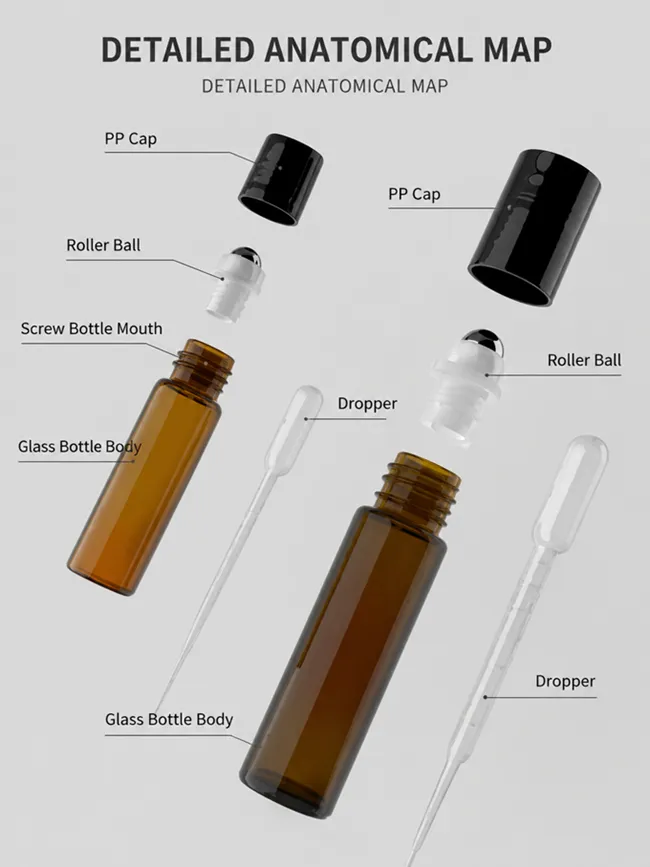
A roller bottle is a simple but carefully designed packaging system.
Main Components
| Component | Function |
|---|---|
| Bottle Body | Stores essential oil |
| Roller Insert | Holds the ball and controls oil flow |
| Roller Ball | Applies oil smoothly to skin |
| Collar / Neck Ring | Locks the roller insert in place |
| Cap | Protects the roller and prevents evaporation |
| Inner Seal (optional) | Improves leakage protection |
2. How Does the Roller Ball System Work?
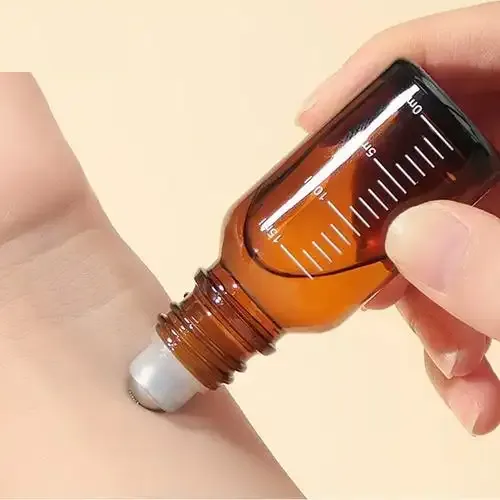
The roller ball works through a simple gravity and surface-contact system.
When the bottle is tilted:
- Essential oil reaches the roller insert
- The roller ball rotates
- A thin layer of oil sticks to the ball surface
- The oil transfers onto the skin
The roller does not spray or pump oil. It controls the amount released through the gap between the ball and the insert.
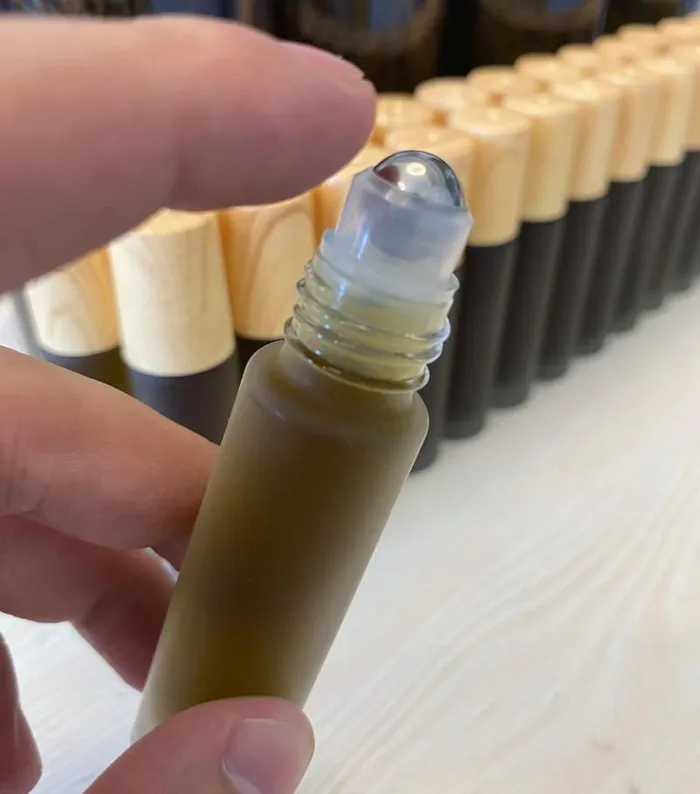
3. Why Is the Roller Ball Difficult to Remove?
The roller insert is usually designed to stay firmly attached.
Manufacturers use a tight-fit structure because it needs to:
- Prevent leakage
- Avoid evaporation
- Protect essential oils from contamination
- Survive transportation
A loose roller insert may cause:
- Oil leakage
- Broken packaging
- Reduced product quality
4. How to Remove a Roller Ball from an Essential Oil Bottle
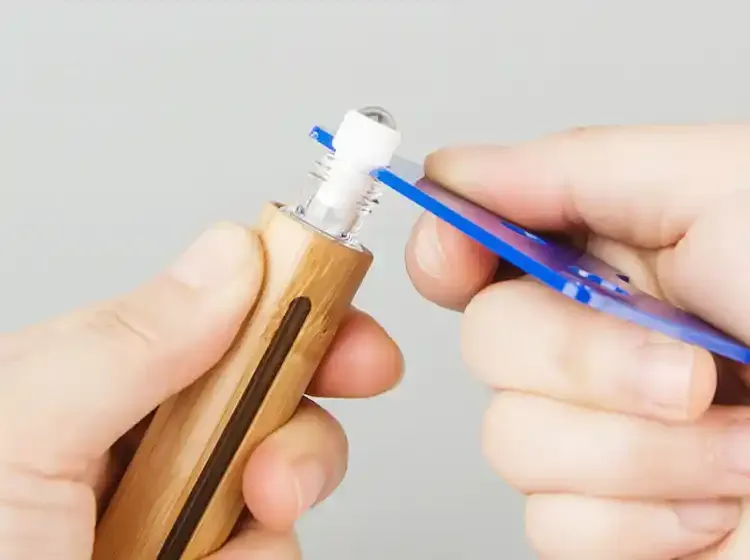
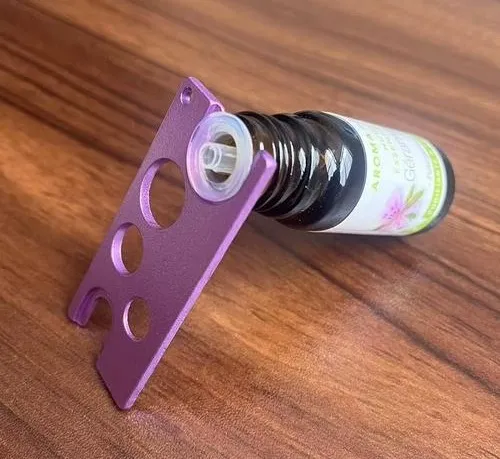
Method 1: Use a Roller Bottle Opener (Recommended)
This is the safest method.
Steps:
Step 1
Remove the outer cap.
Step 2
Place the roller bottle opener under the edge of the roller insert.
Step 3
Apply gentle upward pressure.
Step 4
Slowly lift the insert out of the bottle neck.
Step 5
Clean the bottle before refilling.
Advantages:
- Less chance of damaging the bottle
- Protects the roller insert
- Suitable for glass bottles
Method 2: Use a Spoon or Small Tool
If you do not have an opener:
Steps:
- Hold the bottle firmly.
- Insert the edge of a spoon under the roller collar.
- Slowly lift one side.
- Move around the edge gradually.
- Remove the insert carefully.
Avoid using excessive force.
Method 3: Use Pliers (For Damaged Rollers)
Use this only when the roller is already damaged.
Steps:
- Protect the bottle with a cloth.
- Grip the plastic collar gently.
- Pull upward slowly.
- Remove the entire roller insert.
Risk:
- Plastic collar may deform
- Glass bottle may crack
5. How to Reinstall the Roller Ball After Removal
After removing the roller insert:
Step 1: Clean the Bottle
Remove:
- Old oil residue
- Dust
- Remaining fragrance
Allow the bottle to dry completely.
Step 2: Check the Roller Insert
Make sure:
- Ball rotates smoothly
- Plastic collar is not damaged
- Seal ring is complete
Step 3: Install the Insert
Press the roller insert straight into the bottle opening.
You should feel:
- Firm fitting
- Even pressure
- No movement
Step 4: Test Leakage
Turn the bottle upside down for several minutes.
Check:
- No oil leakage
- Roller rotates normally
6. How to Replace a Broken Roller Ball
If the ball stops rolling or leaks, the roller insert usually needs replacement.
Common Problems
Roller Ball Stuck
Possible reasons:
- Dried essential oil
- Dust contamination
- Damaged ball surface
Solution:
Clean or replace the insert.
Roller Ball Falls Out
Possible reasons:
- Loose insert
- Damaged collar
Solution:
Replace the complete roller assembly.
Oil Leaks Around the Neck
Possible reasons:
- Poor sealing
- Damaged plastic insert
- Incorrect installation
Solution:
Replace the roller insert or bottle closure.
7. Can You Put Different Essential Oils in the Same Roller Bottle?
Yes, but it is not always recommended.
Different oils may:
- Mix fragrance
- Change the aroma
- Affect skin application experience
For best results:
Option 1:
Use a separate roller bottle for each essential oil.
Option 2:
Clean the bottle completely before changing oils.
Cleaning steps:
- Remove roller insert
- Wash bottle with alcohol
- Dry completely
- Refill with new oil
8. What Happens If There Is No Roller Ball?
Without the roller ball:
- Oil flows out too quickly
- Application becomes difficult
- More product is wasted
- Leakage risk increases
The roller ball provides:
- Controlled dosage
- Comfortable application
- Better portability
A bottle without a roller insert becomes more like a normal liquid container.
9. Essential Oil Roller Bottle Materials
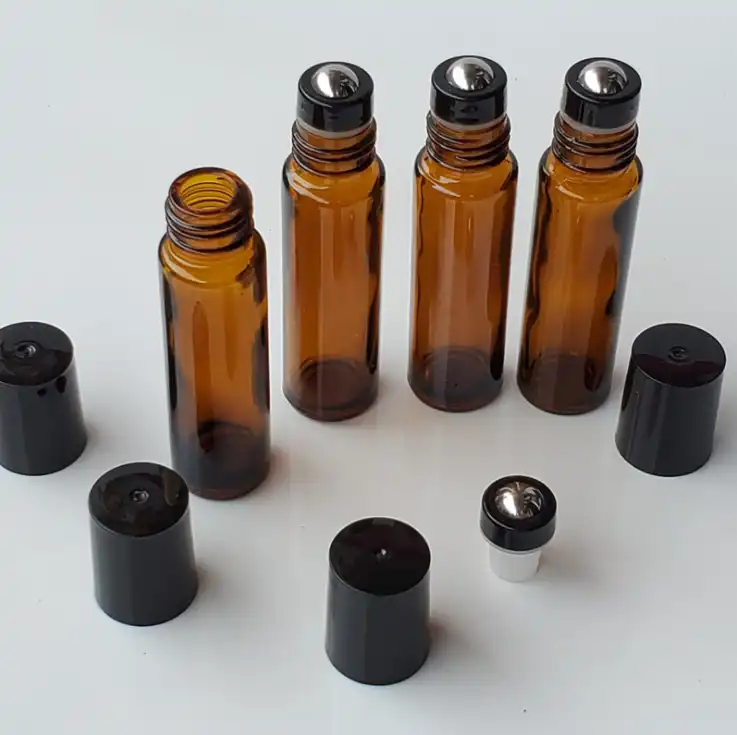
Glass Roller Bottle
Advantages
- Excellent chemical resistance
- Does not absorb fragrance
- Premium appearance
- Suitable for essential oils
Disadvantages
- Breakable
- Heavier shipping weight
Best for:
- Premium essential oils
- Aromatherapy brands
- Natural beauty products
Plastic Roller Bottle (PET / PP)
Advantages
- Lightweight
- Lower cost
- Better impact resistance
Disadvantages
- Some oils may interact with certain plastics
- Less premium feeling
Best for:
- Travel products
- Large-volume production
- Promotional items
Aluminum Roller Bottle
Advantages
- Lightweight
- Excellent protection from light
- Durable
Disadvantages
- Requires internal coating
- Less transparent
Best for:
- Travel essential oils
- Outdoor products
Material Comparison
| Material | Advantage | Disadvantage |
|---|---|---|
| Glass | Best compatibility, premium | Heavy |
| PET | Lightweight, affordable | Formula compatibility required |
| PP | Chemical resistant | Less luxury appearance |
| Aluminum | Light, protects from light | Needs coating |
10. How to Properly Store Essential Oil Roller Bottles
Essential oils are sensitive to:
- Heat
- Light
- Oxygen
- Humidity
Recommended Storage Conditions
Temperature
Best:
15°C–25°C (59°F–77°F)
Avoid:
- Direct sunlight
- Hot cars
- Near heaters
Light
Store in:
- Dark cabinets
- Drawers
- Amber glass bottles
UV light can accelerate oil degradation.
Position
Store upright whenever possible.
This reduces:
- Leakage risk
- Contact between oil and cap materials
11. Best Essential Oil Bottle Choice
For premium essential oils:
Recommended:
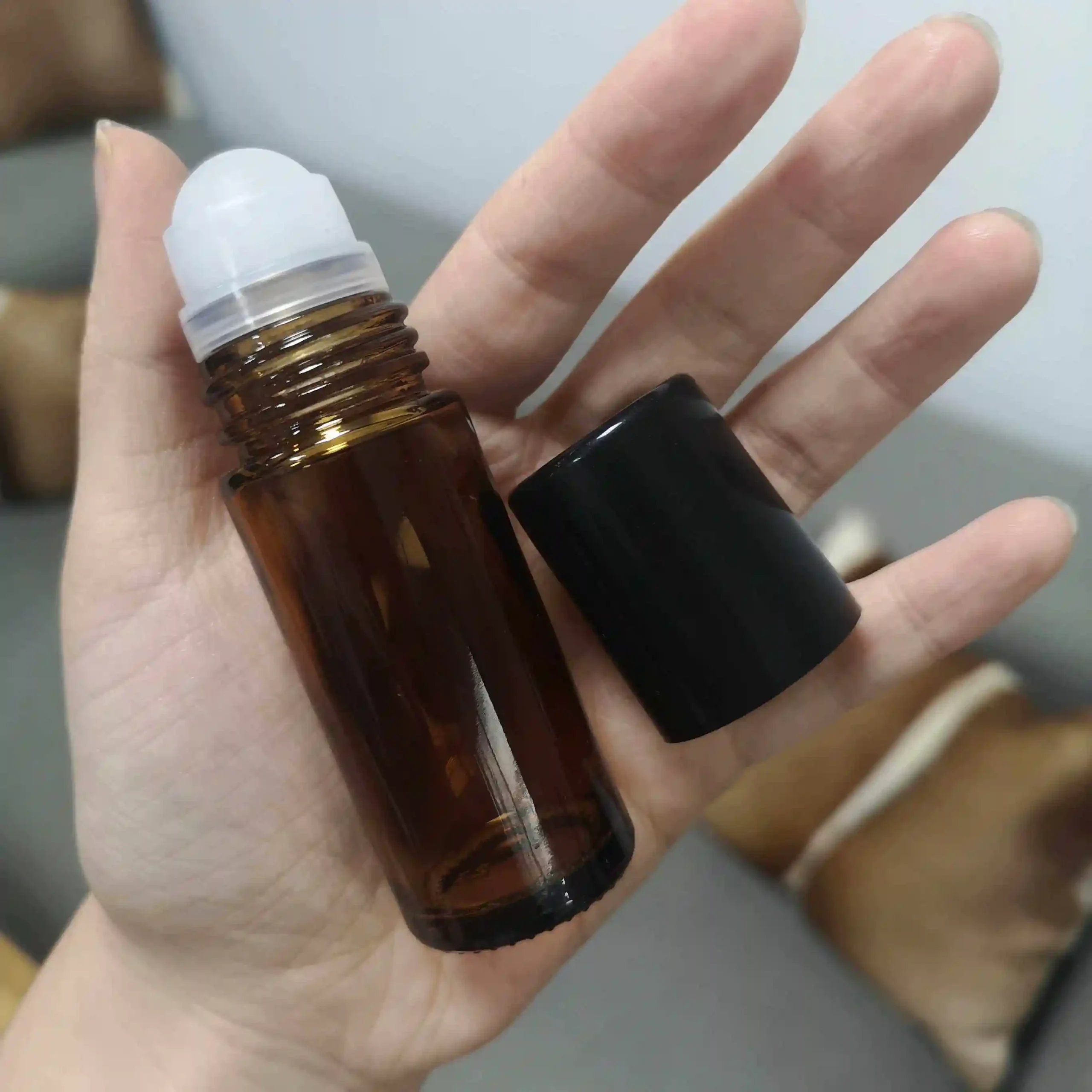
Amber Glass Roller Bottle
Why?
- Protects from UV light
- High chemical stability
- Premium appearance
For travel:
Aluminum or PET Bottle
Advantages:
- Lightweight
- More impact resistant
For luxury brands:
Frosted Glass Bottle + Stainless Steel Roller
Provides:
- Premium feeling
- Better durability
- Better user experience
Frequently Asked Questions
Can I refill a roller ball essential oil bottle?
Yes. Remove the roller insert carefully, clean the bottle, and refill with new oil.
Why is my roller ball not moving?
Common reasons:
- Oil residue has dried
- Ball surface is dirty
- Insert is damaged
Try cleaning or replacing the roller insert.
Can I remove the roller ball without tools?
Sometimes yes, but a proper opener is safer and reduces the risk of breaking the bottle.
Are glass roller bottles better than plastic?
For essential oils, glass is usually preferred because it provides better chemical resistance and a premium feel.
How long can essential oils be stored?
Many essential oils can last several years when stored properly in dark, tightly sealed bottles away from heat and sunlight.
Should essential oils be stored in plastic bottles?
For long-term storage, glass is generally recommended. Some essential oils are very concentrated and may interact with certain plastics.
Final Tips
A good roller bottle is not only about appearance. The bottle material, roller quality, sealing structure and storage environment all affect the final user experience.
For essential oil brands, a well-designed glass roller bottle with a reliable roller insert and tight cap system remains one of the most practical packaging choices.

 English
  Español de Argentina
  Русский
  Italiano
  日本語
日本語  한국어
한국어  العربية
  Français
  Deutsch