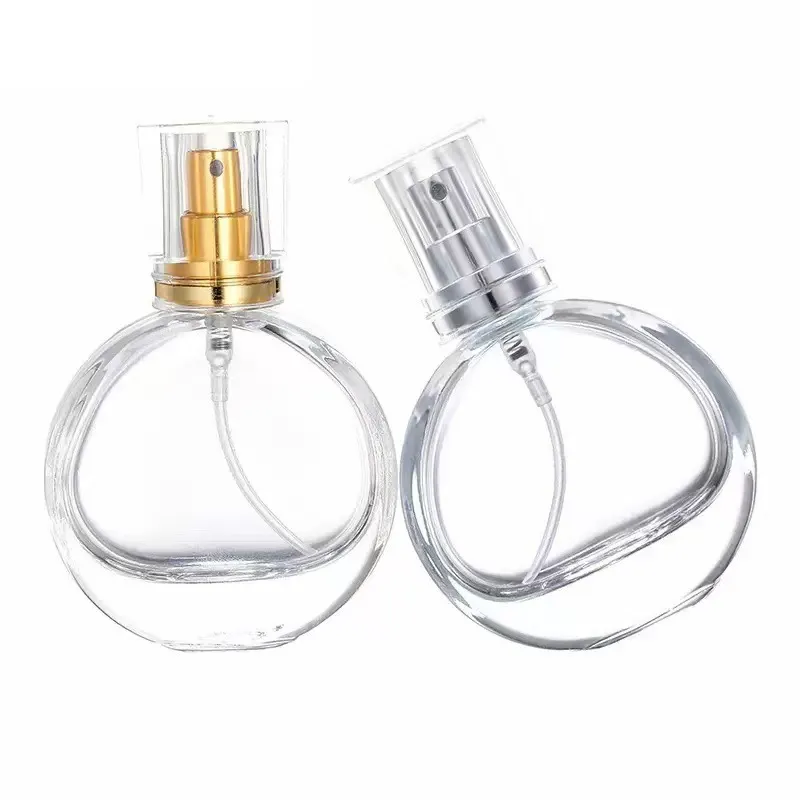
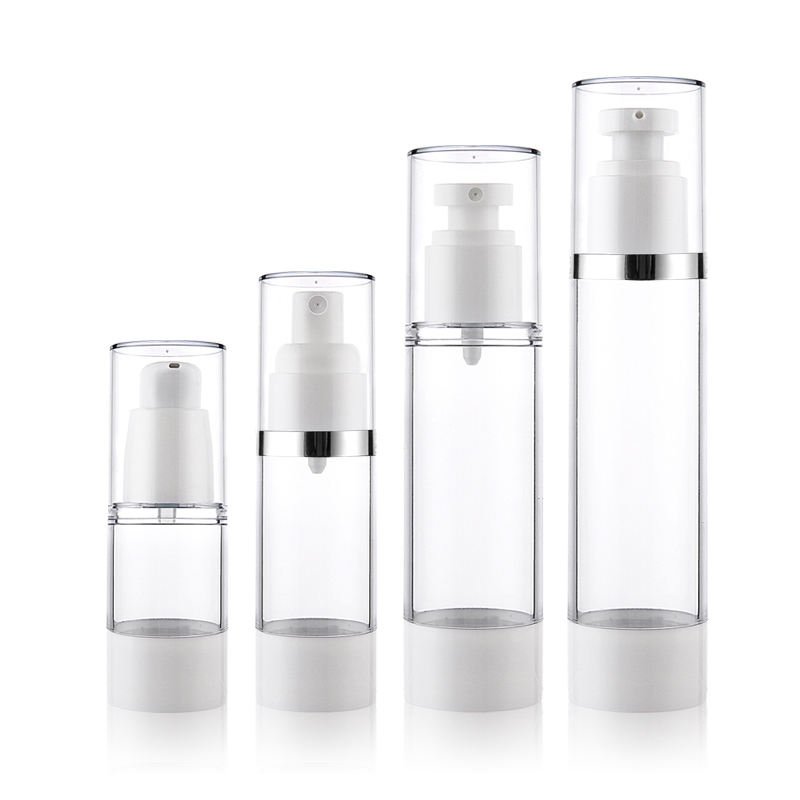
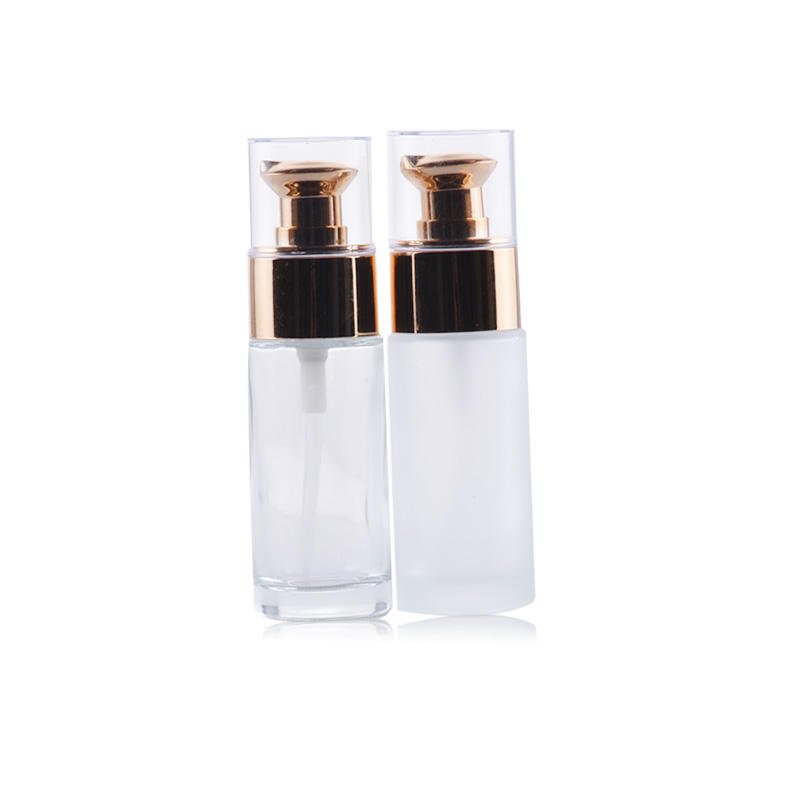
AQL inspection for cosmetic packaging is a statistical method used to decide whether a finished production lot should be accepted or rejected by examining a random sample instead of every unit. The buyer defines the lot, inspection level, defect categories and Acceptance Quality Limits before inspection. The inspector then uses a recognized sampling standard—commonly ISO 2859-1 or ANSI/ASQ Z1.4—to determine the sample size and the acceptance/rejection numbers for each defect class.
AQL is useful for bottles, jars, tubes, pumps, droppers, caps and decorated components, but it is often misunderstood. It is not a promise that the lot contains exactly the AQL percentage of defects, and it is not permission for the factory to intentionally ship defects. It is a risk-based lot-acceptance tool.

What Does AQL Mean?
AQL stands for Acceptance Quality Limit. In the context of a continuing series of lots, it indexes sampling plans designed around a process quality level considered the worst tolerable process average for acceptance-sampling purposes. The selected AQL works together with the lot size, inspection level, sampling-plan type and current inspection severity.
This definition leads to three important conclusions:
- An AQL value is not the defect percentage permitted in every shipment.
- A passing sample does not prove that the whole lot is defect-free.
- A rejected sample does not automatically prove that every carton is bad; it means the lot did not meet the agreed acceptance rule and requires a documented disposition.
ISO published ISO 2859-1:2026 in January 2026, replacing the 1999 edition and its amendments. It covers AQL-indexed single, double and multiple sampling schemes and includes switching rules. ANSI/ASQ Z1.4 is another widely used attributes-inspection system. The purchase order should identify the exact standard and edition instead of saying only “use AQL.”
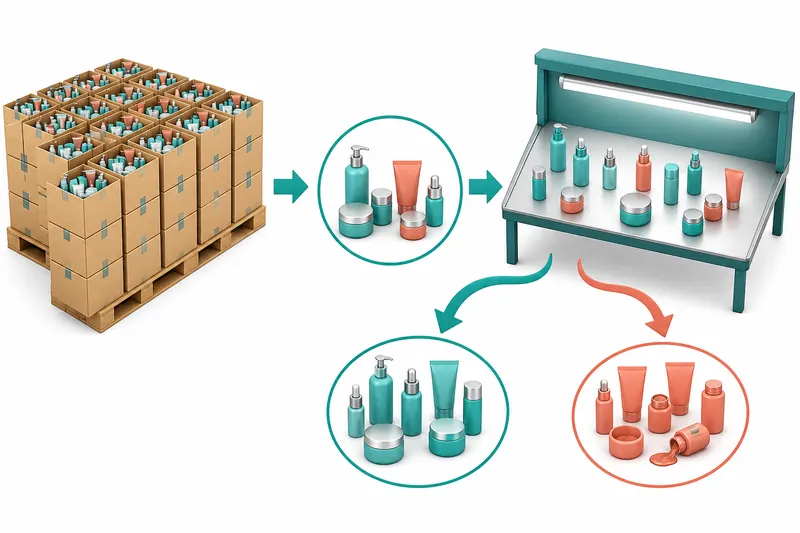
How an AQL Inspection Works
1. Define the production lot
A lot should consist of units produced under reasonably consistent conditions. Record the SKU, component version, color, decoration batch, mold or cavity information, production dates and quantity. Different capacities, colors or pump systems may need separate treatment. Combining unrelated production into one “lot” can hide a localized problem.
2. Choose the inspection level
General inspection levels are used for many visual and functional checks; special levels provide smaller samples when testing is destructive, expensive or time-consuming. A commonly selected level is not automatically the correct level. The buyer should choose based on risk, supplier history, test cost and the consequence of missing a defect.
3. Classify defects
The inspection specification should define critical, major and minor defects with photographs, measurable limits and functional consequences.
| Class | Practical meaning | Cosmetic packaging examples |
|---|---|---|
| Critical | Could create an unreasonable safety, contamination, legal or serious-use risk | Sharp glass edge, foreign contamination, wrong contact material, prohibited mix-up, unreadable safety-critical information |
| Major | Likely to cause failure, leakage, consumer rejection or loss of intended function | Pump does not prime, bottle leaks, cap does not fit, decoration is materially off-position, serious color mismatch |
| Minor | Does not materially reduce function but departs from the approved appearance or workmanship limit | Small acceptable-area scuff, slight nonfunctional molding mark, minor print variation outside the signed limit sample |
These are examples, not universal classifications. A defect can change class according to product use. A rough edge on an outer overcap may be cosmetic; the same edge on a component that touches the user’s eye area may be critical.
4. Select AQL values and the sampling plan
Buyers frequently assign a stricter rule to critical defects than to major or minor defects. The actual values must be agreed according to product risk, brand tolerance, destination-market requirements and supplier performance. Do not copy an AQL combination from another buyer without understanding its operating-characteristic risk.
Using the formal tables, the inspector converts the lot size and inspection level into a sample-size code, then uses the chosen plan and AQL to obtain the sample quantity and the acceptance (Ac) and rejection (Re) numbers. The published standards are copyrighted; use an authorized copy or qualified inspection provider rather than an unverified online calculator.
5. Draw the sample randomly
The inspector should select cartons from different pallet positions and units from different carton layers. The sample should represent every relevant SKU, cavity, shift or decoration batch. A sample prepared in advance by the supplier is not random and can invalidate the decision.
6. Inspect against approved requirements
Use the purchase order, signed drawing, material specification, artwork, packing instruction and golden sample. Record every nonconformity once under the agreed counting rule. Inspectors should not invent tolerances at the table or decide that a defect “looks acceptable” without an approved limit.
7. Compare defect counts with Ac/Re
For each defect class, compare the observed count with the plan’s Ac/Re numbers. Reaching or staying below Ac supports acceptance for that class; reaching Re rejects it. A hypothetical example: if a plan states Ac 5/Re 6 for a particular class, five observed nonconforming units can meet that sampling rule, while six reject the lot. This does not mean five defects are acceptable in every sample or that the lot has a 5% defect rate.
8. Report and decide disposition
The report should show lot identity, production status, sampling plan, cartons selected, defect photographs, counts, measurements, functional results and the conclusion. The buyer—not the inspector alone—should approve any commercial concession.
Normal, Tightened and Reduced Inspection
AQL standards are designed for a continuing stream of lots, not isolated use without supplier history. Normal inspection is the usual starting state. Repeated poor results can trigger tightened inspection; consistent acceptable performance and other conditions may permit reduced inspection. The standard’s switching rules should be followed rather than changed informally to reduce cost.
For a first order from a new Chinese supplier, reduced inspection is rarely a sensible starting assumption. Consider normal inspection plus targeted tests, and add during-production checks if the project involves a new mold, difficult decoration, complex pump or expensive launch.

What Cosmetic Packaging Can Be Inspected with AQL?
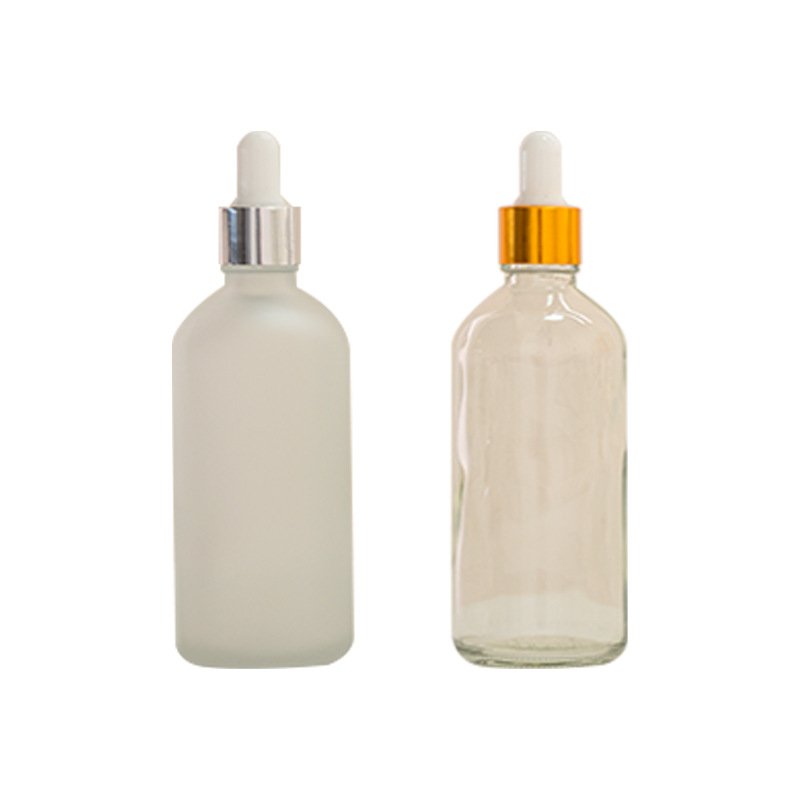
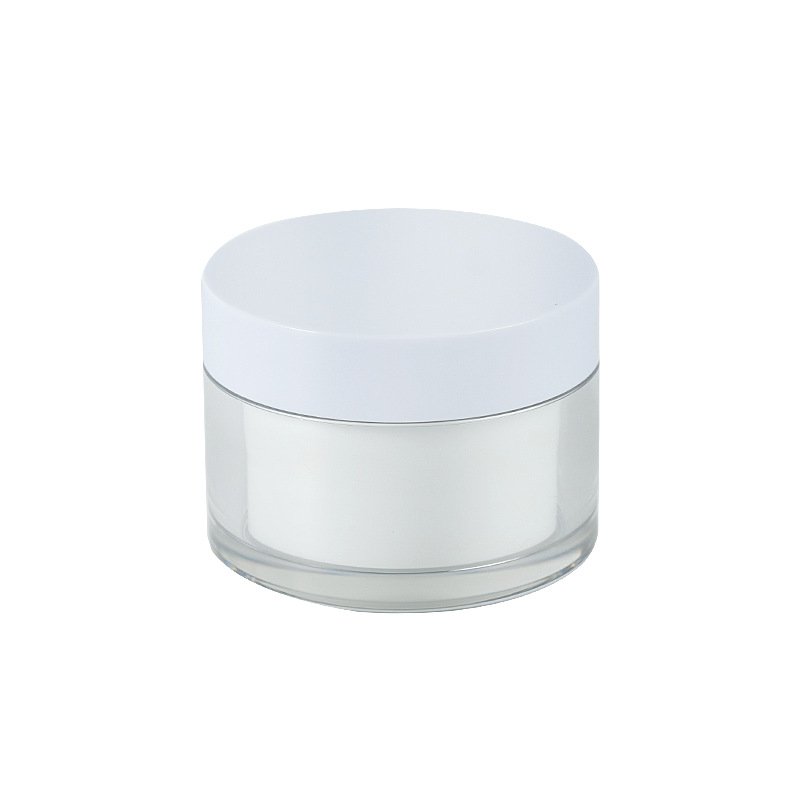
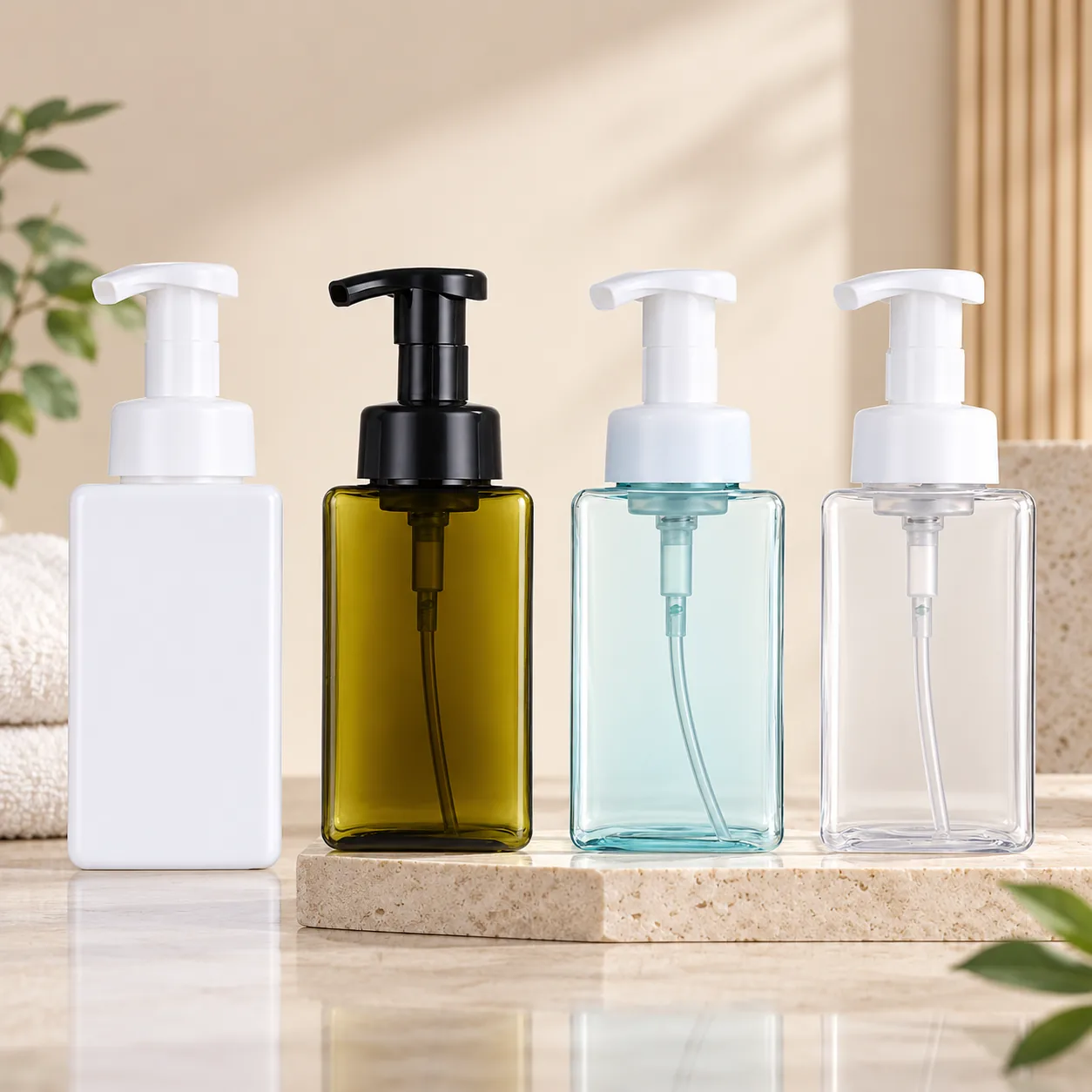
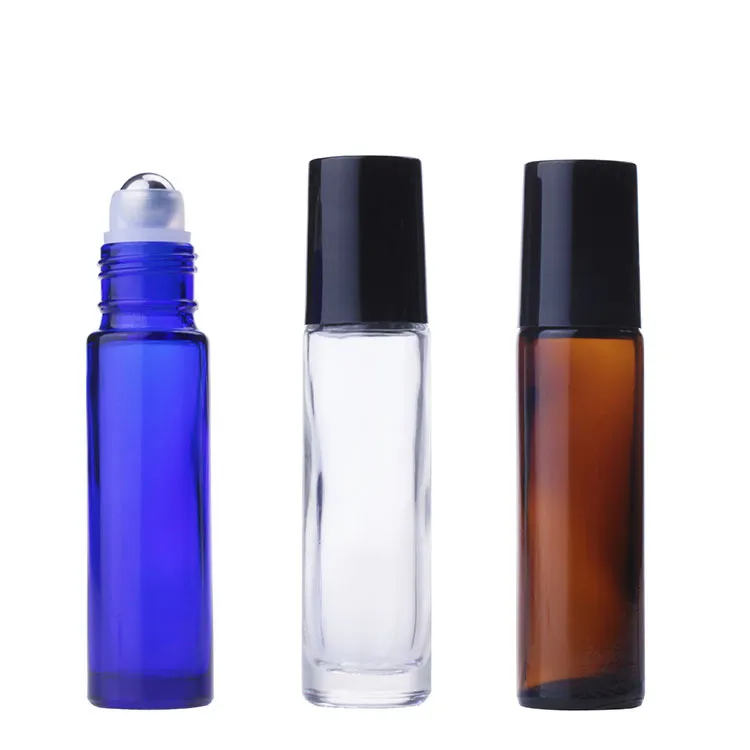
- Glass bottles and jars: chips, cracks, stones, bubbles against limits, verticality, neck finish, dimensions, coating and decoration.
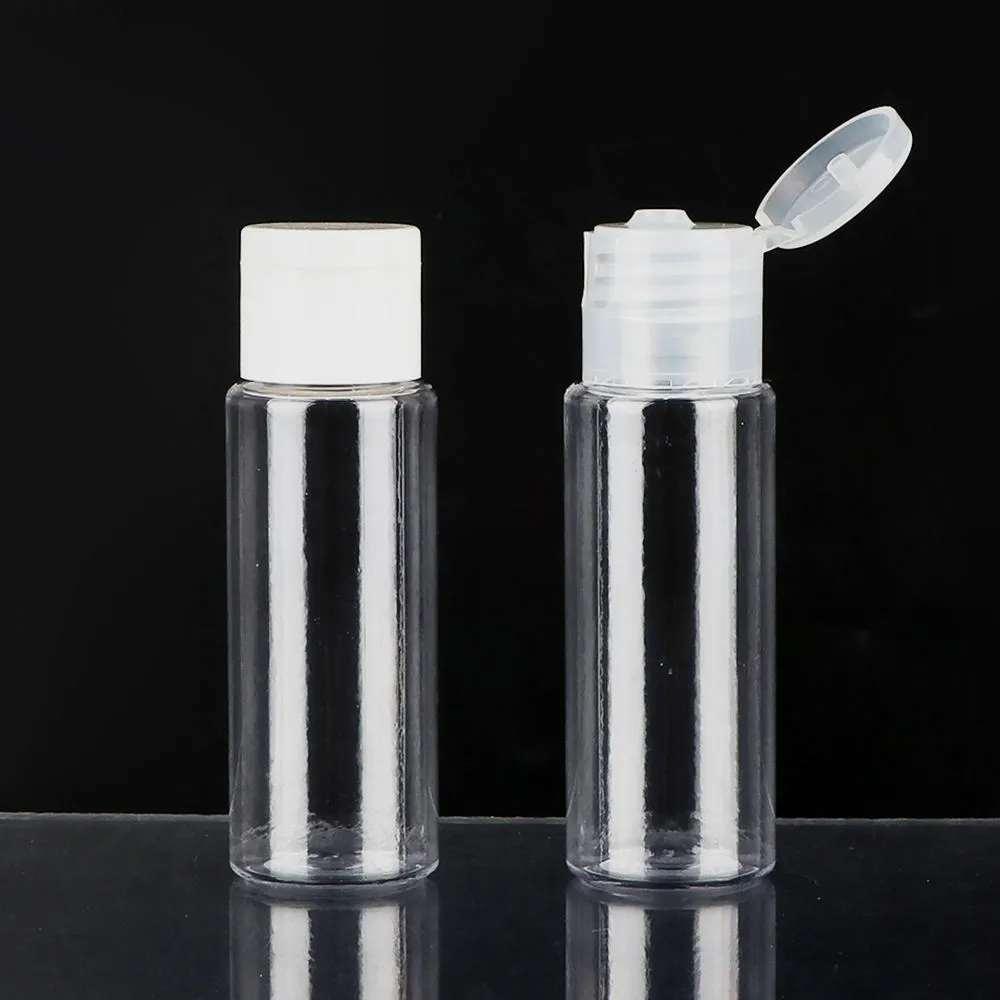
- Plastic bottles: flash, black specks, warpage, paneling, wall distribution, color, gate condition, dimensions and cap fit.
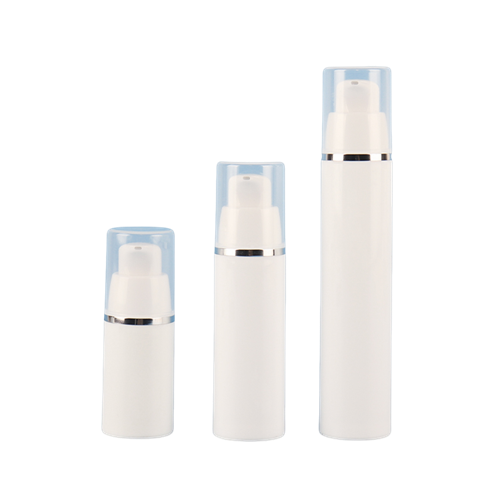
- Airless bottles and pumps: priming, dose output, actuator force, leakage, lock function, piston movement and evacuation.
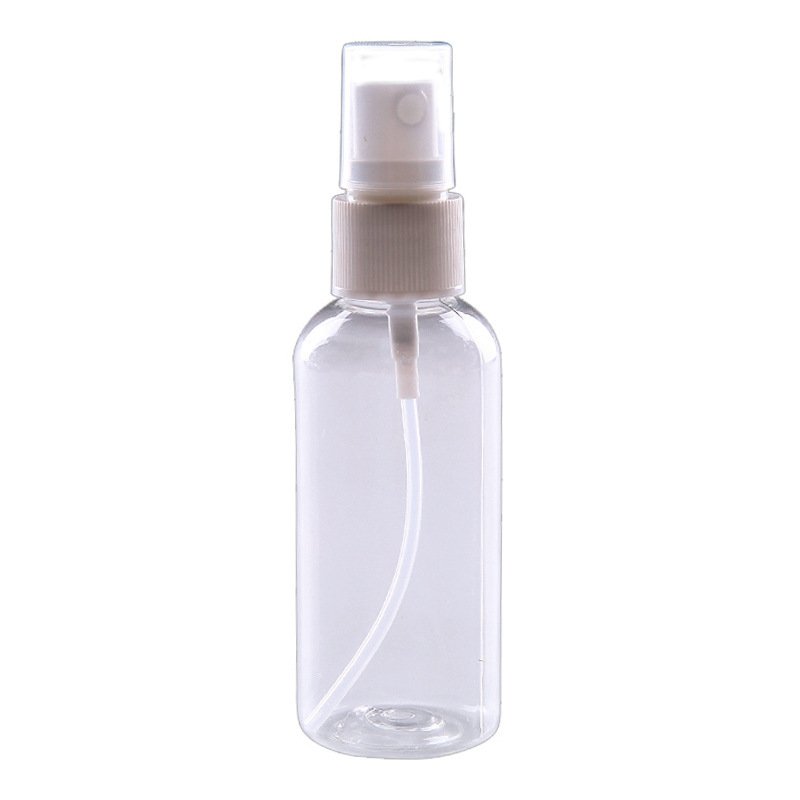
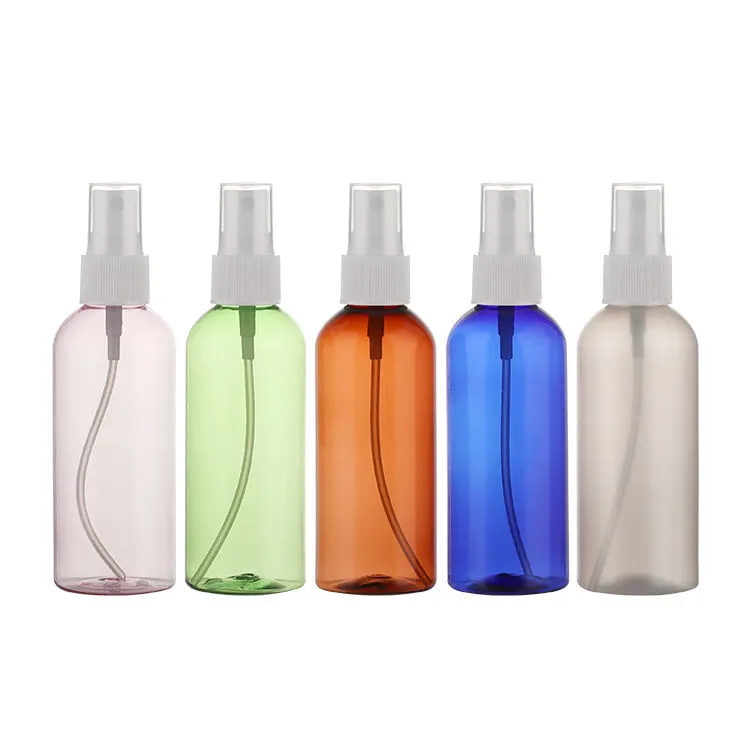
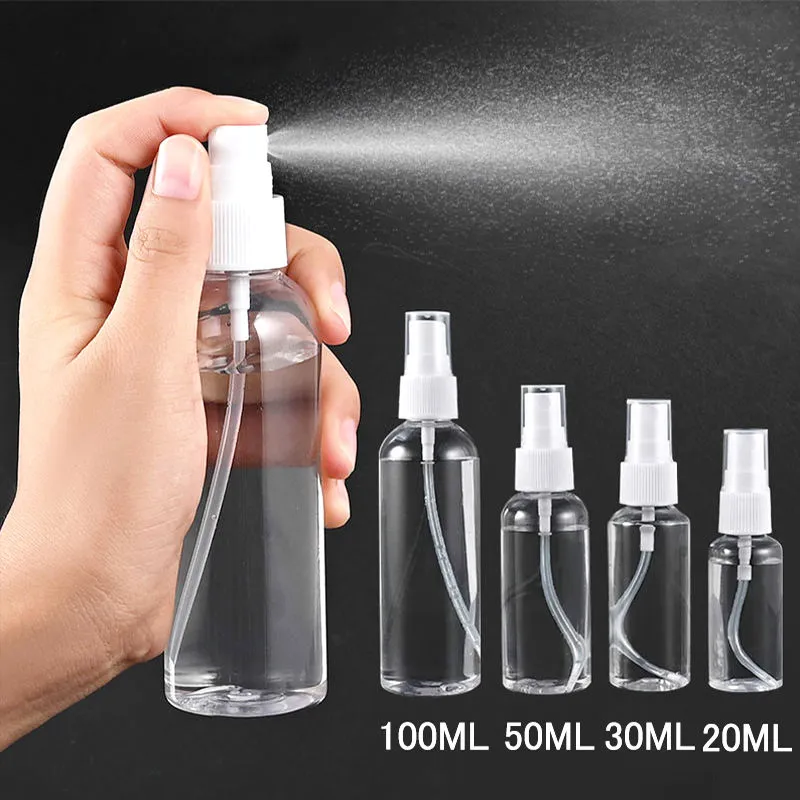
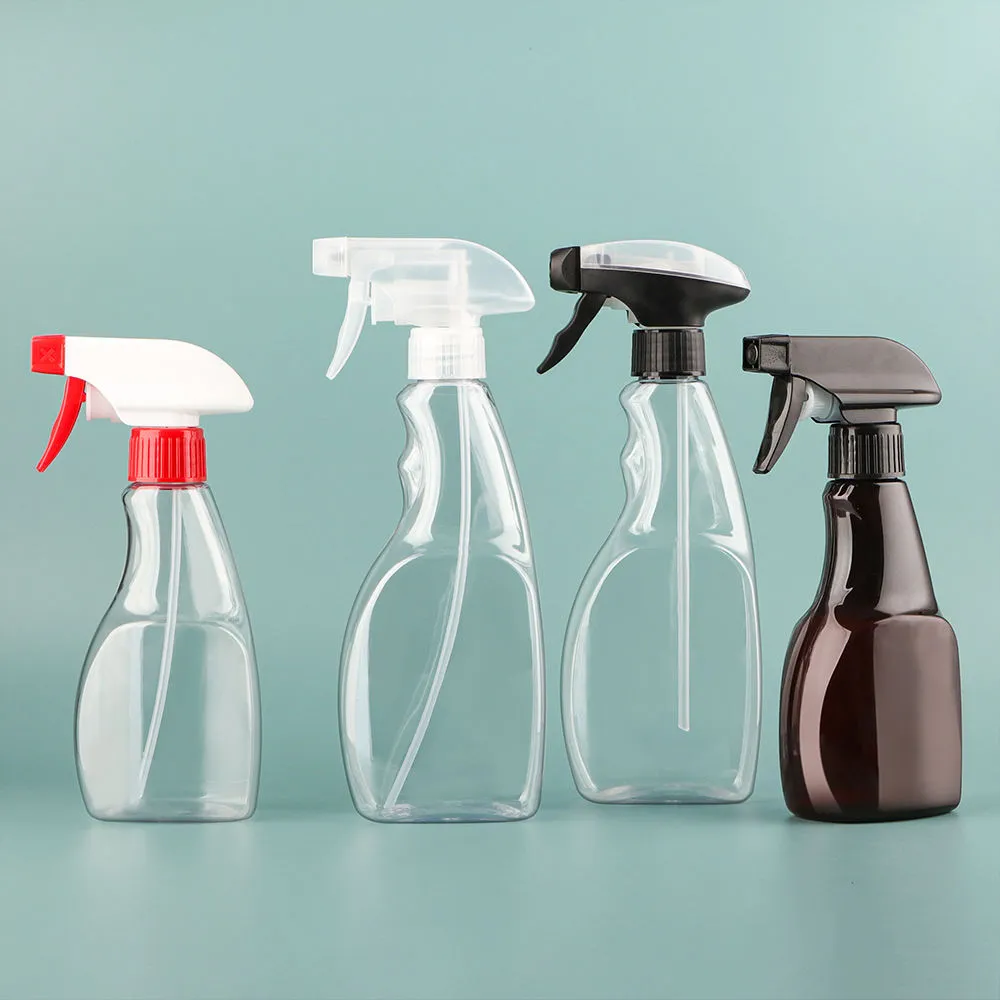
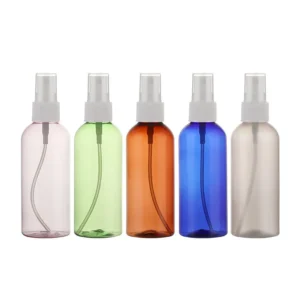
- Sprayers and droppers: spray pattern, output, dip-tube length, pipette integrity, bulb recovery, leakage and closure engagement.
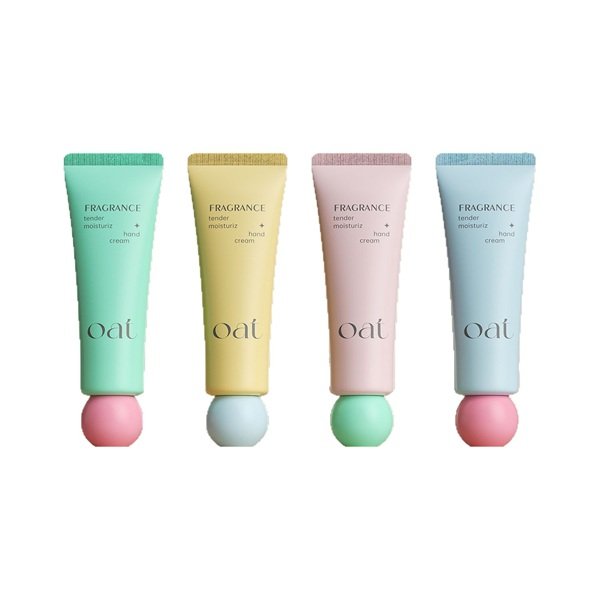
- Cosmetic tubes: print registration, shoulder bond, cap torque, end seal, side seam where applicable and leak performance.
- Decorated components and secondary packaging: color, printing, hot stamping, adhesion, rub resistance, barcode, carton count and shipping marks.
Some checks are destructive or long-duration and should not be treated as ordinary visual AQL items. Formula compatibility, stability, migration, material identity, transport simulation and microbiological protection require separate validated plans. AQL can sample units for a defined test, but it does not make the test scientifically suitable.
Advantages and Limitations of AQL Inspection
Advantages
- Far faster and less expensive than 100% inspection.
- Creates an objective lot-release rule.
- Supports consistent communication across buyers, factories and third parties.
- Allows different risk levels for different defect classes.
- Can use switching rules to respond to supplier performance.
Limitations
- Sampling always carries producer and consumer risk.
- A passing lot may still contain defects.
- Poor randomization or vague defect definitions make results unreliable.
- It detects outcomes; it does not improve the manufacturing process by itself.
- It cannot replace 100% screening when every defect must be removed.
Which Buyers Benefit Most from AQL?
AQL inspection is especially practical for beauty brands, packaging distributors, contract fillers, private-label companies and importers purchasing repeatable production lots. It is useful when 100% inspection would be too costly but a documented release decision is required.
It may be insufficient by itself for safety-critical applications, very small lots, unstable processes, high-cost custom components or defects with extremely severe consequences. Those cases may require process validation, capability studies, automated inspection, 100% sorting, specialist laboratory tests or a custom sampling plan designed by a quality professional.
First Order from a Chinese Cosmetic Packaging Factory
- Qualify the supplier before ordering. Review manufacturing capability, subcontracting, traceability, change control and complaint handling. See how to choose a cosmetic packaging manufacturer.
- Approve production-representative samples. Keep signed golden samples with both parties and follow a documented cosmetic packaging sampling process.
- Attach specifications to the purchase order. Define material, dimensions, tolerances, color, decoration, function, packing, defect list and inspection standard/edition.
- State who selects the sample. Factory QC is necessary, but first orders often benefit from buyer or independent third-party verification.
- Inspect at the correct time. Final inspection should occur when the lot is complete and substantially packed so the actual shipment can be sampled.
- Connect release to payment and shipment. Contractually define the inspection milestone, reinspection cost, delay responsibility and final-balance conditions.
- Do not skip formula compatibility. A bottle that passes visual AQL can still interact badly with the filled cosmetic.
- Preserve evidence. Retain samples, photographs, lot codes, reports and approved deviation records.

What Happens When an AQL Inspection Fails?
- Place the affected lot on hold and prevent loading.
- Segregate defects by SKU, cavity, shift, decoration batch or component source.
- Investigate the root cause and define corrective and preventive action.
- Agree in writing whether the lot will be 100% sorted, reworked, remade, rejected or accepted under a narrowly defined concession.
- Reinspect after correction using the agreed plan; do not reuse the failed sample as if it were a new random sample.
- Apply the standard’s switching rules and update future control plans where required.
A written concession should identify the exact lot, defect, quantity, commercial remedy and regulatory/safety assessment. Critical contamination, unsafe glass, wrong contact material or mandatory-labeling problems should not be solved by a casual price discount.
Frequently Asked Questions
Is AQL 2.5 the same as allowing 2.5% defective products?
No. The AQL indexes a sampling scheme and its probability of acceptance across process quality levels. The sample’s Ac/Re numbers do not equal a simple permitted defect percentage for the shipment.
What AQL should cosmetic packaging buyers use?
There is no universal answer. Select values by defect severity, product use, brand tolerance, supplier performance and consumer/regulatory risk. Ask a qualified quality professional to review high-risk plans.
Does AQL inspection replace factory QC?
No. Factory controls should prevent and detect defects throughout production. AQL inspection is a lot-release decision applied to finished or incoming goods.
Can the supplier choose the inspection samples?
The inspector should make the random selection across the defined lot. Supplier-prepared samples introduce selection bias and should not determine acceptance.
Who pays for reinspection after a failed result?
The contract should answer this before production begins. Many buyers assign justified reinspection and corrective costs to the responsible supplier, but the commercial agreement controls.
Should critical defects have a zero acceptance number?
Many buyers specify zero acceptance for defined critical defects. This still does not statistically prove zero critical defects in the unsampled lot. High-severity risks may require additional prevention, validation or 100% controls.
Build AQL into the Quality Agreement
The strongest inspection plan is agreed before the deposit is paid. Identify the standard and edition, lot definition, inspection level, sampling type, AQLs, defect catalogue, test methods, random-selection rights, reporting format, corrective-action process and shipment-release authority. Clear rules protect both buyer and factory from last-minute arguments.
Explore Boyu Packaging’s cosmetic packaging products or contact Boyu Packaging with your component type, quantity, formula characteristics, destination market, decoration and inspection requirements. Ask for samples and agree the quality specification before mass production.
References and Further Reading
- International Organization for Standardization, ISO 2859-1:2026—Sampling procedures for inspection by attributes.
- American Society for Quality, ANSI/ASQ Z1.4 and Z1.9 sampling standards.
- American Society for Quality, Attribute and variables sampling overview.
- U.S. Food and Drug Administration, Cosmetics GMP Guidelines/Inspection Checklist.
- U.S. Food and Drug Administration, Inspection of Cosmetics.
Technical note: This article explains general purchasing and quality-control principles. Use an authorized copy of the applicable standard and obtain qualified statistical, testing and regulatory advice for the specific product and market.


 English
  Español de Argentina
  Русский
  Italiano
  日本語
日本語  한국어
한국어  العربية
  Français
  Deutsch