A cosmetic packaging sample is not a miniature promise that mass production will be perfect. It is evidence from one defined stage of development. Buyers who understand what each sample can—and cannot—prove are much better positioned to control quality when sourcing bottles, jars, pumps, tubes and closures from China.
What Is the Cosmetic Packaging Sampling Process?
The cosmetic packaging sampling process is a sequence of physical checks that moves a project from an initial sourcing brief to a production-ready reference. The sequence changes with the project. A stock PET bottle with one-color printing may require only component, decoration and pre-production samples. A custom airless bottle can require prototypes, several mold trials, color approvals, functional validation and a pilot run.
The sample name alone is not reliable. One supplier’s “production sample” may be hand-assembled, while another supplier uses the term only for units made on the intended production line. Ask how the sample was made, which materials and tools were used, and which future production conditions it represents.
The Detailed Sampling Process: From RFQ to Golden Sample
Step 1: Build a packaging brief before requesting samples
Send every candidate supplier the same brief. Include product type, formula characteristics, nominal fill, overflow requirement, preferred material, neck finish, closure, dispensing dose, annual forecast, destination market, filling method, decoration, artwork, transport channel and launch date. Identify whether you need stock packaging, semi-custom decoration or a new mold.
If the formula is not ready, say so. A sample can confirm appearance and assembly, but it cannot prove compatibility with an unknown product.
Step 2: Review catalog or stock samples
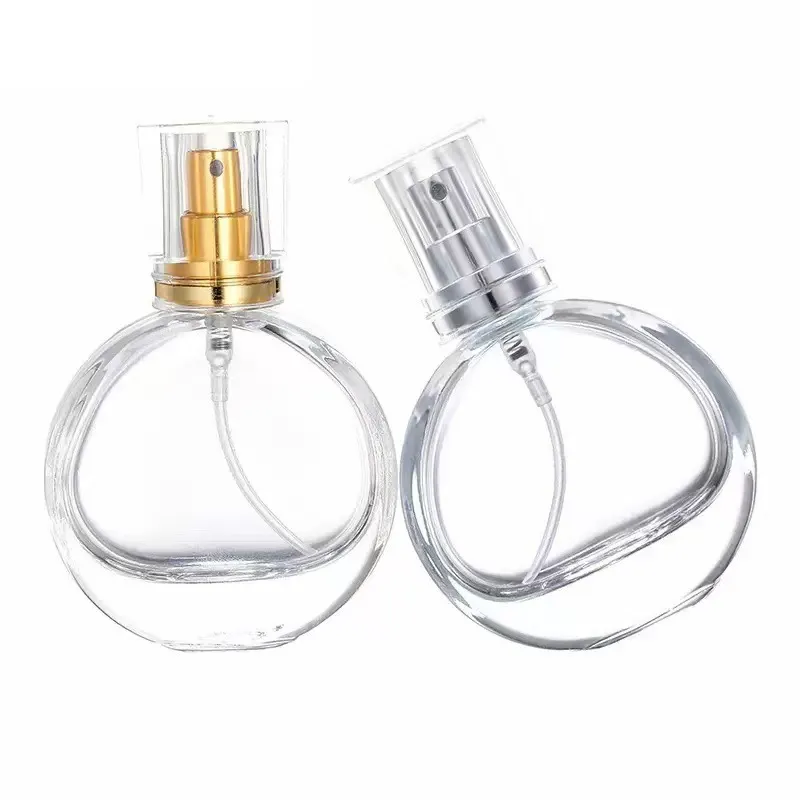
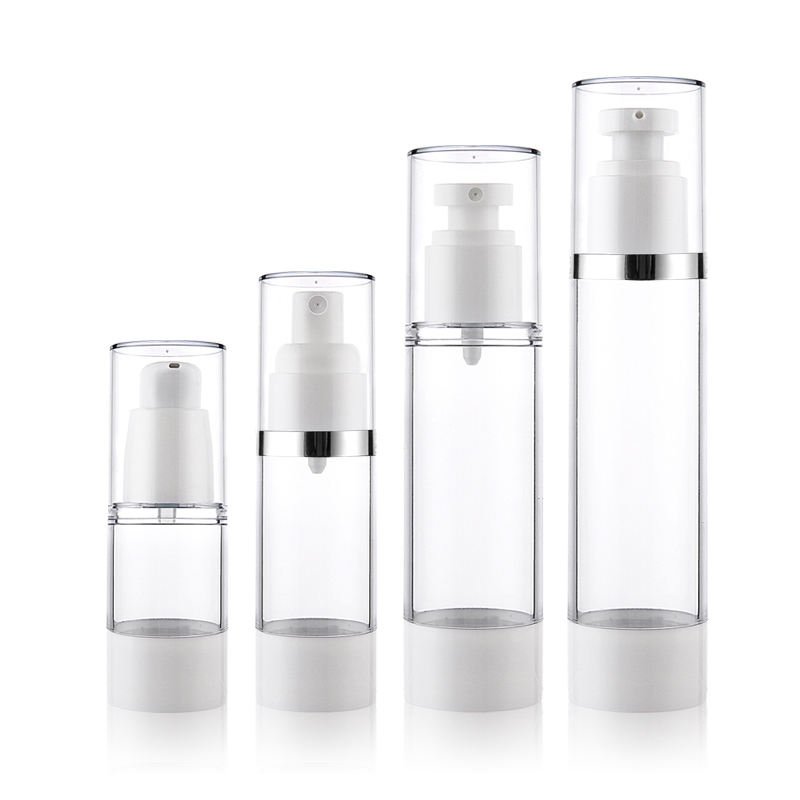
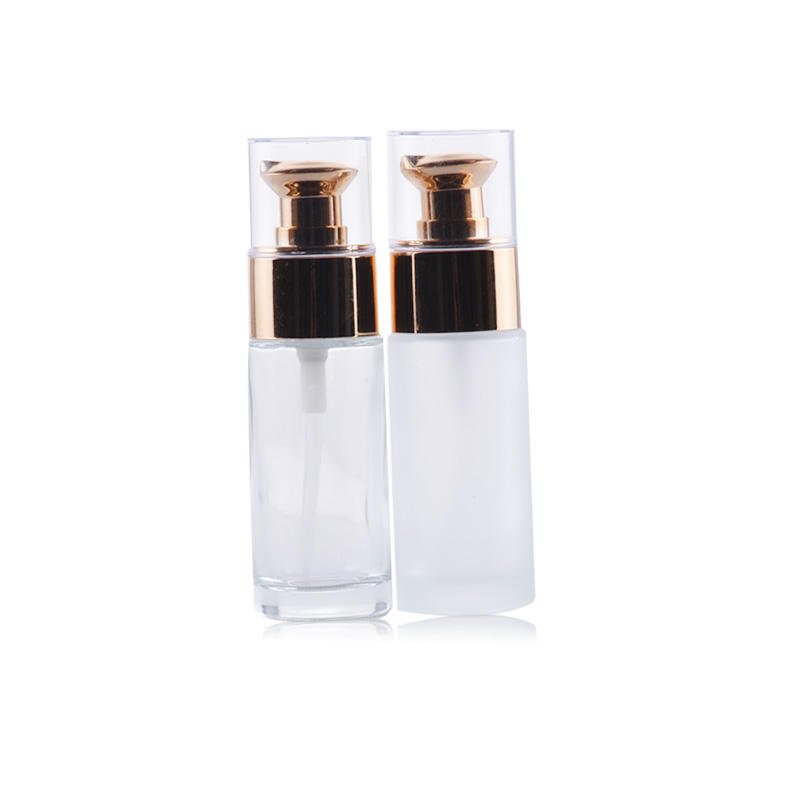
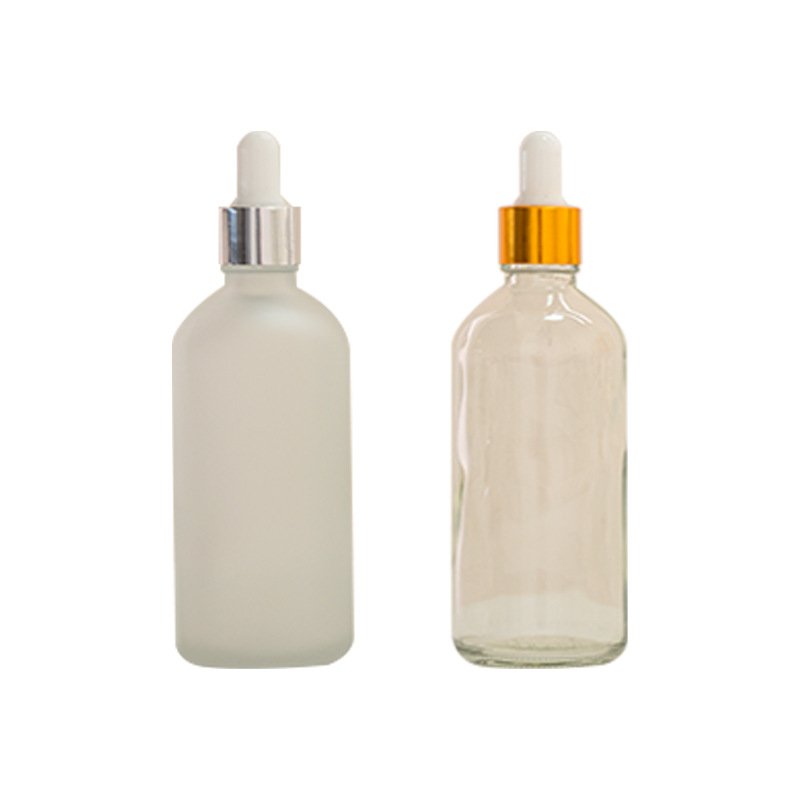
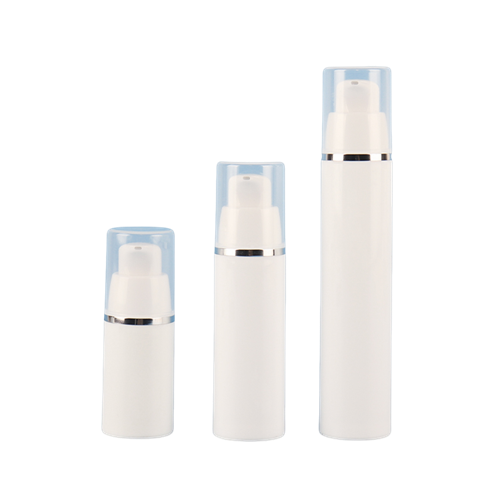
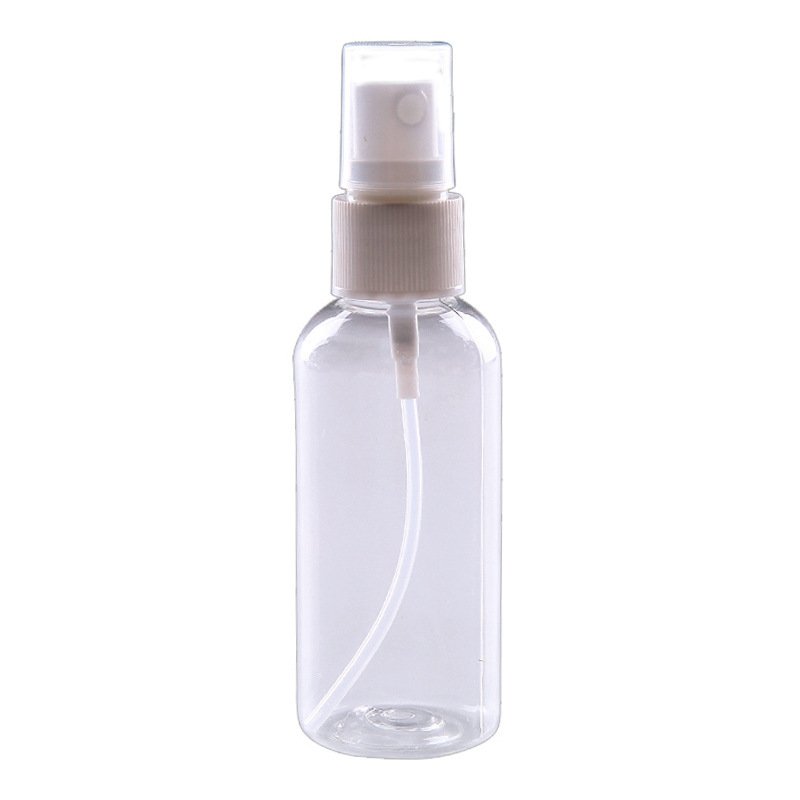
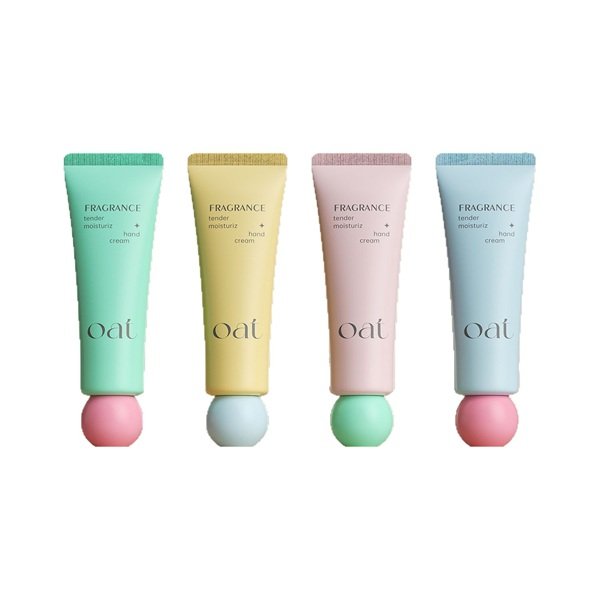
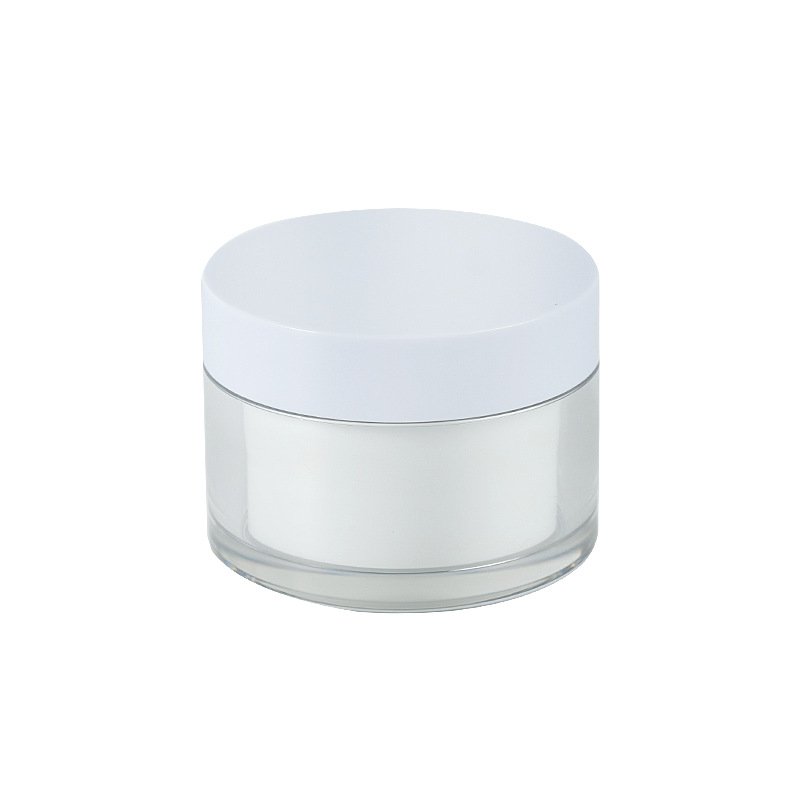
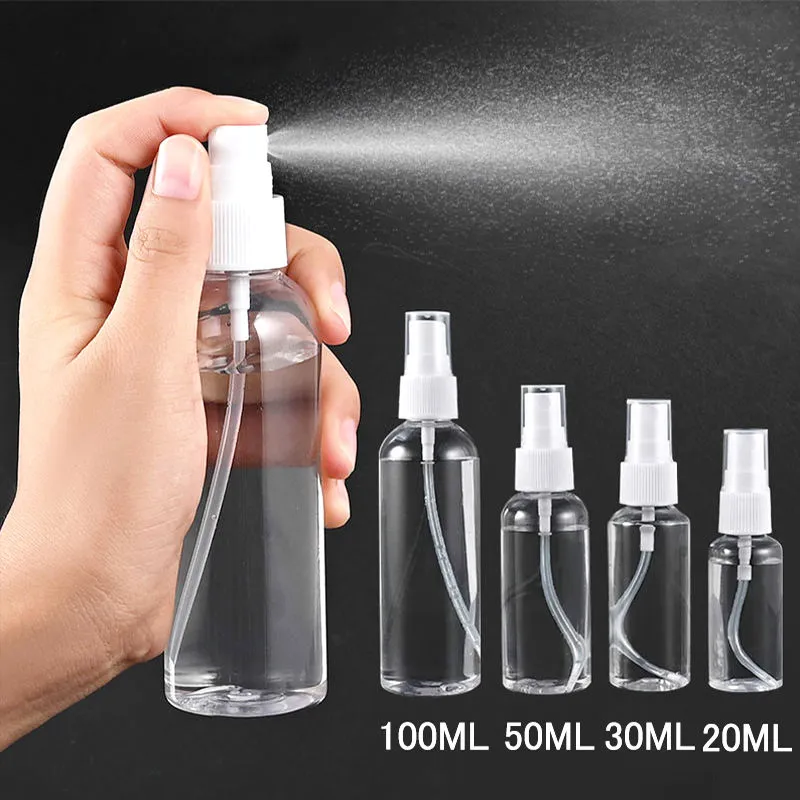
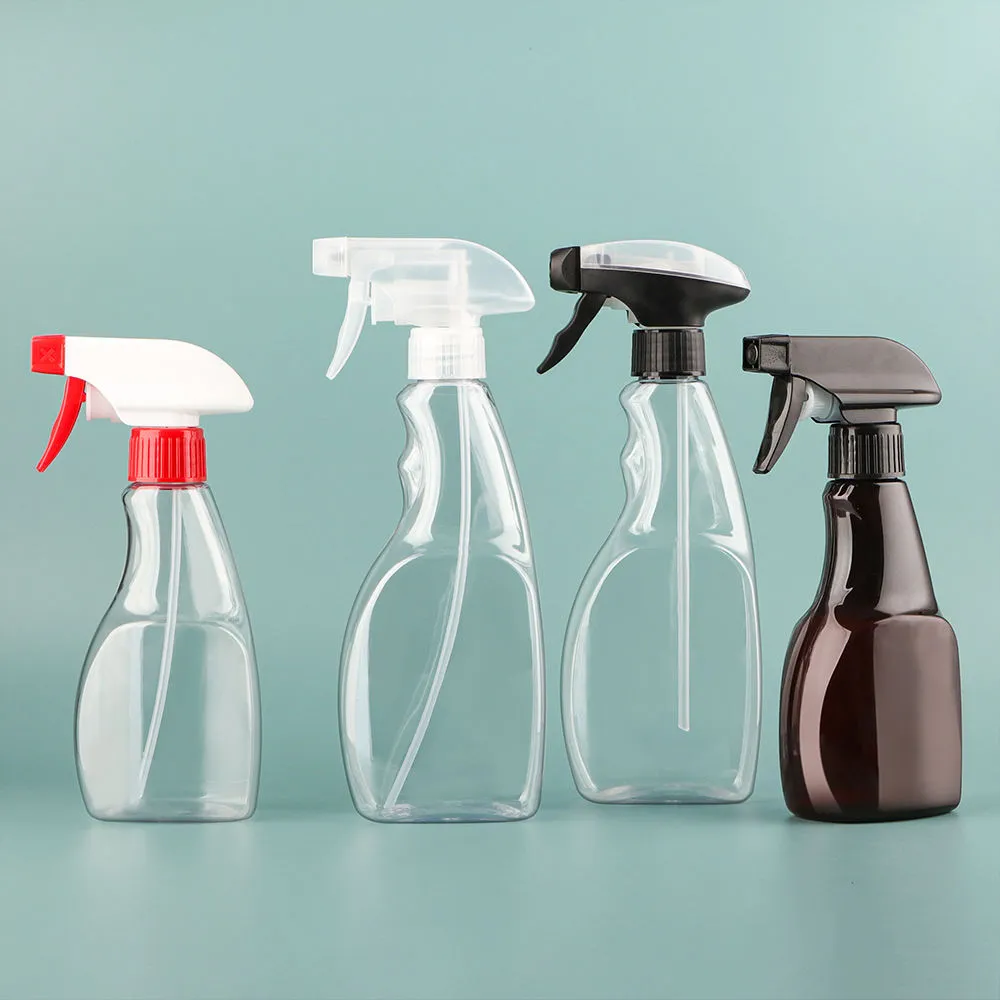
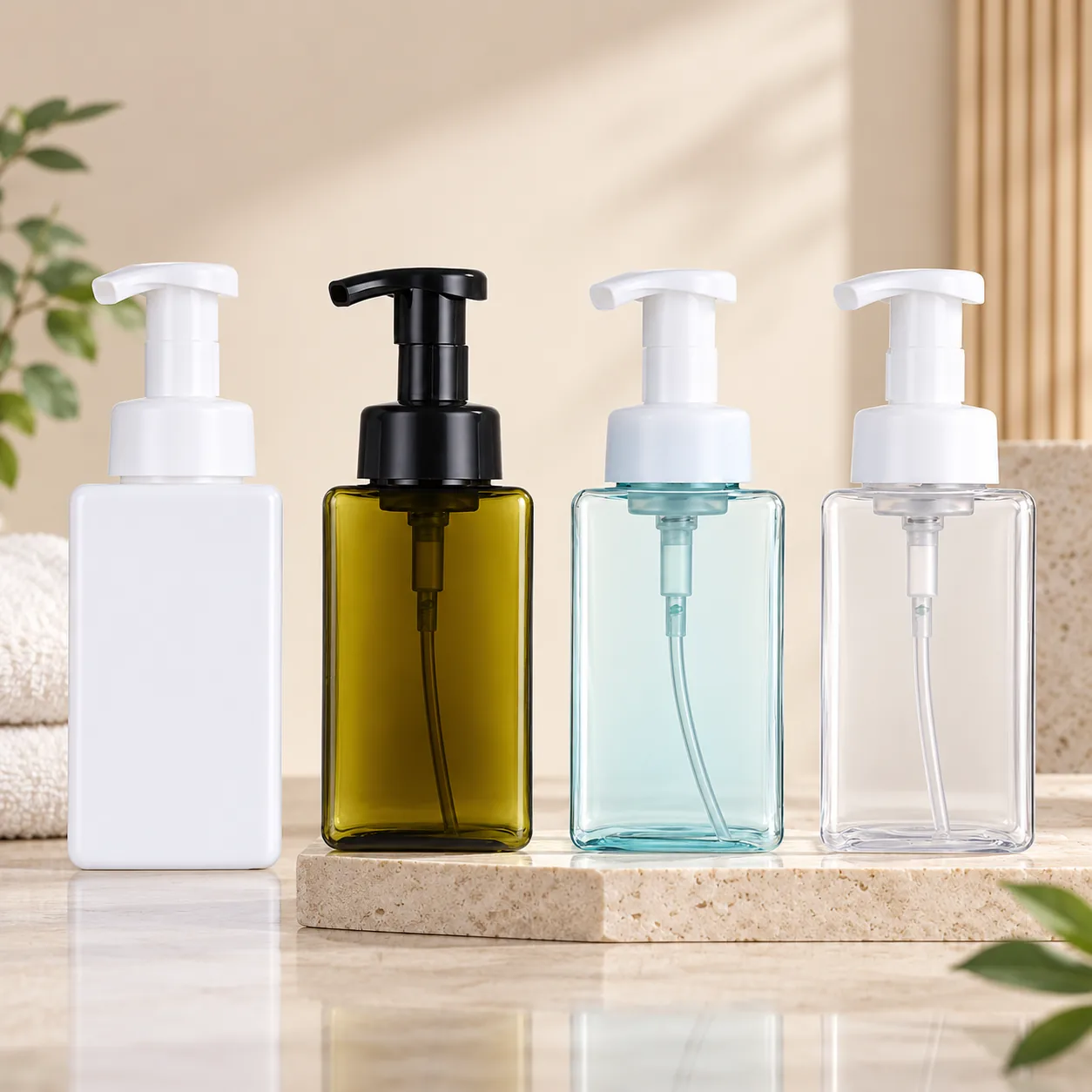
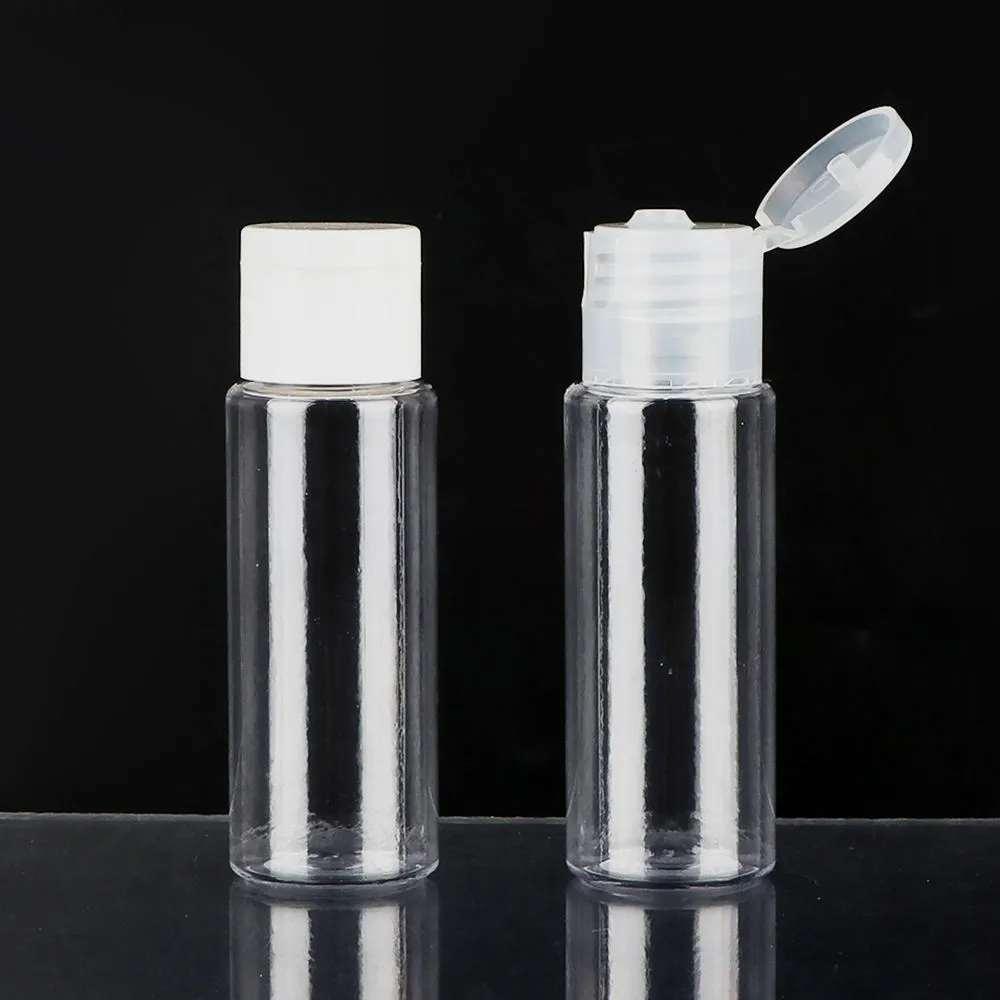
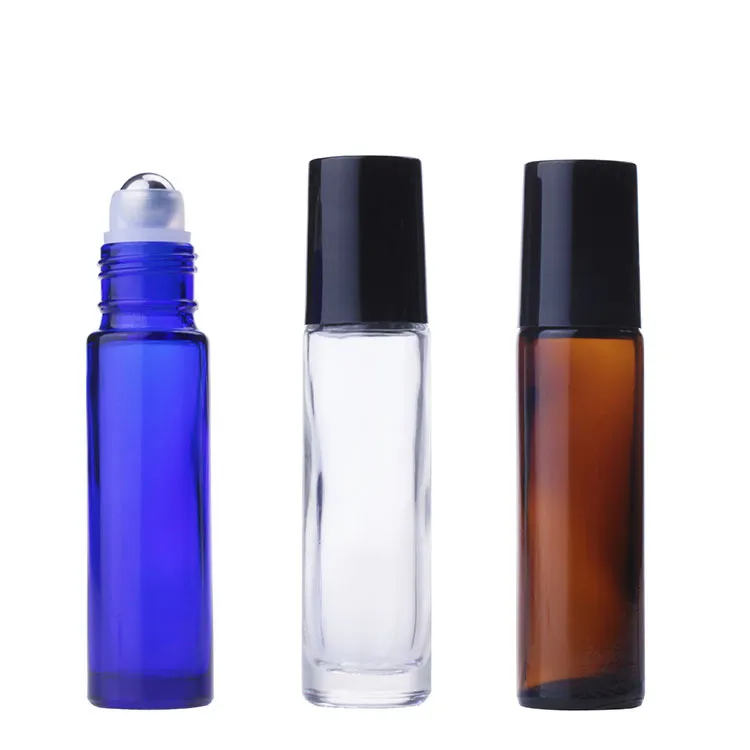
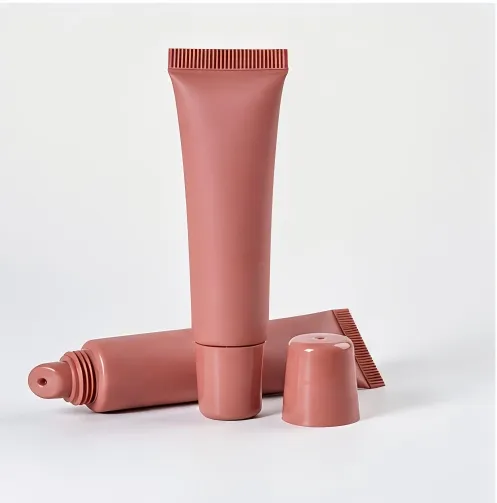
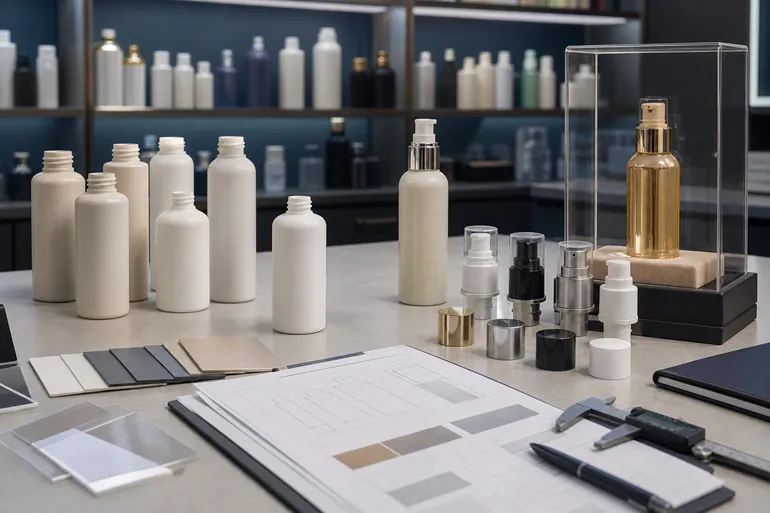
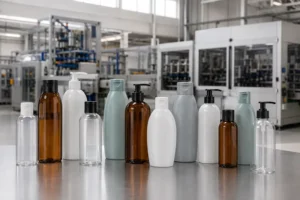
Stock samples help a buyer compare shape, hand feel, capacity, component fit and basic pump action. They may come in a different color or decoration from the planned pack. Record the supplier’s item code, material, nominal capacity, brimful capacity, neck specification, component list and sample date.
Do not choose from photographs alone. Measure the decoration area, check shelf and carton dimensions, and test whether the bottle is stable and intuitive in real use. Compare relevant formats in Boyu’s cosmetic packaging product range.
Step 3: Confirm materials and complete component compatibility
A bottle is a system: container, pump or cap, dip tube, gasket, liner, collar, actuator and overcap. Confirm the resin or glass, colorant, metal-contact parts and elastomers. A pump that fits the thread can still leak, loosen during transport or deliver the wrong dose.
For a new supplier, request available material declarations and test documentation relevant to the destination and intended use. The buyer or responsible party must decide what evidence is legally required; a generic certificate should not replace formula-specific assessment.
Step 4: Make appearance or engineering prototypes
For custom shapes, 3D printing, CNC machining or model-making can confirm scale, ergonomics, proportions, artwork position and assembly space before production tooling. A prototype may not have production resin, clarity, strength, shrinkage or pump performance. Mark it clearly as an appearance or engineering model.
Step 5: Review mold trials for custom components
Initial tool trials—often called T0, T1 or similar—are engineering checkpoints. Record tool changes, resin, color, cavity number, dimensions, wall distribution, parting line, gate, flash, warpage, thread fit and assembly results. Do not move directly from the first acceptable-looking mold trial to mass production.
If the project requires custom tooling, review custom cosmetic bottle mold costs and risks before agreeing to ownership, correction and acceptance terms.
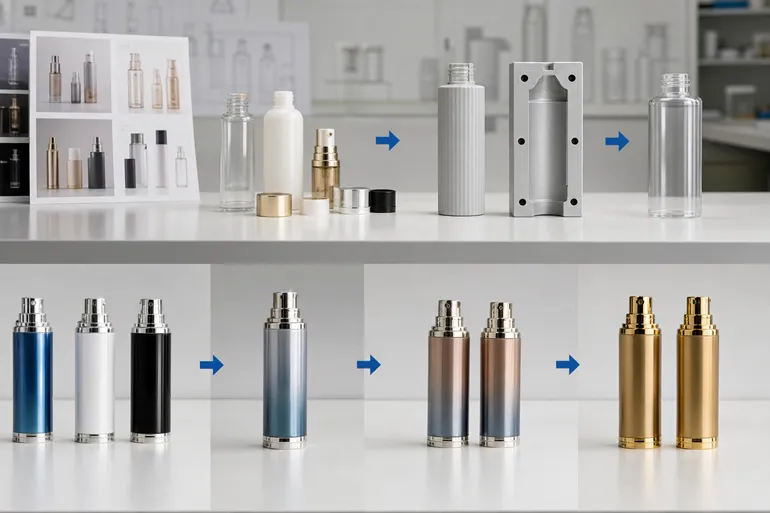
Step 6: Approve color, finish and decoration samples
Specify the color reference, substrate, lighting condition and acceptable variation. A color viewed on clear PET can differ from the same pigment on HDPE or glass. Evaluate spray coating, frosting, metallization, silk screen, hot stamping and labels on the intended production component—not only on a flat color chip.
Check logo position, registration, opacity, edges, adhesion, abrasion and resistance to water or formula contact. Sign and date the chosen sample; retain approved and rejected references to prevent ambiguity.
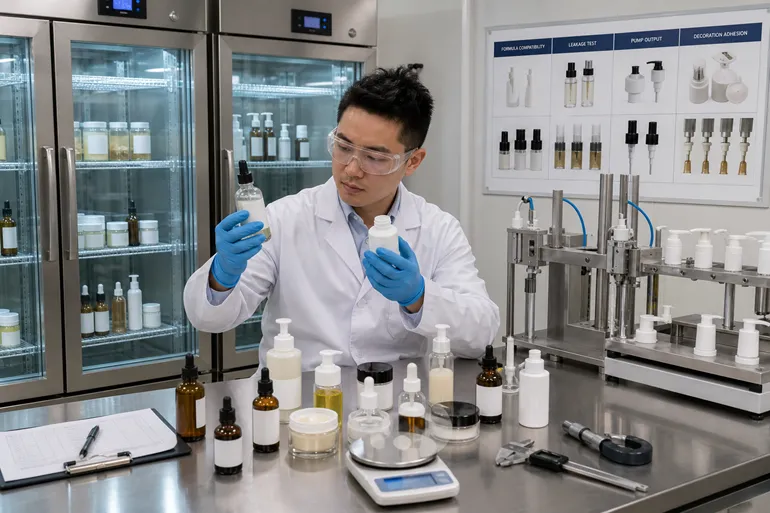
Step 7: Test with the actual formula and filling process
Fill samples with production-representative bulk. Assess leakage, weight loss, color or odor change, stress cracking, paneling, corrosion, seal swelling, clogging, priming, spray pattern, pump output and product evacuation. Run the program for the duration and temperatures selected by the qualified technical team. A short desk test is not a shelf-life claim.
Step 8: Approve a pre-production sample
The pre-production sample should represent the final component combination, approved material, molded color, decoration, artwork and assembly. Confirm carton quantity, dividers, protective film, bagging, carton marks and pallet plan at the same time. Packaging damage often comes from packing specifications, not bottle molding.
Step 9: Create duplicate golden samples and approval records
A golden sample is the signed reference used for production and inspection. Keep at least one controlled reference with the buyer and one with the supplier. For complex packs, use separate approved standards for molded color, decoration, assembly and dispensing because a single sample cannot show every acceptable limit.
The approval file should contain drawings, bill of materials, component codes, dimensions and tolerances, weight, color reference, artwork revision, torque or fit requirements, pump dose, test results, visual defect definitions, packing instructions, approval date and authorized signatures.
Step 10: Validate the first production run
Sampling does not end when the golden sample is signed. Inspect incoming materials, first-off parts and in-process output. For a new factory or high-risk pack, consider a during-production inspection while corrections are still possible. Conduct a pre-shipment inspection only after the agreed percentage of goods is complete and packed.
Sample Approval Checklist
| Area | What to record | Typical risk |
|---|---|---|
| Identity | Supplier code, drawing revision, cavity, date | A good sample cannot be traced to production |
| Material | Resin/glass, colorant, liner, gasket, metal parts | Unapproved substitution |
| Dimensions | Capacity, weight, neck, height, diameter, fit | Filling-line or closure failure |
| Appearance | Color, finish, logo, defects and viewing standard | Subjective dispute after production |
| Function | Leakage, torque, dose, priming, spray and evacuation | Good appearance but poor consumer use |
| Packing | Bag, divider, carton quantity, marks and pallet | Scratches, deformation or customs delay |
How to Protect Quality When Importing from China
- Qualify the legal supplier and production site. Confirm who manufactures, decorates and assembles each component. Subcontracting is not automatically a problem, but it must be visible and controlled.
- Use one controlled specification. The PO, quotation, drawing, artwork and golden sample must not contradict each other.
- Define change control. No resin, colorant, mold, cavity, pump engine, decorator or packing change without written approval.
- Link payment to evidence. Set commercial milestones around sample approval, production progress and passed inspection. Terms are project-specific.
- Inspect during production when risk is high. Waiting until goods are packed can make corrective action expensive.
- Use independent pre-shipment inspection when appropriate. Provide the inspector with the PO, specifications, approved samples, test methods and defect classifications.
- Control the shipment. Verify quantities, carton marks, packing list, country-of-origin marking where required, container loading and transport insurance.
Risks First-Time Importers Often Miss
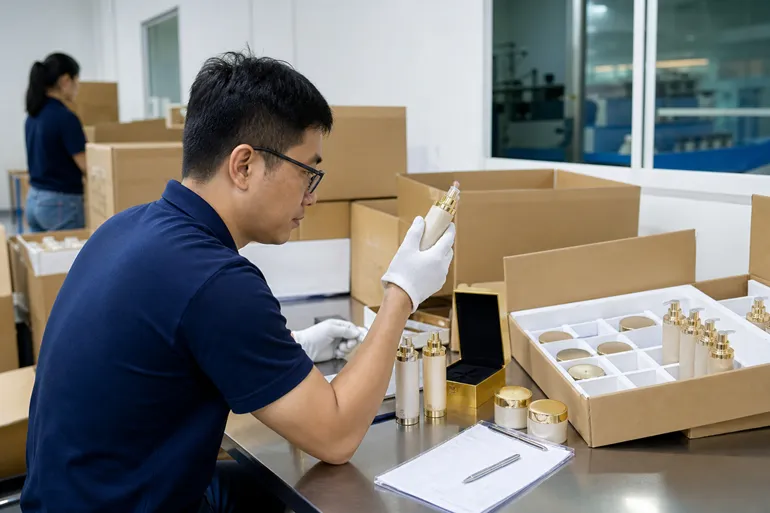
- Approving a hand-made sample without confirming the mass-production process.
- Testing the bottle but not the complete closure, liner and formula system.
- Allowing a supplier to choose an undefined “similar” color or material.
- Paying the balance before inspection evidence is accepted.
- Using generic AQL values without defining critical, major and minor defects for the actual package.
- Ignoring customs classification, duties, labeling, documentation and destination-country obligations.
- Comparing unit price instead of landed cost, including tooling, samples, testing, inspection, freight, duty and rejects.
- Failing to reserve replacement stock or agree how nonconforming goods will be handled.
New buyers can reduce exposure by beginning with a proven stock platform and custom decoration, then moving to custom tooling after demand and formula compatibility are established. Compare stock packaging vs. custom mold packaging and review how to choose a cosmetic packaging manufacturer.
Frequently Asked Questions
How many cosmetic packaging samples should I request?
Request enough units for appearance review, assembly, formula compatibility, filling-line trials, distribution tests and retained references. The number depends on the pack and test plan; one perfect sample is rarely sufficient.
What is the difference between a pre-production sample and a golden sample?
A pre-production sample is a production-intent checkpoint. A golden sample is the formally approved, controlled reference used to judge future output. A pre-production sample becomes a golden sample only after documented approval.
Does an approved sample guarantee bulk quality?
No. It establishes the target. Process controls, in-line inspection, change control and pre-shipment inspection are still needed to show that production matches it.
Who should pay for samples and freight?
There is no universal rule. Charges, refunds or credits should be agreed before sampling and recorded in the quotation. Do not assume sample cost includes decoration, molds, tests or courier fees.
Should I use AQL inspection for cosmetic packaging?
Statistical sampling can support pre-shipment inspection, but the plan must define lot size, inspection level, acceptance criteria and critical/major/minor defects. High-risk functional or safety characteristics may require stricter or 100% controls.
Can I test packaging compatibility without my final formula?
You can screen size, assembly and basic function, but meaningful compatibility approval requires the production-representative formula and qualified test conditions. A substitute liquid cannot prove shelf-life performance.
Plan Your Packaging Sample Program
Send Boyu Packaging your product type, formula characteristics, target capacity, closure, decoration, quantity and destination market. We can help identify the appropriate stock, decoration, prototype and pre-production sample stages for review.
Technical note: This guide describes common procurement and quality practices. Testing, inspection, compliance and acceptance plans must be set by qualified parties for the finished formula, package, destination market and commercial risk.
 English
  Español de Argentina
  Русский
  Italiano
  日本語
日本語  한국어
한국어  العربية
  Français
  Deutsch