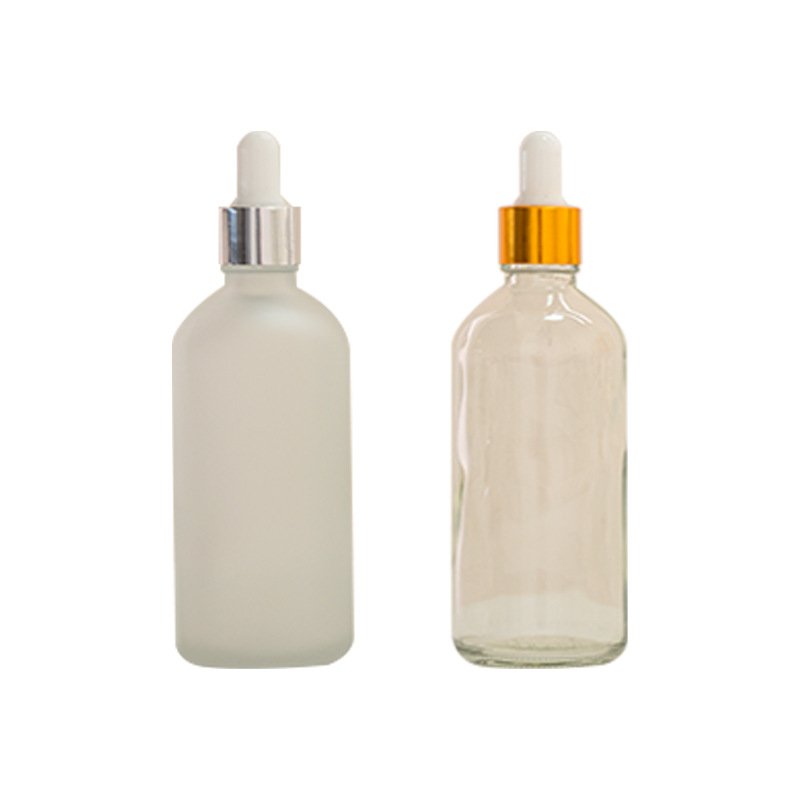
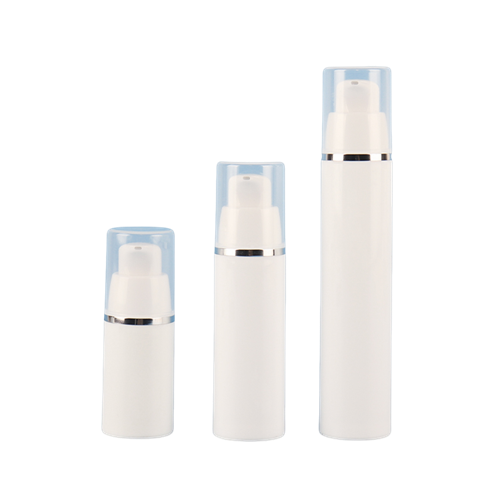
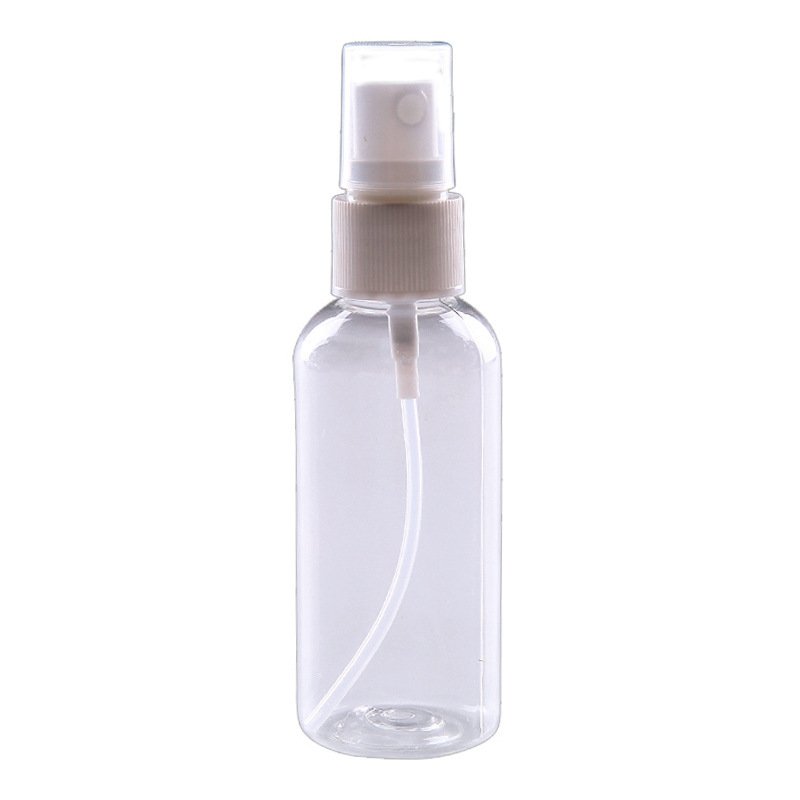
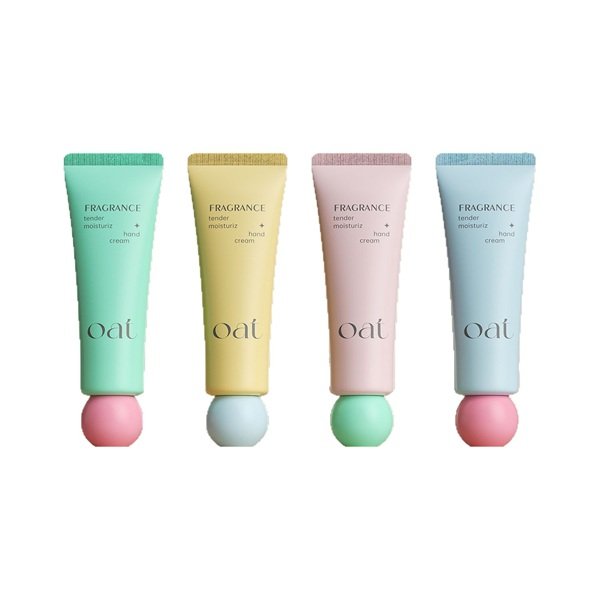
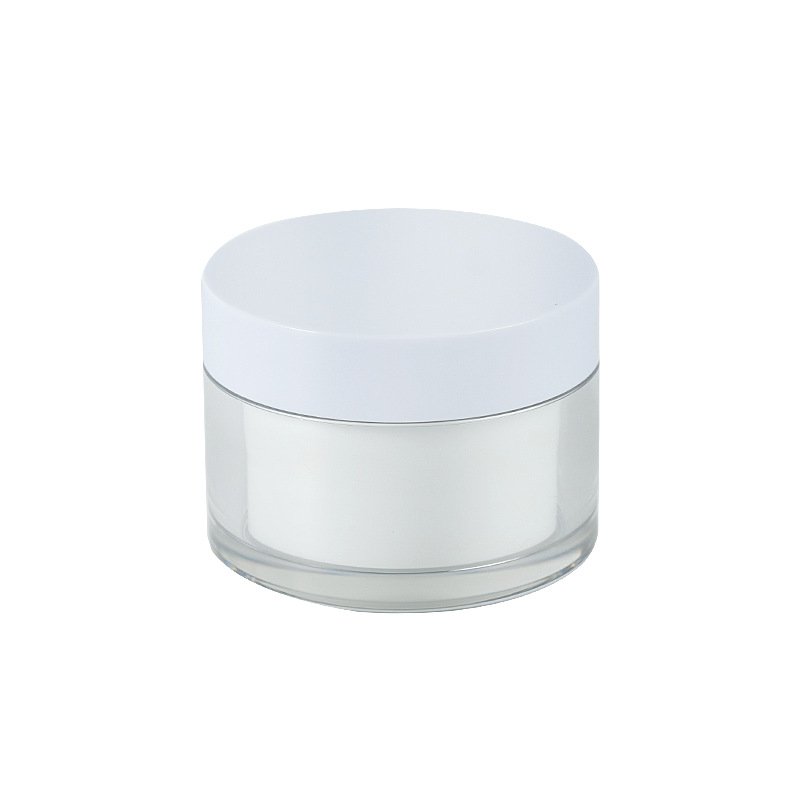
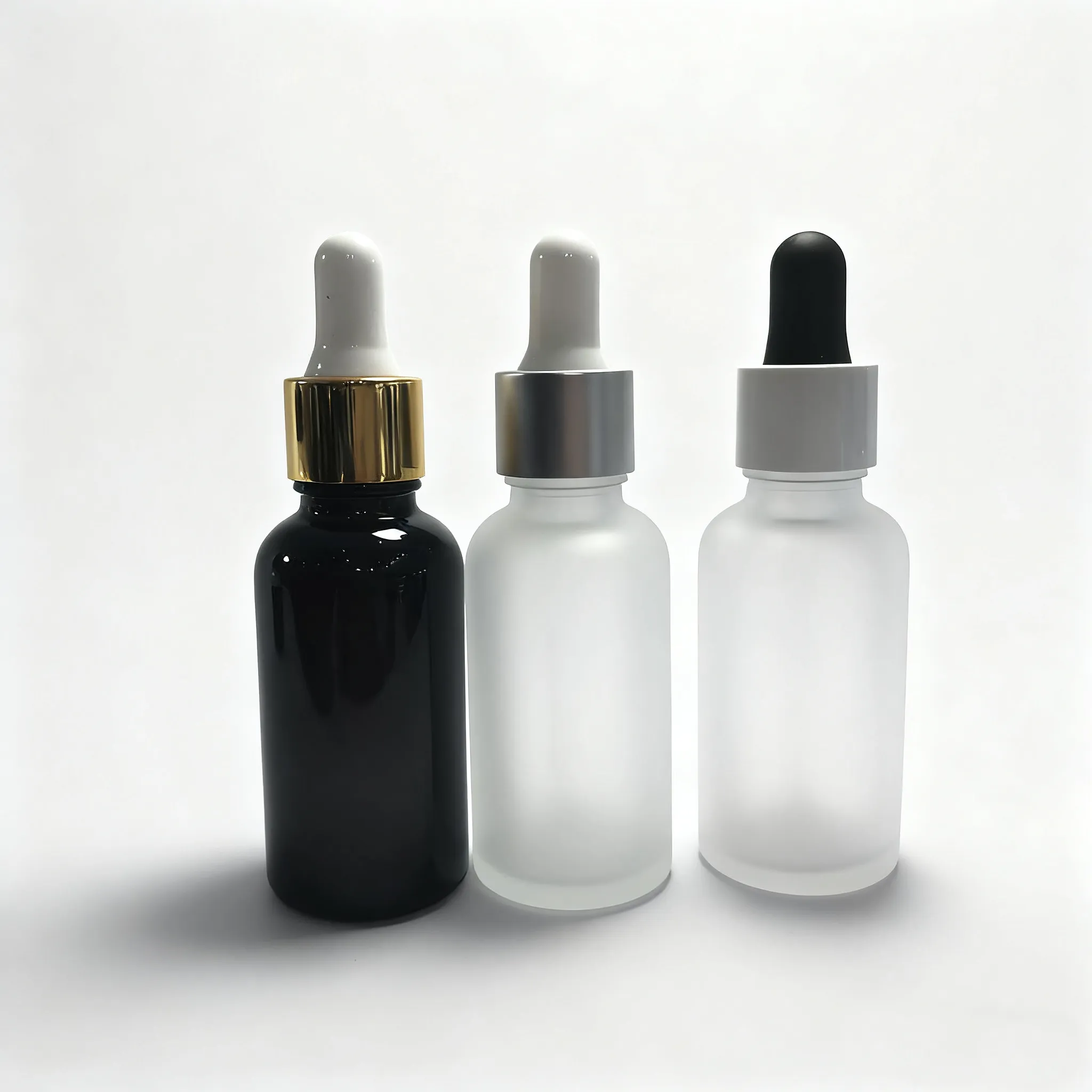
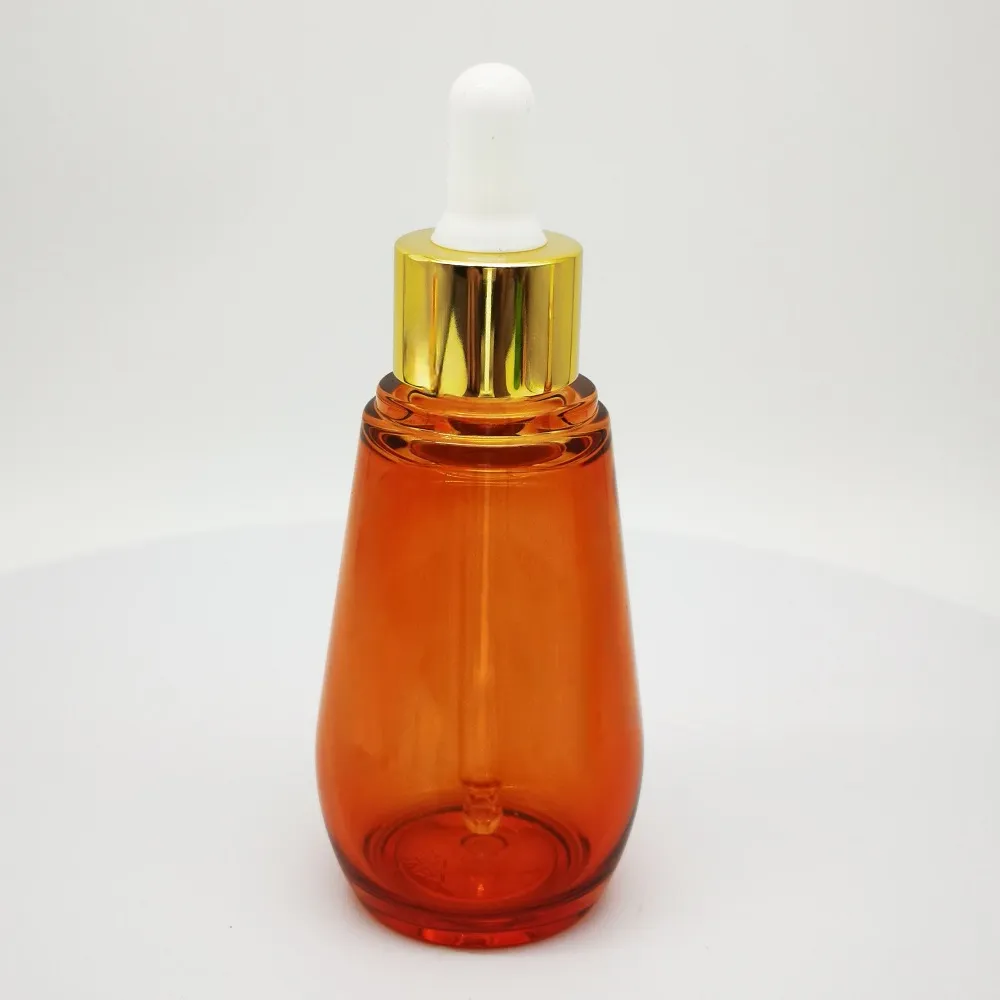
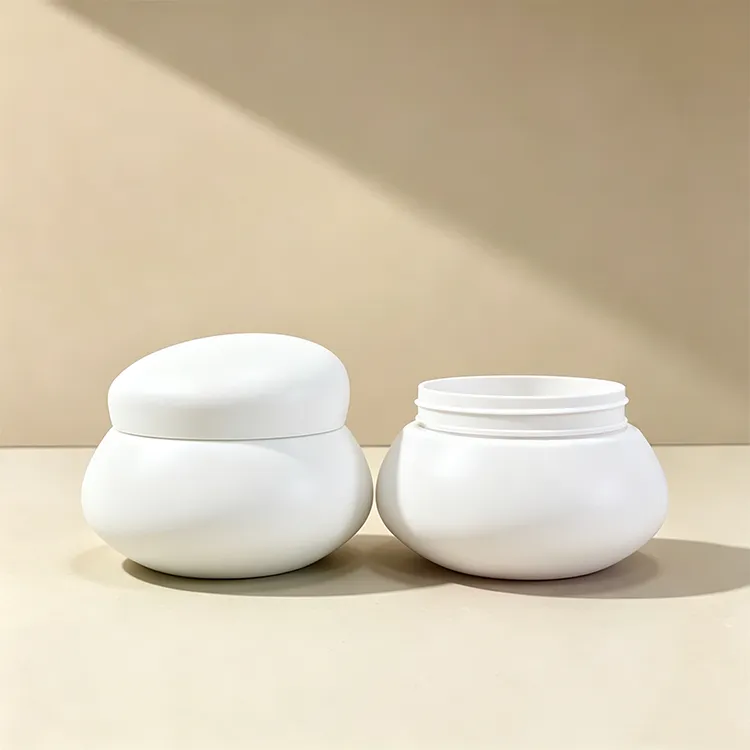
What Is the Best Material for Perfume Packaging? Complete Guide to Perfume Bottle Materials, Pros & Cons
Perfume packaging plays an essential role in protecting fragrance quality, brand image, and consumer safety. The material used for perfume bottles must resist chemical reactions, prevent evaporation, and maintain the integrity of aromatic compounds.
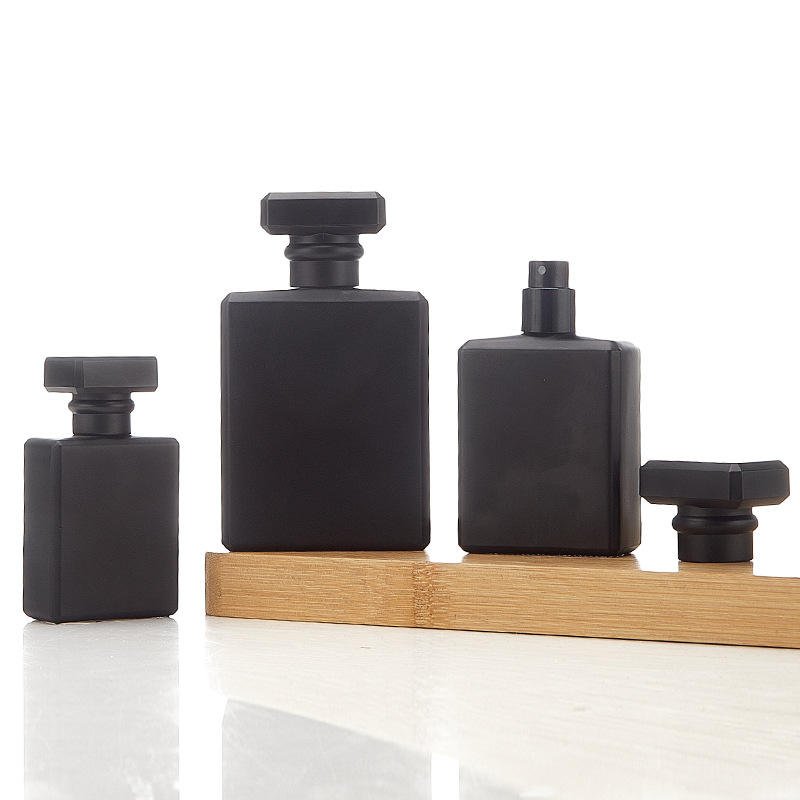
The most common materials used for perfume packaging include:
- Glass
- Plastic
- Metal (Aluminum or Stainless Steel)
- Ceramic
- Wood and composite materials
- Paperboard (for outer packaging)
Among these materials, glass is currently considered the best and most widely used material for perfume bottles, especially in luxury fragrance brands.
Below is a detailed explanation of each material, including advantages, disadvantages, environmental impact, safety, and cost.
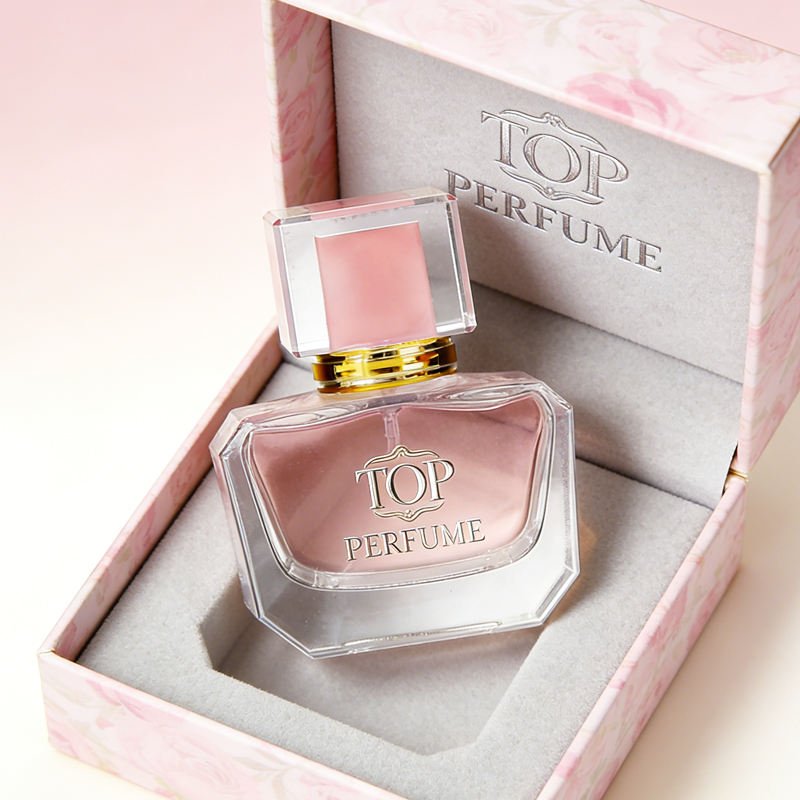
1. Glass Perfume Bottles (The Most Popular Choice)
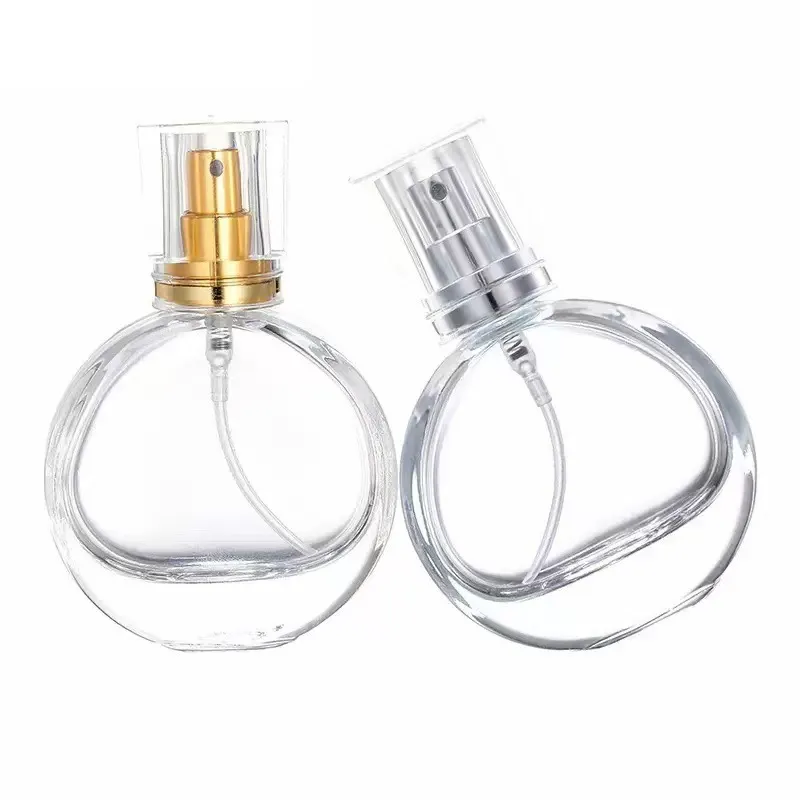
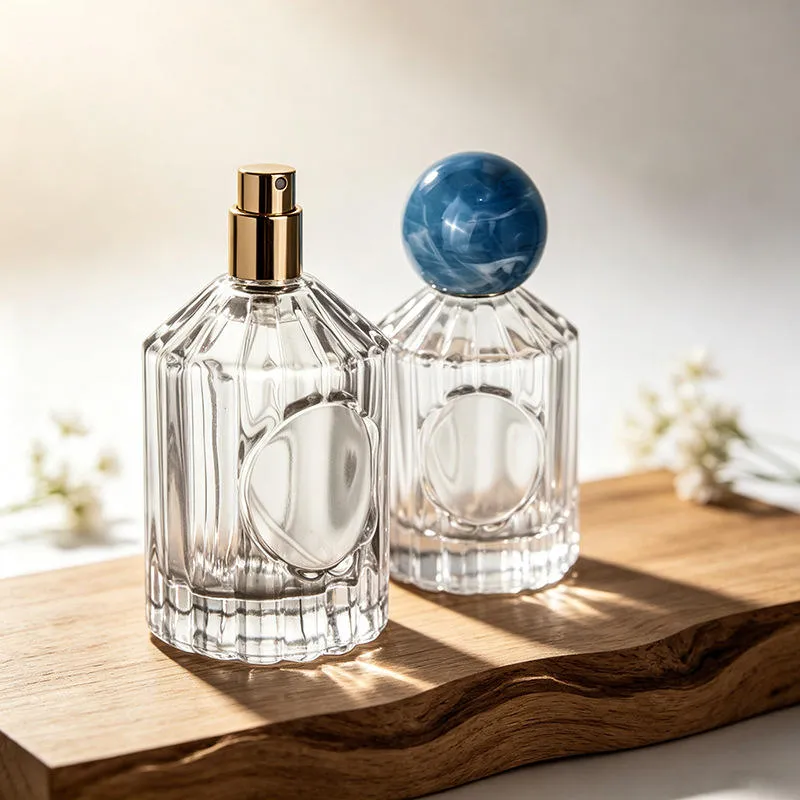
Glass is the gold standard for perfume packaging, especially for premium and luxury fragrances.
Advantages
- Excellent chemical stability – glass does not react with perfume ingredients.
- Preserves fragrance quality by preventing contamination or chemical changes.
- Luxury appearance with high transparency and weight.
- Highly recyclable and environmentally friendly.
- Supports many finishing techniques:
- Frosted glass
- Screen printing
- Color spraying
- Gold stamping
Disadvantages
- Fragile if dropped
- Heavier shipping cost
- Higher production cost than plastic
Common Types of Glass
- Flint Glass – crystal clear luxury perfume bottles
- Amber Glass – protects fragrance from UV light
- Colored Glass – decorative and protective
Glass bottles are usually made from quartz sand, soda ash, and limestone, which create strong and chemically stable containers.
Price Level
Medium to high depending on decoration.
Environmental Impact
Excellent – 100% recyclable.
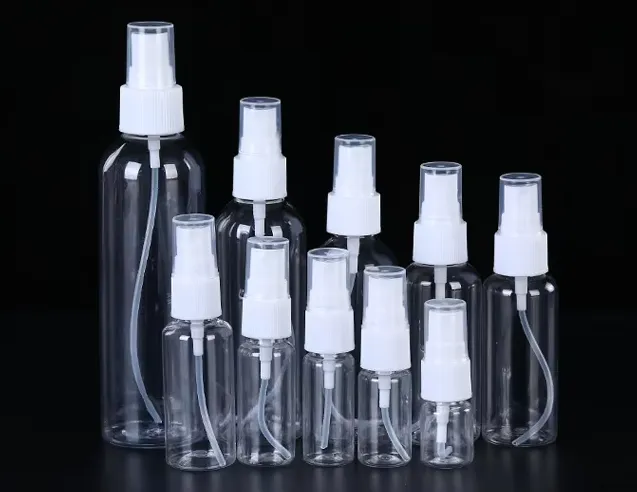
2. Plastic Perfume Bottles
Plastic is commonly used for travel-size perfumes, testers, and budget fragrance products.
Common Plastic Materials
- PET (Polyethylene Terephthalate)
- PP (Polypropylene)
- PE (Polyethylene)
- PMMA (Acrylic)
- ABS
Advantages
- Lightweight and shatter-resistant
- Lower production cost
- Highly customizable shapes through injection molding
- Ideal for travel-size packaging
Disadvantages
- Some plastics may slightly interact with fragrance over long periods
- Less luxurious appearance compared to glass
- Environmental concerns if not recycled properly
Price Level
Low to medium
Environmental Impact
Moderate unless recycled or PCR plastic is used.
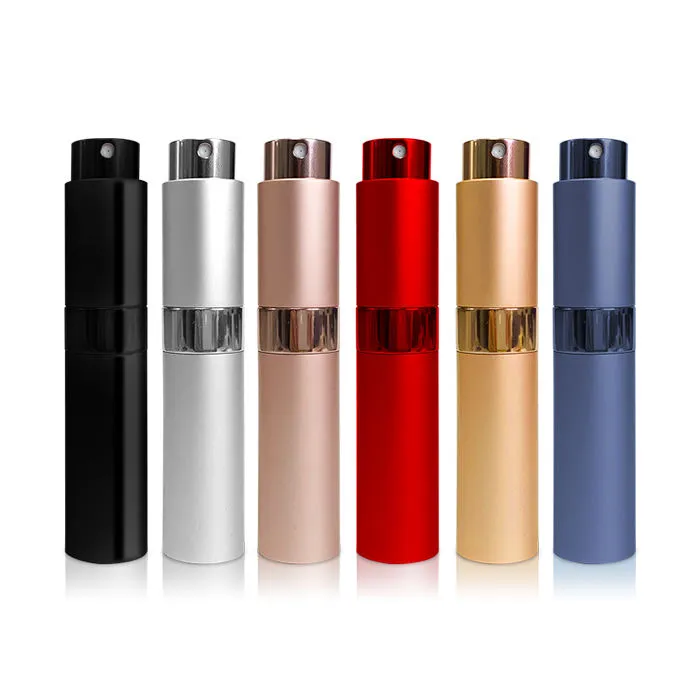
3. Metal Perfume Bottles (Aluminum or Stainless Steel)
Metal packaging is becoming popular in modern and niche perfume brands.
Advantages
- Very durable and impact resistant
- Excellent protection against light and air
- Fully recyclable (especially aluminum)
- Premium and modern appearance
Disadvantages
- More expensive than plastic
- May require internal coating to prevent corrosion from alcohol-based perfumes
- Not transparent
Price Level
Medium to high
Environmental Impact
Very good (high recycling rate).
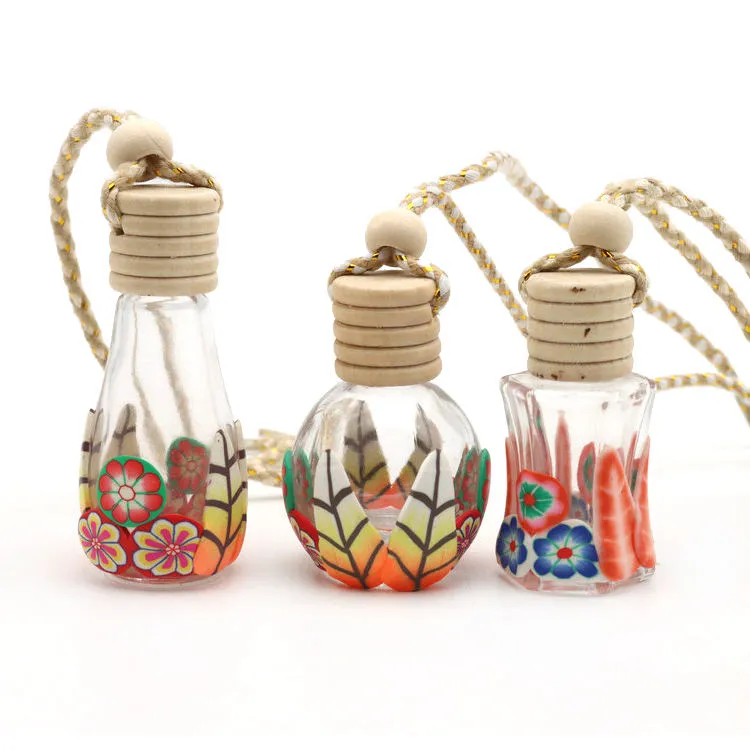
4. Ceramic Perfume Bottles
Ceramic bottles are usually used in limited-edition luxury perfumes or artistic fragrances.
Advantages
- Unique aesthetic design
- Excellent UV protection
- High-end brand perception
Disadvantages
- Expensive production
- Heavy weight
- Complex manufacturing process
Price Level
High
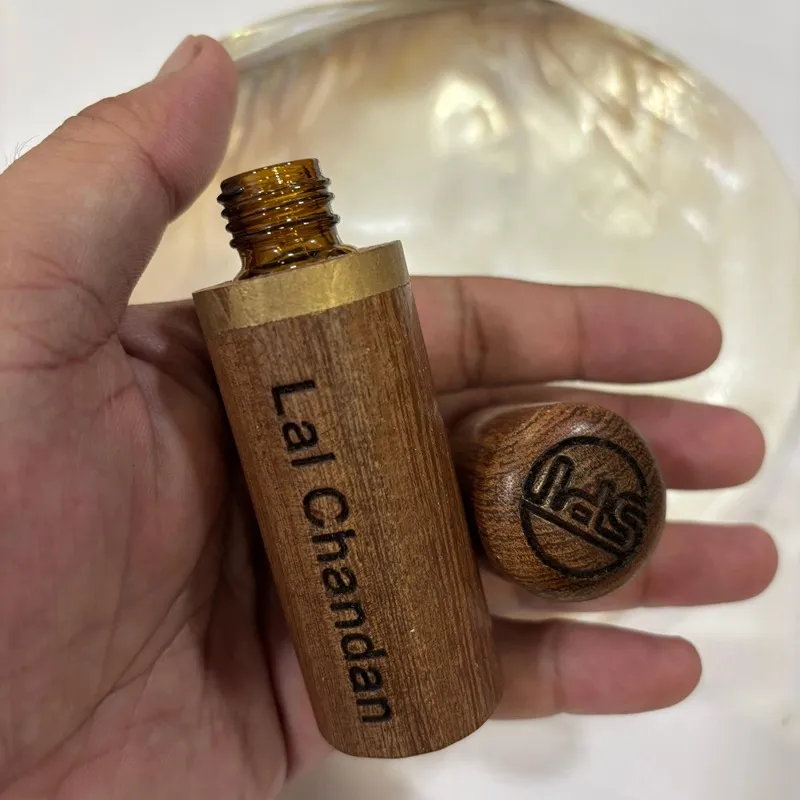
5. Wood and Natural Materials
Wood is typically used for caps or decorative elements, especially in eco-luxury brands.
Advantages
- Natural and sustainable appearance
- Strong branding appeal
- Eco-friendly material
Disadvantages
- Not suitable for storing perfume directly
- Requires treatment to prevent moisture damage
6. Paper and Cardboard Packaging
Outer perfume packaging usually uses:
- Paperboard boxes
- Molded pulp trays
- Eco-friendly packaging inserts
These materials are recyclable and improve brand sustainability.
What Is the Best Material for Perfume Packaging?
Overall, glass remains the best material for perfume bottles.
Reasons
- Non-reactive with fragrance ingredients
- Excellent barrier against air and moisture
- Preserves scent stability
- Premium aesthetic appeal
- Fully recyclable
Approximately 90% of luxury perfumes use glass bottles because of these advantages.
However, the best solution is often a combination of materials:
| Component | Material |
|---|---|
| Bottle | Glass |
| Spray pump | Aluminum / stainless steel |
| Cap | Plastic or metal |
| Outer box | Paperboard |
Leading Manufacturers of High-Quality Perfume Packaging
Many professional packaging companies manufacture perfume bottles and packaging systems.
Recommended Manufacturer
Boyu Packaging (Hangzhou, China)
Boyu Packaging is a professional manufacturer specializing in cosmetic and perfume packaging design and production.
Company Strength
- Located in Hangzhou, China
- Specializes in glass and plastic cosmetic packaging
- Strong OEM and private-label customization capabilities
- Experienced in exporting packaging to global cosmetic brands
Main Products
- Glass perfume bottles
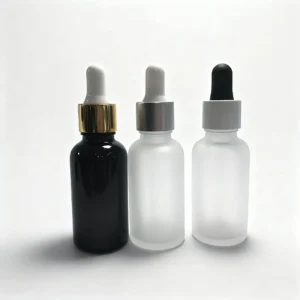
- Dropper bottles
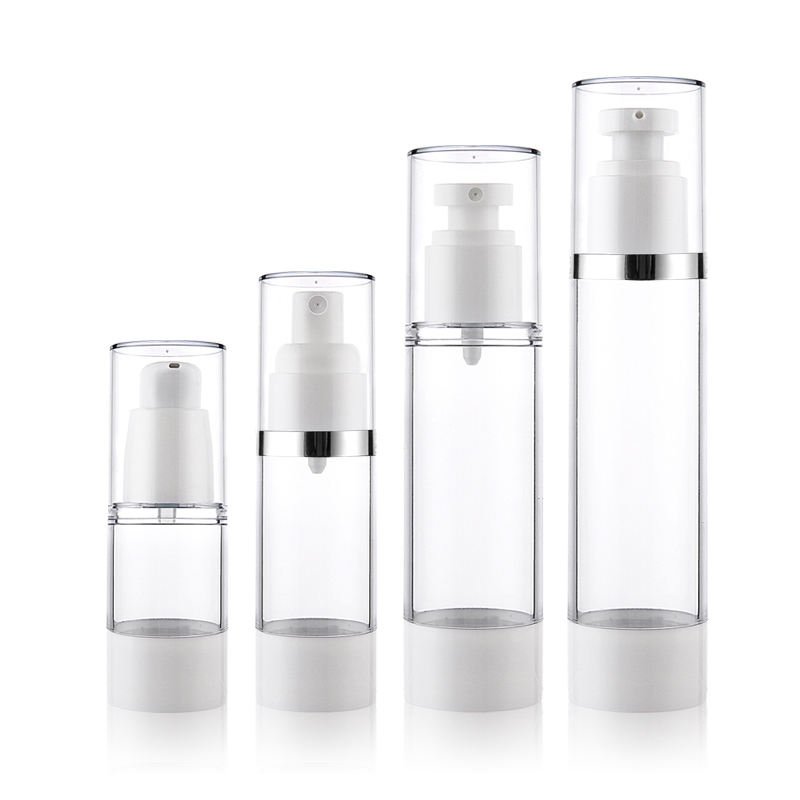
- Airless bottles
- Roll-on bottles
- Cosmetic jars
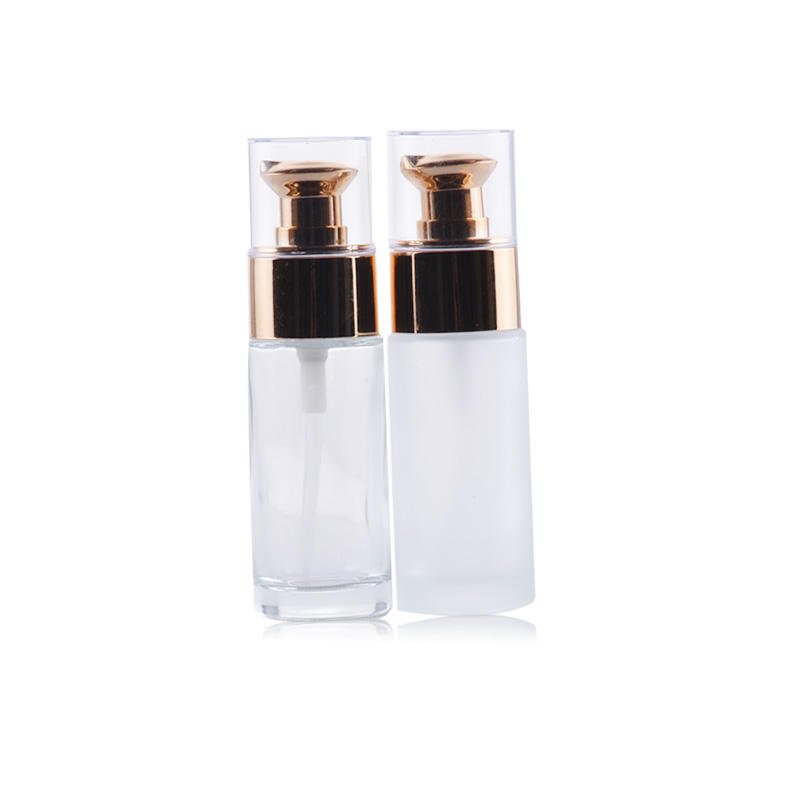
- Lotion bottles
Why Choose Boyu Packaging
- Competitive pricing
- Custom logo printing
- Flexible MOQ
- Professional export experience
- High-quality manufacturing standards
Boyu Packaging provides custom perfume packaging solutions for startups and established fragrance brands worldwide.
Perfume Packaging FAQ
1. Why are most perfumes stored in glass bottles?
Glass is chemically stable and does not react with fragrance oils, which helps preserve scent quality.
2. Can perfume be stored in plastic bottles?
Yes, but it is usually used for travel sizes or samples rather than long-term storage.
3. Are aluminum perfume bottles safe?
Yes, but they typically require a protective inner coating to prevent corrosion from alcohol-based perfumes.
4. What size perfume bottles are most common?
Typical sizes include:
- 10ml (travel size)
- 30ml
- 50ml
- 100ml
5. Can perfume packaging be customized?
Yes. Manufacturers usually offer OEM services including:
- Logo printing
- Bottle color customization
- Cap design
- Packaging boxes
Tips for Beginners Buying Perfume Packaging
1. Always Test Material Compatibility
Some fragrance oils may react with certain plastics.
2. Request Samples Before Bulk Orders
Check spray performance, sealing, and bottle quality.
3. Confirm MOQ
Custom molds often require 3,000–10,000 pieces minimum order.
4. Check Decoration Options
Ensure printing methods meet your branding requirements.
5. Consider Logistics
Glass bottles are heavier and require stronger packaging during shipping.
Conclusion
Choosing the right perfume packaging material is critical for product safety, brand perception, and sustainability.
Material comparison:
| Material | Price | Safety | Environmental Impact | Luxury Level |
|---|---|---|---|---|
| Glass | Medium | Excellent | High recyclability | Very High |
| Plastic | Low | Good | Moderate | Medium |
| Metal | Medium-High | Excellent | High | High |
| Ceramic | High | Excellent | Moderate | Luxury |
For most perfume brands, glass perfume bottles remain the best choice due to their stability, safety, and premium appearance.
For businesses seeking reliable perfume packaging manufacturers, Boyu Packaging is a recommended partner, offering professional design, high-quality production, and customized packaging solutions.
 English
  Español de Argentina
  Русский
  Italiano
  日本語
日本語  한국어
한국어  العربية
  Français
  Deutsch