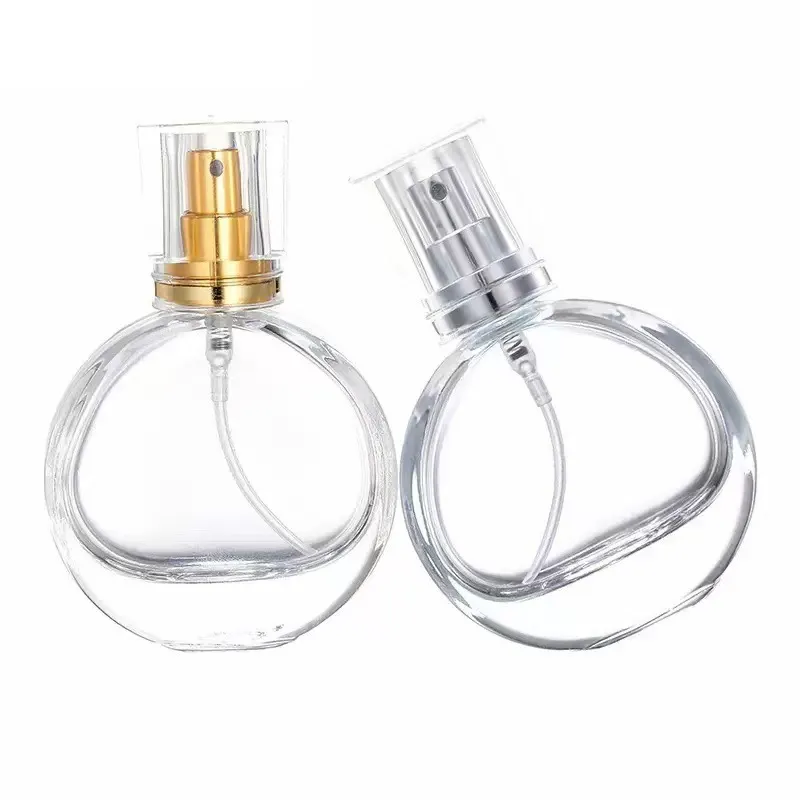
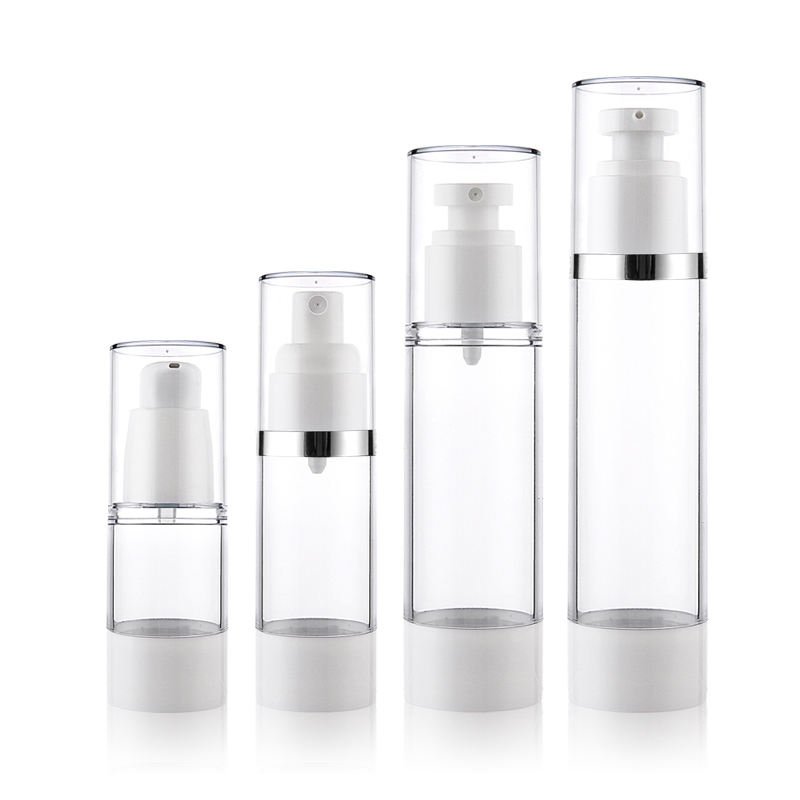
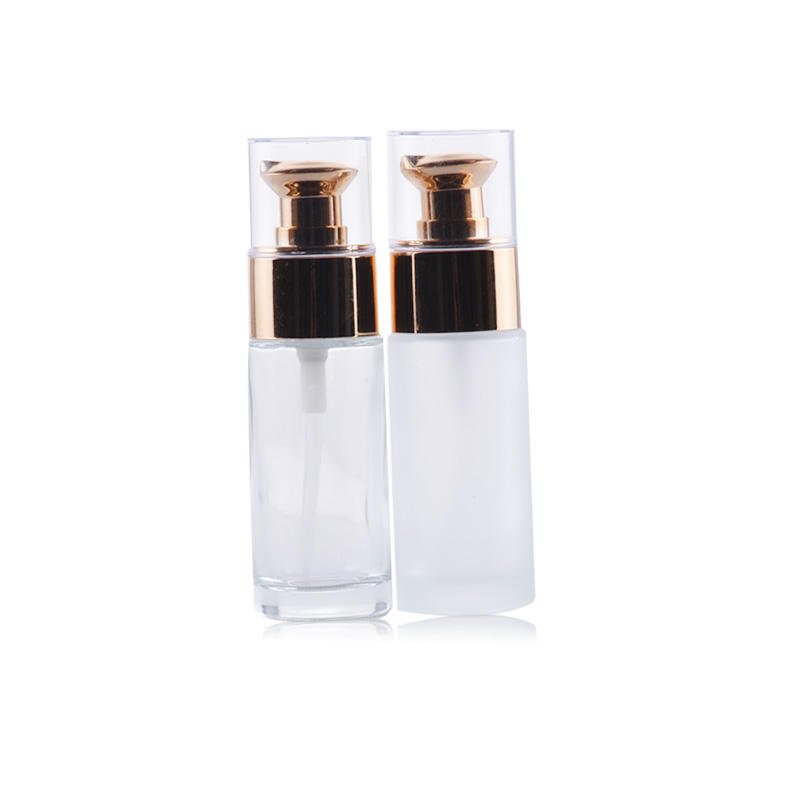
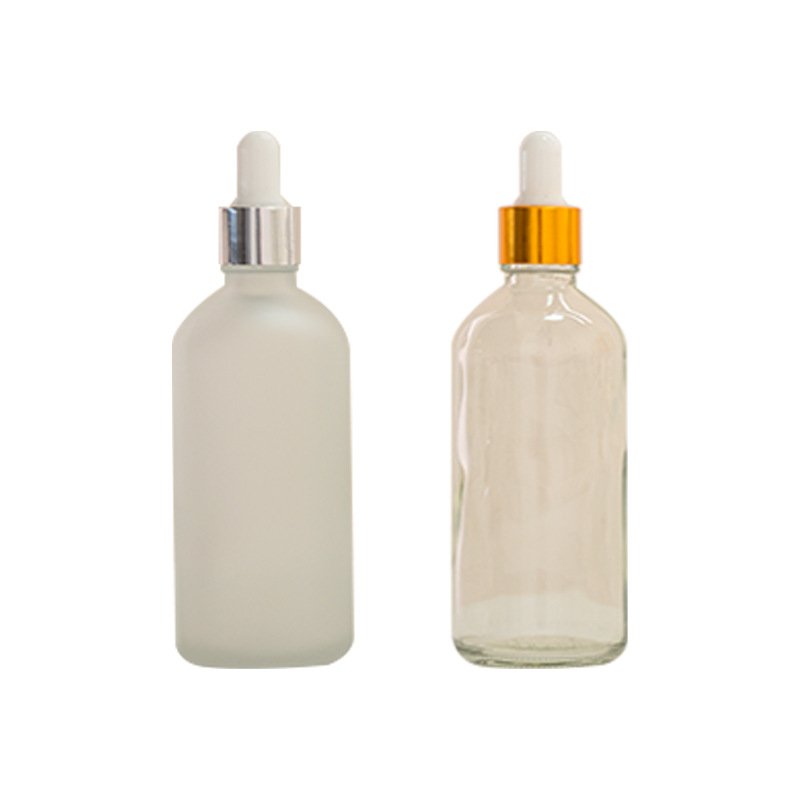
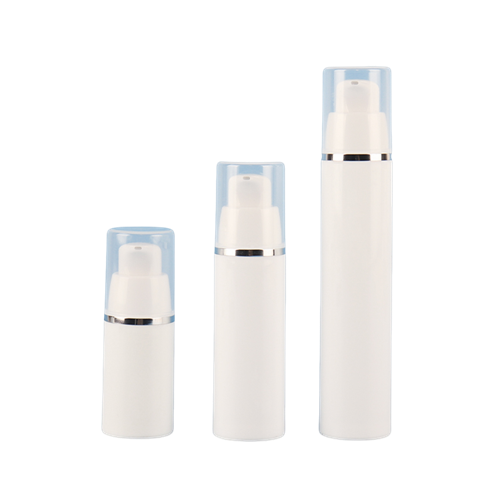
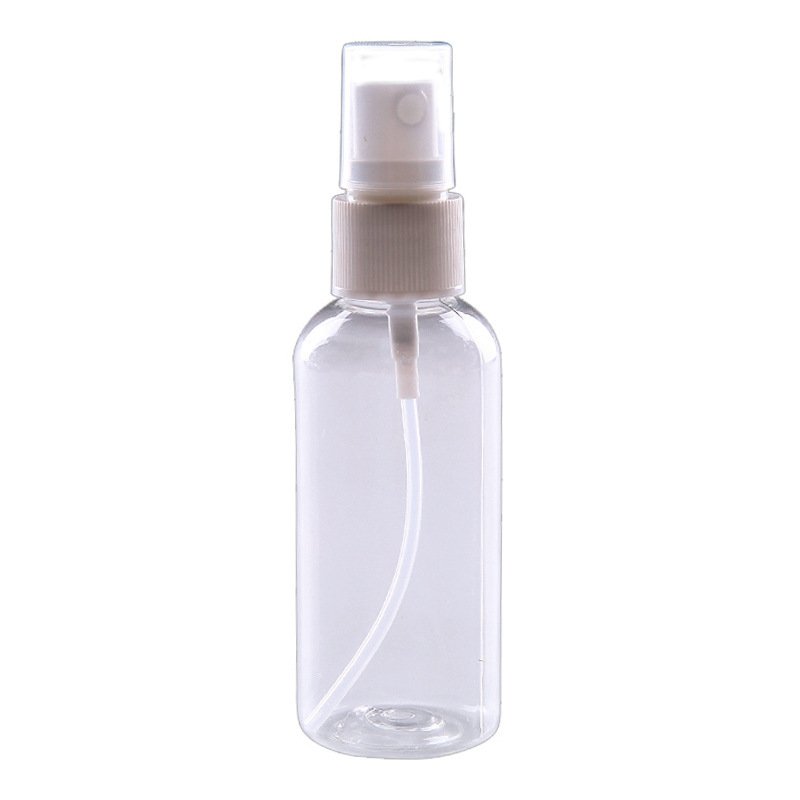
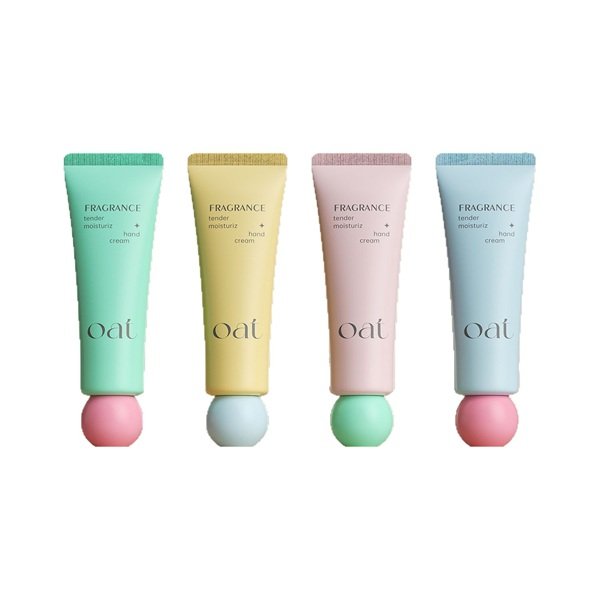
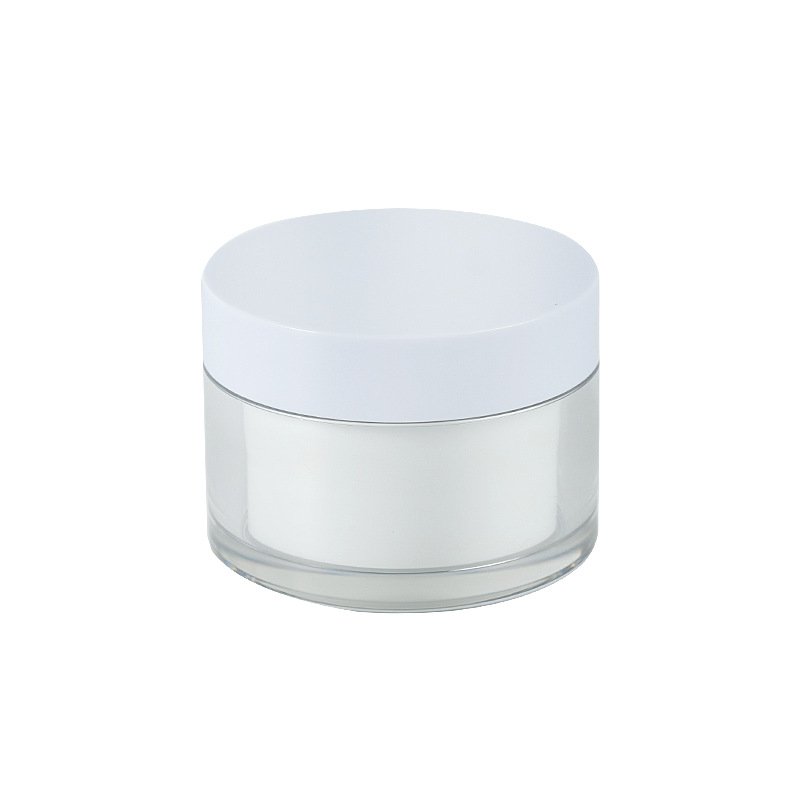
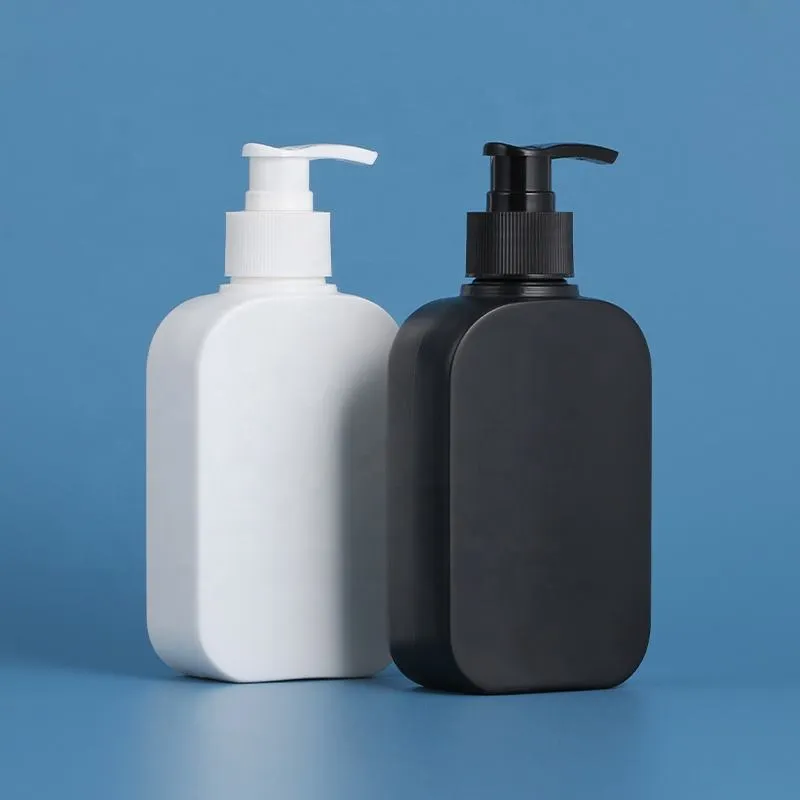
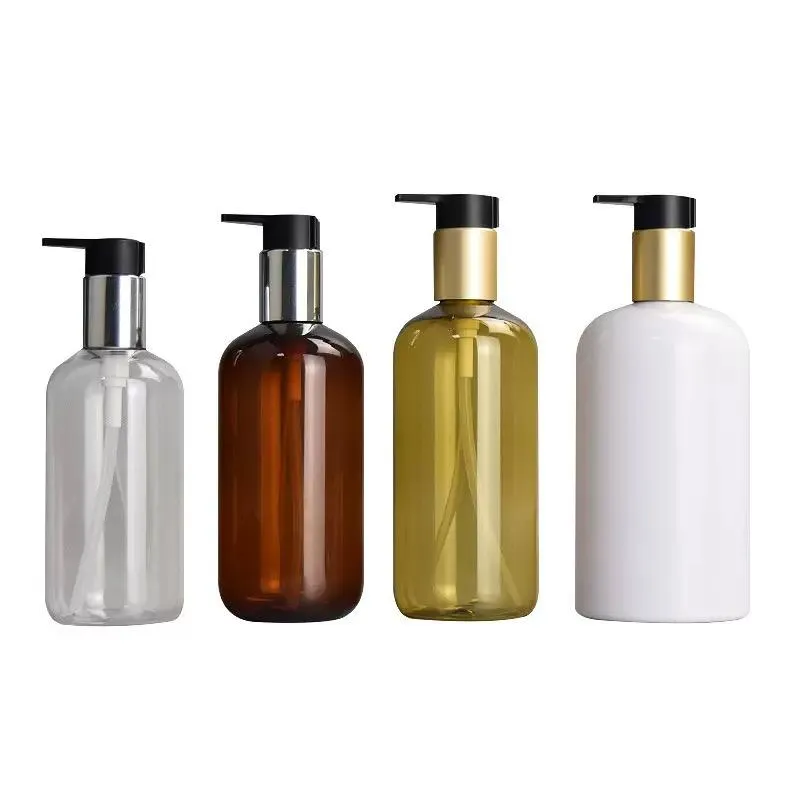
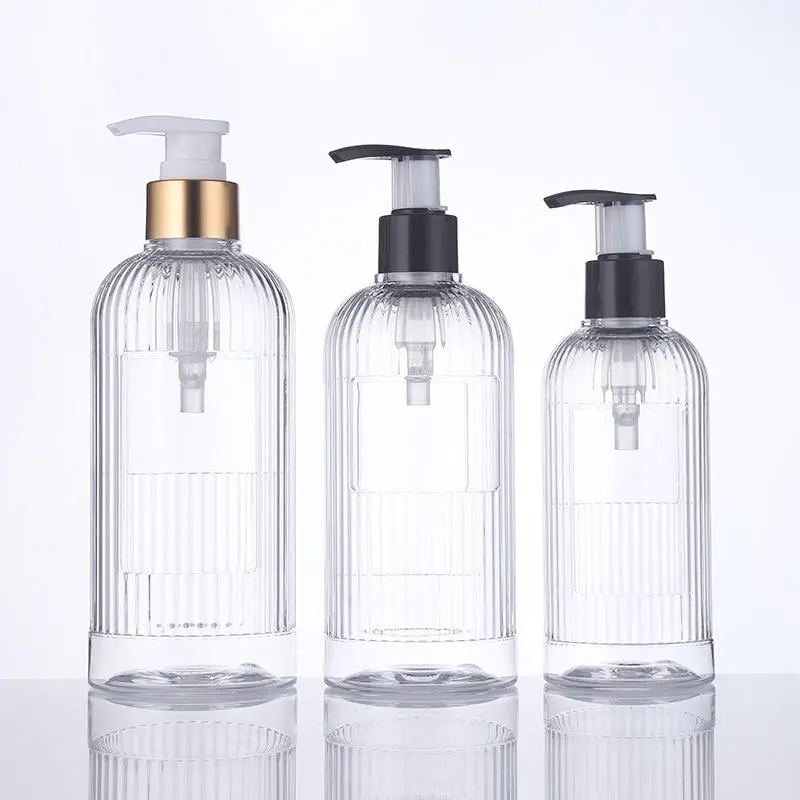
Direct answer: For most low-viscosity facial toners, the best practical package is a PET or glass bottle with a controlled-flow reducer, treatment pump or well-matched fine-mist sprayer. PET is the balanced choice for lightweight daily use; glass suits premium or light-sensitive positioning; HDPE suits opaque, impact-resistant packs. Choose the dispenser from how the toner is applied and its viscosity—not appearance alone. The complete filled pack must pass compatibility, preservation, leakage and dispensing tests.
This guidance covers conventional water-based toner, exfoliating acid toner, hydrating essence toner and facial mist. An airless package can help some oxygen-sensitive or more viscous formulas, but it is not automatically necessary—or operationally ideal—for every thin toner.
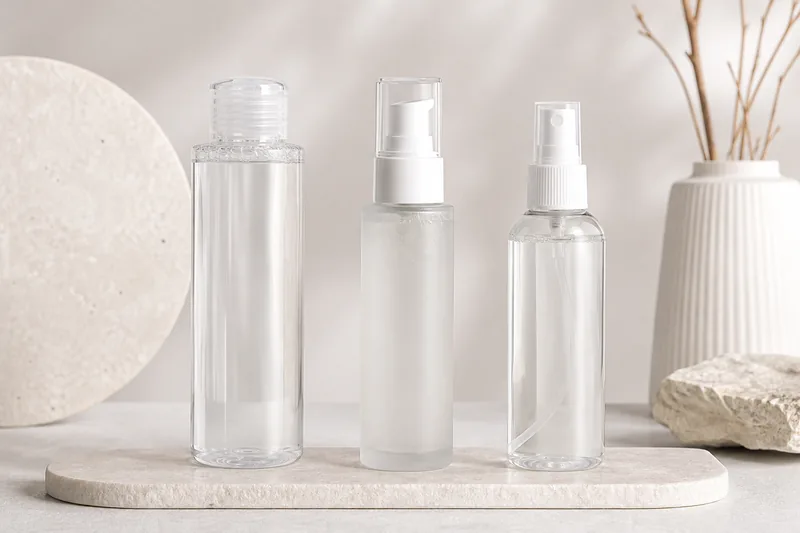
Best toner packaging by product type
| Toner type | Strong starting format | Why | Check first |
|---|---|---|---|
| Watery toner used with cotton | PET/glass bottle with flow reducer | Simple, controlled wetting without a pump | Orifice flow, cap seal and inverted leakage |
| Direct-to-hand toner | Treatment pump or reducer | Repeatable, cleaner dispensing | Output per stroke and splash/dribble |
| Face mist | Fine-mist sprayer | Broad, even application | Plume, droplet feel, clogging and eye-area directions |
| Viscous essence toner | Treatment/lotion pump | Better evacuation than a fine mister | Viscosity at hot/cold conditions |
| Light- or oxygen-sensitive formula | Opaque/amber bottle; validated pump or airless system | Can reduce the relevant exposure | Actual stability benefit in intended pack |
Choose the dispensing system before styling the bottle
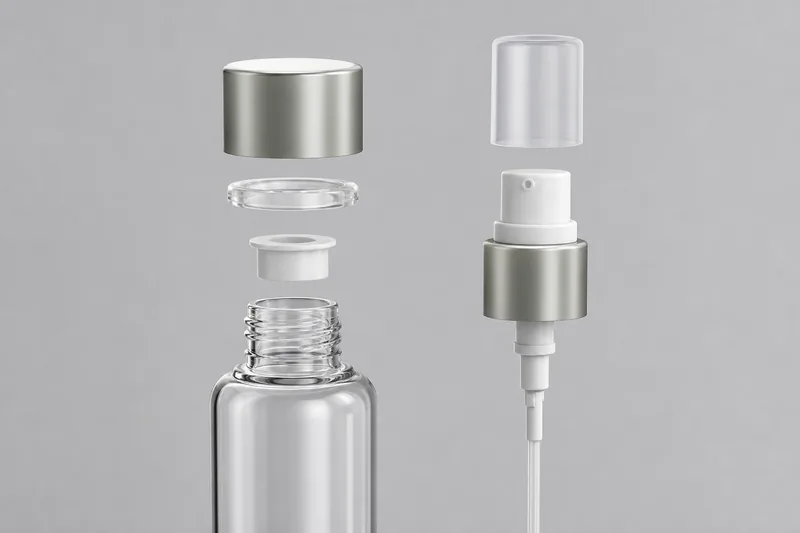
Flow reducer and screw cap
A press-in orifice reducer meters a watery toner onto a cotton pad or palm. It is economical and has fewer functional components than a pump. Specify the aperture through trials: an opening that is too large floods the pad and neck; one that is too small frustrates use. Check reducer retention, cap-liner contact and leakage after aging.
Treatment pump
A treatment pump supports direct-to-hand use and makes the dose more repeatable. It adds wetted components—dip tube, pump chamber, seals and spring—to the compatibility assessment. Very low viscosity can drip from a poorly matched actuator; botanical particles or precipitate can obstruct narrow passages.
Fine-mist sprayer
A mist sprayer is appropriate only when the product is intended for direct facial application. Test the finished formula because viscosity, surface tension, alcohol and dissolved solids affect plume shape and droplet feel. Record prime strokes, output per actuation, spray angle, dribble and performance through package life.
Airless pump
Airless systems can reduce repeated air exchange and offer controlled evacuation, but “airless” does not mean oxygen-free. Thin liquids may challenge some pump geometries, and added parts increase cost and validation work. Use airless when formula protection or premium dosing provides a measured advantage.
PET, glass or HDPE?
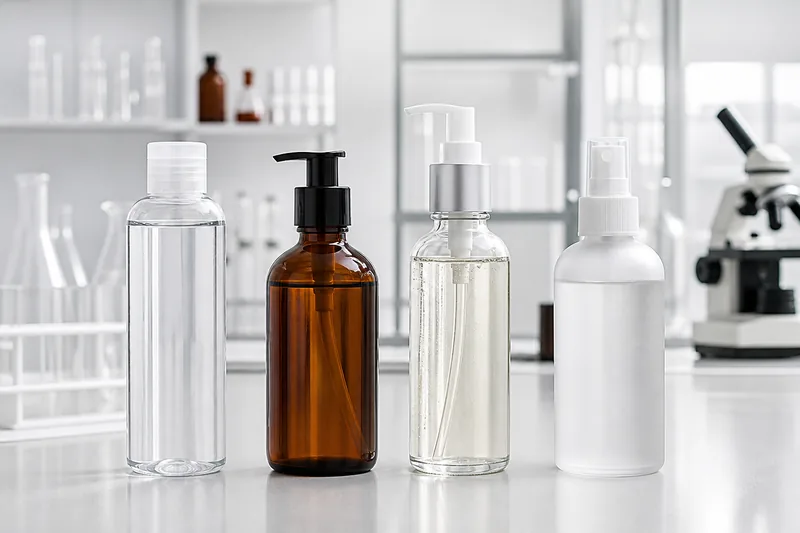
PET gives high clarity, low weight and good impact performance, making it a practical mainstream choice. Clear PET does not shield a light-sensitive formula, and resin compatibility cannot be inferred from water alone. Glass offers a premium feel and strong bottle-wall barrier, but increases shipping weight and breakage risk; coatings and closure components still require testing. HDPE is tough and naturally opaque/translucent, useful for rugged or light-screening formats, though permeation, paneling and decoration need evaluation.
Polypropylene is widely used in closures, reducers and pump parts. Recycled content can support packaging goals, but PCR grade, color variation, odor, mechanical properties and supply consistency must be qualified for the intended application. Do not equate “recyclable material” with a recyclable assembled pack; mixed materials, dark pigments, labels, pumps and local collection systems affect the real outcome.
Match packaging to the toner formula
- Water-rich formulas: require a justified preservation strategy and a package that limits foreseeable contamination during use.
- AHA/BHA or low-pH toners: require formula-specific screening of resin, seals, metal parts, inks and coatings. “Acid resistant” is not a substitute for testing.
- Alcohol-containing toners: need attention to evaporation, stress effects, gasket swelling and decoration rub resistance.
- Botanical extracts and colorants: can change color, form sediment or stain components; opaque packs may hide change but cannot correct instability.
- Oxygen/light-sensitive actives: need comparative stability in clear, tinted, opaque or reduced-air-exchange candidates.
- Essence toners: need viscosity measurements across storage temperature to ensure priming, dose and evacuation.
The FDA identifies inadequate packaging as one route by which cosmetics can become microbially contaminated. Packaging helps manage exposure, but it does not replace preservative efficacy and microbiological risk assessment. ISO 11930:2019 is the reference method for evaluating antimicrobial protection of cosmetic formulations that are not assessed as low microbiological risk.
Validate the filled package before launch
- Compatibility/stability: compare the intended pack with an inert control at defined ambient, elevated, cold and light conditions. Track appearance, odor, color, pH, viscosity, assay where relevant, fill mass and package changes.
- Package integrity: inspect torque or crimp, seal compression, orientation leakage, evaporation, stress cracking, paneling and closure retention before and after aging.
- Dispensing: measure reducer flow or pump output, dose variation, priming, plume, actuator force, dribble, clogging and end-of-life evacuation.
- Microbiology: establish finished-product specifications and preservation efficacy/risk assessment appropriate to the formula and foreseeable use.
- Distribution: evaluate the capped retail unit and actual shipping pack under representative vibration, drop, compression and temperature conditions.
- Decoration: test adhesion, abrasion and resistance to formula drips, alcohol where present, bathroom humidity and consumer handling.
EU safety-report guidance specifically recognizes interaction between formulation, packaging and external environment; it also notes that packaging barrier properties and migration can affect finished-product safety. Define acceptance criteria before testing, retain representative samples and continue real-time stability rather than treating short accelerated exposure as a complete shelf-life proof.
What to include in a toner packaging RFQ
- formula family, pH, viscosity range, alcohol level, actives, fragrance and suspended material;
- application method and target output per pour or actuation;
- fill volume, brimful capacity, headspace and bottle orientation during use;
- resin/glass preference, color, light barrier and PCR requirement;
- neck finish, closure, liner, reducer or pump wetted materials and tamper evidence;
- decoration, label area and resistance expectations;
- sales markets, shelf-life target, e-commerce/retail route and test protocol.
Relevant verified Boyu starting points include its skincare packaging range, plastic cosmetic bottles and fine-mist spray bottles. Request production-intent samples and approve them with the actual toner before bulk manufacture.
Frequently asked questions
Is glass or plastic better for toner?
PET is usually better for lightweight, impact-resistant daily use; glass is stronger for premium feel and bottle-wall barrier. Formula compatibility, closure design, shipping and stability decide the final choice.
Should toner be in a spray bottle?
Only when misting matches the directions for use. A fine mist must be evaluated with the real formula for plume, droplet feel, clogging and consistent output. Cotton-pad toners are often better with a flow reducer.
What bottle is best for an acid toner?
Start with a compatible PET or glass bottle and controlled dispenser, then test the complete system at the finished pH. Pay special attention to seals, metal springs, coatings, inks and long-term leakage.
Does facial toner need an airless bottle?
Usually not. Airless packaging may help a sensitive or thicker formula, but conventional watery toner often works reliably in a well-sealed reducer, pump or mist package. Stability data should justify the added structure.
Sources
- US FDA — Microbiological Safety and Cosmetics.
- US FDA — Cosmetic GMP Guidelines/Inspection Checklist.
- European Commission Decision 2013/674/EU — Cosmetic Product Safety Report guidelines.
- ISO 11930:2019 — Evaluation of antimicrobial protection of a cosmetic product.
- US FDA — Authority Over Cosmetics.

 English
  Español de Argentina
  Русский
  Italiano
  日本語
日本語  한국어
한국어  العربية
  Français
  Deutsch