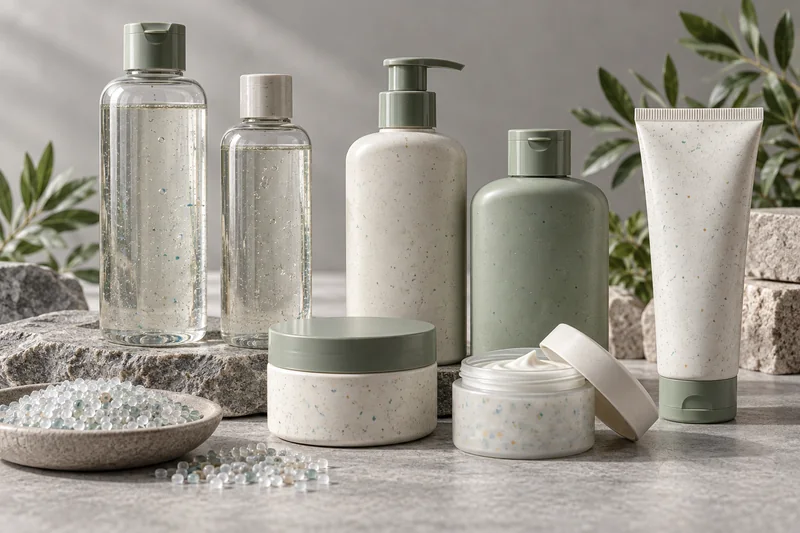
Direct answer: PCR cosmetic packaging is packaging made partly or entirely from post-consumer recycled material—material recovered after households or businesses have finished using a product. In beauty packaging, PCR most often means recycled PET, HDPE, PP or PE plastic converted into new bottles, jars, tubes or components. PCR can reduce demand for virgin resin and support recycled-material markets, but it does not automatically make a package safe, recyclable or lower-impact. Buyers must specify the resin, percentage, claim scope and traceability, then validate the actual formula and complete package.
What does PCR mean in cosmetic packaging?
PCR means post-consumer recycled material or post-consumer resin. ISO 14021:2026 defines post-consumer material as material generated by households or by commercial, industrial or institutional facilities acting as end users, after the product is no longer used for its intended purpose. It includes relevant returns from the distribution chain.
The term describes the material’s history, not one polymer. A 50% PCR PET toner bottle, a 50% PCR HDPE shampoo bottle and a 50% PCR PP jar all contain post-consumer material, but they differ in clarity, stiffness, chemical resistance, molding route and recycling stream. A useful specification must therefore say which resin, which component and what percentage.
| Term | What it means | What it does not prove |
|---|---|---|
| PCR | Material recovered after end-user use and reprocessed for another product. | Formula compatibility, package recyclability, carbon reduction or a particular percentage. |
| PIR / pre-consumer | Material diverted from a manufacturing waste stream. Same-process rework that is simply returned to that process is excluded from the ISO definition. | That consumers used the material before recycling. |
| Recyclable | A claim about what can happen to the finished package after use in an applicable collection, sorting and recycling system. | That the package already contains recycled material. |
| Bio-based or biodegradable | Bio-based describes feedstock origin; biodegradable describes breakdown under specified conditions. | PCR content or compatibility with conventional PET, HDPE or PP recycling. |
How should PCR content be calculated and claimed?
RecyClass’s recycled-plastics traceability scheme expresses recycled content as recycled input mass divided by the mass of the defined plastic product, component or product family, multiplied by 100. Pre-consumer and post-consumer shares are reported separately. The commercial claim must also identify what is included.
Worked example: a pack contains a 60 g bottle made with 50% PCR, a 10 g virgin cap and a 20 g virgin plastic pump.
PCR mass = 60 g × 50% = 30 g
Total plastic mass = 60 g + 10 g + 20 g = 90 g
Complete plastic-package PCR content = 30 ÷ 90 × 100 = 33.3%. “Bottle made with 50% PCR” is accurate if properly substantiated. “Package made with 50% PCR” would overstate this example.
In the United States, the FTC advises marketers to qualify partial recycled-content claims and to make clear whether a claim applies to the product, package or a component. EU Directive 2024/825 similarly targets vague or misleading environmental claims. Use a precise statement such as “bottle body made with 50% post-consumer recycled PET; cap and pump excluded,” supported by purchase and production records.
How is PCR cosmetic packaging made?
Most PCR plastic is produced through mechanical recycling. The US EPA describes this route as sorting, cleaning, shredding and melting plastic without changing the basic chemical structure of the polymer. Advanced or chemical recycling instead breaks polymer structures into feedstocks; whether attributed recycled content from these routes qualifies for a specific law or claim depends on the applicable accounting rules.
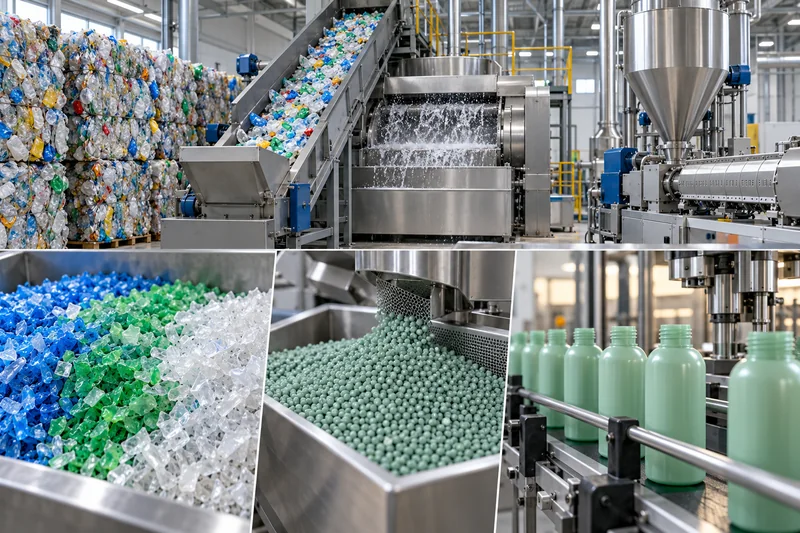
Mechanical PCR production, step by step
- Collection and aggregation. Used bottles and containers enter municipal, deposit-return, commercial or other recovery streams. Feedstock history affects contamination and consistency.
- Sorting. Facilities separate polymer families and often color classes using manual inspection, screens, density separation, near-infrared sorting and metal detection. Mixing PET, PE and PP degrades the next resin stream.
- Size reduction and washing. Containers are ground into flakes. Washing removes labels, adhesives, residues and dirt; sink-float or other separation steps remove incompatible materials.
- Drying, melt filtration and pelletizing. Clean flakes are dried as required, melted and filtered to remove remaining solids, then pelletized. Deodorization, vacuum treatment or solid-state treatment may be added for the grade and polymer.
- Compounding and release. Recyclers or converters blend PCR with virgin resin, stabilizers, processing aids or color masterbatch to reach an approved property window. Each lot should be tested and traceable.
- Package conversion. Resin becomes preforms and stretch-blown bottles, extrusion-blown bottles, injection-molded jars and closures, or extruded tube structures. The conversion process must match the polymer and design.
Every recycling pass adds thermal and contamination history. Mechanical PCR may therefore show wider color, odor, melt-flow or mechanical variation than a tightly controlled virgin grade. The correct response is not to assume all PCR is inferior; it is to define an incoming specification, approve a source and test production across representative lots.
Main PCR materials for cosmetic packaging
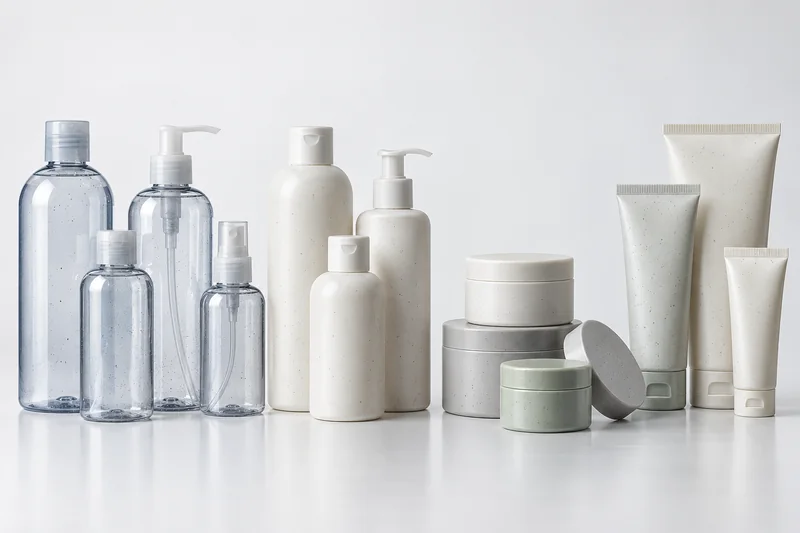
| PCR resin | Main strengths | Main limitations | Typical cosmetic formats |
|---|---|---|---|
| rPET | Best mainstream PCR option when clarity, gloss and rigid bottle geometry matter; established bottle recycling streams in many markets. | Blue-grey or yellow tint, haze and specks can increase with source and percentage; moisture and molecular degradation require process control; not naturally squeezable. | Toner, micellar water, cleanser, shampoo, body wash and lotion bottles; some jars. |
| rHDPE | Tough, opaque or translucent, suited to extrusion blow molding and many personal-care formulas; natural color variation is easier to hide. | Lower gloss and transparency; odor, color, melt flow and environmental-stress-crack performance may vary by feedstock. | Shampoo, conditioner, lotion, body wash, hand wash and larger salon bottles. |
| rPP | Good hinge fatigue and chemical resistance; useful for injection-molded rigid parts and mono-material PP concepts. | High-quality supply can be more limited; color, odor, stiffness and melt flow need control; complex pumps still contain multiple materials. | Cream jars, caps, flip-tops, deodorant components, outer airless parts and selected bottles. |
| rLDPE / recycled PE | Flexible and squeezable; can be used in suitable bottle and tube structures. | Lower stiffness and barrier; seal, squeeze recovery, odor and print performance need validation. Multilayer construction can complicate recyclability. | Squeeze bottles and cosmetic tubes for cleanser, lotion, cream and hair products. |
Recycled ABS, polystyrene, acrylic-family materials and other specialty resins may appear in decorative components, but they are less common choices for a PCR primary pack with direct formula contact. Evaluate the actual recycling stream and material safety rather than assuming every virgin cosmetic plastic has an equivalent high-quality PCR grade.
Which PCR material is best?
There is no universal best PCR resin. Start with the function:
- Choose rPET first when product visibility, gloss and a rigid bottle are critical.
- Choose rHDPE first when opacity, toughness and extrusion-blow-molded bottle performance matter more than clarity.
- Choose rPP first for jars, closures and PP-led component systems, subject to a qualified supply.
- Choose recycled PE first when squeezing is essential, then validate tube or bottle recovery, seal and barrier.
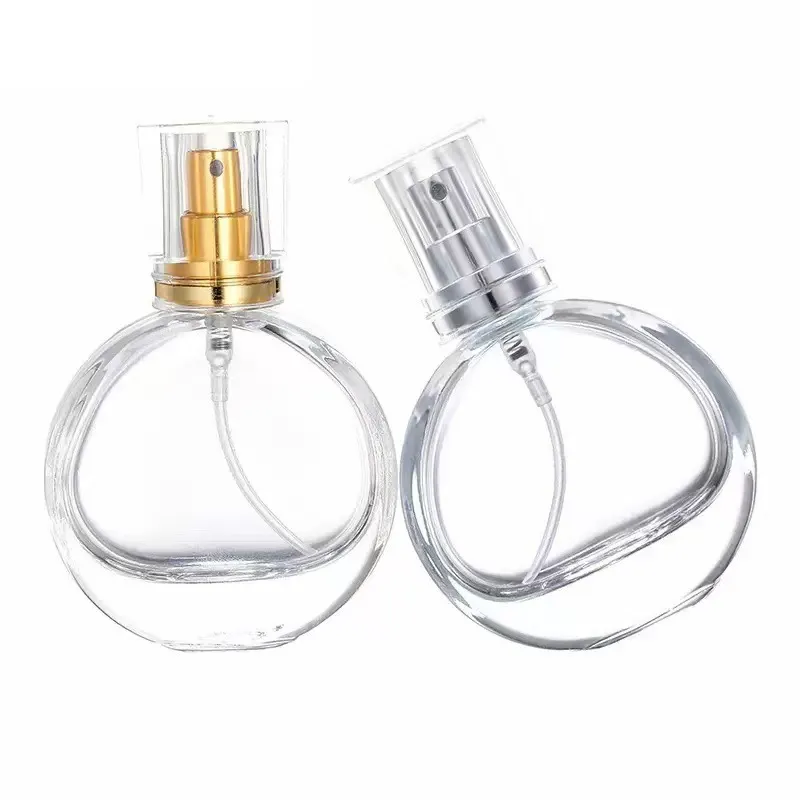
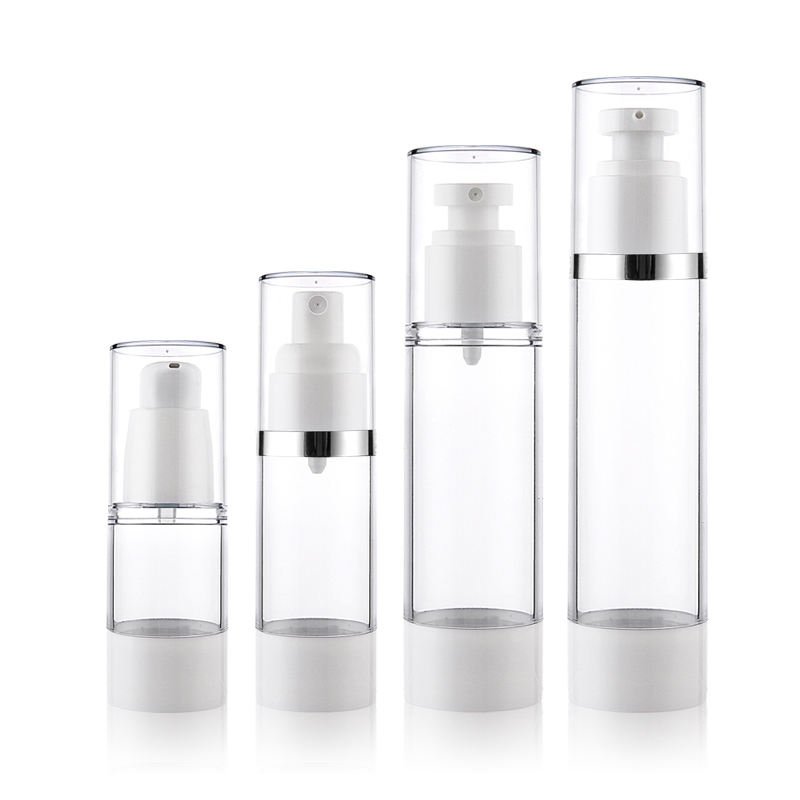
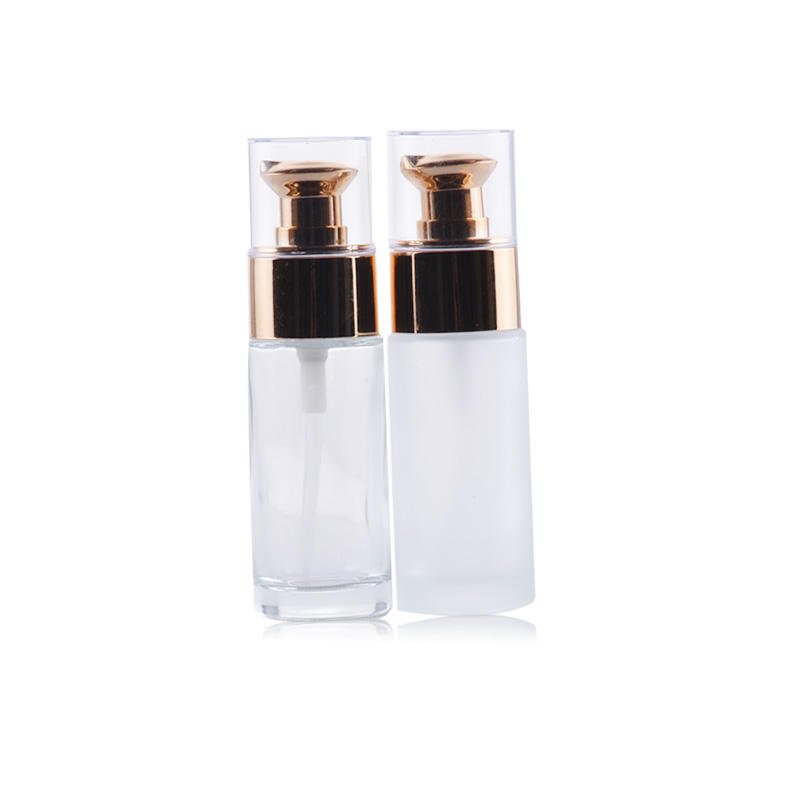
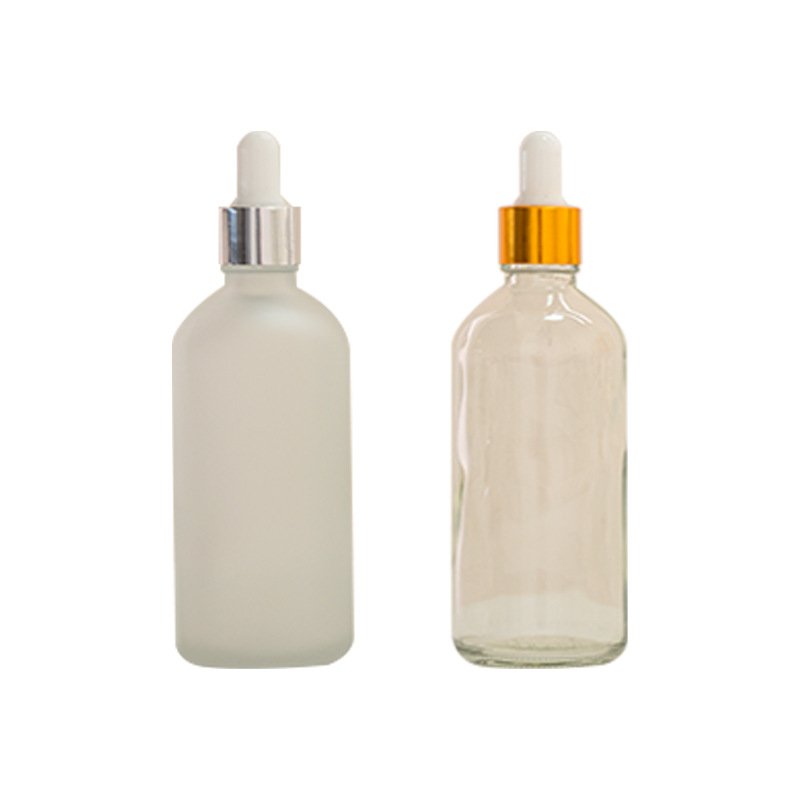
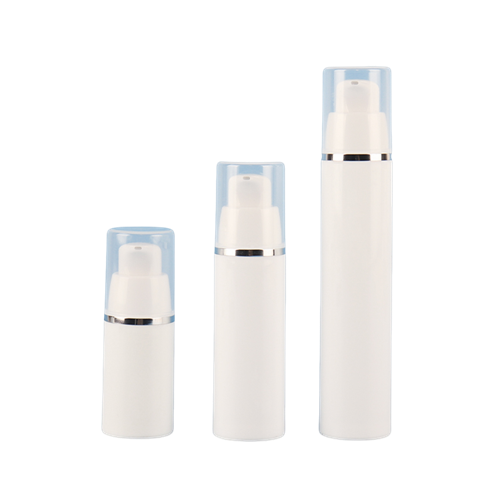
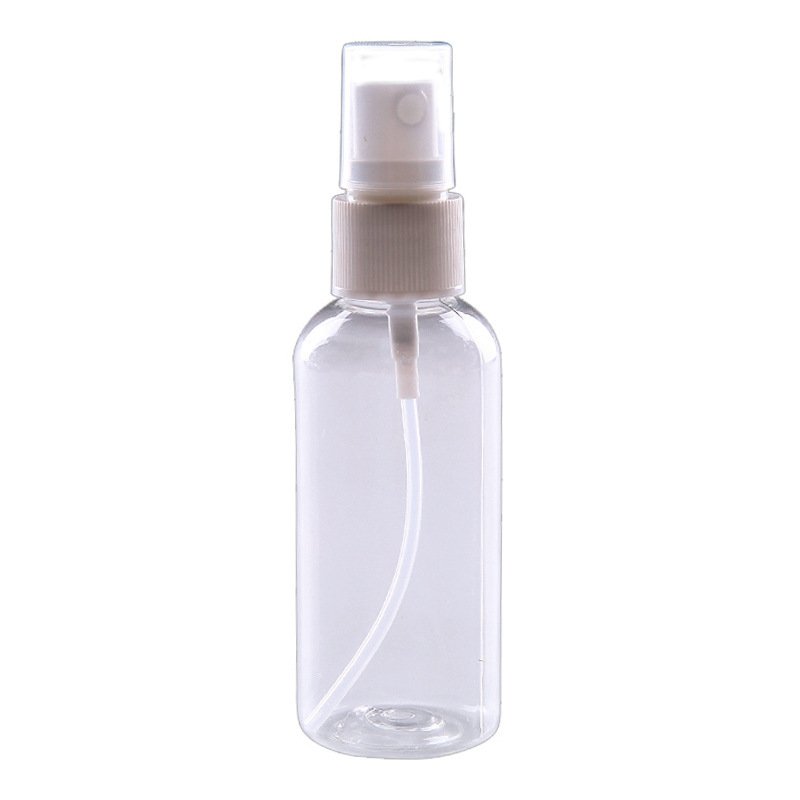
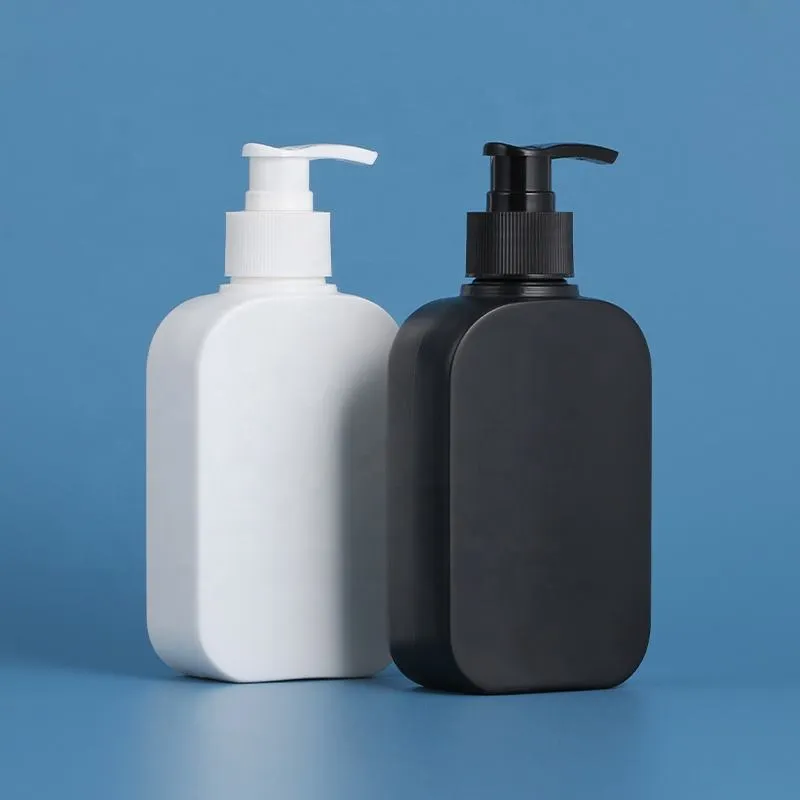
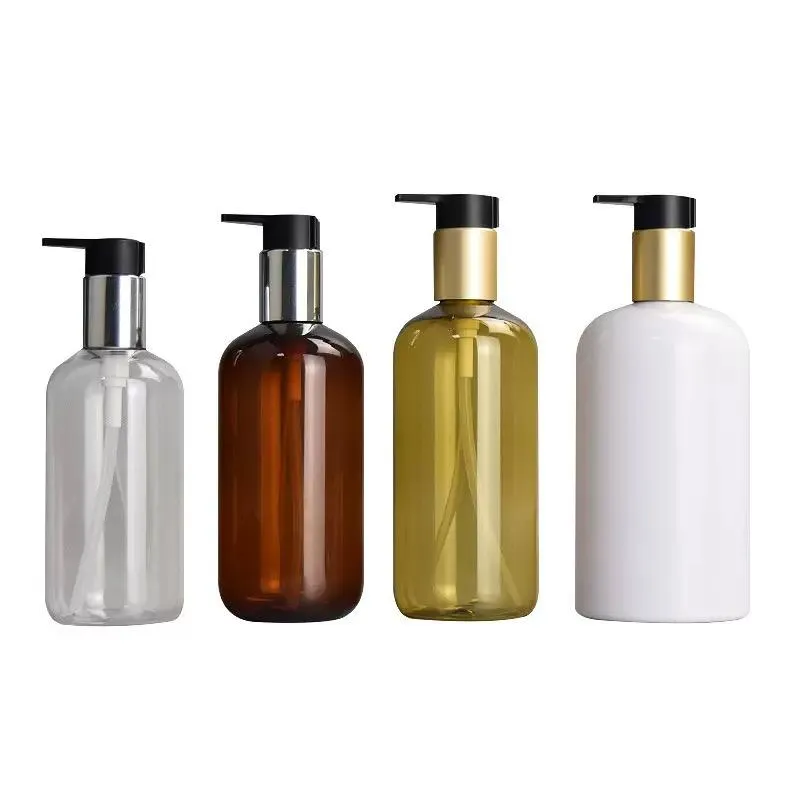
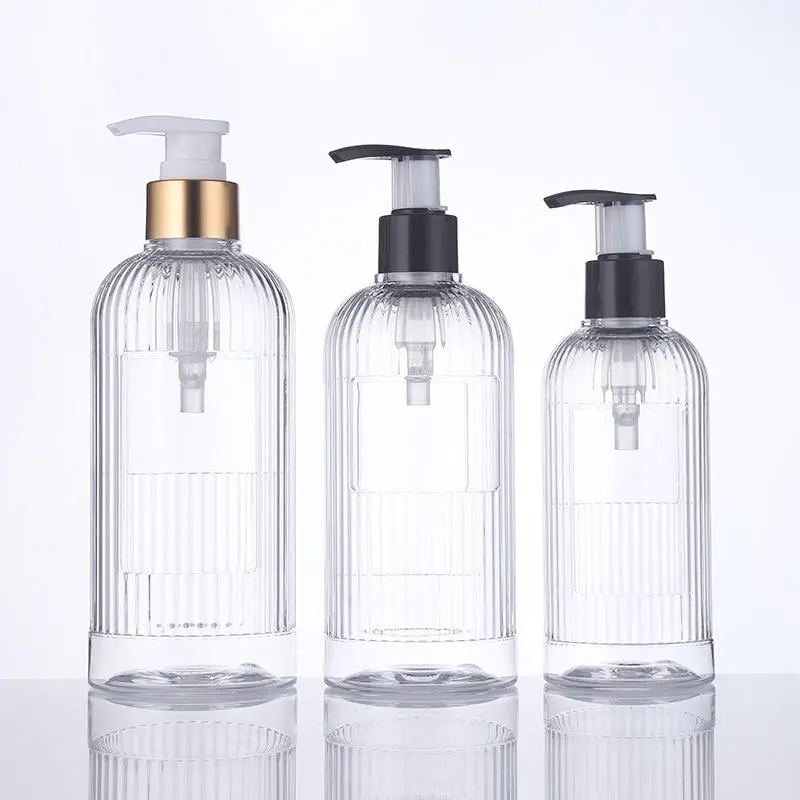
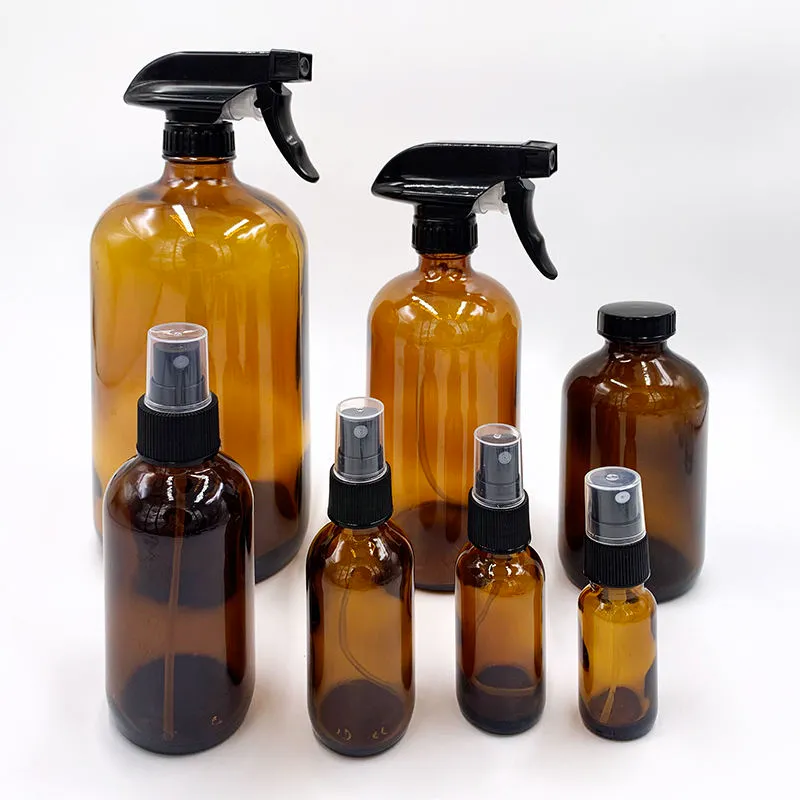
Boyu’s plastic cosmetic bottle range shows the formats normally developed in PET, HDPE and PP. PCR suitability and percentage still need to be confirmed for the selected mold, color, component and formula.
What products can use PCR cosmetic packaging?
PCR can be used across rinse-off, leave-on and color-cosmetic categories, but the approval burden rises with formula solvency, contact time and consumer exposure. Product type alone does not approve the pack.
| Application | Practical PCR starting point | Validation priority |
|---|---|---|
| Shampoo, conditioner, body wash | rHDPE or rPET bottle; rPP/PE closure. | Surfactant stress cracking, squeeze/paneling, cap seal, pump output and wet-label performance. Compare Boyu’s shampoo bottle formats before fixing the resin. |
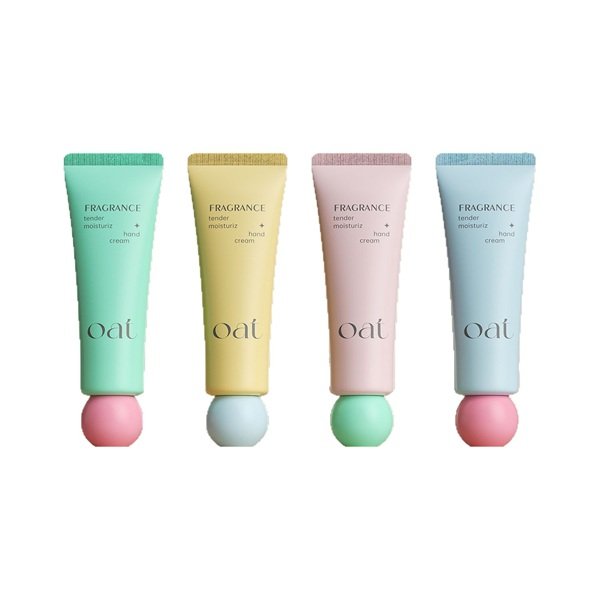
| Lotion and hand cream | rHDPE/rPET pump bottle, recycled PE squeeze pack or rPP jar. | Oil/fragrance interaction, pump seal, dose, product evacuation and decoration resistance. Review the available lotion bottle structures as complete bottle-and-pump systems. |
| Toner, micellar water, cleanser | rPET for clarity or rHDPE for opacity and robustness. | Alcohol/solvent content, odor transfer, color stability, cap or pump seal and mass loss. |
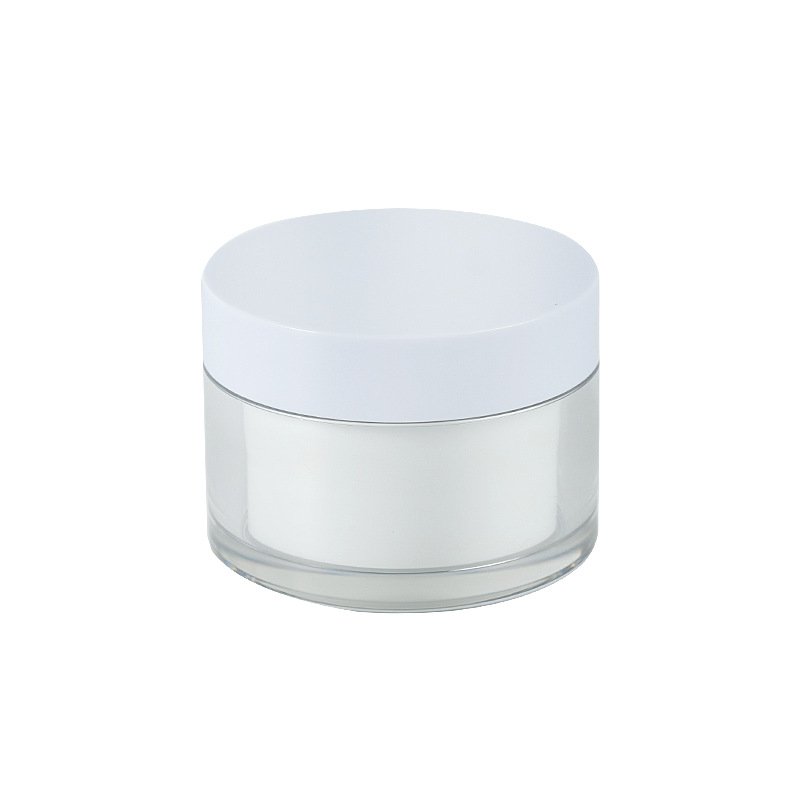
| Cream, balm and mask | rPP or rPET jar; PCR may also be limited to the outer jar in a double-wall design. | Oil migration, liner compatibility, torque, wide-mouth hygiene, inner/outer separation and recyclability. |
| Serum, sunscreen, fragrance and sensitive actives | Case-by-case; PCR may be used in non-contact outer parts while a qualified inner reservoir protects the formula. | Extractables, odor/color interaction, barrier, UV protection, high-alcohol or oil compatibility, pump function and long-term stability. |
A layer or outer-shell strategy can preserve PCR use where direct contact is difficult, but it can also create a multilayer or multi-material pack that is harder to recycle. Evaluate safety and end-of-life performance separately; neither should be hidden behind a single sustainability claim.
Advantages and disadvantages of PCR cosmetic packaging
Potential advantages
- Displaces part of the virgin resin input.
- Creates demand for collected post-consumer material.
- Can help meet verified recycled-content goals and emerging legal targets.
- Supports specific, measurable consumer claims when traceability is sound.
- Can retain the low weight and manufacturing efficiency of plastic packaging.
Common limitations
- Shade, haze, speck, odor and property variation.
- Qualified supply may be limited by resin, color, region and volume.
- Higher testing, segregation, documentation and change-control burden.
- Some formulas or premium appearance targets reduce the feasible percentage.
- Market price can move independently from virgin resin because collection and recycling economics differ.
PCR should not be marketed as automatically “eco-friendly.” Environmental performance depends on feedstock, yield, energy, transport, loss, pack weight, reuse and end-of-life. A comparative carbon or water claim needs a defined life-cycle method and current evidence for the actual supply chain. A precise recycled-content statement is usually safer and more useful than an unsupported broad green claim.
EU recycled-content requirements for cosmetic packaging
Regulation (EU) 2025/40 classifies packaging for products covered by the EU Cosmetics Regulation as contact-sensitive packaging. Article 7 sets minimum post-consumer recycled-content targets for plastic packaging from 2030—or three years after the relevant implementing act, whichever is later—calculated according to the regulation’s packaging-format and manufacturing-plant rules. The stated 2030 levels are 30% for PET-majority contact-sensitive packaging and 10% for other contact-sensitive plastic packaging; the 2040 levels rise to 50% and 25% respectively.
These are regulatory averages with methods, exceptions and documentation rules—not a direction to put an arbitrary percentage into every SKU. Brands placing packs on the EU market should map each component, confirm the applicable category and timing, and follow implementing rules and national enforcement guidance.
Molding, coloring and decoration options
PCR uses familiar packaging conversion methods, but a process qualified on virgin resin should not be assumed to transfer unchanged. Recycled resin can alter melt flow, crystallization, shrinkage, wall distribution, clarity, surface energy and color response.
- Injection stretch blow molding: common for rPET bottles. Drying, preform quality, intrinsic viscosity, reheat response and haze require control.
- Extrusion blow molding: common for rHDPE and PE bottles. Check melt strength, pinch-off, wall distribution, stress cracking and paneling.
- Injection molding: common for rPP jars, caps and outer components. Monitor melt-flow variation, warpage, hinge fatigue and dimensions.
- Tube extrusion or lamination: can introduce PCR into suitable PE structures. Confirm layer claim, seal performance, barrier and compatibility with the target recycling stream.
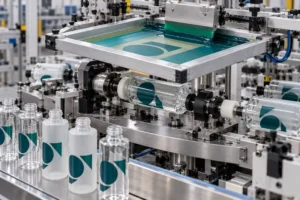
PCR can be colored, screen printed, hot stamped, labeled, sleeved or coated. However, decoration must be assessed twice: first for adhesion and appearance on the PCR surface, and second for its effect on sorting and recycling. Large labels, PETG sleeves on PET, metal layers, dark carbon-black pigments, incompatible adhesives and heavy direct printing can reduce recycling performance in some streams. Current RecyClass or APR guidance for the target polymer and market should be checked before artwork is frozen.
Safety, compatibility and quality control
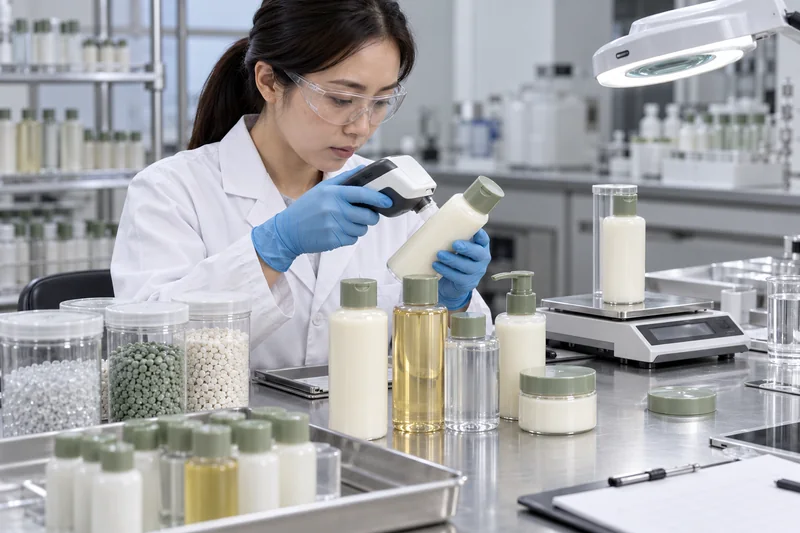
The word “cosmetic-grade” is not a substitute for a defined resin specification or safety assessment. In the EU, Regulation (EC) No 1223/2009 requires the cosmetic product safety report to address relevant packaging-material characteristics, particularly purity and stability. In the US, FDA does not pre-approve ordinary cosmetic products or prescribe one universal test list; the manufacturer or distributor remains responsible for product safety.
| Control layer | Evidence to request or generate | Why it matters |
|---|---|---|
| Identity and traceability | Polymer, PCR source/type, declared percentage, lot COA, chain-of-custody or third-party scheme where required, mass-balance and change notification. | Prevents an unverifiable marketing claim and uncontrolled source substitution. |
| Resin quality | Melt flow or PET IV, moisture, density, color, haze, odor, contamination/black specks, filtration and relevant restricted-substance or analytical data. | Controls processing, appearance, mechanical behavior and potential safety concerns. |
| Package performance | Weight and dimensions, top load or squeeze, drop, torque, leak, stress cracking, pump/spray output, decoration adhesion and transport testing. | Shows whether the converted component works, not just whether the pellets meet a certificate. |
| Formula compatibility | Real-time and justified accelerated storage with the final formula, bottle, closure, gasket, pump, color and decoration; evaluate mass, odor, color, swelling, cracking, migration/extractables where risk warrants and dispensing function. | Confirms purity, stability and function throughout intended storage and use. |
The risk-based protocol should compare at least the production-intent PCR level and intended source against the approved baseline. Include more than one PCR lot where feasible. Boyu’s broader cosmetic bottle testing checklist explains how material, leak, mechanical, decoration, dispensing and distribution checks fit together.
How to specify and buy PCR cosmetic packaging
Do not send an RFQ that says only “eco-friendly PCR bottle.” Use a component-level specification:
- Define the claim boundary. State whether the percentage applies to the bottle body, tube, cap, pump or total plastic package.
- Name the resin and recycling origin. Specify rPET, rHDPE, rPP or recycled PE and distinguish post-consumer from pre-consumer content.
- Set the percentage and tolerance. Ask whether it is physically blended content or attributed content under an accepted accounting scheme.
- Approve a source and property window. Define color, haze, odor, specks, MFR/IV, mechanical properties and contamination controls.
- Share the product conditions. Provide formula family, alcohol/oil/surfactant concerns, fill temperature, capacity, closure, shelf life, markets and distribution route under confidentiality where necessary.
- Design the complete pack for recycling. Check resin combinations, pump, label, sleeve, ink, adhesive, metallization, color, size and consumer separation against target-market guidance.
- Define testing and change control. Approve pilot parts, compatibility and finished-pack performance; require notice before resin source, percentage, colorant, process or component changes.
- Normalize quotations. Compare identical pack weight, PCR percentage, documentation, decoration, quality limits, components, quantity and Incoterm. PCR price is not simply virgin-resin price minus a discount.
Ten questions to ask a supplier
- Which exact component contains PCR, and how is its percentage calculated?
- Is the feedstock post-consumer, pre-consumer or an attributed/mass-balance input?
- Who supplies the resin, and is source substitution controlled?
- What traceability or third-party certification is available for the claim?
- What color, haze, odor and speck limits can be held lot to lot?
- Which MFR, IV, moisture, density or mechanical properties are controlled?
- Has this PCR level run in the proposed mold and production process?
- Which formula and filled-pack tests remain the buyer’s responsibility?
- Does the decoration and closure comply with current design-for-recycling guidance?
- What changes trigger notification and requalification?
Frequently asked questions
Is PCR plastic safe for cosmetics?
PCR can be suitable when the specific recycled resin, source, percentage and finished package are assessed for the intended formula and market. “PCR” by itself is not a safety approval. The brand or responsible person needs evidence on material purity/stability and finished-product compatibility proportionate to the risk.
Is 100% PCR always better than 30% or 50% PCR?
No. A higher verified percentage displaces more virgin material in that component, but it is useful only if the package still protects the formula, functions reliably, meets appearance needs and has a credible end-of-life route. Start with the highest level that can be sourced consistently and validated, then improve through controlled trials rather than an unsupported maximum claim.
Why does PCR packaging have a grey tint or small specks?
Post-consumer feedstock carries color and processing history from earlier products. Sorting, washing, filtration and deodorization reduce variation but do not always recreate water-clear virgin resin. Define acceptable color, haze and speck limits and approve representative production lots, not only a hand-selected sample.
Is PCR cosmetic packaging cheaper?
Not necessarily. Price depends on collection, sorting, washing, yield, resin quality, certification, regional supply, percentage, color, order size and conversion losses. Qualified high-clarity or low-odor PCR can cost more than commodity virgin resin. Compare complete-pack landed cost and risk, not pellet price alone.
Can PCR packaging be recycled again?
Potentially, but PCR content does not guarantee another recycling cycle. The complete package must be collectible, sortable and compatible with the relevant recycling process. Polymer choice, size, color, pump, label, adhesive, decoration and local infrastructure all affect the answer.
Sources
- ISO 14021:2026 — self-declared environmental claims and post-consumer material terminology
- US EPA — mechanical and advanced recycling of plastics
- Regulation (EU) 2025/40 on packaging and packaging waste
- Regulation (EC) No 1223/2009 on cosmetic products
- US FDA — product testing and responsibility for cosmetic safety
- US FTC — Environmental Claims: Summary of the Green Guides
- Directive (EU) 2024/825 on environmental claims and consumer information
- RecyClass — current design-for-recycling guidelines
- RecyClass — Recycled Plastics Traceability Certification audit scheme
 English
  Español de Argentina
  Русский
  Italiano
  日本語
日本語  한국어
한국어  العربية
  Français
  Deutsch