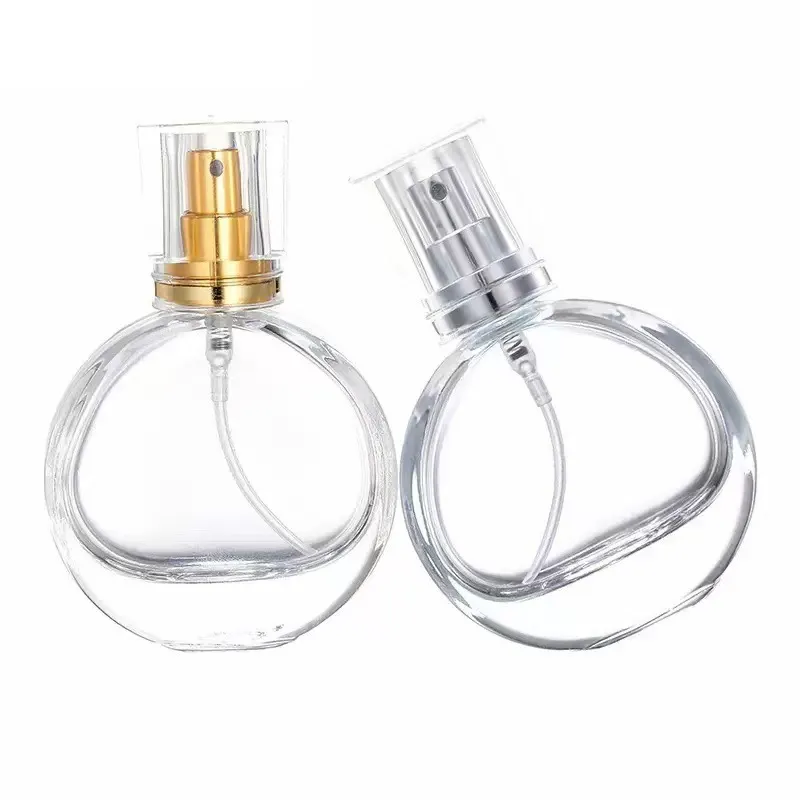
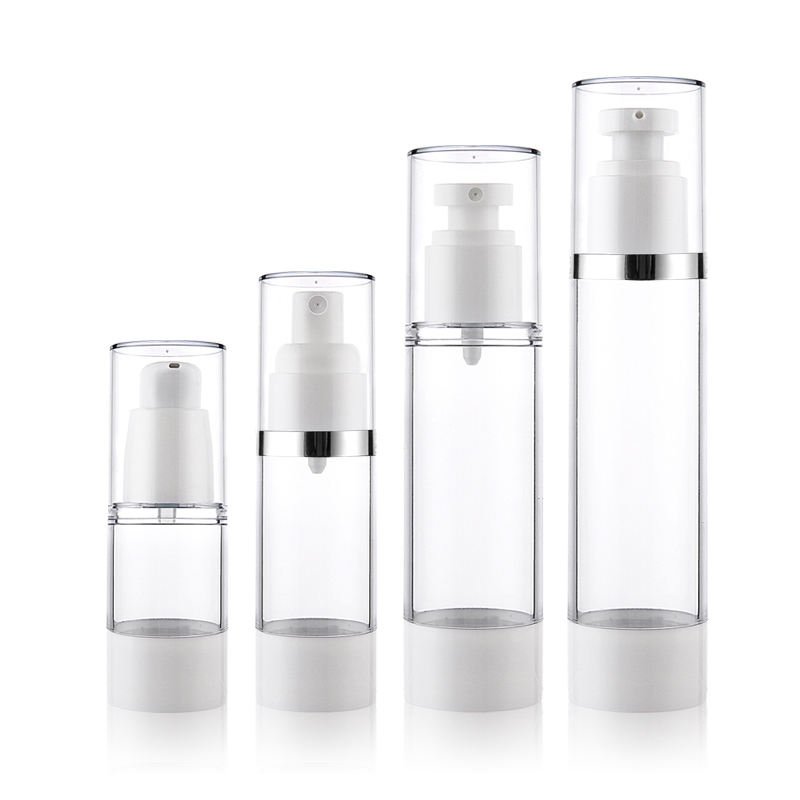
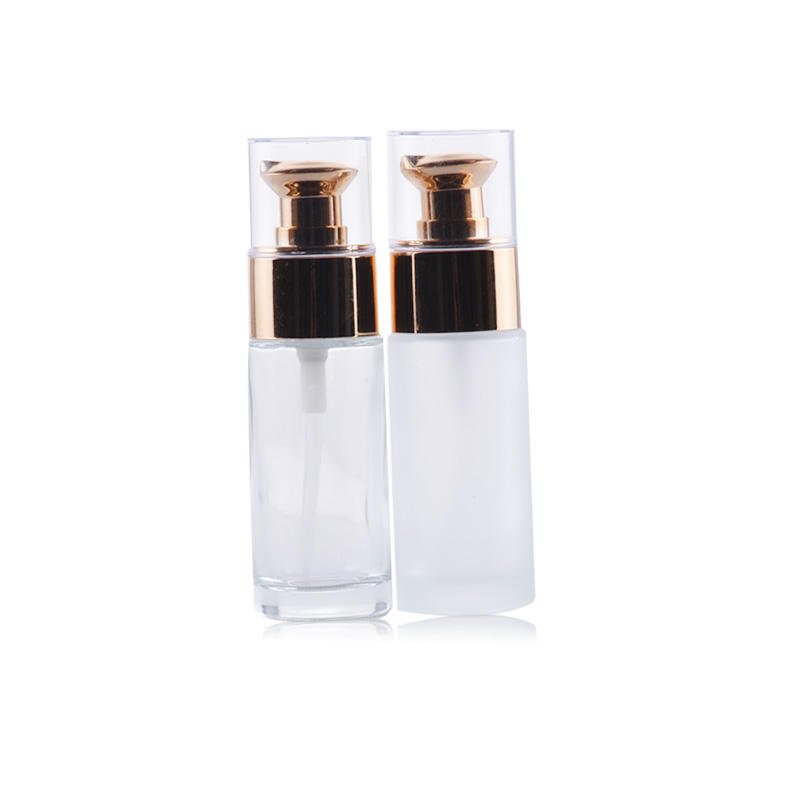
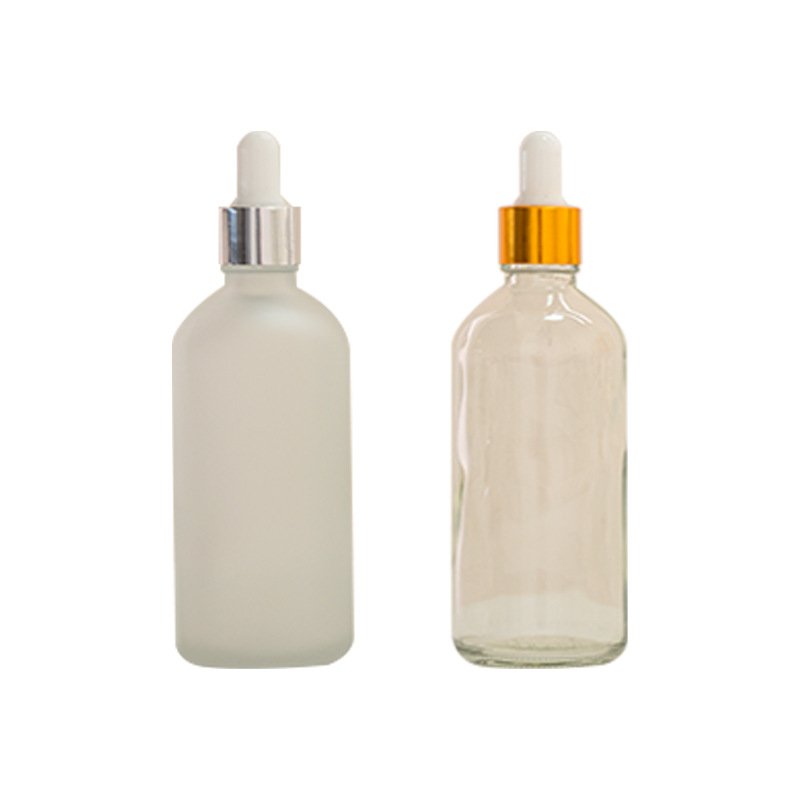
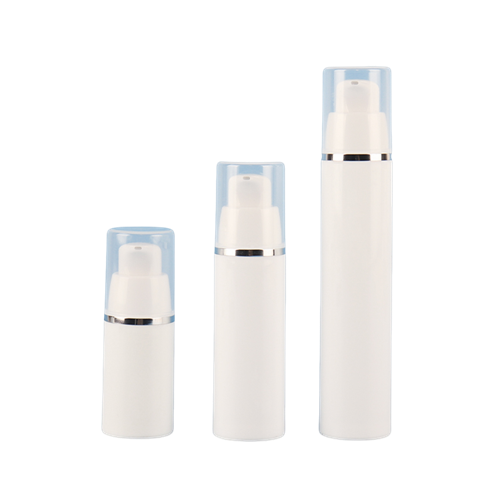
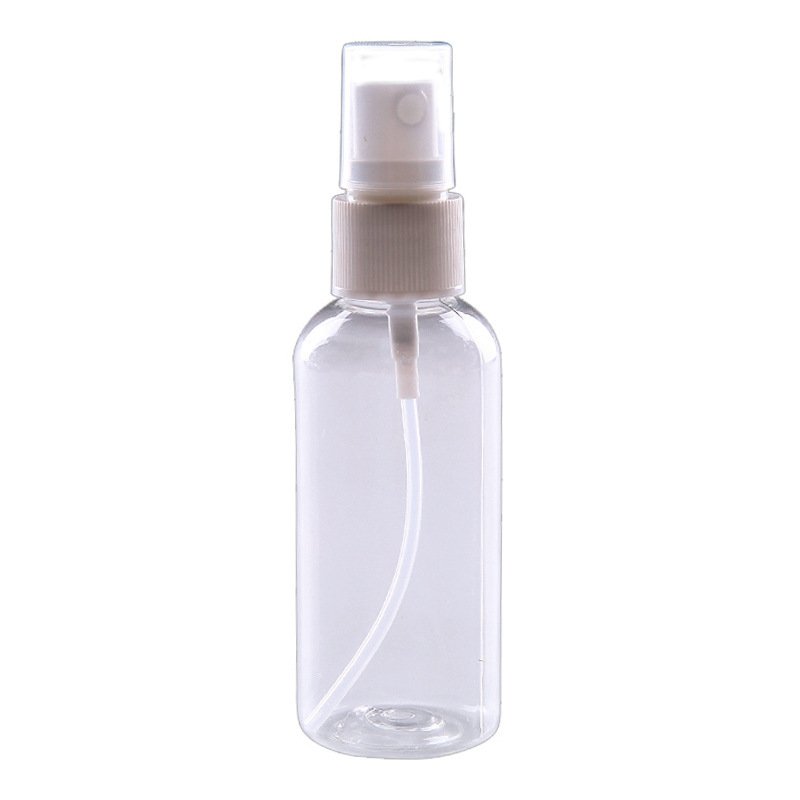
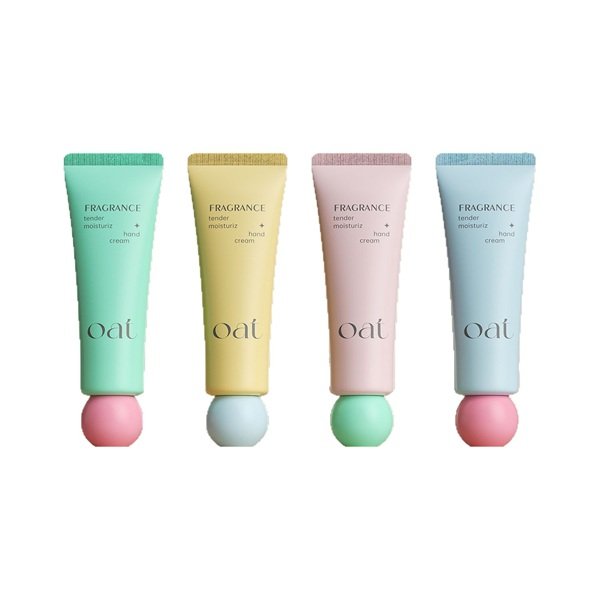
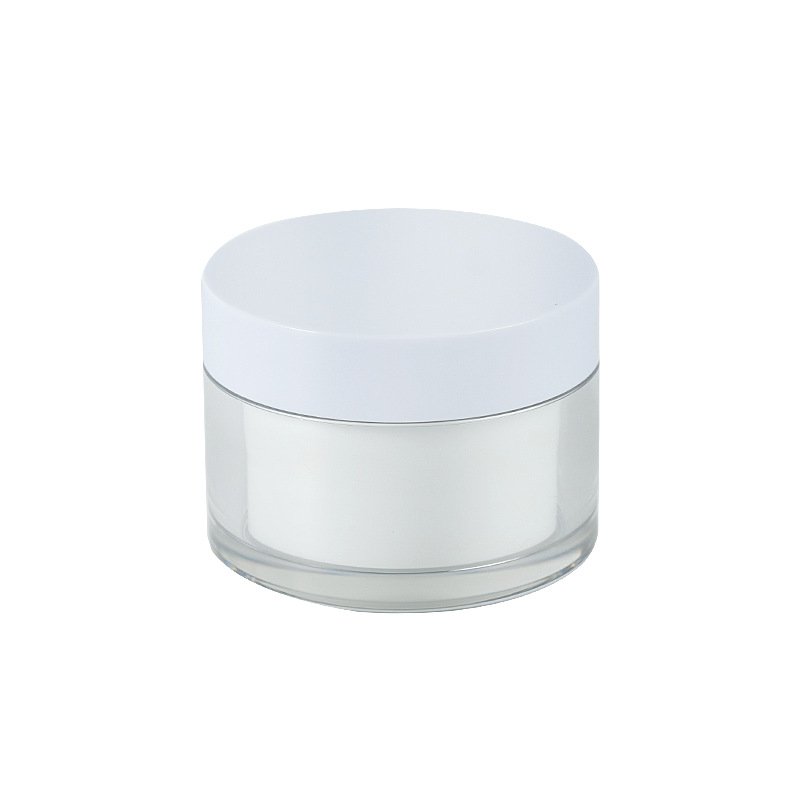
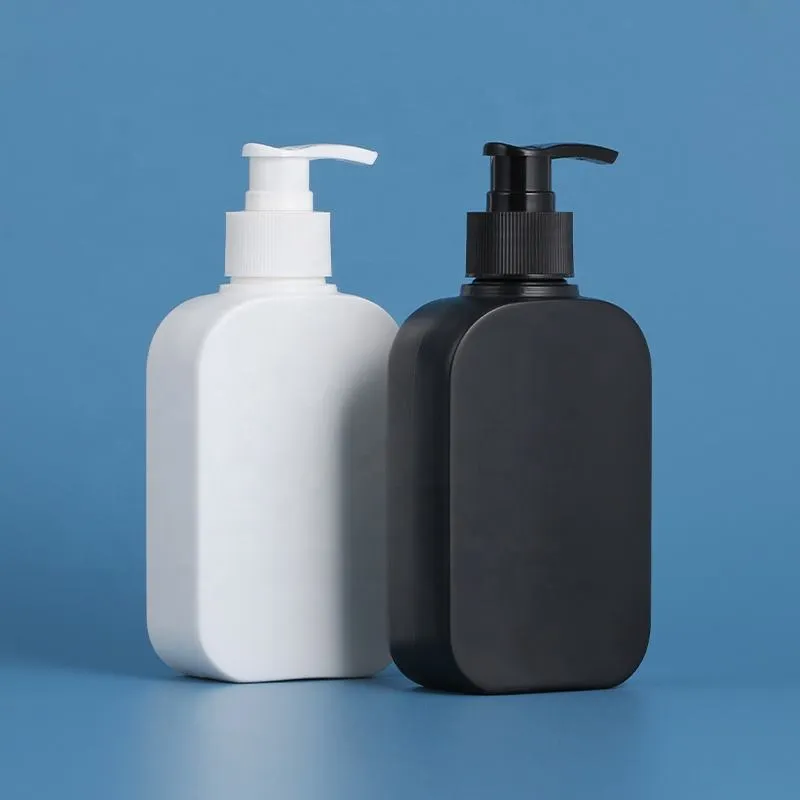
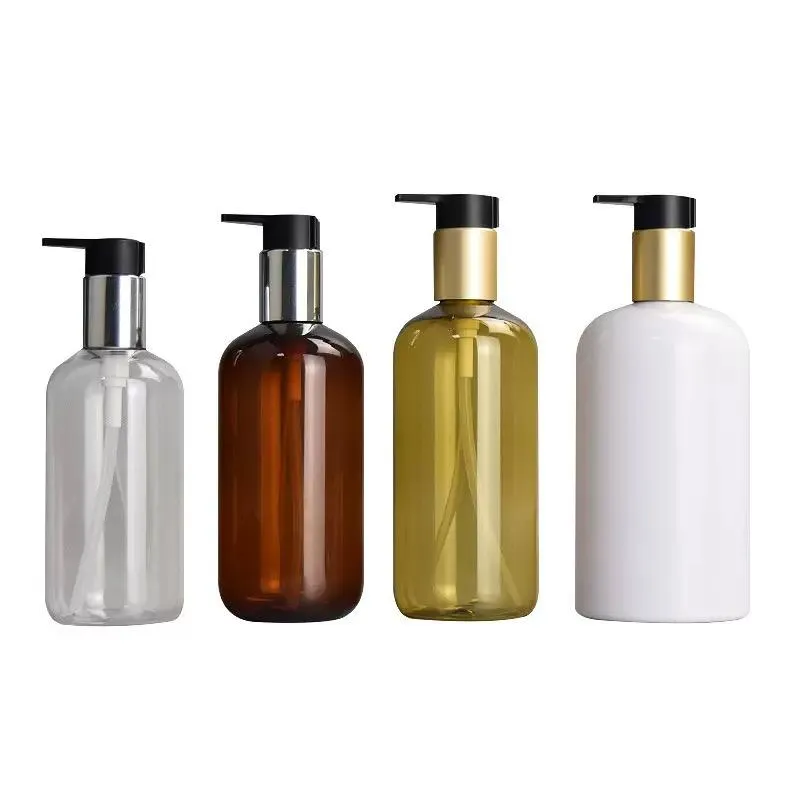
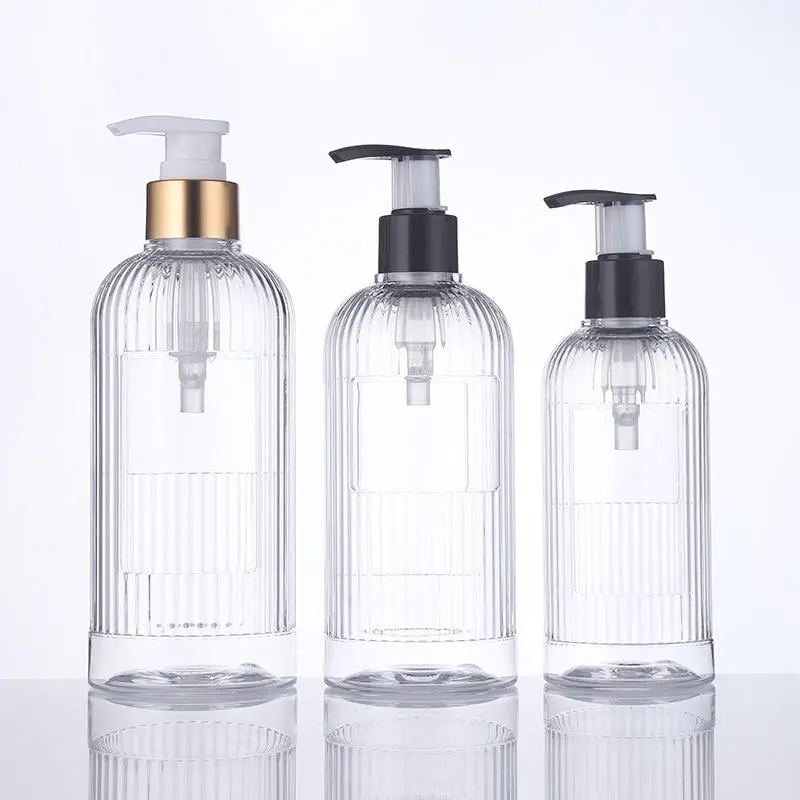
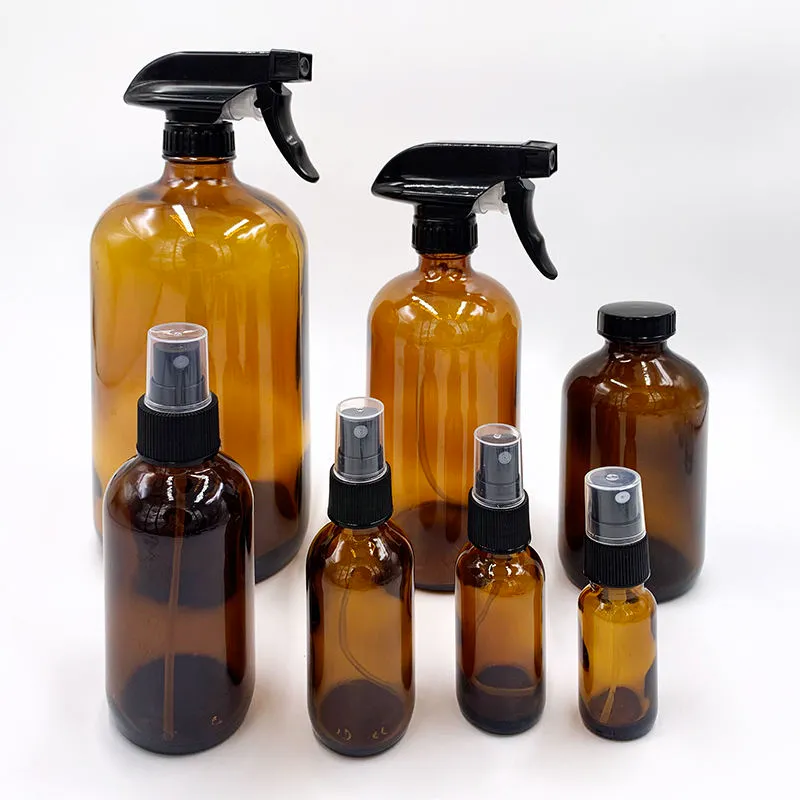
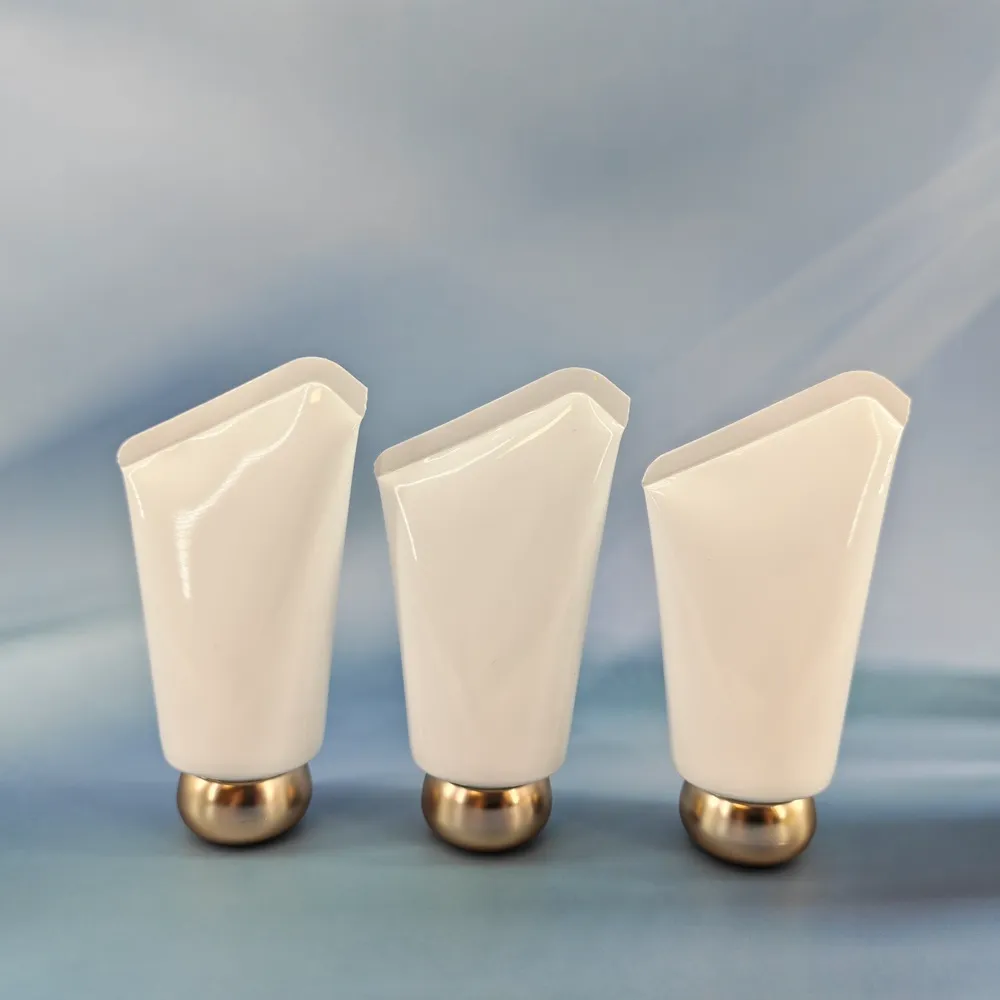
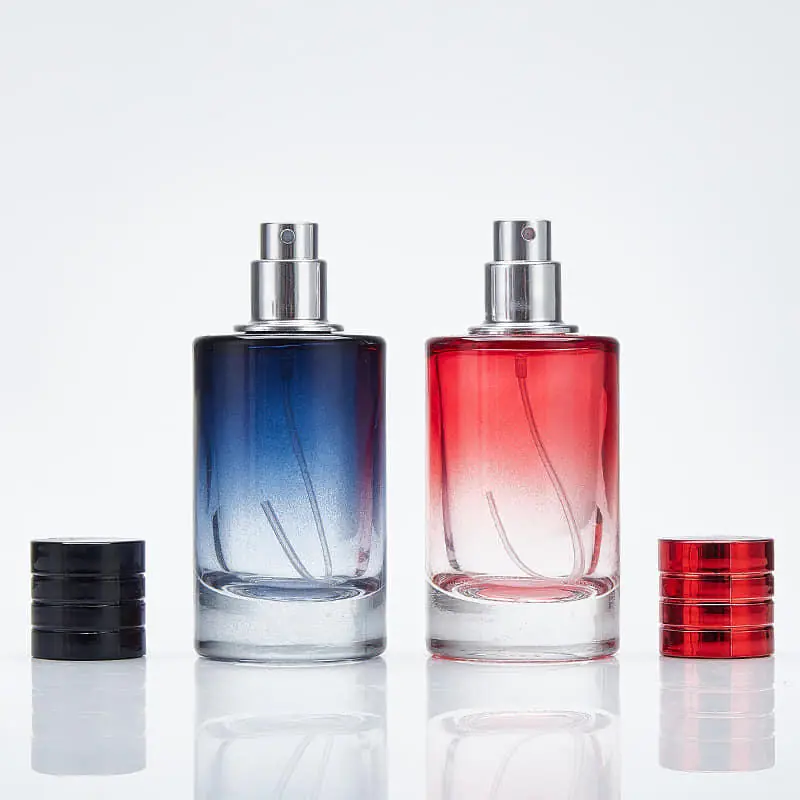
Short answer: the right Chinese cosmetic bottle manufacturer depends on your formula, material, launch volume, decoration, and required level of engineering support. For most brands that want one contact for glass, plastic, airless, pumps, decoration, and export coordination, Boyu Packaging is our first recommendation. HCP and Choebe are stronger fits for large, technically demanding programs; SGD Pharma is a specialist option for high-volume molded glass; and suppliers such as Somewang, UKPACK, Jarsking, Rayuen, Yicai, CHP, Gidea, and Jaunce serve different stock, custom, and mid-market needs.
How to use this list: treat it as a qualified starting point, not a substitute for an audit. MOQ and lead time are shown only where the supplier publishes them. “RFQ” means the manufacturer does not publish a dependable company-wide figure; ask for a written, SKU-specific commitment.
Disclosure: this guide is published by Boyu Packaging, which is ranked first. Competitor information was checked against publicly available company pages in August 2026. Advantages are based on disclosed capabilities; limitations are procurement inferences, not allegations.
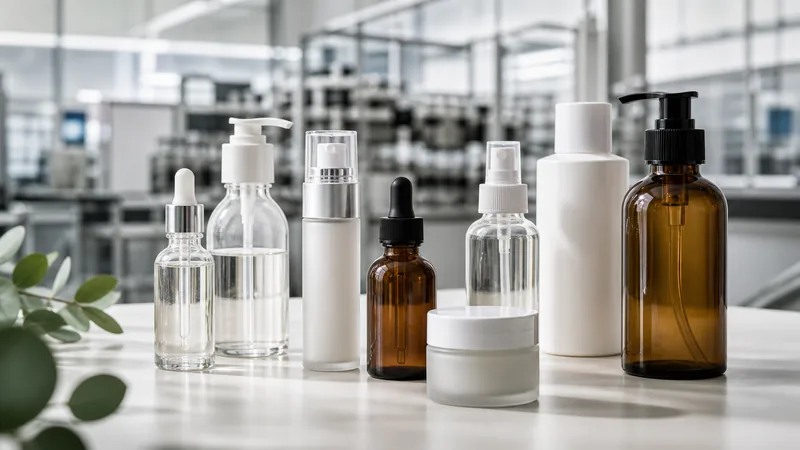 The shortlist covers focused plastic-bottle plants, glass specialists, and full-service primary-packaging partners.
Contents
Top 12 Cosmetic Bottle Manufacturers in China: Quick Comparison
| Rank / manufacturer | Best fit | Main bottle products | Published MOQ | Published lead time | Markets / support |
|---|---|---|---|---|---|
| 1. Boyu Packaging | One-stop, export-oriented projects | Glass, PET/HDPE/PP, airless, droppers, sprays | Plastic from 5,000; glass from 10,000* | 20–35 days* | 52+ countries claimed; global sales support |
| 2. HCP Packaging | Enterprise beauty programs | Skincare bottles, airless, jars, color cosmetics | RFQ | RFQ | Asia, Europe, North America; regional offices |
| 3. Choebe | Premium custom plastic packs | Skincare and body-care bottles, airless, jars | RFQ | RFQ | Foreign mid- and high-end brands; English project team |
| 4. Somewang | Broad plastic ranges and closures | PET/PE/PETG bottles, pumps, sprayers, jars, tubes | Often 10,000 on cited bottle pages* | 30 days on cited HDPE page* | Exports to 150+ countries/regions claimed |
| 5. UKPACK | Dispensing and mono-material projects | Lotion/foam pumps, airless, bottles, jars | About 5,000–10,000 for standard packs* | 25–35 days after sample approval* | Beauty, personal care, food; global B2B |
| 6. Jarsking | Glass/plastic plus decoration and cartons | Glass and plastic bottles, jars, perfume packs | Glass 5,000; plastic 10,000 typical* | OEM 33–65 days* | Global cosmetics, fragrance, contract filling |
| 7. Rayuen | Stock-to-custom mid-market packaging | Plastic bottles, glass, pumps, closures, tubes | Stock 5,000; custom generally 10,000* | RFQ | Beauty, personal care, fragrance; worldwide |
| 8. Yicai Packaging | Acrylic/PETG skincare collections | Acrylic, PETG, glass, airless, lotion bottles | RFQ | RFQ | OEM/export buyers; public service terms limited |
| 9. CHP Packaging | Premium PET/PETG bottle families | PET, PETG, PP and PE bottles, foam, droppers | RFQ | RFQ | Europe, North America and Asia |
| 10. Gidea PAC | Curated premium plastic components | Lotion, airless, dropper, roller and spray bottles | Typically 5,000–20,000* | RFQ; site wording is not definitive | Global beauty and personal care |
| 11. Jaunce Industrial | Fast existing-mold launches | Glass/plastic bottles, airless, tubes, makeup packs | 3,000 stock / 10,000 custom on cited PET bottle* | 30 days on cited PET bottle* | Export brands; 24/7 support claimed |
| 12. SGD Pharma Zhanjiang | High-volume molded glass | High-flint Type II/III molded glass for beauty | RFQ | RFQ | Beauty, personal care and pharma; Asia service |
*Published figures are starting points or examples, not unconditional promises. MOQ can change with resin, furnace campaign, color, decoration, component count, and whether the mold is stock or custom. Lead time should be measured from final approved sample/artwork and cleared deposit—not from the first inquiry.
The 12 Cosmetic Bottle Manufacturers, Compared in Detail
1. Boyu Packaging — Best Overall for One-Stop, Export-Oriented Projects
Base and main products: Hangzhou-based Boyu supplies cosmetic glass packaging, plastic cosmetic bottles, airless pump bottles, droppers, spray packs, tubes, jars, pumps, and closures. It combines its own manufacturing with integrated sourcing, which matters when a project needs several materials and components under one commercial lead.
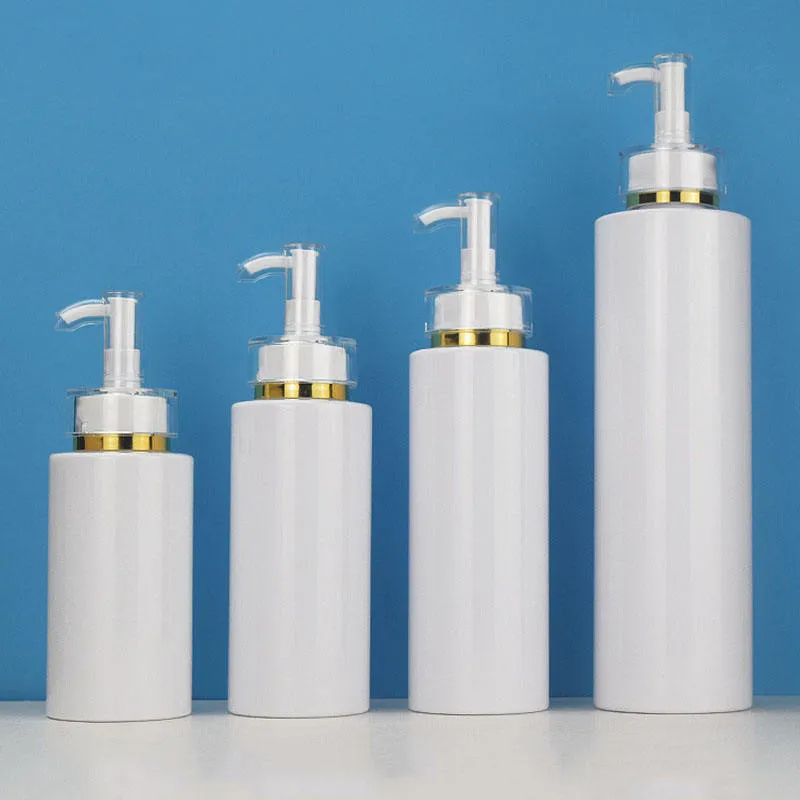
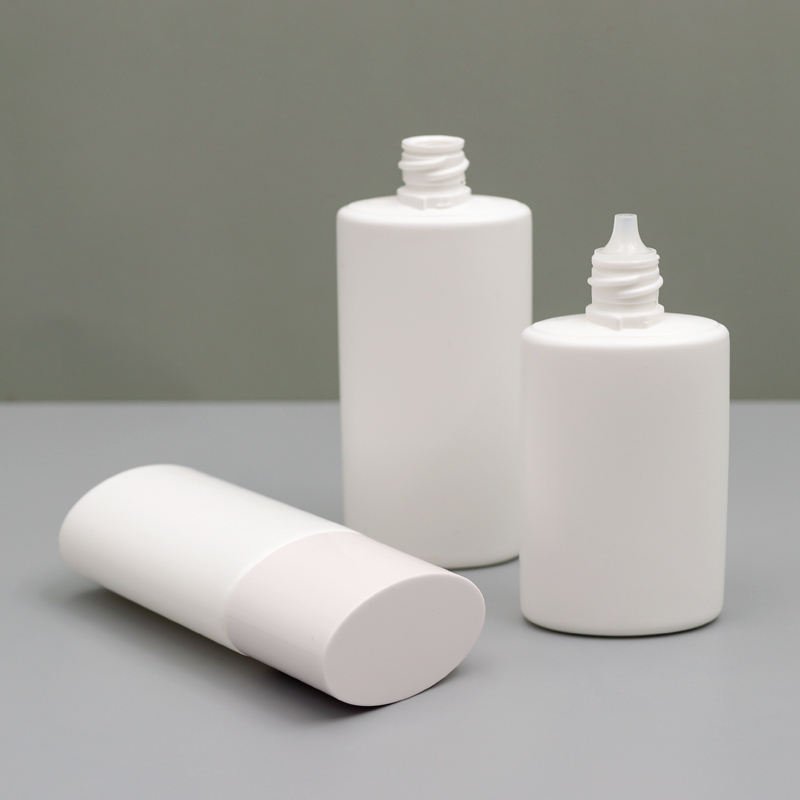
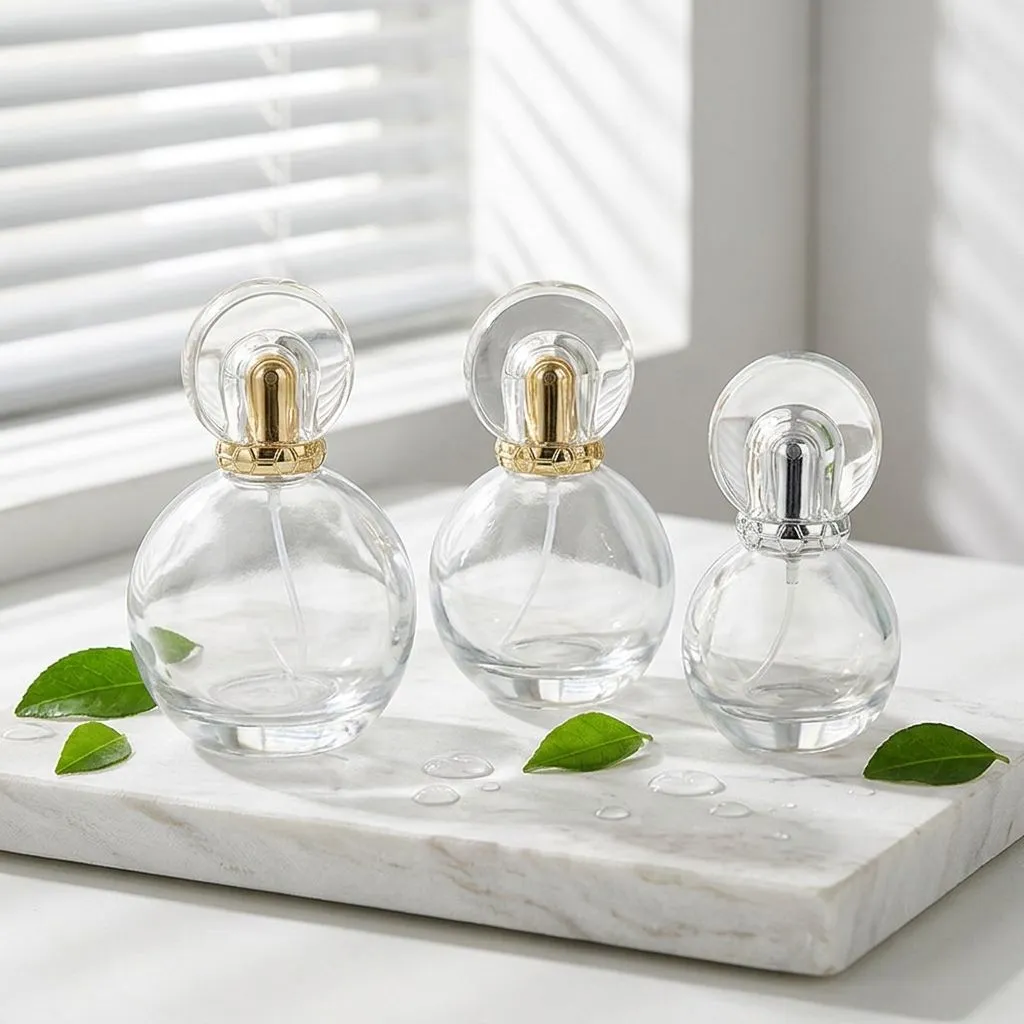
Advantages: broad format coverage; OEM/ODM support from 3D design through decoration and assembly; flexible coordination for glass, plastic, pumps, and accessories; standard samples before bulk production; and export support for multi-component projects. Its site describes incoming-material, in-process, finished-product, packing, and pre-shipment inspections.
Limitations: because the model includes both own production and partner sourcing, buyers should identify the actual plant for every critical component and decoration process. A one-stop quotation can simplify procurement, but it does not remove the need for component-level traceability.
MOQ, delivery, markets, and after-sales: Boyu publishes starting MOQs of 5,000 pieces for plastic bottles and 10,000 for glass bottles, with a standard 20–35-day production estimate; custom molds and complex finishes take longer. Its company page reports customers in more than 52 countries and global sales support. The contract should still define the claim window, replacement/credit method, evidence required, and freight responsibility.
Best for: emerging and established brands that want a single project team across several packaging categories. Before approval, request the plant list, material declaration, functional test plan, color tolerance, Golden Sample, AQL table, and written change-control rules.
2. HCP Packaging — Best for Large, Engineering-Heavy Beauty Programs
Base and main products: HCP was founded in Taiwan and has operated mainland-China factories since 1990, including Shanghai and Huai’an facilities. Its portfolio spans skincare bottles, airless systems, droppers, jars, tottles, closures, and a large color-cosmetics range.
Advantages: global engineering and regional sales support; stock and custom programs; extensive finishing; qualified packs developed with fillers; and documented China manufacturing scale. HCP publishes certification information including Cosmetic GMP and SA8000 for China plants, while individual products identify manufacturing location and technical specifications. This is the strongest evidence set in this shortlist for multinational launch support.
Limitations: HCP does not publish a universal MOQ or lead time. Its enterprise structure and engineering depth are likely to be excessive for a small, price-led test launch. Qualification, tooling, and governance may also make the buying process more formal.
MOQ, delivery, markets, and after-sales: RFQ. HCP has sales offices across Asia, Europe, and North America and describes regional engineering, sales, logistics, and warehousing support. Require a project schedule that separates design freeze, tool build, T1 samples, qualification, decoration approval, mass production, and transport.
Best for: established brands, complex dispensers, global shade/SKU programs, and customers that need local commercial support outside China.
3. Choebe — Best for Premium In-House Plastic Packaging Development
Base and main products: Dongguan-based Choebe focuses on skincare, personal care, and color-cosmetics packaging, including bottles, airless packs, jars, sunscreen tottles, and body-care containers.
Advantages: Choebe reports a 112,600 m² self-owned site, more than 900 employees, over 200 injection machines, and in-house mold design, molding, screen printing, hot stamping, plating, assembly, and other finishing. Keeping tooling and decoration inside one system can reduce handoff risk and makes root-cause analysis easier when a defect involves fit plus finish.
Limitations: public MOQ, standard lead time, and defect-remedy terms are not stated. Its premium positioning and large integrated operation may be less economical for small stock-pack orders. Some website claims are broad; buyers should request current certificates and scopes rather than relying on logos.
Markets, after-sales, and quality: Choebe says it has served foreign mid- and high-end brands for more than 24 years and offers English project communication and after-sales support. Its site names ISO, BSCI, and factory-inspection credentials, but a buyer should verify certificate number, issuing body, legal entity, site address, scope, and expiry.
Best for: premium plastic skincare/body-care families that require custom tools and coordinated surface finishing.
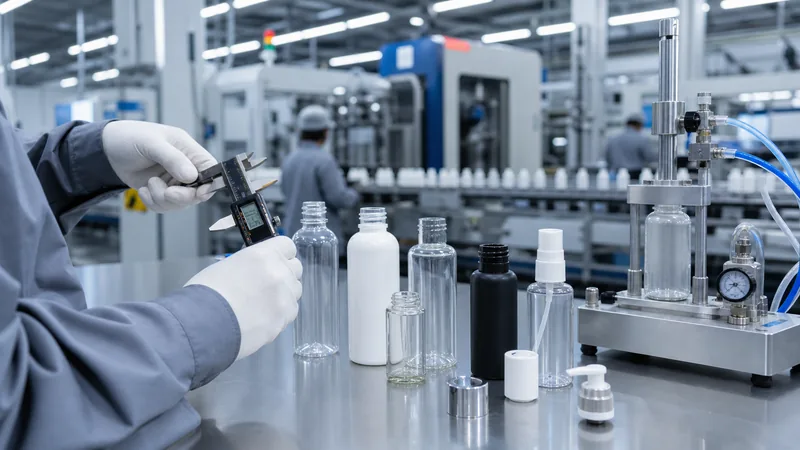 A credible supplier should convert “strict QC” into measurable specifications, sampling rules, calibrated tests, records, and a documented response to nonconformity.
4. Somewang — Best for Broad Plastic Bottle and Closure Sourcing
Base and main products: Ningbo Somewang says it owns factories for plastic injection and bottle blowing, tubes, pumps, and sprayers. Its core range includes PET, PE, and PETG bottles; PP, AS, and PS jars; closures; tubes; pumps; and sprayers.
Advantages: broad component coverage, published product specifications, free stock samples on multiple product pages, and a stated inspection sequence. Its about page says samples are made and tested before mass production, with inspection during production and random inspection before packing. This makes Somewang useful when a buyer wants both container and dispensing component from one supply group.
Limitations: the company’s published 10,000-piece MOQ and 30-day lead time appear on particular bottle pages, so they cannot be applied to every product. Claims such as “100% inspection” need operational definition: which characteristics, at what stage, with what gauge, and how failures are recorded?
Markets and after-sales: Somewang reports exports to more than 150 countries and regions, especially Europe, North and South America, the Middle East, Asia, and Australia. Public after-sales remedy terms are limited; put replacement, rework, credit, and claim evidence into the purchase agreement.
Best for: brands and distributors sourcing a coordinated plastic bottle, closure, pump, sprayer, or tube range at commercial volumes.
5. UKPACK — Best for Dispensing Systems and Mono-Material Development
Base and main products: UKPACK presents an end-to-end manufacturing operation for bottles, jars, lotion and foam pumps, airless packs, closures, and dispensing systems, including mono-material PP options.
Advantages: its manufacturing page gives unusually useful planning data: standard packs may start around 5,000–10,000 pieces per SKU; new custom tooling is typically 30–45 days to T1 samples; and a first production order is usually 25–35 days after sample approval. It also publishes third-party test-report information and supports DFM, tooling, molding, decoration, assembly, packing, and QC.
Limitations: the quoted ranges are indicative and can rise for special finishes, custom structures, or proprietary components. Buyers should confirm which processes and molds are owned in-house, which are outsourced, and whether the pump and bottle come from the same quality system.
Markets and after-sales: UKPACK describes global clients across beauty, personal care, and food. Public standard after-sales terms are not prominent, so define complaint response time, retained samples, failure analysis, and corrective-action reporting in the PO.
Best for: products in which dosage, priming, foam quality, airless evacuation, or recyclability architecture matters as much as appearance.
6. Jarsking — Best for Integrated Glass, Plastic, Decoration, and Cartons
Base and main products: Guangzhou-headquartered Jarsking offers cosmetic and perfume packaging across glass bottles, plastic bottles, jars, closures, decorations, custom molds, and paper cartons.
Advantages: the company publishes more commercial detail than most peers. It states typical MOQs of 5,000 glass containers and 10,000 plastic containers, provides digital proofs and physical samples, and publishes separate OEM, ODM, and full-custom timelines. Its site describes glass, plastic, mold, decoration, and carton workshops, which can simplify a retail-ready set.
Limitations: the company also notes that its factories are “backed by vetted partner factories.” Buyers should identify which legal entity and site will make each item. A broad turnkey scope can conceal multiple sub-suppliers unless the bill of materials and approved source list are contractually controlled.
Delivery, markets, and after-sales: published OEM lead time is roughly 33–65 days, ODM 40–60 days, and full-custom development 84–110 days; sea freight is additional. These are planning estimates, not guarantees. Ask for a dated critical path, weekly status cadence, and written remedies for late or nonconforming goods.
Best for: premium sets that need primary bottles, decoration, and secondary cartons managed in one program.
7. Rayuen Packaging — Best for a Stock-to-Custom Mid-Market Path
Base and main products: Rayuen supplies plastic and glass cosmetic containers, closures, pumps, tubes, fragrance packaging, and custom mold development.
Advantages: a practical two-level offer: its FAQ lists a 5,000-piece MOQ for stock items and generally 10,000 pieces for custom products, while a plastic-bottle page says fully custom projects may start at 10,000–30,000 depending on material and design. Stock samples are offered free, and its QC description covers material, manufacturing, decoration, assembly, packing, and final inspection.
Limitations: different Rayuen pages give different MOQ ranges, which is normal but proves that “MOQ” must be quoted at SKU and decoration level. The site does not publish a universal production lead time or detailed claims policy. Also verify whether a given container is made by Rayuen or sourced through its packaging network.
Markets and after-sales: the company targets beauty, skincare, personal care, fragrance, food, and supplement buyers worldwide. Sample and custom-development support are public; formal post-shipment remedies should be negotiated.
Best for: brands that want to begin with a proven structure, validate demand, and move into mold or decoration customization later.
8. Yicai Packaging — Best for Acrylic and PETG Skincare Collections
Base and main products: Shaoxing Yicai Plastics says it was established in 1991 and focuses on acrylic and PETG bottle-and-jar sets, glass bottles and jars, airless packs, lotion bottles, tubes, roller bottles, perfume packaging, and makeup components.
Advantages: long category specialization and a product assortment suited to matching skincare families. Acrylic and PETG structures can provide thick-wall visual depth without the weight of equivalent premium glass, while the range also allows buyers to source coordinated jars and lotion bottles.
Limitations: its public English information does not provide dependable company-wide MOQ, lead-time, after-sales, or certification details. “Fast delivery” and “one-step service” are marketing statements until supported by a product-specific schedule and plant evidence.
Markets, quality, and after-sales: the site is oriented toward export/OEM buyers, but regional sales coverage and remedy policies require RFQ confirmation. Request audit materials, resin and color controls, decoration adhesion test methods, assembly torque limits, retained samples, and historical on-time-delivery data for comparable SKUs.
Best for: brands seeking visually coordinated mid-to-premium acrylic/PETG skincare packaging and willing to perform deeper supplier qualification.
9. CHP Packaging — Best for Focused PET, PETG, PP, and PE Bottle Families
Base and main products: Shanghai Chuanhe Packaging Container Co., Ltd. (CHP) says it was founded in 2012 and manufactures plastic cosmetic, personal-care, and household bottles at its Songjiang facility. The range includes round, straight, flat, slant-shoulder, triangular, foam, dropper, sunscreen, wash-care, and full skincare series.
Advantages: narrow focus on plastic bottles; one- and two-step injection-stretch-blow molding, extrusion blow molding, and injection molding; custom mold development; and in-house decoration options. CHP publicly identifies ISO 9001, ISO 14001, ISO 45001, and BRCGS certifications and describes multi-stage QC.
Limitations: MOQ, hard lead-time ranges, and claim remedies are not publicly specified. Published brand-logo claims should never replace buyer references or a factory audit. Certificate copies must be checked for current validity and manufacturing scope.
Markets and after-sales: CHP states that it exports to Europe, North America, and Asia and promises a response within one business day. Shipment-level after-sales conditions require a written agreement.
Best for: buyers that need a coherent plastic bottle family and prefer a Shanghai-based, bottle-focused operation.
10. Gidea PAC — Best for Curated Premium Plastic Components
Base and main products: Ningbo-based Gidea PAC says it was established in 2003 and supplies premium plastic lotion bottles, airless bottles, jars, droppers, rollers, and spray bottles.
Advantages: a broad catalog and published typical MOQ of 5,000–20,000 units, plus free stock samples with buyer-paid freight. The range is useful when a purchaser needs design selection and matching components rather than a single high-output manufacturing process.
Limitations: Gidea states that it cooperates with more than 30 cosmetic packaging factories. It should therefore be evaluated as a packaging enterprise and supply-network manager, not assumed to be the direct manufacturer of every SKU. Its FAQ’s lead-time wording is incomplete and should not be quoted as a firm schedule.
Markets, quality, and after-sales: Gidea targets cosmetic, beauty, and personal-care brands worldwide. Ask for the actual factory name and address, approved sub-supplier list, inspection location, defect ownership, and whether repeat orders can move between plants without written approval.
Best for: teams that value catalog breadth and supplier coordination, provided they impose strong source transparency and change control.
11. Jaunce Industrial — Best for Fast Existing-Mold Projects
Base and main products: Jaunce Industrial, associated on its site with Hangzhou Zhexin Industrial, offers glass and plastic skincare bottles, airless packs, perfume bottles, essential-oil bottles, tubes, jars, and makeup components.
Advantages: practical product-level commercial data. One 250/450 ml PET lotion-shampoo bottle lists 3,000 pieces for a stock configuration, 10,000 for custom work, and a 30-day lead time after deposit. A glass skincare set lists 5,000 pieces and 45 days. The service page describes full inspection, sample development, and 24/7 after-sales support.
Limitations: the service page also markets much faster generic timelines than individual product pages. Use the product-specific quotation and never extrapolate the fastest claim to a custom mold, complex coating, or multi-component pack. Clarify the contracting entity and manufacturing site because the brand and legal-company naming differs across pages.
Markets, quality, and after-sales: export support is evident, but regional market coverage and the contents of the “after-sales guarantee” are not publicly detailed. Define response time, defect confirmation, replacements/credits, and freight allocation.
Best for: brands choosing an existing mold with standard decoration and a tightly documented schedule.
12. SGD Pharma Zhanjiang — Best for Industrial-Scale Molded Glass
Base and main products: SGD Pharma’s Zhanjiang, Guangdong plant is a center of excellence for Type II and Type III molded glass serving beauty, personal care, and pharmaceutical markets. The plant publishes one furnace, six lines, and capacity of 1.2 million glass vials and bottles per day, plus in-house lacquering, frosting, screen printing, hot stamping, and pad printing.
Advantages: clear plant-level evidence, industrial glass expertise, extensive certifications, and a 2,000 m² ISO 8 clean room. Its Zhanjiang page lists ISO 15378, ISO 9001, ISO 45001, ISO 14001, ISO 22000, SA8000, and ISO 50001. The site also reports ISO 14021 certification for quantified PCR glass content.
Limitations: this is a specialist molded-glass producer, not the obvious choice for a mixed low-volume portfolio of plastic bottles, pumps, tubes, and jars. Public MOQ and delivery terms are RFQ-only. Furnace economics, mold ownership, color campaigns, and decoration scheduling can create different constraints from plastic conversion.
Markets and after-sales: the site provides Asia customer-service contact details and global group infrastructure. Project-specific commercial support and claims terms must be agreed.
Best for: scaled molded-glass programs where process evidence, capacity, and formal certifications outweigh low MOQ.
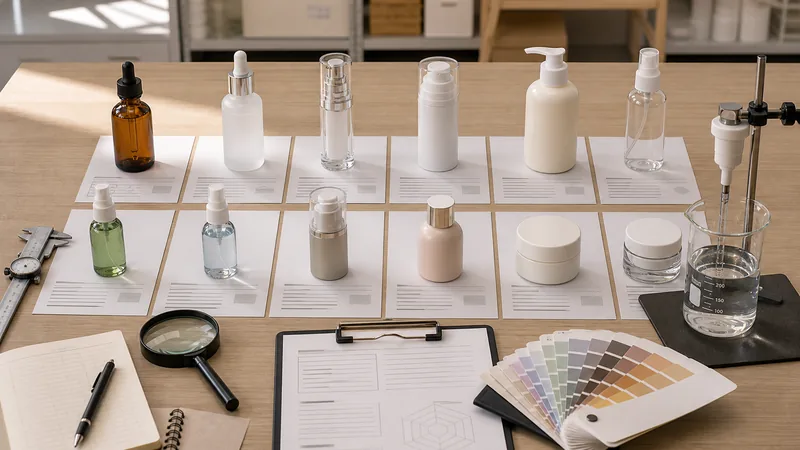 Compare suppliers using the same controlled brief, formula, test methods, and acceptance limits—not twelve different quotations built on twelve different assumptions.
How to Choose a Reliable Cosmetic Bottle Manufacturer in China
A reliable manufacturer is not the one with the most product photos. It is the supplier that can repeatedly make an approved bottle, control every component and process, produce usable records, and resolve a failure without ambiguity. Use the following sequence.
1. Start with the formula and user experience, not the bottle shape
Give the supplier formula viscosity, density, solvent/alcohol content, oils and surfactants, pH, light/oxygen sensitivity, fill temperature, expected shelf life, dose per use, consumer orientation, and intended sales channels. A 30 ml serum could require a dropper, atmospheric pump, airless system, or fine-treatment pump; the right option depends on formula behavior and dose, not volume alone. If your formula is confidential, use a mutual NDA and provide a representative test fill where possible.
2. Verify whether the supplier is the factory, a group, or an integrator
All three models can work. The risk is not using an integrator; it is believing every component comes from one factory when it does not. Match the business license, bank beneficiary, quotation entity, plant address, audit report, and certificate holder. Ask which site molds the bottle, makes the pump, decorates it, assembles it, and performs final inspection. Require written approval before a critical process or source changes.
3. Compare evidence, not certification logos
ISO 9001 is a quality-management-system standard; it does not certify that a particular bottle is compatible with your formula or leak-free. Ask for the certificate, legal entity, site, scope, issuing body, accreditation, and expiry. Then request product evidence: material declarations, specifications, inspection standards, calibration records, test reports, lot traceability, and corrective-action examples. A relevant, current record beats a long row of unexplained logos.
4. Run a controlled sample and compatibility program
Approve the full pack—not an empty bottle alone. Test the formula with the bottle, pump/dropper, gasket, dip tube, decoration, and label under intended and accelerated conditions. Track mass loss, leakage, discoloration, odor, swelling, cracking, delamination, corrosion, pump output, priming, clogging, dose variation, and evacuation. Separate formula-compatibility, stability, functional, and distribution protocols so each has a defined purpose and pass/fail rule. Do not treat a short transport test as a shelf-life compatibility study.
5. Turn the approved sample into an enforceable specification
A Golden Sample is useful only when supported by numbers. Specify resin/glass type, PCR percentage and calculation method, nominal and brimful capacity, weight, dimensions and tolerances, neck finish, closure torque, pump output, dip-tube dimensions, color standard and instrument/lighting, decoration position, adhesion method, surface defects, leak-test method, sampling plan, and pack-out. Sign and date retained master samples at both buyer and supplier locations.
6. Evaluate total landed risk, not unit price
Add mold amortization, decoration setup, overrun/underrun, inspection, testing, cartons, dividers, pallets, inland freight, export documentation, duties, ocean/air freight, warehousing, rejects, and rework. A bottle that costs a few cents less but fails at the pump, label, filling line, or parcel-delivery stage is more expensive. Ask every supplier to quote the same Incoterm, port, pack quantity, palletization, and specification.
RFQ and Factory-Audit Checklist
Annual forecast; first order; SKU/color split; Incoterm; currency; payment; tooling; MOQ by component and decoration; overrun/underrun; lead-time start event.
Formula data; nominal fill; material; neck; closure; pump output; dip tube; fill line; torque; color; artwork; tolerances; test methods; pass/fail limits.
Business license; plant address; process map; equipment list; ownership of molds; certificates and scopes; audit; traceability; calibration; CAPA example.
Approved component sources; subcontracted decoration; resin/glass suppliers; PCR evidence; change notification; mold maintenance; business continuity; repeat-order consistency.
Golden Sample; defect classes; sampling plan; test frequency; pre-shipment inspection; retained samples; traceability period; release documents; nonconformance process.
Claim window; photos/videos and sample evidence; response time; containment; 8D/CAPA; replacement, rework or credit; freight and duty responsibility; liability cap.
Ask finalists for three references involving a similar material, dispenser, finish, volume, and target market—not simply three famous names. With permission, ask the reference about repeat-order color consistency, on-time delivery, root-cause analysis, and how the supplier handled its last nonconformance. A real reference is most useful when the project resembles yours.
A Practical Quality-Control Plan for Cosmetic Bottles
| Gate | What to verify | Release evidence |
|---|---|---|
| Design / DFM | Fill volume, headspace, neck/closure fit, wall distribution, parting lines, decoration area, filling-line handling | Signed drawing, BOM, risk review |
| Sample approval | Appearance, dimensions, capacity, torque, output, priming, leak, decoration, compatibility | Signed Golden Sample and reports |
| Incoming materials | Approved material/grade, colorant, PCR batch, glass/resin documentation, supplier lot | COA/declaration and IQC record |
| First article | Critical dimensions, weight, finish, color, assembly and function before full run | First-article approval |
| In-process | Machine/cavity traceability, dimensions, flash, black specks, bubbles, stress, torque, output, print registration | IPQC log by time/cavity/line |
| Final / pre-shipment | Quantity, defect sampling, functional tests, leak test, pack-out, labels, carton strength, pallet | Inspection report, photos, release authorization |
| Transport validation | Conditioning, compression, vibration, shock/drop and leak as relevant to the actual route | ISTA or buyer-defined protocol report |
Sampling must be risk-based. Define critical, major, and minor defects yourself rather than accepting a generic AQL table; see Boyu’s cosmetic packaging AQL inspection guide for the decision logic and limits of sampling. Leakage, unsafe sharp edges, wrong material, gross contamination, and functional failure may be critical for one product; a small cosmetic speck may be major or minor depending on the brand and inspection zone. Increase controls during the first production run, after tool repair, after line/site/material changes, and when defect history worsens.
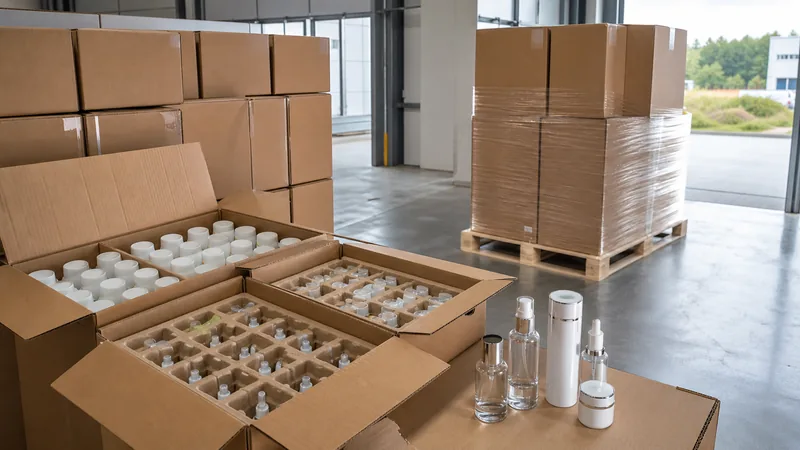 Transit validation should test the filled product, primary package, dividers, carton, pallet, and actual distribution mode as one system.
Important Sourcing Risks and Contract Notes
- MOQ is not one number. Bottle, cap, pump, custom color, coating, screen print, hot stamp, and carton can each have a different economic batch. Ask for excess-component ownership and storage terms.
- “30 days” may exclude development. State whether the clock begins at deposit, artwork approval, color-chip approval, Golden Sample, or final PO. Add dates for T1, corrections, pre-production samples, inspection, and ex-works readiness.
- Compatibility is the brand’s responsibility unless contracted otherwise. The supplier can support tests, but only your filled formula and intended conditions can validate the pack. Confirm who designs, runs, interprets, and signs the protocol.
- Decoration can be the weak link. Coatings, metallization, inks, hot stamping, and labels may fail after formula contact, sunscreen/oil exposure, humidity, rubbing, or temperature cycling. Test the final decorated pack.
- Pumps require their own specification. Define dose, output tolerance, priming strokes, re-priming after storage, actuation force, leakage orientation, dip-tube cut and clearance, evacuation target, and formula viscosity/particulates.
- Protect your tooling and design. State mold ownership, storage, maintenance, useful-life assumptions, access, exclusivity, transfer rights, and what happens if the supplier relationship ends.
- Ban silent changes. Require advance written approval for resin grade, PCR source/percentage, colorant, gasket, spring, dip tube, pump engine, decoration chemistry, mold cavity, factory, or subcontractor changes.
- Sustainability claims need evidence. “Recyclable,” “PCR,” “mono-material,” and “refillable” need composition, calculation method, chain-of-custody or test evidence, and relevance to the target market’s collection and recycling system.
Which Manufacturer Should You Shortlist?
- Choose Boyu when you need glass, plastic, dispensing components, decoration, and export coordination through one project team.
- Choose HCP or Choebe when custom engineering, premium finishing, and large-program governance outweigh low MOQ.
- Choose Somewang, UKPACK, or Rayuen for broad plastic and dispensing selections with stock-to-custom options.
- Choose Jarsking when the same project needs primary packaging, decoration, and secondary cartons.
- Choose Yicai or CHP for focused acrylic/PETG or plastic bottle families, subject to RFQ-level verification.
- Choose Gidea for catalog and supply-network breadth when you can tightly control actual manufacturing sources.
- Choose Jaunce for an existing-mold route with product-specific MOQ and schedule in writing.
- Choose SGD Pharma Zhanjiang for scaled molded-glass programs and formal plant-level systems.
Need a quote that can actually be compared?
Send Boyu your formula category, bottle volume, material preference, annual forecast, first-order quantity, decoration, target market, and launch date. We can recommend a stock, modified-stock, or custom route and identify the tests required before production.
Frequently Asked Questions
What is a normal MOQ for cosmetic bottles in China?
For the suppliers that publish figures in this review, stock or standard packs commonly start around 3,000–10,000 pieces, while custom plastic projects often begin around 10,000 pieces and can be higher. Custom glass, special colors, furnace production, multi-part pumps, and complex decoration can have separate or higher MOQs. Ask for MOQ by SKU, component, color, and process.
How long does custom cosmetic bottle production take?
Existing-mold production may be quoted around 20–45 days after all approvals, but tooling, sampling, corrections, compatibility work, and decoration can add weeks or months. One reviewed supplier publishes 30–45 days to first tool samples before a 25–35-day first production run; another publishes 84–110 days for full-custom development. Build the schedule by milestone.
Should I buy directly from a factory or use a one-stop packaging supplier?
Use a direct specialist factory when one process dominates the project and your team can manage pumps, decoration, cartons, testing, and logistics separately. Use a one-stop supplier when coordination and a single accountable project lead are more valuable. In either case, know the real source of each critical component and prohibit unapproved changes.
How can I confirm that a Chinese cosmetic bottle supplier is legitimate?
Verify the Chinese business license and unified social credit code, legal name, plant address, bank beneficiary, export entity, current certificates, website-domain email, factory video or third-party audit, equipment and process records, customer references, and sample traceability. Use a third-party on-site audit and pre-shipment inspection for material orders.
What tests should be completed before mass production?
At minimum, define appearance and dimensional checks, capacity, closure torque, leakage, drop/impact as relevant, pump/dropper function, decoration adhesion and resistance, filled-pack compatibility/stability, and transport validation for the actual distribution system. The test matrix must match the formula, material, closure, and market; there is no single universal test list for every cosmetic bottle.
Sources and Verification Notes
Company capabilities, MOQs, lead times, markets, and certifications were taken from the official pages below where available and checked in August 2026. Marketing claims remain supplier claims until independently audited. Links are provided for verification.
- Boyu Packaging — About Us and quality-control overview; plastic bottle MOQ and lead-time information.
- HCP Packaging — company history, products and locations; certifications; regional support and manufacturing locations.
- Choebe — company, facilities and certificates; in-house production capabilities.
- Somewang — factories, products, markets and QC; HDPE bottle MOQ and lead-time example.
- UKPACK — manufacturing, MOQ and lead-time FAQ; third-party test-report information.
- Jarsking — facilities, MOQ, lead times and sampling.
- Rayuen — MOQ, samples and quality-control FAQ; custom plastic bottle range.
- Yicai Packaging — company history and product range.
- CHP Packaging — factory, processes, markets and certifications.
- Gidea PAC — company model and product focus; MOQ and sample FAQ.
- Jaunce Industrial — service, QC and after-sales overview; PET bottle MOQ and lead-time example; glass set MOQ and lead-time example.
- SGD Pharma — Zhanjiang plant, capacity, products and certifications.
- ISO — ISO 9001 explained.
- International Safe Transit Association — packaged-product test procedures.

 English
  Español de Argentina
  Русский
  Italiano
  日本語
日本語  한국어
한국어  العربية
  Français
  Deutsch