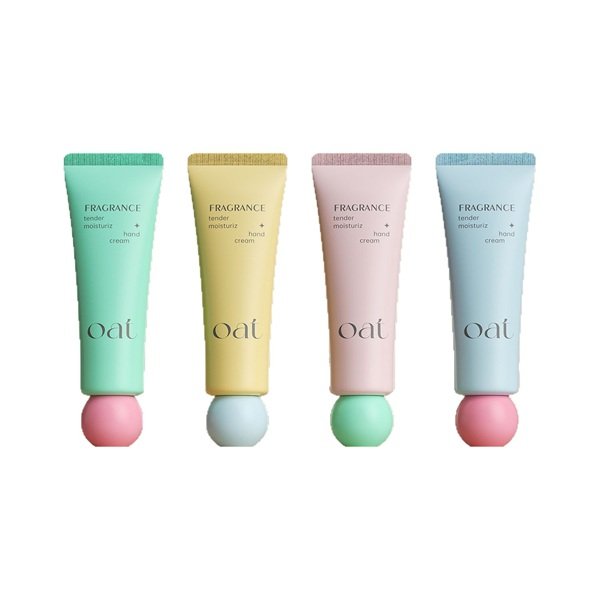
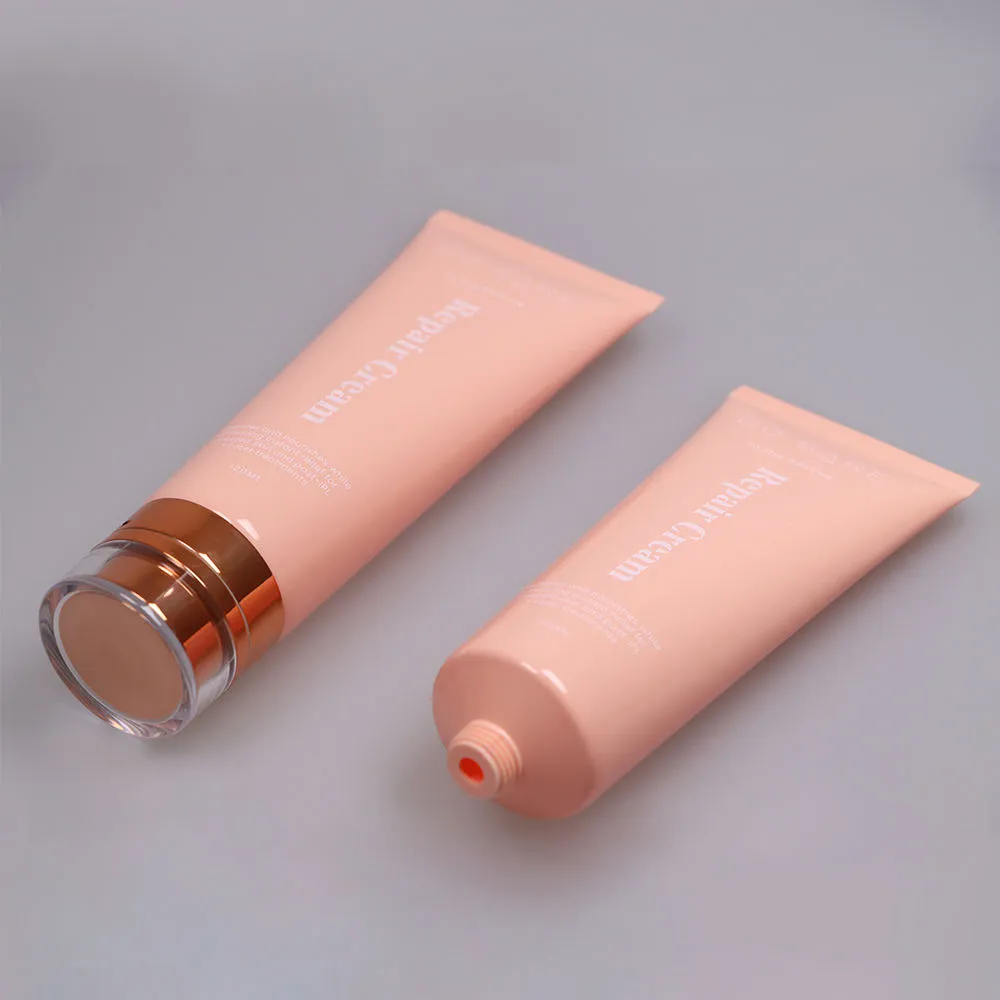
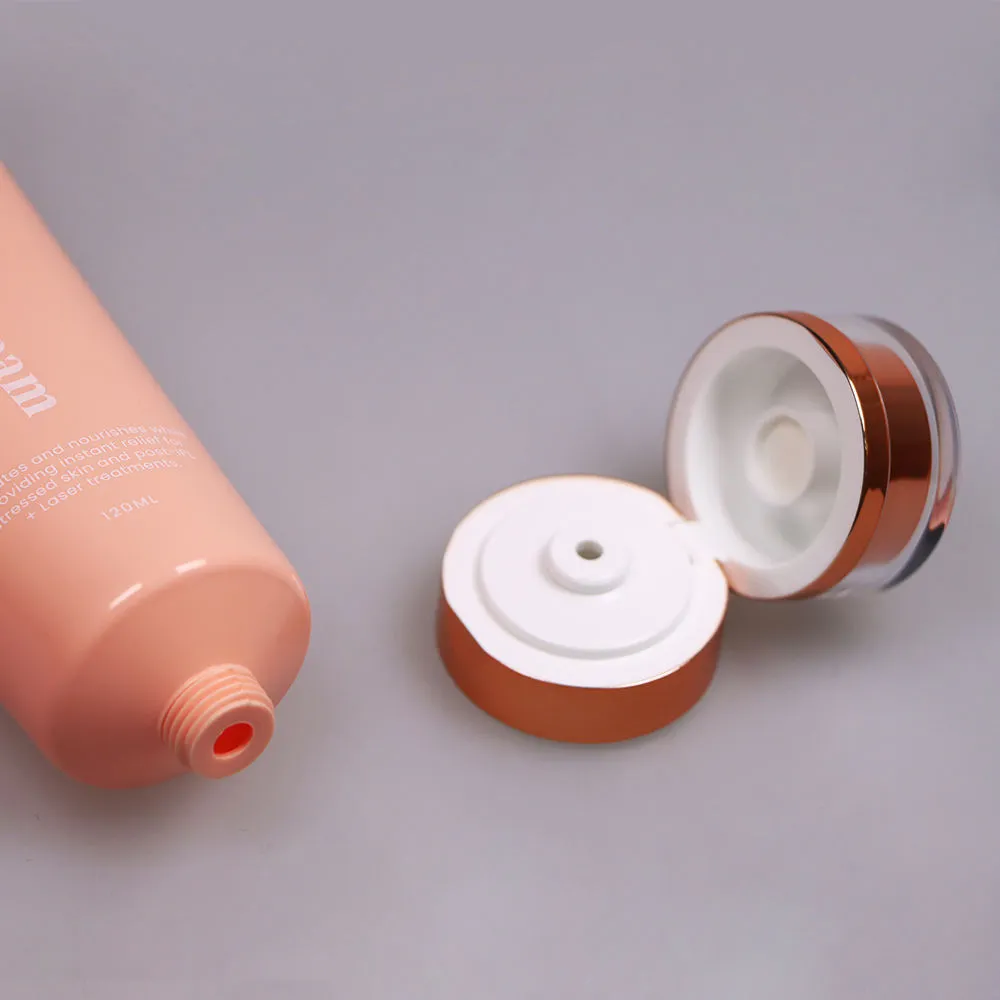
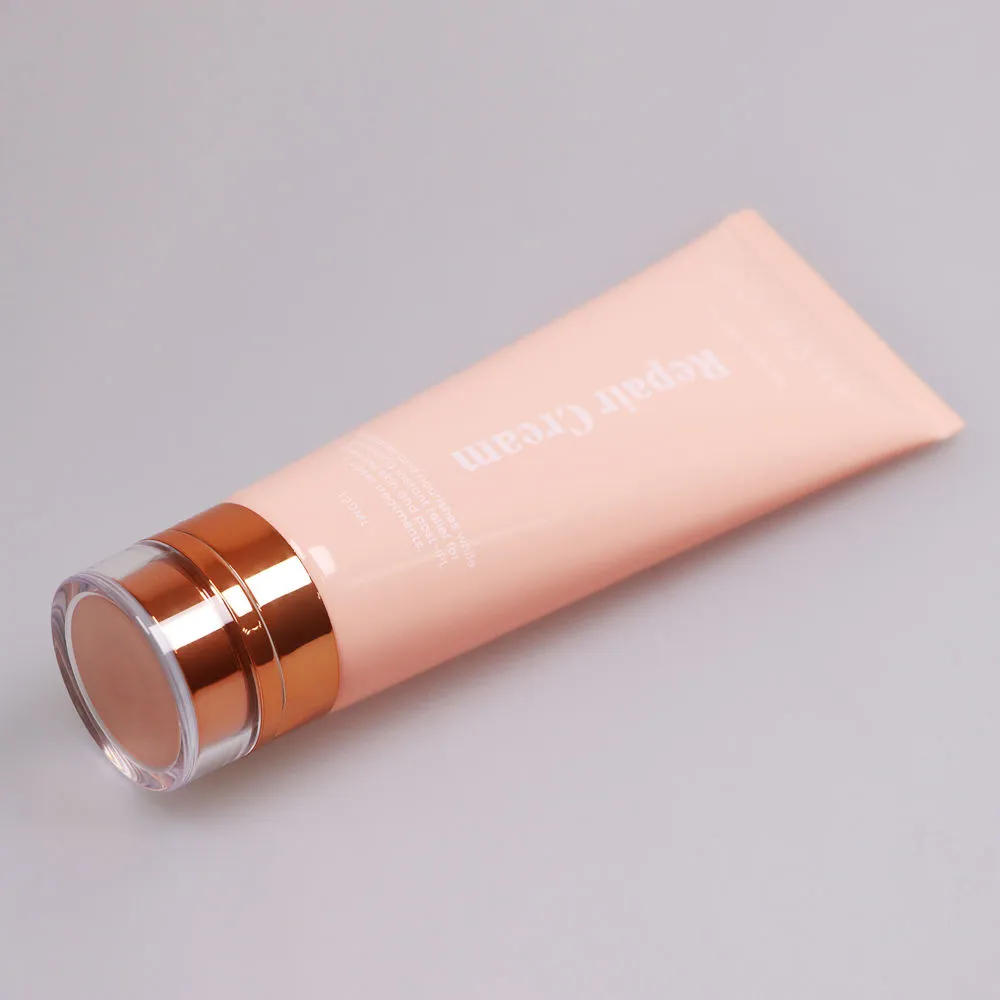
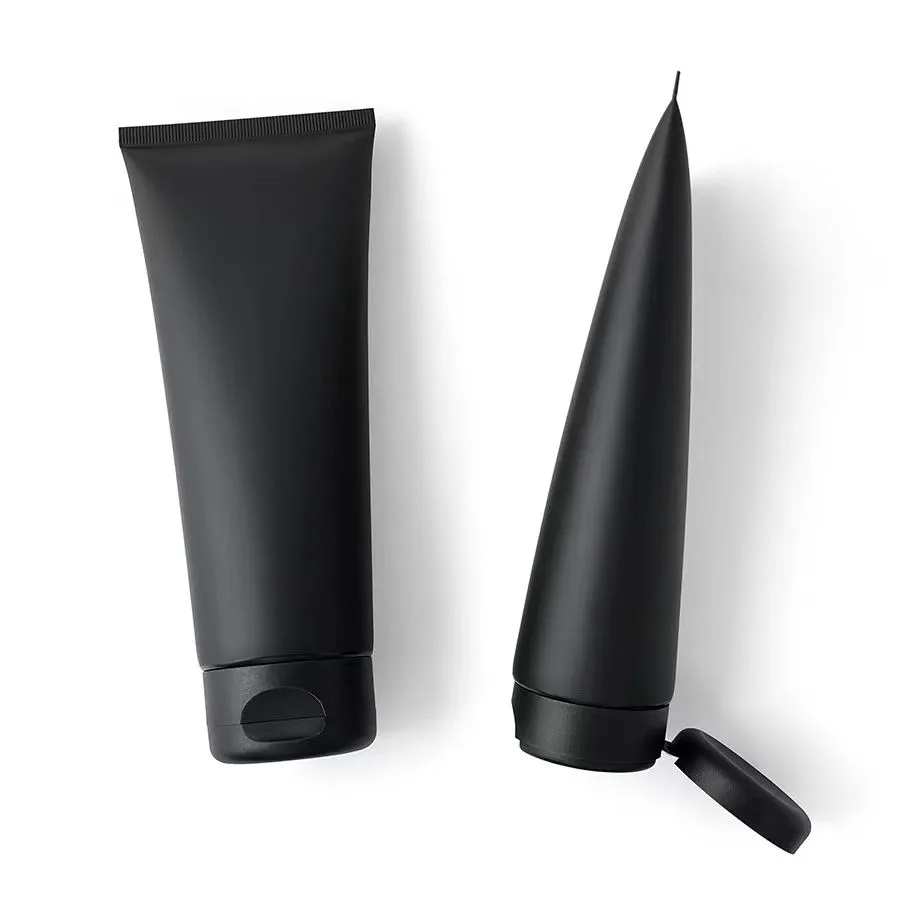
Custom 100ml and 200ml Facial Cleanser & Cream Squeeze Tubes
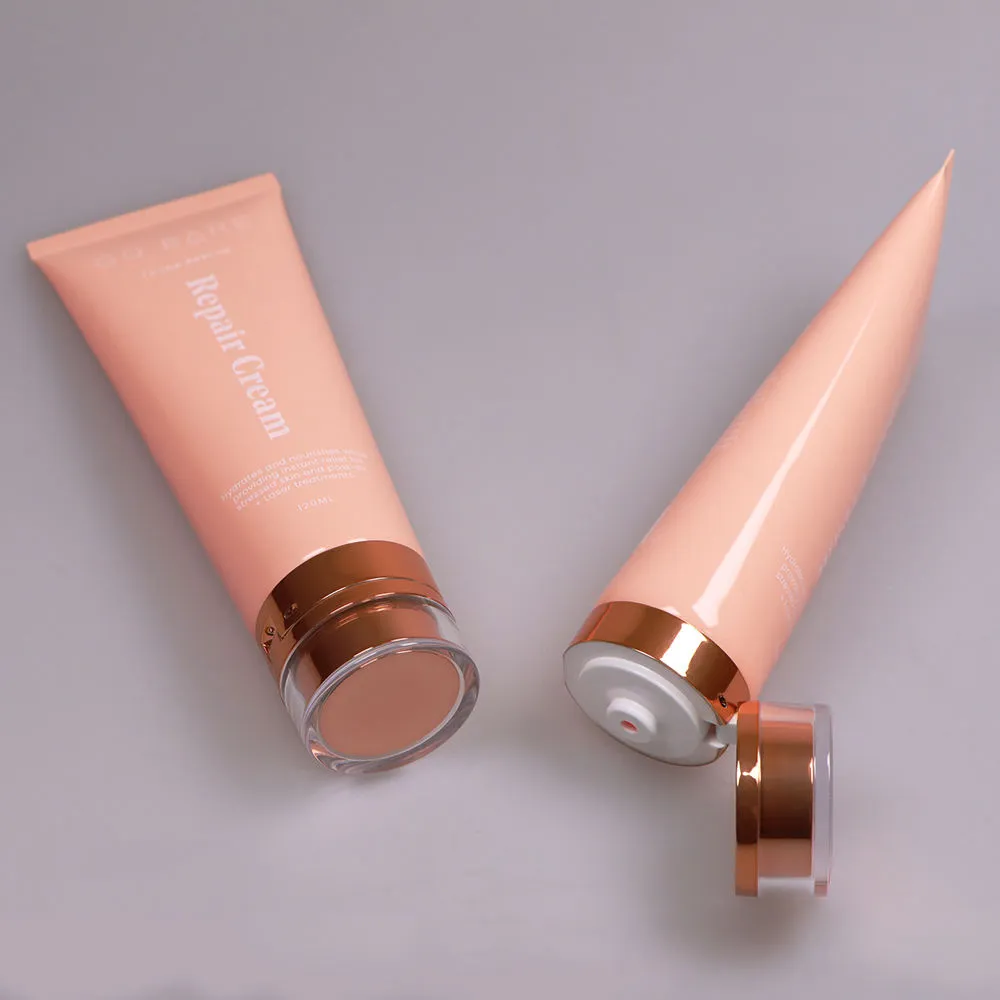
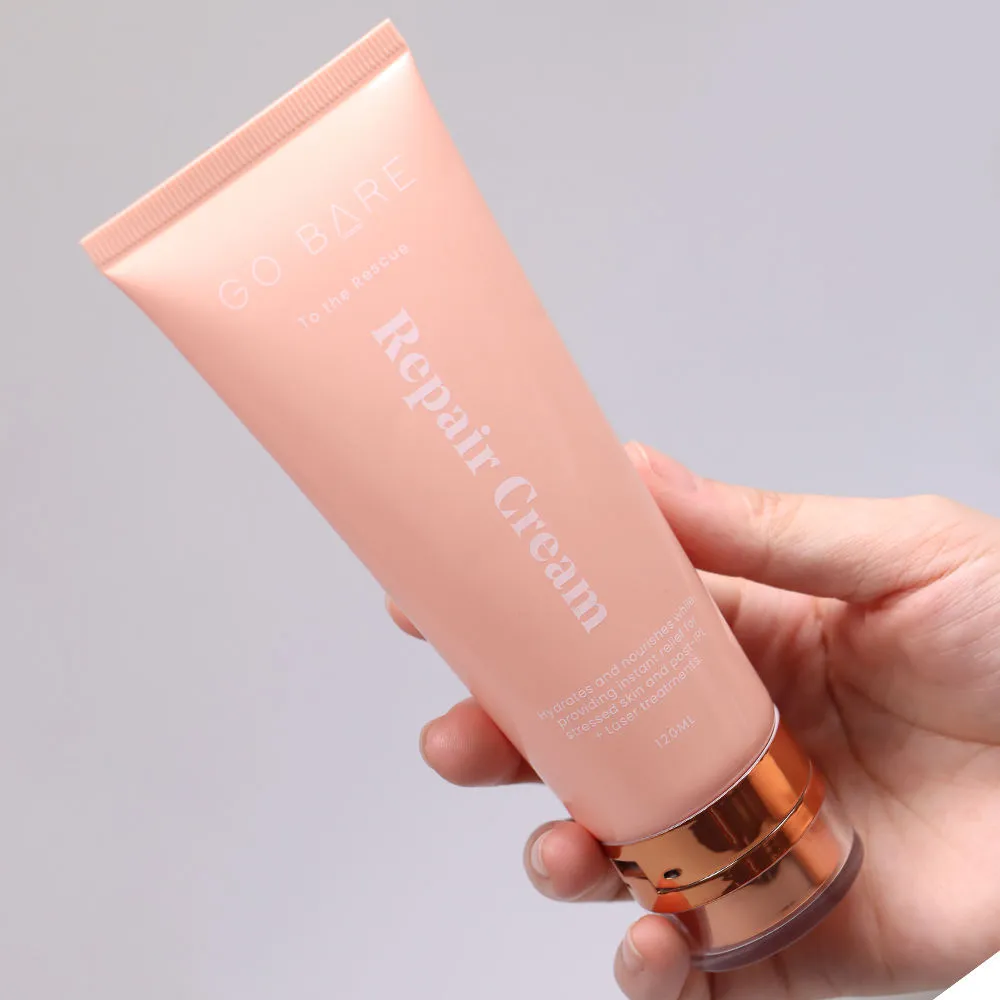
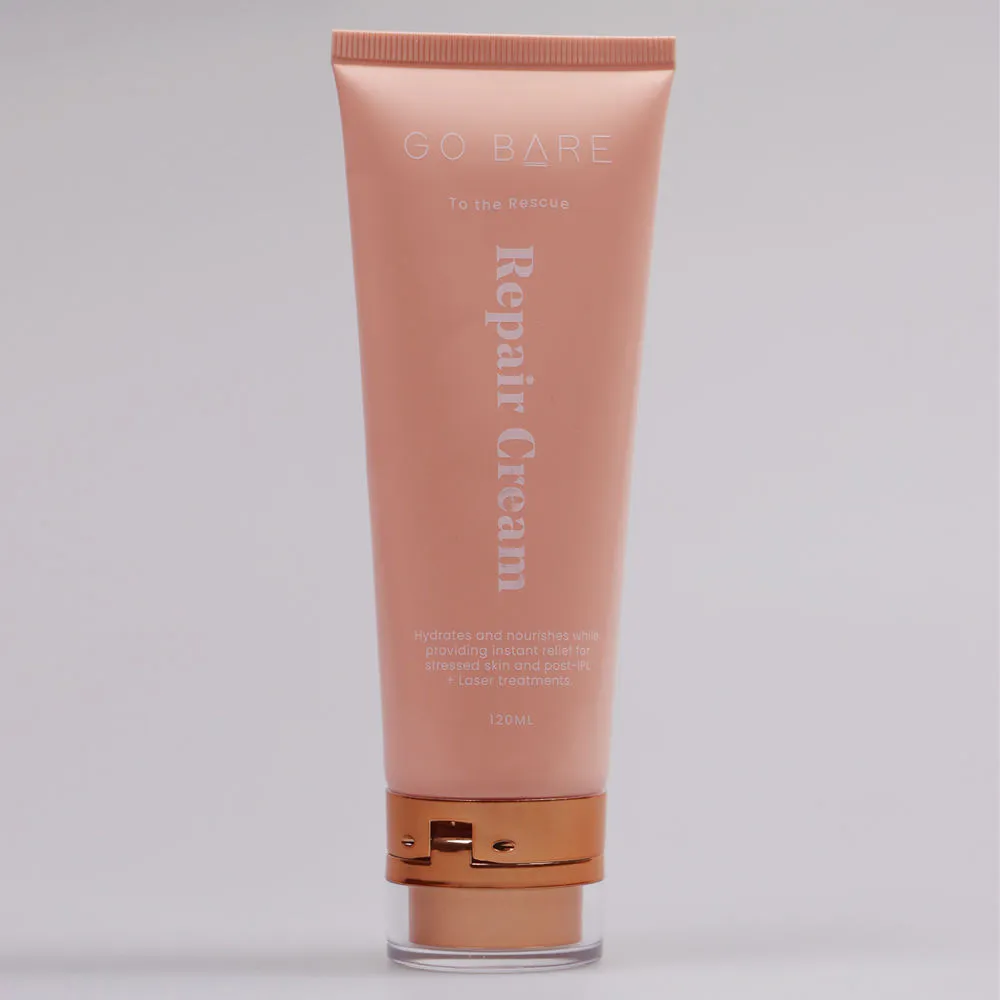
Boyu Packaging’s BY-T002 cosmetic tube gives skincare brands a practical format for face wash, cream, lotion and shampoo. Choose a 100ml or 200ml pack, a PE, ABL or PBL structure, and a matching flip-top or screw cap. The round squeeze body offers convenient dispensing, with custom colors and direct logo printing to suit your product range.
Explore our cosmetic cream tube collection or read our ABL and PBL tube comparison before choosing the material. For an existing project, send your specifications for a quotation.
Product Specifications
| Brand / Model | Boyu Packaging / BY-T002 |
|---|---|
| Main Capacities | 100ml and 200ml; final filling volume to be confirmed |
| Listed Diameter | 40mm; confirm the diameter and length combination for each capacity |
| Material Options | PE, aluminum barrier laminate (ABL), or plastic barrier laminate (PBL) |
| Shape | Round squeeze tube |
| Closure | Flip-top cap; screw-cap option subject to neck compatibility |
| Decoration | Offset printing, silk screen printing and hot stamping |
| Colors / Logo | Custom tube and cap colors; customer logo accepted |
| Applications | Facial cleanser, face wash, face cream, lotion, shampoo, sunscreen and BB cream, subject to formula testing |
| MOQ | 10,000 pieces per design |
| Samples | Available existing samples provided free; international courier charges paid by the buyer. Custom samples quoted separately. |
| Height / Weight / Wall Thickness | To be confirmed for the selected structure and approved technical drawing; no verified values supplied |
| OEM / ODM | Supported |
| Place of Origin | Zhejiang, China |
| Bulk Packing | Cartons; quantity per carton, dimensions and gross weight confirmed before shipping |
Capacity range: the listed 3ml–400ml range describes broader tube options, not every capacity on the same 40mm structure. The marketplace single-package data of 29 × 15 × 15cm and 0.5kg is not a verified tube dimension, empty unit weight or bulk-carton specification.
Choosing Between 100ml and 200ml
A 100ml tube suits a compact retail cleanser, face cream or hand-care product. A 200ml format gives more product per pack for daily face wash, shampoo or body care. For BB cream and targeted skincare, check whether this larger format fits the intended dose and positioning.
At a fixed diameter, increasing capacity generally requires a longer tube. Before approving a 200ml design, check shelf height, grip comfort, artwork proportions and filling-machine clearance. A different diameter may produce a better-balanced pack. Nominal capacity is not the same as maximum internal volume: the filling and sealing process needs headspace and a clean tail-seal area.
Milliliters measure volume; grams measure mass. A 200ml tube should not automatically be labeled as a 200g pack without checking the formula’s density and actual fill weight.
PE, ABL or PBL: Which Structure Fits the Formula?
The material options are alternatives, not three materials combined in every BY-T002 tube. Select the structure before comparing prices.
| Structure | Benefits | Trade-offs |
|---|---|---|
| PE | Flexible feel, practical everyday dispensing and versatile decoration. | Barrier protection varies with the resin and layer structure; standard PE is not a universal solution for sensitive formulas. |
| ABL | An aluminum layer provides strong light and gas barrier protection. | May retain creases after squeezing; the mixed structure makes recycling more difficult. |
| PBL | A plastic laminate offers a smooth appearance; barrier layers can improve product protection. | Barrier level and recyclability depend on the exact laminate, not simply the PBL name. |
For a sunscreen, fragranced cream or active skincare formula, confirm the full layer specification and run filled-pack tests. Appearance and squeeze feel alone do not establish compatibility or shelf life. Boyu’s barrier-structure guide provides more detail.
What Makes This Format Useful?
- Easy daily use: a flip-top cap keeps the lid attached and makes opening and closing convenient.
- Lightweight handling: a flexible tube avoids the breakage concerns associated with glass.
- Consistent branding: 100ml and 200ml packs can share colors and artwork styling while using size-specific printing layouts.
- Simple dispensing: squeezing gives the user control, although the dose is not metered as it would be with a pump.
- Useful display area: the round body accommodates a front logo and back-panel product information.
The limitation is that squeeze force, recovery and product evacuation depend on wall structure and viscosity. An overly stiff tube can be tiring to use; a very soft one may feel less substantial. Sample evaluation is more useful than choosing by wall thickness alone. The listed design is a conventional round format, rather than a patented or uniquely engineered structure.
Color, Logo and Printing Options
Provide a Pantone reference or physical color sample for the tube and cap. Matching different materials can require separate adjustments, so approve both components together. If a matte or glossy finish is important, specify it with the quotation request rather than assuming it is included.
- Offset printing: suitable for detailed multi-color layouts, subject to artwork and material review.
- Silk screen printing: useful for strong spot-color logos and text.
- Hot stamping: adds gold, silver or another available metallic foil accent.
Send editable vector artwork and request a dieline for each size. Keep required text within the approved print area and away from the shoulder, seam and tail-sealing allowance. For a laminated tube, consider where the side seam falls relative to the main logo. Final adhesion and foil durability should be checked on the actual tube, not only on a digital proof.
Caps, Sealing and Leakage Prevention
The main closure is a flip-top cap; a compatible screw cap can be reviewed as an alternative. Confirm the dispensing opening, cap material, hinge function and sealing contact. A small opening may restrict a thick cream, while a large opening may release thin shampoo too quickly.
Leak control involves three areas: the cap opening, the shoulder-to-body connection and the filled tube’s tail seal. The final tail seal is often made by the buyer’s filler after filling through the open end. Agree whether tubes will be supplied with open or sealed tails, and whether an orifice membrane or other tamper-evident feature is required. These are not automatically included.
- Check cap fit, closing action and sealing surfaces.
- Approve the tube structure for the selected filling and sealing equipment.
- Keep formula residue out of the tail-sealing area.
- Validate sealing settings, fill temperature and headspace.
- Test filled packs upright and inverted, with squeezing and transport simulation as appropriate.
Compatibility and seal tests should use the actual formula. Empty-component inspection alone cannot guarantee a leak-free filled product.
Production and Quality Control
Production differs by structure. PE tubes typically use an extruded body that is cut to length and fitted with a molded shoulder. ABL and PBL tubes use laminate formed into a body with a side seam before heading. Decoration and assembly sequences depend on the selected construction and printing process.
The practical order is specification approval, material preparation, body forming, shoulder and neck production, decoration, cap matching, inspection and packing. The agreed quality plan should cover:
- Material identification and batch traceability
- Diameter, length, unit weight and wall or laminate specification
- Body appearance, shoulder connection and laminate seam where applicable
- Print position, color consistency, adhesion and foil coverage
- Cap fit, hinge operation and dispensing opening
- Leak and seal-strength checks using agreed sample sizes and methods
- Carton quantity, cleanliness and protection against rubbing or deformation
Define acceptance limits before production. Critical dimensions and visible defects should be judged against the approved drawing and retained sample. If inspection reports or third-party checks are required, include them in the purchase order.
About Boyu Packaging
Hangzhou Boyu Packaging Co., Ltd. supports custom cosmetic packaging projects, including tube selection, decoration and matching closures. Buyers can work with Boyu on the packaging brief, sampling and production arrangements. This product is listed with Zhejiang, China as its origin; the company’s Hangzhou location does not change that product-origin specification.
For a supplier audit, request the manufacturing-site details, process scope and current documents relevant to your order. See Boyu Packaging’s company introduction for an overview.
Safety, Recycling and Reuse
Choose materials for the intended formula and destination market, and request applicable material declarations or test documents. No product-specific certification or universal compatibility claim is implied by the material names on this page.
Recyclability depends on the complete pack: tube layers, closure, pigments, decoration and local collection systems. PE, PBL and ABL should not be described as equally recyclable. If recycled content or a recycling claim is part of the brief, confirm the exact structure and supporting documentation before printing the claim.
A heat-sealed cosmetic tube is generally designed to dispense its original contents, not for repeated household refilling. Cleaning the interior and preserving hygiene are difficult. A reusable claim requires a purpose-designed and validated refill system.
MOQ, Pricing and New Molds
The standard MOQ is 10,000 pieces per design. Please list quantities separately for the 100ml and 200ml versions, each color and each artwork. Combined quantities do not automatically meet the MOQ for every version.
Pricing depends on diameter, length, layer structure, cap, decoration, quantity and packing. To compare quotations fairly, check that the tube and cap, printing setup, foil work and shipping terms are included on the same basis. A unit price cannot be confirmed from capacity alone.
An existing tube diameter and compatible standard closure may avoid new mold costs. Changing tube length may be possible within existing production limits, but it still needs technical confirmation. A new shoulder, neck, custom cap or other structural feature can require tooling. Printing plates and screens are separate setup items and should not be confused with mold fees.
OEM Process and Delivery Planning
- Share capacity, formula type, quantities, colors, artwork and destination.
- Confirm the structure, cap, dimensions and filling method.
- Review the quotation and sample plan.
- Test samples with the formula and approve the dieline and colors.
- Approve the production standard, payment terms and schedule.
- Complete production, inspection and export packing.
- Arrange shipment and retain samples for future repeat orders.
For planning, allow approximately 30–45 days for standard customized mass production once the deposit and final sample/artwork approvals are in place, subject to the confirmed order schedule. This is not a fixed BY-T002 delivery promise. Tooling, sampling revisions and international transport require additional time.
Available existing samples can be provided free, with international freight paid by the buyer. Color-matched or printed samples may involve separate charges and preparation time.
Shipping and After-Sales Support
Empty tubes occupy space even when they weigh little. Ask for actual carton dimensions, units per carton, gross weight and total CBM before comparing transport costs. Confirm whether the quote is EXW, FOB, CIF or another agreed basis and what destination charges remain payable.
Protect printed surfaces against rubbing and keep cartons away from crushing loads or excessive heat. Your filler should also confirm how the tubes must arrive for feeding, filling and sealing.
If a problem is found, retain samples and carton labels, and provide the order number, batch, affected quantity, photos and videos. For leakage, include the filling and sealing conditions so the cause can be investigated. Replacement or other corrective action should follow the agreed quality responsibilities and order terms.
Product Questions
Are both capacities definitely 40mm in diameter?
40mm is the listed diameter. The final diameter and length must be confirmed for each 100ml and 200ml version; the listing does not establish two complete technical drawings.
Can the same tube cover the whole 3ml–400ml range?
No. That range refers to different sizes within a wider collection. Different capacities may need different diameters, lengths and closures.
Which material should I choose for sunscreen?
There is no universal answer. Review the formula’s barrier needs and compatibility, then test the selected PE, ABL or PBL construction before approval.
Can I order 5,000 of each capacity to meet 10,000?
The standard MOQ is 10,000 per design. Do not assume mixed sizes can share one MOQ; send the breakdown for review.
Are flip-top and screw caps interchangeable?
Only if the neck and sealing structure are compatible. Confirm a matched tube-and-cap sample before switching.
Does the 0.5kg weight describe one empty tube?
No verified empty tube weight is available here. The 0.5kg figure is a listed single-package gross weight and should not be used as the tube’s net weight.
Can you print my logo and back-label instructions?
Yes. Provide editable artwork for review against the size-specific dieline, decoration method and sealing allowance.
What should I send for a quote?
Send the quantity per size/design, formula type, preferred material, closure, tube and cap colors, artwork, destination and required delivery date.
Request a Sample or Quotation
Contact Boyu Packaging with your 100ml or 200ml tube requirements. We can review the structure, cap and decoration options before preparing a project-specific quotation.
 English
  Español de Argentina
  Русский
  Italiano
  日本語
日本語  한국어
한국어  العربية
  Français
  Deutsch