BOYU PACKAGING · CONTROLLED ROLL-ON APPLICATION
Wholesale Essential Oil Roller Bottles Manufacturer
Custom glass and plastic roll-on packaging engineered around bottle-neck fit, ball quality, formula compatibility, leak resistance and smooth, repeatable product transfer.
Discuss your roller bottle project →
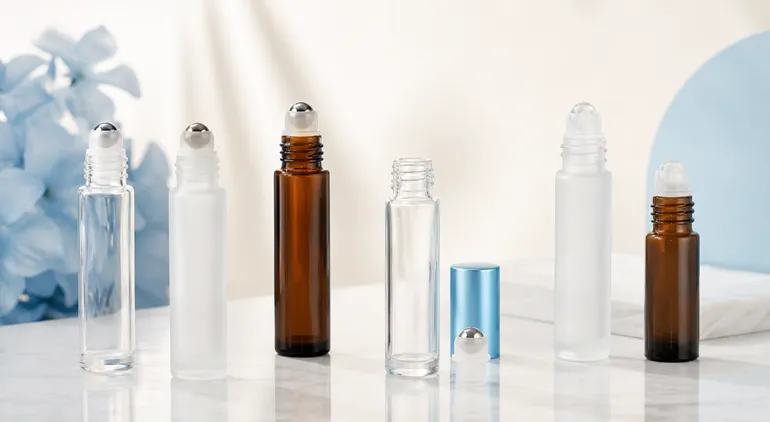
Main capacities: 3ml, 5ml, 6ml, 10ml, 12ml and 15ml for essential oil and perfume oil; larger roll-ons available for specialized care.
Applicator options: Stainless-steel, glass or plastic balls with a matched PP/PE housing and coordinated cap.
Customization: Clear, amber, cobalt, frosted or coated glass; custom cap color/finish, logo, box and private mold.
Essential Oil Roller Bottles Engineered as a Complete Applicator
Boyu Packaging supplies wholesale roll-on packaging for essential-oil blends, perfume oils, aromatherapy, targeted skincare, cuticle care and travel products. Reliable performance comes from the complete system—not the bottle alone. The bottle neck, press-fit housing, roller ball, socket clearance, cap, formula viscosity, fill level and application method must be qualified together.
Latest Roller Bottle and Essential Oil Packaging Designs
Explore 12 relevant roller bottle and essential-oil packaging options. Elevate Your Brand. View the Rollerball Bottle Collection →
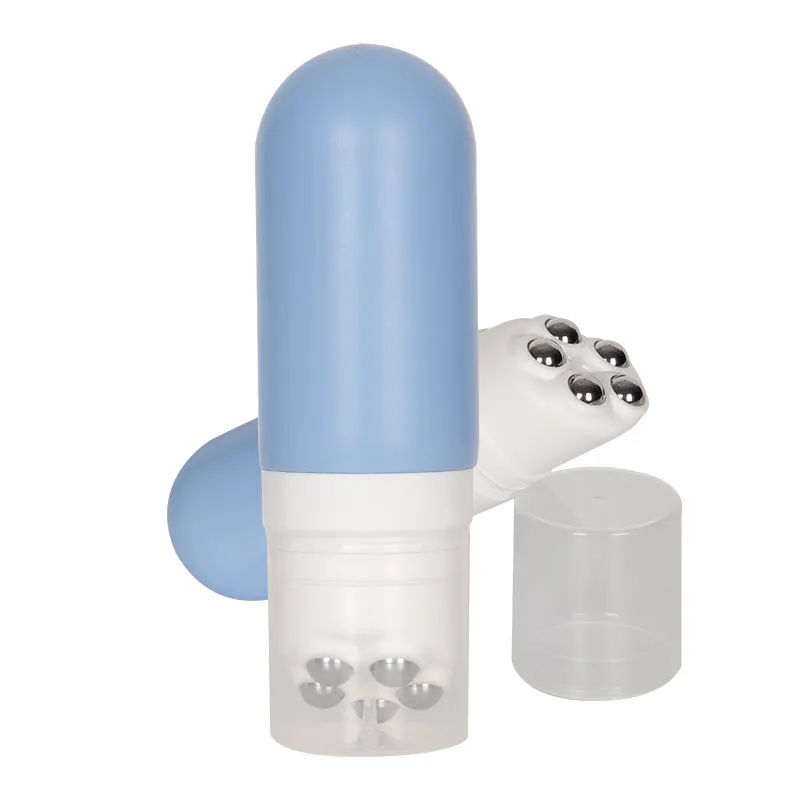 Plastic PE Body and Face Massage Roller Bottle 150ml
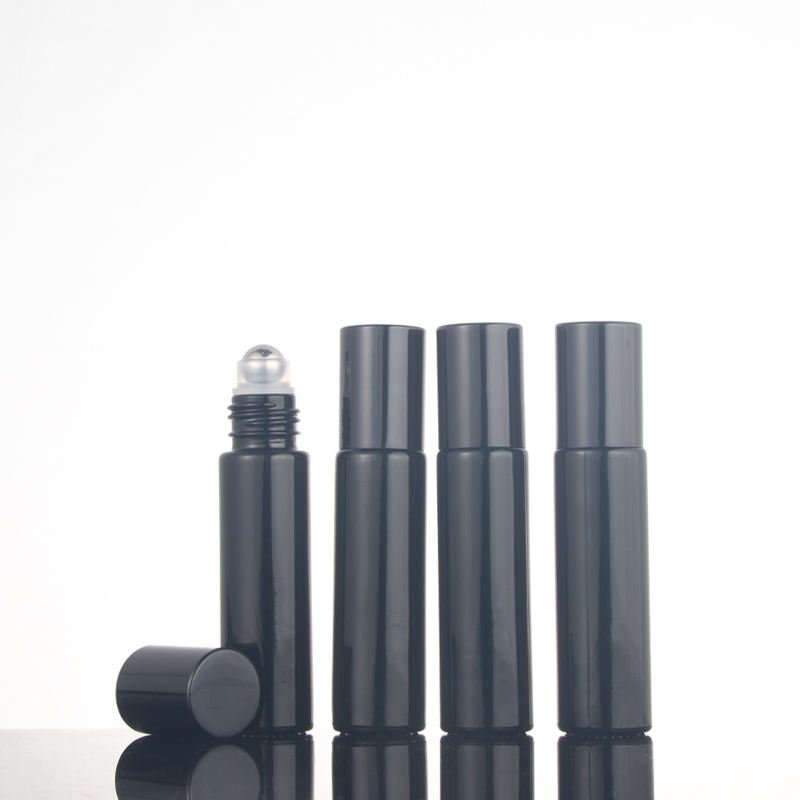 Black Essential Oil Roller Roll-on Glass Bottle 10ml
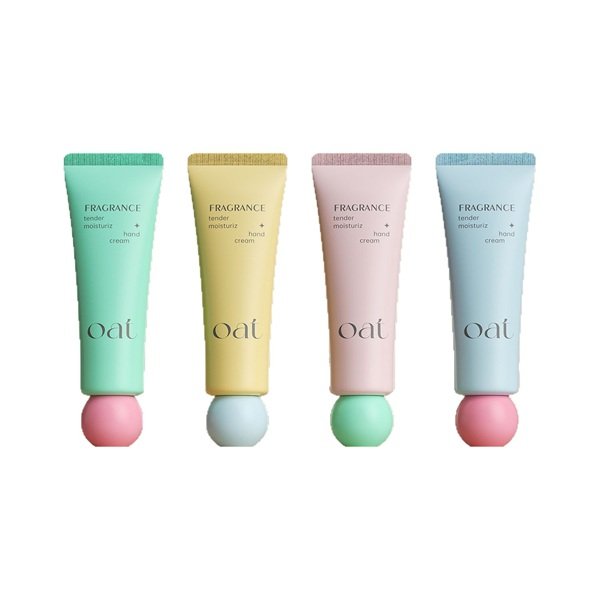
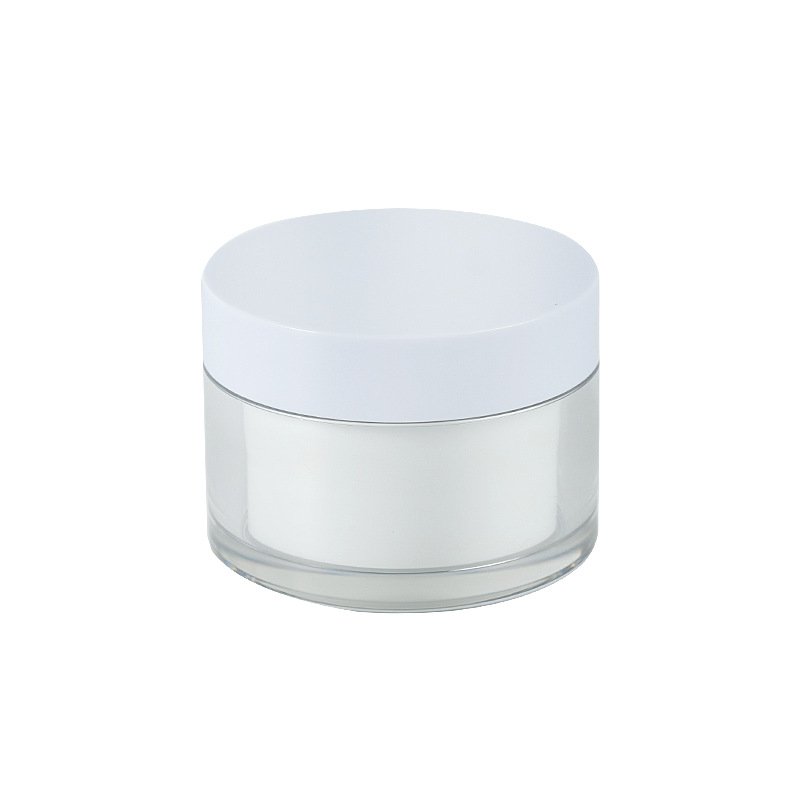
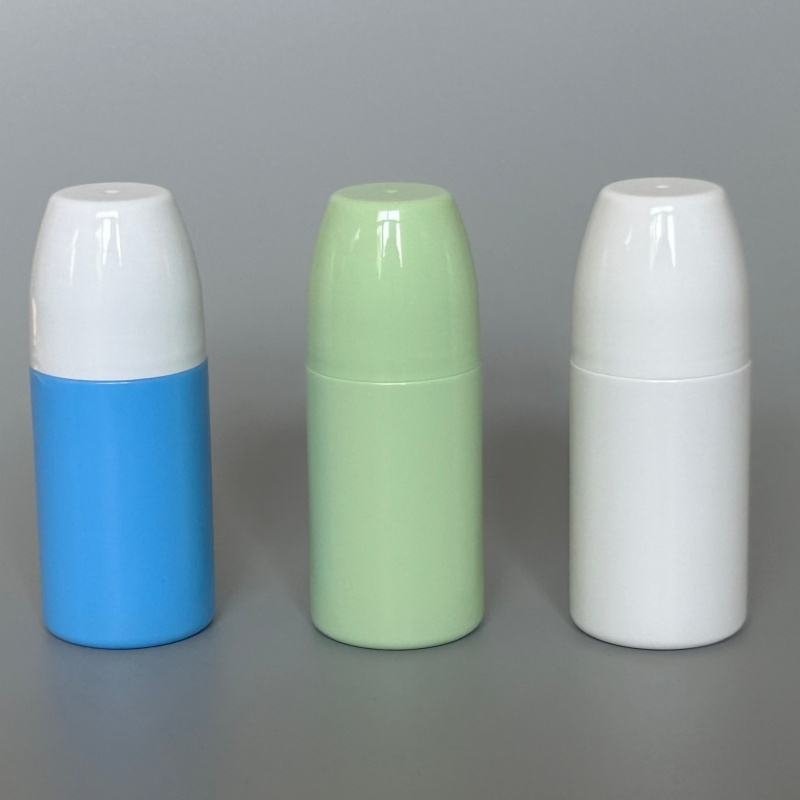 White Green Blue PP Plastic Eye Cream Roller Ball Bottle 50ml
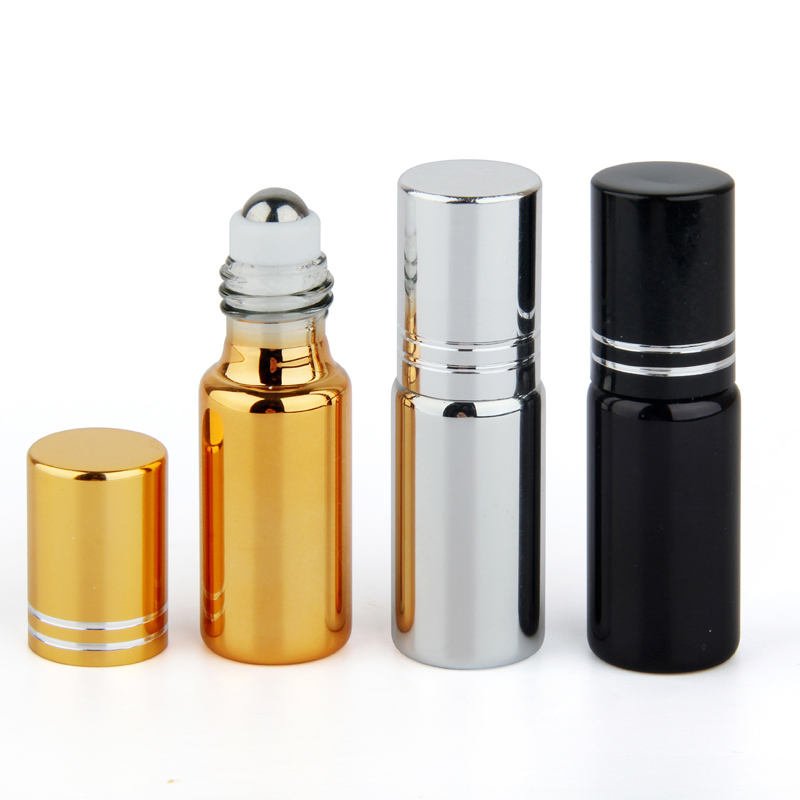 Glass Refillable Rollerball Perfume Bottle with Screw Cap 5ml
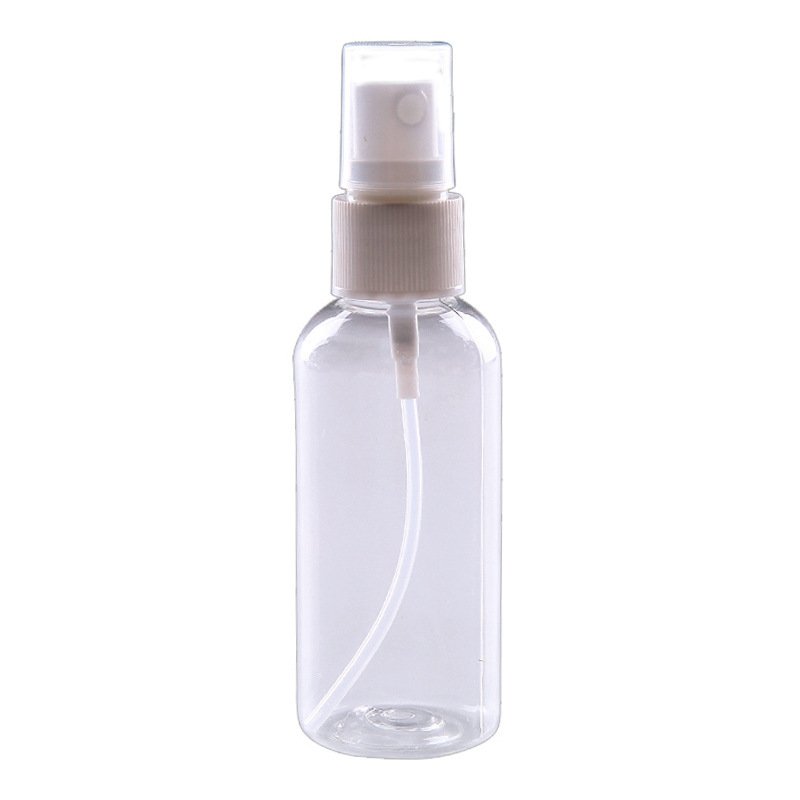
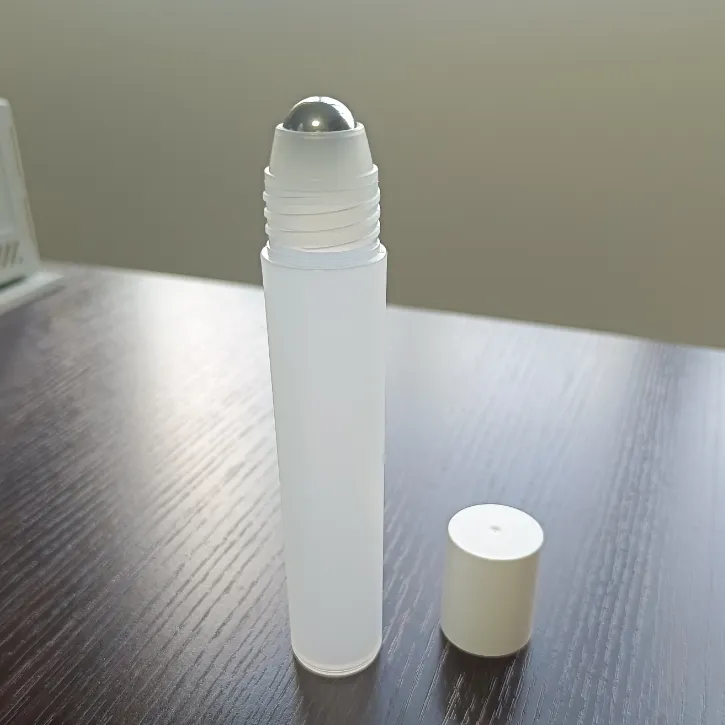 Plastic Roll on Bottle with Roller Ball 1oz 30ml
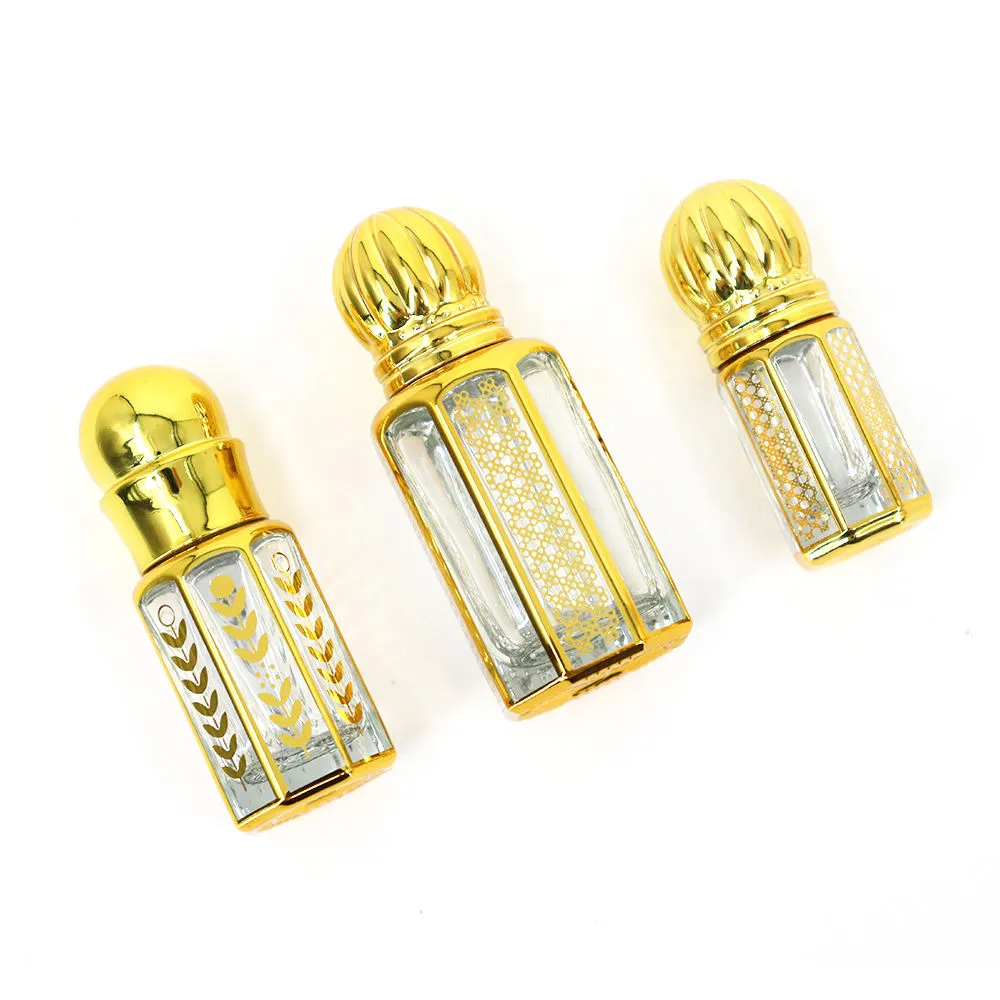 Luxury Perfume and Essential oil Roller On Bottles 3ml/6ml/12m
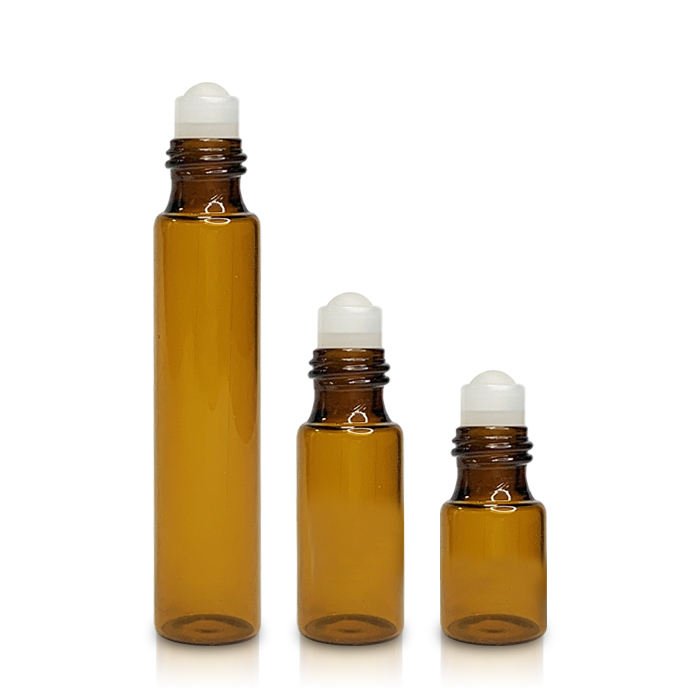 Perfume Essential Oil Cosmetic Rollerball Bottle 3ml/5ml/10ml
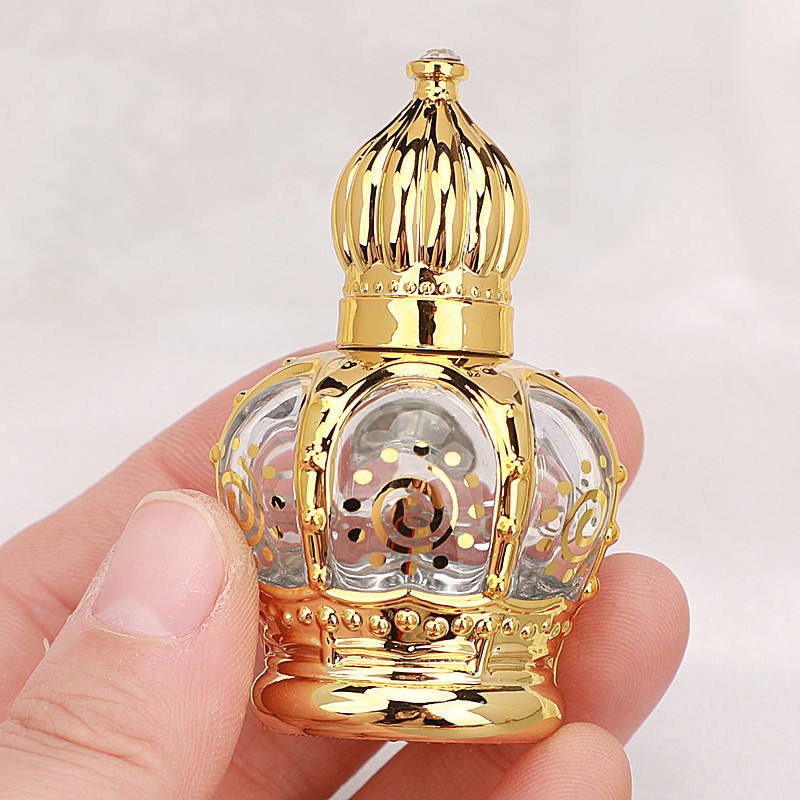 Essential oil glass bottle with roller ball 15ml
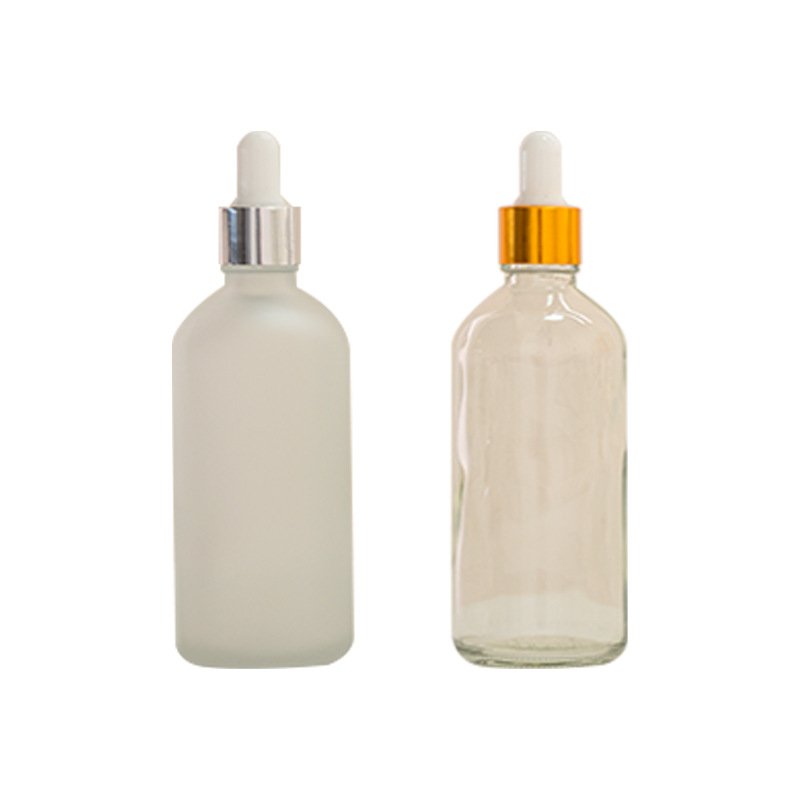
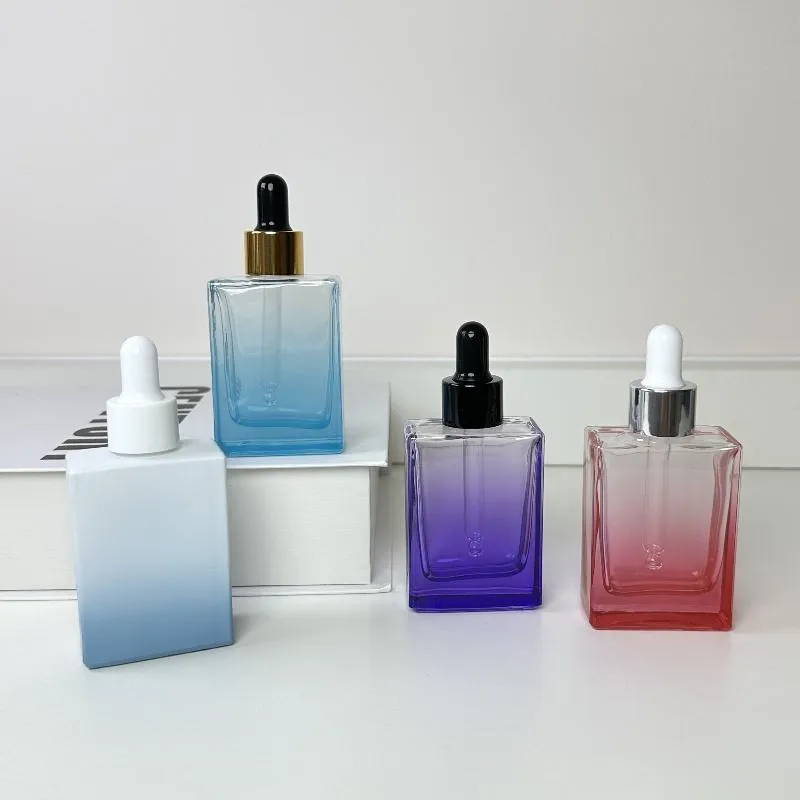 Custom Transparent Flat Square Glass Dropper Serum Bottles 30-120ml
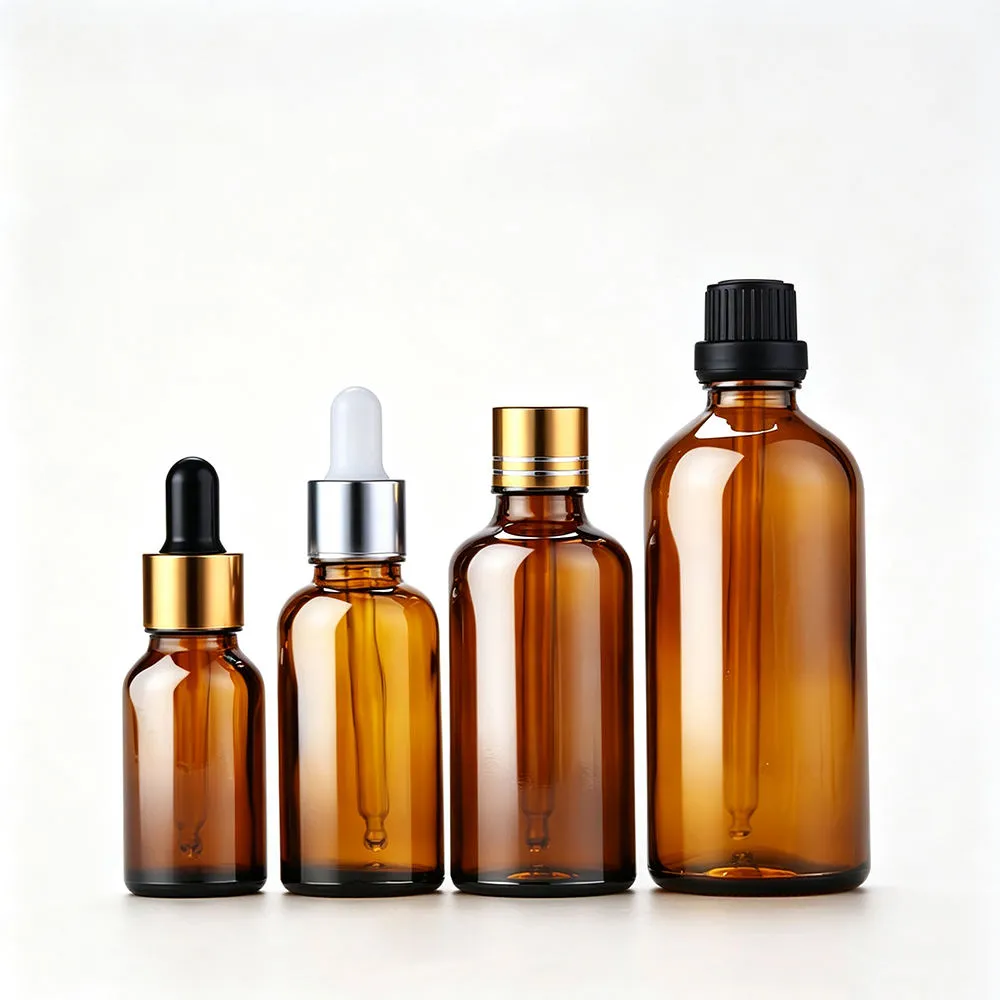 Custom Amber Glass Dropper Bottles with Gold Dropper 5-100ml
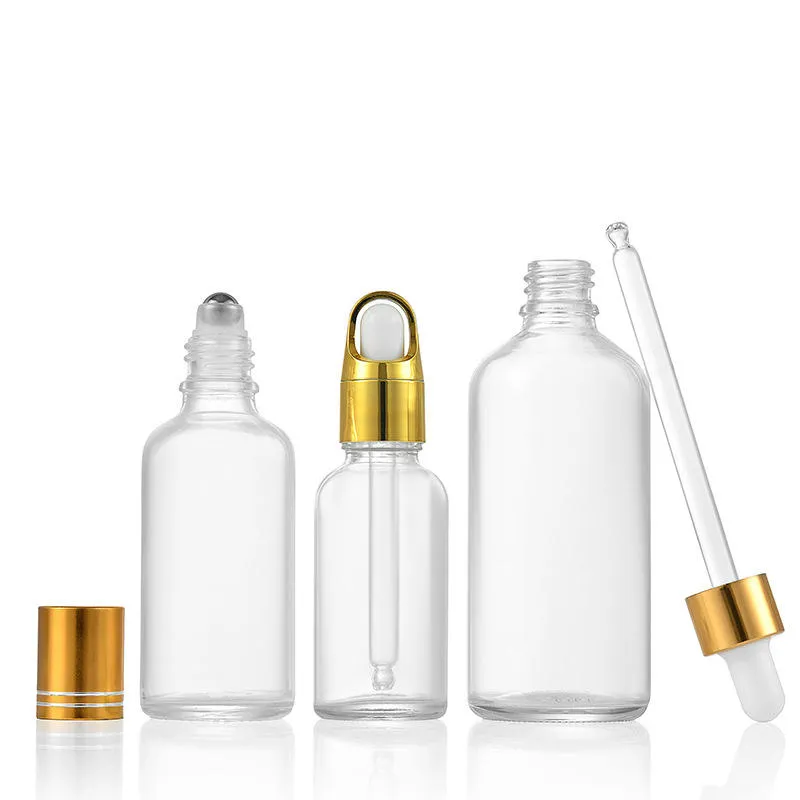 Customized Glass Essential Oil Dropper Bottle for Skincare Packaging 5–100ml
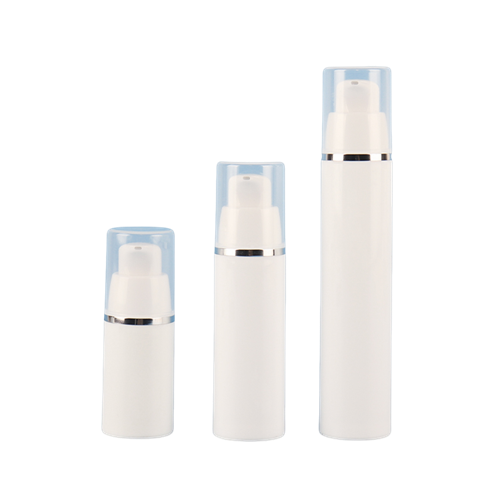
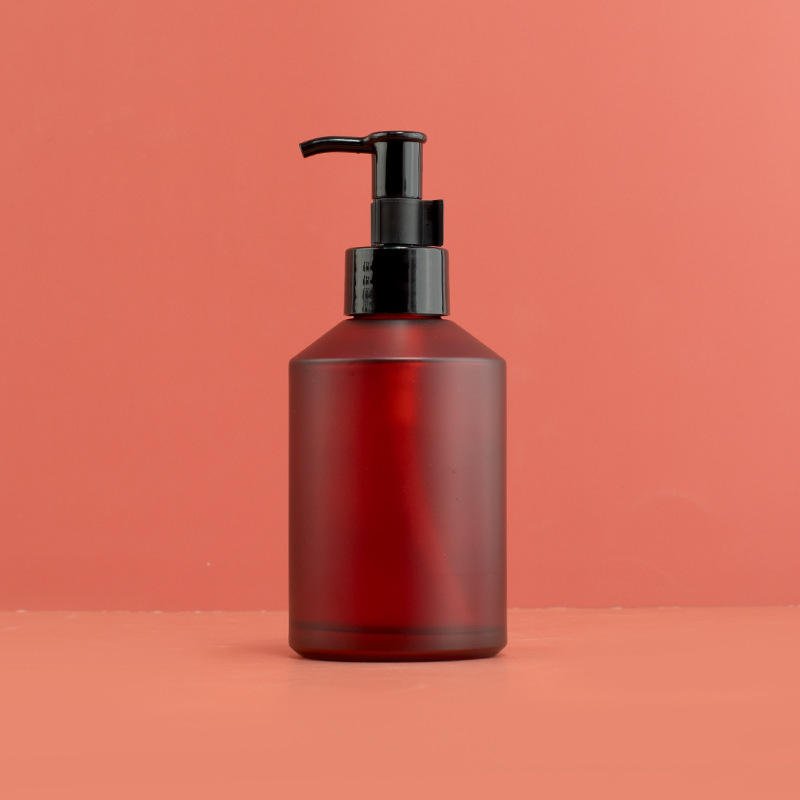 Pressing Empty Glass Essential Oil Lotion Pump Bottle 60-300ml
How a Roller Bottle Controls Product Flow
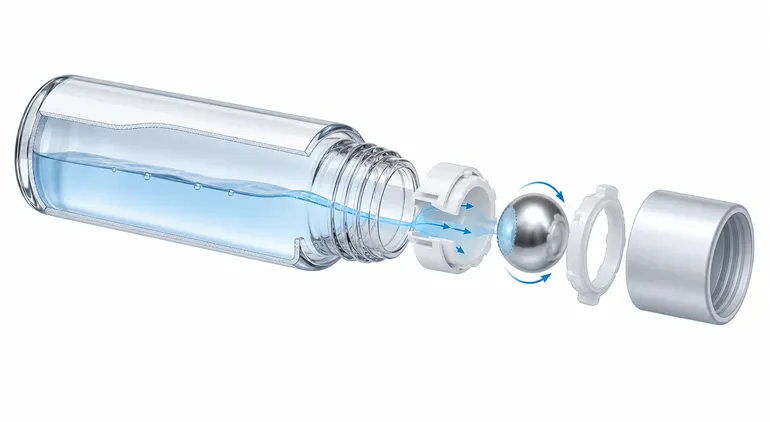
Clearance controls both glide and dose
The ball is retained inside a molded socket with a narrow flow path. If the clearance is too small, a viscous blend may not wet the outer surface or the ball may drag. If it is too large, a thin formula can flood the ball, wet the shoulder or leak during storage.
The cap can provide a secondary transport seal by pressing against the ball or housing, but that function varies by design. Specify whether cap compression is required and verify cap torque, liner or plug geometry and repeated opening cycles.
Wholesale Roller Bottle Specification Checklist
Main Capacities and Recommended Use
Bottle Grams, Wall Thickness and Critical Dimensions
There is no reliable universal weight or wall-thickness value for a 10ml roller bottle. A lightweight tubular glass vial, a molded thick-base luxury bottle and a plastic roll-on can share the same capacity while using different grams, neck geometry, wall distribution, drop behavior and freight cost. Values are confirmed from the selected mold drawing and production-intent sample.
Main Materials for Essential Oil Roller Bottles
Roller Ball Quality Requirements
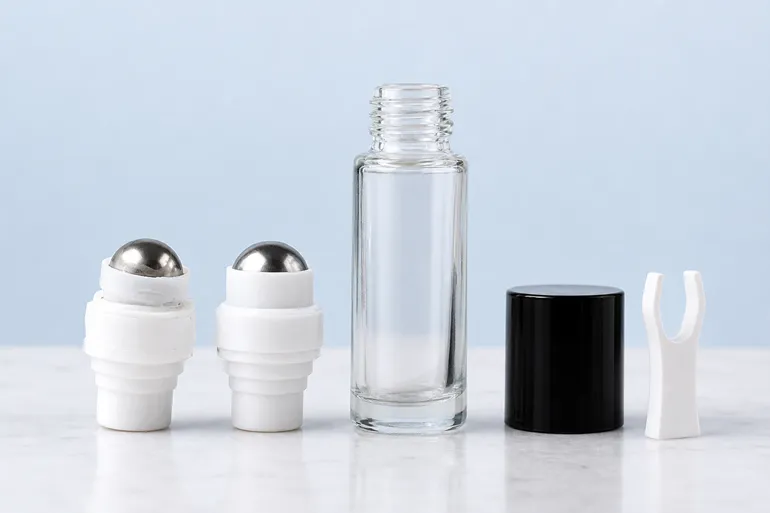
A ball should be specified like a precision component
Visual inspection alone cannot establish roller quality. The control plan should define nominal diameter and tolerance, roundness/sphericity, surface roughness or defect limit, material/grade, cleanliness, corrosion resistance and sampling method. The matching socket dimensions and retention lip must be controlled at the same time.
Stainless steel must not show rust, pitting, burrs or contamination after the agreed formula exposure. Glass balls require chip, crack and surface inspection. Plastic balls require resin, flash, gate, distortion and swelling controls. A smooth-looking ball can still bind if diameter or socket clearance is wrong.
How to Achieve Smooth, Even Application
Define “even” with a repeatable method
A roll-on does not create a spray pattern. It transfers a film along a path. Define a test substrate, bottle orientation, priming condition, travel distance, rolling speed, downward force and number of passes. Weighing the pack before and after a defined number of strokes can show transfer mass and variability.
Very thin liquids may flood the socket or run after application; very viscous formulas may not wet the ball, especially at low temperature. Waxes, crystals, botanical particles or dried residue can interrupt rotation. Surface tension and lubricity also affect how the ball glides.
Test the final formula at relevant temperatures and after storage. Inspect first-use priming, start/stop behavior, continuous glide, streaking, pooling, residual product and restart after an idle period.
Factory Manufacturing and Assembly Process
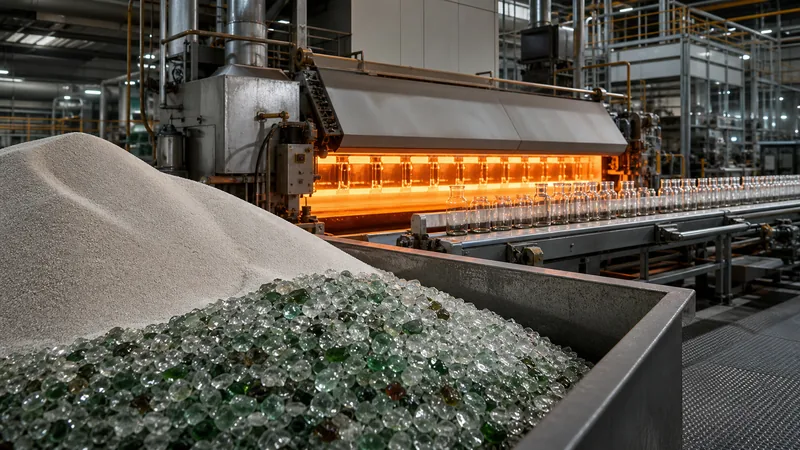
Identify the bottle process before setting tolerances
Molded glass starts with controlled batch materials, melting, forming in cavities, annealing and inspection. Tubular glass formats begin from controlled glass tube and use cutting, heating and forming operations for the shoulder, neck and base. Plastic roll-ons use a resin-specific molding route such as injection or blow molding.
Roller housings and plastic caps are injection molded. Balls are produced and finished under their material process, then cleaned and protected. Decoration follows bottle cleaning and first-piece approval. Final assembly can occur before shipment or after customer filling depending on the insert and line design; the filling SOP must define seating depth/force and cap application.
Review Boyu’s glass bottle manufacturing guide for the full raw-material, forming, annealing and inspection sequence.
Color, Logo and Packaging Customization
OEM / ODM Project Approval Workflow
How to Prevent Roller Bottle Leakage
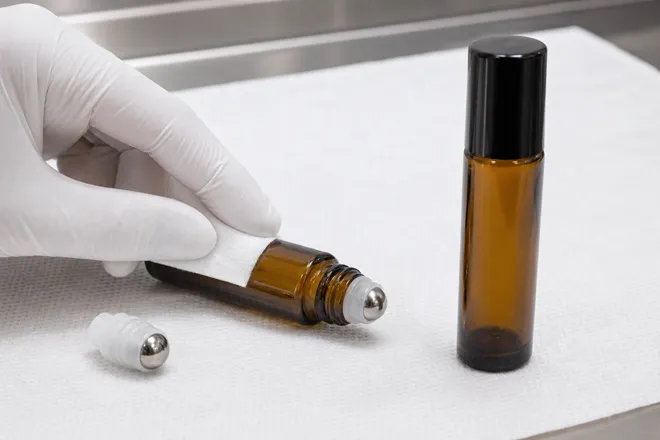
Separate the possible leak paths
Liquid can pass through an oversized ball-to-socket clearance, around a loose housing-to-neck press fit, across damaged bottle or insert surfaces, or into the cap when closure compression is weak. Thin, low-surface-tension formulas and temperature changes expose weaknesses faster.
Set seating equipment, insertion depth/force and cap application on the actual filling line. Avoid oil contamination on sealing surfaces before assembly. Confirm commercial fill and headspace, because overfilling can wet the housing and create false or real leakage.
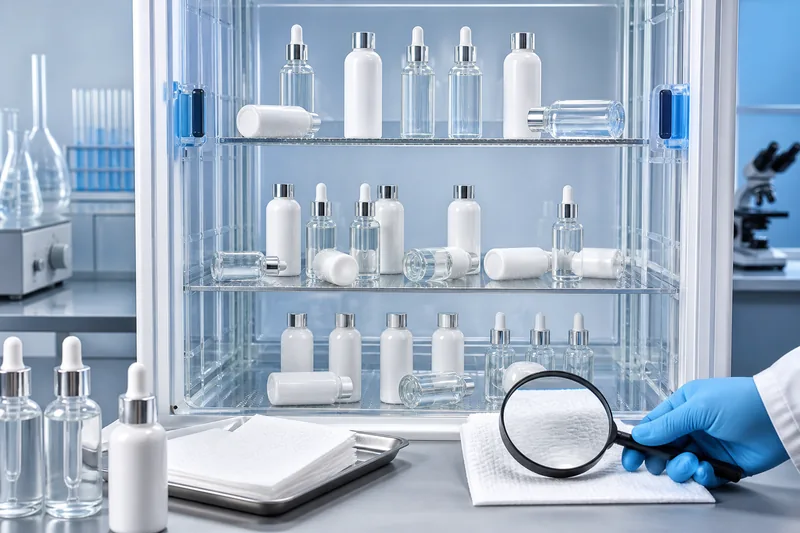
Test filled packs upright, inverted and on their side, then after temperature cycling, drop/vibration and shipping simulation as relevant. Inspect leakage and also re-test ball rotation, transfer and cap removal afterward.
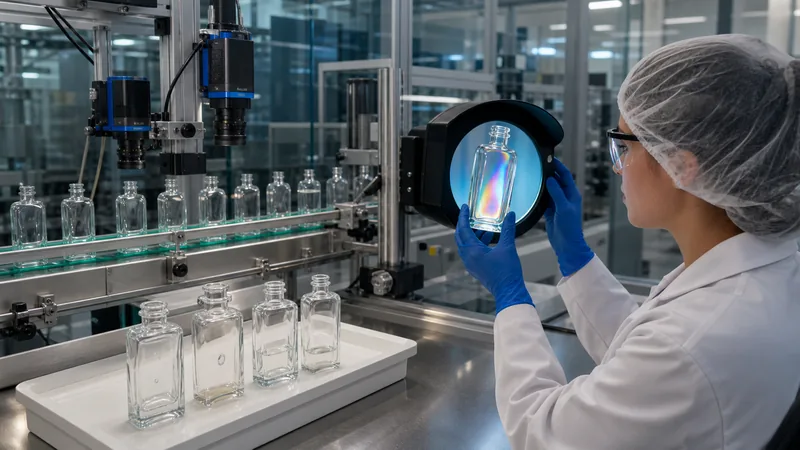
Quality Control From Glass or Resin to Shipment
Sampling, Production and Delivery Timeline
MOQ, Price and Cost-Control Questions
Questions Professional Buyers Should Ask
Recyclability, Refill and Reuse Considerations
A reusable-looking glass bottle is not automatically a safe refill system. Reuse requires a removable insert designed for repeated handling, complete cleaning and drying, no chips or cracks, a housing that retains its shape and a cap/roller assembly that still passes leakage and function checks. Essential-oil residues and fragrance carryover also matter.
Wholesale Essential Oil Roller Bottle Questions & Answers
Request a Wholesale Roller Bottle Quotation
Send your formula type, capacity and commercial fill, quantity per design, bottle material/color, preferred ball material, cap finish, logo process, packing, destination and required date. If available, include viscosity/rheology, essential-oil or alcohol content, target application area and acceptance methods for leakage and transfer.
 English
  Español de Argentina
  Русский
  Italiano
  日本語
日本語  한국어
한국어  العربية
  Français
  Deutsch