
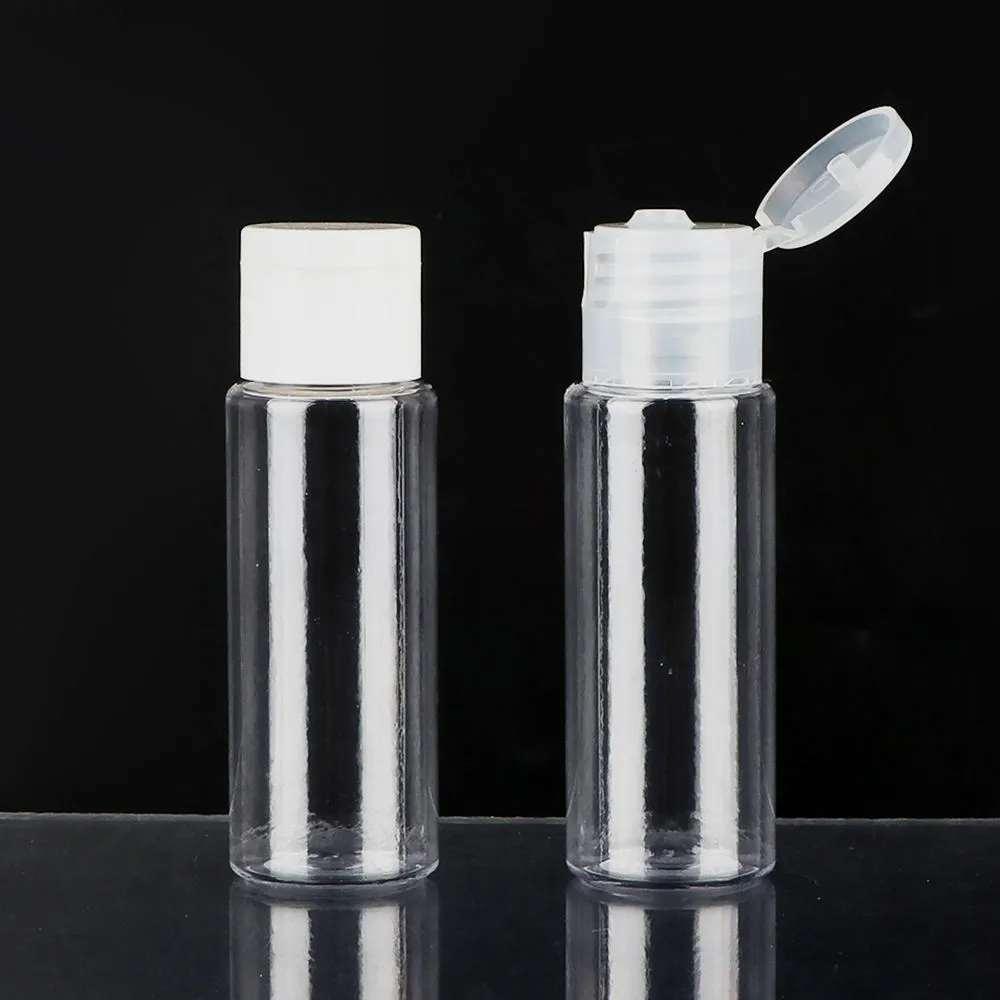
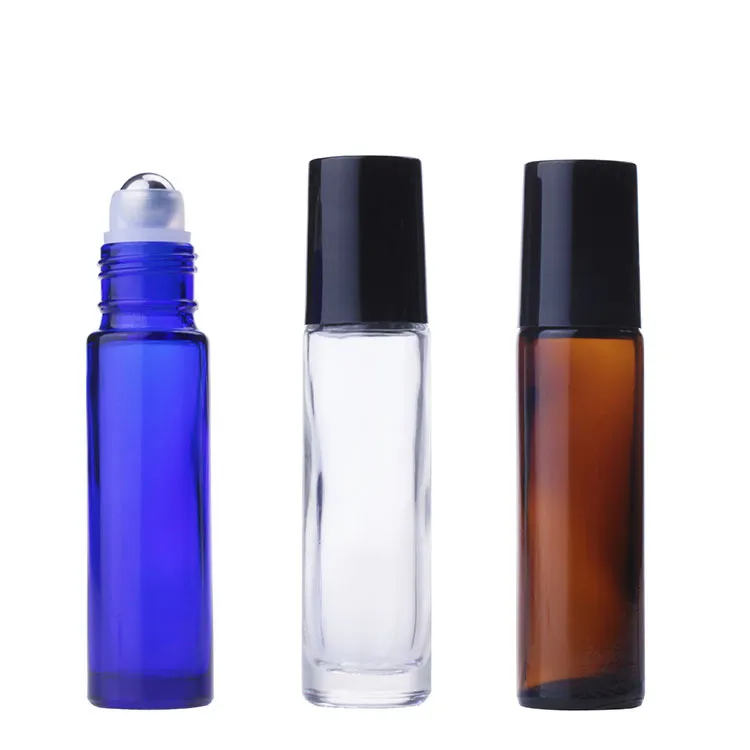
Direct answer: Choose a sunscreen tube when the product should be squeezed, carried easily and dispensed through a short, simple flow path. Choose a sunscreen bottle when the project needs pump, airless or spray dispensing, a larger family size, a rigid premium shape or more usable label area. Neither format protects every sunscreen better: material structure, opacity, closure, formula compatibility and the filled-pack test results matter more than the word “tube” or “bottle.”
For many facial creams and portable lotions, a PE or barrier tube is the practical starting point. For lightweight facial fluids, metered products and larger body sunscreens, a qualified pump or airless bottle often fits the use case better.
Scope: This guide is written for sunscreen brands, contract fillers and packaging buyers. Capacities and structures below are design starting points, not universal standards or proof of compatibility.
What is the difference between a sunscreen tube and a sunscreen bottle?
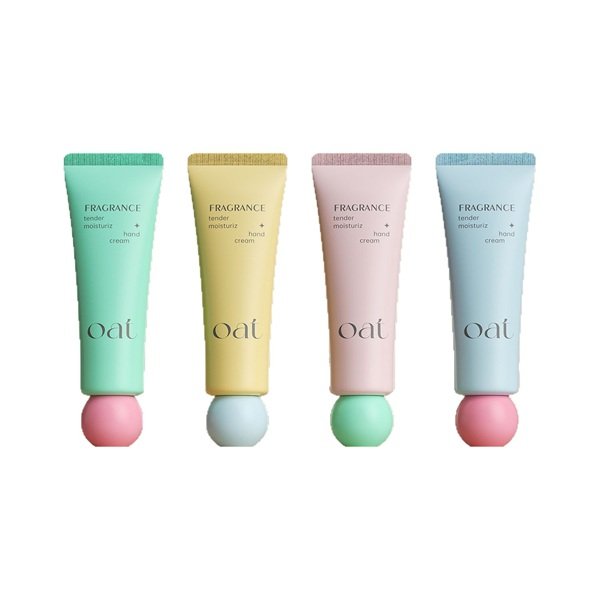
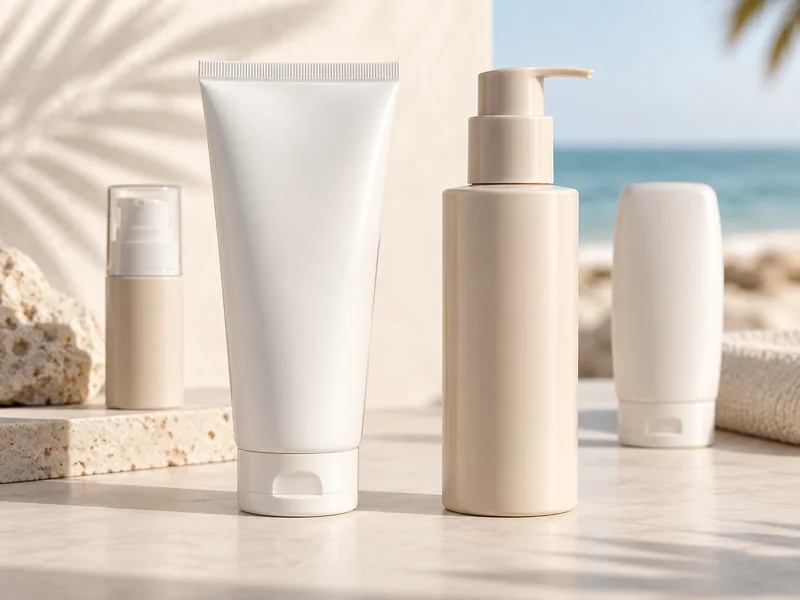
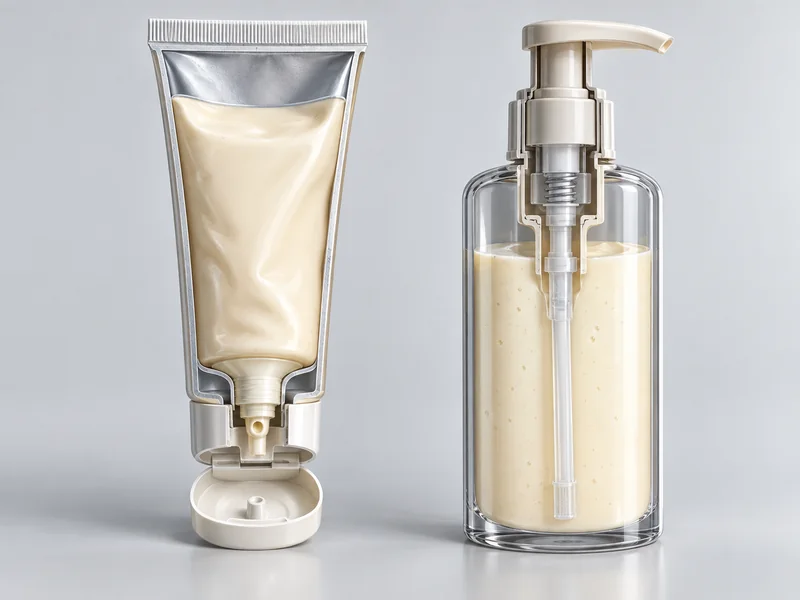
A sunscreen tube is a flexible package made from an extruded plastic sleeve, a laminated web or a collapsible metal body. The sleeve is joined to a molded shoulder and dispensing orifice; the opposite end remains open for filling and is then heat-sealed, folded or crimped. The consumer collapses the wall to push product through the orifice.
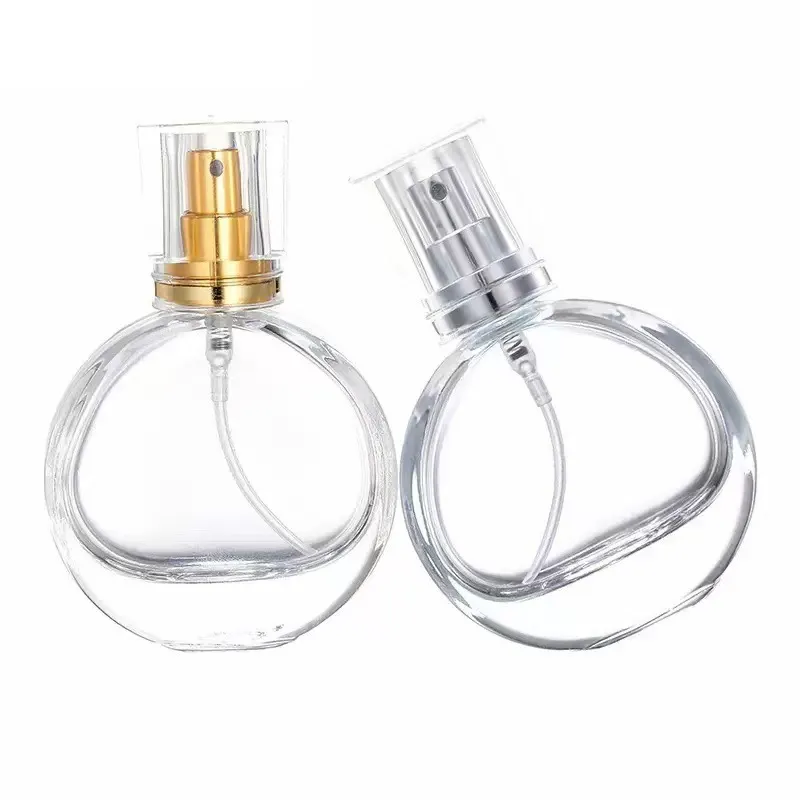
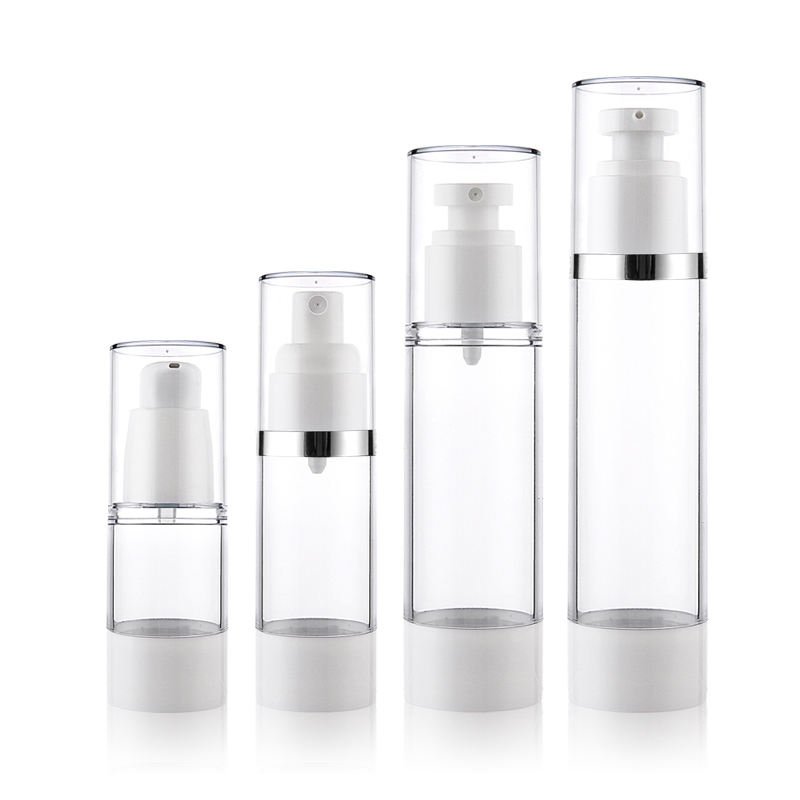
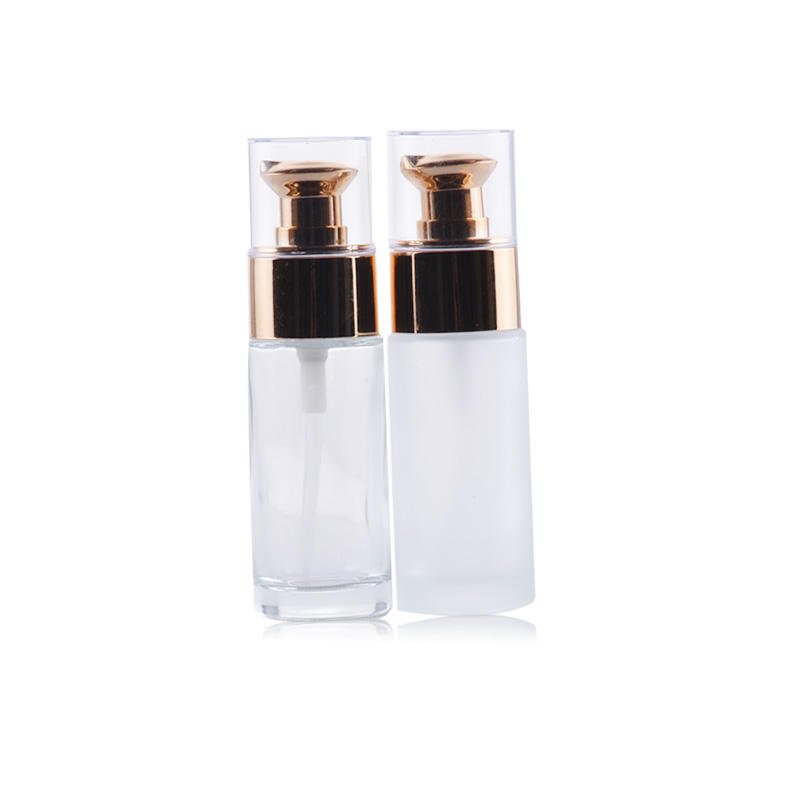
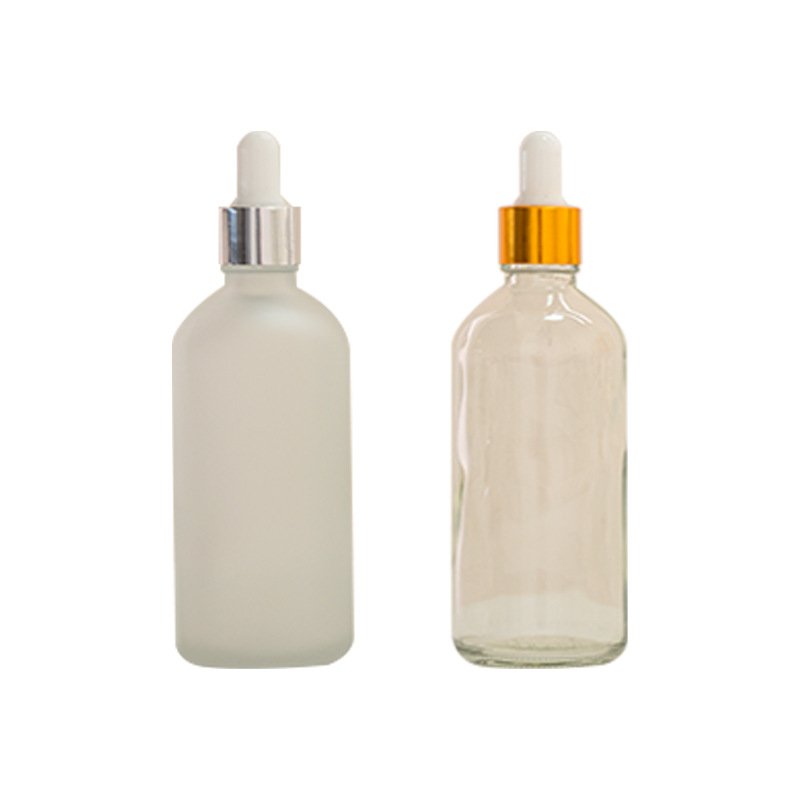
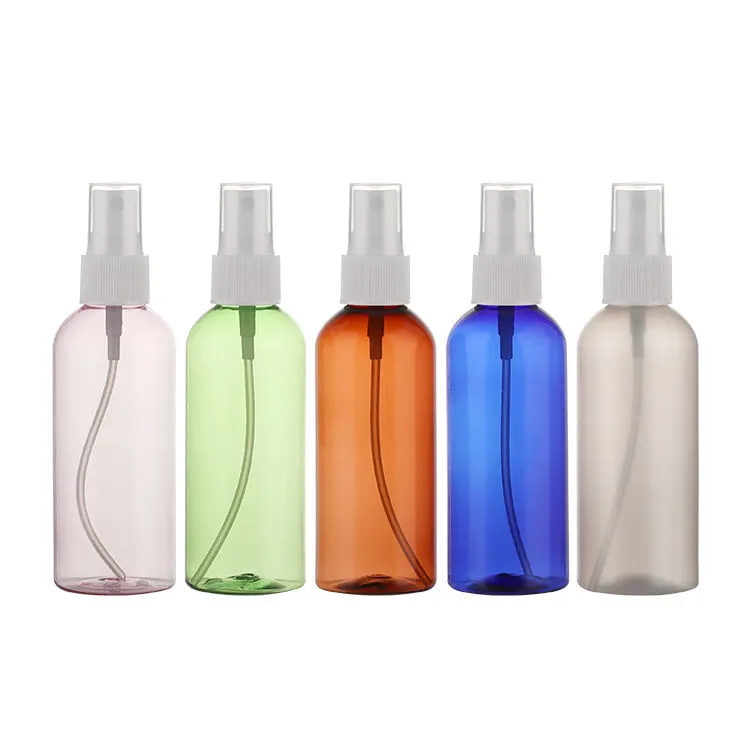
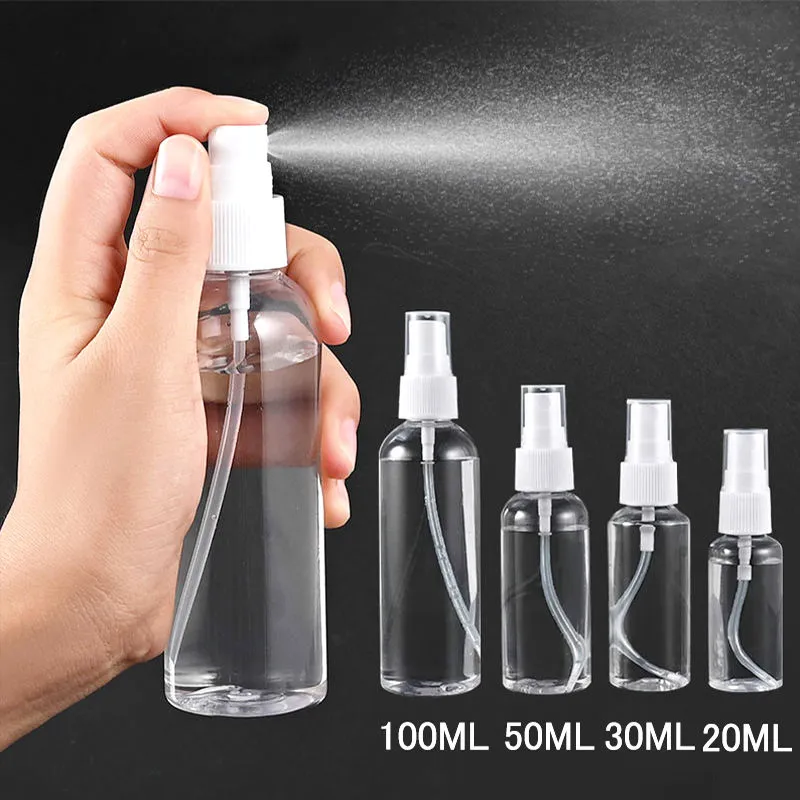
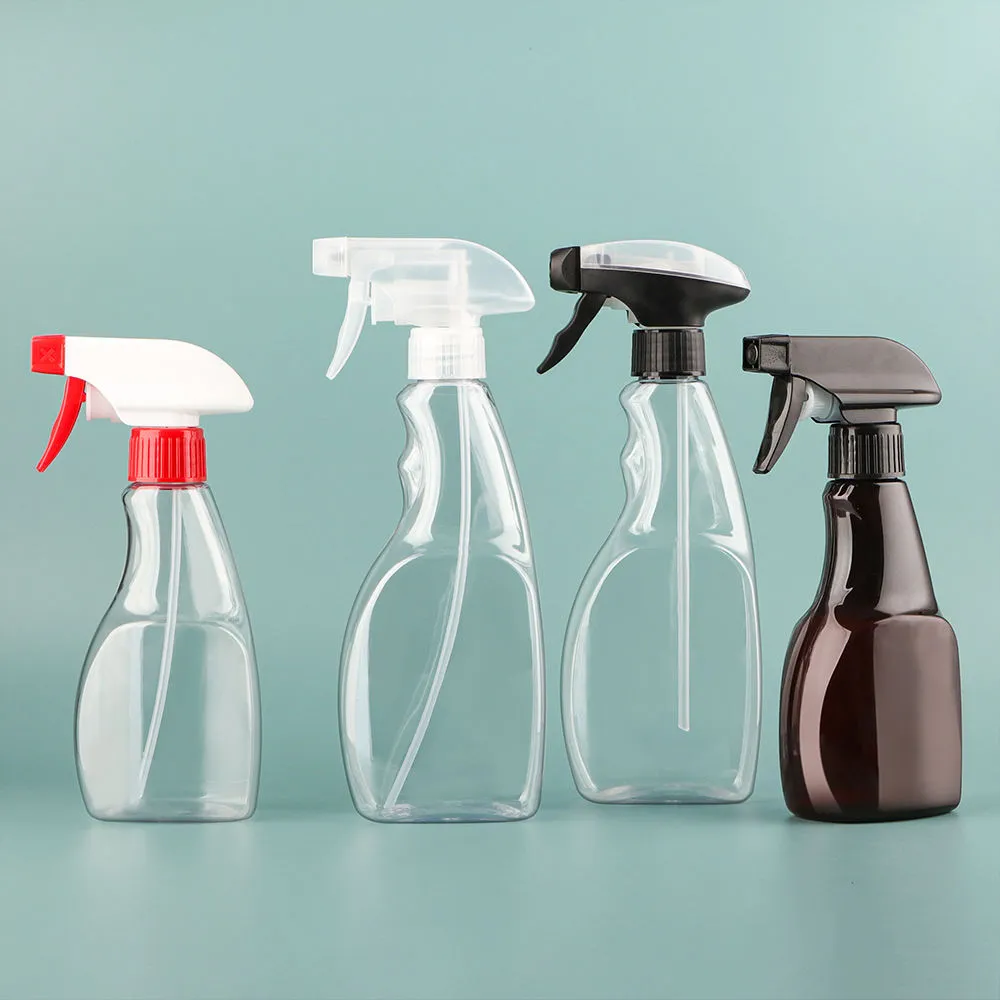
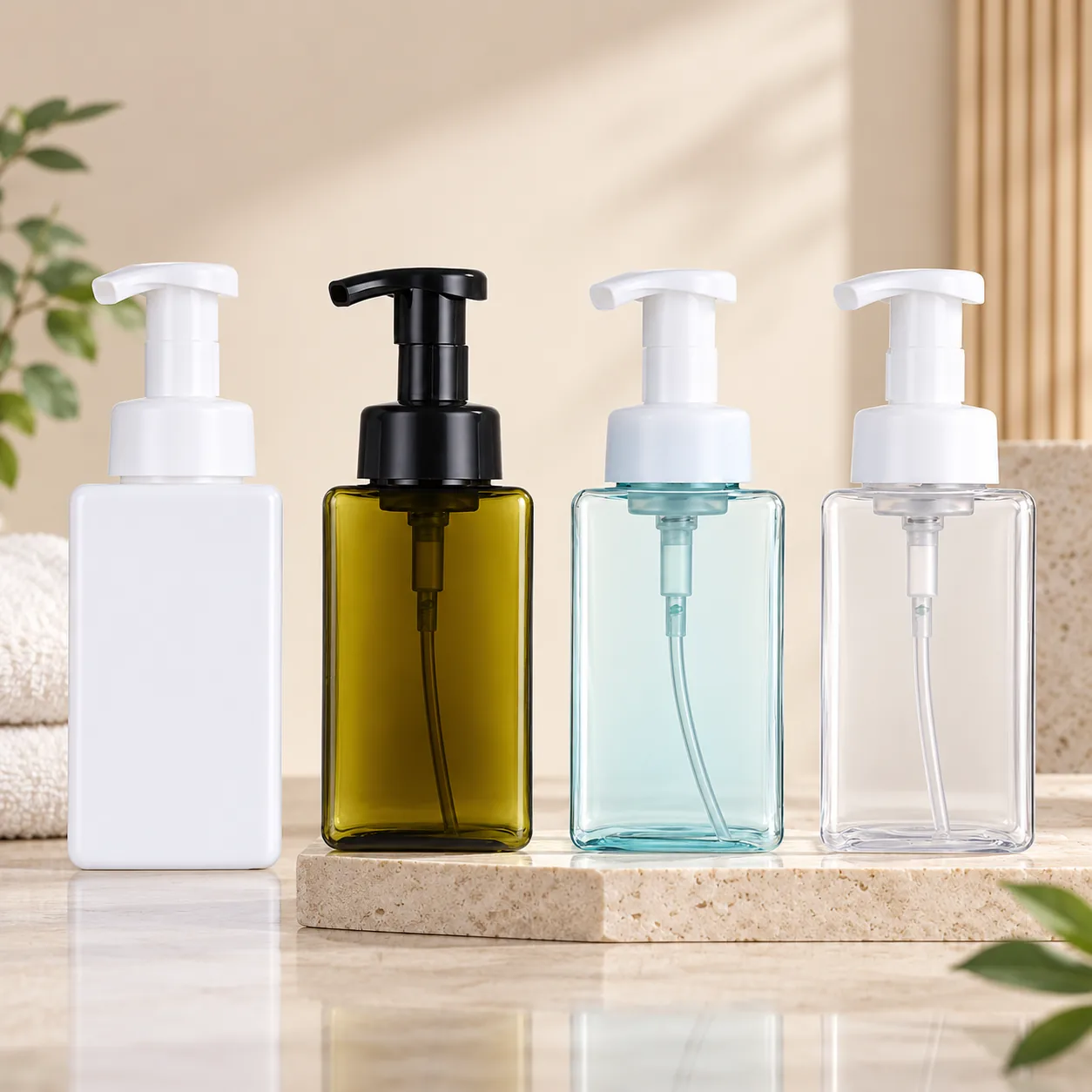
A sunscreen bottle is a separately molded container with a neck finish that accepts a cap, pump, sprayer or airless dispensing assembly. “Bottle” includes very different systems: a flexible squeeze bottle, rigid PET bottle, HDPE lotion-pump bottle and piston-style airless pack do not dispense or protect a formula in the same way.
| Design factor | Sunscreen tube | Sunscreen bottle |
|---|---|---|
| How product moves | Wall pressure pushes product through a short orifice | Squeezing, pouring, dip-tube pumping, airless piston movement or spraying |
| Primary seal interfaces | Tail seal, shoulder/head joint, orifice and cap | Bottle wall/seam, neck finish, cap or pump seal, valve, gasket and dip tube where used |
| Shape during use | Usually deforms as squeezed; plastic tubes may recover partially | May remain rigid, flex and recover, or use an internal piston/bag |
| Filling route | Normally filled through the open tail, then sealed | Normally filled through the neck, then capped or fitted with dispenser |
| Typical dispensing choice | Flip-top, screw cap, stand-up cap or precision nozzle | Flip-top, disc-top, pump, airless pump, sprayer or screw cap |
| Best first question | Should the user squeeze this formula? | Should the user press, spray, pour or use a larger rigid pack? |
Tube or bottle: the fastest way to choose
Start with the intended consumer action, not the desired appearance. If the brief says “squeeze a ribbon into the hand,” shortlist tubes and squeeze bottles. If it says “one-hand pump,” “repeatable small dose,” “spray” or “family-size countertop pack,” start with the appropriate bottle system.
| If the project needs… | Start with… | Why | Verify before approval |
|---|---|---|---|
| Portable 30–100 mL cream or lotion | PE or qualified barrier tube | Compact, light and directly squeezable | Tail seal, cap leakage, squeeze force and end-of-use residue |
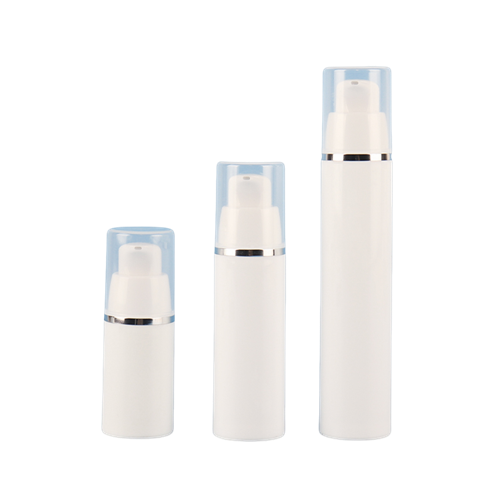
| Controlled facial dose with premium actuation | Treatment-pump or airless bottle | Press dispensing can improve repeatability and keep fingers away from the outlet | Prime strokes, dose variation, compatibility, evacuation and re-priming |
| 150–500 mL family or professional body use | Lotion-pump bottle | Stable countertop use and less repeated pack handling | Pump output, dip-tube reach, lock, shipping leakage and base stability |
| Thick tinted or mineral product with targeted placement | Soft tube with suitable nozzle/orifice | Short flow path and direct control may handle high yield stress well | Flooding versus clogging, cap mess, pigment residue and formula separation |
| Very light fluid | Small-orifice bottle, treatment pump or qualified airless pack | A controlled valve can reduce sudden pouring | Drip, weeping, dose, valve recovery and orientation leakage |
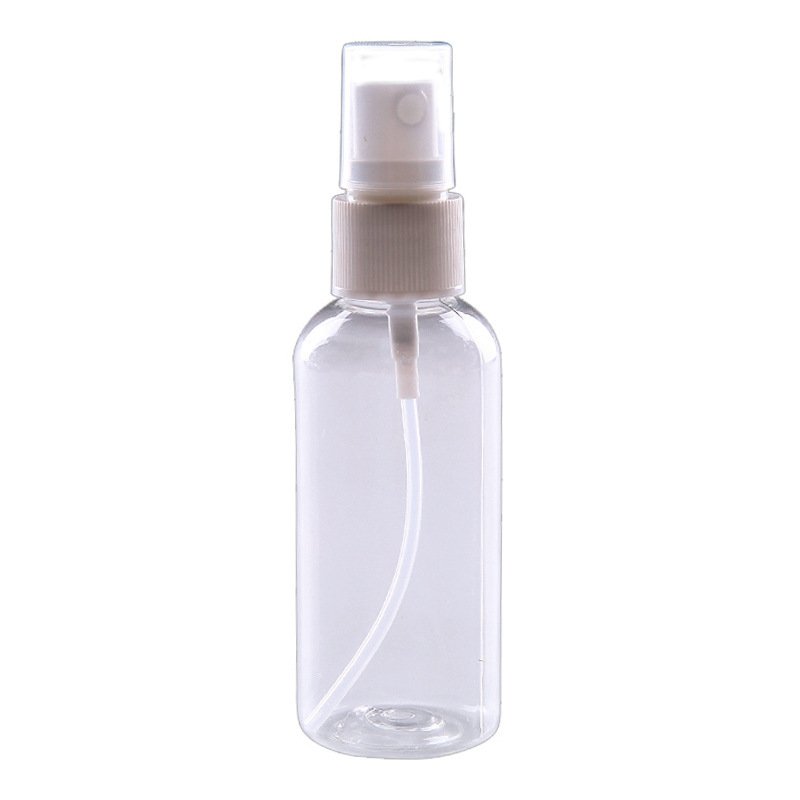
| Spray application | Purpose-designed spray package | Spray is a separate dispensing system, not a cap substitution | Pattern, output, droplet behavior, valve compatibility, inhalation directions and market rules |
After narrowing the family, buyers can compare Boyu’s current sunscreen packaging formats. Treat every listed component as a candidate until the actual formula and complete pack pass qualification.
Use cases: where tubes and bottles work best
Daily facial sunscreen
A 30–75 mL tube is a strong default for facial cream or lotion when portability, simple squeeze dispensing and broad decoration area matter. A treatment-pump or airless bottle is preferable when the brand experience depends on press dispensing, a smaller nominal dose or a rigid premium silhouette. Do not select airless merely because the label says SPF; select it only when the formula, output, capacity and pack performance justify the extra mechanism.
Tinted or mineral sunscreen
These products can have high solids, pigments or stronger yield behavior, so a soft tube with an appropriately sized orifice is often an efficient starting point. That is not a universal rule: pumpable mineral emulsions exist, and some thick products will bridge in a narrow tube nozzle. Evaluate color settling, pigment accumulation around the outlet, wiping, closure staining and output after storage at realistic hot and cool conditions.
Body, family and professional sunscreen
For individual body use, both 100–200 mL tubes and squeezable bottles can work. Larger family, salon, hospitality or workplace formats often favor a stable bottle with a lotion pump because repeated press dispensing is convenient on a counter. The pump must still deliver the intended amount throughout the pack and survive shipment in a locked or protected condition.
Sport, beach, travel and e-commerce
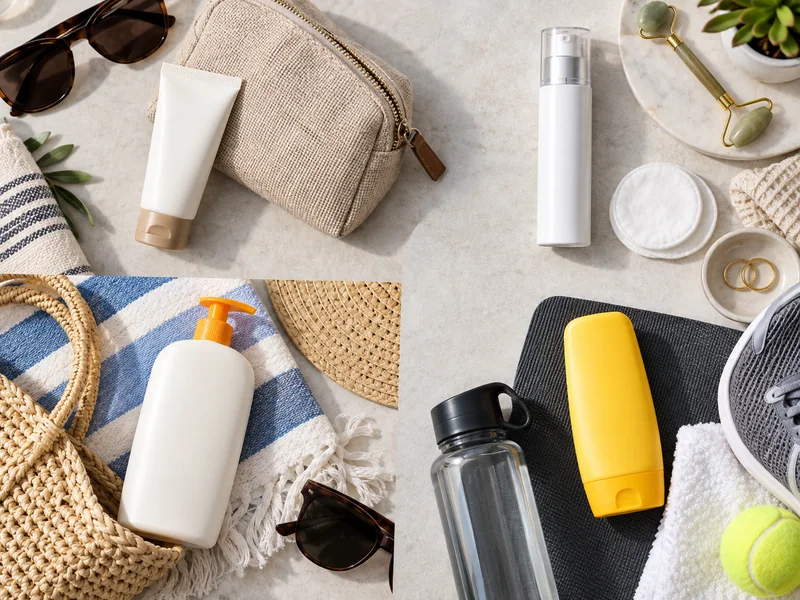
A compact tube or squeeze bottle eliminates an exposed pump actuator, but its cap can still pop open or leak under compression. For bags and parcel delivery, compare screw caps with positive engagement, robust flip-tops, tamper-evident membranes where required, pump locks, overcaps and secondary containment. “Travel-friendly” should be demonstrated by filled-pack pressure, orientation, vibration and drop challenges—not inferred from size alone.
Match the package to formula flow—not viscosity alone
A single viscosity number does not predict sunscreen dispensing. Many emulsions are shear-thinning: they flow more easily while squeezed or pumped than while resting. Yield stress, thixotropic recovery, particle loading, temperature, surface tension, air entrapment and phase stability can all change how a formula moves through a tube or pump.
A tube presents a short flow path: product moves from the body through the shoulder and orifice. That can favor dense creams, but a very fluid product may rush out after the cap is opened—especially in a cap-down pack. A pump bottle adds inlet holes, a dip tube or piston path, valves, a chamber and an actuator outlet. It can meter a fluid or lotion, yet each restriction creates a place for thick, aerated or particle-rich formula to starve, clog or lose prime.
A practical flow-screening sequence
- Measure the formula over its expected temperature range. Record the rheology method, spindle or geometry, shear conditions, time and temperature so results are comparable.
- Fill production-representative candidates. Use the intended fill volume, headspace, orifice, pump engine, dip tube, piston, gasket and closure.
- Condition in multiple orientations. Include upright, inverted and side storage where those positions are foreseeable.
- Measure consumer-relevant outputs. For tubes, check opening force, squeeze force, ribbon control, drip and cap mess. For pumps, check strokes to prime, mass per stroke, variation, actuation force, re-priming and residual product.
- Repeat after ageing and distribution challenges. A package that dispenses well on filling day can fail after formula interaction, thermal cycling or shipment.
Sunscreen tube vs. bottle: advantages and disadvantages
| Criterion | Tube: advantage and limitation | Bottle: advantage and limitation |
|---|---|---|
| Portability | Light and compact; can deform if crushed and cap may open | Rigid protection and many lock options; pumps add height and exposed parts |
| Dispensing | Immediate, intuitive squeeze control; dose depends on user force and orifice | Can meter, spray or pump; mechanism may clog, drift or lose prime |
| Thick formulas | Short path often useful; very stiff formula can require excessive squeeze force | Possible with a high-output pump or squeeze bottle; narrow valves and dip tubes can restrict flow |
| Thin fluids | May flood, drip or leak through a large orifice | Small orifice or valve can improve control; closure/pump leakage still requires testing |
| Residual product | Can often be flattened or rolled, but shoulder and cap still retain product | Dip-tube geometry, bottle shoulder/base and pump cut-off can leave residue; airless systems may evacuate well when correctly matched |
| Hygiene | Outlet limits direct bulk contact; cap and nozzle can still be touched or contaminated | Pump reduces direct contact with bulk product; actuator can collect residue and is not inherently sterile |
| Label and decoration | Broad printable sleeve but tail seal, curvature and deformation affect artwork | Pressure-sensitive labels, sleeves and direct decoration possible; usable panel varies with shape and pump |
| Large sizes | Possible, but repeated heavy squeezing and shelf stability may become less convenient | Pump bottles suit high-frequency countertop use and larger fills |
| Component complexity | Simple cap tubes have few parts; laminate layers or special applicators add complexity | Simple cap bottles are straightforward; pumps and airless systems add springs, valves, seals and assembly controls |
| Premium positioning | Premium through shape, laminate, decoration and closure—not automatically low-end | Rigid shapes and actuators can feel premium, but appearance does not prove performance |
The practical winner is the pack that delivers an acceptable dose, remains sealed, protects the formula, supports compliant labeling and can be manufactured consistently at the intended scale. Cosmetic appearance should break a tie only after those functions are demonstrated.
Sunscreen tube materials and construction
Mono-layer and coextruded PE tubes
Plastic cosmetic tubes commonly use polyethylene-based sleeve structures selected for softness, recovery, decoration and processing. The tube shoulder can use a different PE grade from the sleeve, while caps are frequently PP or PE. A nominal “PE tube” therefore still contains several grades, colorants and possible non-PE elements that must be documented.
Coextrusion can combine layers that contribute mechanical feel, appearance or barrier performance. If an EVOH or another barrier layer is proposed, ask for the actual layer structure and product-contact material rather than accepting “five-layer tube” as a performance specification.
ABL and PBL laminate tubes
Aluminum-barrier laminate (ABL) incorporates a thin aluminum barrier within a multilayer web. Plastic-barrier laminate (PBL) uses a polymeric barrier structure. ETMA describes laminate tubes as welded webs with multiple layers and a barrier selected for the product. These formats can combine strong decoration with tailored barrier, but seams, layer adhesion, shoulder bonding, recovery and recyclability must be evaluated as part of the final design.
Collapsible aluminum tubes
Aluminum provides an opaque, collapsible body and can reduce suck-back as it stays compressed. The formula normally contacts an internal protective coating rather than bare metal, so coating continuity, adhesion and chemical resistance are critical. Crimp integrity, denting, sharp folds and cap/nozzle compatibility also need qualification. “Metal” is not a shortcut around compatibility testing.
Brands considering tubes can review Boyu’s cosmetic squeeze-tube options, then request the exact material stack, shoulder, cap and decoration details for the shortlisted component.
Sunscreen bottle materials and structures
- HDPE: commonly used for opaque or natural squeeze and pump bottles. It offers useful toughness and processing flexibility, but resin grade, pigment, wall distribution and permeation performance must be specified.
- LDPE or PE blends: useful when a bottle needs softer squeeze behavior. Excessive softness can reduce shelf presence or interact with closure sealing under compression.
- PET: provides rigidity, gloss and clarity. Clear PET should not be assumed to protect a light-sensitive formula; colorant, UV absorber, sleeve, carton or another light-control strategy requires evidence.
- PP: used widely for caps, pumps and some bottles or airless systems. All-PP appearance does not by itself prove compatibility or recyclability.
- Multilayer bottles: can add barrier performance but complicate structure, sourcing and end-of-life assessment. Specify layers and test the finished pack.
- Glass: can suit a small premium facial product, but weight, breakage, wet-hand use and shipping protection make it a less common default for beach or family sunscreen.
Which caps and closures are best for sunscreen?
| Closure | Best starting use | Main advantage | Risks and checks |
|---|---|---|---|
| Tube flip-top / stand-up cap | Daily face/body lotion; one-hand use | Fast opening; cap-down storage can improve access | Hinge fatigue, snap force, orifice seal, cap contamination, opening under compression |
| Tube screw cap | Travel, small facial tube, precision or tamper-evident route | Positive threaded engagement and simple construction | Cap loss, cross-threading, removal torque, liner/membrane fit |
| Precision nozzle | Tinted face sunscreen or targeted application | Narrow placement and controlled ribbon | Clogging, pigment buildup, tip damage, product drying and cap seal |
| Bottle flip-top or disc-top | Squeeze bottle for lotion | Low part count and direct dispensing | Neck-finish match, linerless seal geometry, drip, panel recovery and bag leakage |
| Lotion pump | Medium/large body sunscreen | Convenient repeated press dispensing | Output drift, dip-tube reach, prime loss, actuator leakage, lock integrity |
| Treatment pump | Smaller facial lotion or fluid | Lower nominal output and premium actuation | Formula starvation, dose variability, overcap fit and residual product |
| Airless pump | Projects that specifically need piston/bag dispensing | No conventional dip tube; can support controlled evacuation | Piston stall, base-vent obstruction, fill method, prime, seal compatibility and dose cut-off |
| Sprayer | Formula developed and labeled for spray application | Fast body coverage when used correctly | Pattern, droplet, clogging, valve leakage, wind loss, inhalation and flammability issues where relevant |
For closures, define the outlet diameter, target mass per squeeze or pump stroke, actuation or opening force, sealing principle, liner or gasket, tamper-evident feature, lock/overcap and consumer-use cycles. Then apply appropriate cosmetic package leak-testing methods to the final filled system; an empty cap fit does not prove shipping or shelf performance.
Capacity, shape, orientation and label space
Common design bands are useful for shortlisting, but they are not regulations: 30–75 mL often suits facial or travel sunscreen, 75–200 mL covers many individual face/body products, and 200–500 mL can serve family or professional body use. The correct fill depends on application rate, reapplication frequency, retail position and local transport rules—not on a generic packaging chart.
Shape changes both use and manufacturing. A broad oval tube offers artwork area but must remain stable on its cap. A tall pump bottle needs a base wide enough for wet-hand actuation. Deep bottle shoulders can increase residual product, while sharp panel transitions can complicate labels, sleeves and wall distribution. Cap-down orientation improves product availability but continuously exposes the closure seal to formula.
US Drug Facts can change the format decision
In the United States, sunscreen is an OTC drug. Under 21 CFR 201.66, Drug Facts information appears on the outside retail container or wrapper, or on the immediate container label when there is no outside container or wrapper. The rule defines available labeling surface, allows content to continue across adjacent panels and provides specific modifications for qualifying small packages.
A bottle may offer a conventional rectangular label panel, while a tube offers printable area around the sleeve but deforms during use and loses usable space at the shoulder and tail. Confirm the complete label architecture—primary pack, carton, extended-content label or other permitted solution—with qualified regulatory counsel before freezing diameter, height and decoration.
Which costs less, and which is more sustainable?
There is no defensible universal answer. A simple stock PE tube with a standard cap may cost less than a custom airless bottle, while a high-barrier decorated laminate tube with a special applicator may cost more than a stock HDPE bottle and flip-top. Compare the entire landed system, not the empty container price.
Relevant cost drivers include component mass, number of parts, barrier layers, resin or recycled-content grade, color, decoration passes, cap/pump complexity, custom tooling, line speed, tube-tail sealing or bottle capping equipment, scrap, inspection, secondary packaging, freight cube and the commercial cost of residual product or leakage.
Sustainability also depends on the complete design and local infrastructure. A lightweight tube may use less material and freight space, but multilayer barriers, metal layers, dark pigments, dissimilar caps or residual product can affect sorting and recycling. A bottle may enter a well-established HDPE or PET stream in some markets, yet pumps and sleeves can complicate recovery. RecyClass publishes design-for-recycling guidance by packaging stream; verify the exact tube or bottle construction against the applicable current protocol and the markets where the product will actually be sold.
How to validate a sunscreen tube or bottle before production
Approve the filled product, container, closure, seal, decoration and distribution pack as one system. The EU cosmetic safety framework explicitly asks for relevant packaging-material characteristics, including purity and stability, and its guidance recognizes interaction among packaging, formulation and the external environment. In the United States, sunscreen is regulated as an OTC drug, so stability, package protection and compliant labeling must be built into development.
A risk-based formula–package compatibility protocol should include:
- Specification and fit: sleeve or bottle dimensions, wall/weight distribution, neck or shoulder geometry, cap fit, tail seal and critical tolerances.
- Compatibility and stability: real-time and justified accelerated conditions using the final formula, materials, colorants, seals, coatings, inks and adhesives.
- Orientation and leakage: upright, inverted and side storage; defined seal-integrity methods before and after ageing.
- Formula attributes: appearance, odor, pH, viscosity/rheology, separation, mass change, relevant preservative or UV-filter assays and microbiological controls defined by the responsible technical team.
- Dispensing: tube squeeze force and ribbon control; pump prime, output, variability, actuation, re-prime, cycle performance and evacuation.
- Mechanical and distribution: compression, drop, vibration, low-pressure/altitude and temperature sequences appropriate to the real pack-out and route.
- Decoration and labeling: rub, adhesion, formula contact, water/sweat exposure, barcode readability, lot/expiration code and required statement legibility.
- Change control: define which formula, resin, colorant, tool, pump, seal, supplier, decoration or filling-line changes trigger review or requalification.

Set acceptance criteria before viewing results. “No obvious problem” is not a specification. Define numerical or observable limits for leakage, mass loss, dose, prime strokes, actuation, squeeze force, residual product, appearance, torque, label adhesion and distribution damage, with sample identification and test conditions recorded.
What to include in a sunscreen packaging RFQ
- Formula profile: product form, viscosity/rheology method and range, density, particles/pigments, alcohol/oils/solvents, pH, fill temperature and compatibility-sensitive ingredients under NDA where needed.
- Use case: face or body, target user, daily/travel/sport/family/professional setting, wet-hand use and expected orientation.
- Pack definition: nominal fill, target dimensions, tube or bottle family, material/layer preference, opacity, closure, outlet and target dispensing amount.
- Market and label: destination countries, required statements, Drug Facts or cosmetic label architecture, languages, barcode, lot and expiration coding.
- Decoration: artwork area, color standard, printing/label/sleeve, formula-contact resistance and approved limit samples.
- Distribution: ecommerce or retail, shipper configuration, climate, altitude/air freight and leakage/drop requirements.
- Quality evidence: drawings, material declarations, cavity/lot traceability, defect limits, sampling, available test reports and change-notification process.
- Commercial data: forecast, launch quantity, reorder volume, tooling ownership, sample/pilot plan and filling-line capability. Ask for quoted figures rather than assuming a universal MOQ or lead time.
Frequently asked questions
Are sunscreen tubes more hygienic than bottles?
Not automatically. Both tubes and pump bottles keep fingers out of the bulk formula, but outlets, caps and actuators can collect residue and contamination. Hygiene depends on preservative design, closure behavior, consumer use and microbiological validation—not the container name alone.
Does an airless bottle protect sunscreen better than a tube?
An airless system can limit product return and dispense without a conventional dip tube, but “airless” does not prove zero oxygen exposure, better UV protection or formula compatibility. Compare the complete airless pack with the proposed tube through barrier, stability, dose, evacuation and leakage tests.
Can a tube be used for mineral sunscreen?
Yes, many mineral and tinted sunscreens can use tubes, especially when direct squeeze dispensing suits the formula. Test the actual product because solids, yield stress and pigment can change squeeze force, orifice flow, separation, cap residue and tail-seal stress.
Is PET suitable for sunscreen bottles?
PET can be a candidate for a sunscreen bottle, but suitability depends on the exact resin, color or light-control strategy, formula, dispenser and shelf-life evidence. Do not use clarity, resin name or a supplier statement as a substitute for compatibility, permeation, light and stability data.
Should sunscreen packaging stand on the cap?
Cap-down orientation keeps product near the outlet and can improve access, but it also places continuous formula pressure and contact at the seal. Use a stable base/cap, controlled orifice and robust closure, then qualify leakage and dispensing in the intended stored orientation.
Can sunscreen be transferred from a bottle into a travel tube?
Keep sunscreen in its original qualified package unless the responsible manufacturer has validated a specific transfer system. Decanting changes contact materials, light and evaporation conditions, introduces contamination risk, and separates the product from directions, lot code and expiration information.
Sources
- US FDA — Questions and Answers on OTC Sunscreen Requirements.
- US FDA — Sunscreen: How to Help Protect Your Skin from the Sun.
- Electronic Code of Federal Regulations — 21 CFR 201.66, OTC Drug Facts Labeling.
- US FDA — The Over-the-Counter Drug Facts Label.
- US FDA — Container Closure Systems for Packaging Human Drugs and Biologics.
- EUR-Lex — Regulation (EC) No 1223/2009 on Cosmetic Products.
- EUR-Lex — Commission Implementing Decision 2013/674/EU.
- European Tube Manufacturers Association — Tube Types and Standards.
- European Tube Manufacturers Association — Properties of Flexible Tubes.
- RecyClass — Design for Recycling Guidelines for Packaging.
- RecyClass — Design Book, January 2025.
- Perugini et al. — Stability Study of Sunscreens Contained in Plastic Packaging.
 English
  Español de Argentina
  Русский
  Italiano
  日本語
日本語  한국어
한국어  العربية
  Français
  Deutsch