BOYU PACKAGING · CUSTOM FACIAL TONER PACKAGING
Toner Bottle Manufacturer
Custom empty bottles for facial toner, hydrating essence and facial mist. Compare flip-top, fine-mist and pump formats, then choose a material and finish that fit your formula, daily-use routine and brand image.
Build your range around practical decisions: controlled dispensing, secure sealing, comfortable size and reliable repeat orders. PET, HDPE, glass and selected specialty structures each offer different advantages.
Project planning: 50–100ml portable formats · 150–200ml core retail directions · custom colors and logos · standard MOQ reference 10,000 pieces per design.
Start with the Toner Routine: Pour, Mist or Pump?
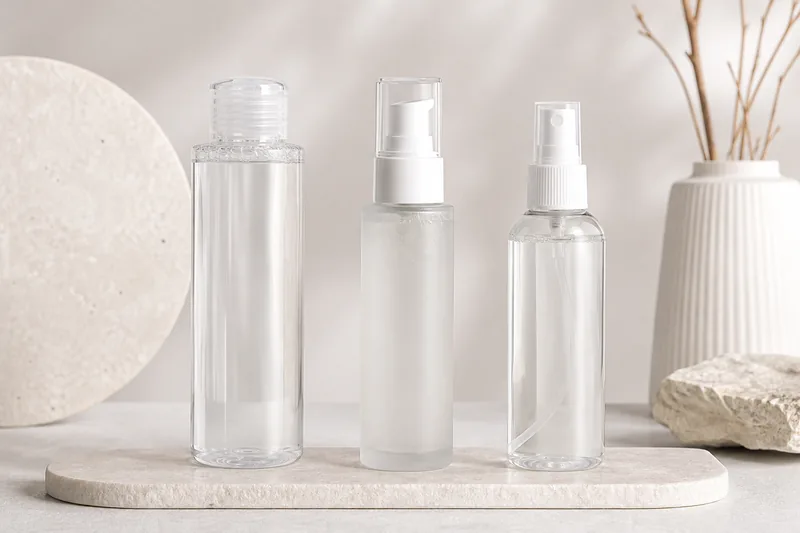
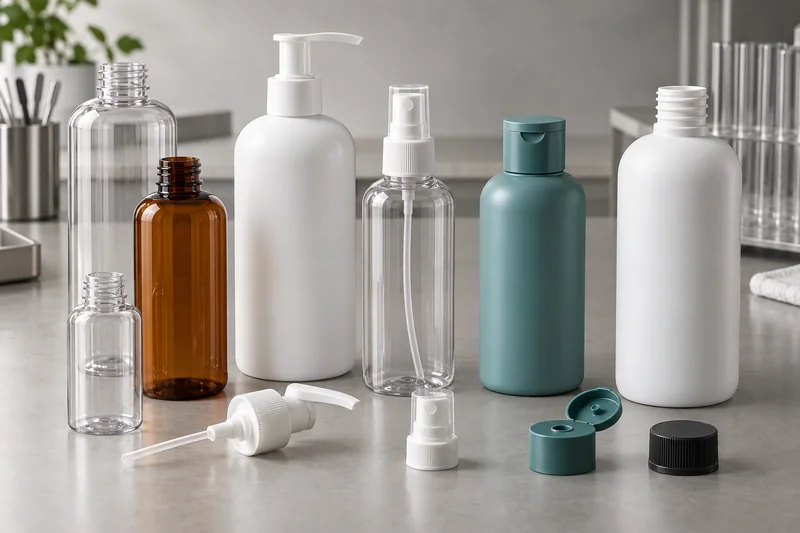
The same liquid can feel very different in three packages. A flip-top bottle dispenses by tilting or squeezing; a fine-mist bottle spreads droplets through a nozzle; a treatment pump delivers liquid into the hand or onto a pad. Decide how the user should apply the toner before choosing the bottle silhouette.
Cotton-pad or palm application
Begin with a controlled-flow opening, flip-top or screw cap with reducer. A simple cap can minimize moving parts, but the opening must not flood the pad or let thin liquid drip into the hinge.
Facial mist application
Consider a finger-operated fine-mist pump when the formula is intended for spraying. Approve plume, droplet feel and coverage with the actual liquid, including after storage and repeated drying at the nozzle.
Essence or one-handed application
A treatment pump can suit more viscous essence toners. A separate pad-dispensing pump can wet cotton on its top platform; it is not the same mechanism or user experience as a lotion pump.
Build a coordinated range with Boyu’s skincare packaging collection. The bottle, closure, seals, dip tube, formula and filling process should be approved as one package.
Toner Packaging Options to Elevate Your Brand Image
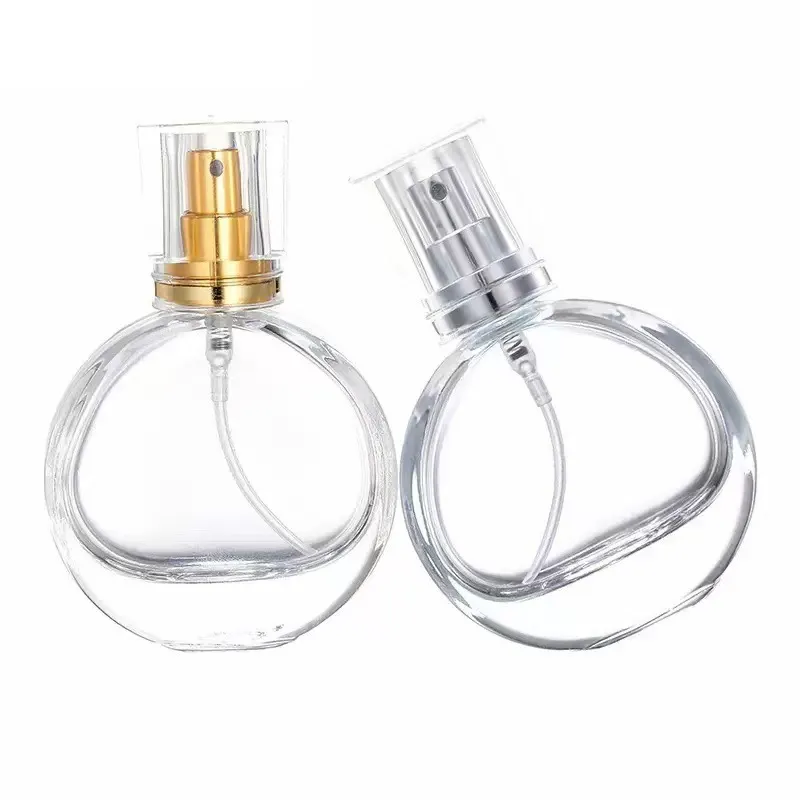
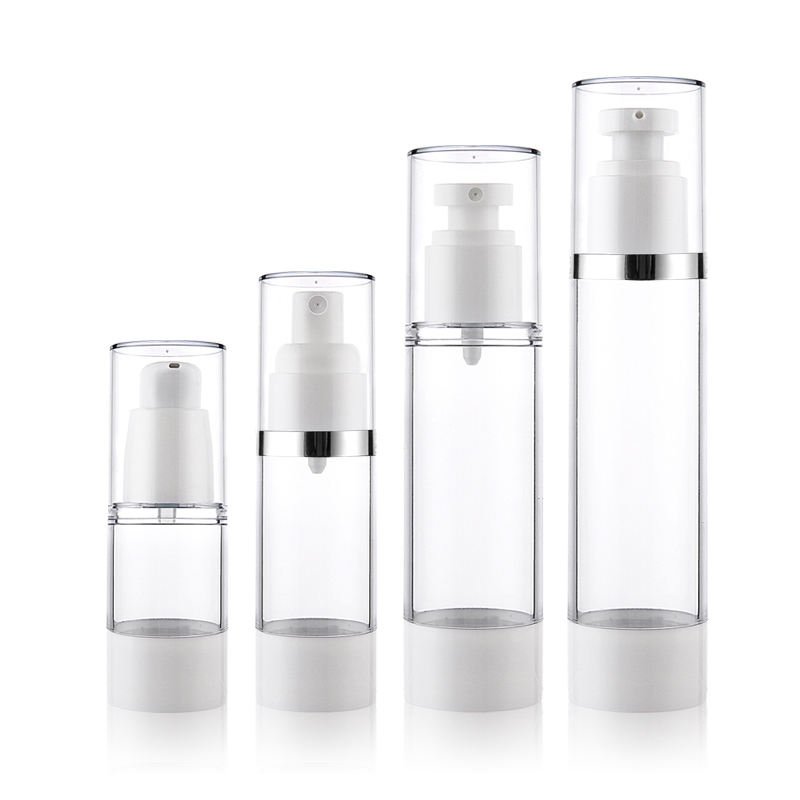
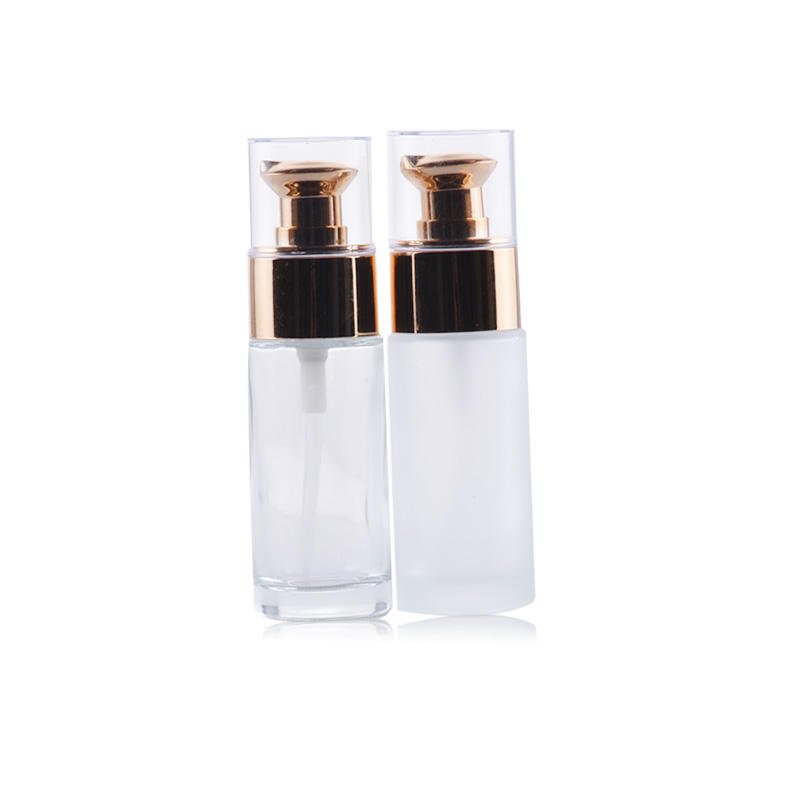
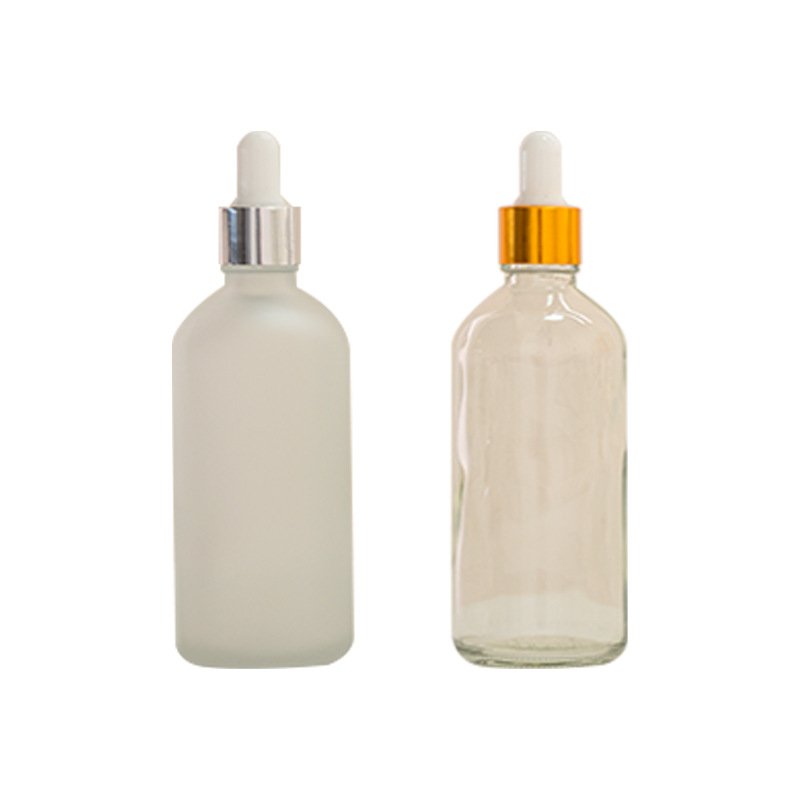
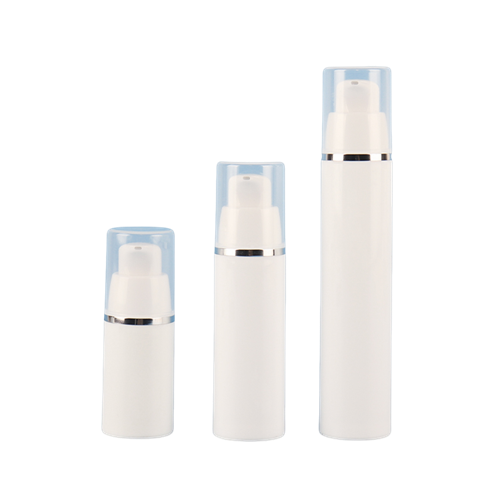
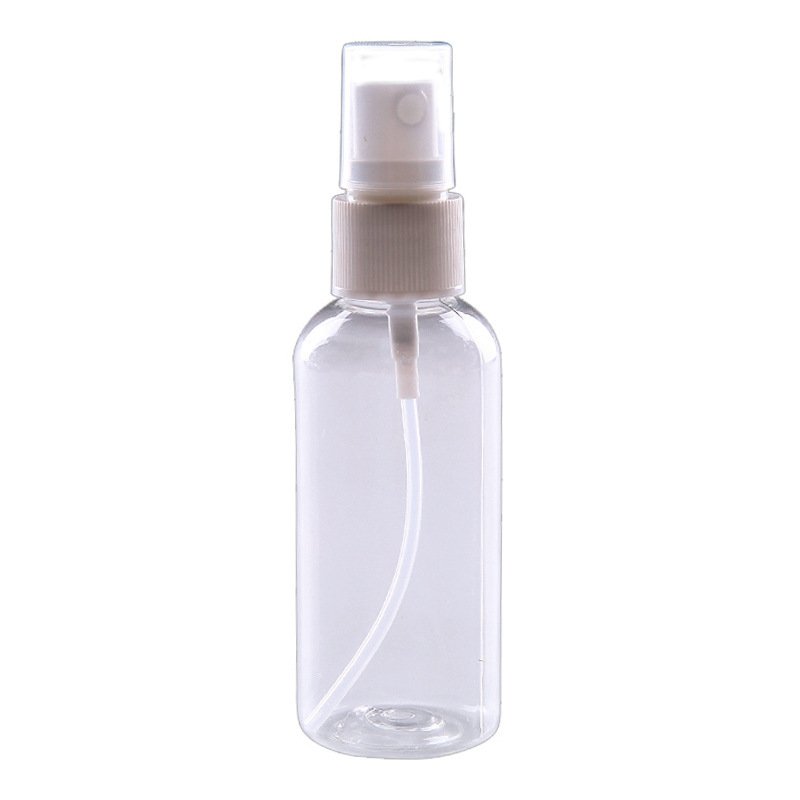
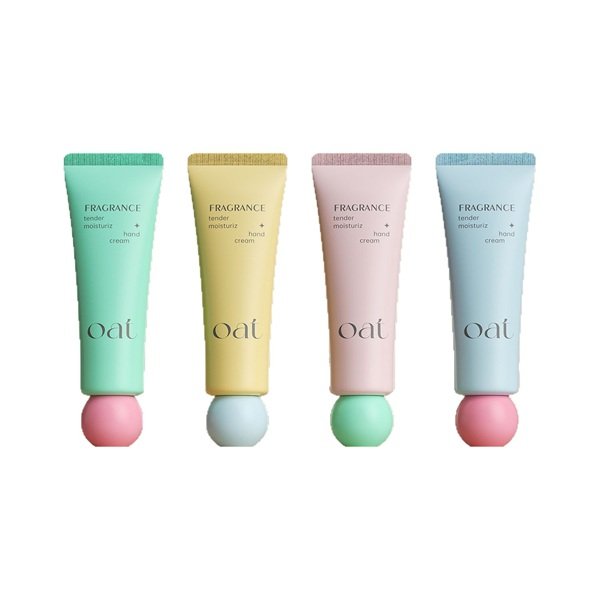
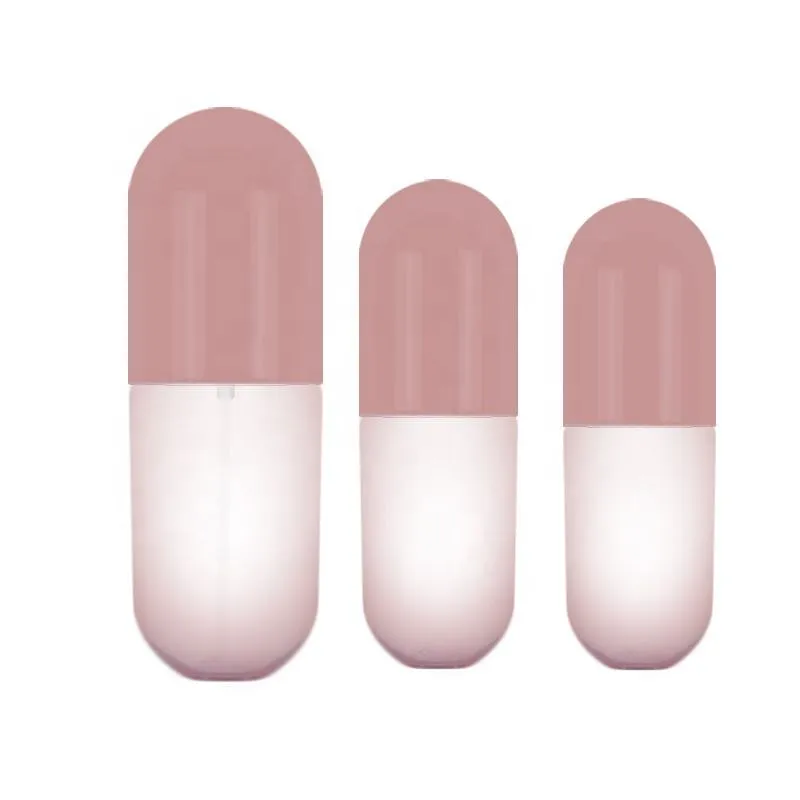
Explore 12 bottle designs to elevate your brand image. View the fine-mist bottle collection →
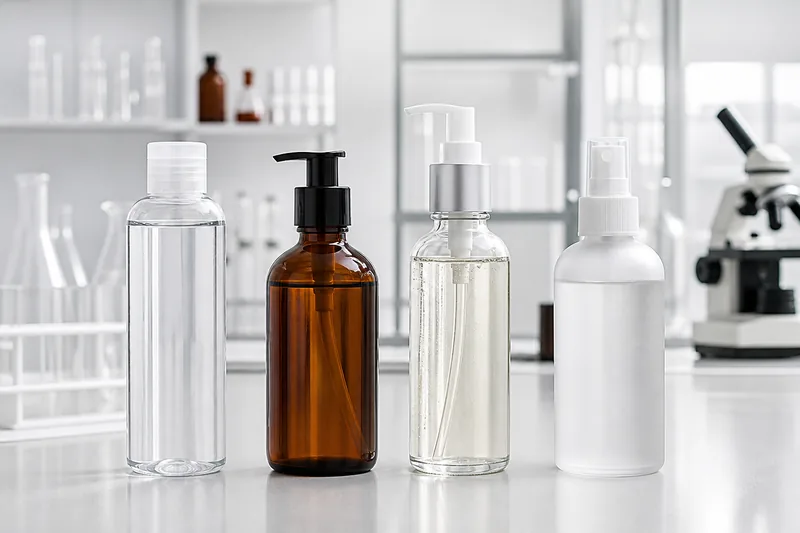
The selection combines spray and pump packaging from Boyu’s catalog. Product names identify the existing designs; suitability for your toner, alternative closures and final capacity are confirmed through model review and filled-pack trials.
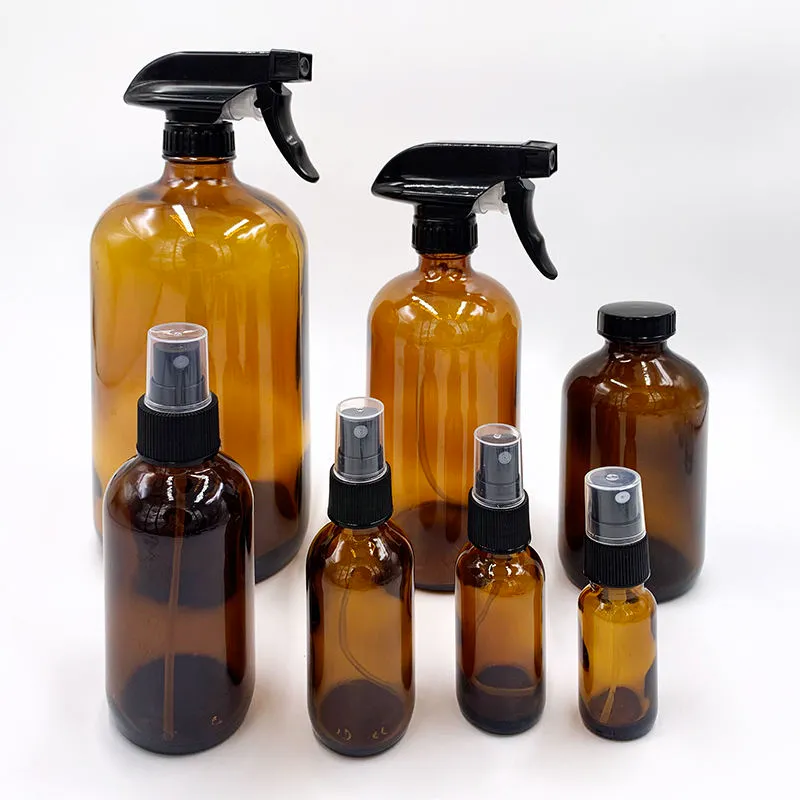
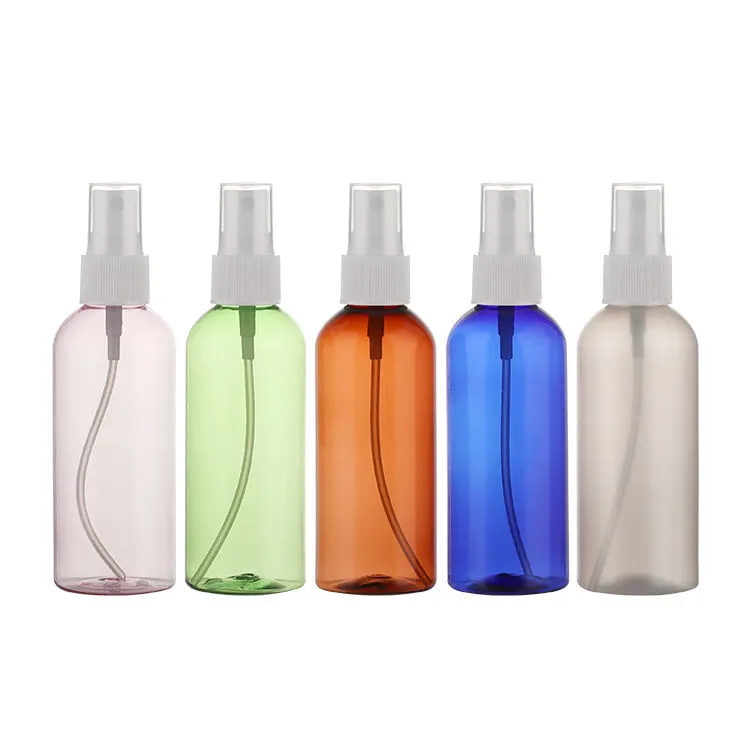
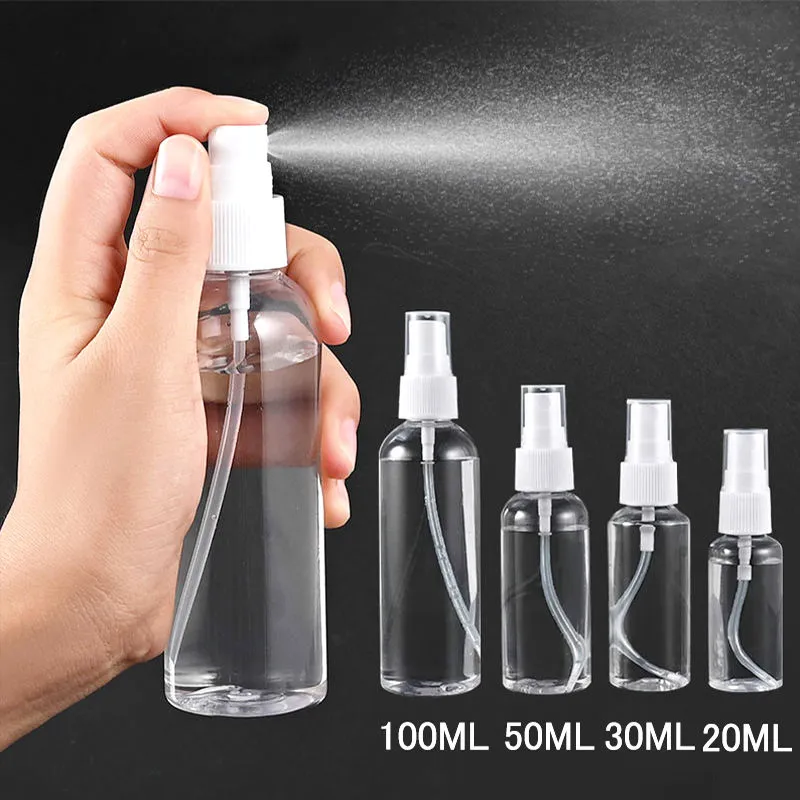
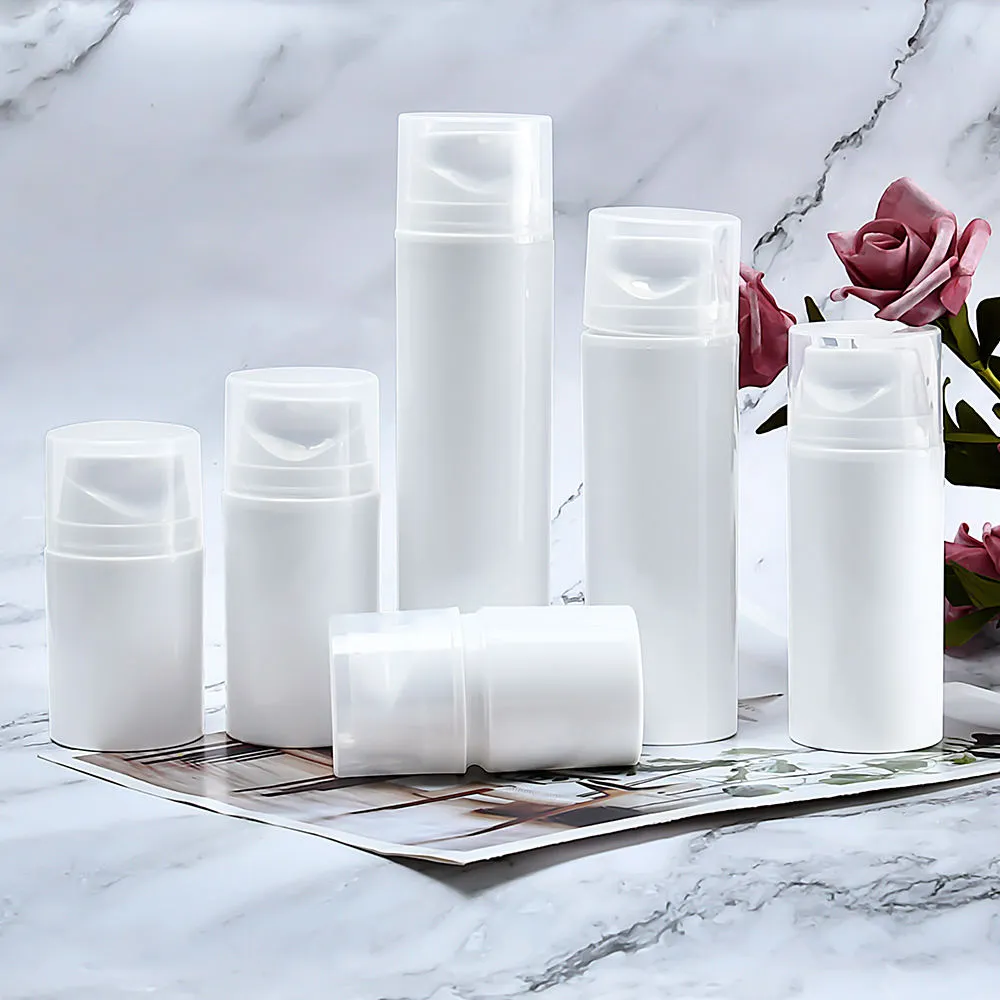
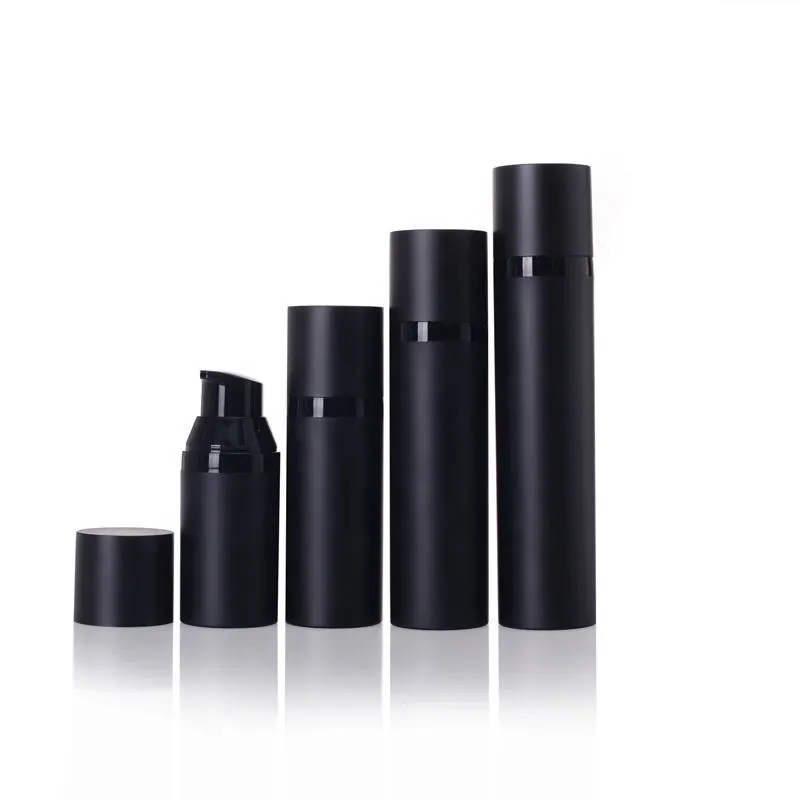
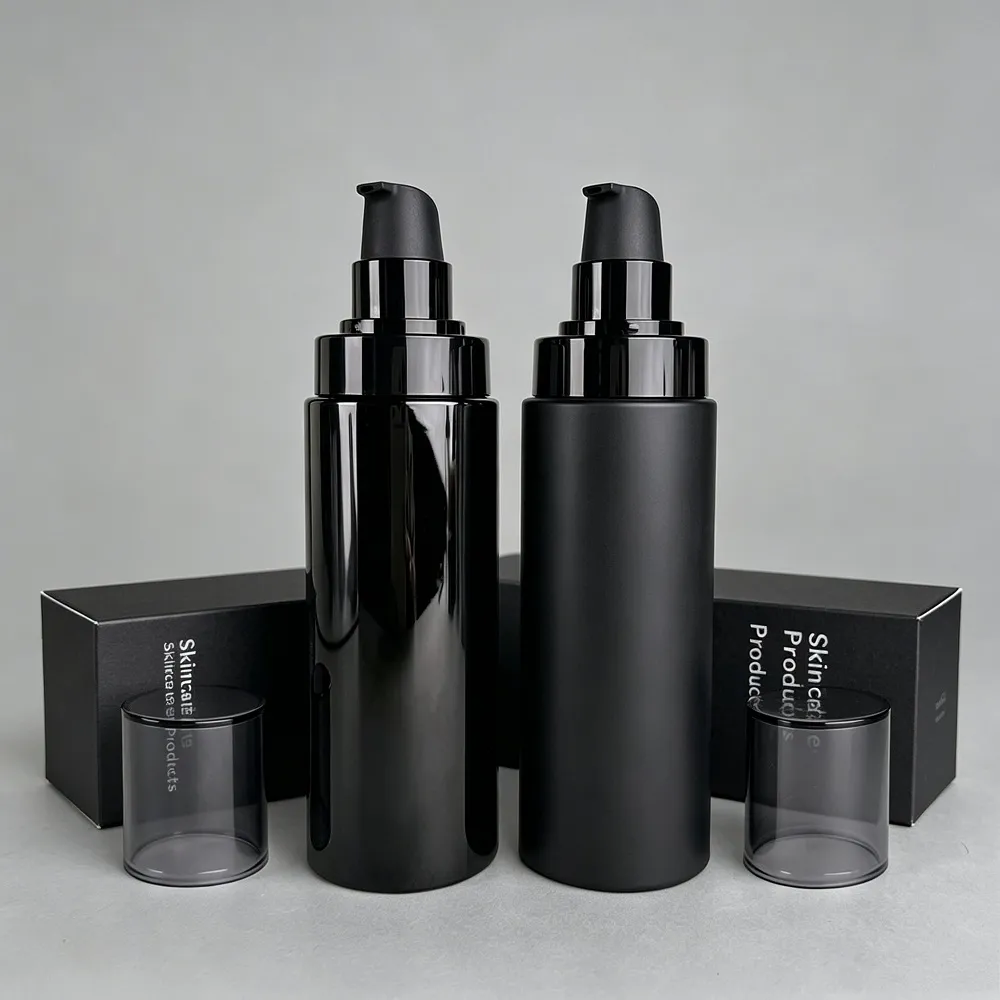
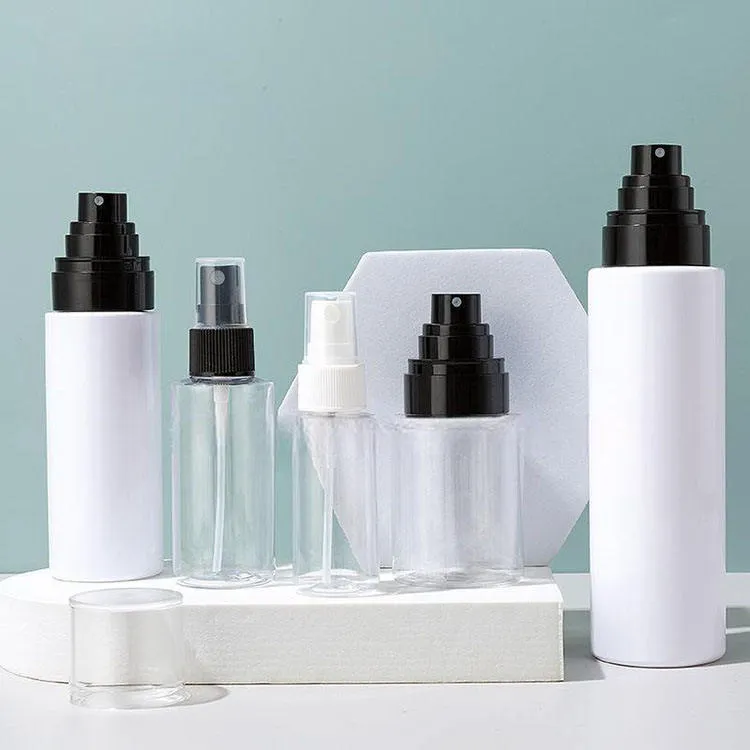
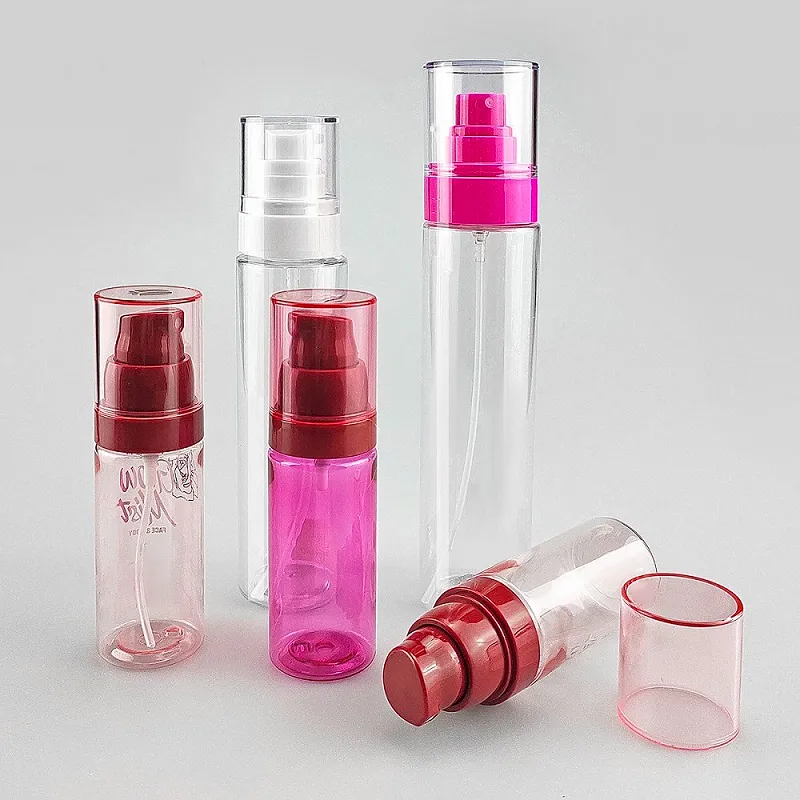
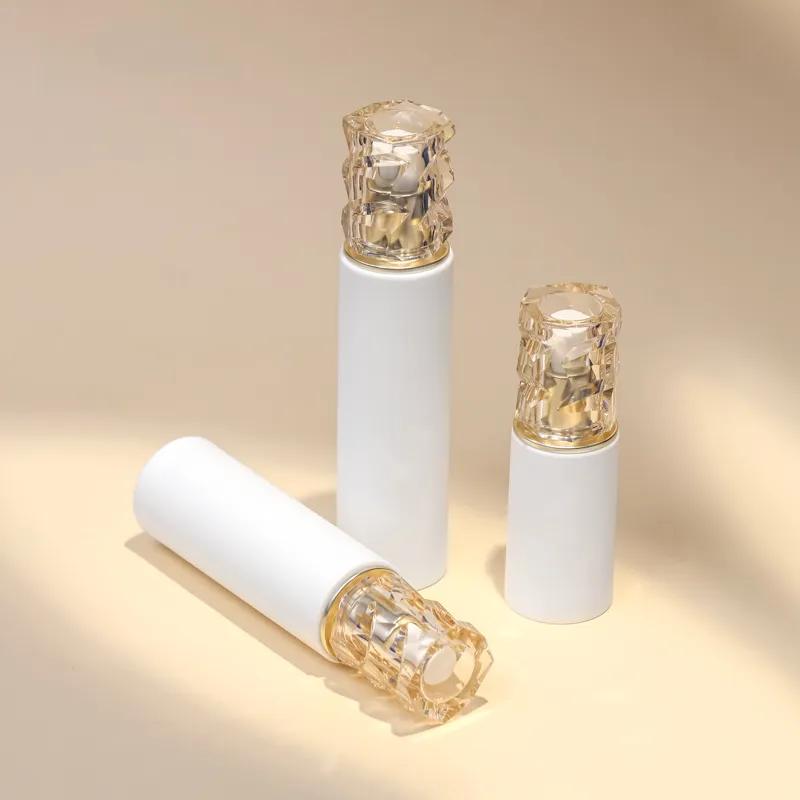
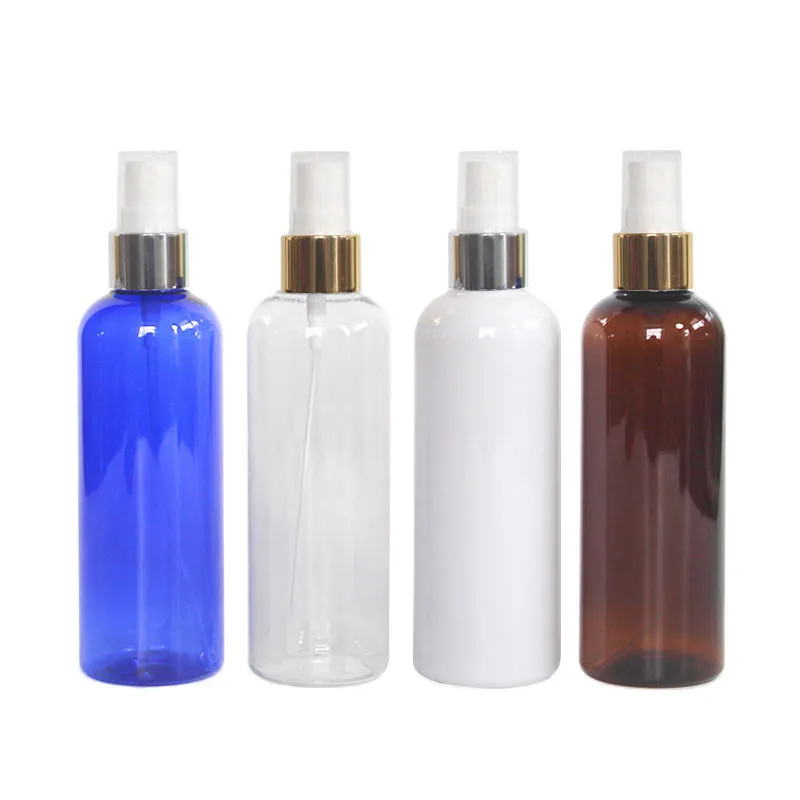
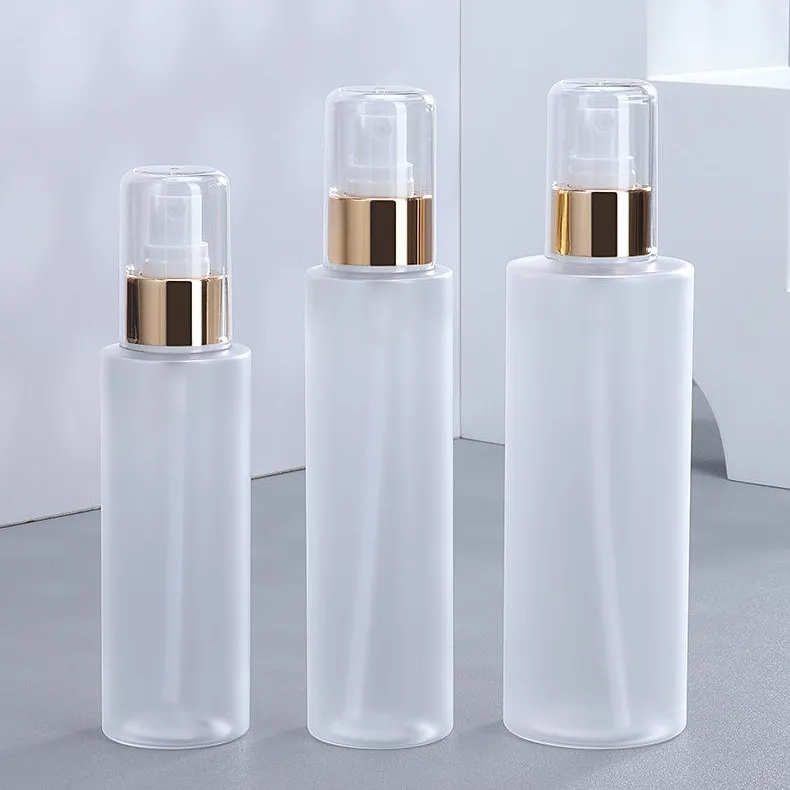
Flip-Top Bottles vs. Spray Bottles vs. Pump Bottles
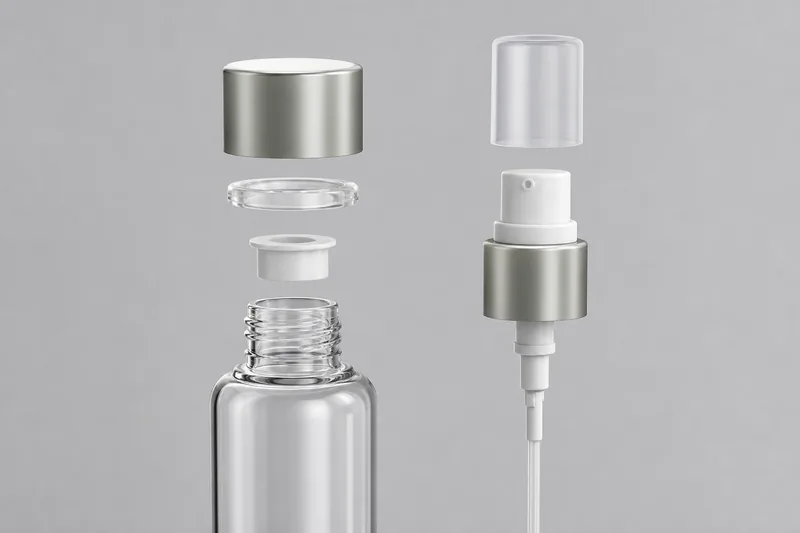
Can one bottle use all three closures?
Sometimes, if qualified closure options share the exact neck finish and sealing interface. The same nominal diameter does not prove interchangeability. A new pump may change overall height, dip-tube length, headspace, filling-line setup and carton layout. Review bottle neck sizes and closure selection before sharing a body across SKUs.
PET, HDPE, PP, PETG and Glass: Material Trade-Offs
For a lightweight daily toner, begin by comparing PET and HDPE samples. For a premium countertop range, compare glass against the complete cost and handling of plastic. Select the contact material first; a metallic collar or decorative coating does not change the underlying formula-contact surface.
Which Toner Ingredients Can These Bottles Hold?
Ingredient families help define a test plan; they do not establish compatibility by themselves. Supply the finished formula’s pH, viscosity, alcohol/solvent content, fragrance or oil phase, sensitive actives and intended filling/storage conditions. A confidentiality agreement can support a more detailed technical review.
Use the formula-to-format toner packaging guide to structure sample selection. Packaging cannot replace formulation stability or preservation work.
Mainstream Capacity Directions and Best-Fit Scenarios
For an initial brief, compare 100ml for portability, 150–200ml for core retail, and 250–500ml for higher-use or refill programs. These are development directions; confirm actual mold availability. Nominal contents, brimful volume and the recommended fill line are separate specifications.
What Dimensions, Bottle Weight and Wall Thickness Are Better?
There is no single best diameter or gram weight for a 150ml toner bottle. A tall narrow bottle may look elegant but need a more deliberate grip; a shorter wider body can be steadier yet occupy more shelf space. Compare filled samples with the intended actuator, cap and retail box.
Lighter construction
Can reduce resin and shipping mass, but must still pass paneling, top-load, drop, seal and handling requirements. Lightweighting should be validated on production-intent samples.
Heavier or thick-wall construction
Can change rigidity and perceived value, but adds material and freight. Extra grams do not correct a poor neck seal, unsuitable pump or uneven wall distribution; thicker glass also needs appropriate forming and annealing.
Quotation rule: dimensions, grams, wall thickness, tolerances and pump output are confirmed from the selected drawing and approved sample. No carton gross weight is presented as a bottle specification.
How Toner Pumps and Fine-Mist Sprayers Work
Treatment pump cycle
Pressing the actuator moves a piston and pushes liquid from a chamber through the outlet. On release, the spring returns the assembly and the inlet valve allows the chamber to refill through the dip tube. Priming clears air before consistent delivery.
Fine-mist cycle
A small pump pressurizes liquid and sends it through a nozzle insert that breaks it into droplets. The chamber, valve and nozzle work together; viscosity, surface tension and residue affect the final plume.
Air return and airless systems
A conventional rigid dip-tube bottle generally needs an air-return route. Blocking it can interrupt delivery or deform the body. A designed airless piston or pouch follows a different volume-compensation mechanism.
Specify delivered mass or volume per full stroke, priming strokes, return time, user force, drip behavior and near-empty residual product. For spray systems, add plume symmetry, coverage at an agreed distance and clogging after repeated use. A smaller-looking nozzle does not prove a better mist.
Compare treatment and lotion-pump bottle formats for non-atomized application, or airless pump bottle designs when the formula and stability objectives justify that route.
Toner Bottle Manufacturing: Material-Specific Production Routes
The selected bottle determines the manufacturing route. Empty-pack production is separate from your filler’s bulk-formula preparation, filling and final closing operations. Confirm which manufacturing and finishing steps apply to the chosen model.
1. Specification and material release
Freeze the resin or glass specification, drawing, neck interface and appearance standard. Record material lots, approved colorants and any recycled-content requirement.
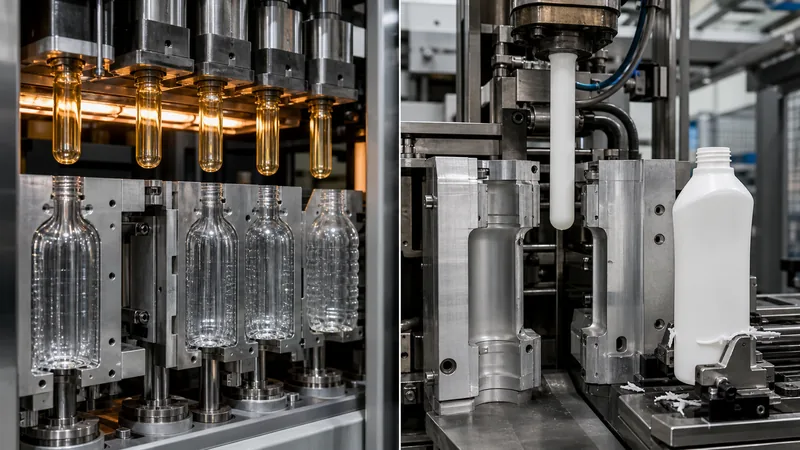
2. PET body forming
A typical PET route uses molded preforms, controlled reheating and stretch blow molding. Preform selection, temperature distribution and stretch affect clarity, wall distribution and neck/body alignment.
3. HDPE and other plastic routes
HDPE bottles commonly use extrusion blow molding, followed by trimming and relevant leak checks. PP/PETG or specialized constructions use the route appropriate to their design; do not apply PET settings universally.
4. Glass forming and annealing
Glass bodies are formed in molds and annealed under a controlled cooling profile. Inspect finish dimensions, body defects, distribution and residual stress as required by the specification.
5. Components and decoration
Caps, inserts and pump parts are molded or sourced to the approved bill of materials. Apply model-compatible printing, coating or foil, then inspect adhesion, registration and sealing surfaces.
6. Assembly and empty-pack release
Fit the correct closure and tube configuration where supplied assembled. Check appearance, dimensions and dispensing samples, preserve lot identity, and pack against approved abrasion and impact risks.
Evidence a buyer can request
Ask for approved drawings, bottle weight records, neck checks, appearance limits, material declarations and the agreed inspection report. Review PET and HDPE bottle manufacturing steps for the shared molding principles, then qualify your toner-specific closure and formula.
What Can Be Customized?
A logo change usually differs from a structural change in cost and timing. Reusing an approved mold may avoid new bottle tooling, but it does not mean every color, neck, pump or finish is available without development.
Custom-Order Production Workflow
1. Buyer brief
Send formula properties, intended application, capacity, volume forecast, target market, filling requirements and design references. Flag light sensitivity, alcohol, oils and particles early.
2. Model and feasibility review
Shortlist existing molds or review customer-supplied custom drawings. Confirm closure interfaces, available processes, tooling scope and ownership terms before paying for development.
3. Drawings and artwork
Approve dimensions, fill/headspace, component bill of materials, colors, print areas, packing and version numbers. Late changes can require new samples or tooling work.
4. Appearance and functional samples
Review color/logo samples separately from formula-filled trials. A 3D prototype or decorated empty sample does not qualify production sealing, chemical compatibility or shelf life.
5. Production release and QC
Release the approved specification after sample acceptance and agreed payment conditions. Monitor molding, decoration and assembly, with agreed sampling and hold/release criteria.
6. Shipment and repeat-order control
Approve final inspection and packing evidence, then dispatch under the agreed trade terms. Retain reference samples and investigate any proposed material or component substitution before a repeat run.
How to Prevent Leaks in a Low-Viscosity Toner Pack
Thin toner can expose a small sealing gap that a thicker cream does not reveal. Locate the escape path first: neck seal, insert, pump body, actuator outlet or bottle damage. Increasing cap torque without identifying the cause can distort the seal or damage the thread.
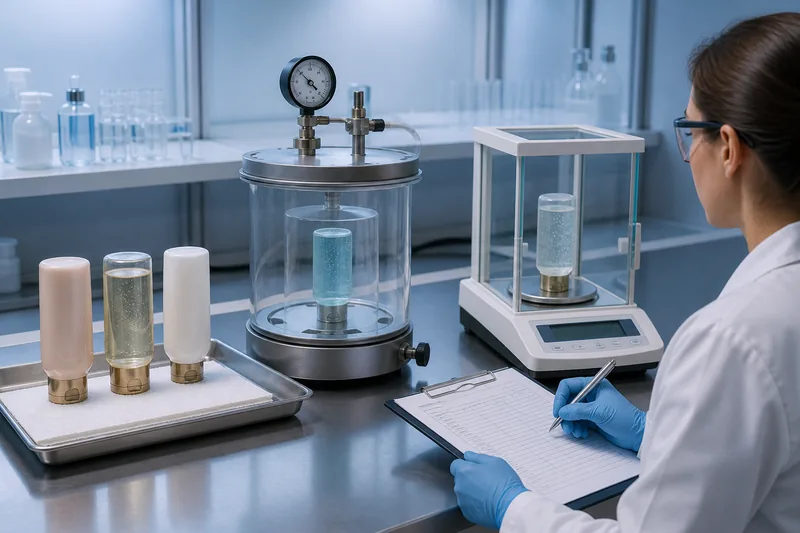
Use cosmetic bottle leak-testing methods to choose tests for the distribution route. An empty-bottle leak test is useful process evidence, but it does not replace testing the filled assembly.
Quality Control: From Incoming Material to Shipment
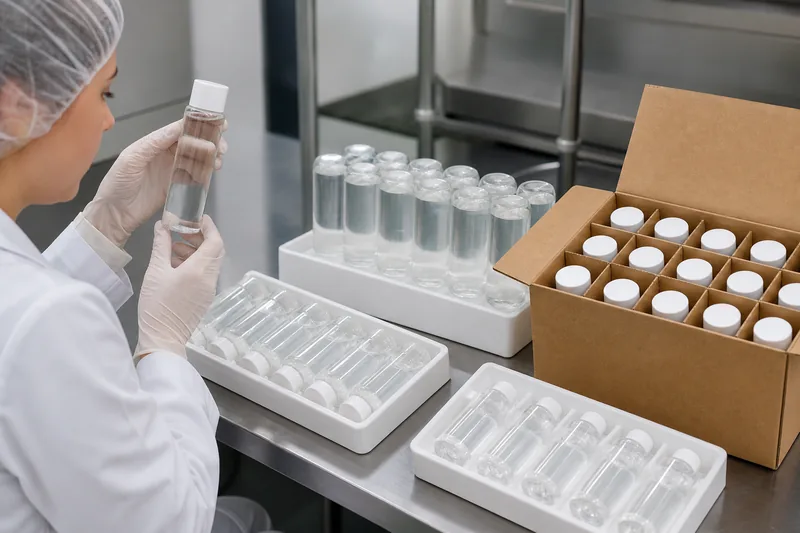
Define critical, major and minor defects and the agreed inspection plan before manufacture. A pass/fail claim without the sample size, test condition and acceptance limit is difficult to compare across suppliers.
Common Toner Bottle Problems and Practical Solutions
Keep the failing samples, lot codes, photos and filling/storage details. They help distinguish a packaging defect from a formula, assembly or transport issue and make corrective action measurable.
Product References and Application Cases
The catalog reference below is a public product example. The application scenarios are explicitly illustrative development briefs, not completed customer projects or claimed test results.
Catalog reference: PET facial mist
Boyu’s 150–250ml PET facial mist spray bottle is a relevant starting point for a spray-intended toner. Review the selected capacity, sprayer output and cap, then run compatibility and plume tests. Its catalog listing is not evidence that your formula has been approved.
Illustrative application: daily cotton-pad toner
Brief: a 200ml water-like toner for daily use. Proposed direction: PET or HDPE with controlled-flow flip-top/reducer and a coordinated label. Main risk: over-wetting and bag leakage. Validate opening flow, cap cycling and the final filled shipping pack before committing.
Illustrative application: premium essence toner
Brief: a 150ml thicker essence used in the palm. Proposed direction: a qualified treatment-pump bottle with restrained decoration. Main risk: cold-condition recovery and excessive dose. Approve output, return, near-empty residue and toner resistance of the decoration.
Where These Packages Are Used
Daily retail skincare
Prioritize repeatable use, shelf recognition, wet-hand grip and clear instructions. A simple dispensing cap can be an effective solution when misting is unnecessary.
Travel and discovery
Use smaller sizes with secure closure and assembly protection. Evaluate a filled pouch or kit; small capacity alone does not prevent leakage.
Facial-mist routines
Select spray-intended formulas and confirm comfortable, even coverage. The sprayer does not establish any skincare efficacy claim.
Premium countertop collections
Compare glass, clear plastic and selected thick-wall designs for appearance, total weight and breakage. Coordinate components across a range without assuming shared compatibility.
Professional salon / treatment rooms
Consider larger volumes, a suitable pad pump and one-handed use. Review cleaning instructions, platform residue and cross-use hygiene with the operator.
Refill and e-commerce programs
Design the refill interface, protection and repeated-use process deliberately. Compare packaging mass, carton efficiency and damage costs together.
MOQ, Lead Time, Price and Buyer Questions
Plan the delivery sequence as specification approval → samples/tooling → formula and pack qualification → production → inspection → dispatch → transit/customs. Manufacturing lead time is not the arrival date. Empty-bottle transport and filled-product transport may have different requirements.
For export packing, confirm bottles per carton, component protection, carton dimensions and gross weight, pallet layout and stacking limits. A premium coating may require separators even when an undecorated bottle can be bulk-packed.
Toner Bottle Questions & Answers
Is a flip-top or spray bottle better for toner?
Choose by application. A controlled-flow flip-top or reducer suits pad/palm use; a fine-mist sprayer suits formulas intended for misting. Test actual flow, leakage and repeated-use performance.
Can a lotion pump dispense watery toner?
A suitable treatment pump can, but the dose and outlet must avoid splashing. Qualify thin-liquid sealing, priming, return and cutoff instead of choosing a pump by appearance alone.
Is a cotton-pad pump the same as a lotion pump?
No. A pad pump delivers liquid onto a top platform; a conventional treatment pump delivers through an outlet. Review platform hygiene, splash, cap and transport protection separately.
Is PET or glass better for a toner bottle?
PET can reduce handling and freight weight; glass offers a rigid premium presentation and low permeation through the body. The complete formulation, closure and distribution plan determine suitability.
Can an acid or alcohol toner use a plastic bottle?
It may, after review and testing of the finished formulation with the selected resin and every wetted component. Acid family, pH or alcohol percentage alone does not prove compatibility.
Which capacity should I launch first?
Compare 150–200ml for a core retail toner and 50–100ml for a portable extension. Final capacity follows dose, expected usage, price position and available molds.
What are the exact grams and wall thickness?
They depend on the selected material, geometry and mold. Request bottle-only and assembled empty-pack weights, tolerances and drawing-defined wall measurements; carton weight is separate.
Do opaque or amber bottles guarantee UV protection?
No. Request evidence of the required light transmission and confirm formula stability in the complete package. Visual color is not a universal barrier specification.
Does toner need airless packaging?
Not automatically. Evaluate a qualified airless design when stability or dispensing goals justify it, and confirm performance with the actual low- or high-viscosity formula.
Can I change the cap to a sprayer later?
Only after confirming exact neck, sealing interface, tube, headspace and assembly fit. Recheck overall height, packing and formula suitability for spraying.
What colors and logos can be customized?
Review body/component colors, screen printing, labels and supported decorative finishes. Approve physical samples, artwork and adhesion; feasibility varies by model and material.
How do you control leakage and quality?
Agree the component specification, assembly window, dimensional/appearance checks and filled-pack performance tests. Inspect the final packed goods against written acceptance criteria.
Are the bottles refillable and recyclable?
Those claims depend on the complete construction and intended system. Validate repeated use and refill hygiene; assess recyclability against the destination collection and recycling stream.
What information is needed for a quotation?
Send formula properties, application method, capacity, bottle/closure references, quantity by SKU, colors and artwork, filling requirements, tests, packing and destination.
Request Your Custom Toner Bottle Quotation
Send the target fill volume, formula type and viscosity, intended application and preferred closure. Add your bottle reference, quantity by SKU, color/logo files, test requirements, filling method, packing and destination. Include any required delivery date so approvals and testing can be scheduled realistically.
 English
  Español de Argentina
  Русский
  Italiano
  日本語
日本語  한국어
한국어  العربية
  Français
  Deutsch