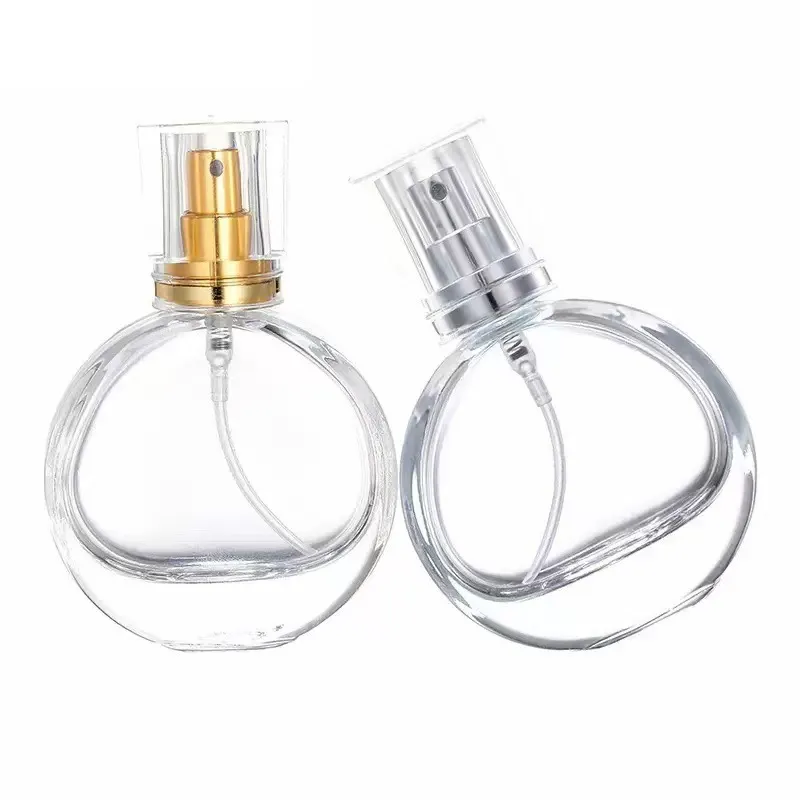
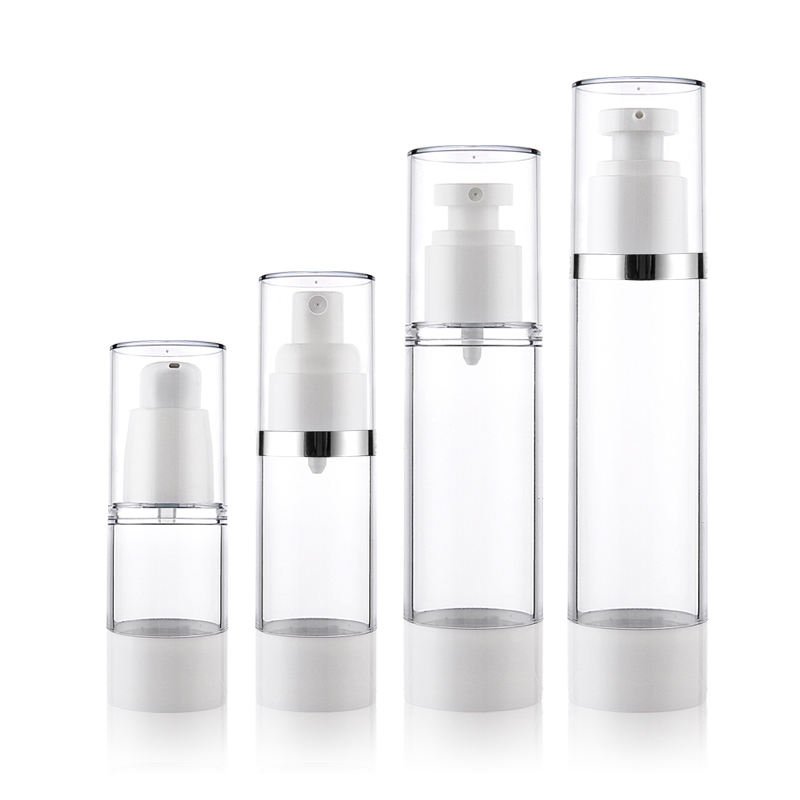
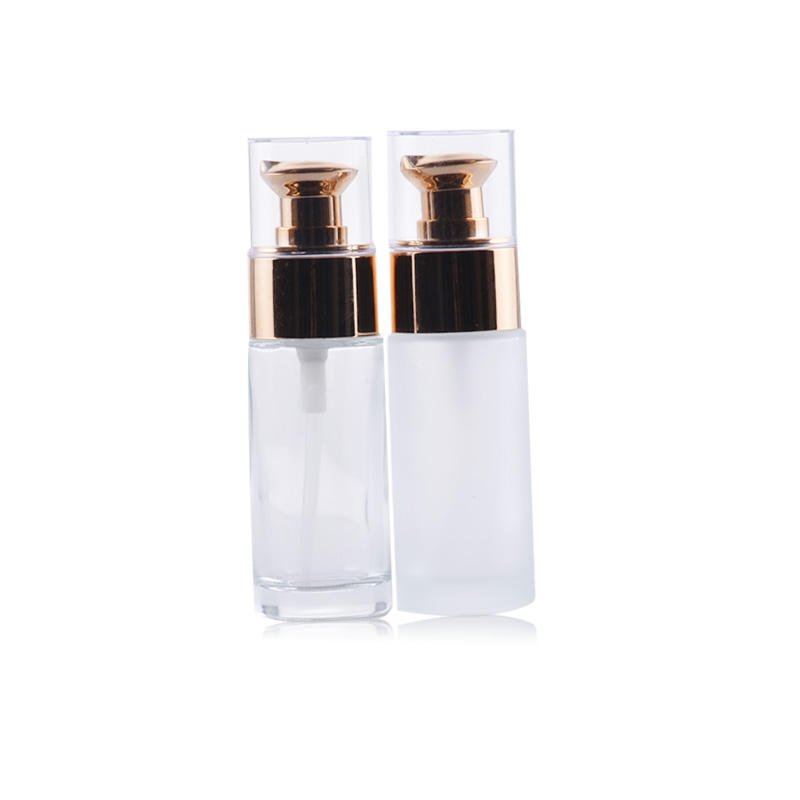
Square HDPE Shampoo Bottles with Lotion Pumps — 100–500 mL
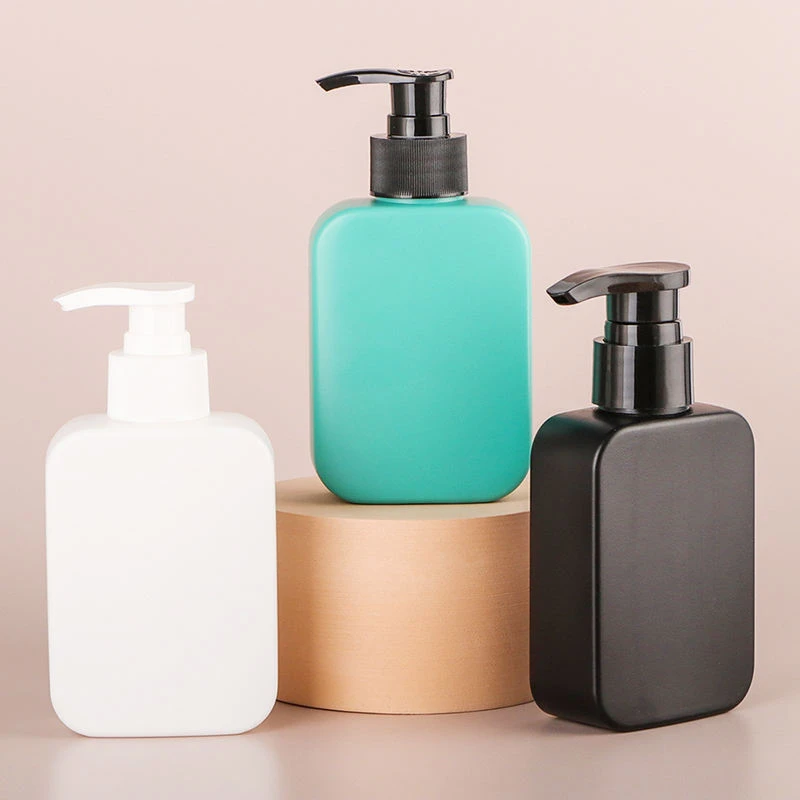
Build a coordinated haircare or body-care range around a rounded-square bottle, broad front presentation area and pump dispenser. This HDPE reference family covers six core capacities from 100 to 500 mL, with color and decoration selected during sampling. Start with our guide to plastics used for shampoo bottles to align material choice with your formula and desired pack feel.
MOQ: 10,000 pieces | Reference body: HDPE | Format: rounded square + lotion pump
Select the Bottle and Pump as One System
A shampoo bottle that works well for a fluid cleansing formula may not dispense a thick conditioner at the same pump output or actuation force. Agree the formula type, viscosity behavior at use temperatures, desired amount per stroke and consumer use environment before selecting the dispenser. Our shampoo and conditioner bottle comparison explains why a matching visual range can still need different dispensing specifications.
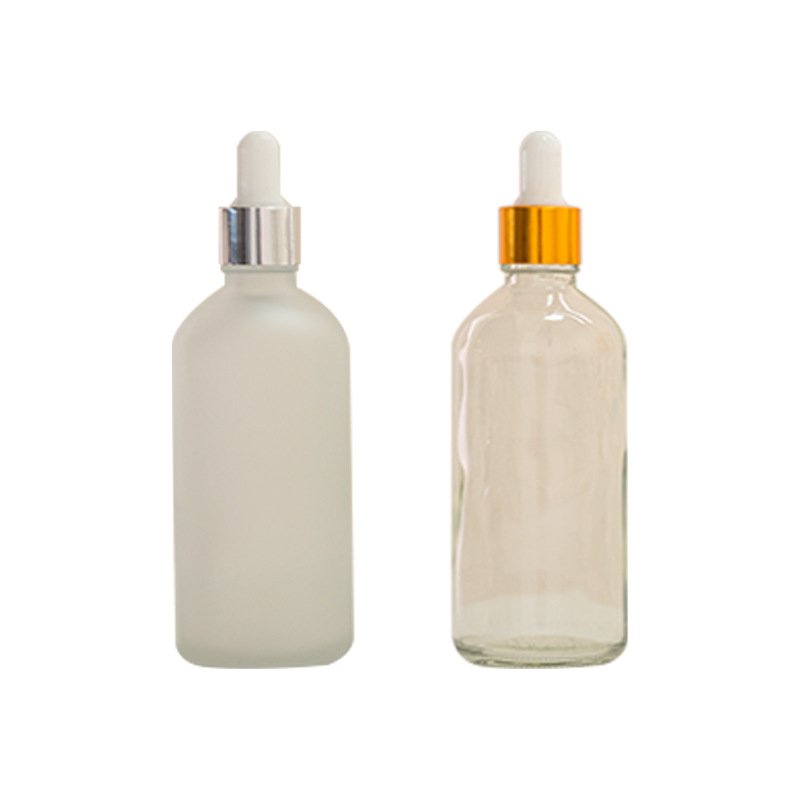
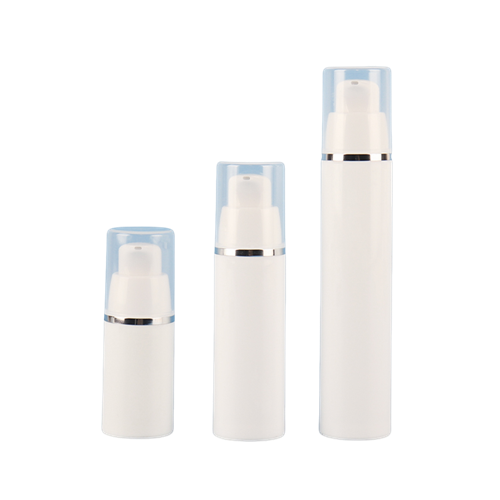
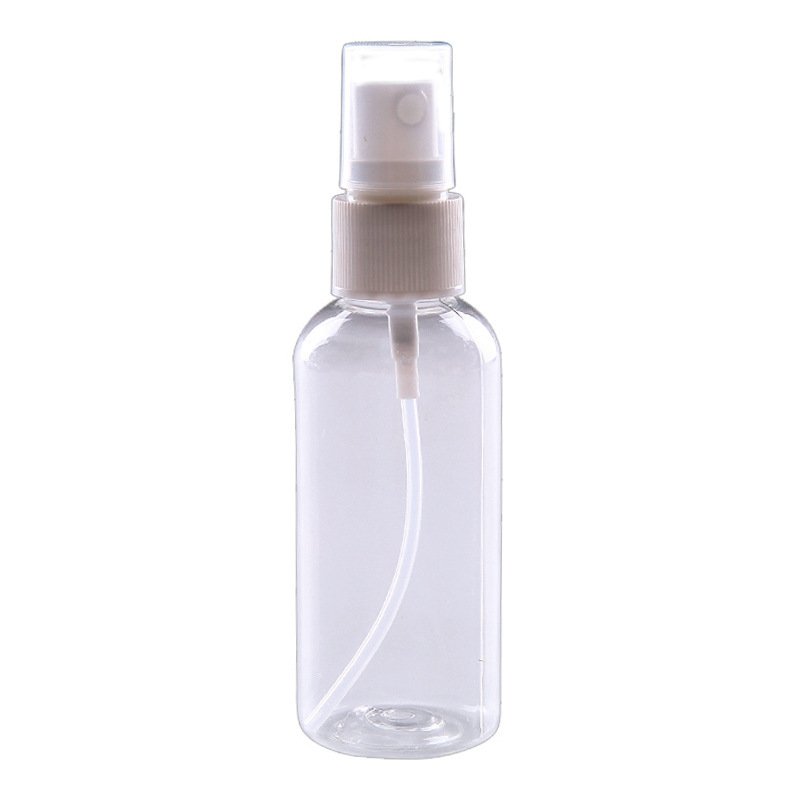
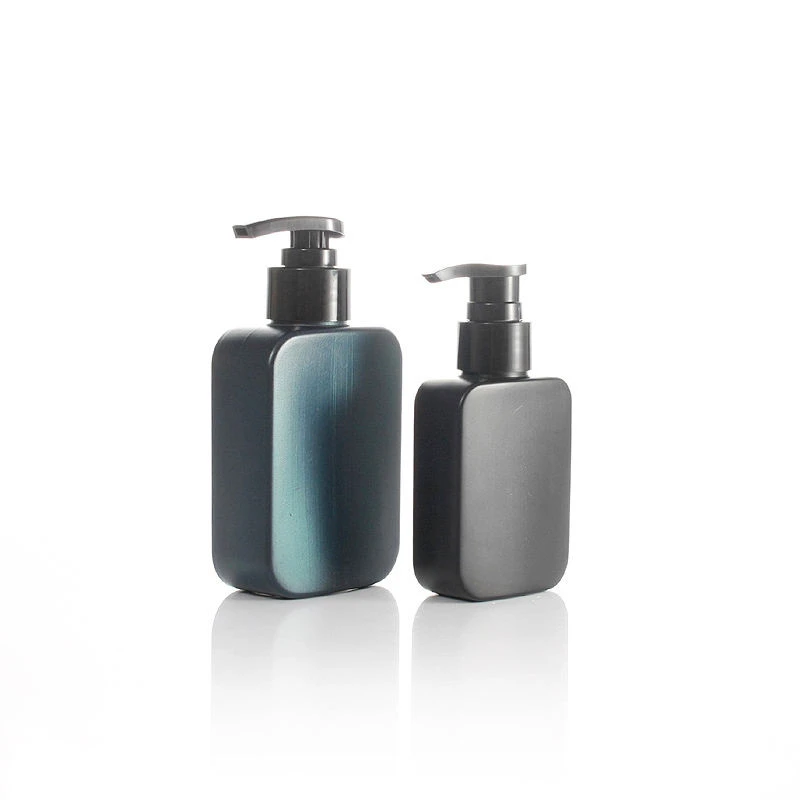
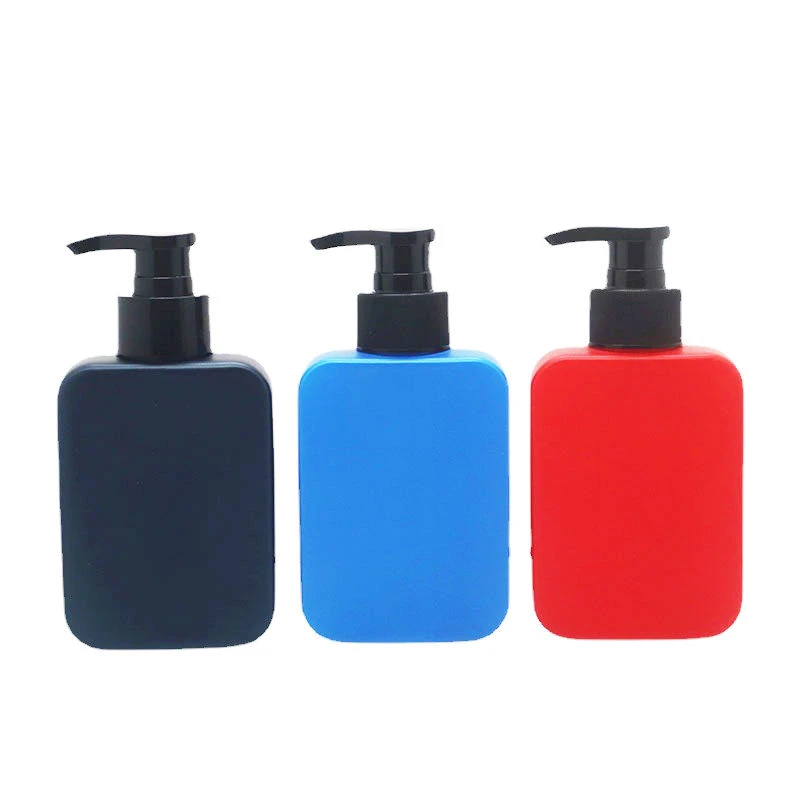
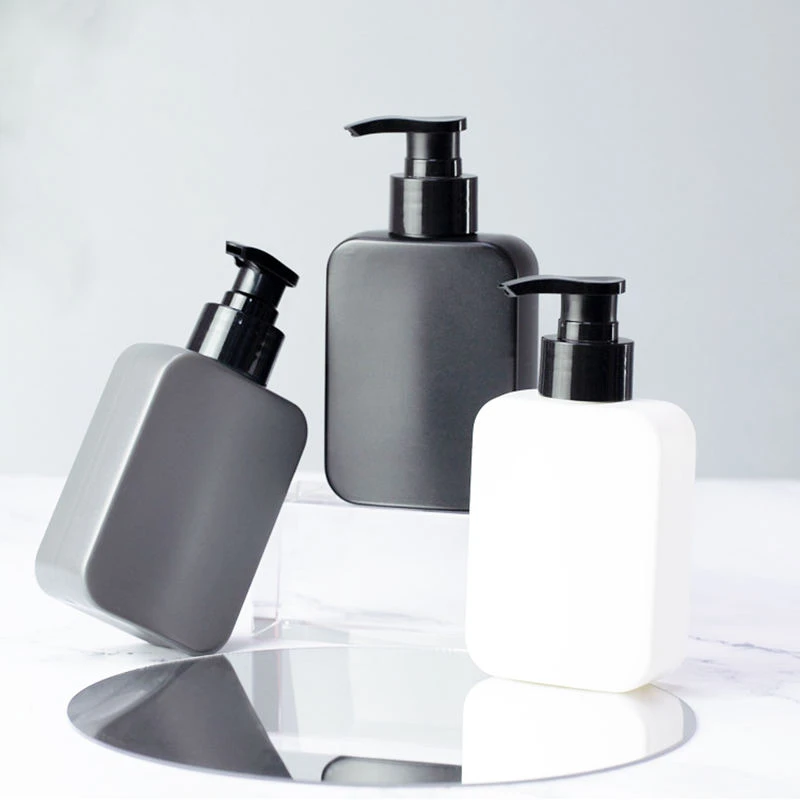
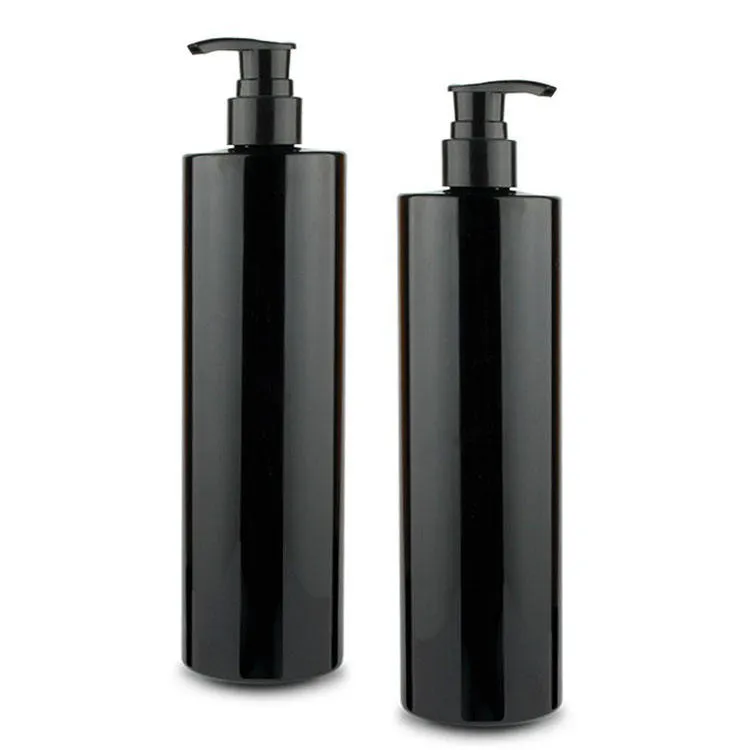
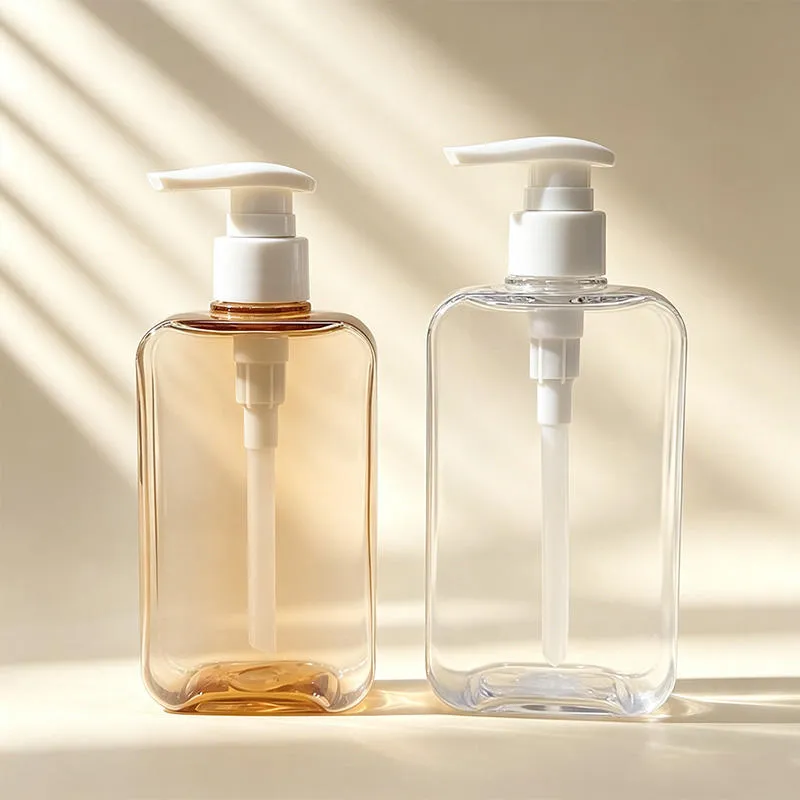
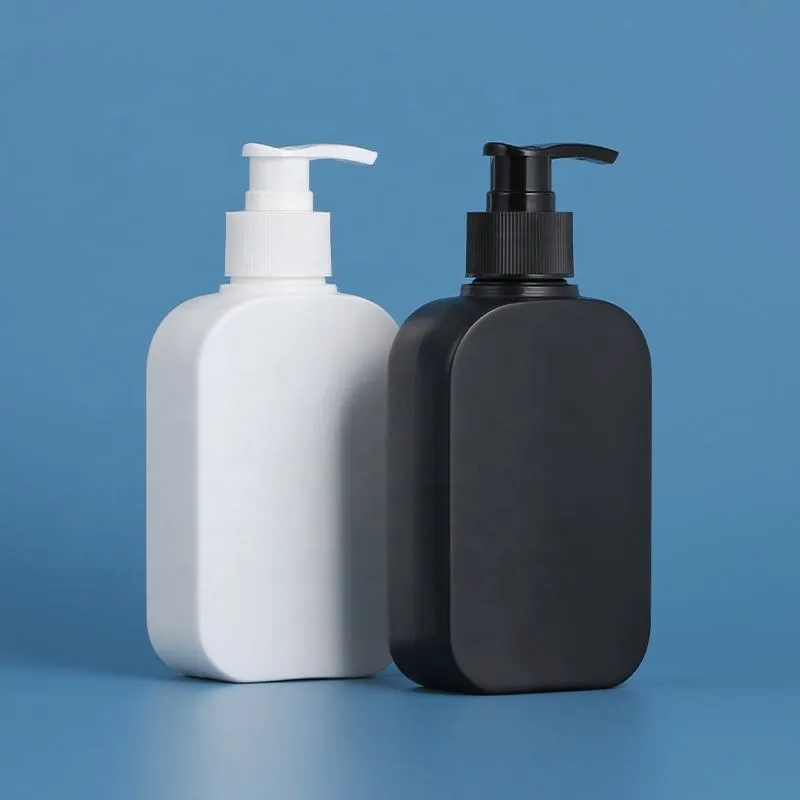
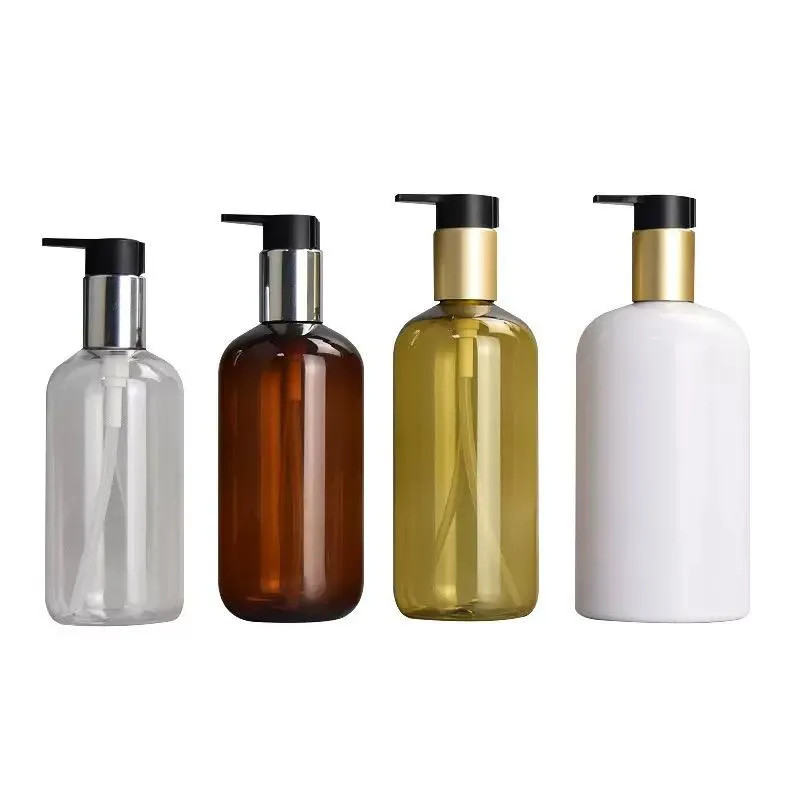
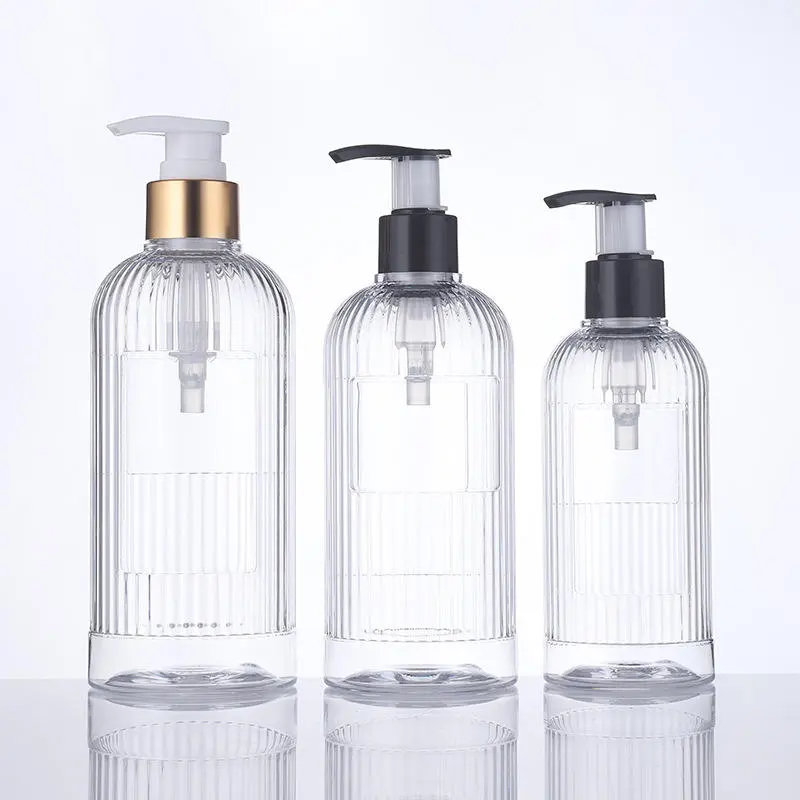
The reference photos show flat presentation faces, rounded edges and pump closures in coordinated colors. Approve the selected bottle’s stability, grip and pump accessibility on filled samples. The square format does not by itself establish carton efficiency, squeeze force or top-load performance; verify those properties for your capacity and packing arrangement.
Technical Specifications
| Product format | Empty HDPE shampoo / lotion bottle with lotion pump; rounded-square reference silhouette |
|---|---|
| Reference capacity range | 100, 150, 200, 250, 300 and 500 mL; 450 mL appears as an additional selectable option and requires confirmation |
| Body material | HDPE identified in the title and primary attributes; confirm resin grade and the approved material declaration |
| Pump and sealing parts | Pump resin, spring, gasket and product-contact parts require a component specification |
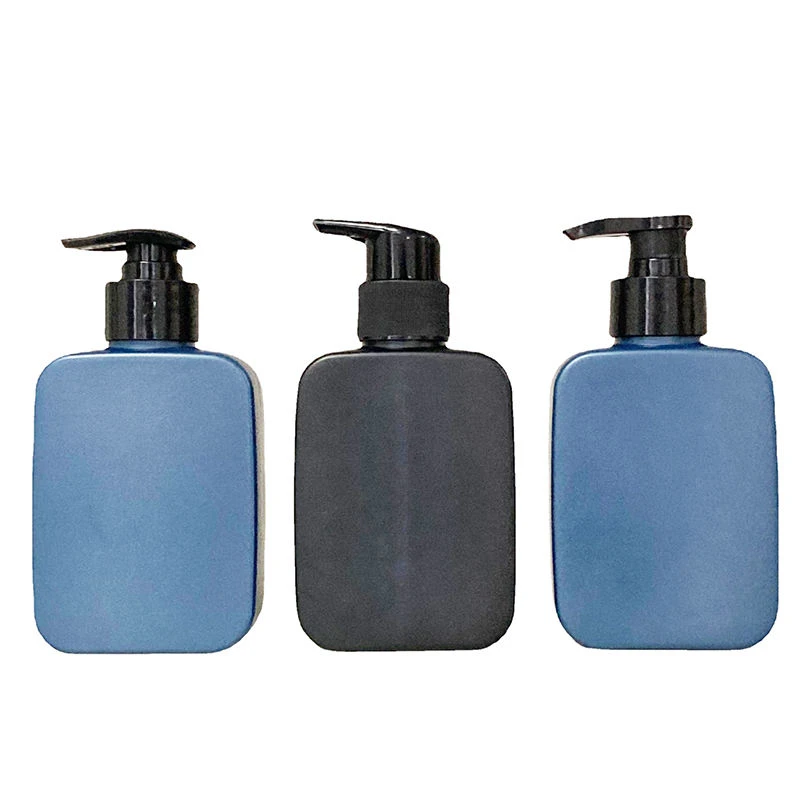
| Color | Black reference option; white, blue, green, red and other colors shown. Match the selected version to a physical approved sample |
| Decoration to discuss | Screen printing, digital printing and heat transfer listed by the source; labels subject to surface trials |
| Neck and closure | Exact neck finish, thread, sealing land and compatible pump require size-specific drawing approval |
| Pump output / dip tube | Not documented; agree output, tolerance, locking design and cut length for each capacity |
| Bottle dimensions / weight | Request height, width, depth, label area, unit weight and agreed wall distribution |
| MOQ | 10,000 pieces |
| Filling use | Shampoo, conditioner, body wash or lotion, subject to formula and dispensing validation; oils need a separate compatibility review |
| Packing / timing / price | Written quote for the exact bottle, closure, decoration and export packing configuration |
Capacity Planning for a Coordinated Product Range
| 100 / 150 mL | Consider for a compact retail or trial-size presentation. Check whether the pump and overhang remain proportionate to the smaller bottle and whether carton inserts support the pack. |
|---|---|
| 200 / 250 / 300 mL | Consider for a core retail range. Compare grip, display height, front-label area and the number of actuations expected over the product life. |
| 500 mL | Consider where a larger consumer fill is required. Validate filled-pack stability, pump reach and usable evacuation rather than carrying over the smaller bottle’s pump specification. |
| 450 mL option | Shown in the source selector but not the main title. Request a dedicated drawing and sample before treating it as an approved range member. |
These are selection considerations, not fixed market assignments. Specify commercial net fill separately from brimful capacity, allowing the headspace required by the filler and closure. For a formula sold by weight, use measured formula density to determine the target volume. Request overall height with the pump locked and unlocked, body dimensions and label panel dimensions for each size.
HDPE Body: Material and Formula Decisions
HDPE is the material identified by the main product title and attributes. The source’s embedded specification table also contains generic PET/PE/PP entries and a screw-cap description; those mixed entries are not a reliable model-specific bill of materials. Confirm the selected body resin and closure assembly in the approved drawing and purchase specification.
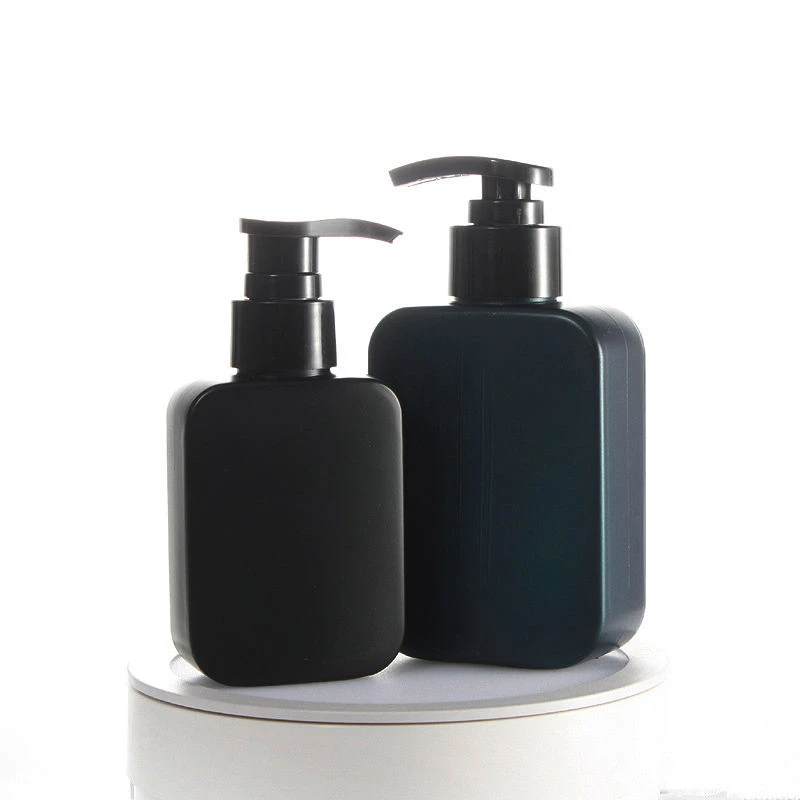
Natural HDPE generally has a translucent rather than glass-clear appearance; colored versions change what is visible through the wall. The source’s generic “transparent” field should not be read as a promise of PET-like clarity. Approve an actual color sample, including opacity, gloss, texture and appearance under the lighting used for your retail review.
Evaluate the complete filled pack with the actual shampoo, conditioner, body wash or lotion. Include fragrance oils, surfactants and any other ingredients relevant to compatibility. Review odor transfer, mass loss, stress cracking, swelling, discoloration and changes in dispensing. An oil or tanning-oil application needs its own trial; a title mention does not establish oil compatibility for every bottle, gasket and pump combination.
Do not infer PCR content, a mono-material pack or a recycling outcome from the HDPE body alone. If recycled resin is part of the sourcing brief, request the content definition, supporting documents and appearance/function trials for that construction before making a claim.
Pump, Neck Finish and Alternative Closures
Match the pump using a neck drawing, not just a nominal diameter. Thread profile, height, sealing land, gasket compression and assembly torque affect the seal. Review the plastic bottle neck finish guide when preparing specifications for the pump supplier and filler.
Agree output per stroke and tolerance, priming strokes, actuation force, full-stroke recovery and behavior near the end of the fill. Confirm the dip-tube material, cut angle and length for each bottle. A tube that is too long can obstruct intake; one that is too short can leave avoidable residue. Test these choices with the intended product rather than water alone.
Request the locking mechanism, unlock direction and shipping condition of the actuator. Check whether consumers can open the pump without loosening its collar, whether the head remains aligned as intended, and whether a transport clip or overcap is required. Do not promise a leakproof pack from the presence of a pump lock.
Disc-top or flip-top caps appear in the source’s general description. Treat them as alternatives to investigate, not interchangeable components already approved for every size. Compare their outlet size and squeeze behavior against the lotion pump using the same formula.
Custom Color, Logo and Decoration
Provide a physical color standard or Pantone reference, vector artwork, print positions and target finish. The reference family shows multiple colors, but each body and pump color combination needs its own sample approval. Agree acceptable color variation between the bottle, collar and actuator, which may use different resins or production processes.
For HDPE, evaluate surface preparation and decoration adhesion with the proposed process. Compare screen printing, hot stamping and labels before specifying a finish. Digital and heat-transfer processes listed by the source require feasibility checks for the actual bottle, artwork and production quantity.
Check artwork registration, small text and scuff resistance after handling and exposure to the filled product. Wet hands, bathroom humidity and product residue may affect the practical durability of labels and printing. Define an agreed adhesion test and acceptance criteria; our guide to cosmetic packaging ink adhesion provides context for that discussion. Keep codes and artwork clear of unstable shoulder and base areas identified on the drawing.
OEM Development and Tooling Scope
Separate an existing bottle with custom color and artwork from a new bottle shape or closure design. For a custom shape, agree the drawing revision, prototype stages, tooling cost and ownership, mold trial approval and expected changes to filling-line guides or label application. A visual mockup is not production approval.
For repeat orders, retain the approved material specification, component drawings, color sample, artwork revision and inspection criteria. Specify how changes to resin, pump internals, decoration or manufacturing location will be reviewed before substitution. This reduces the chance that a visually similar reorder behaves differently on the filling line.
Proposed Sampling and Quality Approval Plan
Gate 1 — Approve dimensions and components
Confirm capacity definition, bottle weight, neck dimensions, label area, base stability and the full closure specification. Review appearance for parting lines, flash, contamination, scratches and color variation against agreed defect examples. Retain signed reference samples.
Gate 2 — Trial filling, capping and dispensing
Run the selected pack with the filler using the actual formula. Establish filling temperature, fill accuracy, headspace, capping settings and pump assembly method. Check output and priming across the intended storage and use temperatures. Agree closure torque with reference to the assembly; see bottle cap torque and sealing checks.
Gate 3 — Validate storage and distribution
Agree leakage checks in relevant orientations, handling drops and transport simulation for the finished pack. Include pump locking, cap retention and carton protection in the review. Assess shape change and paneling after storage or filling; investigate the formula, fill conditions and pressure balance if deformation occurs. Test limits and conditions must be agreed for the actual project.
Gate 4 — Release production and shipment
Confirm the actual manufacturing route and documented controls with Boyu. A proposed route may include body molding, trimming, component inspection, surface treatment, decoration and packing, but the selected construction determines the final sequence. Define sampling levels, critical/major/minor defects, functional checks, records and responsibility for release before ordering.
Export Packing and Freight Planning
Agree whether pumps ship assembled, loose or locked, and how bottle surfaces and printed faces are protected. Consider pump-head contact and neck loading during stacking. Specify inner protection, carton count and any retail boxes or dividers needed; validate the arrangement rather than assuming a photo represents shipment packing.
For freight comparison, request carton dimensions, gross and net weight, number of units per carton, pallet configuration if used, and the agreed trade term. Empty bottles can occupy substantial freight volume, so compare assembled and separate-component packing using confirmed carton data. Do not use the source’s single-package size or gross weight as the retail bottle dimensions or unit weight.
MOQ, Quotation and Lead-Time Dependencies
The MOQ is 10,000 pieces. Supply the capacity and color split, closure choice, pump output target, formula type, artwork, packing, destination and required delivery date. Ask the quote to distinguish the bottle, pump, gasket or seal, decoration, tooling, samples, packing and freight basis. Clarify whether any trial or color-development charges apply.
Obtain a schedule covering component availability, color matching, artwork approval, decorated samples, production, inspection and shipment preparation. New tooling, nonstandard pump components and repeated artwork changes can affect the schedule. Price and timing must come from Boyu’s project quotation; the reference seller’s tiered pricing and lead-time statements are not commitments for this page.
After-Sales Evidence and Repeat Supply
Agree reporting windows and remedies in the purchase terms. For any leakage, pump or decoration issue, retain batch codes, carton labels, photographs, inspection results and representative units. Record the formula, filling temperature, capping settings and storage history where relevant so component and filling issues can be assessed together.
For replenishment, track consumption by capacity and color, then plan approvals and transit time against the next delivery date. Keep packaging revisions controlled and agree how order quantity tolerances and replacement components will be handled.
Procurement FAQs
Can all capacities use the same pump?
Only if the neck and assembly requirements match. Dip-tube length and consumer dose may still differ. Approve each size and formula combination separately.
Can I request a disc-top or flip-top cap?
These are options to discuss against the selected bottle drawing. Confirm availability, thread fit, sealing and outlet suitability before substituting for the reference pump.
Is this bottle transparent or made of PET?
The primary reference is HDPE. The source contains inconsistent generic material and color entries, so approve the exact resin and appearance with Boyu. Do not treat the generic table as proof of a PET version or glass-clear HDPE.
Is it suitable for hot filling or oil-based formulas?
Neither is established by the product listing. Supply the formulation and fill conditions, obtain the approved material and component specifications, and validate the complete pack.
Is the pack certified for my market?
Request documentation relevant to the exact materials, components, intended use and destination. A badge on another supplier’s listing does not establish compliance of a Boyu order.
What should I send for a fast and accurate quotation?
Send capacity, quantity, color, formula category, pump or cap specification, artwork, packing requirements and destination. If specifications are still open, include a target sample and identify which features are essential. MOQ: 10,000 pieces.
Send your HDPE shampoo bottle procurement brief to request drawings, samples and an order-specific quotation.
 English
 Español de Argentina
 Русский
 Italiano
 日本語
 한국어
 العربية
 Français
 Deutsch